Ripmo
vsBronson
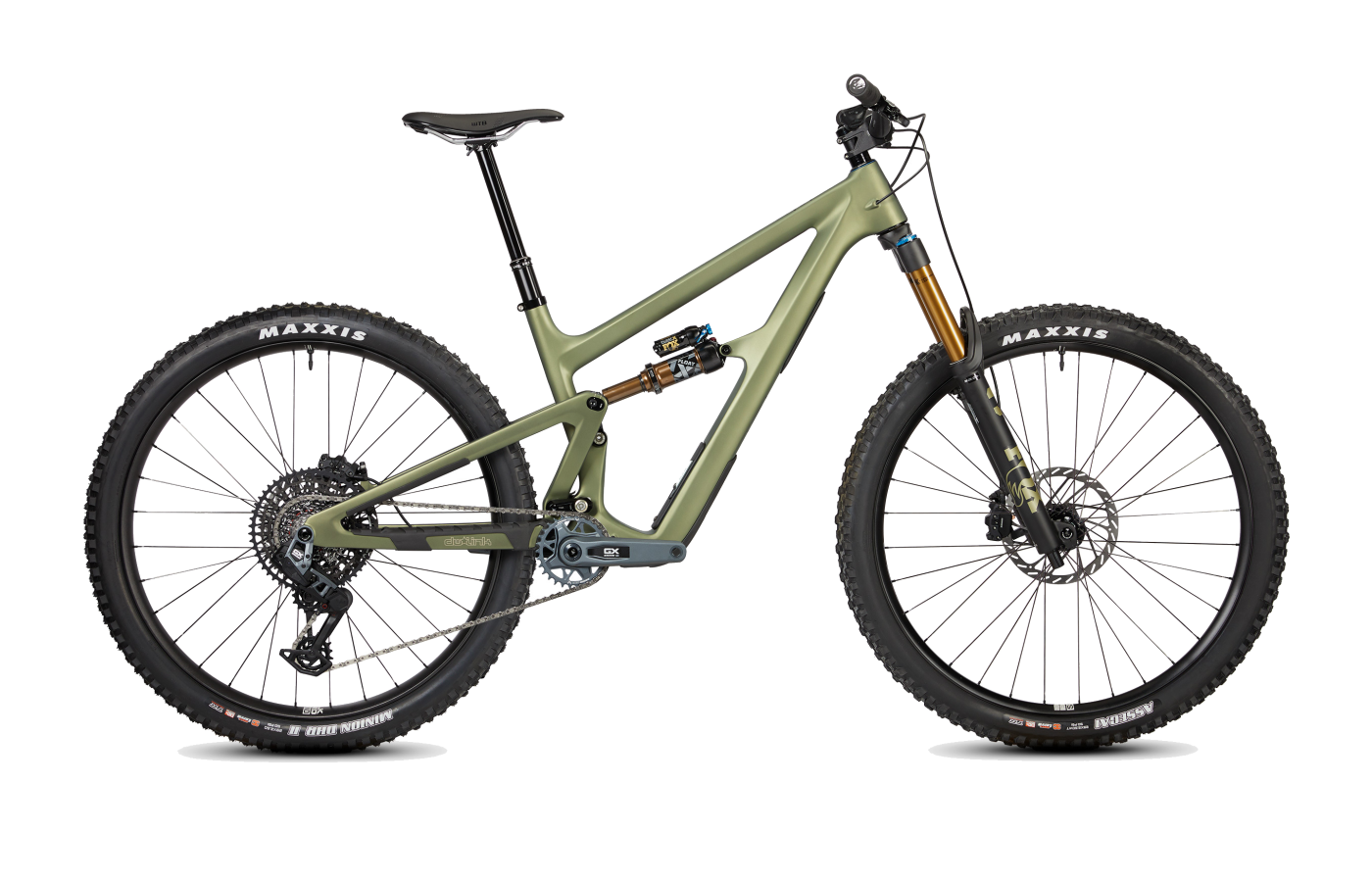
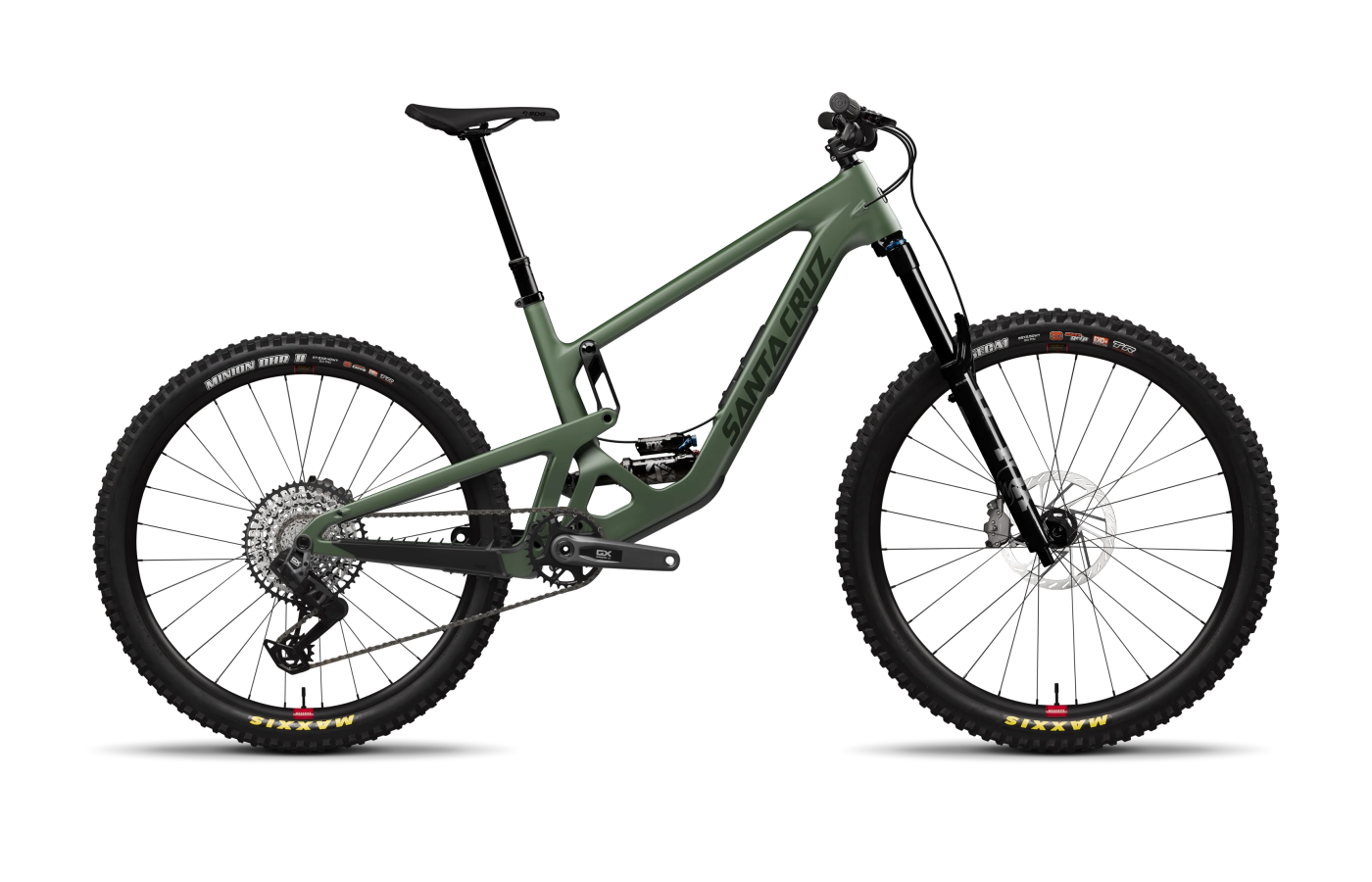
Two 150 mm trail bikes, two wheel philosophies.
The Ripmo V3 is a full 29er with a DW-Link spring in its step. The Bronson V4 commits to mullet wheels and a steeper rear-wheel personality.
Ripmo
- Lively DW-Link climber — consistently rated among the best-climbing 150 mm bikes in its category.
- Wheel-size flexibility — 29 stock with a mullet flip-chip, so you don't have to commit.
- Thoughtful frame details — internal storage with Cotopaxi pouches, threaded BB, lifetime lower-link bushings.
- Lively suspension can feel busy in chaotic, high-speed terrain (Pinkbike's main critique).
- Stock Fox 36 GRIP X damper draws criticism from aggressive testers — a GRIP X2 swap unlocks the frame.
Bronson
- Dedicated mullet handling — the 27.5" rear flicks and pivots in a way no 29er matches.
- Steeper 77.9° seat angle — a notable climbing-position advantage over the Ripmo's 76.5°.
- Industry-leading support — lifetime frame warranty plus free lifetime bearing replacement.
- 27.5" rear wheel can hang up on square-edge hits the 29" front clears.
- Spec-per-dollar trails the Ripmo at the same price point — the Santa Cruz tax is real.
Editor’s analysis
Same travel, same fork, same target rider — but one bike pops, the other plants.
On paper, the Ibis Ripmo and Santa Cruz Bronson sit in the same 150 mm rear / 160 mm front pocket — the modern all-mountain sweet spot, designed to climb up anything and descend most things. Both run a Fox 36, both come with a Float X out back, both top out near $10k and start in the $5k range. But the wheel-size choice splits them at the seams.
The Ripmo runs full 29 wheels stock, with a flip-chip option to mullet. The DW-Link gives it that signature Ibis pep — reviewers across NSMB, Theradavist, and Enduro MTB describe it as a "hoverbike" on chunky climbs and a "total fun machine" on flowing descents. It's the lighter, more upright, more poppy bike. Geometry is more conservative: 64.5° HTA, shorter 435 mm chainstays at size MD, and a slightly lower stack. It rewards an active rider who likes to unweight and flick.
The Bronson goes the other way — a dedicated 29-front / 27.5-rear mullet with a slacker 64.2° HTA, a notably steeper 77.9° seat angle, longer chainstays (439 mm at size m), and a taller 632 mm stack. The VPP suspension is firmer and more supportive than the DW-Link, and the rear-wheel agility means it carves tight stuff better than its wheelbase suggests. The trade-off, flagged by BikeRadar and Pinkbike: the 27.5" rear can hang up on square-edge hits where the 29" front rolls clean.
Put plainly: the Ripmo is the bike for the rider who wants a singular trail bike that's eager to play and efficient enough to enjoy 4,000-foot climbs. The Bronson is the bike for the rider who wants a poppy mullet with a steep enough seat angle to climb confidently and a rear end that loves to be schralped through corners.
Where the builds differ.
Comparing our editor's-pick builds side-by-side. Winners highlighted row-by-row — lower price and weight, and the better-spec component, each mark a point.
Build variants & pricing
Both range from roughly $5k to $10k. Ripmo offers Shimano XT Di2 and SRAM Transmission paths at the same $7,799 price; Bronson is SRAM-only across the lineup.
Prices are current US MSRP. The Bronson's lower-tier builds use the heavier Carbon C frame; the lighter CC layup only appears on the X0 AXS and X0 AXS RSV builds. The Ripmo doesn't split its frame into carbon grades — the same layup runs across all five builds.
How they fit, how they steer.
At fit-picked sizes, the Bronson m sits 10 mm taller in the stack and 4 mm longer in reach than the Ripmo MD. Its head angle is 0.3° slacker, its seat angle 1.4° steeper, and the wheelbase stretches 21 mm longer — the more planted, more upright cockpit.
Which size should I buy?
Sizes recommended by stack, reach, and effective top tube. The Ripmo's five-size range (with the unique "Extra Medium") gives finer fit granularity in the middle than the Bronson's four-size run.
→These are starting points. Flexibility, riding style, and preferred position all shift the answer — if you’re between sizes, a professional fit beats a chart.
What the magazines said.
Published reviews from trusted cycling outlets. Click through for the full write-up.
Which one should you buy?
If you want one bike that climbs efficiently and pops down anything, get the Ripmo. If you want the snappy mullet feel and don't mind paying the Santa Cruz tax, get the Bronson.
Ripmo
If you'd rather work the trail than plow it — pumping rollers, gapping sections, finding the playful line — the Ripmo's DW-Link rewards every input. It's the bike for riders who climb to descend and don't want to compromise either direction.
Bronson
If you've decided mixed wheels are the right answer and you want a frame engineered around them from the ground up, the Bronson commits where the Ripmo dabbles. The steeper seat angle and longer chainstays make it the more confident climber on steep stuff and the easier bike to hang the rear out in tight corners.
Questions buyers actually ask.
Short answers to the things we get emailed about most often.
01Which is better at climbing?
Both are excellent climbers for 150 mm bikes — the question is which kind of climbing.
The Ripmo's DW-Link is the more efficient pedaler in the sit-and-spin sense. Reviewers consistently call it one of the best climbers in its travel category, with several noting they leave the climb switch open all day.
The Bronson's VPP is also efficient enough that Vital MTB called the climb switch "decorative," but its real climbing advantage is the 77.9° seat tube angle vs the Ripmo's 76.5°. On steep technical pitches, that 1.4° difference puts you noticeably more centered over the bottom bracket. The trade-off is the Bronson's taller front end can wander on the steepest stuff.
02Which descends harder?
Reviewer consensus splits cleanly: the Bronson is the more planted, composed descender at speed; the Ripmo is the more playful and active. The Bronson's slacker 64.2° HTA, longer 1240 mm wheelbase, and longer 439 mm chainstays at size m all add stability. The Ripmo at size MD is shorter (1219 mm wheelbase, 435 mm chainstays) and lower-stack, which makes it easier to throw around but more of a handful in the chunkiest terrain.
Neither is an enduro race bike — both reach a clear ceiling on "double-black" terrain compared to dedicated 170 mm rigs.
03Why does the Ripmo come with both Shimano and SRAM at the same price?
Ibis offers an XT Di2 build and a GX Eagle Transmission AXS build, both at $7,799. They're spec-equivalent peers — Shimano electronic wireless vs SRAM electronic wireless at the same one-down-from-flagship tier. It comes down to brand preference (and whether you'd rather see SRAM or Shimano in your shifter housing). The Bronson lineup is SRAM-only across the board.
04How does the mullet flip-chip on the Ripmo compare to the Bronson's dedicated mullet?
The Ripmo's flip-chip lets you swap to a 27.5" rear wheel and keeps the geometry sensible — most reviewers found the mullet setting noticeably more maneuverable in tight, steep terrain. But the bike was designed around 29 wheels first, so you're optimizing on top of a 29er chassis.
The Bronson is mullet-only, with chainstay length, leverage ratio, BB height, and weight distribution all dialed for the mixed-wheel layout. The result is a more cohesive mullet feel — the rear end snaps around in a way the Ripmo's flip-chip mode hints at but doesn't fully nail.
05Which has the better stock spec for the money?
At equivalent tier, the Ripmo edges it. Both editor's-pick builds run SRAM GX AXS Transmission and Fox Performance Elite/Factory suspension, but the Ripmo's GX Transmission build at $7,799 includes Factory-level Fox suspension, while the Bronson GX AXS at $7,249 uses the lower-tier Performance Elite damping.
Reviewers have been consistent across generations that the Bronson carries a "Santa Cruz tax" — the value is in the lifetime warranty, free bearing replacements, and resale, not the parts hung on the frame.
06What about tire clearance?
Both frames clear roughly 2.5" tires at front and rear (about 63.5 mm). Stock spec is similar too — Maxxis Assegai 2.5" front on both, Maxxis DHR II 2.4–2.5" rear. If you're running aggressive enduro casings, both have room.
The Bronson's 27.5" rear tire is a smaller-diameter casing in the same width spec, which contributes to the snappier acceleration but also the square-edge hang-up that BikeRadar and Pinkbike both flagged.
07Which holds up better long-term?
Both brands back their frames hard. Santa Cruz offers a lifetime frame warranty plus free lifetime pivot bearing replacement and the "No Missed Rides" parts program — historically the gold standard in MTB support.
Ibis counters with a lifetime warranty on the lower-link IGUS bushings (the high-wear part of the DW-Link) and a threaded bottom bracket for easy service. Both use UDH derailleur hangers, so future drivetrain compatibility is set. Frame durability complaints are minimal on both bikes — the gripes are about brake rotors and stock tires, not chassis longevity.
08Can I race enduro on either of these?
Yes, with caveats — and people do. The Ripmo has EWS pedigree from earlier generations, and the Bronson has been raced to top-15 EWS finishes by Sam Dale and Mark Scott.
But these are 150 mm trail-leaning all-mountain bikes, not 170 mm enduro race rigs. If your local enduro tracks are technical and high-speed, you'll be giving up time to longer-travel bikes (Ibis HD6, Santa Cruz Megatower) on the steepest tracks. For local enduros and weekend trail riding that occasionally turns sideways, either is a strong choice.
Similar bikes
If your priorities don’t map cleanly onto either of these, one of these adjacent bikes probably fits better.
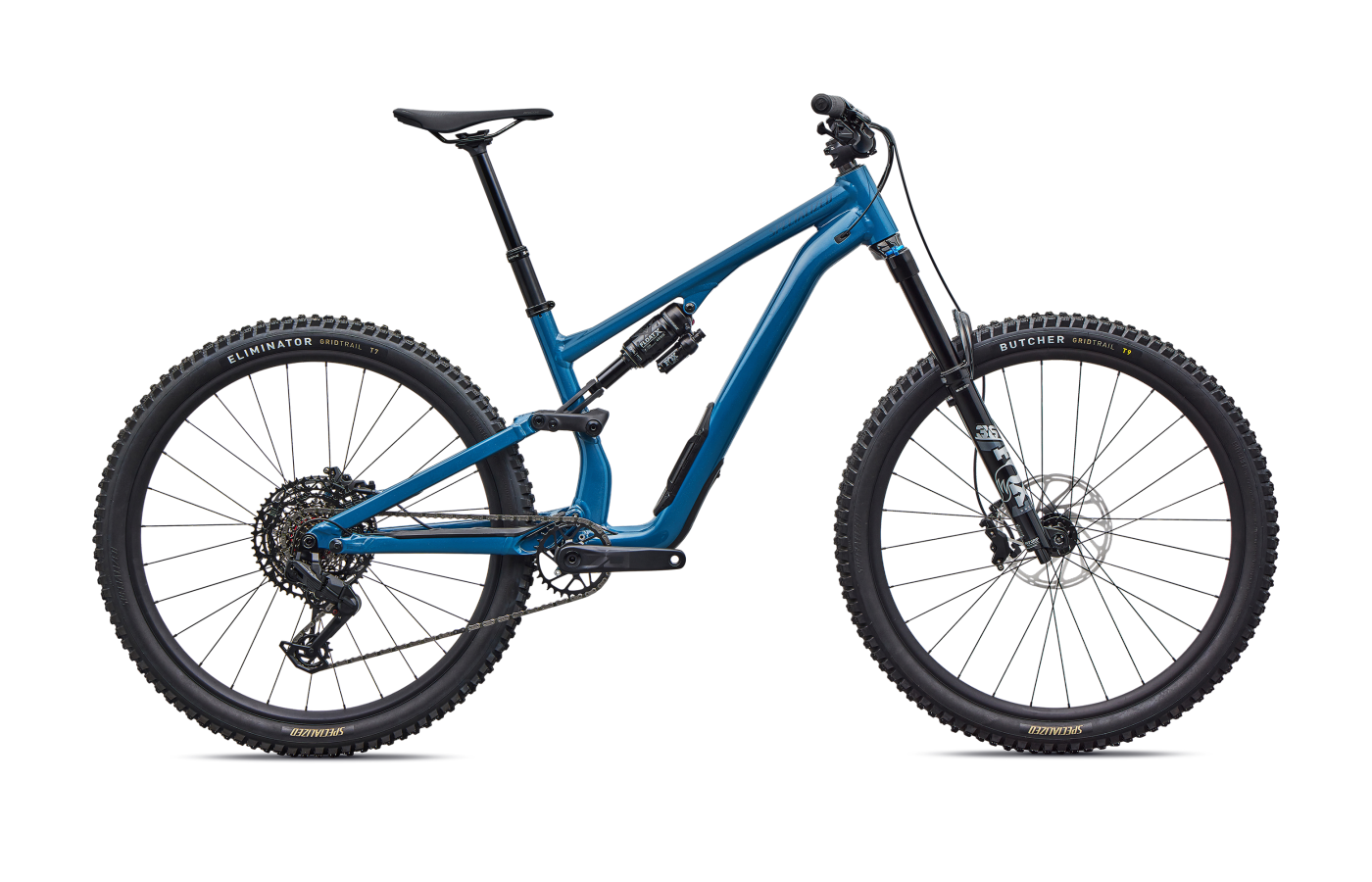
Stumpjumper Evo
The other obvious entry in this fight — Specialized's all-mountain swiss-army with mullet compatibility, geometry adjustment, and one of the deepest spec ranges in the category. Pick it if you want a tunable fit and the Big S retail network.
Compare →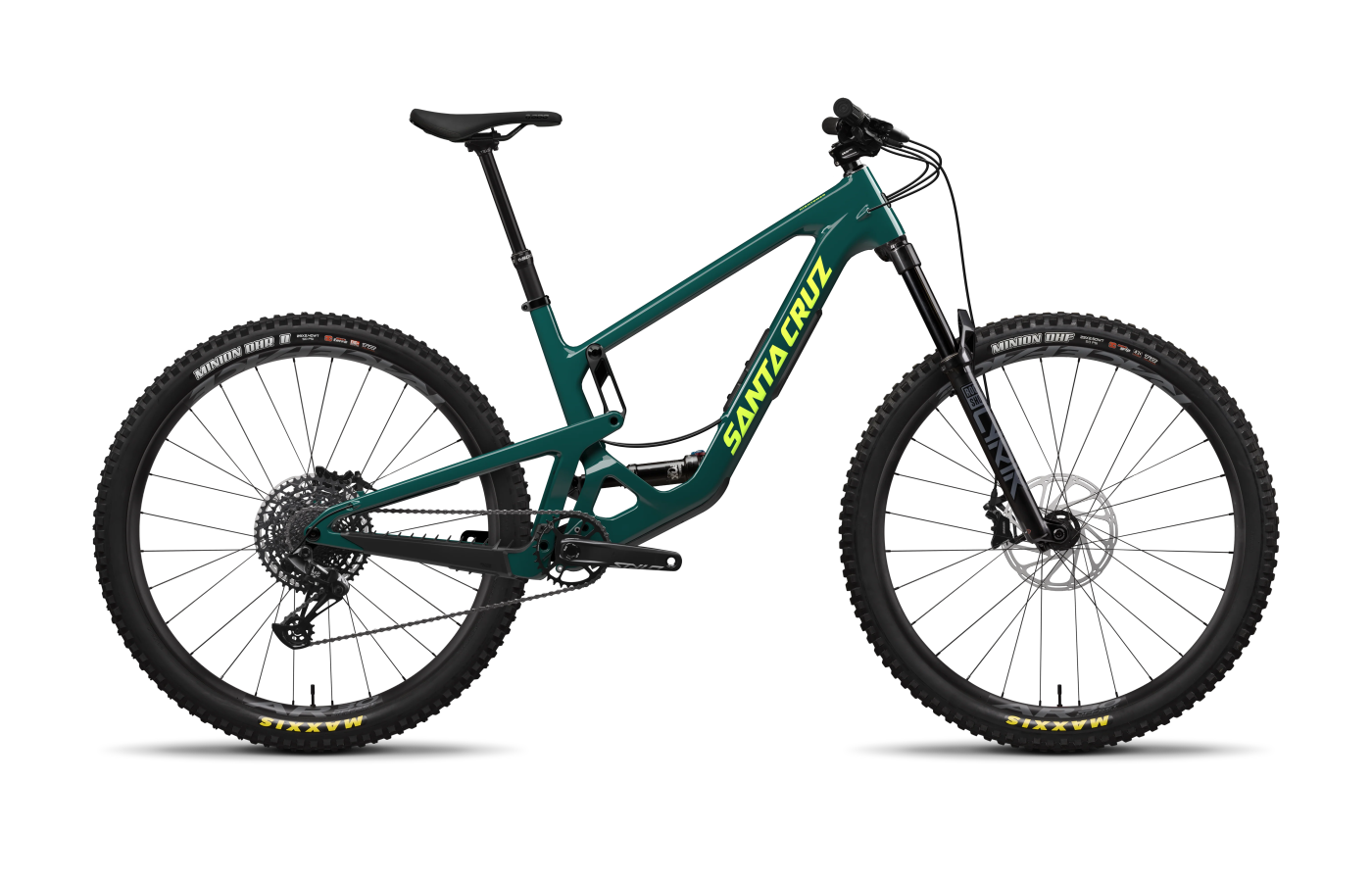
Hightower
Santa Cruz's full 29er sibling to the Bronson — same VPP DNA, slightly less travel (145 mm rear), more high-speed composure. The choice for the rider who likes the Bronson's brand and warranty but wants 29 wheels at both ends.
Compare →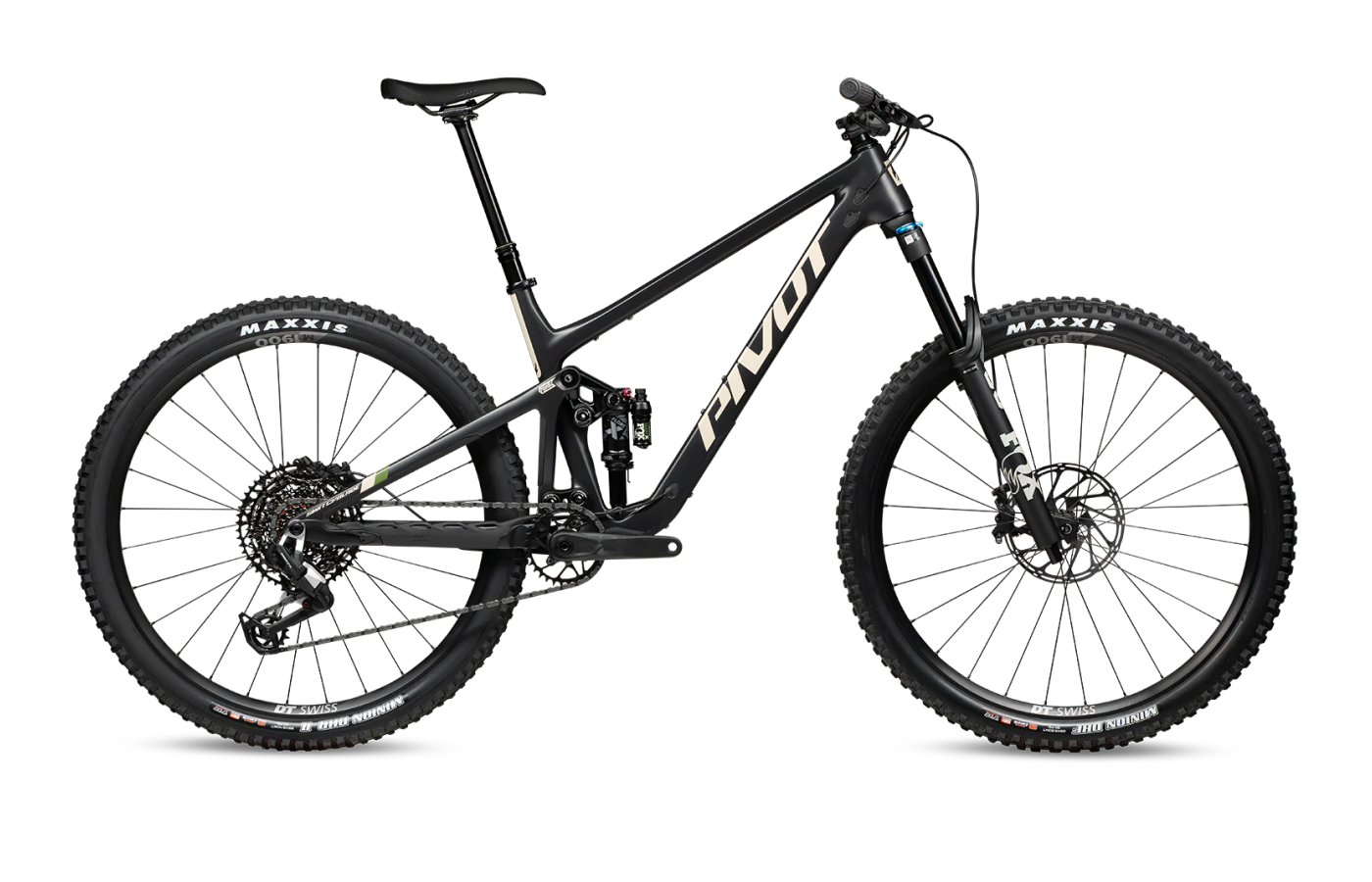
Switchblade
Pivot's DW-Link cousin to the Ripmo — same suspension lineage, stiffer frame feel, and a reputation for premium build quality. The pick for riders who like the Ripmo's energetic pedaling but want even more chassis rigidity for hard pumping and jumping.
Compare →