Ripmo
vsStumpjumper
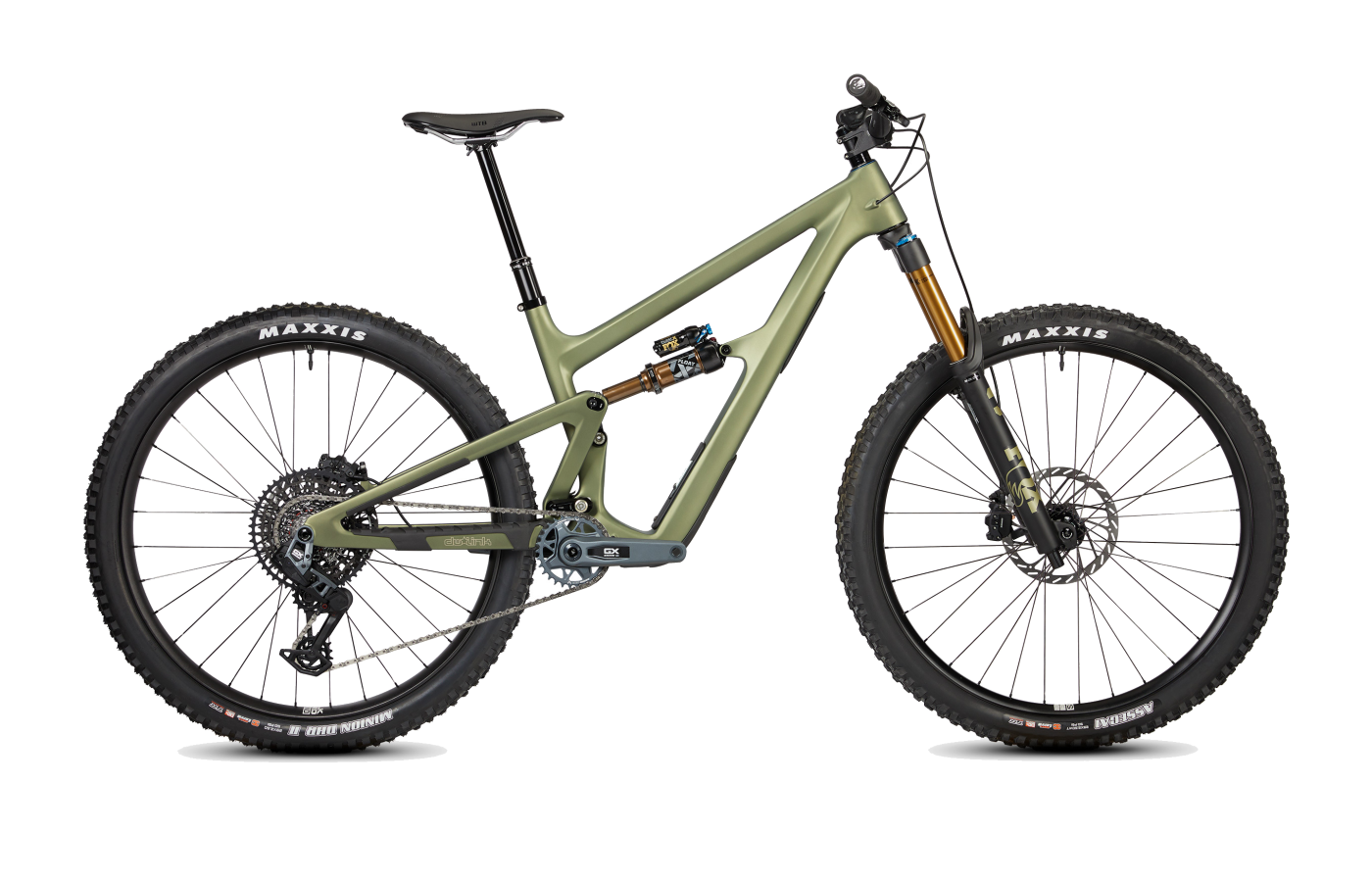
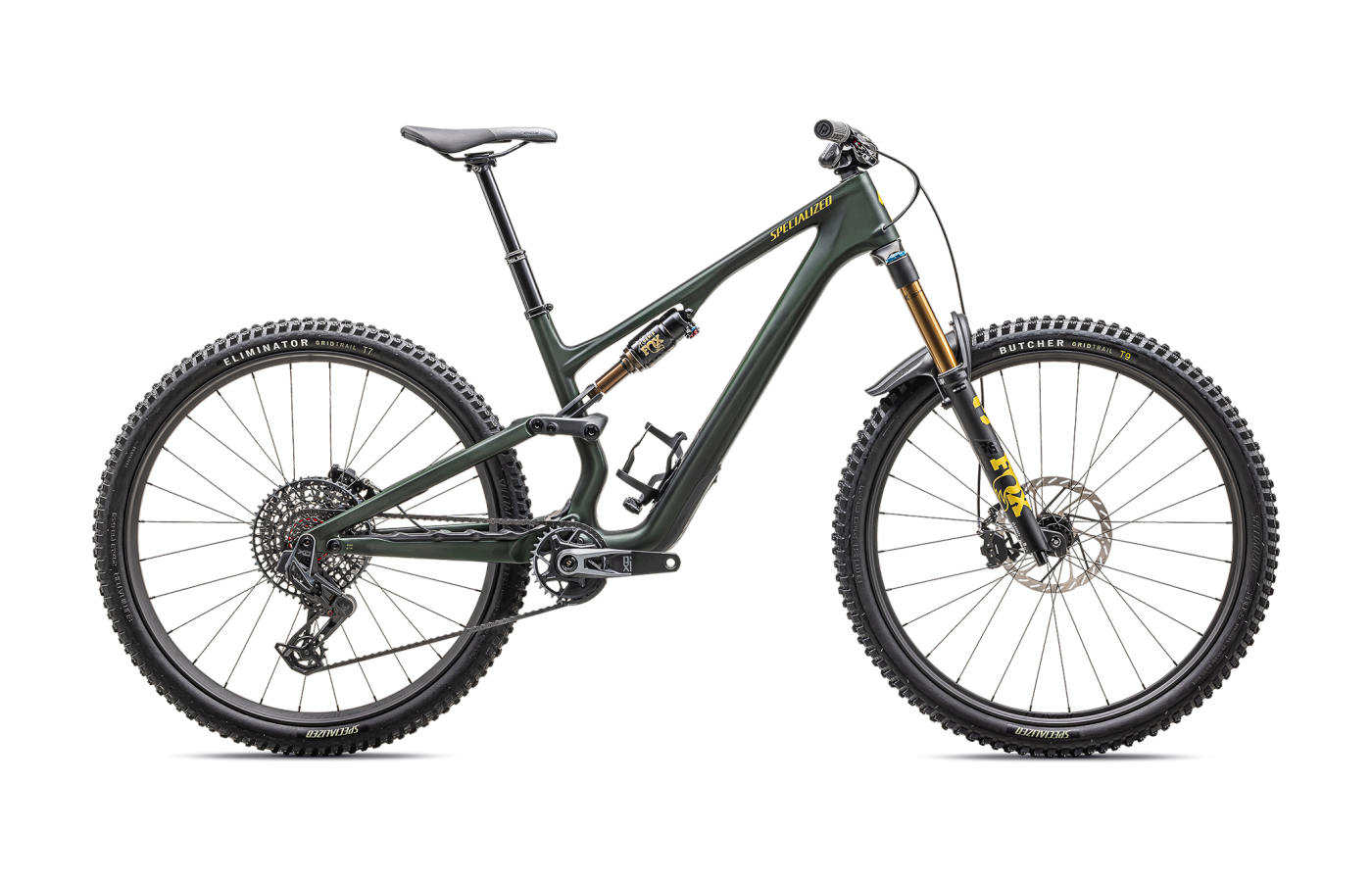
Two trail bikes, two suspension philosophies.
The Ripmo V3 is a poppy DW-Link climber that wants to be ridden actively. The Stumpjumper 15 is a ground-hugging Genie-shock platform that wants to be pointed and pinned.
Ripmo
- Energetic DW-Link suspension — pedals firmly without a lockout, accelerates when you pump, rewards active riding.
- 10 mm more front travel (160 mm) than the Stumpjumper, paired with a slacker-feeling fork-first stance.
- Drivetrain flexibility — builds across full Shimano (Deore through XTR Di2) and SRAM Transmission, with cable routing retained.
- Higher entry price ($5,199) — no alloy carbon-frame option from Ibis at sub-$5k.
- A few reviewers (Pinkbike, NSMB) call out a slightly nervous feel at very high speeds in genuine enduro terrain.
Stumpjumper
- GENIE rear shock — supple coil-like initial stroke with a hard end-stroke ramp; reviewers consistently fail to bottom it out.
- Adjustable headset cups + flip chip — mid-mannered trail bike to bike-park ripper without changing parts.
- Lower entry price — alloy 15 starts at $2,999, a full $2,200 below the cheapest Ripmo.
- Carbon frames are SRAM-Transmission-only — no mechanical, no Shimano shifters, no swap path.
- Alloy builds are heavy (16.17–16.90 kg / 35–37 lb), penalizing the value buyer on long climbs.
Editor’s analysis
Both run 64.5° head angles and ~150 mm of rear travel. From there — everything about how they ride diverges.
On a spec sheet, the Ibis Ripmo and Specialized Stumpjumper sit on top of one another: 64.5° head angles, ~150 mm rear travel, carbon chassis, threaded BBs, internal storage, all the modern boxes ticked. Spend a paragraph in any review and the divergence shows up — these are two very different ideas about what a 145–150 mm trail bike should feel like.
The Ripmo is the playful one. Ibis's DW-Link is famous for being a pedalable, supportive platform, and the V3 leans into that — reviewers describe it as poppy, eager to gap, easy to unweight, with a 'pep in its step' on climbs and a 'hoverbike' feel on bumpy ground. The 160 mm Fox 36 up front is 10 mm longer than the Stumpjumper's, and size-specific chainstays grow with the frame to keep balance consistent. Downside: at the very top of the speed range, multiple reviewers (Pinkbike, NSMB) note a 'slightly nervous' feel compared to longer-travel enduro bikes.
The Stumpjumper is the brawler. Specialized's collaboration with Fox produced the GENIE shock — a dual-chamber air spring that's 'coil-like' for the first 70% of travel, then ramps hard at the end-stroke to prevent bottom-outs. The result is a bike that reviewers consistently call 'glued-like,' 'planted,' and 'on rails' through chunk. Carbon Pro and S-Works builds come in noticeably light (the Pro is 13.99 kg / 30 lb 13.5 oz claimed) for a bike this composed. The trade-off is that the carbon frames are SRAM-Transmission-only — no mechanical, no Shimano routing.
Buy the Ripmo if you want to dance with the trail — pump it, jump it, and be rewarded for steering around things. Buy the Stumpjumper if you'd rather steamroll the trail flat and trust the suspension to keep up. Both are excellent. Neither will disappoint the right rider.
Where the builds differ.
Comparing our editor's-pick builds side-by-side. Winners highlighted row-by-row — lower price and weight, and the better-spec component, each mark a point.
Build variants & pricing
Ibis runs five builds from $5,199 to $9,999. Specialized runs nine, from $2,999 alloy to $11,999 S-Works LTD. The mid-tier carbon picks below land within $200 of each other.
Prices are current US MSRP. Both editor's picks are SRAM AXS Transmission electronic builds on FACT 11m / equivalent carbon — picked for tier parity, not because both brands lack alternatives. The Ripmo XT Di2 build is the equivalent Shimano choice on Ibis's side; Specialized's carbon frames don't offer one.
How they fit, how they steer.
Both at the fit-picked sizes for a 5'8" rider, both with identical 64.5° head angles. The Ripmo runs 6 mm more reach (456 vs 450 mm) and 5 mm less stack (622 vs 627 mm) — a fractionally longer, lower cockpit. Stumpjumper's seat angle is 0.5° steeper (77° vs 76.5°), and chainstays are identical at 435 mm.
Which size should I buy?
Specialized's S-sizing (S1–S6) doesn't map directly to Ibis's S/MD/XM/L/XL labels — the size picker uses stack, reach, and effective top tube to make the comparison apples-to-apples.
→These are starting points. Flexibility, riding style, and preferred position all shift the answer — if you’re between sizes, a professional fit beats a chart.
What the magazines said.
Published reviews from trusted cycling outlets. Click through for the full write-up.
Which one should you buy?
If you want a poppy, pedal-friendly trail bike that rewards active riding, get the Ripmo. If you want a planted, plush, point-and-shoot trail bike with a deeper price ladder, get the Stumpjumper.
Ripmo
If your idea of a great ride involves pumping rollers, finding side hits, and gapping the chunky bits — and you want a bike that climbs as eagerly as it descends — the Ripmo V3 is the answer. Long DW-Link pedigree, modern geometry, and a build menu that doesn't force a drivetrain choice.
Stumpjumper
If you'd rather charge into the rough than steer around it, the Stumpjumper 15's GENIE shock and adjustable geometry are the most refined version of that idea on the market. Wider price range, lighter top builds, and a chassis that scales from mellow trail to bike park with two clicks of a wrench.
Questions buyers actually ask.
Short answers to the things we get emailed about most often.
01Which one climbs better?
Both climb well — they answer the question differently.
The Ripmo V3 is the more energetic climber. The DW-Link platform pedals firmly without a lockout, and reviewers across the board describe a 'pep in its step' under power. With a 76.5° seat angle on size MD it puts you in a comfortable, centered position for long fire-road grinds.
The Stumpjumper 15 uses GENIE's supple initial stroke to maximize traction on technical climbs — it's the better choice when you're picking through rooted, rocky climbs and need the rear wheel to stay glued. Its 77° seat angle (size S3) is a touch steeper. A few reviewers note it can feel 'wallowy' on smooth climbs if you're not smooth with pedal strokes; the two-position climb switch on the GENIE handles that.
02Which one descends better?
Depends what 'better' means. The Stumpjumper is more composed — the GENIE shock's plush first 70% of travel and hard end-stroke ramp let it absorb chatter and big hits without using all its travel. Reviewers consistently call it 'planted' and 'on rails.'
The Ripmo is more engaging — a slightly shorter rear end, lively suspension, and 160 mm fork (10 mm more than the Stumpy) make it eager to pop, manual, and change lines. A few reviewers (Pinkbike, NSMB) flag a slightly nervous feel at the very top of the speed range in true enduro terrain — the trade-off for that liveliness.
03How different is the suspension feel really?
Different enough that side-by-side test rides feel like two different bikes.
The Ripmo V3 runs Ibis's signature DW-Link with a Fox Float X (or Float X Factory on higher builds). It's supportive in the mid-stroke, poppy off lips, and gives back energy when you pump. Reviewers describe it as 'lively' and 'snappy.'
The Stumpjumper 15 uses a Specialized-developed Fox GENIE shock — a dual-chamber air spring whose outer chamber closes off after ~70% travel, creating a hard ramp at the end-stroke. The result is coil-like plushness that suddenly becomes very progressive. It's a fundamentally different ride character: ground-hugging instead of poppy.
04What about travel — 150 mm vs 145 mm matters?
Not much in isolation. Rear travel: 150 mm Ripmo, 145 mm Stumpjumper — within the noise of how each shock is tuned.
Front travel: 160 mm Ripmo (Fox 36), 150 mm Stumpjumper carbon (Fox 36 on S2–S6). The Ripmo's 10 mm taller fork plus same head angle gives it a slacker effective stance and a fork that's better suited for hard descents. The Stumpjumper's 15 Alloy build runs a 160 mm Fox 38 instead — Specialized clearly built that one to be ridden harder.
05Which is the better value?
Depends on your budget.
Under $5,000: Stumpjumper wins by default — the Ripmo's cheapest carbon build is $5,199. The 15 Comp Alloy ($3,999) and the base 15 Alloy ($2,999) are the only options here, and reviewers note the alloy frames are heavy (16+ kg).
$5,000–$8,000: Closer fight. The Stumpjumper 15 Pro ($7,999, X0 Transmission, FACT 11m carbon) is widely called out as the lineup's sweet spot. The Ripmo GX Transmission ($7,799) hits the same tier with a similar parts kit. They're $200 apart and roughly comparable.
Above $8,000: Both run flagship-tier builds; pick on aesthetics and dealer.
06Can I run a coil shock on either?
Ripmo V3: yes — the V3's new mini-clevis design is specifically called out (by Bebikes, Theradavist) as more coil-friendly than the V2, mitigating the bending loads that punish coil shocks.
Stumpjumper 15: technically yes — the frame uses a standard 210x55 mm shock and the S-Works LTD ships with a Fox DHX Live Valve NEO coil from the factory. But the bike's character is built around the GENIE's progressive end-stroke; swapping to a coil would change the ride substantially. The 15 (Öhlins) build is the closest factory option.
07What about drivetrain compatibility?
This is a real difference.
The Stumpjumper 15 carbon frames are SRAM-Transmission-only — no internal cable routing for mechanical shifting, no Shimano option. If you want a Shimano XT or XTR drivetrain on a carbon Stumpy, you can't. The alloy frames retain mechanical routing.
The Ripmo V3 keeps cable routing across the lineup — Ibis offers builds across Deore, XT Di2, XTR Di2, SRAM Eagle 90, and SRAM GX Transmission. That's meaningful for riders who want Shimano, want to keep a mechanical drivetrain, or want flexibility when it's time to upgrade.
08Which size fits me at 5'8"?
The fit picker recommends Ripmo MD (605 mm effective top tube, 456 mm reach, 622 mm stack) and Stumpjumper S3 (595 mm effective top tube, 450 mm reach, 627 mm stack) for a 173 cm rider.
Ibis sizes by top tube length rather than reach, so reviewers note their numbers don't always feel like equivalent sizes from other brands — multiple reviews recommend a demo if you're between sizes. Specialized's S-sizing decouples reach from seat tube length, so taller riders can size up for stability without running out of standover.
Similar bikes
If your priorities don’t map cleanly onto either of these, one of these adjacent bikes probably fits better.
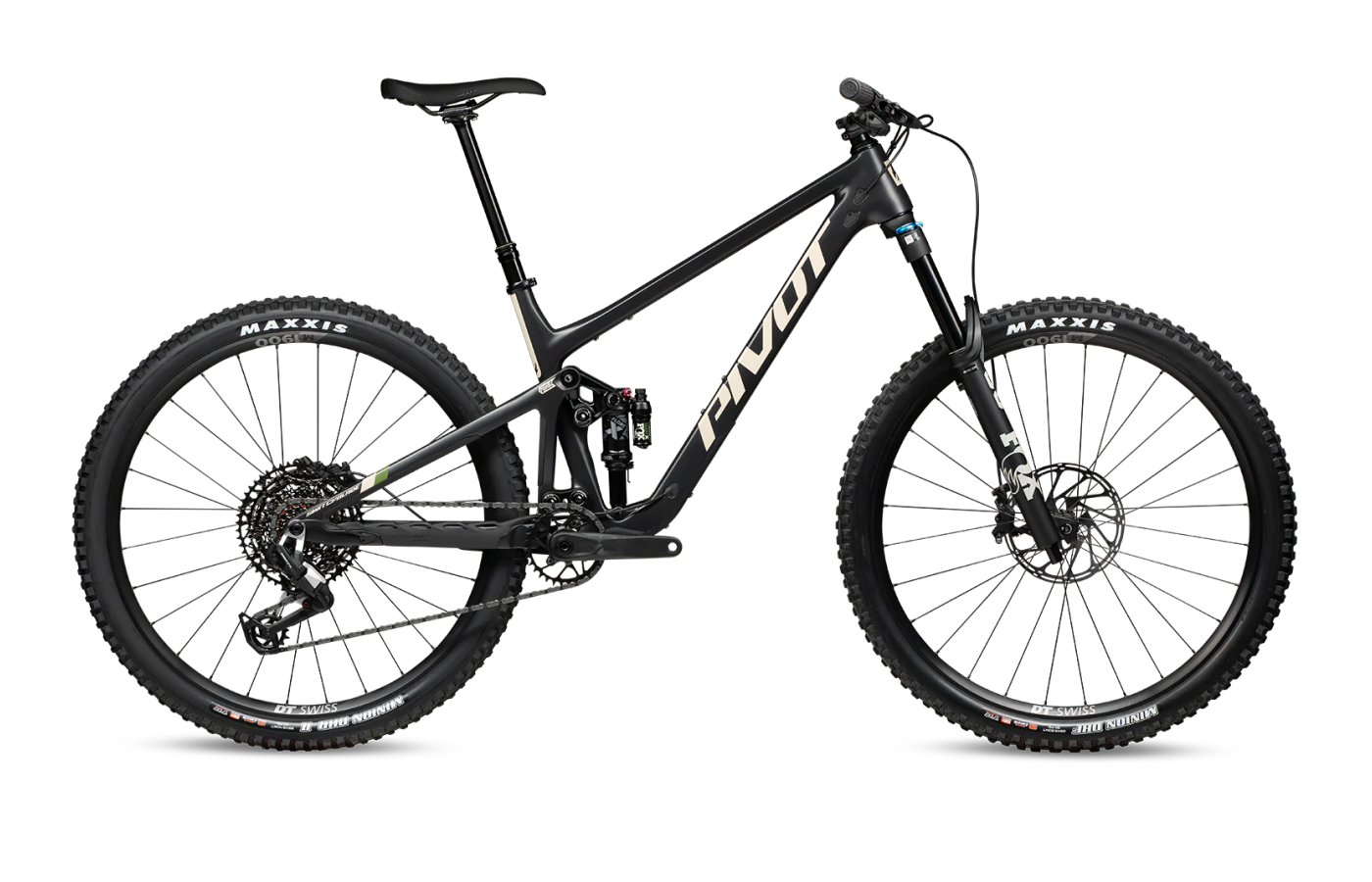
Switchblade
Same DW-Link platform as the Ripmo, but with a longer, stiffer feel built around aggressive trail riding and a flip-chip geometry adjustment. The Ibis cousin from Pivot's stable.
Compare →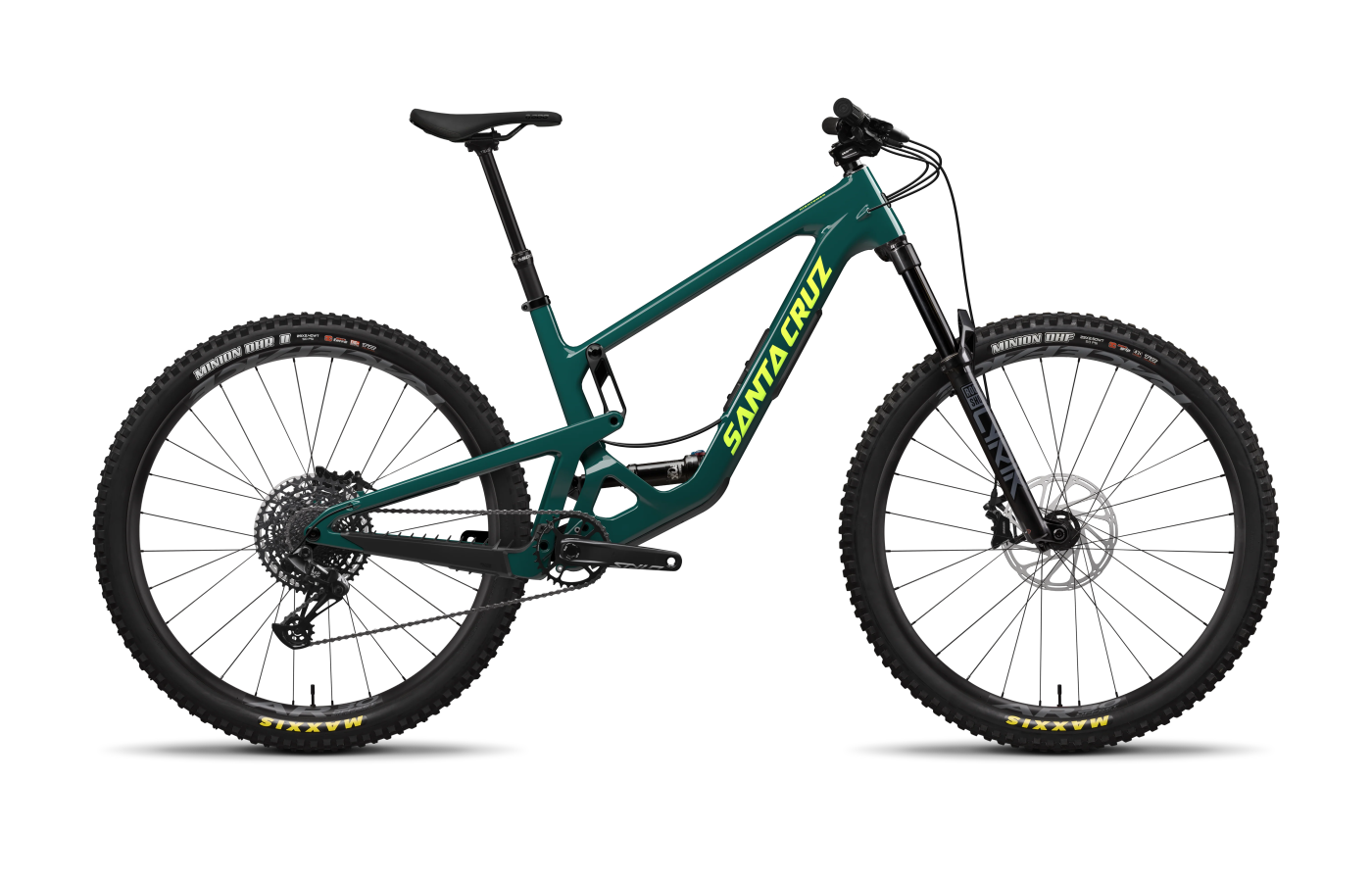
Hightower
Santa Cruz's 145 mm VPP take on the same brief — more planted than the Ripmo, more conventional than the Stumpjumper, with the cleanest integrated cable routing of the three.
Compare →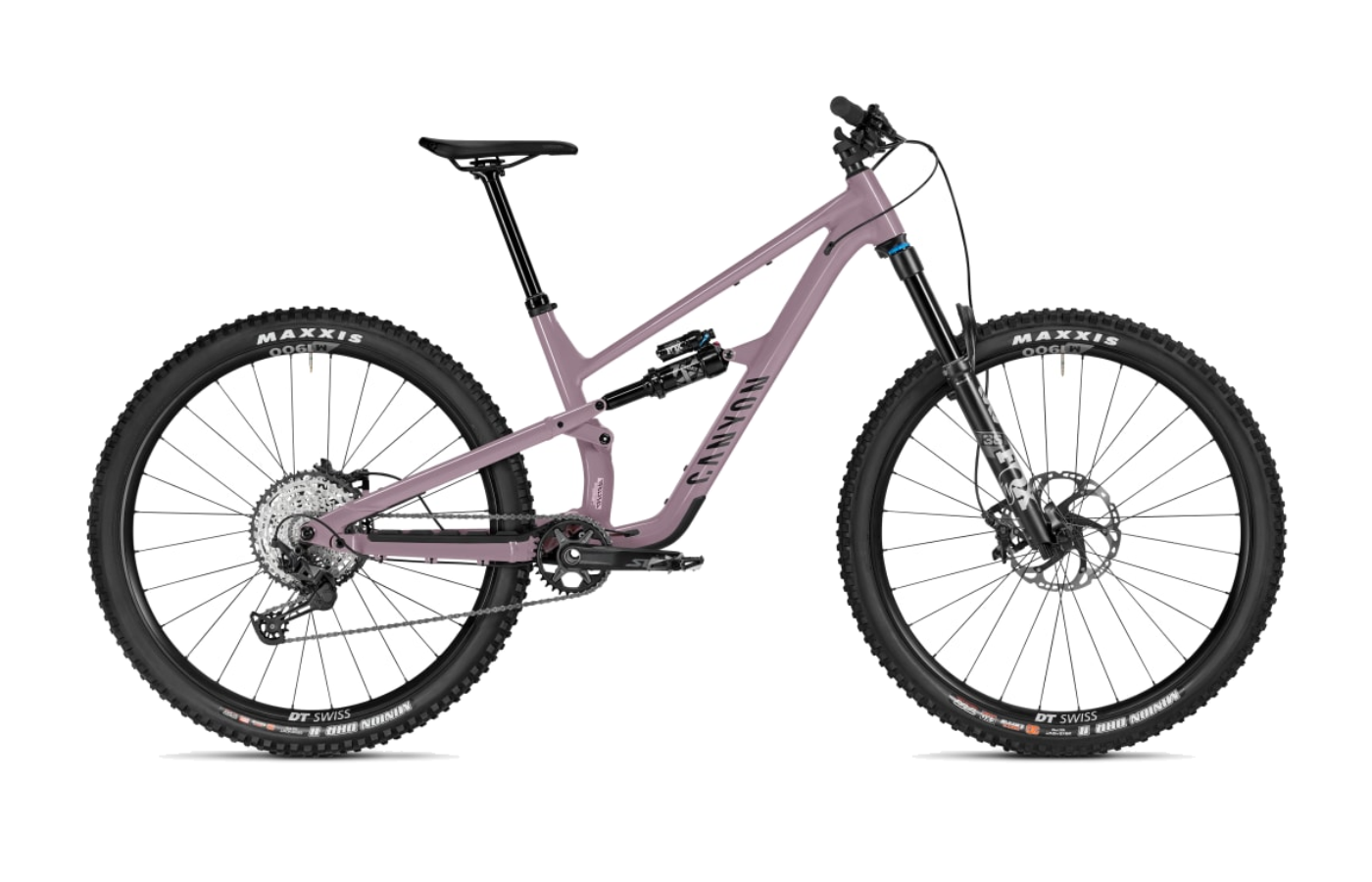
Spectral
Direct-to-consumer 150 mm trail bike with a balanced, fun-first character — the value play if you don't need a local dealer and you want most of the Ripmo's playfulness for less money.
Compare →