Ripmo
vsStumpjumper Evo
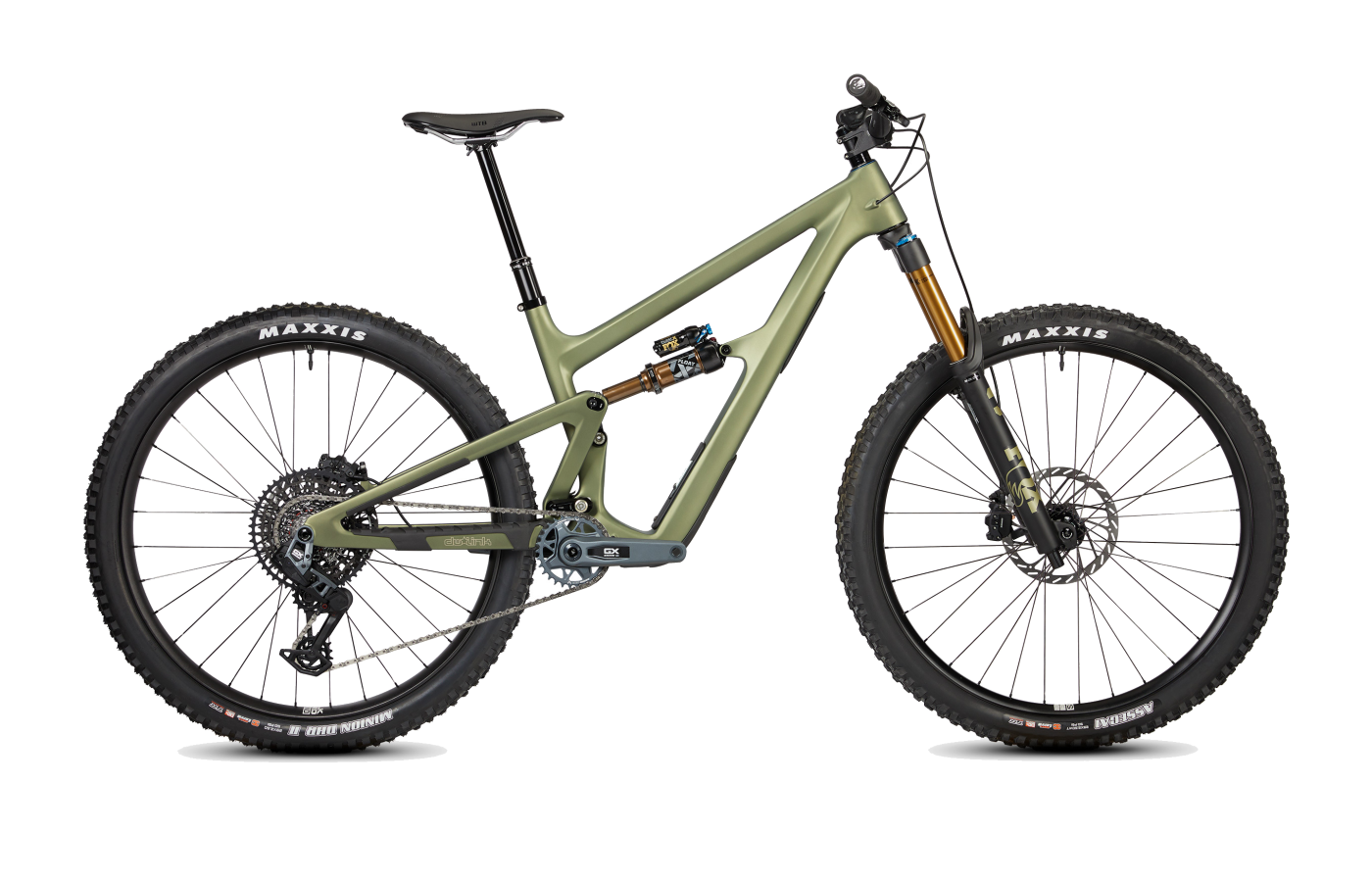
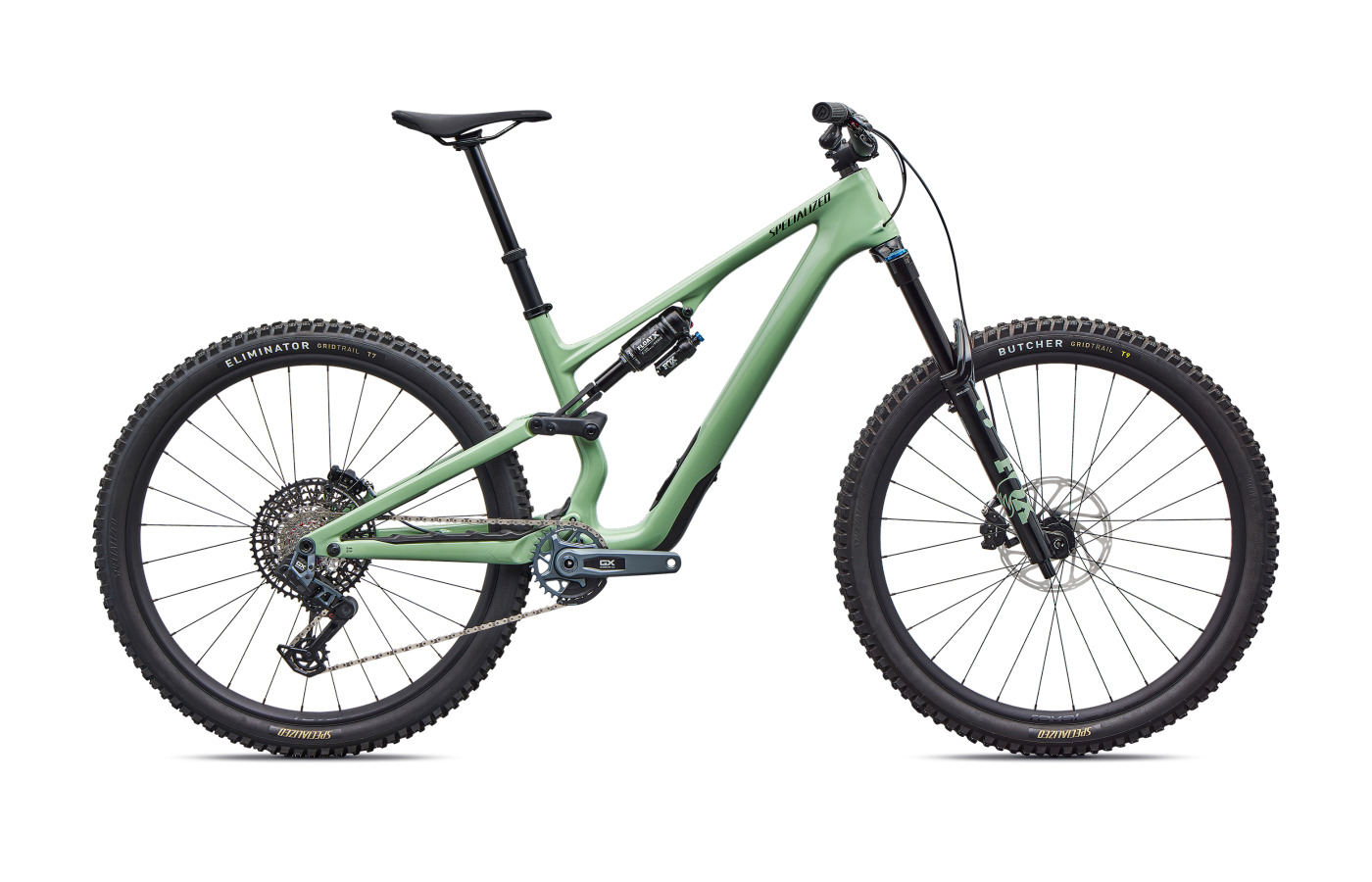
Two trail bikes, two suspension philosophies.
The Ripmo is the lively DW-Link climber with a poppy attitude. The Stumpjumper Evo is the GENIE-shocked chameleon — plush, planted, endlessly adjustable.
Ripmo
- Energetic DW-Link climber — efficient enough to leave the climb switch alone on most ascents.
- Poppy, playful descender — short rear end and supportive mid-stroke beg you to gap, manual, and pump.
- Lifetime lower-link bushings — Ibis covers IGUS bushing replacements for life on top of the frame warranty.
- Less composed at proper enduro speed — can feel "busy" or nervous in sustained chunky descents.
- Five-bike lineup, no alloy carbon-frame option — the cheapest Ripmo is $5,199 and starts with Deore.
Stumpjumper Evo
- GENIE shock is genuinely new — coil-like initial stroke, hard ramp at end of travel, very tunable via add-on bands.
- Three-position adjustable head angle (63° / 64.5° / 65.5°) plus a flip-chip BB drop — one frame, several bikes.
- Lifetime pivot bearings + frame — Specialized covers bearing replacement for the original owner.
- Carbon frame is wireless-only — no mechanical Shimano routing, you're locked into AXS or Di2.
- Proprietary GENIE shock raises long-term-serviceability questions some buyers won't love.
Editor’s analysis
Both bikes land in the same 145–150 mm trail-bike bracket, both run a 64.5° head angle, both can mullet via flip chip — and they still feel like they were drawn by engineers who'd never met.
On paper the Ibis Ripmo and Specialized Stumpjumper Evo look like siblings: 150 mm rear / 160 mm front for the Ripmo, 145 mm rear / 160 mm front for the Stumpy Evo, both at 64.5° head angles, both running carbon front triangles with internal storage. Spend an afternoon reading the meta-reviews and the divergence shows up immediately — these are bikes with very different opinions about what a trail ride should feel like.
The Ibis Ripmo is the playful one. DW-Link suspension that reviewers consistently call "poppy" and "snappy," a tightly-grown chainstay (435 mm at MD, only 5 mm of growth across the whole size run), and a size-specific bottom bracket that gets taller as the frames get longer. Expect efficient pedaling without flipping the climb switch, an eagerness to gap features and pump terrain, and a slightly nervous edge at the very high-speed end — Pinkbike found the suspension "busy" in chunky terrain where longer-travel enduro bikes felt calmer.
The Specialized Stumpjumper Evo is the chameleon. Its proprietary Fox GENIE shock gives the first 70% of travel a coil-like, ground-hugging feel before ramping hard to defend against bottom-out — Flow Mountain Bike reported they "never hit full travel" despite ugly hucks. Pair that with three head-tube-angle headset cups (63° / 64.5° / 65.5°), a flip chip that swaps 7 mm of BB drop, and a 145 mm-but-feels-like-160 chassis, and you get a bike that morphs from XC-leaning trail tool to bike-park warrior depending on how you set it up.
Put another way: the Ripmo is a sharply-defined bike that rewards riders with a strong style. The Stumpjumper Evo is a platform — a deeply tunable one — that lets the rider decide what kind of bike it is.
Where the builds differ.
Comparing our editor's-pick builds side-by-side. Winners highlighted row-by-row — lower price and weight, and the better-spec component, each mark a point.
Build variants & pricing
Both lineups span ~$5k of range, but the floors are very different — the Stumpy Evo starts $1,200 below the cheapest Ripmo with an alloy frame.
Prices are current US MSRP. The Ripmo is carbon-only; the Stumpjumper Evo offers a $3,999 alloy entry point that has no Ibis equivalent. Editor's picks are tier-matched on SRAM GX AXS Transmission so the spec table compares like-for-like — that's why the Ripmo pick is $1,600 above the Stumpy pick.
How they fit, how they steer.
MD vs. S3 — the fit-picked size for a 5'8" rider on each bike. Reach is within 6 mm (Ripmo 456 vs. Stumpy 450), but the Stumpjumper sits 5 mm taller in stack (627 vs. 622) for a slightly more upright cockpit. Chainstays are identical at 435 mm.
Which size should I buy?
Size recommendations are based on each frame's reach, stack, and effective top tube. Ibis sizes by top tube length, Specialized by S-sizing — both ranges cover roughly the same rider heights through the middle.
→These are starting points. Flexibility, riding style, and preferred position all shift the answer — if you’re between sizes, a professional fit beats a chart.
What the magazines said.
Published reviews from trusted cycling outlets. Click through for the full write-up.
Which one should you buy?
If you ride active and want the bike to come alive when you push it, get the Ripmo. If you want one bike that you can re-tune for any trail, get the Stumpjumper Evo.
Ripmo
If your idea of a good ride involves popping off side hits, manualing rollers, and finding gaps — the Ripmo rewards inputs in a way few 150 mm bikes do. Long pedally backcountry days, tight tech climbs, and flowy descents are its sweet spot.
Stumpjumper Evo
If you want one bike that can be a mile-muncher on Tuesday and a bike-park weapon on Saturday, the Stumpy Evo's adjustable geometry plus GENIE shock make it the most chameleon-like trail bike in the segment. Plush at slow speeds, planted at fast ones.
Questions buyers actually ask.
Short answers to the things we get emailed about most often.
01Which is the better climber?
Both climb well, but they get there differently. The Ibis Ripmo uses Ibis's well-known DW-Link to deliver a firm, responsive pedaling platform that most reviewers say doesn't need the climb switch on smooth-to-moderate ascents — Theradavist described it as "hoverbike"-like over chunky climbs.
The Stumpjumper Evo climbs more by traction than by efficiency — the GENIE shock's supple first 70% of travel keeps the rear wheel glued on technical, rooty climbs, but riders accustomed to a firmer platform can find it "wallowy" on sustained smooth fire-road grinds. The two-position climb switch on the GENIE addresses that when you need it.
02How much travel does each bike have?
Ibis Ripmo: 150 mm rear / 160 mm front (Fox 36, Float X shock).
Specialized Stumpjumper Evo: 145 mm rear / 160 mm front on the Evo trim (the non-Evo Stumpjumper 15 ships with a 150 mm fork; Evo bumps to 160 mm).
The Ripmo has 5 mm more rear travel on paper, but in practice the Stumpy Evo's GENIE shock makes it ride bigger than its number — multiple reviewers describe it as feeling like a 160 mm bike in the rear.
03Are they both mullet-compatible?
Yes — both run a flip chip that lets you swap to a 27.5" rear wheel. The Ripmo ships with mixed wheels stock in the SM and MD sizes (and 29"/29" in XM, LG, XL); the Stumpjumper Evo ships mixed in S1–S2 and 29"/29" in S3–S6.
Both approaches reflect the same logic: shorter riders benefit from extra rear-wheel clearance, taller riders prefer the pure rolling speed of dual 29ers.
04What's the deal with the GENIE shock — is it serviceable?
The GENIE is a Specialized-Fox collaboration with a dual-chamber air spring: a large outer chamber for the first 70% of travel (the plush, coil-like part) and a smaller inner chamber that takes over once a band closes off the outer one (the ramp).
Specialized says the GENIE uses mostly standard Fox internals plus one extra seal, so any qualified Fox suspension shop can service it. That said — it is proprietary, and a fair number of buyers worry about parts availability ten years out. If long-tail serviceability is a hard requirement, it's a real concern. If you trade bikes every few years, it's a non-issue.
05Which has more adjustable geometry?
The Stumpjumper Evo, by a wide margin. It ships with three angled headset cups (63° / 64.5° / 65.5° head angle) and a flip chip at the Horst link that adjusts BB drop by 7 mm and chainstay length by 6 mm. That's a meaningful range — you can effectively turn it from a slightly-XC-leaning trail bike into a near-enduro setup without buying a new frame.
The Ripmo's only built-in geometry adjustment is the mullet flip chip. Head angle, BB height, and reach are fixed (though Ibis does build size-specific BB heights and chainstays into the frame mold itself).
06How do the carbon frames differ?
Both use high-grade carbon front and rear triangles. The Stumpjumper Evo uses Specialized's FACT 11m layup across all carbon trims, with a SWAT 4.0 downtube storage door reviewers consistently call best-in-class for ergonomics and weather sealing.
The Ripmo's carbon frame is unnamed but features integrated downtube storage with two Cotopaxi-designed pouches, a 34.9 mm seatpost diameter for more robust droppers, and a threaded BB. Both bikes' frames offer a lifetime warranty to the original owner.
07What about durability and warranty?
Both come with lifetime frame warranties to the original owner. Specialized adds lifetime pivot bearing replacement; Ibis covers the lower-link IGUS bushings for life. Both are unusually generous in this category.
Real-world reliability: the Ripmo's threaded BB, generous chainstay protection, and rattle-free internal cable routing are praised across the board. The Stumpjumper Evo's SWAT door and integrated mud flap are similarly thoughtful, though a handful of reviewers reported derailleur-cage rock strikes from the SRAM Transmission's low-hanging design — that's a Transmission issue, not a frame one.
08Which one is more 'one bike for everything'?
The Stumpjumper Evo, in the literal sense — its adjustable geometry plus the GENIE shock's tuning bands let one frame cover a wider span of trail-bike personalities than any single Ripmo build.
That said, the Ripmo is closer to "one bike" in a different sense: it's already dialed in as a do-it-all trail bike out of the box, with no need to fiddle with headset cups or shock bands to get it where you want it. If you'd rather just ride than tune, the Ripmo is the more straightforward answer.
Similar bikes
If your priorities don’t map cleanly onto either of these, one of these adjacent bikes probably fits better.
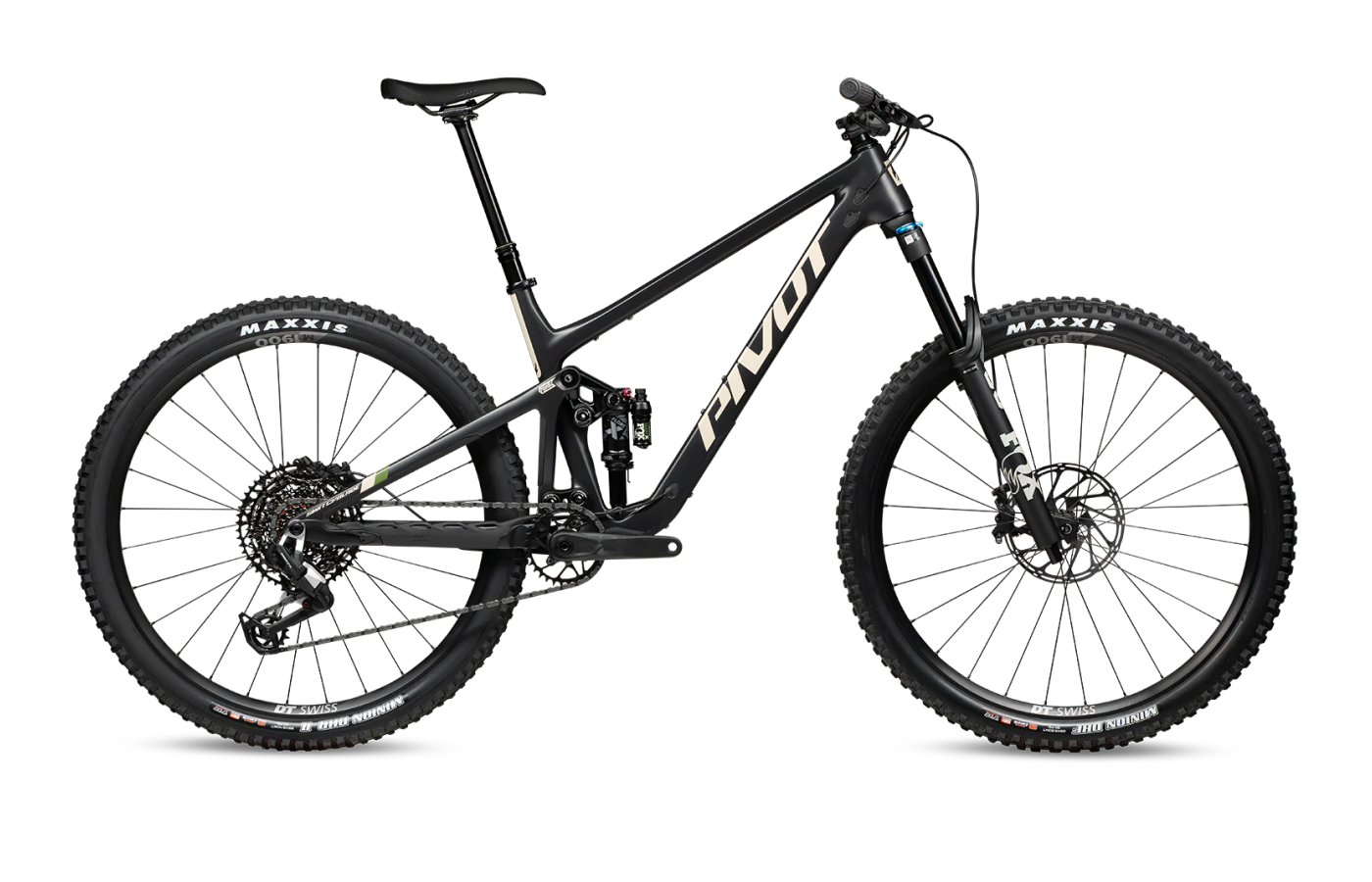
Switchblade
Pivot's DW-Link cousin to the Ripmo with a stiffer, more aggressive frame — appeals to the same poppy-and-efficient crowd but with a harder edge for high-speed terrain.
Compare →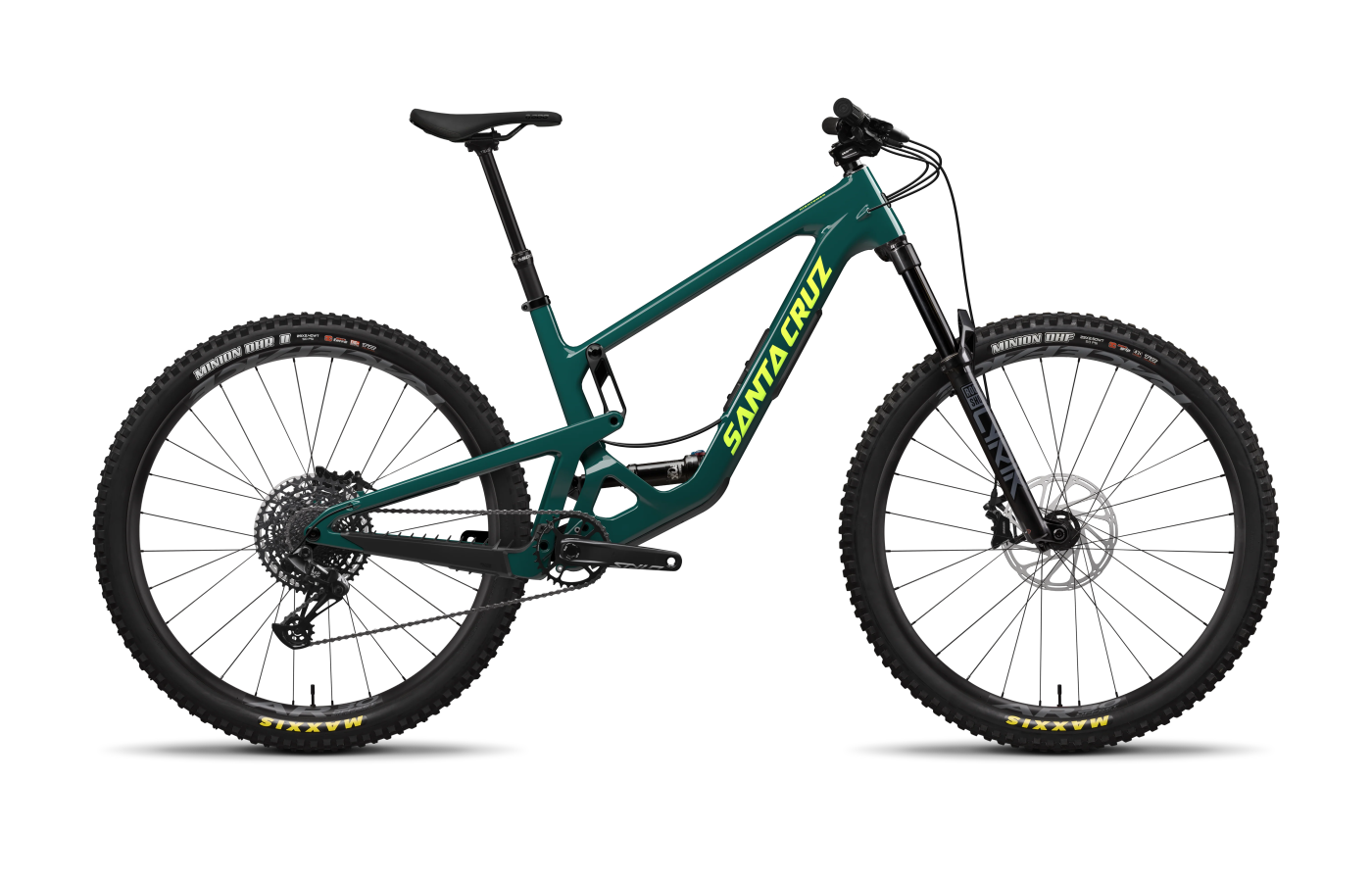
Hightower
Santa Cruz's balanced-geometry trail bike that splits the difference — more planted than the Ripmo, less endlessly tunable than the Stumpy. The safe, ground-hugging middle path.
Compare →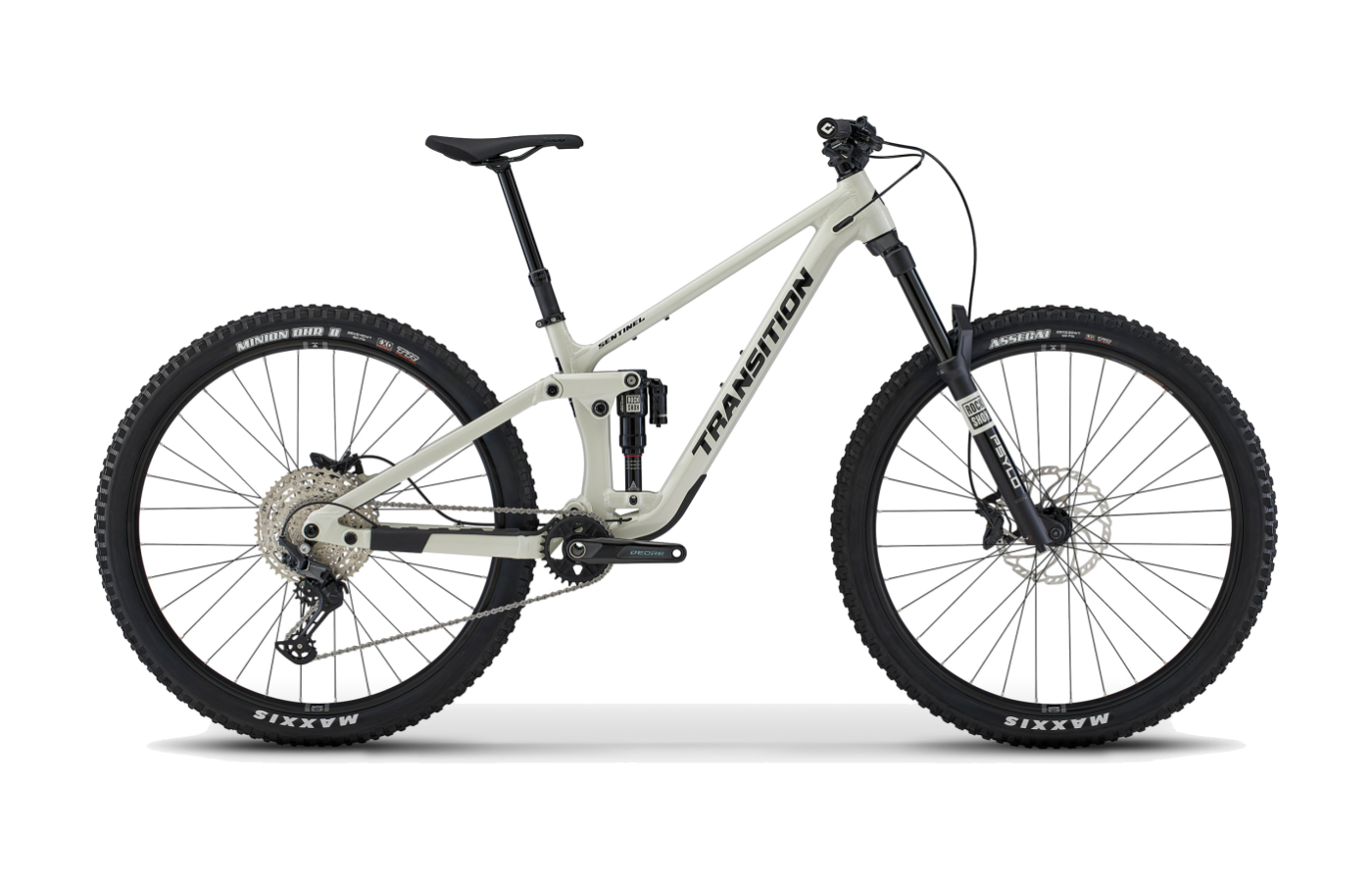
Sentinel
Transition's longer-travel sled for riders who'd rather lean into enduro than negotiate trade-offs. More composure at speed, less of the playful character that defines the Ripmo.
Compare →