Alpine Trail
vsRift Zone
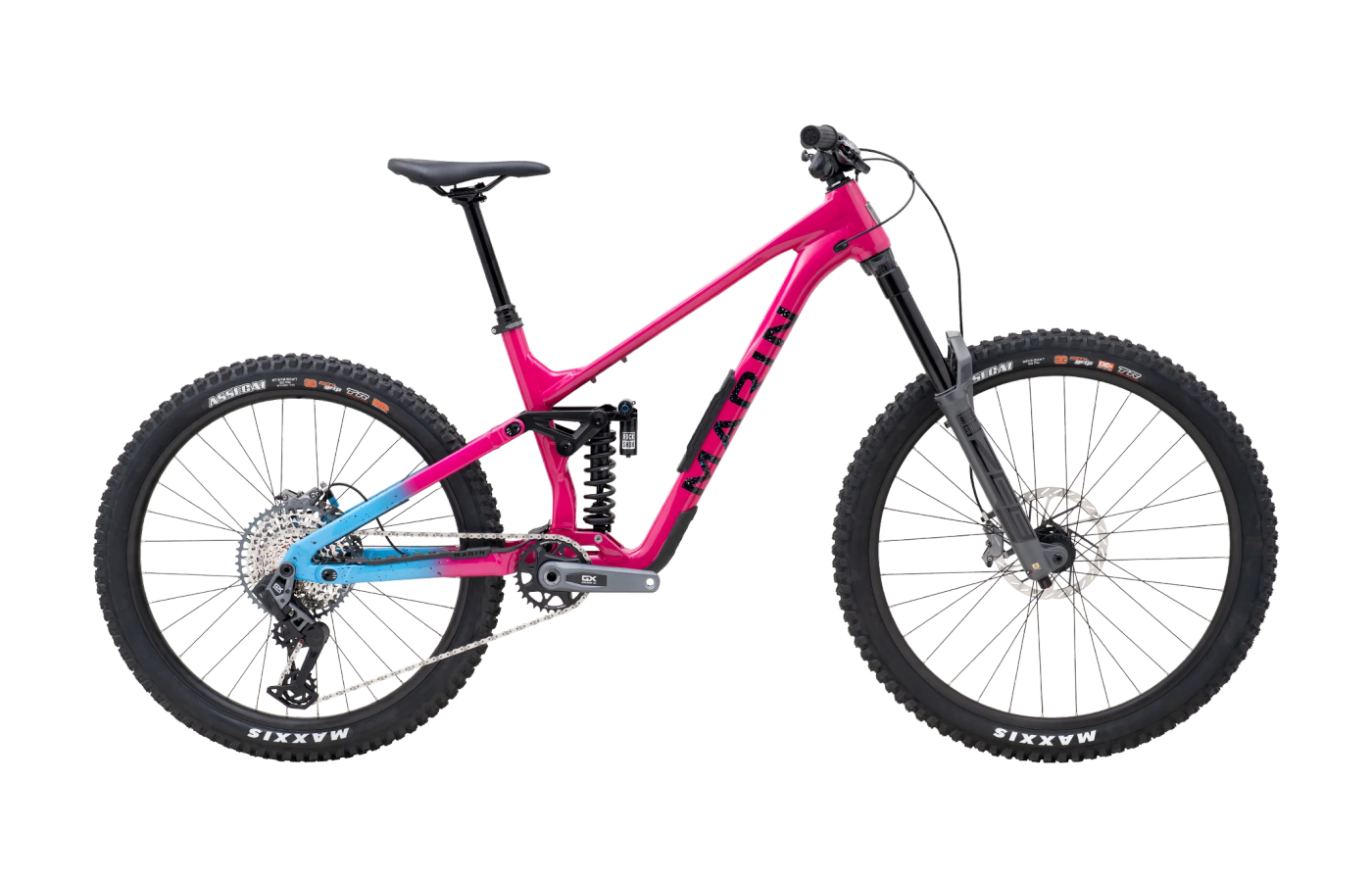
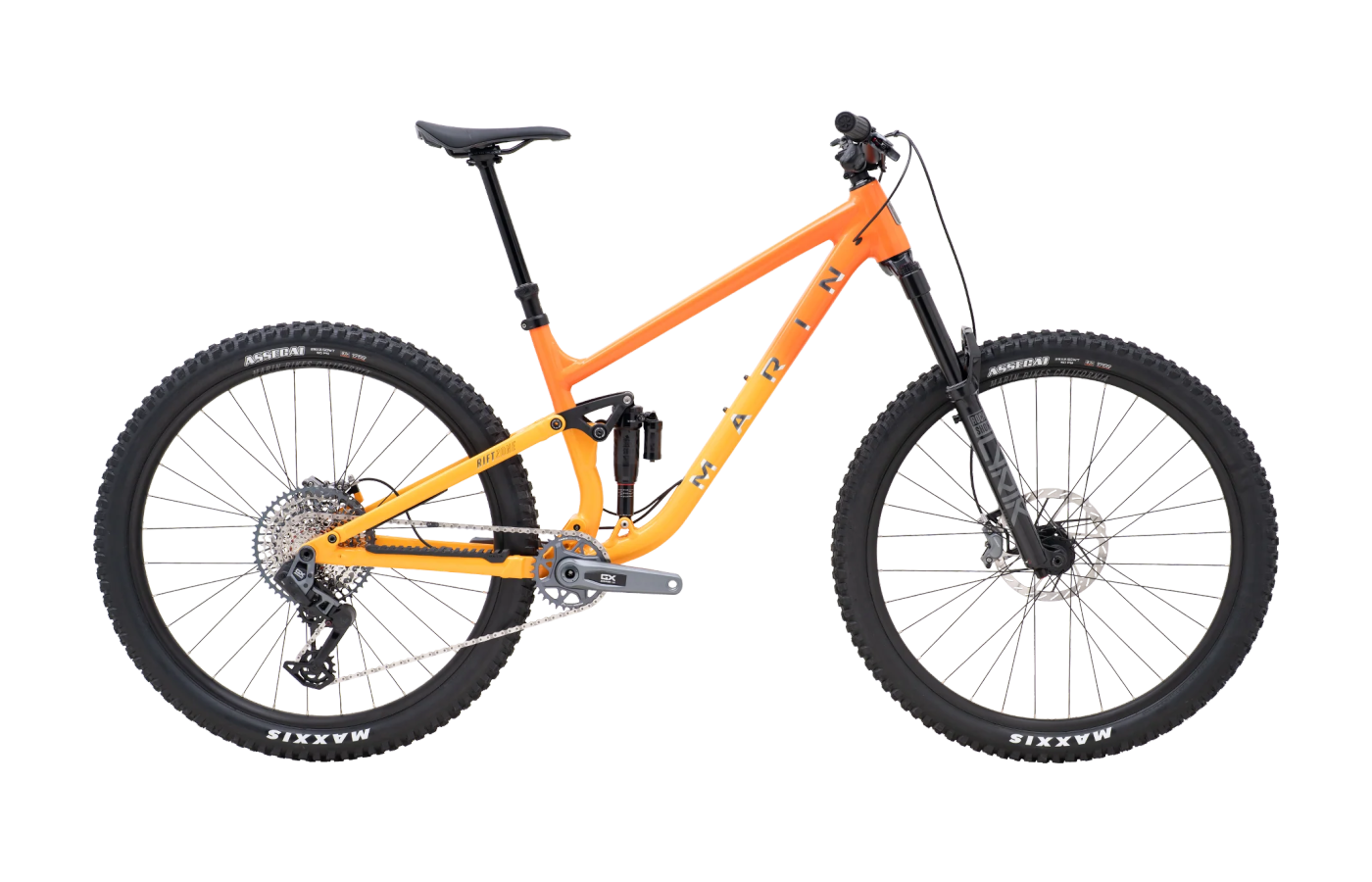
One bike for descending, one bike for everything.
The Alpine Trail is Marin's bike-park-ready enduro plow. The Rift Zone is the do-it-all trail bike that punches above its travel.
Alpine Trail
- Twelve geometry configurations — flip chips and adjustable headset cups let you tune from pure DH plow to agile park slayer.
- Top-shelf coil suspension on the XR and XR AXS — RockShox ZEB Ultimate fork and Super Deluxe Coil Ultimate shock at the price point.
- Genuinely confidence-inspiring downhill chassis — 63.5° head angle, 1248 mm wheelbase, and Horst-link rear soak up bike-park-grade abuse.
- 17–18 kg complete with draggy MaxxGrip tires — a deliberate slog on climbs and flats.
- SRAM DB8 brakes on the XR are a known weak link; XR AXS upgrades to Code Bronze.
Rift Zone
- Punches above its 130 mm travel — reviewers consistently call it a 'mini-enduro rig' on technical descents.
- Playful 430 mm chainstays across all sizes — quick to manual, easy to throw into corners.
- Better trail-bike value — XR AXS at $4,699 lands $500 under the Alpine Trail XR AXS with a similar electronic GX AXS drivetrain.
- Still 15.6–15.8 kg with draggy stock tires — not a quick climber by trail-bike standards.
- Single-pivot rear stiffens under braking; reviewers note skipping over braking bumps.
Editor’s analysis
Marin builds two aluminum bikes for the rider who'd rather descend than climb — the only question is how much descending you actually do.
Both the Marin Alpine Trail and Marin Rift Zone share a Marin DNA: a Series-4 or Series-3 hydroformed 6061 alloy frame, a Horst-link or single-pivot rear end, threaded BB, internal routing, downtube storage, and a price tag that meaningfully undercuts most carbon competitors. From across the parking lot, they look like cousins. They are not.
The Alpine Trail is the gravity bike. 170 mm fork, 160 mm rear, 63.5° head angle stock (slackenable to 62.1°), 1248 mm wheelbase in size M, and twin flip-chips that let you reconfigure chainstay length, BB height, and head angle across twelve geometry settings. Reviewers across BikeRadar, Pinkbike, and Blister land in the same place: an "unapologetic downhill machine" that wants to be pointed at steep, rough, fast terrain. It's heavy — 17–18 kg complete — and the stock Maxxis Assegai MaxxGrip tires are explicitly described as draggy. This is not the bike for your local cross-country loop.
The Rift Zone runs 150 mm front / 130 mm rear, a 65.1° head angle, a 1205 mm wheelbase in size M, and 430 mm chainstays across every size. Reviewers (Flow, Pinkbike, BikeRadar) consistently call it a "mini-enduro rig" — a 130 mm trail bike that rides bigger than its numbers, stays planted on technical descents, and pops off everything in sight. At 15.6–15.8 kg it's still no climber, but it covers a much wider range of terrain comfortably than the Alpine Trail does.
The right way to think about it: the Alpine Trail is a winch-and-plummet bike that's miserable on the way up and electric on the way down. The Rift Zone is a trail bike with an aggressive personality — slower than an XC bike on climbs, but you can ride it all day. If your rides involve a chairlift, shuttle, or a 90-minute fire-road climb to one massive descent, get the Alpine Trail. If they involve pedaling out and back on mixed terrain, get the Rift Zone.
Where the builds differ.
Comparing our editor's-pick builds side-by-side. Winners highlighted row-by-row — lower price and weight, and the better-spec component, each mark a point.
Build variants & pricing
Both lineups span four price points each, but the Rift Zone starts much lower — $1,899 vs $3,499 — while the Alpine Trail tops out higher.
Editor's-pick comparison is XR AXS vs XR AXS — both wireless GX AXS Transmission, both Marin's flagship alloy build, separated by $500. Drop a tier on either side and you swap to mechanical GX with the same suspension.
How they fit, how they steer.
Both at size M for the fit-picked default rider. Identical 460 mm reach, but the Alpine Trail sits 5.8 mm taller in stack, 1.6° slacker at the head tube, 5 mm longer in the chainstays, and 43 mm longer in wheelbase — all the things that translate into descending stability.
Which size should I buy?
Size recommendations based on stack, reach, and effective top tube. Both ranges run S–XL with similar reach progressions; the Alpine Trail runs taller stacks across the board.
→These are starting points. Flexibility, riding style, and preferred position all shift the answer — if you’re between sizes, a professional fit beats a chart.
What the magazines said.
Published reviews from trusted cycling outlets. Click through for the full write-up.
Which one should you buy?
If you ride bike parks or shuttle steep enduro terrain, get the Alpine Trail. If you ride mixed trails out-and-back from your driveway, get the Rift Zone.
Alpine Trail
If your rides involve a lift ticket, a shuttle, or a long fire-road slog to one rowdy descent — this is the cheapest way into a properly capable enduro bike. The adjustability is genuine, the suspension is top-shelf, and the chassis will outlast you. Expect to swap the rear tire for something faster-rolling.
Rift Zone
If you ride mixed terrain out and back — a little climbing, a lot of descending, some jumps and some janky tech — the Rift Zone covers it. It rides bigger than its 130 mm of travel suggests, climbs better than the Alpine Trail, and the XR AXS lands $500 cheaper. Upgrade the brakes on the lower builds.
Questions buyers actually ask.
Short answers to the things we get emailed about most often.
01Which bike climbs better?
The Rift Zone, by a clear margin. It's about 2 kg lighter (~15.6–15.8 kg vs ~17–18 kg for the Alpine Trail), runs faster-rolling MaxxTerra-compound tires instead of the Alpine Trail's tackier MaxxGrip, and has shorter rear travel that bobs less under power.
Neither bike is a climbing specialist — both run heavy alloy wheelsets and aggressive tires that reviewers across Flow, Pinkbike, and BikeRadar repeatedly flag as the first upgrade. But the Rift Zone's 76.5° seat tube angle paired with its lower weight makes it noticeably less of a slog on long ascents.
02How much rear travel does each bike have?
Alpine Trail: 160 mm rear, paired with a 170 mm fork. Marin's MultiTrac 2 LT Horst-link platform.
Rift Zone: 130 mm rear, paired with a 140–150 mm fork depending on build. Marin's MultiTrac single-pivot platform with a rocker link.
The 30 mm rear-travel gap is meaningful — it's roughly the difference between a modern trail bike and a modern enduro bike, and you feel it both on big hits (Alpine Trail soaks them) and on climbs (Rift Zone responds quicker).
03What's the head tube angle on each?
Alpine Trail: 63.5° stock, slackenable to 62.1° or steepenable to 64.25° via offset headset cups. Twelve total geometry configurations when combined with the chainstay flip-chip.
Rift Zone: 65.1° (no adjustment).
That 1.6° gap stock — and up to 3° at the slack end — is the single biggest reason the Alpine Trail feels like a different category of bike on steep descents.
04Are both bikes mullet-compatible?
Alpine Trail: ships in mixed-wheel (29" front / 27.5" rear) configuration as standard, with a flip-chip to convert to full 29". Rear travel is 161 mm in MX, 156 mm in 29".
Rift Zone: the XR AXS is sold in both 27.5" and 29" configurations; the Series-3 frame supports both wheel sizes. Most reviewers tested the 29er.
Most riders end up running the Alpine Trail in MX for the agility — Flow Mountain Bike noted the 27.5 rear "absolutely whipped around every corner."
05Why are both editor's picks the XR AXS?
Both Marin lineups offer the same four-tier ladder: an entry build with Shimano Deore mechanical, a mid-tier XR with mechanical SRAM GX, and a top XR AXS with wireless GX AXS Transmission. Picking XR AXS on both sides keeps the comparison apples-to-apples — same drivetrain tier, same wireless electronic shifting, same Marin house wheels — so any spec differences in the table reflect the category of bike (enduro vs trail), not which builder spec'd a fancier groupset.
The $500 price gap between them ($5,199 vs $4,699) is real and informative: the Alpine Trail spends that delta on a longer-travel ZEB fork and a coil rear shock.
06Which has better stock brakes?
Both XR AXS builds run SRAM Code Bronze 4-piston brakes, which reviewers across the board describe as adequate-to-good for the bikes' intentions.
More important: avoid the lower builds if you ride aggressively. The Alpine Trail XR ($4,699) ships with SRAM DB8 brakes that BikeRadar, Flow, and Pinkbike all called out as a weak link — "wooden," "squeaky," "don't cut it" for the bike's downhill ambitions. The Rift Zone 1 and 2 ship with Shimano MT200 2-piston brakes that Mountain Bike Action explicitly called the first thing they'd upgrade.
07What about the wheels?
Both bikes ship with Marin-branded house alloy wheels — 29 mm internal width, double-wall, 32H, tubeless-compatible. Reviewers consistently flag them as a weak spot: heavy, with "lackluster" freehub engagement (reported across BikeRadar, Blister, and Pinkbike) and a tendency to lose tension under hard riding.
For the Alpine Trail in particular — given its bike-park ambitions — Blister specifically reported denting and detensioning a rear wheel after a Whistler trip and recommended a wheelset upgrade as a near-term priority. The Rift Zone wheels see less abuse by virtue of riding less aggressive terrain, but the same engagement complaint applies.
08What's the warranty?
Marin offers a 5-year frame warranty on both the Alpine Trail and the Rift Zone. Pinkbike commenters reporting prior-generation Rift Zone chainstay breakages said Marin's warranty process was "great" and replaced frames promptly, though that's a data point about Marin's response, not the new Series-3 frame's actual durability.
Similar bikes
If your priorities don’t map cleanly onto either of these, one of these adjacent bikes probably fits better.
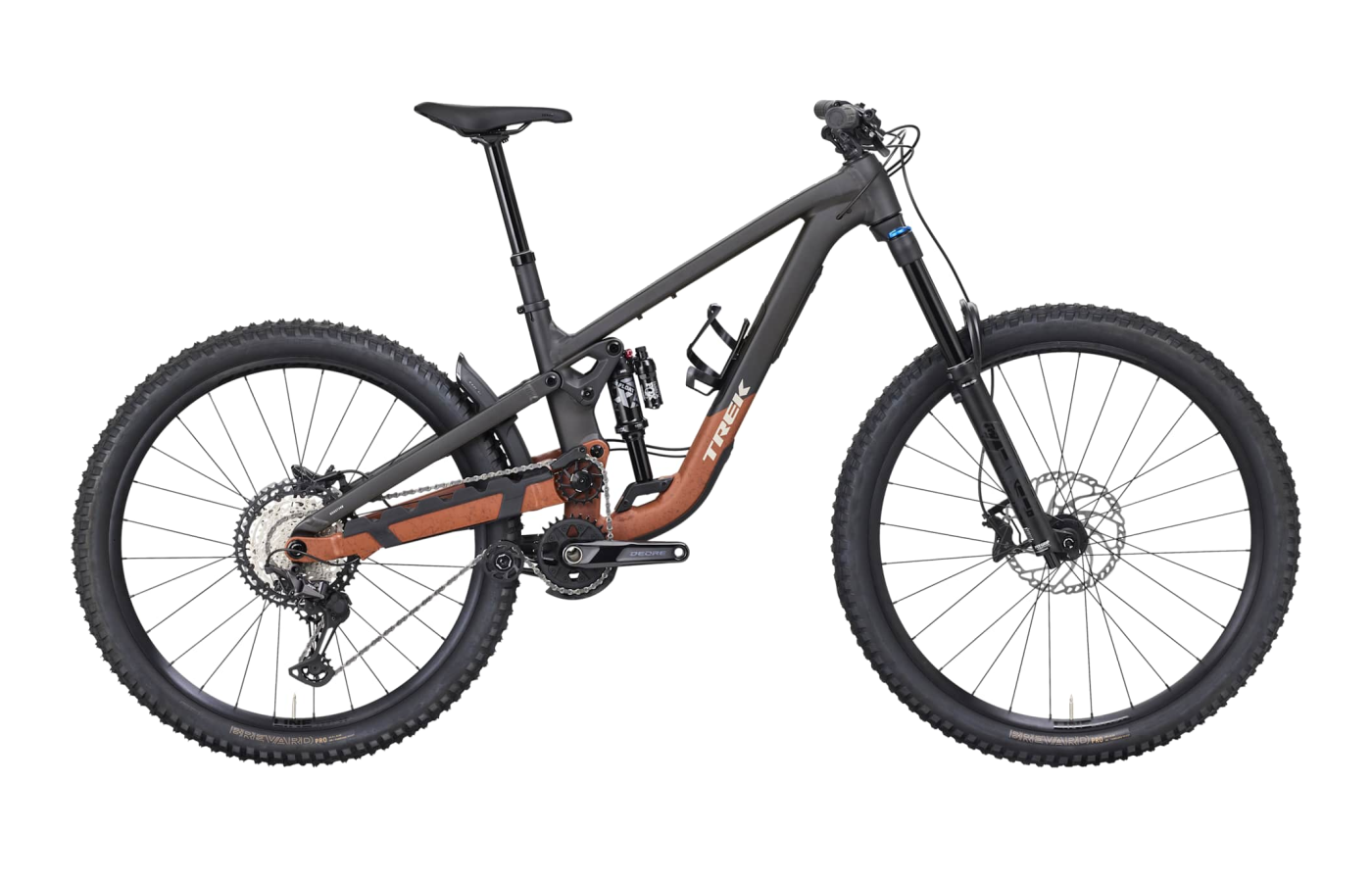
Slash
Trek's high-pivot enduro flagship — the closest direct cross-shop to the Alpine Trail if you want carbon, IDLER pulley smoothness over square-edge hits, and a more polished finish kit. Costs roughly twice as much.
Compare →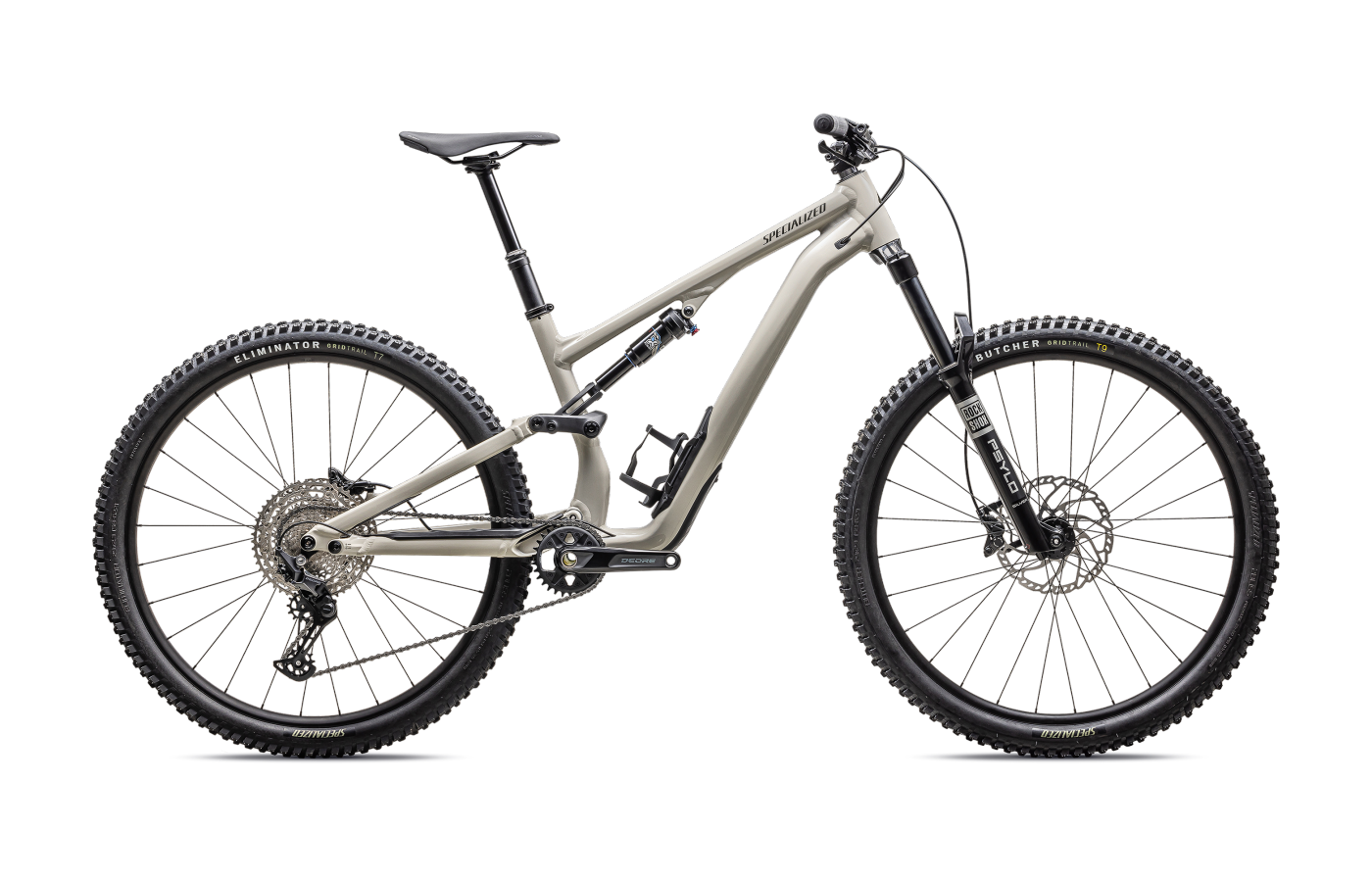
Stumpjumper
Specialized's do-everything trail platform — broader build range than the Rift Zone (alloy through S-Works carbon), wider tire clearance, and the SWAT downtube storage that Marin's Bear Box was clearly chasing. Sits squarely between the two Marins on capability.
Compare →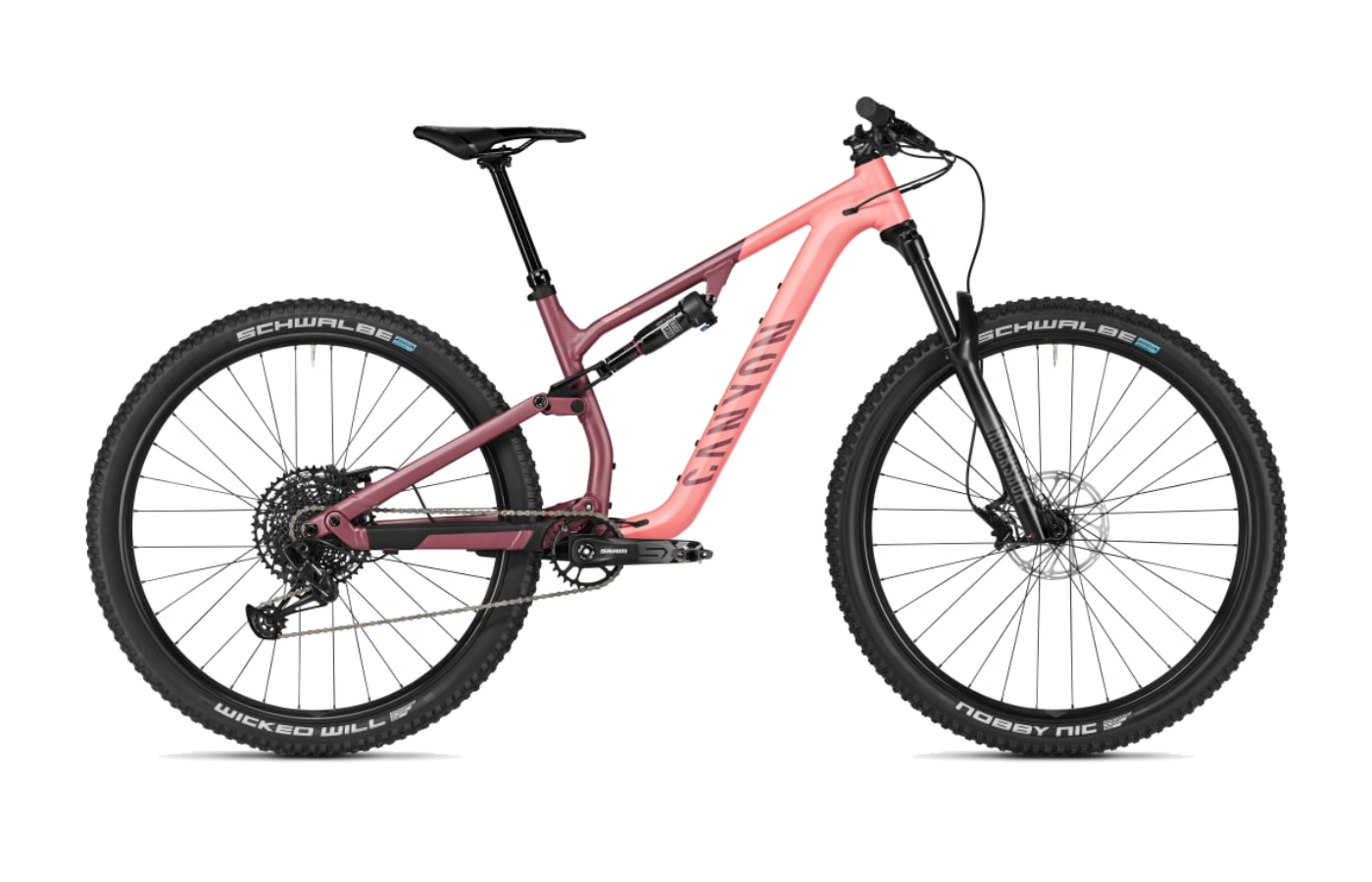
Neuron
Canyon's direct-to-consumer trail bike — lighter and more XC-leaning than the Rift Zone, with a sprightlier climbing character. The trade is no local dealer, no demo, and a setup process you do alone in your garage.
Compare →