Ranger
vsRascal
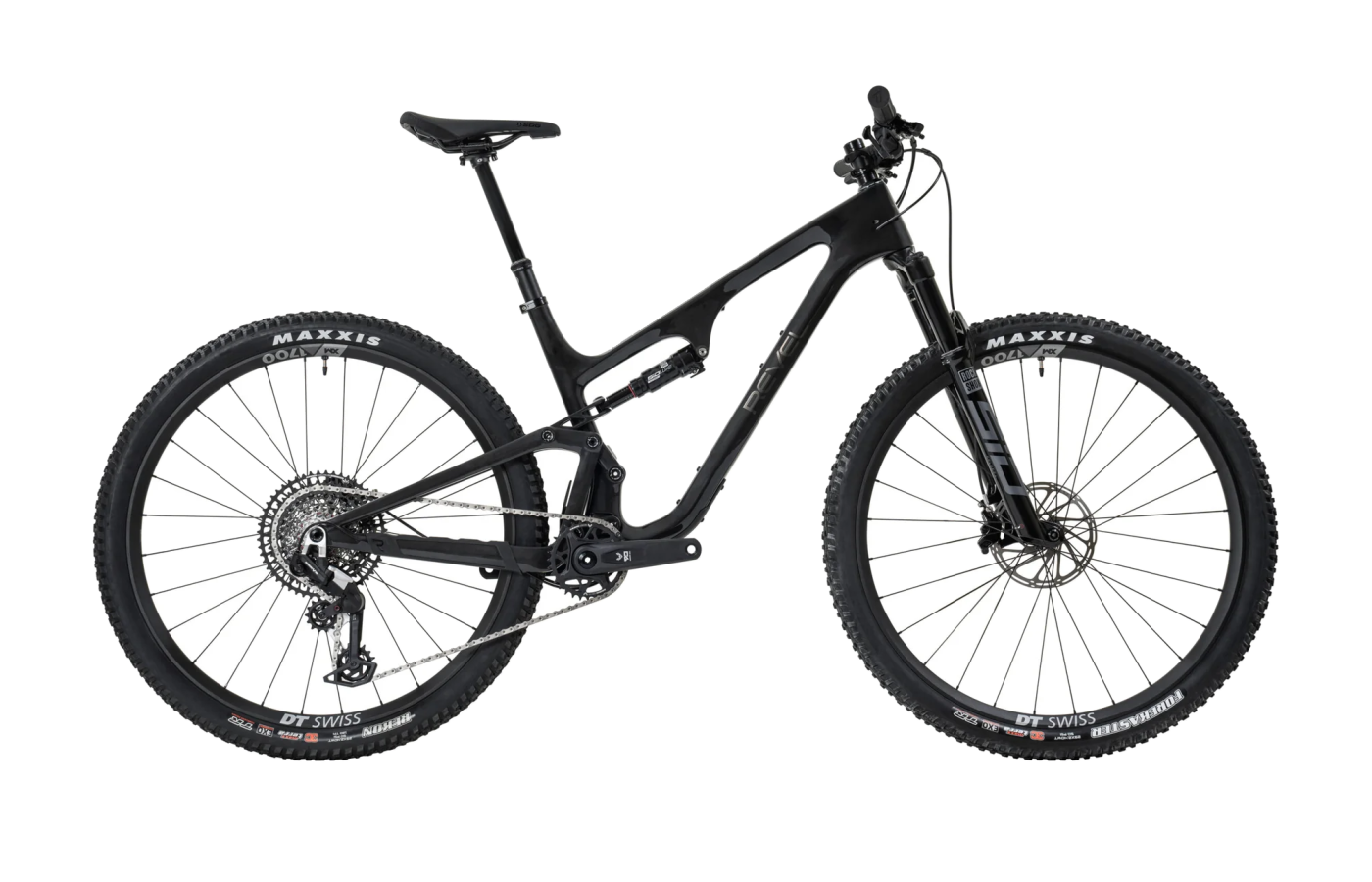
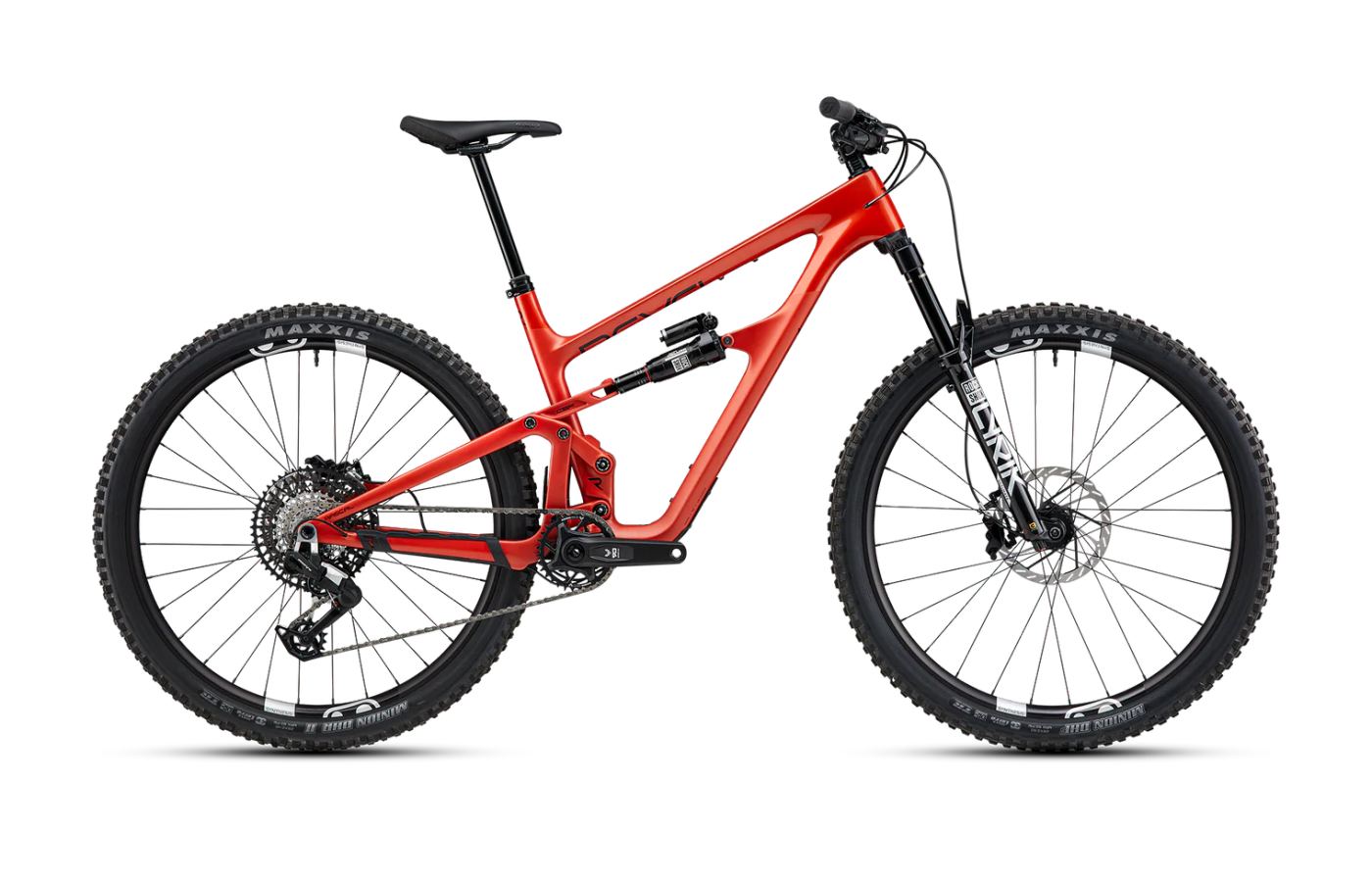
Same suspension brain, two different missions.
The Ranger is Revel's downcountry speed instrument. The Rascal is its do-everything trail bike. Both run CBF — that's where the similarities end.
Ranger
- Eerily efficient pedaling — CBF + 115/120 mm travel makes the Ranger feel like it's pushing you forward over chunky ground.
- Light for a full-suspension bike — reviewers cite complete weights of roughly 26.25–27.75 lb across the lineup.
- Sharper steering — 67.5° HTA, 108 mm trail, and short-offset fork make tight switchbacks and slow-speed climbs trivial.
- Short travel runs out fast in steep, sustained tech — this isn't a smash-through-features bike.
- Composed but not playful — reviewers describe it as 'predictable' and 'stoic' rather than poppy.
Rascal
- Genuine trail-bike capability — 140 mm Lyrik fork, 65.5° HTA, and 130 mm of CBF travel make the steep stuff fun, not survival.
- Lively, supportive feel — mid-stroke support rewards pumping, jibbing, and generating speed through corners.
- Wider size run — S through XXL covers shorter and taller riders than the Ranger's S–XL range.
- Around 4 lb heavier than the Ranger on equivalent builds — you feel it on long climbs.
- Stock 40 mm stem and low-rise bar make steering feel twitchy at speed; many reviewers swap to a 50 mm stem and taller bar.
Editor’s analysis
Two bikes from the same Colorado garage, both built around the same Canfield Balance Formula linkage — but pointed at very different days on the trail.
The Revel Ranger and Revel Rascal share more than a brand. They share a frame material, a suspension philosophy (CBF), the same 436 mm chainstays across every size, and even the same Eagle 90 build kit at roughly the same price. From across the parking lot you'd struggle to tell them apart.
Numbers tell the rest of the story. The Ranger runs 115 mm rear / 120 mm front travel, a 67.5° head tube angle, 108 mm of trail, and a 1170 mm wheelbase at size Medium — a downcountry geometry that prioritizes pedaling efficiency and tight-trail agility. Reviewers consistently describe it as a 'stoic instrument of speed' that crushes climbs, holds momentum through chunder, and rewards an active rider on flowy descents.
The Revel Rascal is the trail bike. 130 mm rear / 140 mm front travel, a 65.5° head tube angle, 123 mm of trail, and a 1198 mm wheelbase at Medium. The fork is a beefy RockShox Lyrik instead of a SID, the tires are 2.4″ Maxxis Dissectors front and rear instead of a Forekaster/Rekon mix, and the bike comes in around 31 lb on the Eagle 90 build instead of the Ranger's mid-to-upper 20s. Pinkbike called it a 'live wire trail bike' — playful, supportive, and confident on terrain the Ranger only survives.
Put another way: the Revel Ranger is the bike you buy when most of your ride is the climb and you want the descent to be efficient rather than scary. The Revel Rascal is the bike you buy when the climb is the price of admission and you want the descent to be the point.
Where the builds differ.
Comparing our editor's-pick builds side-by-side. Winners highlighted row-by-row — lower price and weight, and the better-spec component, each mark a point.
Build variants & pricing
Both ranges are tight. The Ranger is offered in two builds at $4,499 each; the Rascal in four, from $4,999 to $5,199. We've matched Eagle 90 on both sides for an apples-to-apples comparison.
Prices are current US MSRP. Note: Revel Bikes ceased operations in late 2024, so retail availability is liquidation-driven and warranty / spare-parts support is uncertain — factor this into the long-term value calculus on either bike.
How they fit, how they steer.
Both at size Medium. Reach is nearly identical (453 vs 451 mm) and stack is within 1 mm — these bikes fit the same rider almost the same way. The differences live in the head angle (67.5° vs 65.5°), trail (108 vs 123 mm), and wheelbase (1170 vs 1198 mm).
Which size should I buy?
Size recommendations based on stack, reach, and effective top tube. The Rascal extends one size further at the top end (XXL) for taller riders.
→These are starting points. Flexibility, riding style, and preferred position all shift the answer — if you’re between sizes, a professional fit beats a chart.
What the magazines said.
Published reviews from trusted cycling outlets. Click through for the full write-up.
Which one should you buy?
If most of your ride is going up or covering ground fast, get the Ranger. If most of your fun is on the way back down, get the Rascal.
Ranger
If you ride long, technical, rolling terrain — marathon races, big bikepacking days, or any loop where the climbs matter as much as the descents — the Ranger's CBF-driven efficiency is the right tool. It climbs and pedals like an XC bike, descends like a competent trail bike, and asks the rider to bring the playfulness.
Rascal
If you want one bike for everything from steep tech to flowy berms to a Tuesday-night climb up the same fire road, the Rascal does it without compromise. The CBF makes it climb better than its 31 lb suggests, and the 140 mm Lyrik plus 65.5° head angle let you drop into terrain the Ranger would shy from.
Questions buyers actually ask.
Short answers to the things we get emailed about most often.
01Which one climbs better?
The Revel Ranger, but the gap is smaller than the spec sheets suggest. Both run the same CBF linkage, so both pedal with very little wasted motion. The Ranger wins on weight (mid-to-upper 20s vs the Rascal Eagle 90's ~31 lb) and on geometry — its steeper 67.5° head angle and 75.3° seat angle put you in a more forward, climber-friendly position.
On technical climbs the gap closes: the Rascal's slightly steeper effective seat tube (76°) and supportive mid-stroke keep the rear wheel hooked up over ledges and roots. Most reviewers say the Rascal 'doesn't feel as heavy as the scale suggests' once it's moving.
02Which one descends better?
The Revel Rascal, by a clear margin once the trail gets steep or rough. Two extra degrees of head angle (65.5° vs 67.5°), 15 mm more trail (123 vs 108 mm), 15 mm more rear travel, 20 mm more fork travel, and a 140 mm Lyrik chassis instead of a SID give the Rascal genuine trail-bike confidence.
The Ranger descends well for a downcountry bike — reviewers consistently say it punches above its travel — but it asks the rider for clean lines and good timing. The Rascal lets you make a few more mistakes before things get interesting.
03How different are they on flowy, rolling singletrack?
Closer than you'd think. Both bikes share the CBF suspension's signature trait: maintaining momentum through small obstacles instead of getting hung up. On a flowy loop with a few tech sections, both feel quick and engaging.
The Ranger feels lighter and snappier under acceleration. The Rascal feels more supportive into berms and rewards pumping through rollers. If your local trails are smooth and rolling, the Ranger is more bike than you need; the Rascal pairs the same efficiency with extra capability for the days you want to ride harder.
04What sizes do they come in?
Revel Ranger: Small, Medium, Large, XL.
Revel Rascal: Small, Medium, Large, XL, XXL — the XXL extends the size range up to riders around 6'8".
Both bikes use a constant 436 mm chainstay across every size, which can leave taller riders on the XL or XXL Rascal feeling slightly front-heavy on steep climbs.
05Why are the editor's-pick builds the same drivetrain at different prices?
We chose the SRAM Eagle 90 build on both sides because it's the same drivetrain tier on the same suspension platform — the cleanest apples-to-apples comparison. The price gap ($4,499 vs $5,199) reflects what the Rascal's extra travel actually costs: a beefier 140 mm Lyrik fork and a Super Deluxe rear shock instead of a SID/SID combo, plus a heavier-duty Crank Brothers Synthesis Enduro wheelset.
It's not a markup — it's the price of being a bigger bike.
06Are these bikes affected by Revel going out of business?
Yes — and this matters. Revel Bikes ceased operations in late 2024, which means current retail inventory is liquidation-only, future warranty support is uncertain, and proprietary spare parts (carbon links, frame hardware, rear-triangle protectors) may be hard to source long-term.
For short-to-medium-term ownership both bikes remain excellent — frames and components are individually robust. But if you're buying one to keep for a decade, factor in the post-purchase risk and consider a brand with active operations as a hedge.
07Which one is better for bikepacking?
The Ranger, comfortably. Its lower weight, more efficient climbing geometry, and faster-rolling tire combo (Maxxis Forekaster up front, Rekon out back) all favor multi-day rides where you're carrying gear and the climbs add up. Reviewers specifically call out the Ranger as a Colorado/Arizona Trail-friendly choice.
The Rascal can bikepack — both bikes have multiple bottle/accessory mounts on size M and up — but the extra weight, slacker geometry, and aggressive Dissector tires are working against you on long-distance, mostly-pedaling routes.
08Can I run a longer-travel fork on the Ranger to make it more like a Rascal?
You can, but it's not the upgrade most riders think. Going from a 120 mm to a 140 mm fork on the Ranger slackens the head angle by roughly a degree and adds height to the front end, but the rear end is still 115 mm of XC-tuned CBF travel. You end up with a slacker, taller, mismatched bike rather than a real trail bike.
If you want trail-bike capability, buy the Rascal. The frame, shock, and geometry are all designed around 130 mm out back, and the bike works as a system.
Similar bikes
If your priorities don’t map cleanly onto either of these, one of these adjacent bikes probably fits better.
Spur
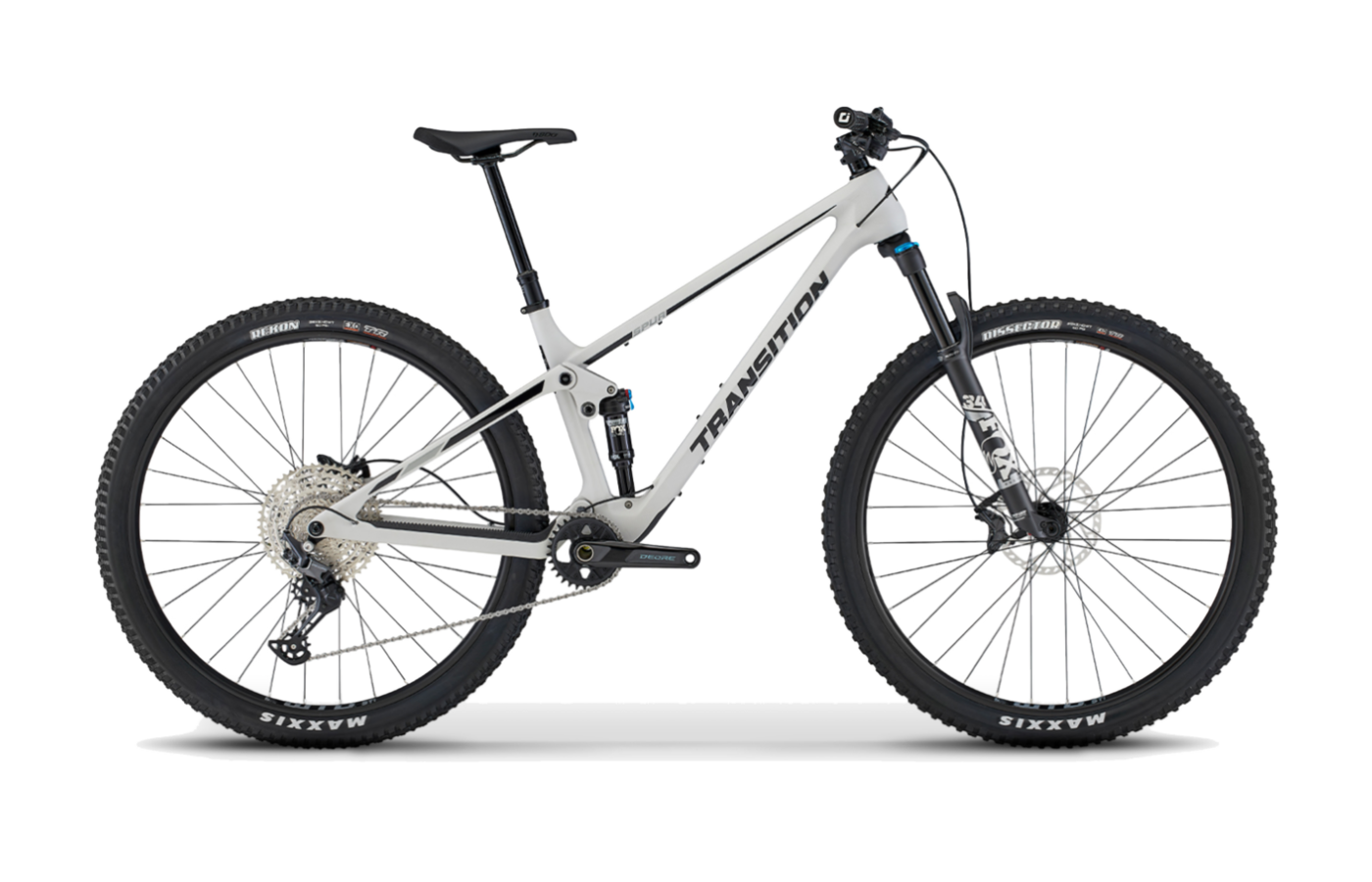
The Ranger's most direct rival — a lighter carbon frame in the same 120 mm-travel downcountry bracket, with slightly more aggressive descending geometry. The choice if you want the Ranger's mission with a more playful character.
Compare →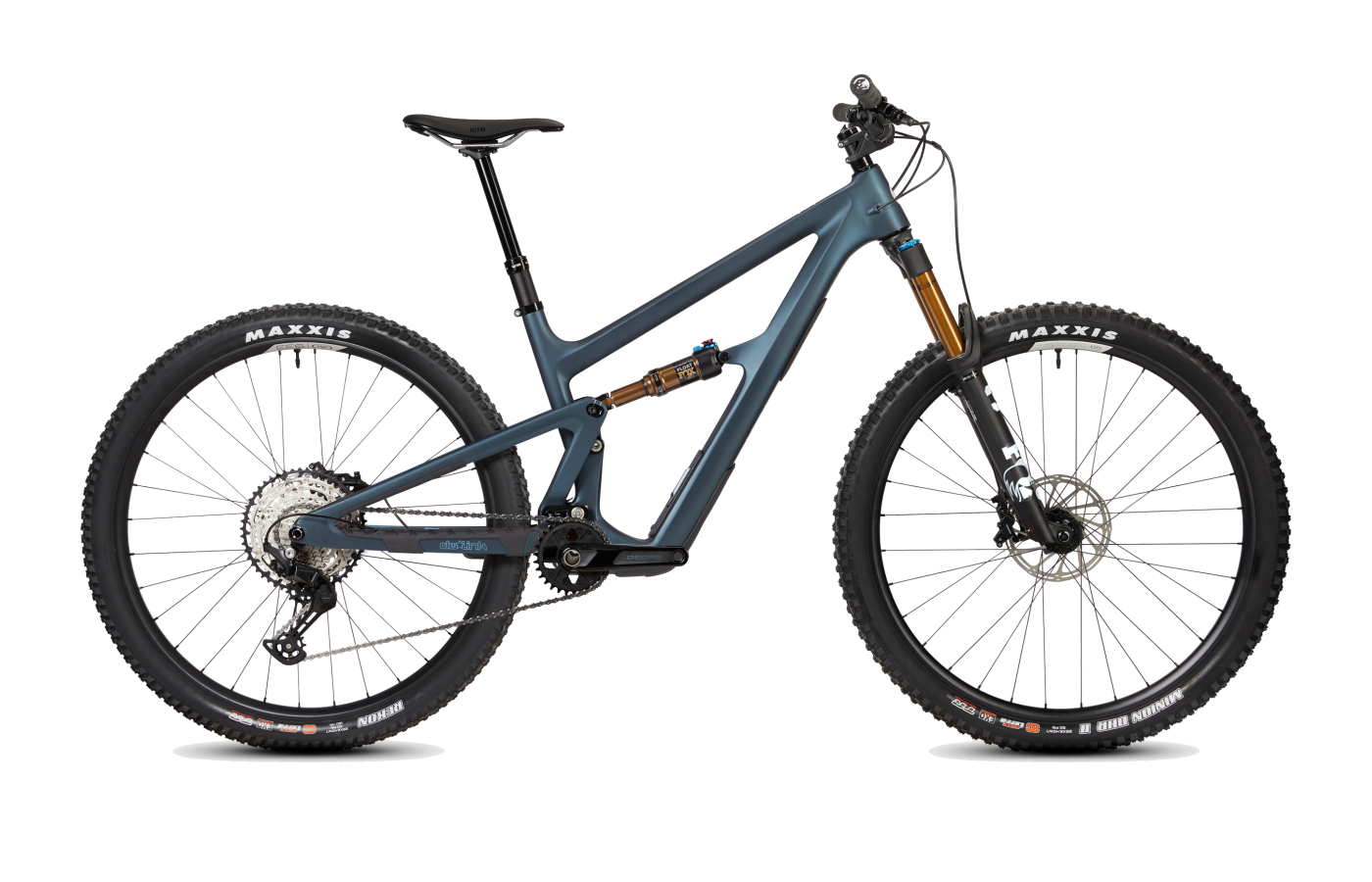
Ripley
The Ripley splits the difference between these two Revels. More poppy and lively than the stoic Ranger, lighter and snappier than the Rascal, and from a brand with no operational uncertainty.
Compare →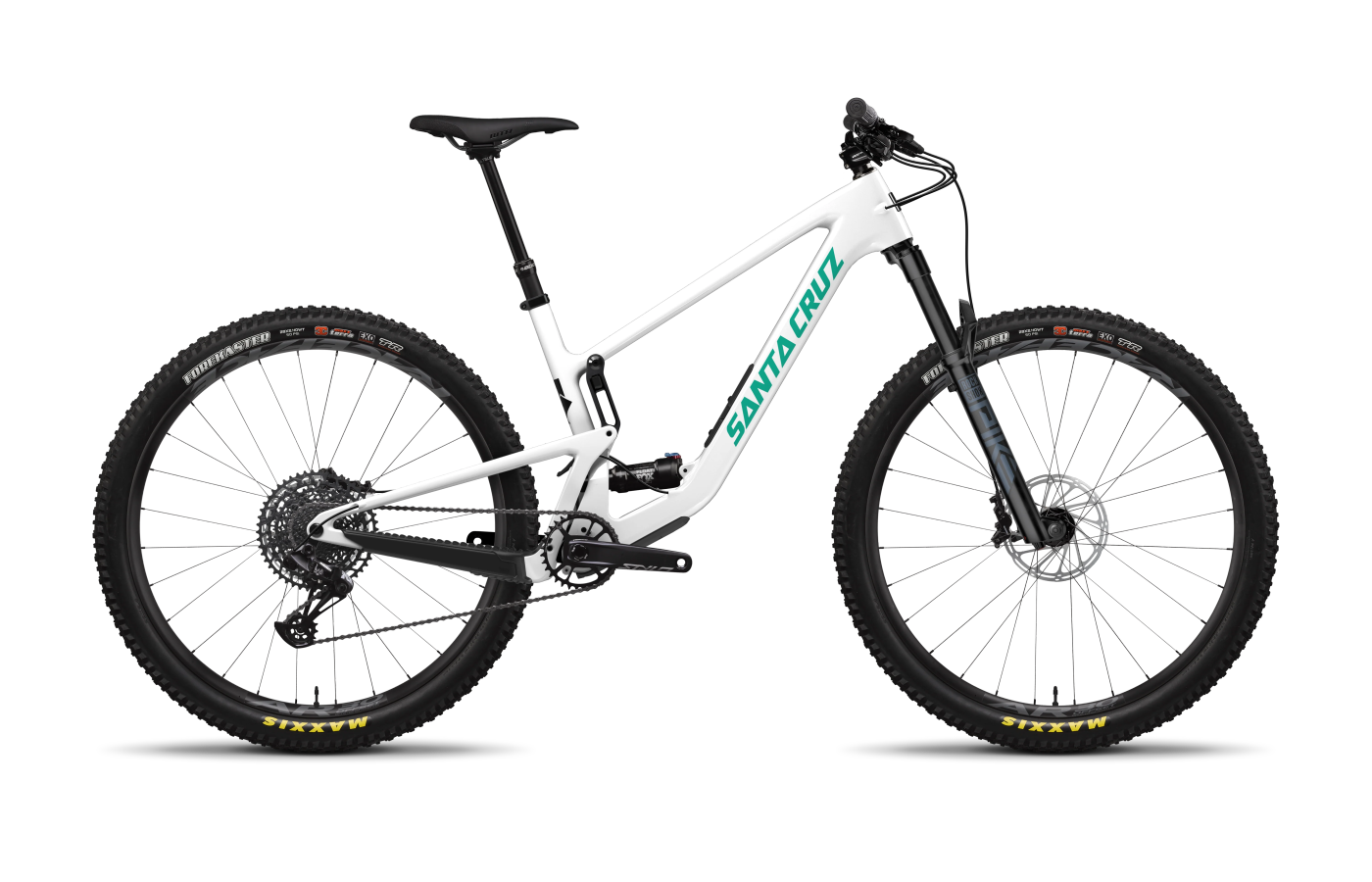
Tallboy
The benchmark short-travel trail bike. More refined finish, in-frame storage, and a more polished bar/stem package than the Rascal — though many reviewers find the CBF platform pedals more efficiently.
Compare →