Highball
vsARC
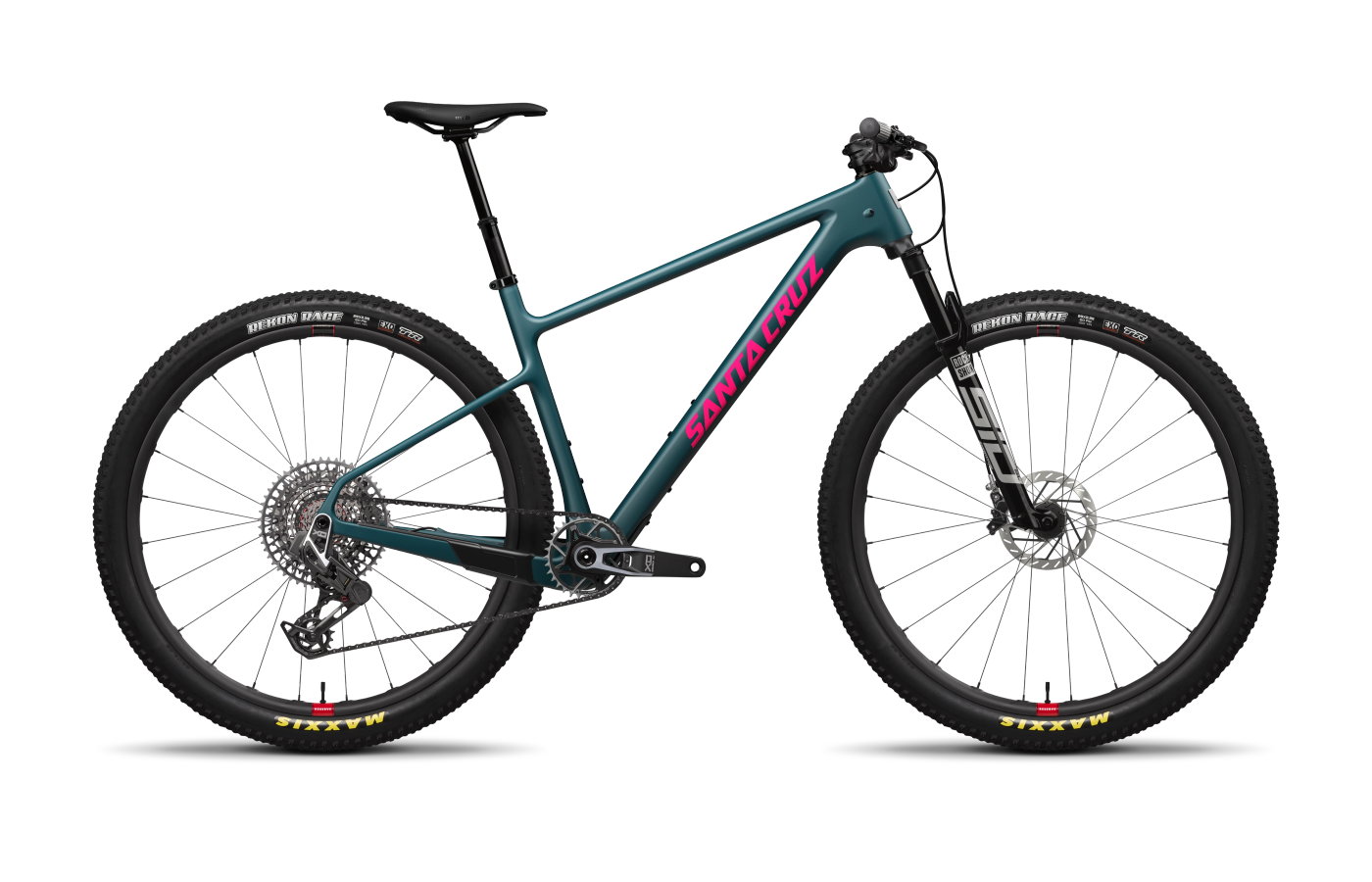
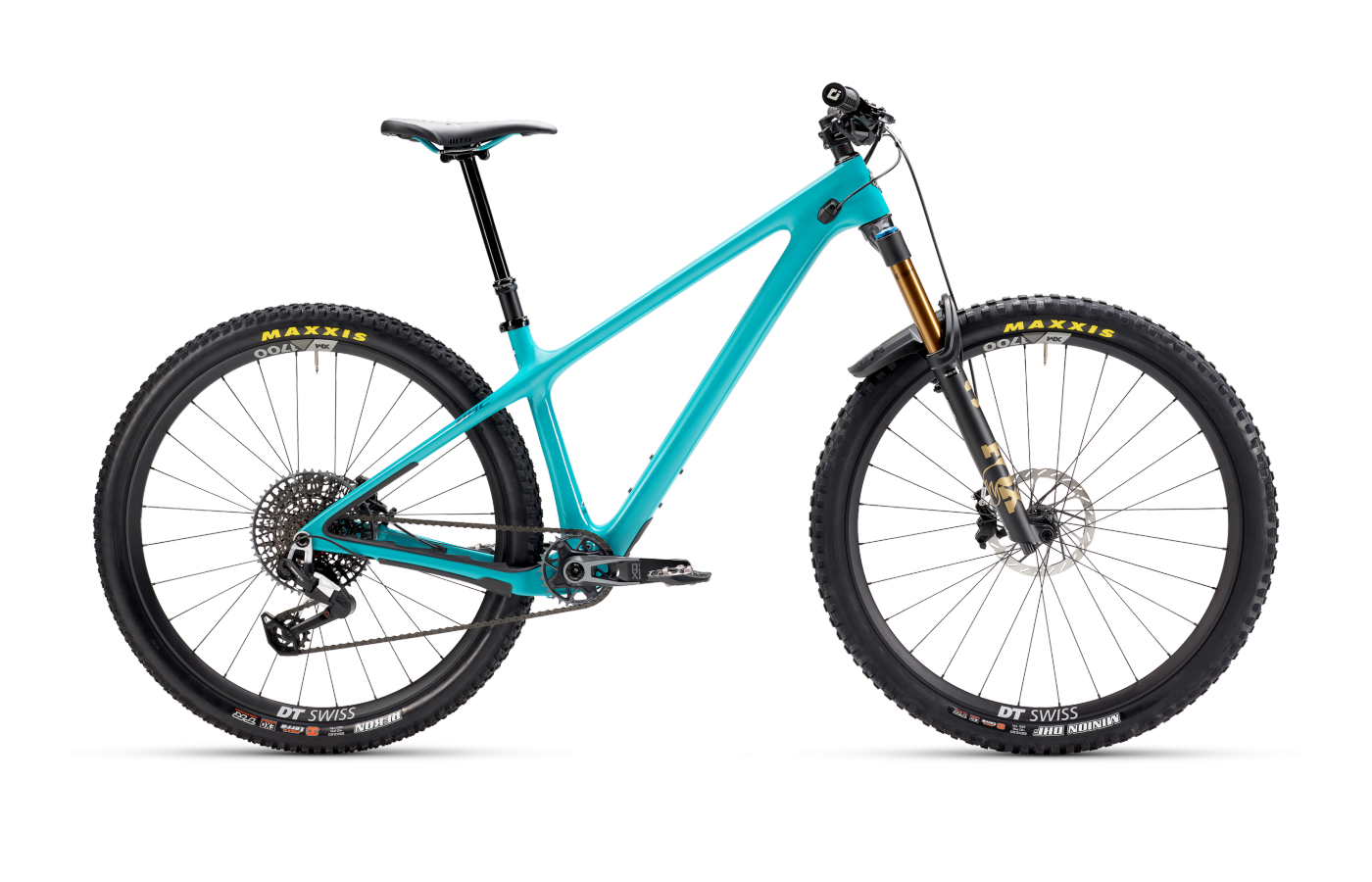
Two carbon hardtails, two different jobs.
The Santa Cruz Highball is an XC racer with a 100 mm fork. The Yeti ARC is a downcountry shredder with 130 mm up front.
Highball
- Lighter at every tier — top X0 AXS RSV build is 22.37 lb / 10.15 kg with carbon Reserve wheels.
- Compliance-tuned rear triangle — dropped seatstays soak up trail buzz that other hardtails transmit.
- Wider build range — five trim levels from $3,299 to $7,899, including a true entry-level NX build.
- 100 mm SID SL fork and 2.35-inch tires limit how technical you can push the descents.
- 73.5-degree seat tube feels slack on steep climbs compared to modern downcountry geometry.
ARC
- 130 mm Fox 36 fork — enough travel to send the same trails you'd ride on a short-travel full-sus.
- Steep 76-degree seat tube — centers your weight over the cranks on the steepest pitches.
- Aggressive 2.6-inch tire clearance — stock Minion DHF/Rekon combo is grippier than anything Santa Cruz puts on the Highball.
- Heavier and slower-rolling — about 25 lb in T2 trim and tire choice costs watts on long fire-road climbs.
- Range starts at $4,500; no sub-$4k build like the Highball R.
Editor’s analysis
Same number of suspension pivots (zero), same head tube angle (67 degrees), wildly different intentions.
On paper these look like adjacent bikes — premium carbon hardtails, 29-inch wheels, both built around a 67-degree head tube. Spend ten minutes with the geometry charts and the meta-reviews and the daylight opens up. The Santa Cruz Highball is built for the cross-country racer: a 100 mm RockShox SID SL fork, fast-rolling 2.35-inch Rekon Race rubber, a 73.5-degree seat tube, and a sub-23-pound build at the top of the range. The Yeti ARC is built for the rider who wants a hardtail to ride trail bike trails: a 130 mm Fox 36 fork, 2.6-inch Minion DHF/Rekon tires, and a 76-degree seat tube that plants you over the cranks for steep pitches.
The Santa Cruz Highball is the lighter, more efficient bike — and Santa Cruz's signature dropped-seatstay junction (where the seatstays meet the seat tube about two inches below the top tube) gives the carbon back end enough vertical flex that reviewers consistently call it a 'soft hardtail.' Pair that with the longest wheelbase in its XC class and you get a marathon-XC machine that holds a line on rolling fire-road descents and feels closer to a flat-bar gravel bike than a twitchy race scalpel. Where it gives up ground is anywhere chunky — the 100 mm fork and XC tires can't replicate what 130 mm and a 2.6-inch front does for technical descents.
The Yeti ARC trades that XC-thoroughbred efficiency for a chassis that disappears underneath you on flowy singletrack. A low 310 mm bottom bracket and short 431.8 mm chainstays make it 'cling to corners' (Bike Magazine) with the agility of a much smaller bike, and Yeti's 'tube-in-tube' internal routing makes it almost eerily quiet. The trade-off is mass and rolling resistance: about 25 lb in the T2 trim versus the Highball's 22.4 lb at the top, plus higher-volume tires that cost watts on long climbs. It's a bike that rewards aggressive descending more than chasing seconds on a fire road.
Put another way: the Santa Cruz Highball is the bike for the person whose ride day involves an hour of climbing for forty minutes of mostly-smooth descending. The Yeti ARC is the bike for the person whose ride day involves grinding to the top of a flow trail and then dive-bombing it. Same category on paper, opposite ends of how you spend your weekends.
Where the builds differ.
Comparing our editor's-pick builds side-by-side. Winners highlighted row-by-row — lower price and weight, and the better-spec component, each mark a point.
Build variants & pricing
Highball spans five tiers from $3,299 to $7,899; the ARC keeps it tight at three tiers from $4,500 to $6,400.
Editor's picks are matched on drivetrain tier — both run SRAM X0 T-Type Transmission. The Highball X0 AXS RSV pulls ahead on price largely because of the carbon Reserve wheelset; the ARC T2 sticks with alloy DT Swiss XM1700s. Spec the wheels equivalently and the gap closes.
How they fit, how they steer.
Both at size M — the fit-picked size for a 5'8" rider on each bike. Reach is essentially identical (Highball 440, ARC 444.5). The ARC sits 35 mm taller in stack, has a 2.5-degree steeper seat tube, and runs a 26 mm longer wheelbase with chainstays 5.8 mm longer.
Which size should I buy?
Size recommendations based on stack, reach, and effective top tube. Both ranges run S/M/L/XL with closely overlapping mid sizes.
→These are starting points. Flexibility, riding style, and preferred position all shift the answer — if you’re between sizes, a professional fit beats a chart.
What the magazines said.
Published reviews from trusted cycling outlets. Click through for the full write-up.
Which one should you buy?
If you race XC or chase distance, get the Santa Cruz Highball. If you ride hardtails for fun on real trails, get the Yeti ARC.
Highball
If your weekends are marathon XC days, fire-road epics, or actual race numbers, the Highball is the sharper tool. Lighter, more efficient, more compliant than a hardtail has any right to be — and with a build range that starts cheaper and tops out higher than the ARC.
ARC
If you want a hardtail you can take down the same trails you'd ride on a short-travel full-suspension bike, the ARC is the answer. The 130 mm fork, 2.6-inch tires, low BB, and short chainstays add up to a trail bike with nothing where a shock would go.
Questions buyers actually ask.
Short answers to the things we get emailed about most often.
01Which is faster on a long XC ride?
The Santa Cruz Highball, by a comfortable margin. The Highball is roughly 2 to 3 lb lighter at the top of each lineup (22.37 lb on the X0 AXS RSV vs 25.21 lb on the ARC T2) and runs faster-rolling 2.35-inch Maxxis Rekon Race rubber instead of the ARC's 2.6-inch Minion DHF/Rekon. Reviewers consistently describe it as 'flat-bar-gravel-bike fast' on fire roads.
The ARC closes most of that gap if the route gets technical — its 130 mm fork lets you carry speed through chunder where the Highball's 100 mm SID SL is asking the rider to back off.
02Which descends better?
The Yeti ARC — it's not really a contest. The ARC pairs a 130 mm Fox 36 fork with 2.6-inch Maxxis Minion DHF/Rekon tires, a low 310 mm bottom bracket, and short 431.8 mm chainstays. Reviewers describe it as 'clinging to corners' and call the front-end stability surprisingly close to a short-travel full-suspension bike.
The Highball runs a 100 mm RockShox SID SL fork and 2.35-inch Rekon Race tires. It's stable on rolling singletrack thanks to a long wheelbase, but the geometry and travel set the ceiling lower on technical descents. As Mountain Flyer warns, even a trail-leaning hardtail can 'break ankles' if pushed too far — the Highball reaches that line earlier than the ARC.
03How different are the seat tube angles in practice?
Significantly. The ARC runs a 76-degree seat tube; the Highball runs 73.5. On a steep climb, the ARC keeps your weight directly over the cranks, which prevents the front wheel from wandering. The Highball's 73.5-degree angle is more traditional XC, and because hardtails don't sag at the rear, that number doesn't get any steeper under load — some reviewers note the rider can end up further back than ideal on the steepest pitches.
Neither is wrong, but the ARC's geometry is the more modern interpretation. If most of your climbing is genuinely steep, that 2.5-degree difference is noticeable.
04What tires do they ship with, and what's the clearance?
Highball: 2.35-inch Maxxis Rekon Race (EXO casing) front and rear across the entire build range. The Santa Cruz frame officially has 61 mm of tire clearance, leaving room to go wider if you want more grip.
Yeti ARC: 2.6-inch Maxxis Minion DHF up front, 2.6-inch Maxxis Rekon out back. Yeti specs the wider rubber deliberately — reviewers consistently note it's essential to the bike's ride quality, since the high-volume tires do a lot of the cushioning work that a rear shock would otherwise handle.
05What forks do they come with?
Highball: RockShox SID SL across the lineup — the 32 mm-stanchion XC fork at 100 mm of travel. Ultimate damper on the X0 AXS RSV, Select+ on the GX AXS / 90 / S, Base with a 2-position remote on the R.
Yeti ARC: 130 mm Fox 36 SL — Factory grade with the GRIP X damper on the T1 and T2, Performance grade on the C2. The 36 SL is a stiffer, burlier fork than the SID SL, and 30 extra millimeters of travel is most of why the two bikes ride so differently.
06Can I run a dropper post on both?
Yes, both ship with dropper-compatible internal routing and run droppers stock on the higher trims. The ARC frame is rated for up to a 200 mm dropper depending on size, which is unusually generous for a hardtail and reflects its trail-bike intentions. The Highball's setup is more conservative — appropriate for an XC bike where you don't always want a long-stroke dropper adding weight.
07What about the bottom bracket — anything to know?
Both use Press Fit BB92. On the ARC, reviewers (including BikeRadar and MBR) flag it as a long-term maintenance gripe — press-fit bottom brackets can develop creak in wet climates and are less service-friendly than threaded.
The Highball runs the same BB92 standard. Same caveats apply. If you're in a wet environment, plan on a thread-together press-fit aftermarket BB at some point in the bike's life on either platform.
08Which holds up better as a long-term ownership proposition?
Both brands offer strong frame warranties — Yeti and Santa Cruz both back the carbon frames against manufacturing defects for the original owner, and both run crash-replacement programs. Santa Cruz is also famous for its lifetime bearing replacement on pivots, which is moot on a hardtail but speaks to the brand's service culture.
In terms of which spec holds up: the higher-tier builds on both bikes (Highball X0 AXS RSV / GX AXS, ARC T1 / T2) come with components that don't need immediate upgrades. The ARC C2 entry build has been criticized for under-gunned brakes and thin-casing tires — if you're shopping the bottom of the ARC range, budget for upgrades. The Highball R / S builds at the bottom of the Highball range have drawn less of that criticism.
Similar bikes
If your priorities don’t map cleanly onto either of these, one of these adjacent bikes probably fits better.
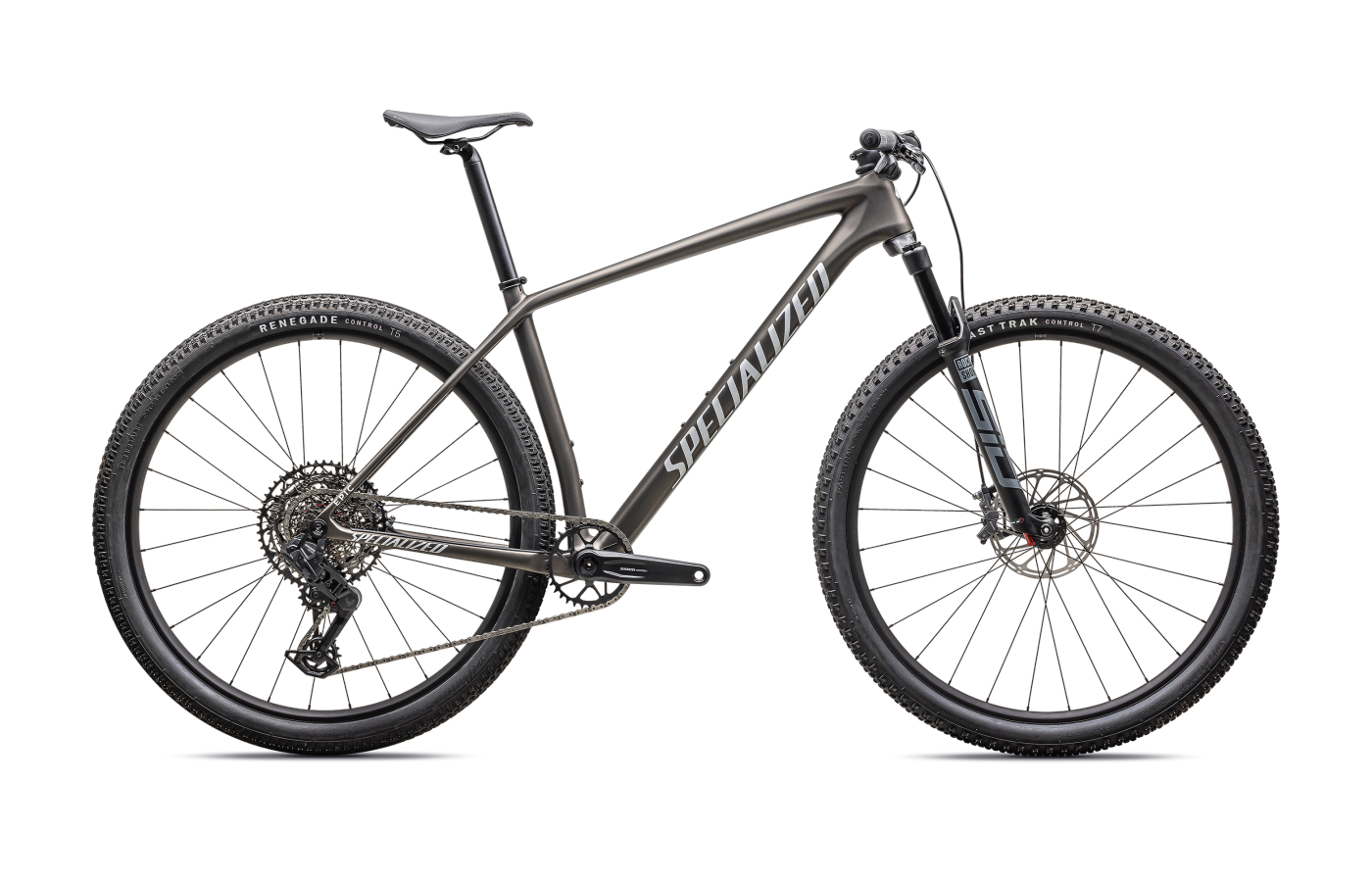
Epic Hardtail
The most direct rival to the Highball — Specialized's pure-XC race hardtail with a similar 100 mm fork philosophy and a frameset that goes shockingly light at the S-Works tier. If the Highball's compliance trick interests you but you want even shorter chainstays and a more race-twitchy front end, the Epic HT is the bike to cross-shop.
Compare →DV9
Ibis's downcountry hardtail — a 120 mm fork puts it neatly between the Highball and the ARC, with versatile geometry and a price point that typically undercuts both. A natural pick if you want some of the ARC's trail capability without committing to 130 mm and 2.6-inch rubber.
Compare →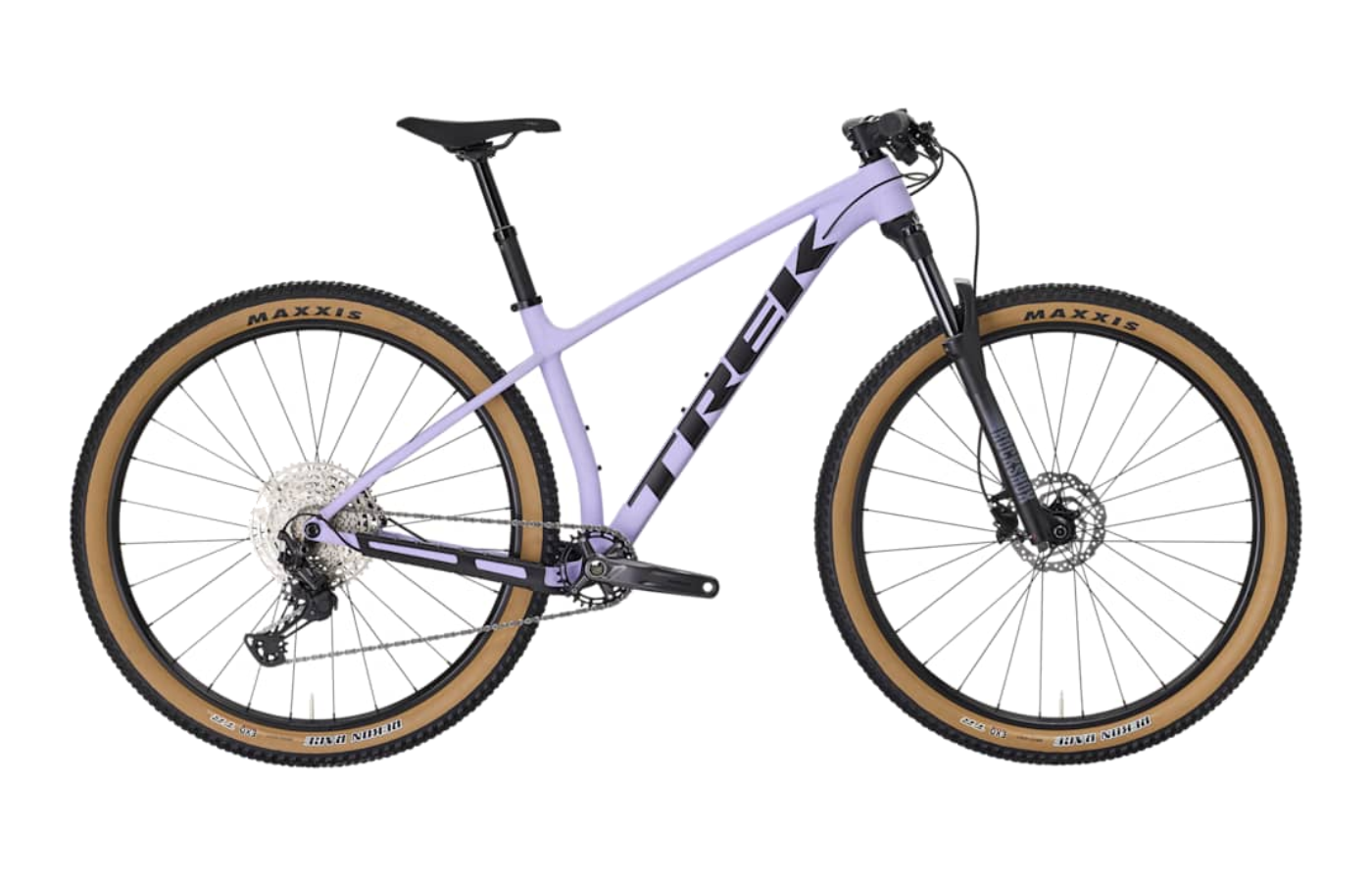
Procaliber
Trek's XC hardtail uses the IsoSpeed decoupler at the seat-tube/top-tube junction to add vertical compliance — a different mechanical answer to the same problem the Highball solves with dropped seatstays. Worth a look if you want long-distance comfort but find the Highball's price tag steep.
Compare →