Crux
vsCheckmate
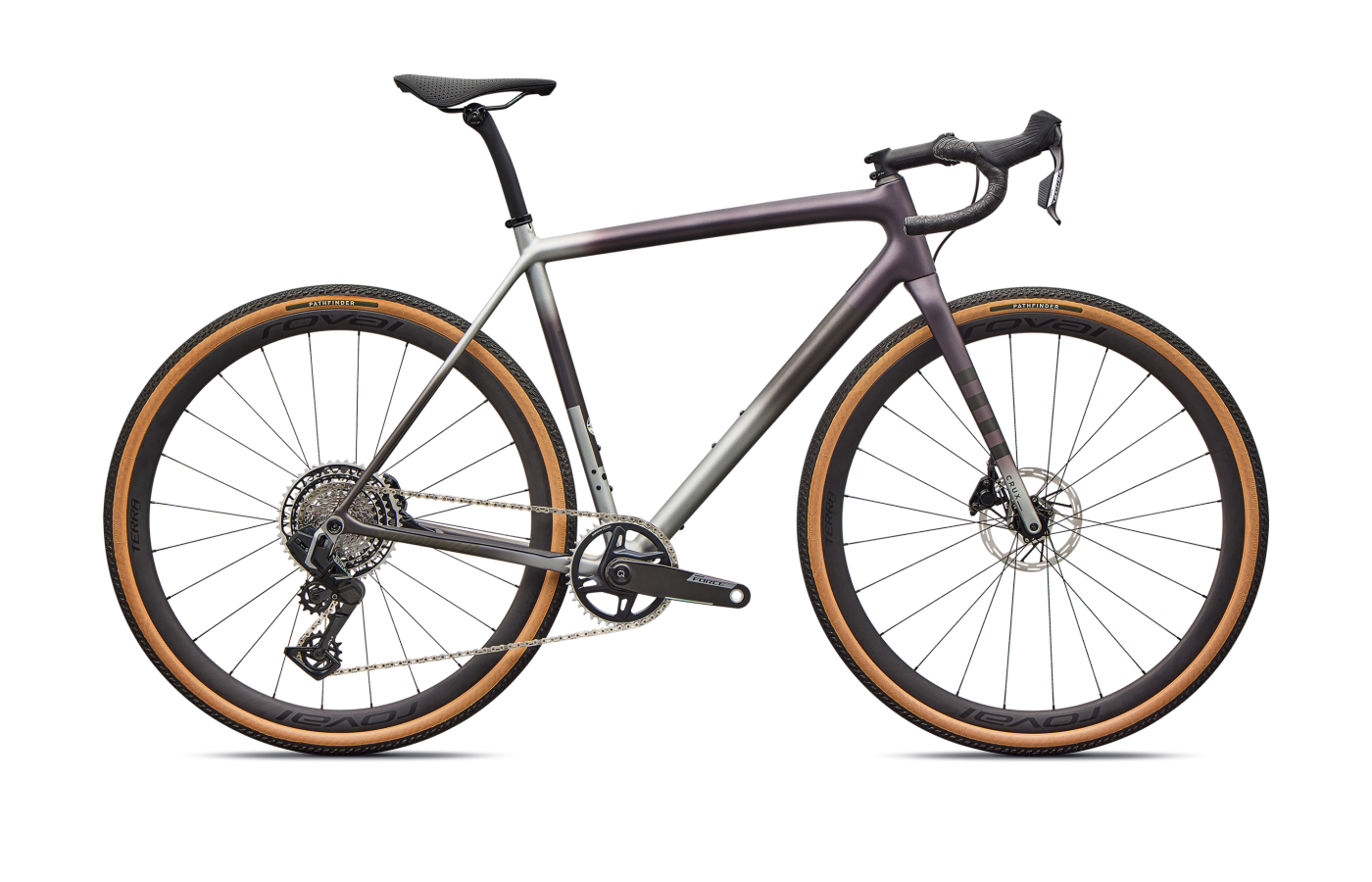
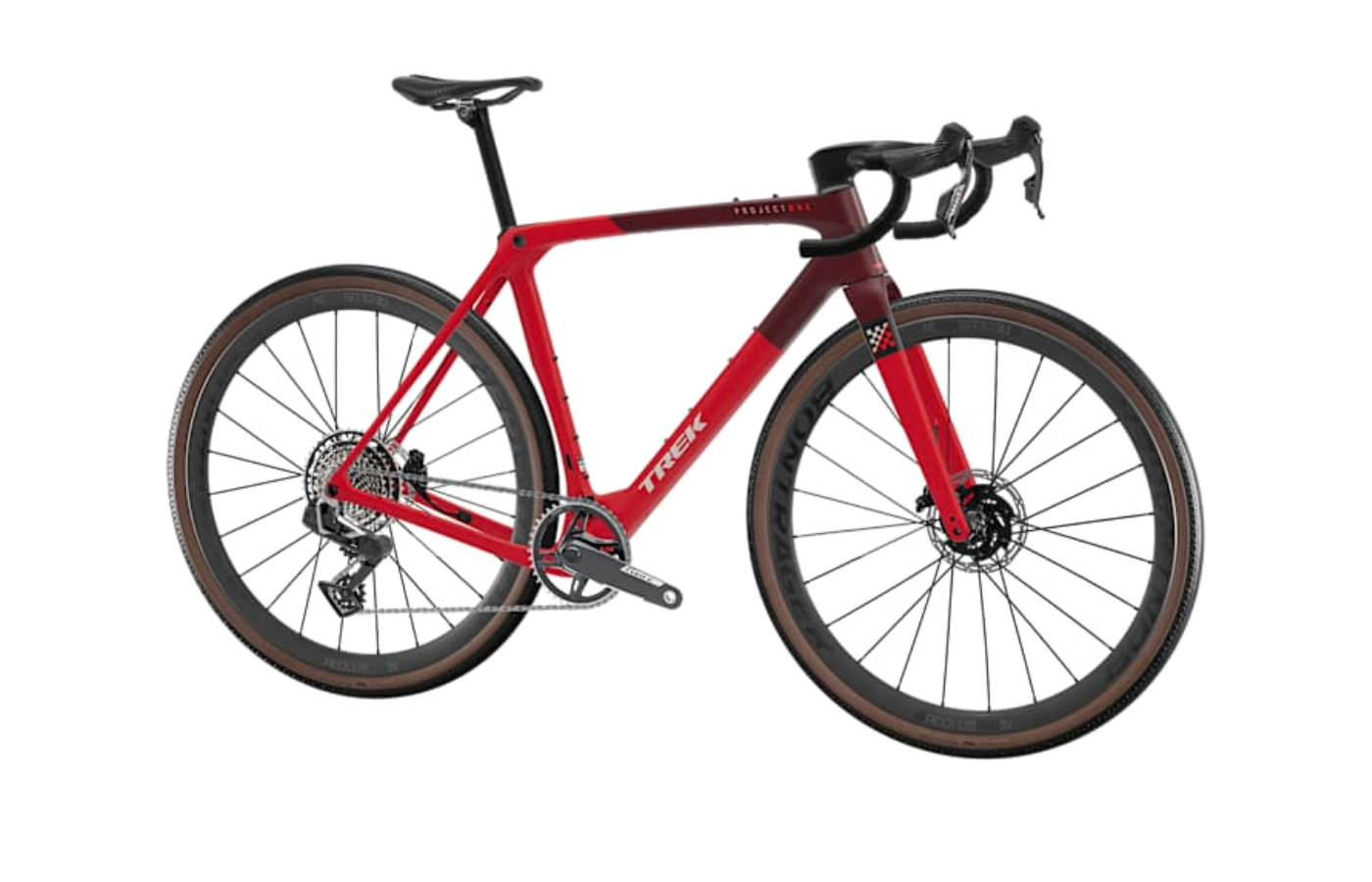
The featherweight versus the wind-cheater.
The Crux is a 7.6 kg cyclocross-bred climber with 47 mm clearance. The Checkmate is a Madone-derived aero racer built to hold pace on champagne gravel.
Crux
- Class-leading low weight — 7.64 kg at the Pro build, 6.94 kg at S-Works. Lighter than many road bikes.
- Wider tire clearance at 47 mm (or 650b x 2.1"), letting you tune the bike for chunkier terrain.
- Hassle-free standards — threaded BSA bottom bracket, round 27.2 mm seatpost, two-piece cockpit, easy bleeds and fit changes.
- Aggressive, low-stack position and stiff front end can feel "under-biked" on truly rough terrain.
- Mid-tier Comp builds (~$4k) ship with mechanical drivetrains and aluminum wheels that feel a step behind the frame.
Checkmate
- Aerodynamic platform — Trek claims 5:54 saved over a 200-mile Unbound course at 200 watts vs the prior Checkpoint SLR.
- IsoSpeed rear compliance lets you stay seated and keep pedaling over washboard where the Crux has only seatpost flex.
- Project One customization lets you spec crank length, bar width, and stem length at order — important on an integrated cockpit.
- Strict 45 mm tire ceiling — reviewers confirmed 50 mm tires rub the chainstays and risk frame damage.
- Only two builds, both Force AXS or higher; entry price floor is $8,199 with no mid-tier option.
Editor’s analysis
Two race-only gravel bikes, two opposite bets — save grams or save watts.
Specialized and Trek arrived at the same finish line — gravel race podiums — by walking opposite paths. The Specialized Crux carries the Aethos road bike's design DNA: round tubes, a 27.2 mm seatpost, a two-piece cockpit, and a claimed 725 g S-Works frame. The Trek Checkmate borrows from the Madone Gen 8: Full System Foil tube shapes, an integrated Aero RSL one-piece bar/stem, and an IsoSpeed decoupler at the seat tube. One bike is trying to disappear under you on a climb; the other is trying to drag you along a flat at 35 km/h.
The numbers tell that story cleanly. At the editor's-pick tier, the Crux Pro lands at 7.64 kg with Force AXS — the Checkmate SLR 7 AXS, identical drivetrain, comes in at 8.47 kg. That's a clean 800 g of climbing tax to pay for the Trek's aero tube shapes and IsoSpeed hardware. Specialized clears 47 mm tires; Trek officially stops at 45 mm and reviewers confirmed even 50 mm Maxxis Ramblers rub the chainstays. If your gravel tilts toward chunk, the Crux gives you a meaningful rubber budget the Checkmate doesn't.
Geometry deepens the divide where it counts most. Bottom-bracket drop is the headline: the Trek Checkmate runs 80 mm across every size, one of the lowest in the segment, while the Crux floats around 72–74 mm — closer to its cyclocross roots. That 6–8 mm gap is what reviewers feel as Trek's planted, glued-down character on flat-out gravel and Crux's flickable, lift-the-front-wheel agility. At the compared sizes, stack is identical (560 mm) and reach differs by 4 mm — both bikes ask for the same aggressive, low-front body position.
Put bluntly: the Specialized Crux is the bike you buy when your gravel includes climbs and rough terrain you might want to underbike. The Trek Checkmate is the bike you buy when your gravel calendar is Unbound, SBT GRVL, and big-watt training days where you'd rather save watts than grams. Reviewers across the board agree neither bike is the right call for bikepacking, mounts, or a relaxed all-day adventure — for that, both brands sell the Diverge or Checkpoint.
Where the builds differ.
Comparing our editor's-pick builds side-by-side. Winners highlighted row-by-row — lower price and weight, and the better-spec component, each mark a point.
Build variants & pricing
The Crux runs from a $2,799 alloy DSW Comp up to an $11,999 S-Works. The Checkmate sells two builds, both AXS, starting at $8,199.
Prices are current US MSRP. Specialized scales the Crux down to a $2,799 aluminum-frame build with Apex; Trek does not offer the Checkmate in alloy or below Force AXS. If your budget caps below $8k, the Crux is the only option here.
How they fit, how they steer.
Stack is identical at 560 mm; the Trek is 4 mm longer in reach. The bigger story is bottom-bracket drop — Trek runs 80 mm on every size for high-speed planted-ness; the Crux sits at 72–74 mm, closer to its cyclocross roots and friendlier for pedaling through corners.
Which size should I buy?
Stack/reach overlap closely in the middle of both ranges. The Crux extends one size smaller (49) than the Checkmate's XS.
→These are starting points. Flexibility, riding style, and preferred position all shift the answer — if you’re between sizes, a professional fit beats a chart.
What the magazines said.
Published reviews from trusted cycling outlets. Click through for the full write-up.
Which one should you buy?
If your gravel goes up and includes chunk, get the Crux. If your gravel is long, fast, and exposed, get the Checkmate.
Crux
If you spend weekends hunting KOMs on fire-road grades, race cyclocross in the fall, or want one bike that converts to a fast road climber with a tire swap, this is still the benchmark. Lighter, simpler, more clearance — and the only way into a carbon race-gravel platform under $5k.
Checkmate
If your calendar is Unbound, SBT GRVL, and long exposed days where wattage and aero count more than grams, the Checkmate's tube shapes and IsoSpeed will save you time. Don't expect to underbike it — it wants smooth surfaces and 38–42 mm rubber to do its best work.
Questions buyers actually ask.
Short answers to the things we get emailed about most often.
01Which is faster on flat, fast gravel?
The Trek Checkmate, by Trek's own numbers and reviewer consensus. The Madone-derived Full System Foil tube shapes plus the integrated Aero RSL cockpit cut drag enough that Trek claims 5 minutes 54 seconds saved over a 200-mile Unbound course at a steady 200 watts versus the prior Checkpoint SLR. Multiple reviewers corroborated the feel — "glide-along," "holds its pace effortlessly," several km/h faster on the same loop versus an adventure-oriented gravel bike.
The Crux is no slouch on tarmac thanks to its low weight, but it doesn't have the aero shaping to match the Checkmate above 30 km/h on flat ground.
02Which climbs better?
The Specialized Crux, by a clean margin. The Crux Pro tips the scales at 7.64 kg versus 8.47 kg for the Checkmate SLR 7 — that's roughly 800 grams of climbing penalty for the Trek's aero hardware. Step up to S-Works (6.94 kg) versus SLR 9 AXS (7.55 kg) and the gap narrows but persists.
Reviewers describe the Crux climbing "like a mountain goat" with "effortless" responsiveness on steep grades. The Checkmate is no slouch — it's still significantly lighter than the Checkpoint it replaced — but the Crux is the sharper tool when the road tilts up.
03What's the maximum tire clearance?
Specialized Crux: 47 mm officially with 700c, or 2.1" with 650b. Reviewers consistently note this generous clearance lets you tune the bike for rougher conditions by fitting wider, knobbier rubber.
Trek Checkmate: 45 mm officially, and reviewers found the limit strict — one tester reported both 50 mm Maxxis Ramblers and 2.1" Thunderbirds rubbed the rear chainstays, with the warning that running over the limit risks abrading the carbon frame.
If you race or train on terrain that benefits from 50 mm+ rubber (mountain-bike-influenced "big tire" gravel), the Crux is the only option here.
04How does IsoSpeed compare to the Crux's seatpost flex?
The Checkmate's IsoSpeed decoupler is a refined, non-adjustable mechanism that lets the seat tube pivot independently of the top tube. Reviewers were nearly unanimous that it "mellows bumps" and lets you stay seated through washboard and loose climbs without a "bounce" or power loss. It's mechanical compliance, baked into the frame.
The Crux has no decoupler. Rear compliance comes entirely from the exposed Roval Alpinist 27.2 mm round seatpost, which BikeRadar noted "flexes an impressive amount while seated." Effective for high-frequency vibration, but not in the same league as IsoSpeed for absorbing larger hits.
05Are the integrated cockpits a problem for fit changes?
The Crux uses a two-piece cockpit (Specialized Pro SL alloy bar plus a separate stem on the editor's-pick Pro build). Bar width or stem length swaps are a routine shop job. This is one of the Crux's most-praised practical features.
The Checkmate uses the Trek Aero RSL one-piece carbon bar/stem borrowed from the Madone. Changing reach or bar width means buying a new unit. Trek mitigates this with the Project One program, which lets you specify crank length, handlebar width, and stem length at the time of purchase — but you need to know your fit before ordering.
06Can I run a 2x mechanical drivetrain on either?
No on both. The Crux's cable routing doesn't support a front derailleur, so 2x is electronic-only and 1x is the default across the lineup. The Checkmate ships exclusively with SRAM 1x AXS — no Shimano, no Campagnolo, no mechanical option of any kind.
If you want a 2x mechanical groupset on a gravel race bike, neither of these is in the conversation.
07Which has the better entry-price option?
The Crux, by a wide margin. Specialized scales the platform down to a $2,799 DSW Comp with an aluminum frame and SRAM Apex mechanical, and a carbon Comp build at $3,999 with Shimano GRX. There's a real entry point for privateer racers.
The Checkmate has only two builds — SLR 7 AXS at $8,199 and SLR 9 AXS at $11,999. There is no aluminum frame, no Rival or 105 build, and no plan announced for one. If your budget caps below $8k, the Crux is the only viable option here.
08Pedal strikes — does Trek's low BB cause problems?
It can. The Checkmate's 80 mm bottom-bracket drop is one of the lowest in the gravel race segment and reviewers consistently flagged increased pedal-strike risk on rocky or rutted terrain. The trade-off is what Trek wants: a lower center of gravity that feels exceptionally planted at speed on smoother surfaces.
The Crux runs 72–74 mm depending on size — closer to traditional cyclocross height — which lets you pedal through corners with less concern about clipping a rock. On champagne gravel the Trek's drop pays off; on technical singletrack the Crux's higher BB is friendlier.
Similar bikes
If your priorities don’t map cleanly onto either of these, one of these adjacent bikes probably fits better.

Grail
Canyon's direct shot at the Checkmate — same aero-integrated philosophy, often at meaningfully better dollars-per-watt thanks to Canyon's direct-to-consumer model. The catch is no local dealer for fit work.
Compare →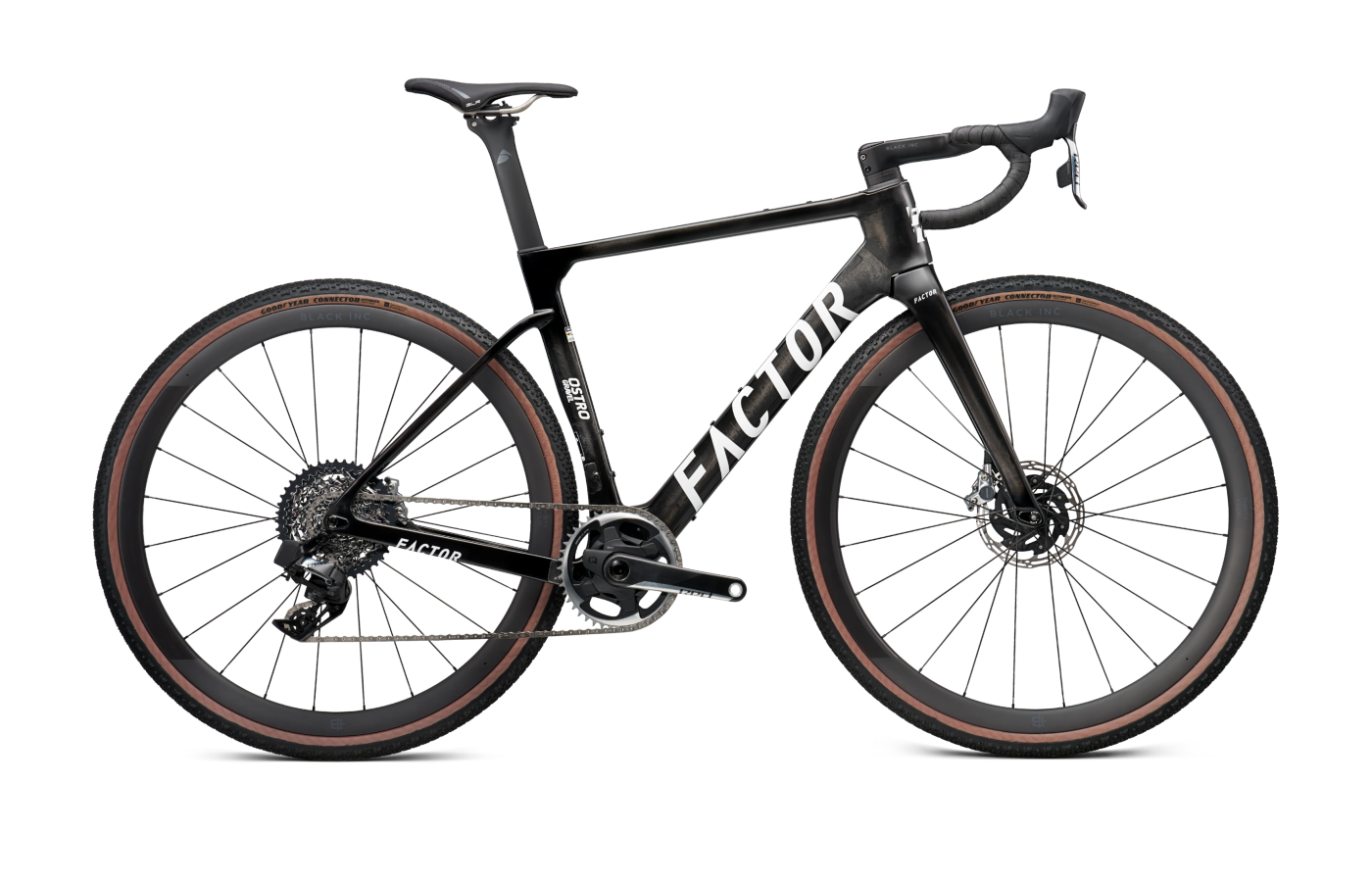
Ostro Gravel
Factor's gravel racer chases both targets at once — aero-first tube shapes plus a low frame weight that closes the gap on the Crux. Boutique pricing, but a credible third option if you want both attributes in one bike.
Compare →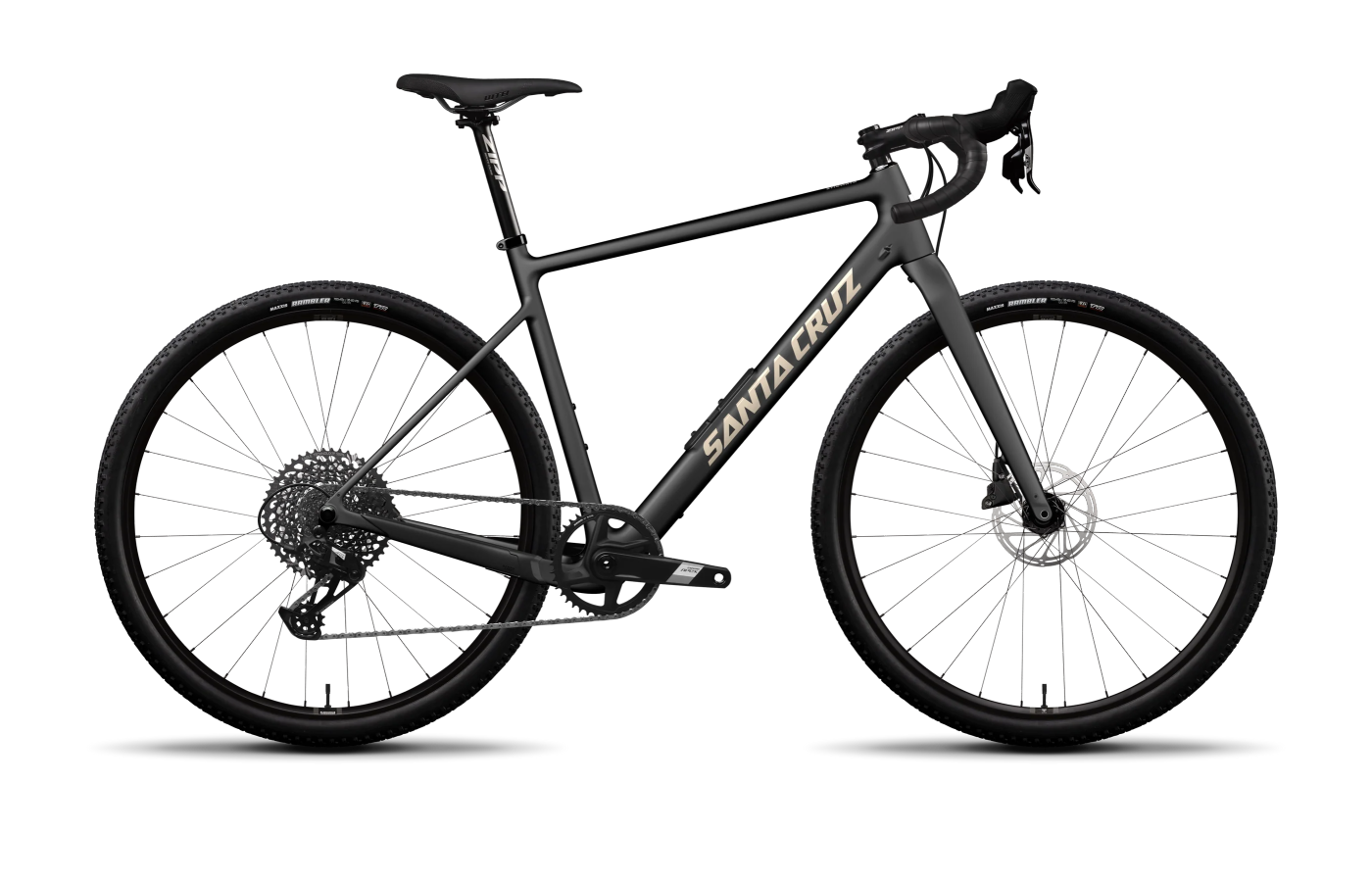
Stigmata
Santa Cruz's gravel race bike for riders who think both the Crux and Checkmate are too smooth-gravel-biased. More mountain-bike-influenced geometry and tire room for genuinely technical race courses like Big Sugar or Rule of Three.
Compare →