Patrol
vsSentinel
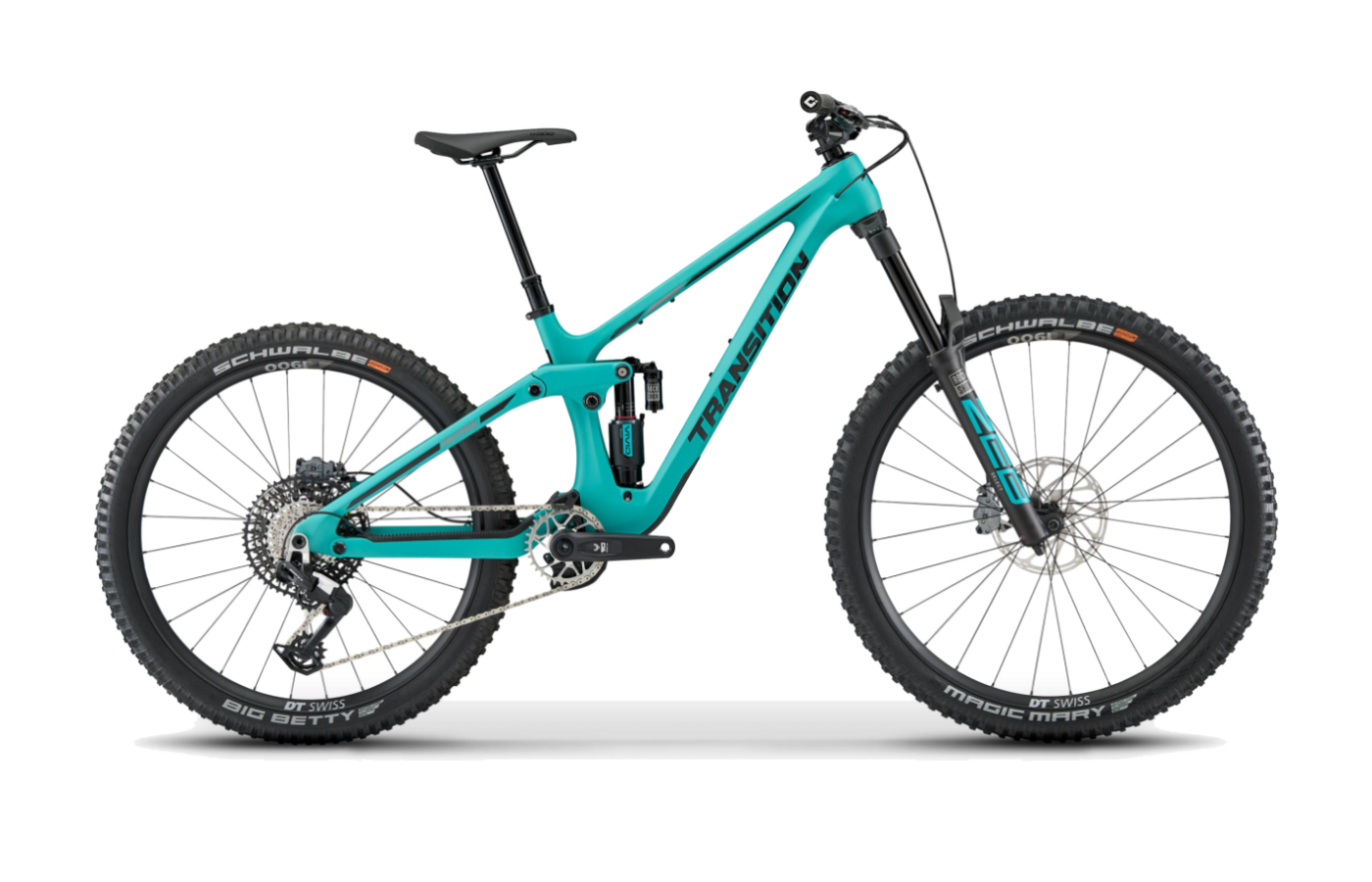
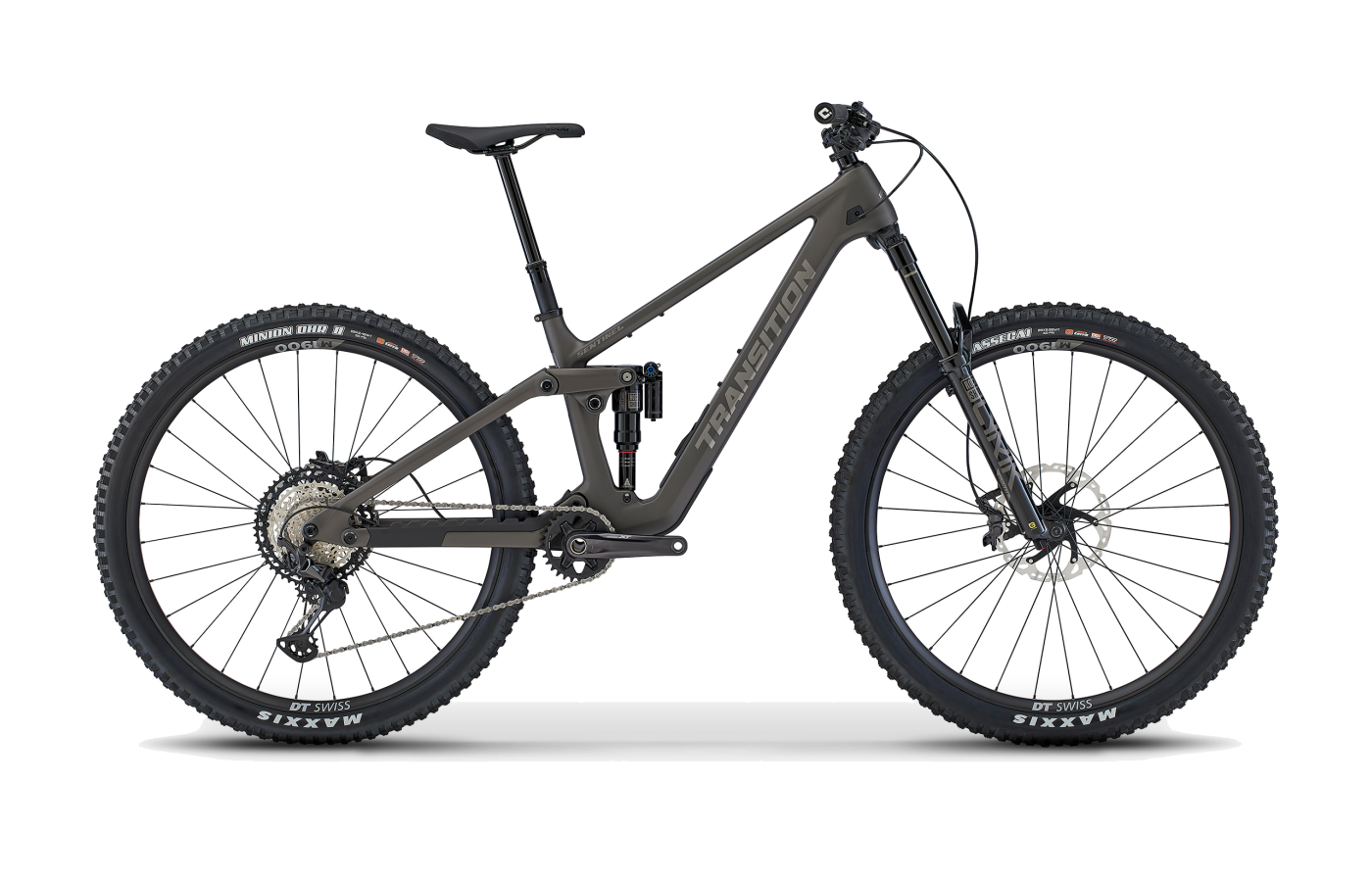
Same brand, two ways to ride 160 mm.
The Patrol is a mullet party machine built around pop and corner snap. The Sentinel V3 is the more grown-up trail bike — versatile, full 29er-capable, and quieter on the climbs.
Patrol
- Mullet snap and pop — the 27.5" rear wheel and low BB make it rail tight corners and launch off anything with minimal effort.
- Dual-crown compatible with a 1.5" straight head tube and the option to long-stroke to 170 mm — a freeride bike you can still pedal.
- Slacker, more aggressive 63.5° HTA in High (63° in Low) gives massive descending confidence on steep, loamy chutes.
- Very low BB means frequent crank strikes, even with stock 165 mm cranks.
- No in-frame storage; alloy builds are heavy (36+ lb on the entry build).
Sentinel
- Genuinely versatile — 64° HTA, 350 mm BB, and 150 mm of refined rear travel cover everything from alpine epics to bike park days.
- B.O.O.M. Box in-frame storage on every carbon build, plus size-specific chainstays (442 / 448 mm) for balanced handling across the range.
- Full 29" rollover (MX-compatible via flip-chip) — better straight-line speed and small-bump erasure than the mullet Patrol.
- Stock RockShox Super Deluxe Ultimate shock tune is widely criticized as under-damped; serious riders may need a re-tune.
- Higher BB and steeper front end give up some of the Patrol's pure cornering snap and freeride attitude.
Editor’s analysis
Both wear the Transition badge and 160 mm of fork — but one is a freeride toy you can pedal, the other a do-it-all trail bike that just happens to descend like a brawler.
On paper the gap looks small: same brand, same GiddyUp linkage, same 160 mm fork, same lifetime warranty, same threaded BB and UDH that make them privateer-friendly. But spend any time in the geometry tables and the philosophies split. The Patrol runs a mixed wheel setup (29 front, 27.5 rear), 160 mm of rear travel, and a full-stop slack 63.5° head angle. The Sentinel is a full 29er (mullet-compatible) with 150 mm of rear travel and a more conversational 64° head angle.
The Patrol is the specialist. Reviewers hammer the same notes: freakishly poppy, easy to lean over, dual-crown compatible, and built around a small rear wheel that lets you steer with your hips. It's the bike Pinkbike calls the Party Machine — fast in the corners, slow on the clock, and happiest in steep, loamy, jump-heavy terrain. The trade is real: an alloy build tips 36+ lb, the bottom bracket is so low that crank strikes are a daily complaint even on 165 mm cranks, and on a high-speed straight a dedicated 29er enduro bike will pull away.
The Sentinel V3 is the broader tool. Transition steepened the head angle, raised the BB to 350 mm, added size-specific chainstays (442 mm S/M, 448 mm L/XL), tucked a B.O.O.M. Box in-frame storage door into the carbon downtube, and revised the kinematics for more mid-stroke support. The result is a bike Blister and NSMB call sportier and more energetic — it climbs better, it covers miles, and it can still bombs descents. The catch is the stock RockShox Super Deluxe Ultimate tune, which multiple reviewers flagged as too lightly damped; aggressive riders may want a custom re-tune.
Put another way: the Transition Patrol is what you buy when you already own a trail bike and want a rowdier second one for the steep stuff. The Transition Sentinel is what you buy when you want one bike that does everything from alpine epics to weekend bike-park laps.
Where the builds differ.
Comparing our editor's-pick builds side-by-side. Winners highlighted row-by-row — lower price and weight, and the better-spec component, each mark a point.
Build variants & pricing
Patrol runs four builds from $3,999 to $6,999. The Sentinel spans nine, from $3,499 to $9,999 — including a flagship XTR Di2 the Patrol simply doesn't offer.
Prices are current US MSRP. Both bikes share alloy and carbon frames, threaded BBs, UDH hangers, and Transition's lifetime warranty. The Patrol's lineup tops out at GX AXS; if you want XTR Di2 or X0 AXS Transmission, the Sentinel is the only option.
How they fit, how they steer.
Both at size MD — the fit-picked size for a 5'8" rider on each bike. Reach is identical at 455 mm; the Sentinel runs a half-degree steeper head angle (64° vs 63.5°), 8 mm longer chainstays (442 vs 434 mm), and a 6 mm longer wheelbase. The Patrol sits 2 mm taller in the stack and steeper in the seat tube (78.8° vs 78.9° — effectively a wash).
Which size should I buy?
Size recommendations based on stack, reach, and effective top tube. The Sentinel's range stretches further at both ends (XS and XXL) than the Patrol's four-size lineup.
→These are starting points. Flexibility, riding style, and preferred position all shift the answer — if you’re between sizes, a professional fit beats a chart.
What the magazines said.
Published reviews from trusted cycling outlets. Click through for the full write-up.
Which one should you buy?
If your weekends are loamy chutes, jump lines, and bike park laps, get the Patrol. If you need one bike that climbs alpine miles and still descends like a brawler, get the Sentinel.
Patrol
If the riding you actually do is steep, loamy, jump-heavy, or shuttle-served, the Patrol's mullet snap, dual-crown compatibility, and 160 mm of rear travel are exactly the right tool. Accept the weight, accept the crank strikes, and don't expect to win an enduro stage on the clock — but you will be having more fun than almost anyone else on the hill.
Sentinel
If your riding spans alpine climbs, all-day singletrack, and the occasional bike park weekend, the Sentinel V3 is the more honest answer. It climbs better, covers miles without wearing you out, and the B.O.O.M. Box plus refined kinematics make it the easier daily companion. Plan to budget for a shock re-tune if you ride hard.
Questions buyers actually ask.
Short answers to the things we get emailed about most often.
01Which one is more fun?
Almost every reviewer who's spent time on both calls the Patrol the more fun bike — Pinkbike literally nicknamed it the Party Machine. The combination of the 27.5" rear wheel, the low BB, and the slack 63.5° head angle make it freakishly poppy and easy to throw around.
The Sentinel V3 is no slouch — Blister called it sportier and more energetic than the V2 — but it's a more grown-up kind of fun: precise, balanced, and willing to cover serious miles between the good stuff.
02Which climbs better?
The Sentinel V3, and not by a small margin. It runs a half-degree steeper head angle (64° vs 63.5°), a 10 mm taller bottom bracket (350 mm vs ~340 mm), and refined kinematics that sit higher in the travel for more pedaling support. Multiple reviewers said it "rides lighter than the scale suggests."
The Patrol is more pedalable than its geometry numbers suggest, thanks to a steep 78.8° effective seat tube angle, but the slack front end produces wheel-flop on tight switchbacks and the low BB means constant pedal strikes. It's a bike you climb to descend, not the other way around.
03Mullet vs full 29er — does it really matter?
It matters more than people think. The Patrol's 27.5" rear wheel makes it noticeably easier to load mid-corner, square off tight turns, and steer with your hips — Vital MTB and Pinkbike both flagged cornering as its standout trait.
The Sentinel V3 ships as a full 29er but is MX-compatible via the flip-chip, which Blister called the Goldilocks setup. The full 29er rolls over chunk faster and feels more planted at speed; the mullet conversion gives you some of the Patrol's snap without losing the Sentinel's rear-end stiffness. Best of both worlds if you want to experiment.
04How much does the bottom bracket height actually matter?
A lot. The Patrol sits at roughly 340 mm BB height (some reviewers say even lower in real-world measurement). Even with the stock 165 mm cranks, multiple testers reported frequent pedal strikes — to the point that some swapped to 155 mm cranks or kept the bike in the High flip-chip setting full-time.
The Sentinel V3 sits at 350 mm — a 10 mm difference that sounds tiny but translates to noticeably fewer strikes in technical climbing. Pinkbike noted the higher BB makes the Sentinel feel slightly less locked-in on machine-built berms, but it's a clear win for chunky, ledge-y terrain like Moab or the desert Southwest.
05Can either be converted into a 170 mm enduro bike?
Yes — both. The Patrol is designed for it. Swap to a 65 mm stroke shock and you get 170 mm rear travel; the head tube accepts a dual-crown fork; the frame is rated for it. Several Pinkbike and MTB-Mag reviewers ran the Patrol in this configuration and called it more composed than the stock 160 mm setup.
The Sentinel can also be long-stroked from 150 mm to 160 mm rear with a 65 mm shock, but it's not dual-crown compatible — its conversion ceiling is lower. If 170 mm is the goal, the Patrol is the right starting point.
06Which one is a better daily driver?
The Sentinel V3, easily. The B.O.O.M. Box in-frame storage (carbon builds), size-specific chainstays, more pedaling support, and the fact that you can comfortably ride it from a fire-road epic to a bike-park lap make it the more universal tool. NSMB called it a bike that "will never be the wrong choice, short of an XC race."
The Patrol is happier when you've already chosen the steep, gravity-oriented day. As a one-bike quiver it works, but you'll feel the weight and the BB on every long climb.
07Any known weak spots?
Two consistent complaints across reviews:
Patrol: Bottom bracket is very low — expect crank strikes in technical terrain, even with short cranks. The Fox Float X2 stock shock (on earlier builds) had reliability issues; the current RockShox-equipped builds appear more durable. Paint chips easily — Transition sells touch-up paint directly to soften the blow.
Sentinel V3: The stock RockShox Super Deluxe Ultimate shock tune is bizarrely under-damped per Blister, NSMB, and Pinkbike — aggressive or heavier riders will likely want a custom re-tune. The DT Swiss M 1900 wheelset's 18-tooth ratchet is laggy on technical climbs; an upgrade to a higher-engagement hub is a popular early purchase.
08What about warranty and long-term ownership?
Both bikes get Transition's lifetime frame warranty to the original owner, plus crash-replacement pricing. Reviewers across the board praise Transition's customer service and the availability of small parts (bearings, hardware, touch-up paint) directly through their website.
Both frames use a threaded bottom bracket, SRAM UDH hanger, standard 56 mm headset cups, and largely non-proprietary cable routing — which means low long-term maintenance costs and easy parts sourcing. They're both genuine privateer-friendly bikes.
Similar bikes
If your priorities don’t map cleanly onto either of these, one of these adjacent bikes probably fits better.
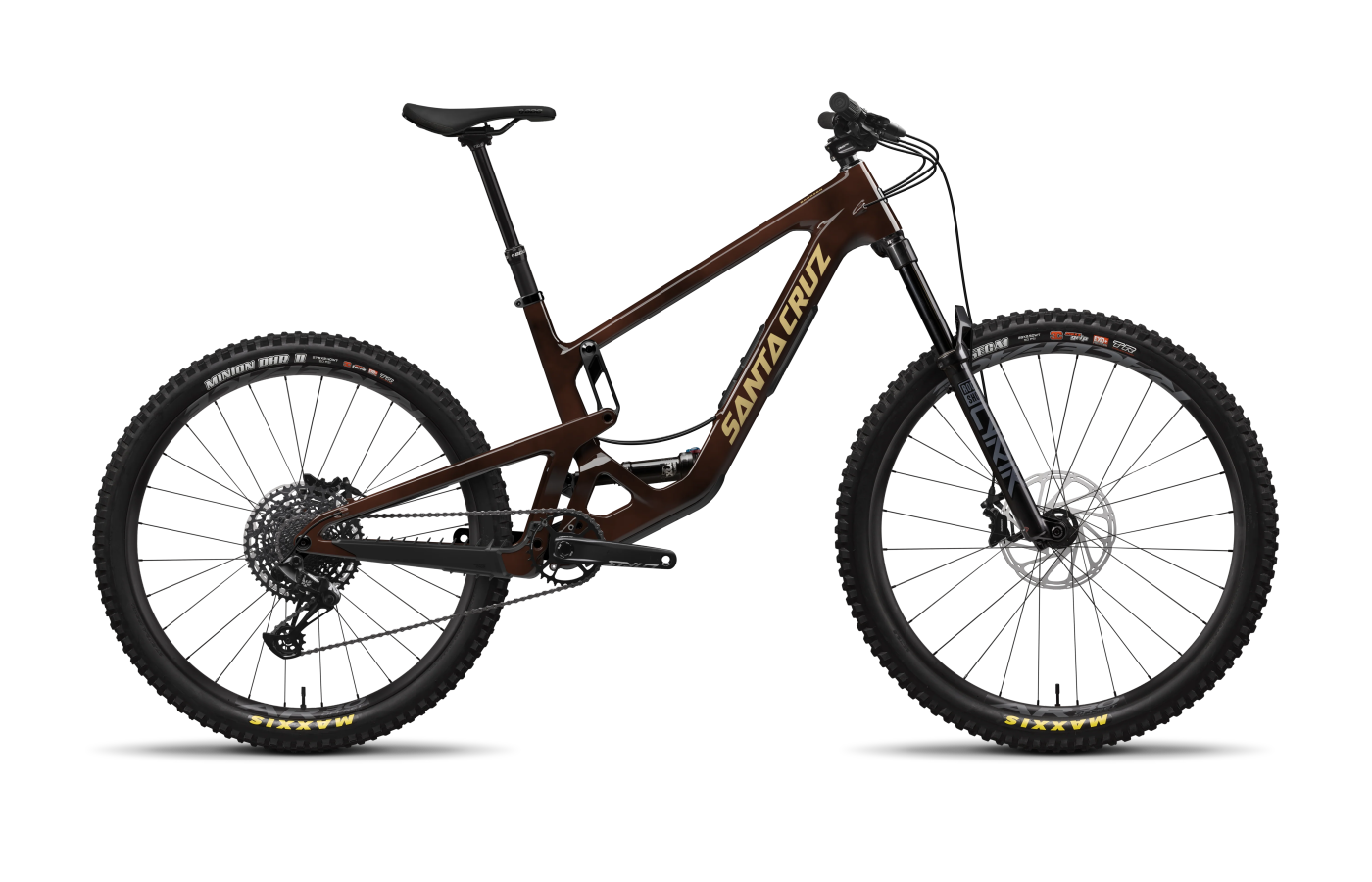
Bronson
The Santa Cruz Bronson is the most direct rival to the Patrol — another 150/160 mm mixed-wheel bike, but with VPP suspension that trades some of Transition's pop for more ground-hugging traction. The boutique tax is real.
Compare →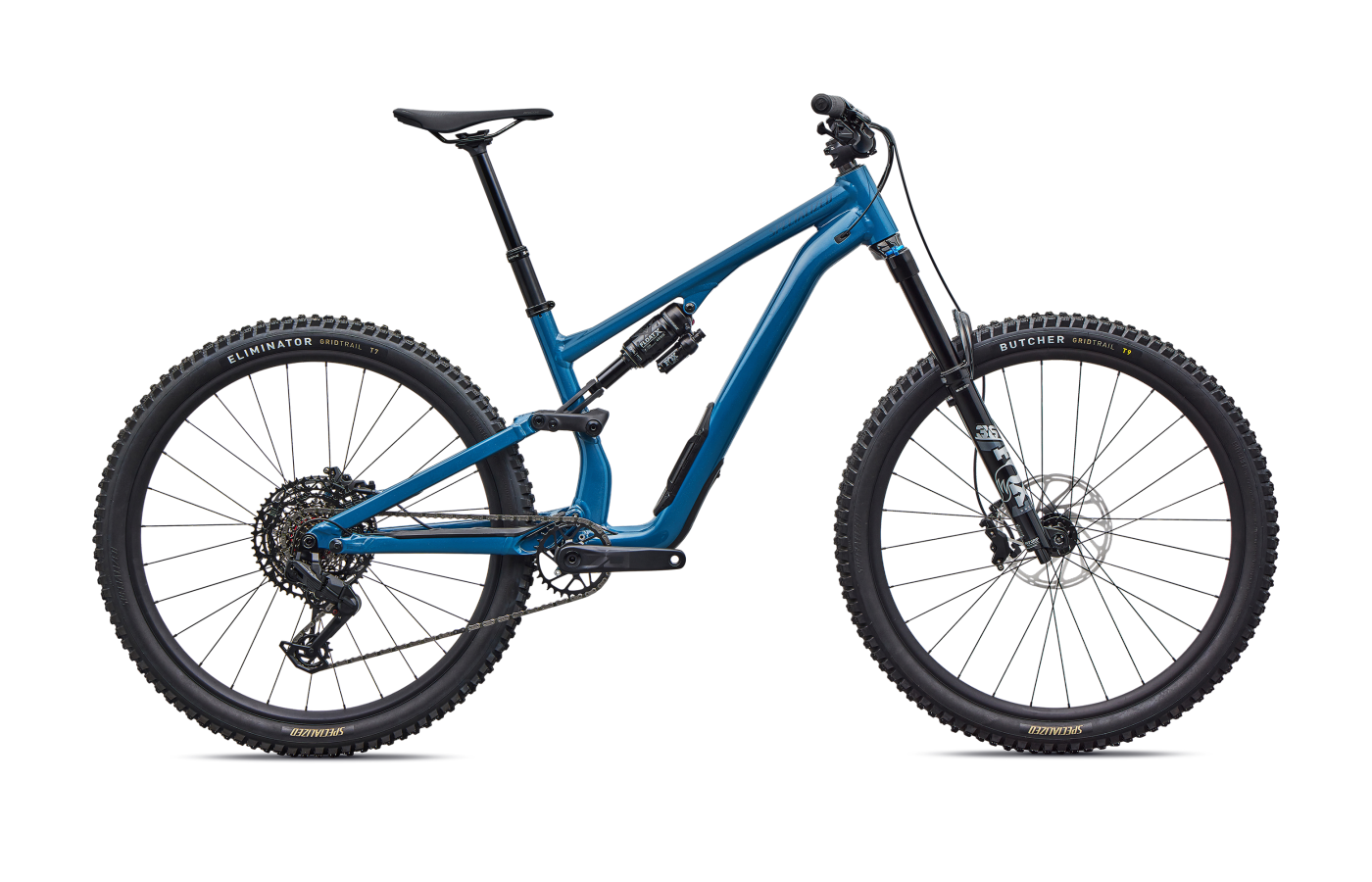
Stumpjumper Evo
The Specialized Stumpjumper Evo brings the most adjustable geometry in the segment (six-position chip, two head-cup options) and a much more cavernous SWAT storage door than the Sentinel's B.O.O.M. Box. Closer in spirit to the Sentinel than the Patrol.
Compare →Capra
The YT Capra is the value play — a similarly aggressive mixed-wheel platform for significantly less money via direct-to-consumer. The catch is no local dealer and no demos: you need to know your fit going in.
Compare →