Impulso
vsGrizl
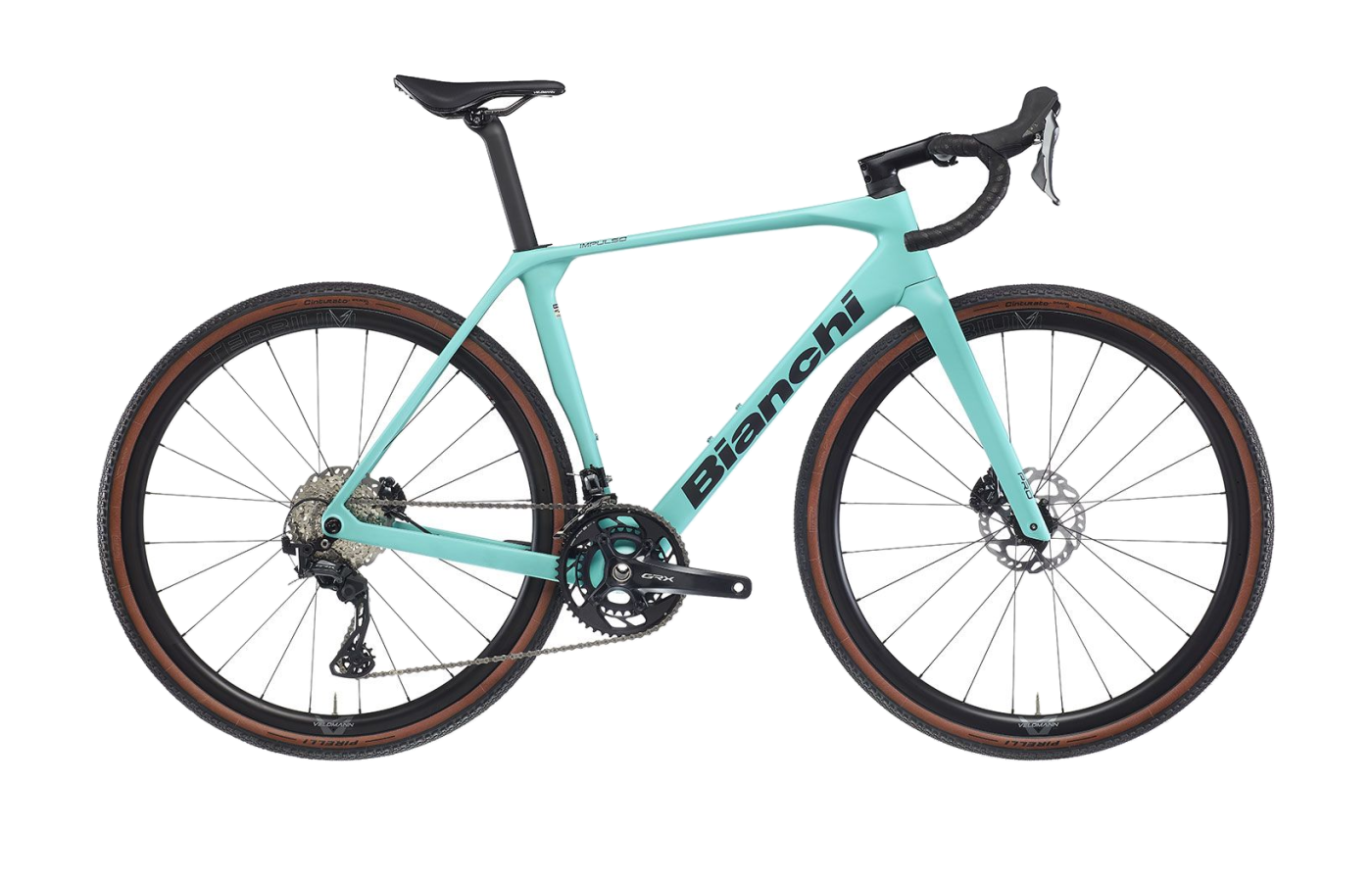
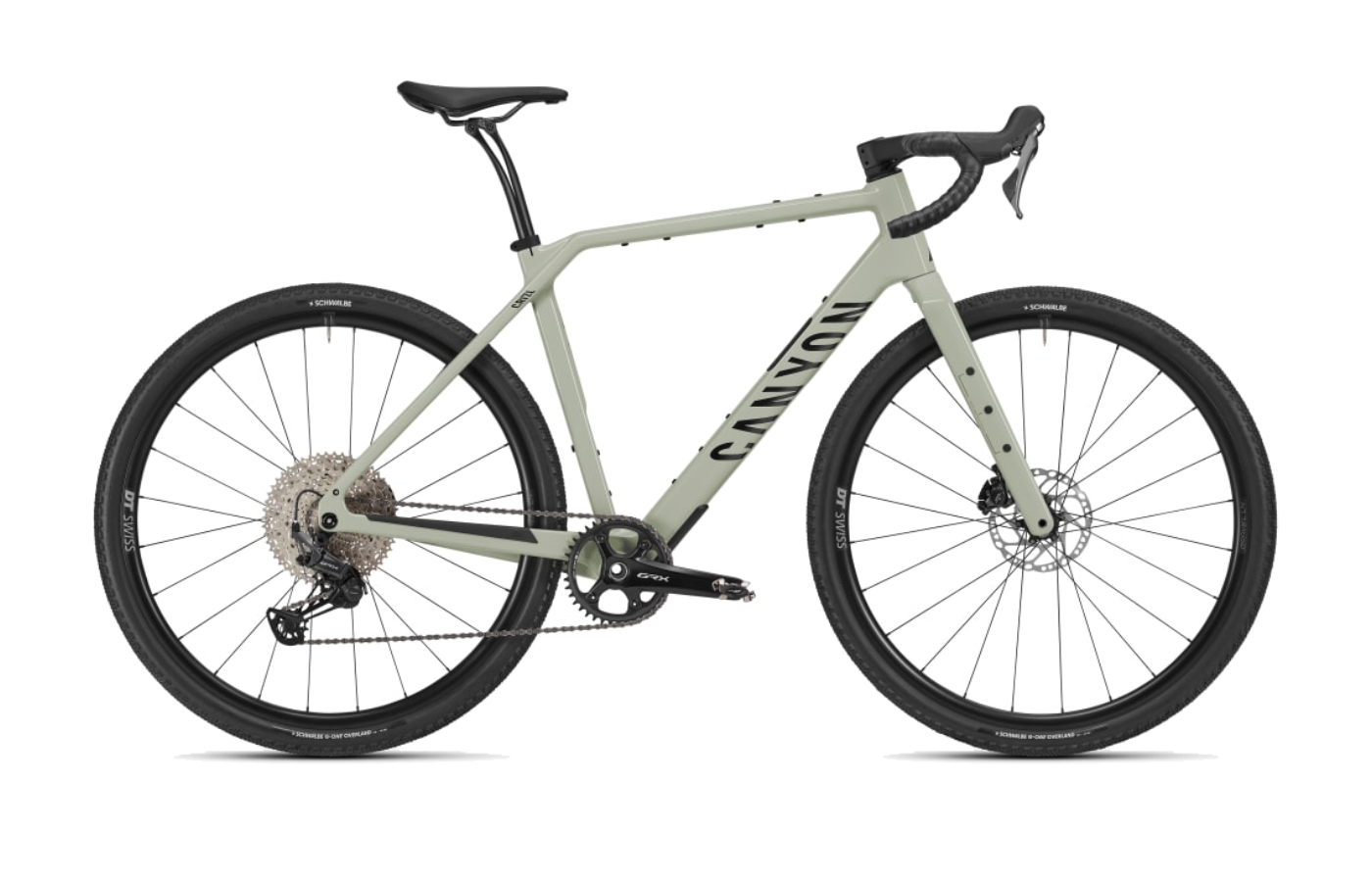
Race-day scalpel meets bikepacking power station.
The Bianchi Impulso is a stiff, aero-leaning gravel racer with 42 mm tire clearance. The Canyon Grizl is a 54 mm-clearance adventure rig built around a dynamo and a 20 mm-flex seatpost.
Impulso
- Stiff, race-tuned frame — reviewers call it 'super stiff' and 'really responsive' under power, with internal routing even at the Comp tier.
- Sharper geometry : 71.5 deg head tube and 1025 mm wheelbase in size M reward attacks and tight pack riding.
- Higher-end builds top out cleanly — RC Di2 with Reparto Corse 43 mm carbon wheels reaches $7,500.
- 42 mm tire clearance is conservative for 2026 gravel — no room for the 47 mm+ rubber the Grizl thrives on.
- No frame bag mounts, no suspension support, no adventure-spec parts — this is not a bikepacking platform.
Grizl
- 54 mm tire clearance — the most generous in this segment, plus a fork rated to 54 mm too.
- VCLS 2.0 seatpost delivers 20 mm of vertical flex without compromising pedal stroke — a tangible comfort upgrade reviewers universally praise.
- DTC pricing edge — the CF 7 carbon build lands at $3,399, well under Bianchi's mechanical-tier carbon Impulso Pro.
- Stable geometry costs agility — described as 'a boat' compared to racier gravel bikes at low speed.
- DTC means no test rides, no local dealer for warranty work, and shipping costs on top of MSRP.
Editor’s analysis
Same category on paper. In practice, these two bikes are arguing about what gravel even is.
Both are carbon, both run drop bars, both are sold as gravel bikes — and that's where the overlap ends. The Bianchi Impulso is built around a 71.5 deg head tube, a 1025 mm wheelbase in size M, and 42 mm of tire clearance. The Canyon Grizl runs a slacker 70.25 deg head tube in size S, a longer 1044 mm wheelbase, and clears 54 mm rubber. One is shaped to draft in a fast-paced rolling pack; the other is shaped to carry bags down chunky doubletrack at 40 km/h.
The Impulso's pitch is straight Italian race-bike: stiff frame, aero-flared cockpit on the upper builds, internal routing even at the Comp tier. Reviewers describe it as 'super stiff' and 'really responsive,' best suited to Belgian Waffle Ride-style events and Midwest rolling gravel where you're constantly on the gas. There are no rack mounts beyond the basics. There is no suspension story. The frame is conservative on tire clearance because Bianchi decided wider rubber wasn't what this bike is for.
The Canyon Grizl picks up everywhere the Impulso opts out. The new CF frame ships with a Canyon S15 VCLS 2.0 seatpost (20 mm of leaf-spring vertical compliance), 54 mm tire clearance, and on the top Escape build, the ECLIPS dynamo system — a SON hub plus Lupine lights and a 3,500 mAh battery that Bikepacking.com estimated would cost over $1,200 to assemble aftermarket. Reviewers call it 'planted but predictable,' a 'point-and-shoot solution' on chunky descents. The trade-off is bluntly stated: it 'feels like more of a boat than before' at low speeds and isn't 'whippy and agile' the way the Impulso is.
The clean way to think about it: the Bianchi Impulso is the bike you buy when your gravel calendar is full of registered events. The Canyon Grizl is the bike you buy when your favorite ride doesn't pass a paved road for three days.
Where the builds differ.
Comparing our editor's-pick builds side-by-side. Winners highlighted row-by-row — lower price and weight, and the better-spec component, each mark a point.
Build variants & pricing
Bianchi spans $3,200 to $7,500 across five builds, all carbon. Canyon spans $1,799 to $4,699, with the bottom two builds running the alloy Grizl AL frame.
Picks are tier-matched at mechanical Shimano GRX 820 12-speed on a carbon frame. The $1,200 absolute price gap is real and reflects Canyon's direct-to-consumer model rather than a spec deficit on either side.
How they fit, how they steer.
Bianchi Impulso M sits at 554 mm stack / 391 mm reach with a 71.5 deg head tube. Canyon Grizl S is taller and slacker at 556 mm stack / 397 mm reach with a 70.25 deg head tube — and 10 mm longer in the chainstays (435 vs 425 mm).
Which size should I buy?
Pick by stack and reach: the Impulso runs lower and shorter in the front end at the same fit, the Grizl taller and slacker for long-day comfort and load capacity.
→These are starting points. Flexibility, riding style, and preferred position all shift the answer — if you’re between sizes, a professional fit beats a chart.
What the magazines said.
Published reviews from trusted cycling outlets. Click through for the full write-up.
Which one should you buy?
If your gravel is registered events and rolling group rides, get the Impulso. If your gravel involves bags, dynamos, and overnight routes, get the Grizl.
Impulso
If your weekends are organized events, fast group rides, and rolling pack-style courses where staying in the draft matters more than running 50 mm tires, the Impulso is the right tool. The frame is stiff, the geometry is sharp, and the 42 mm clearance is plenty for what you actually race on.
Grizl
If you want one bike that handles 2-inch tires, carries four bags worth of gear, and (in the ECLIPS trim) charges your GPS off a dynamo for a week in the backcountry, the Grizl is purpose-built for that life. The trade is agility — but if comfort and capacity are what you're optimizing for, that trade is the whole point.
Questions buyers actually ask.
Short answers to the things we get emailed about most often.
01Which has more tire clearance?
The Canyon Grizl, by a wide margin: 54 mm officially on the carbon CF frame and fork — among the most generous in the gravel category. The Bianchi Impulso is rated to 42 mm front and rear (ETRTO 622-42).
In practical terms, the Grizl runs comfortably on 2.1-inch (54 mm) gravel-MTB rubber; the Impulso tops out around a true 40 mm tire. If you ride mixed-surface routes that include singletrack or chunky doubletrack, the Grizl is the only one of the two that's spec'd for it.
02Which is faster on flat or rolling gravel?
The Bianchi Impulso. Reviewers consistently describe it as 'super stiff' and 'really responsive' — built for pack riding on rolling Midwest-style courses where you're constantly on the gas. The aero-flared upper-build cockpit and internal routing reinforce that focus.
The Grizl 'rolls easily and holds pace well' (Granfondo) but is acknowledged as 'not quite as efficient as some other gravel bikes' (Bikepacking.com). At ~10 kg in CF 7 trim vs the lighter Impulso Pro frame, the Grizl is a long-haul cruiser, not a sprint platform.
03Can either be set up for bikepacking?
The Grizl is purpose-built for it. It ships with frame-bag mounts, downtube storage compartment, copious accessory mounts, and on Escape builds the ECLIPS dynamo system (SON hub + 3,500 mAh battery + Lupine lights + USB-C charging port).
The Impulso is not a bikepacking bike. Reviewers explicitly state it's 'not made for bike packing' and lacks the extra mounts. You can strap soft bags to it, but you're going against the grain of the platform.
04How do they handle on rough terrain?
The Grizl is designed to dampen rough terrain in three ways: 54 mm tires, the VCLS 2.0 seatpost (20 mm of vertical flex), and on the Rift builds, an optional DT Swiss F132 One 40 mm-travel suspension fork. Reviewers describe it as 'remarkably composed' on singletrack and 'planted' on chunky descents.
The Impulso has none of those buffers. Its 'super stiff frame' is the same trait that makes it efficient — but reviewers note it 'felt a little harsher than some other bikes that we've rode that have some more compliance built into the frame.' On extended technical sections, the difference is significant.
05What about drivetrain options?
The Impulso runs 2x throughout — Shimano GRX 820 mechanical on the Pro and Di2 on the RC, with a single SRAM RED XPLR 1x option at the top. The 2x setup gives tighter gear steps and a max 36T cassette sprocket.
The Grizl is 1x-only. Shimano GRX 1x dominates the carbon builds; Escape builds use mullet drivetrains with 10-51T or wider mountain-bike cassettes specifically for hauling loaded bags up steep grades. If you prefer the close gearing of a road-style 2x, that's a hard architectural difference that won't be solved by upgrading components.
06Which has better value for the spec?
Dollar-for-dollar, the Grizl. Canyon's direct-to-consumer model lets the carbon CF 7 land at $3,399 with mechanical Shimano GRX 12-speed and DT Swiss alloy wheels. The closest carbon-frame Bianchi build, the Impulso Pro at $4,600, runs the same GRX 820 tier with Velomann carbon wheels — a $1,200 gap.
The trade is everything DTC implies: no local dealer for fitting, no test rides, and shipping cost on top of the listed price. For buyers who already know their fit and don't mind shipping a bike home in a box, that trade is worth it.
07Which is more comfortable on long days?
The Grizl, by design. The slacker head tube angle, taller stack, longer wheelbase, VCLS 2.0 seatpost, and high-volume tires all point at long-day comfort. Reviewers describe the position as 'ideal for long days in the saddle.'
The Impulso has a lower, more aggressive position with a stiffer frame — reviewers note it can feel 'a little harsher' on extended rough sections. It's not uncomfortable for race-pace efforts, but it's not the bike you reach for when the goal is to spend 12 hours in the saddle.
08Which has better aftermarket and dealer support?
The Bianchi sells through traditional dealers, which means in-person fitting, test rides, and a dealer to walk into when something goes wrong. Canyon is direct-to-consumer — the price is lower, but warranty work and adjustments happen by mail or through the (limited) Canyon US service network.
If you're new to gravel or unsure about fit, the dealer relationship has real value. If you've already owned a bike or two and know what fits, the Canyon savings are hard to argue with.
Similar bikes
If your priorities don’t map cleanly onto either of these, one of these adjacent bikes probably fits better.

Grail
Canyon's race-focused gravel bike — the same DTC value, but with the Grail's reactive, race-day handling instead of the Grizl's adventure-tuned stability. If you like the pricing but want the Bianchi's aggression, this is the in-house alternative.
Compare →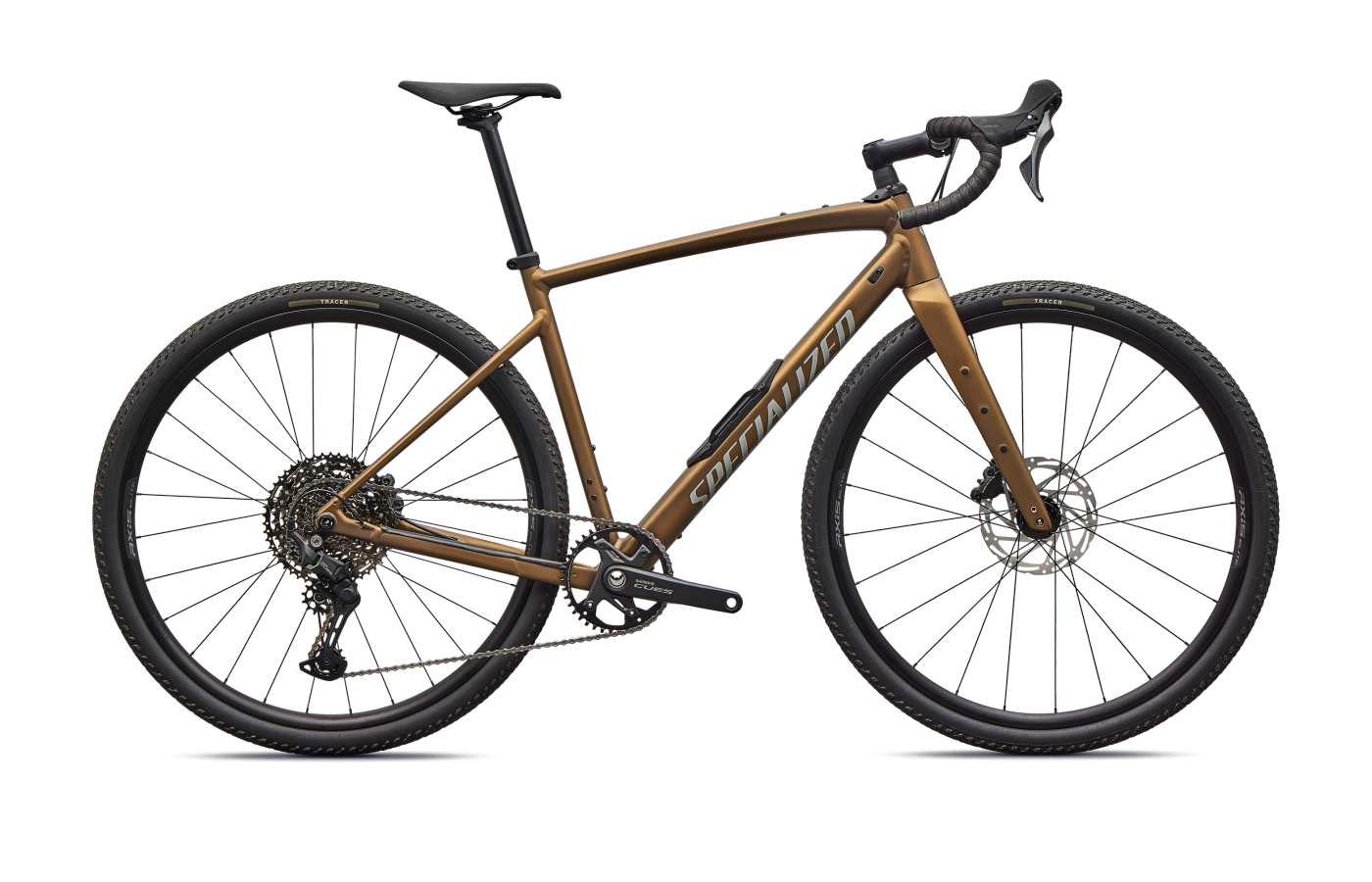
Diverge
Specialized's adventure-leaning gravel bike with Future Shock suspension at the head tube — a different answer to the same comfort problem the Grizl solves with its VCLS seatpost. Wider clearance than the Impulso, more compliance than either.
Compare →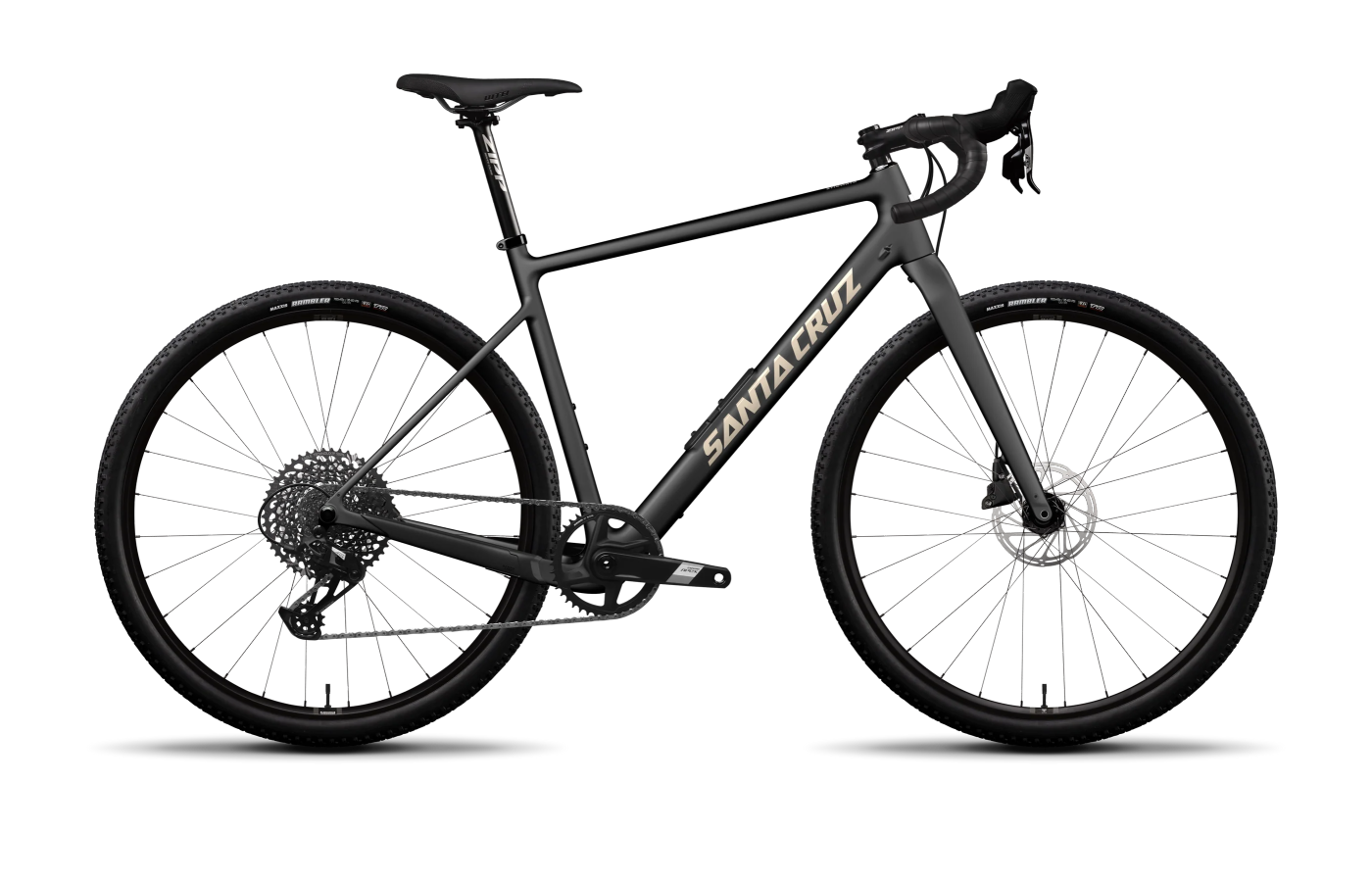
Stigmata
Santa Cruz's drop-bar trail-gravel bike — lighter and more agile than the load-haulin' Grizl, more capable on technical singletrack than the Impulso. The middle-ground option for riders who don't want to fully commit to either lane.
Compare →