Topstone Carbon
vsGrizl
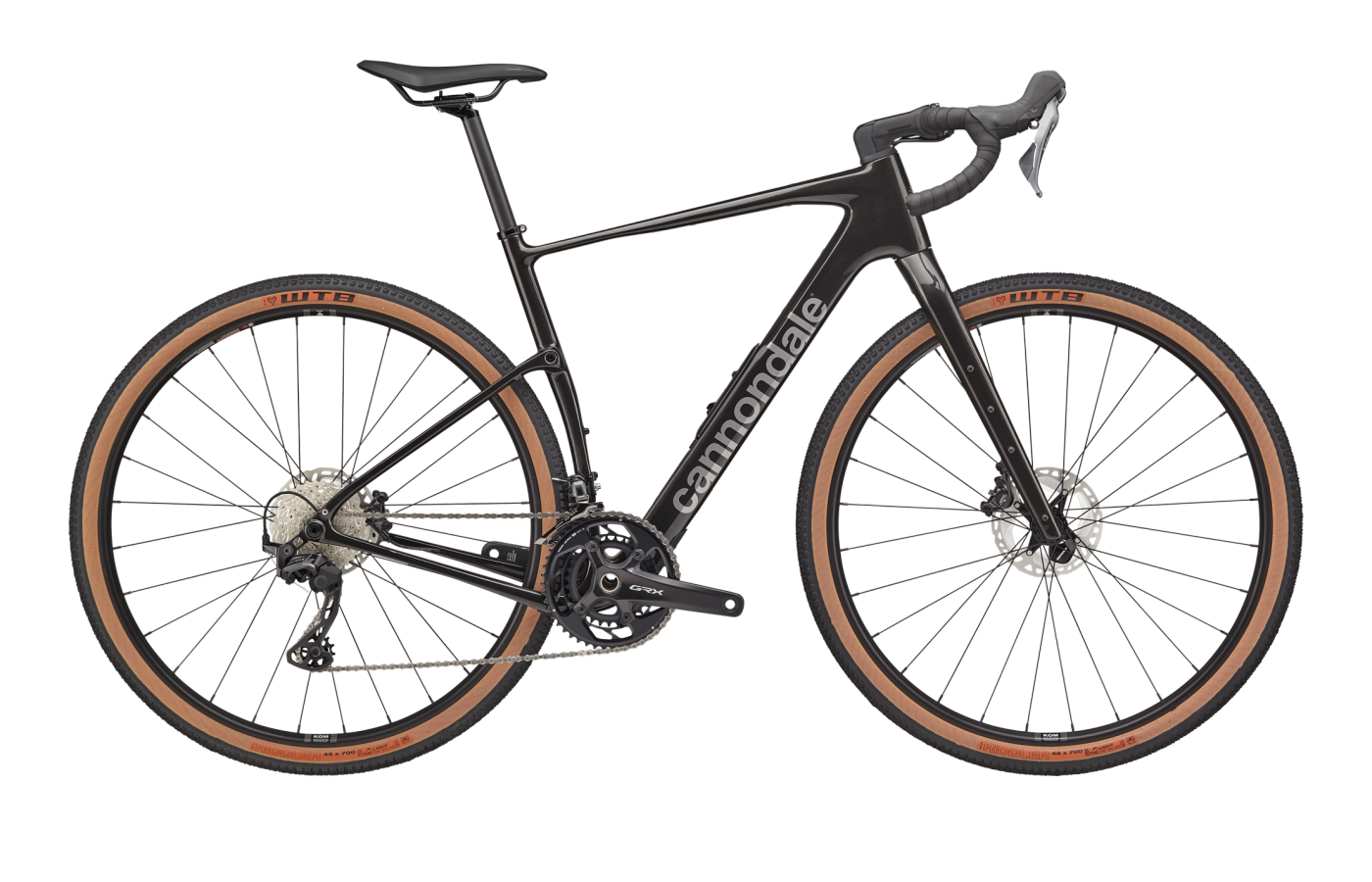
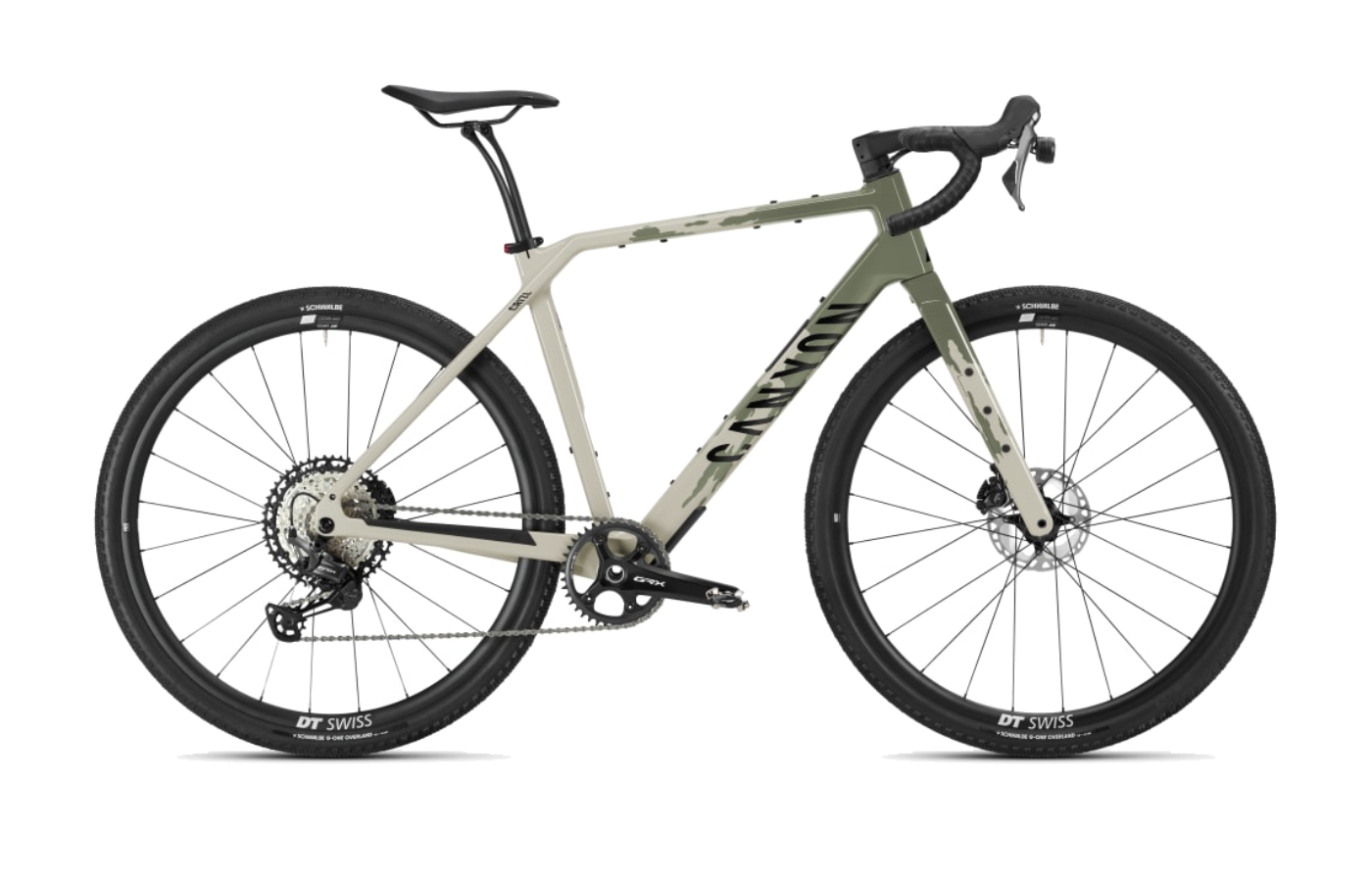
Two takes on what gravel comfort means.
The Topstone Carbon engineers comfort into the frame with a Kingpin pivot and optional Lefty fork. The Grizl gets there with brute tire clearance and a leaf-spring seatpost.
Topstone Carbon
- Kingpin rear suspension delivers 30 mm of saddle-level flex from the carbon chainstay design — no shock to maintain, no service interval.
- Optional Lefty Oliver fork on upper builds adds 40 mm of front travel with a stiffer-than-RockShox feel and a 100-hour service interval.
- Race-bike steering geometry — 70.7 degree HTA, 420 mm chainstays, and 55 mm fork offset keep the front end responsive.
- Lefty fork caps tire clearance at 47 mm and requires a proprietary single-sided hub.
- At 9.8–9.9 kg in Lefty trim, it climbs heavier than dedicated race-gravel rivals.
Grizl
- Massive tire clearance (54 mm / 2.1 in) lets the Grizl swallow near-mountain-bike rubber for genuinely rough terrain.
- VCLS 2.0 carbon seatpost delivers 20 mm of leaf-spring vertical compliance — universally praised, no service required.
- DTC pricing advantage — full-carbon GRX 12-speed builds start at $3,399, well under equivalent dealer-network rivals.
- Stable adventure geometry feels 'like a boat' compared to race-gravel bikes when unloaded.
- 1x-only drivetrain commitment — no 2x option for riders who want closer gear steps.
Editor’s analysis
One bike adds suspension to a gravel race chassis. The other widens the chassis until suspension stops mattering.
The Cannondale Topstone Carbon and Canyon Grizl both chase the same idea — long days on rough gravel without the rider falling apart — but they get there from opposite directions. Cannondale engineers compliance into the frame: 30 mm of Kingpin flex at the saddle from a pivotless carbon chainstay design, plus an optional 40 mm Lefty Oliver fork on the upper builds. Canyon engineers it around the frame: 54 mm of tire clearance, a 20 mm-flex VCLS seatpost, and adventure-first geometry that lengthens the wheelbase until the bike feels planted by default.
On geometry, the split is sharp. The Topstone is the gravel-race shape with suspension grafted on — 70.7 degrees at the head tube, 420 mm chainstays across every size, 55 mm of fork offset to keep steering responsive. The Grizl is the adventure shape with comfort engineered around it — 70.25 degrees on size S, 435 mm chainstays across the line, an 18 mm longer wheelbase that reviewers consistently describe as 'planted but predictable' or 'a boat' depending on whether they're touring or sprinting.
Specs reflect this. The Topstone 2 GRX 2x at $4,399 ships with a Topstone Carbon rigid fork, Shimano GRX 820 2x, and WTB KOM Team alloy wheels — a do-everything mid-spec carbon platform. The Grizl CF 8 ESC at $4,699 trades the gravel-race chassis for Canyon's flagship adventure build: GRX RX822 1x, DT Swiss GR 1600 alloy wheels, and the ECLIPS dynamo system — an integrated dynamo hub, 3,500 mAh buffer battery, and Lupine lights that Bikepacking.com estimates would cost over $1,200 USD if assembled aftermarket.
Put another way: the Topstone is the bike for the rider who wants their gravel-race bike to also handle washboard. The Grizl is the bike for the rider who wants their bikepacking rig to also handle a fast Sunday. Same category on paper. Different mission in practice.
Where the builds differ.
Comparing our editor's-pick builds side-by-side. Winners highlighted row-by-row — lower price and weight, and the better-spec component, each mark a point.
Build variants & pricing
Topstone runs 13 builds from $1,799 to $7,999. Grizl runs 5 from $1,799 to $4,699 — same floor, but the Grizl ceiling is roughly half the Topstone's.
Prices are current US MSRP. Cannondale offers electronic SRAM AXS, Shimano Di2, and Lefty-equipped flagships above the $4.5k mark; Canyon caps the Grizl at mechanical GRX with no electronic or front-suspension option. Editor's picks are matched at GRX 820/822 mechanical to compare apples-to-apples.
How they fit, how they steer.
Topstone size 54 vs Grizl size S — the fit-picked sizes for a 5'8" rider on each. The Topstone sits 23 mm taller (579 vs 556 stack) but 19 mm shorter in reach (378 vs 397) — a more upright cockpit. The Grizl runs 15 mm longer in the chainstays (435 vs 420) and an 18 mm longer wheelbase, which is where the 'planted' feel comes from.
Which size should I buy?
Size recommendations from stack, reach, and effective top tube. Topstone uses traditional cm sizing (47–61); Grizl uses 3XS–2XL T-shirt sizing. The Topstone's range starts smaller; the Grizl's tops out larger.
→These are starting points. Flexibility, riding style, and preferred position all shift the answer — if you’re between sizes, a professional fit beats a chart.
What the magazines said.
Published reviews from trusted cycling outlets. Click through for the full write-up.
Which one should you buy?
If you want a gravel-race chassis with suspension built in, get the Topstone. If you want an adventure rig that swallows everything from singletrack to a tour, get the Grizl.
Topstone Carbon
If you live for fire-road descents and 200-mile gravel events where fatigue beats the clock, the dual-suspension Topstone is a tangible advantage. The Lefty calms the front end on chipped surfaces and the Kingpin keeps the rear wheel planted on washboard climbs — Velo called it Cannondale's 'real gravel race bike.'
Grizl
If you're planning routes where pavement is the exception and you'd rather have 54 mm of tire than a suspension fork, the Grizl is the more honest tool. The ECLIPS dynamo build turns it into a self-charging bikepacking station for less than mid-pack Topstone money.
Questions buyers actually ask.
Short answers to the things we get emailed about most often.
01Which is better for high-speed gravel racing?
The Topstone Carbon, especially in Lefty trim. The 40 mm Lefty Oliver fork and 30 mm Kingpin rear let you push harder, brake later, and pick cleaner lines through chipped-up surfaces — Velo called it Cannondale's 'real gravel race bike,' and Bike Rumor's Jordan Villella described 'High-speed gravel is where the Topstone excels.'
The Grizl's slacker geometry and longer wheelbase make it more stable when loaded, but reviewers consistently note it feels 'less whippy and agile' and 'like more of a boat' when ridden unloaded against a race-tuned bike.
02Which is better for bikepacking and adventure touring?
The Canyon Grizl, by a clear margin. It was redesigned around adventure use: 54 mm tire clearance (vs 47 mm on the Lefty Topstone), an extended wheelbase that gets more planted as you load it up, and on the ECLIPS-equipped builds, an integrated SON dynamo hub with a Lupine lighting system and USB-C charging port.
Bikepacking.com estimated the ECLIPS hardware alone would cost over $1,200 USD if assembled aftermarket — included on the $4,699 CF 8 Escape ECLIPS build.
03What's the actual tire clearance on each?
Cannondale Topstone Carbon: 47 mm with the Lefty Oliver fork, 52 mm with the frame's chainstay clearance, and up to 56 mm if you swap to a rigid Topstone Carbon fork. The frame is the same across the lineup, so a Lefty owner can convert to the rigid fork later to gain clearance.
Canyon Grizl CF: 54 mm (about 2.1 inches) front and rear, full stop. The aluminum Grizl AL builds drop to 50 mm. The Grizl's clearance lets it run near-mountain-bike rubber without modification.
04How does the Kingpin rear suspension actually work?
It's not a shock — it's engineered carbon flex. The Kingpin uses thin, flexible chainstays connected to the seat tube via a pivotless thru-axle joint, allowing up to 30 mm of vertical movement at the saddle. There are no bearings, no air spring, no damper, and Cannondale claims essentially no service requirement.
Reviewers split on its efficiency. Most (Brujulabike, Bikeworld, Jenson USA) report 'excellent energy transmission' with no perceptible bob. The Radavist's Hailey Moore reported a slight 'energy suck' when sprinting out of the saddle on smooth pavement — minor on gravel, more noticeable on tarmac.
05Can I add suspension to the Grizl?
Not from Canyon. The current Grizl lineup ships only with rigid carbon forks — there's no Rift / DT Swiss F132 build available in the US for the 2026 model year shown here.
If front suspension is a priority, the Topstone is the only one of the two that offers it from the factory (the Lefty Oliver fork on the 1 Lefty AXS, LTD Lefty AXS, and 2 Lefty builds). The Grizl compensates with high-volume tires and the VCLS 2.0 seatpost.
06How do the geometries compare for a 5'8" rider?
On the fit-picked sizes — Topstone 54, Grizl S — the Topstone sits 23 mm taller in stack (579 vs 556) and 19 mm shorter in reach (378 vs 397). That's a meaningfully more upright cockpit on the Cannondale.
The Grizl runs 15 mm longer chainstays (435 vs 420) and an 18 mm longer wheelbase (1044 vs 1026), which is the source of its 'planted' descending feel and its slower steering response compared to the Topstone's gravel-race front end.
07Why is there no electronic-shifting Grizl?
Canyon caps the Grizl line at $4,699 with a mechanical Shimano GRX RX822 1x build. Electronic SRAM AXS or Di2 builds aren't offered — Canyon positions the Grizl as a value-first adventure platform and saves electronic shifting for the race-tuned Grail.
If electronic shifting is a must, the Topstone offers it from $5,499 (1 AXS) up through the $7,999 LTD Lefty AXS — but you'll pay roughly $1,000+ over Grizl flagship money to get there.
08Which is friendlier to own and maintain?
The Topstone, narrowly, on dealer support — Cannondale runs a traditional dealer network, which matters if the Lefty fork ever needs service (it requires a proprietary hub and a brake-caliper-removal step to drop the front wheel).
The Grizl wins on bottom-bracket and headset durability — Canyon reverted to a standard 1 1/8" tapered steerer and external seatpost clamp on the 2025/2026 redesign, fixing the previous generation's most common complaints. But Canyon's DTC model means no local shop support; warranty and post-purchase service is direct-with-Canyon only.
Similar bikes
If your priorities don’t map cleanly onto either of these, one of these adjacent bikes probably fits better.
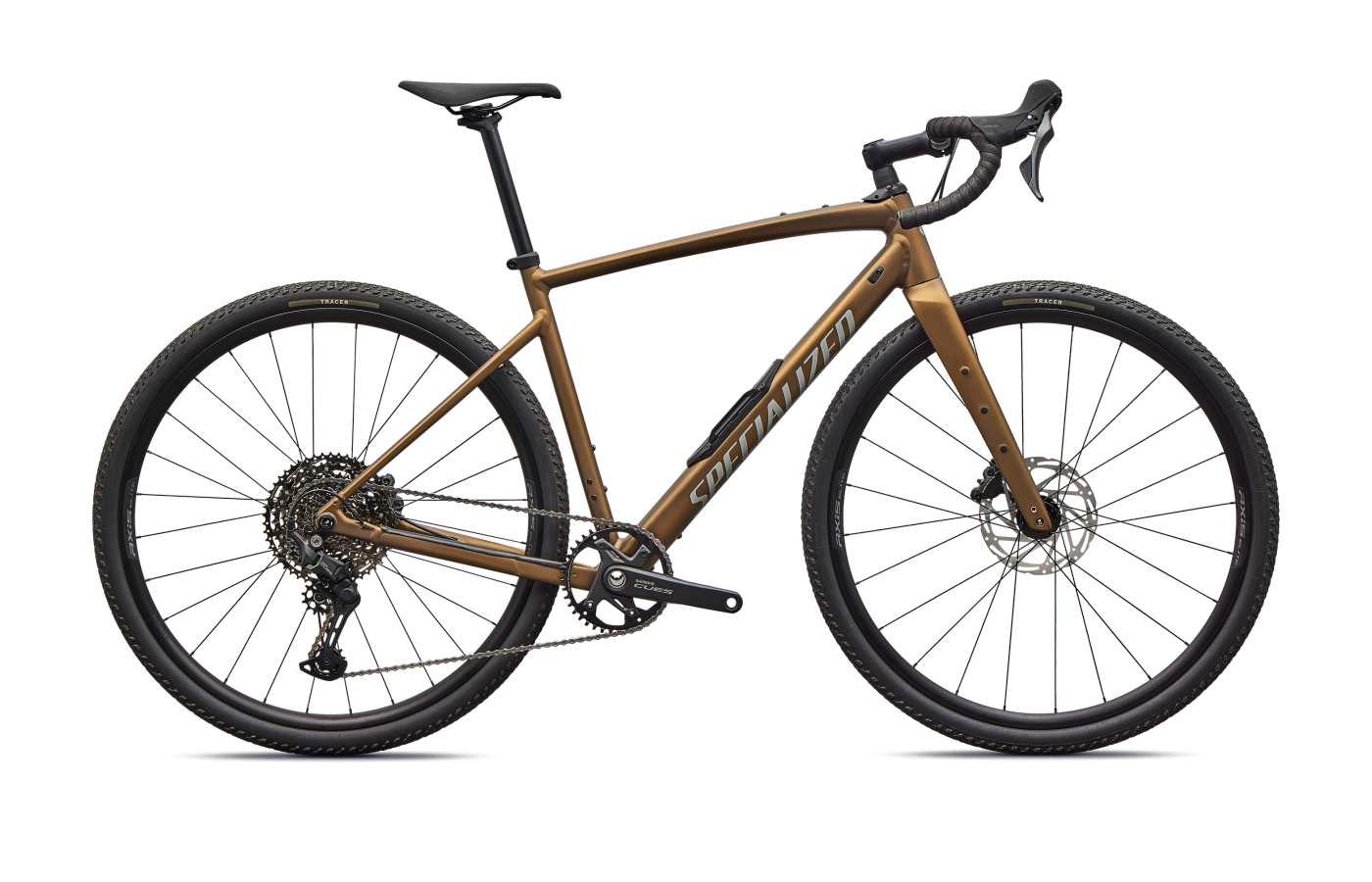
Diverge
Specialized's gravel platform offers the Future Shock 3.x for 20 mm of headset-area suspension travel — compliance without the Lefty's proprietary hub or wheel-removal hassle. The right call if you want suspension and dealer support.
Compare →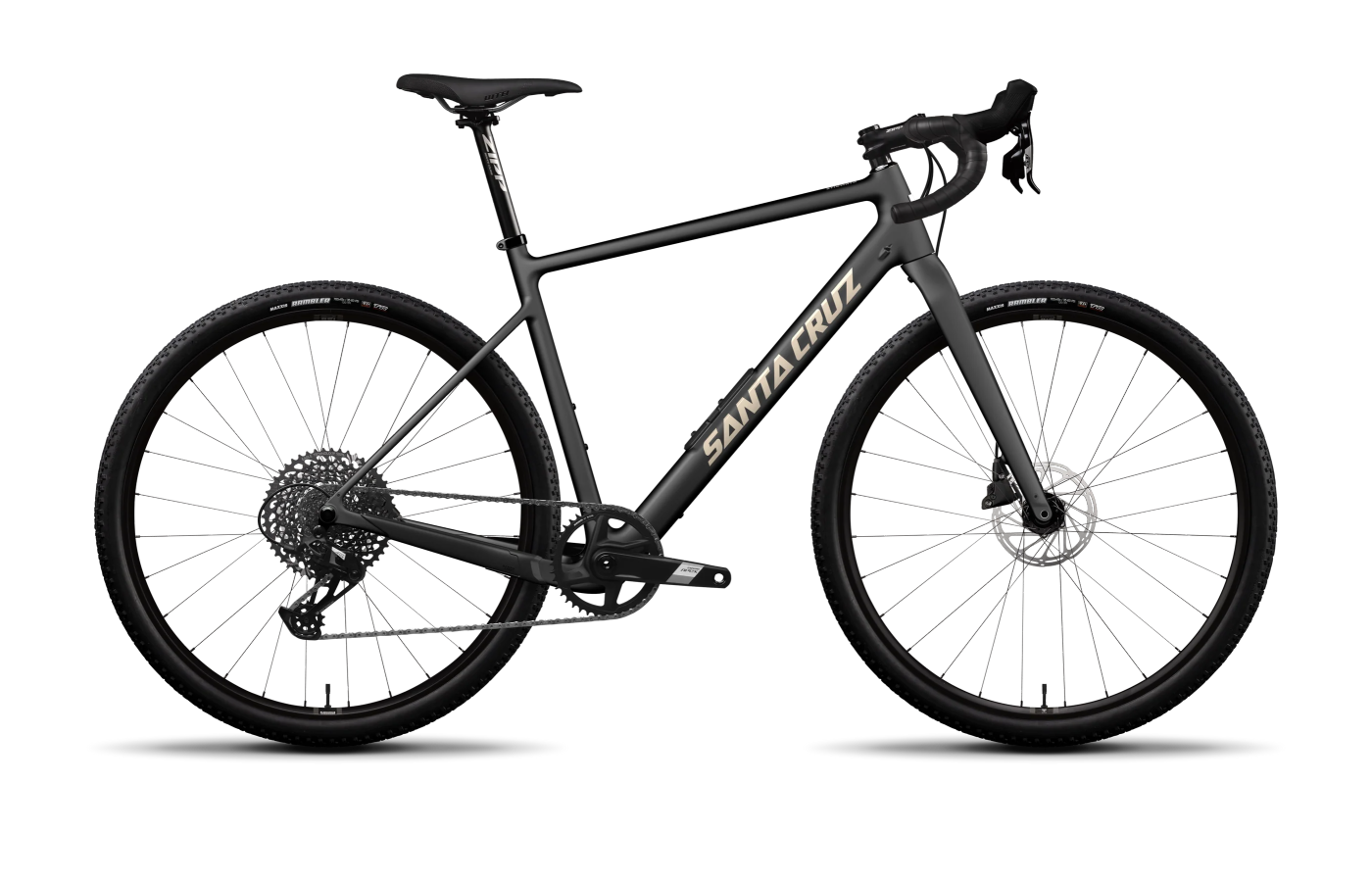
Stigmata
Santa Cruz's race-leaning gravel chassis with a stable, modern geometry and 50 mm of tire clearance — splits the difference between Topstone's gravel-race feel and Grizl's adventure stance.
Compare →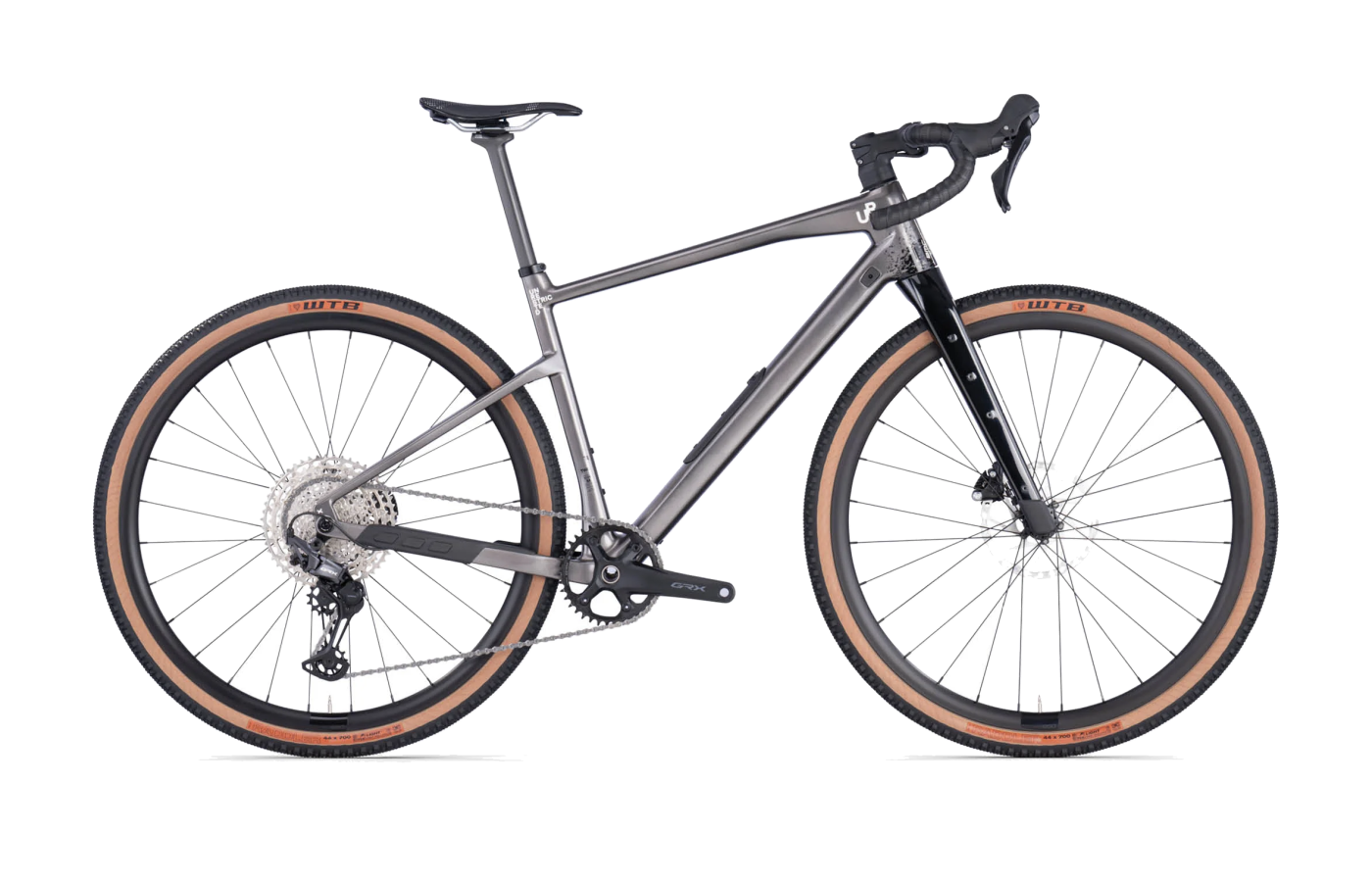
URS
BMC's URS uses a minimalist elastomer rear suspension element similar in spirit to the Kingpin, but pairs it with a much longer, slacker MTB-inspired geometry — a more aggressive option for technical drop-bar riding.
Compare →