Aeroad
vsMadone
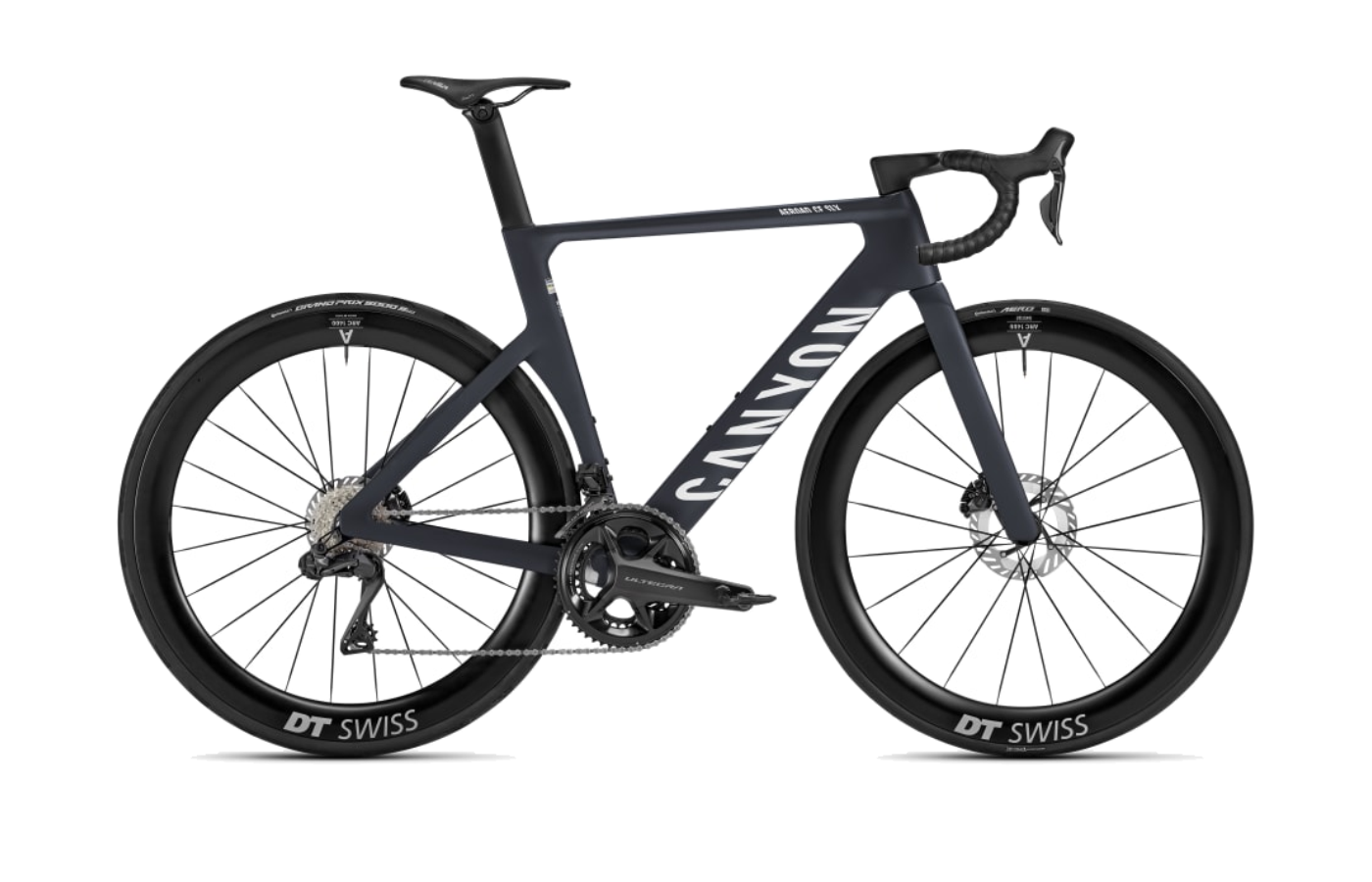
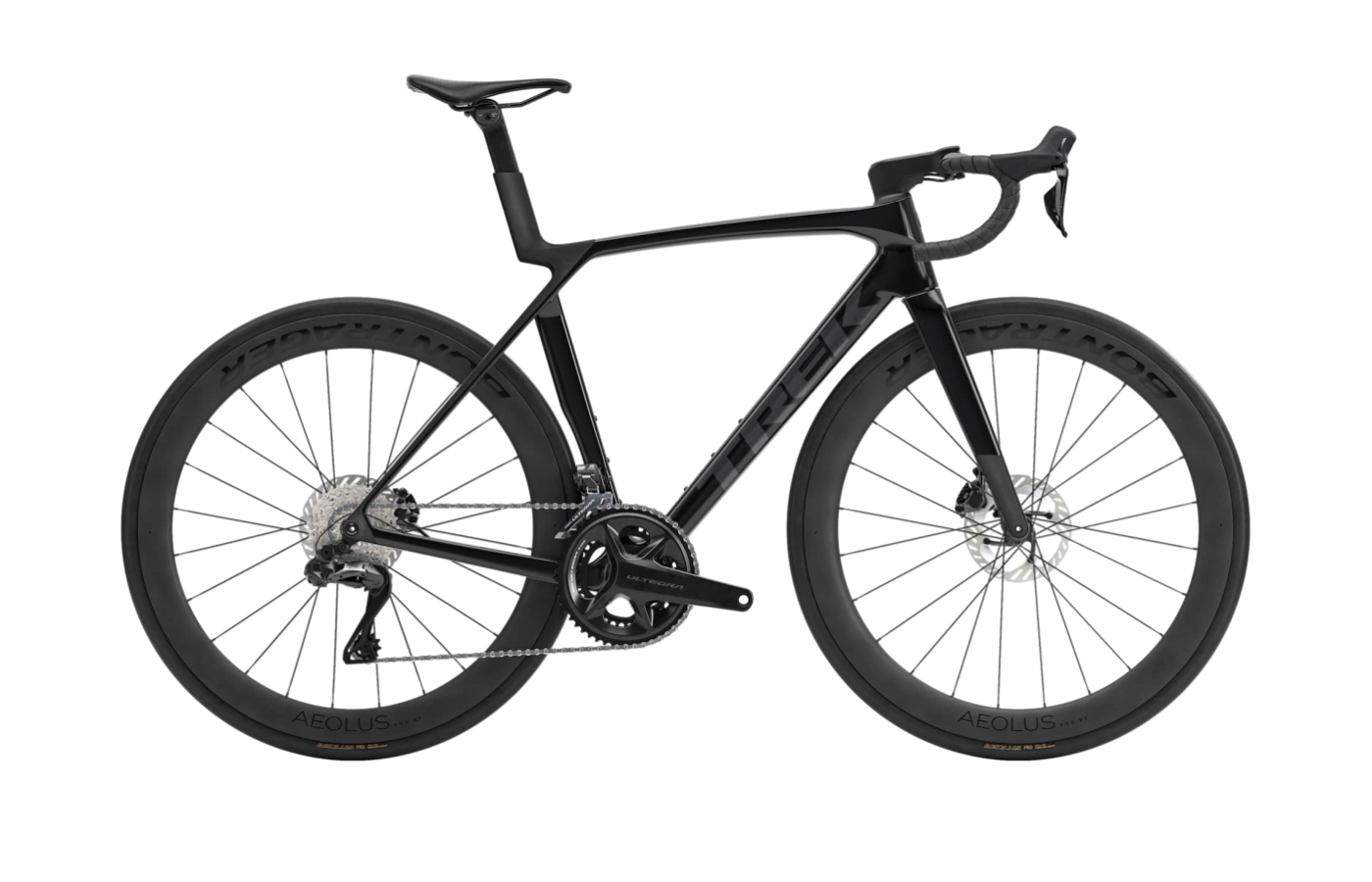
Two takes on the modern aero bike.
The Canyon Aeroad is a dedicated aero specialist sold direct. The Trek Madone is a do-everything race bike sold through dealers — and priced like it.
Aeroad
- Direct-to-consumer pricing — top-spec CFR Di2 at $10,499 undercuts the Madone SLR 9 by ~$2,400.
- Power meter standard on most builds, including the $6,199 CF SLX 8 Di2 — most rivals charge extra.
- User-friendly mechanic details — single T25 bolt standard everywhere, T25 bit hidden in the thru-axle, hermetically sealed headset.
- No local dealer; cockpit isn't customizable at point of purchase, so swapping stem length costs you a $200+ aftermarket part.
- Reviewers describe the rear end as stiff and race-firm — comfort is real but it lags more compliant rivals on long, broken pavement.
Madone
- True one-bike answer — SLR frame matches the old Émonda's weight while staying as fast as the Gen 7 Madone.
- IsoFlow compliance — Trek claims 80% more vertical give than Gen 7, and reviewers back it up on rough roads and 100-mile days.
- Dealer network and warranty — Project One customization, lifetime frame warranty, professional fit at point of sale.
- Premium pricing top-to-bottom — SLR builds run $2,000+ more than equivalent Canyons, and the proprietary Aero RSL bottles you'll want add cost.
- Six-size lineup (XS–XL) leaves some riders between sizes; toe overlap reported on smaller frames.
Editor’s analysis
Same category, opposite philosophies — one is a focused tool, the other is a one-bike answer.
On paper these are both 32 mm-clearance, integrated-cockpit, wireless-electronic aero road bikes. Both have won big in the last two seasons — the Canyon Aeroad under Mathieu van der Poel and Jasper Philipsen, the Trek Madone under Lidl-Trek. Look closer and the design briefs diverge sharply.
Canyon kept the Ultimate as its lightweight climber and let the Aeroad stay a dedicated aero specialist. The result is a stiff, race-focused frame that reviewers describe as 'almost impossible to ride slowly' — formidable above 30 km/h, less forgiving on chip-seal. The new Pace Bar cockpit (50 mm of width adjustment, interchangeable drops without bleeding hoses) and the single-T25-bolt-everywhere design are the kind of details that quietly raise the value ceiling.
Trek went the other way: it killed the Émonda and made the Madone do both jobs. The Gen 8 SLR frame hits ~765 g — Émonda territory — while the IsoFlow seat tube delivers a claimed 80% bump in vertical compliance over Gen 7. Reviewers consistently call it 'extra smooth,' note it 'skips up hills,' and describe a Madone that finally feels light. The catch: the integrated Aero RSL cockpit is 'stiff as a brick,' and Trek's T-shirt sizing (XS–XL, six sizes vs Canyon's seven) leaves some riders between sizes.
Then there's pricing. The Canyon Aeroad CFR Di2 lands at $10,499. The closest-equivalent Madone SLR 9 Gen 8 is $12,899 — a ~$2,400 dealer-vs-direct gap. Down one tier the gap holds: a Canyon CF SLX 8 Di2 (Ultegra) is $6,199 against $6,599 for a Madone SL 7 Gen 8, but the Canyon adds a power meter and deeper carbon wheels at the lower price. If raw value matters, Canyon wins. If you want a bike that climbs and absorbs road buzz as well as it cuts wind — and you want a dealer behind it — Trek's pitch is hard to argue with.
Where the builds differ.
Comparing our editor's-pick builds side-by-side. Winners highlighted row-by-row — lower price and weight, and the better-spec component, each mark a point.
Build variants & pricing
Canyon's range runs $5,099–$10,999 across eight builds; Trek's spans $3,499–$13,499 across nine. Trek starts cheaper but at a real weight penalty; Canyon starts higher with deeper-spec components throughout.
Prices are current US MSRP. Editor's picks here are tier-matched: both Shimano Ultegra Di2, both mid-grade carbon (Canyon CF SLX vs Trek 500 Series OCLV) — about as apples-to-apples as the lineups allow. Step up to the SLR / CFR tier and the Trek picks up the lighter 900 Series carbon while the Canyon picks up CFR-grade carbon and the integrated Pace Bar.
How they fit, how they steer.
Sizes picked by fit algorithm for a 5'8" rider: Canyon size S, Trek size M. Stacks are within 7 mm (Trek a touch taller); reach favors the Canyon by 6 mm; wheelbases and chainstays are within a millimeter. Geometrically, these are two of the closer aero-race bikes you'll compare.
Which size should I buy?
Canyon offers seven sizes (2XS–2XL), Trek six (XS–XL). Coverage overlaps closely in the middle; Canyon extends further at both ends and offers finer granularity for in-between riders.
→These are starting points. Flexibility, riding style, and preferred position all shift the answer — if you’re between sizes, a professional fit beats a chart.
What the magazines said.
Published reviews from trusted cycling outlets. Click through for the full write-up.
Which one should you buy?
If you want the fastest aero bike per dollar and you know your fit, get the Canyon Aeroad. If you want one bike for everything — climbs, flats, long days — and a dealer behind it, get the Trek Madone.
Aeroad
If your weekends are crits, fast group rides, and KOM hunting on rolling terrain — and you'd rather spend the saved $2,000+ on a power meter, deeper wheels, or a coach — the Aeroad is the smarter buy. You give up a local dealer and some fit flexibility; you get a bike that's measurably as fast as anything in the WorldTour.
Madone
If you'll ride the same bike on a Sunday century, a hilly fondo, and a Tuesday-night world's, the Madone is the rare aero bike that doesn't punish you for any of it. The IsoFlow rear and Émonda-grade frame weight make it the truer one-bike answer — and you pay for it.
Questions buyers actually ask.
Short answers to the things we get emailed about most often.
01Which is faster on flat roads?
Honestly, very close. Both are integrated-cockpit aero platforms running 50–55 mm wheels and 28 mm tires; both are raced at the WorldTour level. Canyon claims the new Aeroad saves 1.6 W vs its predecessor at 45 km/h, plus another 14 W with the optional aero drops. Trek claims the Gen 8 Madone is faster than the Gen 7 Madone (which itself was at the front of the aero pack) — by 0.1 W at 22 mph, and more at higher speeds.
Real-world: a Trey-with-a-Trek YouTube head-to-head against a Cervélo S5 confirmed the Madone is in the same speed bracket as a dedicated aero bike. Pick on fit and feel, not marginal wattage.
02Which climbs better?
The Trek Madone SLR, by a real margin at the top tier. Trek's 900 Series OCLV carbon hits a frame weight around 765 g and a complete SLR 9 build comes in at ~7.0 kg. The Canyon Aeroad CFR is around 7.0–7.2 kg in equivalent trim — close, but the Madone is genuinely Émonda-light now.
At the editor's-pick tier the gap inverts: the Canyon CF SLX 9 Di2 weighs 7.19 kg (15.85 lbs, size M), while the comparable mid-tier Trek Madone SL 7 Gen 8 lands at 7.87 kg (17.36 lbs, size ML). The Trek's 500 Series carbon is heavier than the SLR's 900 Series — the trade for the lower price.
03What's the maximum tire clearance?
Both are officially 32 mm. Real-world, Madone reviewers report fitting 35 mm and even 38 mm tires on the Gen 8 frame, though Trek doesn't warranty above 32 mm. Stock tire setups differ: Canyon ships some builds with a 25 or 26 mm front (which several reviewers found 'noticeably narrow'), while Trek ships 28 mm front and rear across the line.
Neither is a gravel bike — for chip-seal yes, for fire road no.
04How serviceable are the cockpits?
The Canyon CP0048 Pace Bar offers 50 mm of width adjustment and interchangeable drops (classic vs aero) without disconnecting brake hoses — the friendliest integrated cockpit on the market. The catch: stem length isn't user-adjustable, and Canyon doesn't let you spec it at order; you buy a $200+ replacement T-bar if you need a different length.
The Trek Aero RSL on SLR builds is a one-piece bar/stem with sized-by-frame stem lengths (80 / 90 / 100 / 110 mm). It's stiff and aerodynamically clean but not adjustable; getting fit wrong means buying a new unit. SL builds (including the editor's pick) instead use a two-piece Trek RCS Pro stem and Bontrager Aero Pro bar — much easier to fit and swap.
05Are both wireless/electronic only?
Aeroad: yes — every Gen 4 build is wireless or Di2.
Madone: the SLR frame is electronic-only, but the SL frame supports both electronic and mechanical routing — the SL 5 build at $3,499 actually ships with mechanical Shimano 105. If you want a modern aero frame and mechanical shifting, the Madone SL is one of the only options on the market.
06How does direct-to-consumer change ownership?
With Canyon, you order online, the bike ships in a box, you do partial assembly (or pay a local shop ~$100–150). No demo rides, no fit appointment, no dealer to call when something rattles. The savings are real — $2,000+ at the top tier — but the buy-in is that you know your fit and are comfortable with email-only support.
With Trek, you buy through a dealer who fits you, builds the bike, and is your warranty contact for life. Project One lets you spec paint, components, and key fit dimensions at order. The premium is the price of that service.
07What about the bottom bracket?
Trek uses a T47 threaded BB — quiet, easy to service, increasingly the standard on premium frames. Canyon uses a press-fit BB86 on the Aeroad, which is lighter and aero-friendly but historically more prone to creaks and trickier to service cleanly.
If you plan to keep the bike a decade and want minimum maintenance friction, advantage Trek. If the BB type isn't on your radar, neither will give a typical owner trouble.
08Which holds resale value better?
Trek's dealer network and lifetime frame warranty (transferable to original owners only, technically) tend to support stronger resale on used markets like The Pro's Closet — historically 25–35% depreciation over three years for top-tier frames. Direct-to-consumer Canyons depreciate a touch faster (30–40%) because the new-bike price was already low, compressing the used premium.
In both cases, buying a one-season-old flagship secondhand is the value play of the segment.
Similar bikes
If your priorities don’t map cleanly onto either of these, one of these adjacent bikes probably fits better.
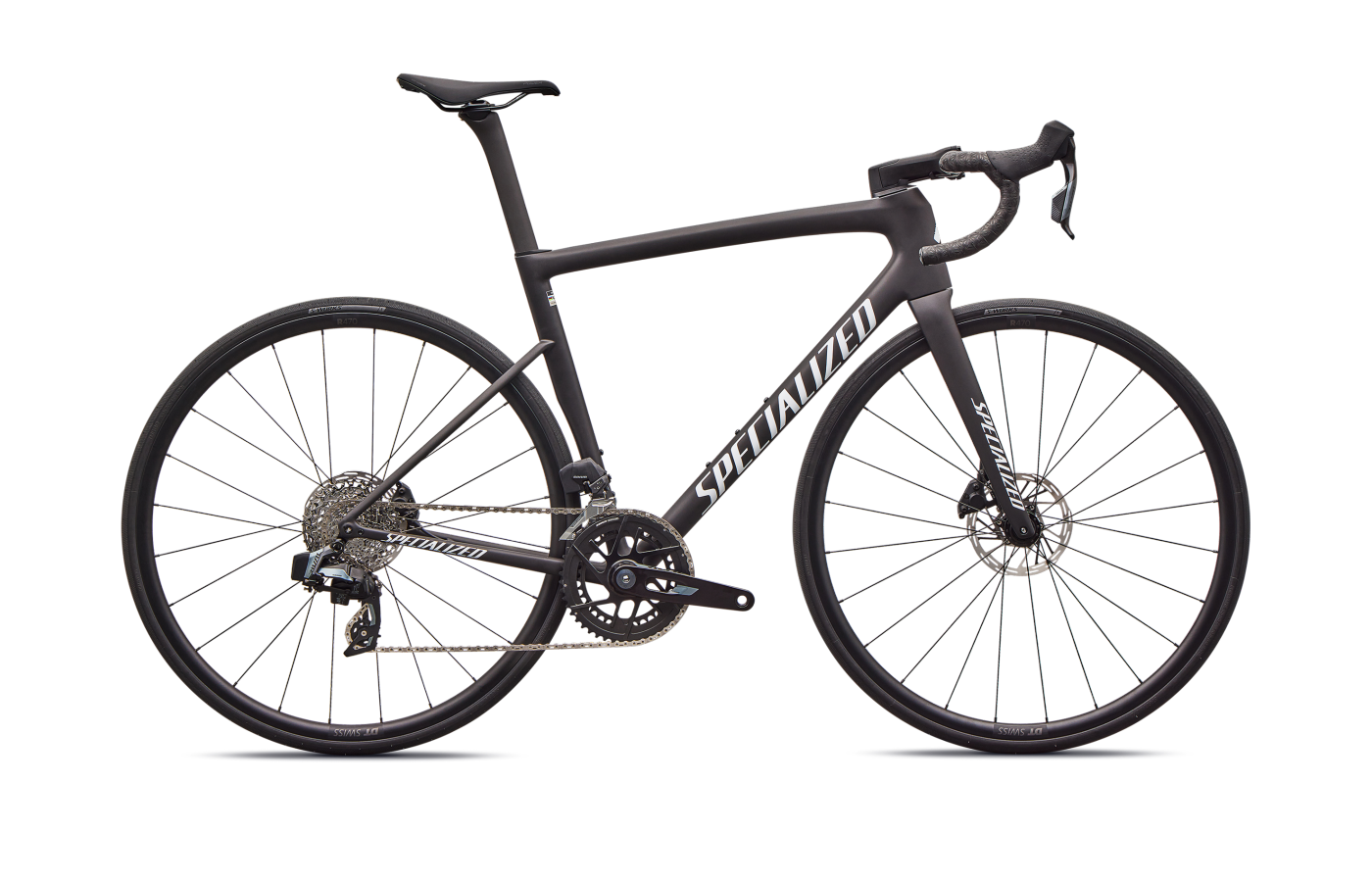
Tarmac
The Madone's closest peer in the one-bike-for-everything category — even lighter than the Trek and built around a more conventional frame design without the IsoFlow cutout. Pick this if you like Trek's pitch but not the IsoFlow look.
Compare →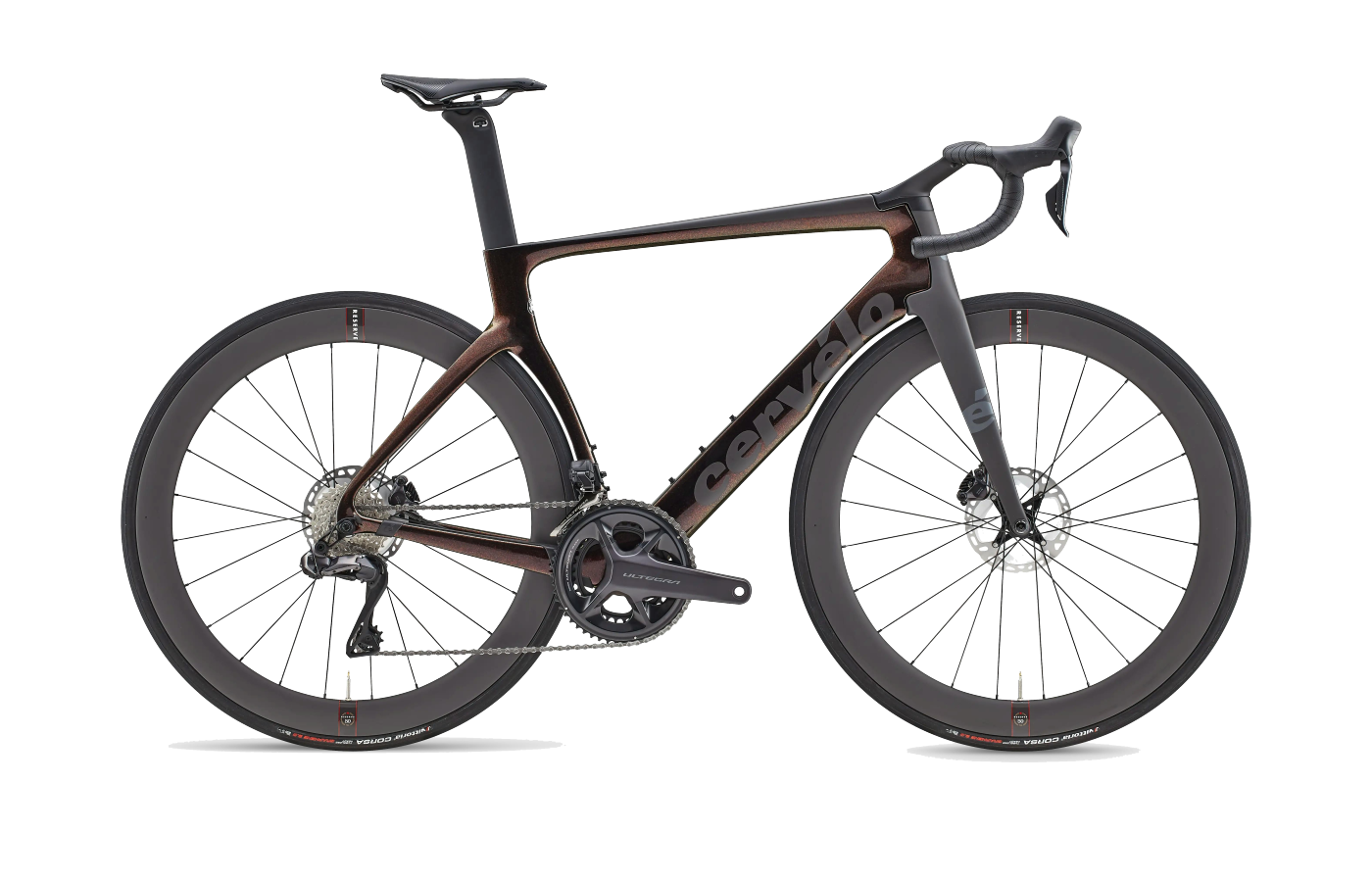
S5
Cervélo's no-compromise aero specialist — deeper tubes, the radical V-stem cockpit, and a clear focus on flat-out speed. Pick this if the Aeroad's aero claims feel too tame and you don't care about climbing.
Compare →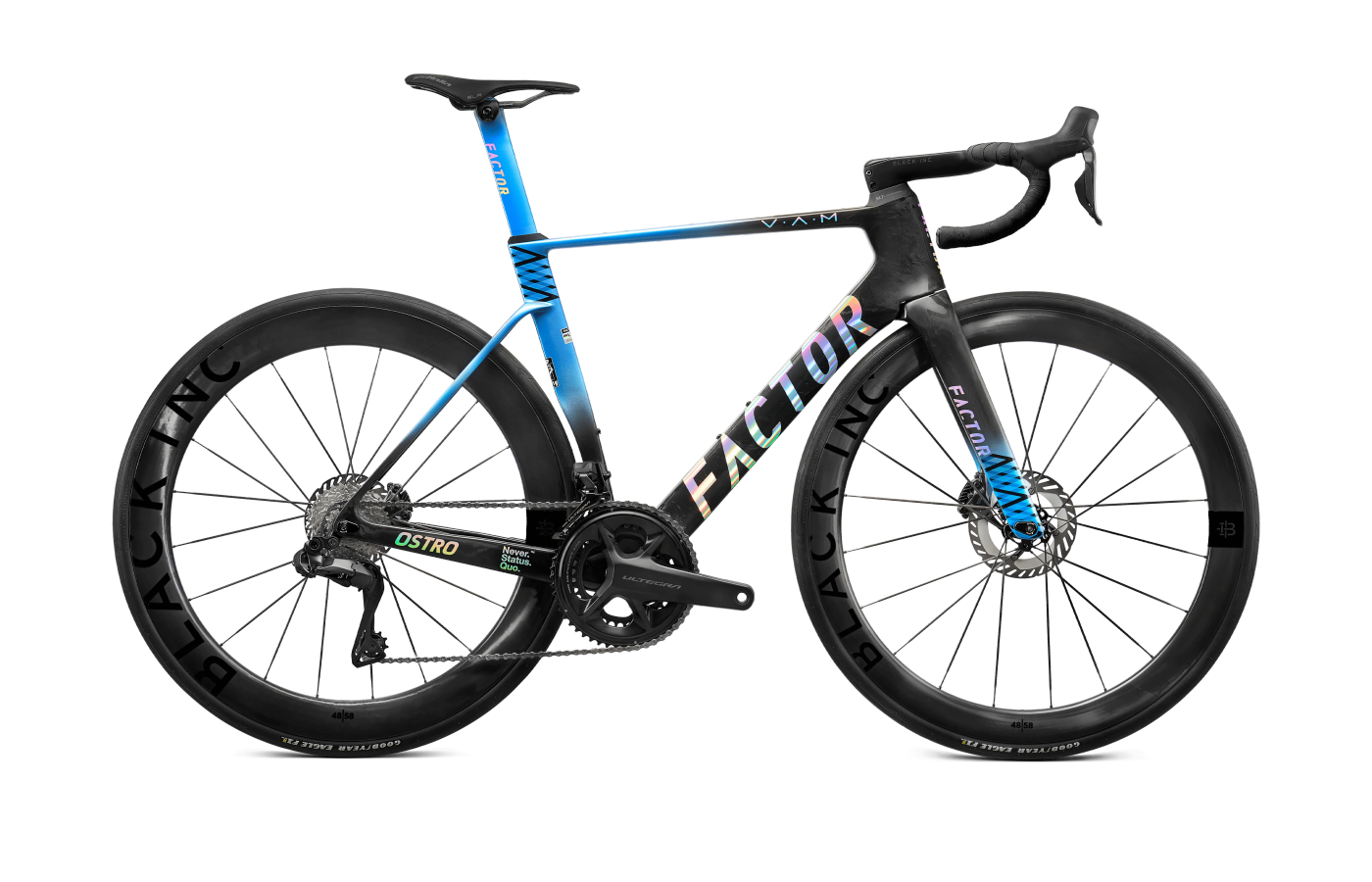
Ostro VAM
Hits the same light-and-fast sweet spot as the Madone, often at a better price for similar high-end carbon and an integrated power meter. Pick this if you want the Madone formula without the Trek premium.
Compare →