Ultimate
vsCaledonia
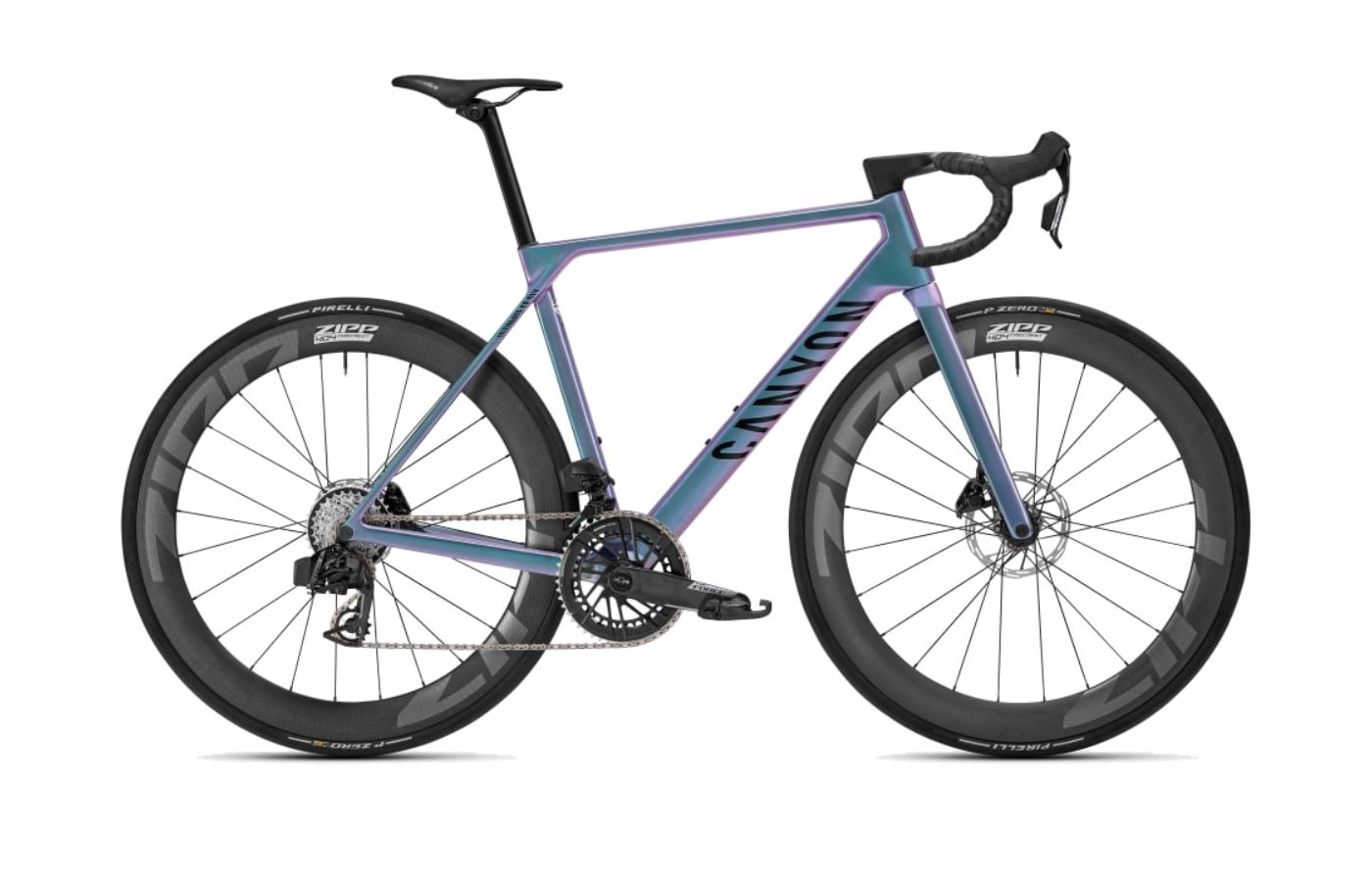
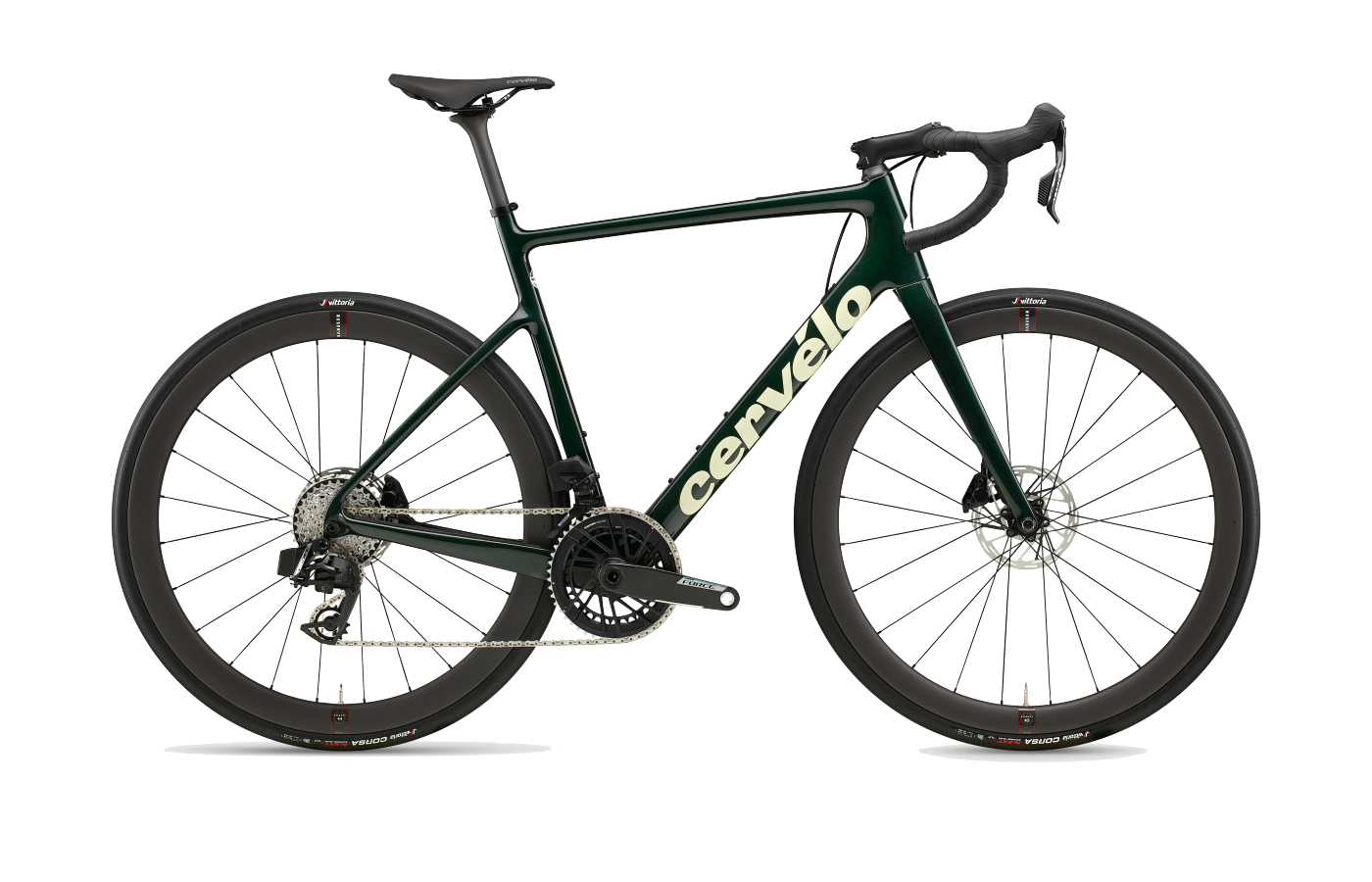
A climbing-room race bike vs. a fast endurance bike.
The Canyon Ultimate is the lightweight pure-road racer. The Cervelo Caledonia is the long-day mile-eater that still goes when you stand on it.
Ultimate
- Climbing-first DNA — stiff front triangle, lighter frame, and a 15% head-tube stiffness gain that reviewers feel in out-of-saddle attacks.
- Wider build range — seven builds from $2,899 to $10,499, with factory power meters on most spec levels.
- Aero-tuned cockpit — the CP0048 integrated bar/stem offers 50 mm of width and 20 mm of height adjustment without cutting the steerer.
- Aggressive long-and-low fit — the size S sits 16 mm lower than the Caledonia 54 with 12 mm more reach.
- Proprietary integrated cockpit limits aftermarket bar or stem swaps.
Caledonia
- All-day stability — 415 mm chainstays, 60 mm trail, and a 995 mm wheelbase make it confidence-inspiring on long descents and chip-seal.
- Standard cockpit and seatpost — 27.2 mm round seatpost and 31.8 mm bars mean easy upgrades, suspension stems, or travel-friendly disassembly.
- More tire room — 34 mm clearance (vs Canyon's 33 mm) plus removable fender mounts that disappear when you don't need them.
- Heavier complete build — Velo measured 8.55 kg on the Ultegra Di2; reviewers consistently call out the wheels and cockpit as upgrade targets.
- Build ladder tops out at $6,500 — no flagship-tier option for buyers who want Dura-Ace or Red AXS.
Editor’s analysis
These bikes don't fight for the same buyer. They fight for the same garage spot — and the answer depends on how often your rides hurt the right way.
The Canyon Ultimate is the modern WorldTour archetype: a 5th-generation carbon racer Canyon literally calls its 911 — the do-everything road weapon that stays the same on purpose. Reviewers describe the CFR build as 'insatiable' on climbs, with a 15% stiffer head tube than the previous gen and a frameset that claims a 10-watt aero gain at 45 km/h. It's still a climber's bike at heart — the wheels and integrated cockpit just give it a flat-road veneer.
The Cervelo Caledonia comes from a totally different idea: take the R5 race bike, smash it together with the Aspero gravel bike, and end up with something Cervelo built for Paris-Roubaix's cobbles. It's noticeably heavier (8.55 kg complete on Velo's Ultegra Di2 review), 5 mm longer in the chainstays, and has a longer wheelbase. What you trade in raw climbing snap, you get back as composure. Reviewers hit 62 mph descents on it without flinching.
Geometrically the two diverge in exactly the way you'd expect. At our compared sizes — Canyon Ultimate in S, Cervelo Caledonia in 54 — the Caledonia sits 16 mm taller in stack with 12 mm less reach. The Canyon's head tube is 0.8 degrees steeper. So the Ultimate puts you stretched out and aggressive over the front wheel; the Caledonia tucks you into a more sustainable posture with a longer 995 mm wheelbase that resists getting pushed around by chip-seal or wind.
The component story tracks the philosophy. The Canyon Ultimate offers a much wider build ladder ($2,899 to $10,499, seven builds), including factory power meters on most builds and DT Swiss carbon wheels even at the mid-tier. The Cervelo Caledonia tops out at $6,500 with four builds, and reviewers consistently flag its alloy cockpit and basic stock wheels as the obvious upgrade path. Caledonia's pitch is the frame; Ultimate's pitch is the whole package.
Where the builds differ.
Comparing our editor's-pick builds side-by-side. Winners highlighted row-by-row — lower price and weight, and the better-spec component, each mark a point.
Build variants & pricing
Same drivetrain tier, near-identical price — and the spec divergence tells the story. Canyon spends the budget on integration and carbon wheels; Cervelo spends it on the frame.
Prices are current US MSRP. Canyon's seven-build ladder runs from $2,899 to $10,499 — Cervelo's four-build Caledonia line tops out at $6,500. If you want a flagship Dura-Ace Di2 or Red AXS build, only the Ultimate offers one.
How they fit, how they steer.
Canyon Ultimate in S vs. Cervelo Caledonia in 54 — the fit-picked sizes for each bike. The Caledonia sits 16 mm taller in stack with 12 mm less reach, a 0.8-degree slacker head tube, and 5 mm longer chainstays. Same intent, very different cockpit shape.
Which size should I buy?
Size recommendations come from each bike's stack, reach, and effective top tube. The Canyon's seven-size range stretches further at both extremes; the Caledonia covers six sizes from 48 to 61.
→These are starting points. Flexibility, riding style, and preferred position all shift the answer — if you’re between sizes, a professional fit beats a chart.
What the magazines said.
Published reviews from trusted cycling outlets. Click through for the full write-up.
Which one should you buy?
If your rides are defined by climbs and intervals, get the Ultimate. If they're defined by hours and distance, get the Caledonia.
Ultimate
If your weekend is measured in vertical feet and your group ride punches over rollers, the Ultimate's lighter frame and stiffer front end pay back every effort. The wide build ladder also makes it the easier bike to grow into — start with 105 Di2, upgrade later.
Caledonia
If you do 100-mile days, ride mixed surfaces, or need fender mounts for winter — the Caledonia is the more honest tool. It's heavier, and the stock wheels are nothing special, but the frame's composure and long-distance fit make it a bike you'll still want to be on five hours in.
Questions buyers actually ask.
Short answers to the things we get emailed about most often.
01Which bike climbs better?
The Canyon Ultimate, clearly. The CFR build comes in around 6.3 kg complete in reviewer tests; the Caledonia's mid-tier builds weigh 8.5–8.9 kg complete (Velo measured 8.55 kg on the Ultegra Di2 in size 54). Canyon also claims a 15% stiffer head tube on Gen 5, which reviewers consistently feel in out-of-saddle attacks.
The Caledonia still climbs willingly thanks to its stiff BBRight bottom bracket — riders described it as 'lights up with all the verve of a race bike' on punchy climbs — but the weight gap on sustained ascents is real.
02Which is more comfortable on long rides?
The Cervelo Caledonia. The fit is more upright (16 mm more stack at our compared sizes), the wheelbase is longer (995 mm vs 983 mm), and the chainstays are 5 mm longer — all of which dampens road buzz and keeps the bike planted over hours of chip-seal. Reviewers routinely describe 100-mile, 7-hour days on it without feeling 'beat up.'
The Ultimate is a race bike. It has compliance features — D-shaped seatpost, 28 mm tires stock — but it's still a long-and-low racing position, and reviewers note it can feel jittery on rough tarmac.
03What's the maximum tire clearance on each?
Canyon Ultimate: 33 mm officially, across all builds.
Cervelo Caledonia: 34 mm officially (or 31 mm with full fenders).
Neither is a gravel bike, but the Caledonia's extra millimeter — paired with its standard fender mounts — makes it the more honest pick if you regularly hit dirt-road shortcuts or ride year-round in wet weather.
04How serviceable are the cockpits?
The Canyon Ultimate uses a one-piece CP0048 integrated cockpit (CP0018 on Dura-Ace builds). It offers 50 mm of width and 20 mm of height adjustment, but changing bar width or stem length means buying a new unit. Hose routing is fully internal — bleeds and fit changes take significant shop time.
The Caledonia uses a conventional Cervelo ST36 alloy stem and AB07 alloy bar with a 31.8 mm clamp. You can swap a bar, stem, or fit a RedShift suspension stem with no proprietary parts. Several reviewers cite this as one of the bike's underrated long-term advantages.
05Why is the Caledonia heavier than the Ultimate?
Three reasons: a sturdier carbon layup designed for the cobble-bashing target market, longer chainstays and wheelbase that add tubing length, and a stock build that uses heavier alloy cockpit pieces and basic alloy or low-end carbon wheels. Cervelo claims 1,031 g for the standard Caledonia frame and 432 g for the fork — comfortably above lightweight-race-bike norms.
Reviewers consistently note the wheels and cockpit are the obvious upgrade path. The frame itself is praised; the build kit at this price isn't.
06Which has the better build ladder?
Canyon Ultimate offers seven builds from $2,899 (105 mechanical) to $10,499 (CFR Red AXS), including a Dura-Ace Di2 build at $8,899 and 105 Di2 builds in the $3,700–$4,200 range. Most builds ship with a factory power meter.
Cervelo Caledonia has four builds from $3,300 (105 mechanical) to $6,500 (Force AXS), with no flagship Dura-Ace or Red option. If you want top-tier components on the Caledonia platform, you have to step up to the Caledonia 5 — a different model.
07Can either bike take fenders?
Yes — but the Caledonia is purpose-built for it. Cervelo includes hidden, removable fender mounts that disappear when you don't use them. Reviewers consistently call this out as a key reason it works as a year-round or winter bike.
The Ultimate is not designed for fenders. Canyon does not publish official fender mount specs for Gen 5; aftermarket clip-on fenders are the only option, and they're a poor fit alongside the integrated cockpit and aero seatpost.
08Do both come with a power meter?
Canyon Ultimate: most builds do. The CFR Red AXS ships with SRAM Red E1, the Dura-Ace Di2 has Shimano power, the CF SLX 8 Force AXS has SRAM Force, and the CF SLX 8 Ultegra Di2 includes a 4iiii crank-arm meter.
Cervelo Caledonia: no factory power meter on any of the four builds. You'd add one aftermarket — pedal-based meters (Favero, Garmin) or a 4iiii bolt-on are the easiest options.
Similar bikes
If your priorities don’t map cleanly onto either of these, one of these adjacent bikes probably fits better.
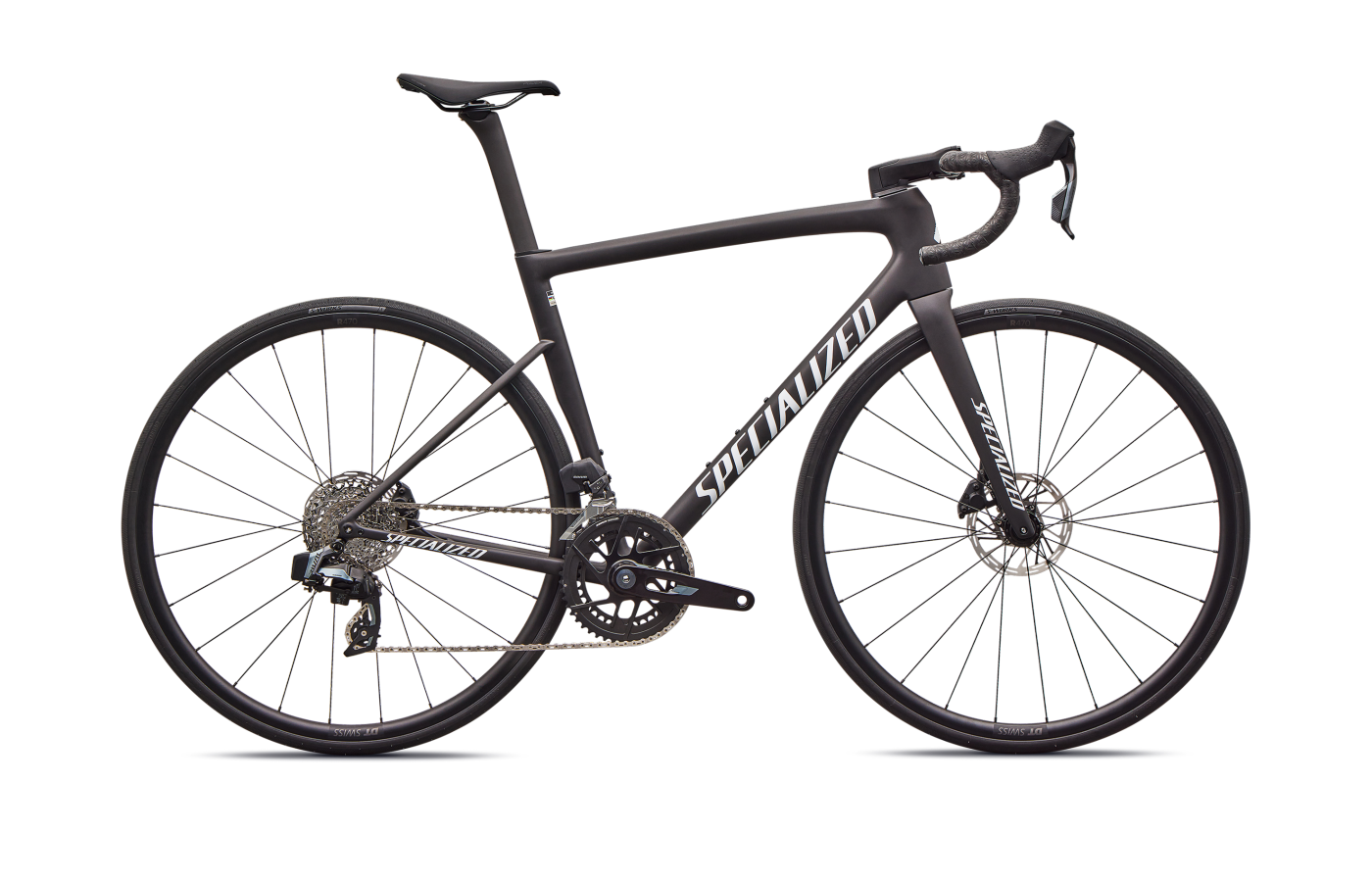
Tarmac
The Specialized Tarmac is the Ultimate's most direct rival — same one-bike-for-everything race philosophy, more refined aero shaping, broader dealer network. If you want the racing posture but prefer to be fitted in a shop, this is the answer.
Compare →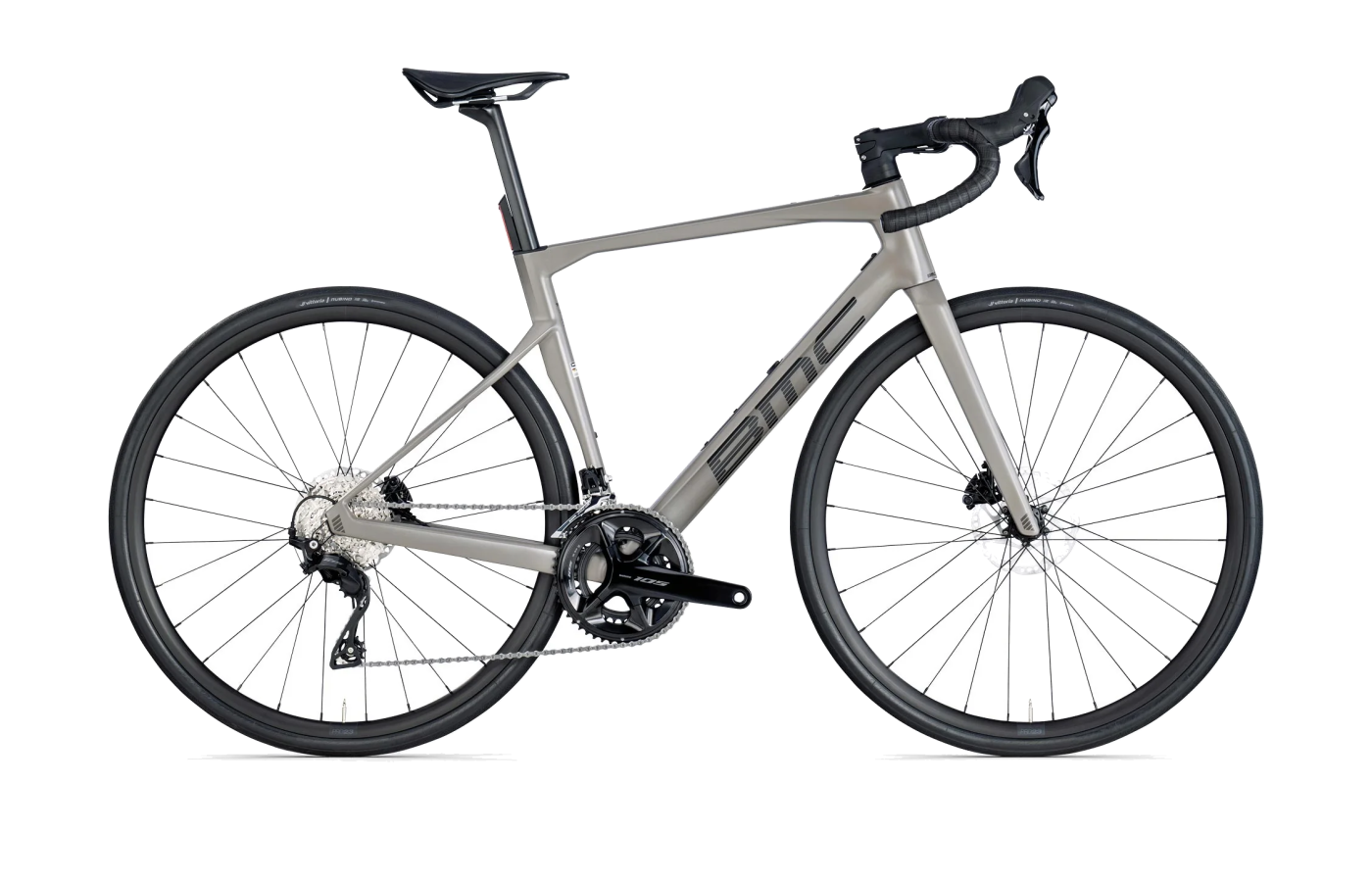
Roadmachine
The BMC Roadmachine is the Caledonia's natural alternative — a high-end endurance platform with similar all-day intent, but slightly more seated compliance and a more traditional (less gravel-flavored) personality.
Compare →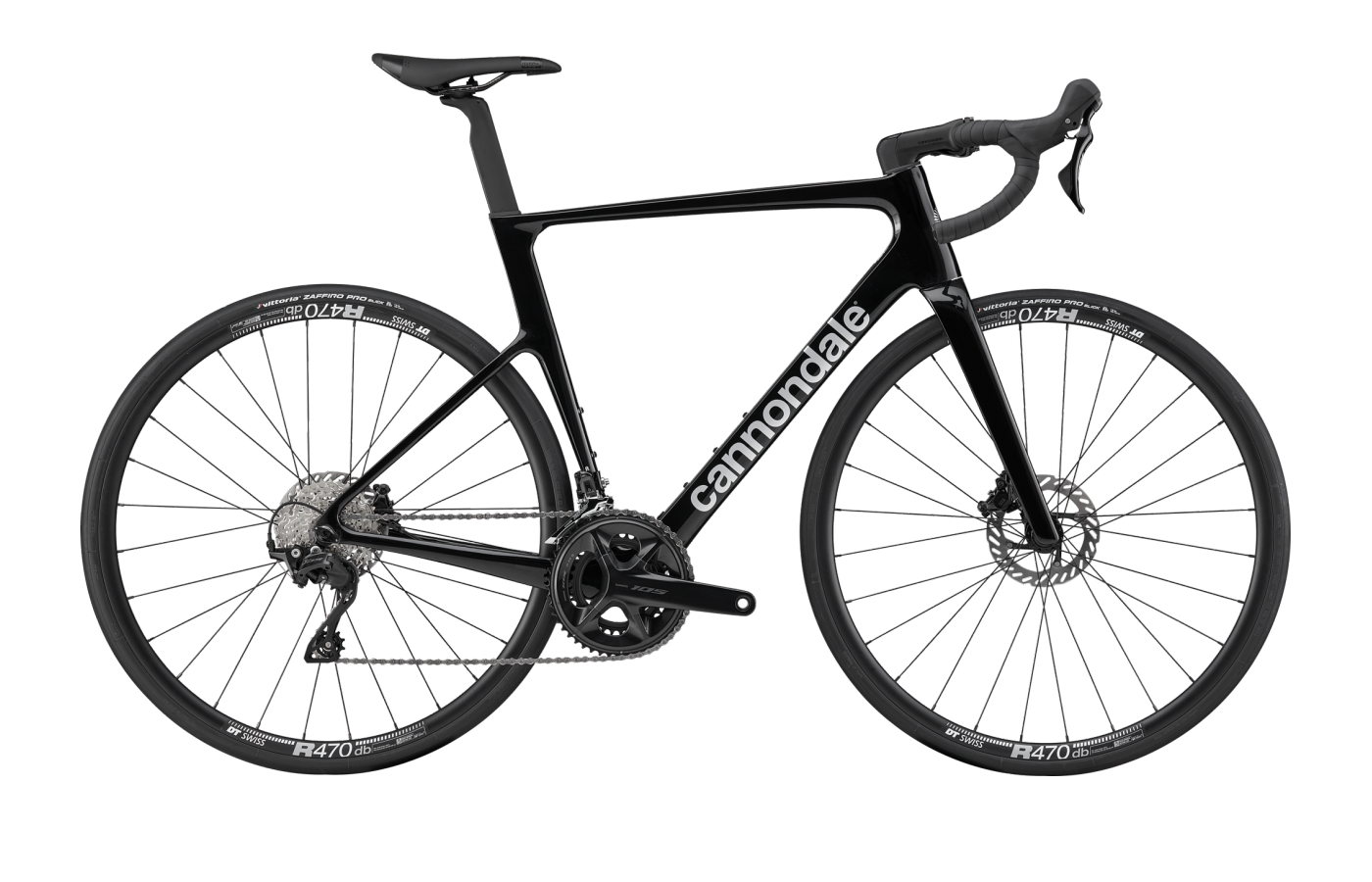
SuperSix EVO
The Cannondale SuperSix EVO splits the difference — climbs nearly as well as the Ultimate but with a more composed feel on descents and long days, putting it between these two on the racy-vs-relaxed axis.
Compare →