Ultimate
vsO2
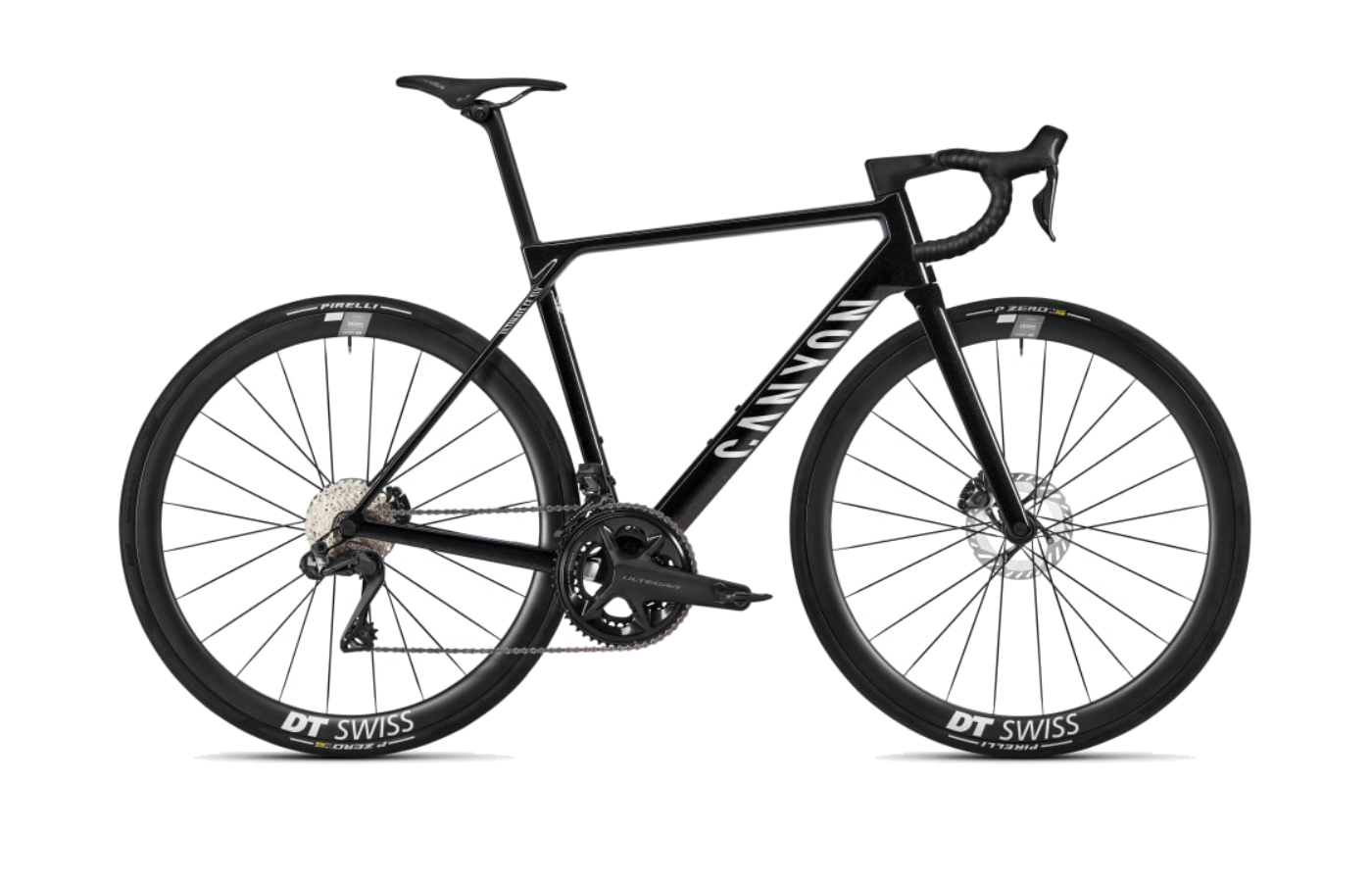
The all-rounder vs the pure climber.
The Canyon Ultimate is a do-everything race bike at a direct-to-consumer price. The Factor O2 is a boutique climbing weapon that picks one job and does it brilliantly.
Ultimate
- Wide build range from $2,899 to $10,499 — seven tiers, three carbon grades, multiple groupsets at each price point.
- Composed handling — stable wheelbase, reassuring front end, predictable on fast descents and group rides.
- Power meters across the lineup — even mid-tier CF SLX builds ship with 4iiii or SRAM-spider power, rare at the price.
- No US dealer network — fit, service, and warranty all go through Canyon direct.
- Heavier than dedicated climbers; not the tool if every gram matters.
O2
- Class-leading climbing weight — 885 g claimed frame, flagship builds reportedly down to 6.2 kg.
- Razor-sharp front end — 406 mm chainstays and reactive steering reward attacking riders who want immediate response.
- Boutique build quality — Toray/Nippon Graphite carbon, Black Inc cockpit and wheels integrated as a system.
- Floor price near $8,200 — no entry tier, no mechanical option.
- Demanding ride: stiff, twitchy at speed, limited dealer and service network.
Editor’s analysis
Same category on paper, almost no overlap in personality — one bike wants to do everything, the other wants to win one thing.
Both bikes call themselves race bikes, but they answer different questions. The Canyon Ultimate is the 5th-generation evolution of Canyon's do-everything road platform — light, stiff enough, mildly aero, with seven build tiers from $2,899 to $10,499. The Factor O2 is a four-build boutique climbing machine on a single VAM frame that opens at $8,199 and tops at $10,299. Same segment, completely different ambitions.
On the road, the Canyon Ultimate is the composed one. Reviewers describe it as "reassuringly stout" up front, "insatiable" on climbs, with a 410 mm chainstay and 73.3-degree head angle that rewards smooth power but never feels twitchy. Canyon claims roughly 10 watts of aero savings at 45 km/h over the previous Ultimate — modest, not class-leading, but enough that Quinlan at BikeRadar found it "easier to keep rolling at a healthy pace" on flats up to 35-40 km/h.
The Factor O2 is the opposite philosophy: build the lightest possible thing, accept the consequences. The VAM frame is 885 g claimed; reviewers report flagship builds dropping to 6.2 kg. Cyclonline calls it "one of the absolute best bikes one can have" for climbing — "superior performance to all other competitors." The catch is the ride: stiff, direct, and demanding. Steering is described as "sensitive to every solicitation" and high-speed descents "require significant driving skills." The integrated seat mast transmits road buzz unapologetically.
The Canyon Ultimate is the bike for the rider who owns one road bike and wants it to do everything competently. The Factor O2 is the bike for the rider who already has an aero bike, knows what they want from a climber, and is willing to pay a boutique premium and accept a thin dealer network to get 600-700 grams off the wall.
Where the builds differ.
Comparing our editor's-pick builds side-by-side. Winners highlighted row-by-row — lower price and weight, and the better-spec component, each mark a point.
Build variants & pricing
The Canyon spans nearly $8k of range across seven builds; the Factor offers four builds clustered at the top.
Prices are current US MSRP. The Factor O2 has no entry-level Rival or 105 build — if your budget is below $8k, the Canyon is the only option here. The Ultegra-on-Ultegra pairing shown above is the cleanest apples-to-apples comparison; both ride on the same drivetrain so any difference you feel is the platform, not the parts.
How they fit, how they steer.
Canyon S vs Factor 54 — fit-picked for a 5'8" rider on each bike. The Factor sits 3 mm taller in stack with a 6 mm shorter reach, runs a steeper 73.1-degree head angle, and uses 4 mm shorter chainstays — the sharper, twitchier front end shows up in the numbers.
Which size should I buy?
Size recommendations are picked by the fit algorithm against stack, reach, and effective top tube. The Canyon's seven sizes (2XS to 2XL) cover a wider range than the Factor's five (49 to 58).
→These are starting points. Flexibility, riding style, and preferred position all shift the answer — if you’re between sizes, a professional fit beats a chart.
What the magazines said.
Published reviews from trusted cycling outlets. Click through for the full write-up.
Which one should you buy?
If you want one road bike for everything, get the Canyon Ultimate. If your rides are defined by the climb and you already own an aero bike, get the Factor O2.
Ultimate
If you want one road bike for group rides, weekend climbs, the occasional century, and the budget to buy more for less, the Ultimate is hard to beat. Composed handling, real range across price points, and power meters even on mid-tier builds.
O2
If you live in the mountains, race uphill, and treat comfort as a distant second to weight, the O2 VAM is one of the best climbing platforms on the market. Demanding, sharp, boutique — and you'll pay for it.
Questions buyers actually ask.
Short answers to the things we get emailed about most often.
01Which is the better climber?
The Factor O2 VAM, by a meaningful margin. The frame is claimed at 885 g — Canyon's lightest CFR frame is 780 g, but the Ultimate's complete-bike weights run heavier than the Factor's once cockpit, seatpost, and integrated parts are added in. Cyclonline reports flagship O2 builds reaching 6.2 kg; Canyon Ultimate CFR Di2 testers have seen 6.39 kg.
That said, the Ultimate is no slouch uphill — BikeRadar's Quinlan called it "insatiable" on climbs. The gap matters most at high-VAM efforts and on long sustained ascents.
02Which is faster on flat roads?
The Canyon Ultimate, modestly. Canyon claims about 10 watts of aero savings at 45 km/h over the previous Ultimate generation — not Aeroad-level, but more than the Factor O2 offers. Cyclonline notes the O2 "suffers on long flat stretches, where other more rigid and aerodynamic frames do better."
For most riders below 35 km/h the difference is small. Above that, the Canyon's D-shaped tube profiles and integrated CP0048 cockpit start to pull ahead.
03What's the maximum tire clearance?
Canyon Ultimate: 33 mm officially, on every build in the lineup.
Factor O2: 30 mm officially.
Neither is a gravel bike, but the Canyon's 3 mm of extra room makes it noticeably more comfortable on chip-seal or rough country roads. Most builds on both bikes ship with a 28 mm tire.
04How does the ride quality compare?
The Canyon Ultimate is the more comfortable bike. Reviewers describe it as composed and predictable — D-shaped seatpost and tuned carbon layup take the edge off road buzz, and the steady wheelbase keeps it calm on fast descents.
The Factor O2 is the opposite — Cyclonline says outright that comfort "is not the best," calling out the integrated seat mast as a contributor. The chassis is reactive and demanding; on "damaged asphalt" it requires "decision and a firm handlebar." If you ride mostly smooth tarmac and live for the climb, that's a feature; if your roads are choppy, it'll wear you down.
05What about the build value comparison?
The Canyon wins on raw value, decisively. The CF SLX 8 Ultegra Di2 ($5,999) ships with Shimano Ultegra Di2, a 4iiii power meter, DT Swiss ARC 1400 carbon wheels, and the integrated CP0048 cockpit. The equivalent Factor Shimano Ultegra build ($8,199) is the same drivetrain on Black Inc wheels and cockpit — about $2,200 more for what's largely the same parts story.
Factor's premium is partly carbon quality, partly Black Inc system integration, and partly the boutique badge. Canyon's direct-to-consumer model genuinely undercuts most of the legacy market at every tier.
06How serviceable are the integrated cockpits?
The Canyon CP0048 has a useful trick: bar width adjusts ~50 mm and stem stack adjusts ~20 mm without bleeding brakes or re-routing. That's unusually friendly for an integrated cockpit. Caveat: the 1 1/4" steerer tube limits aftermarket stem choices.
The Factor / Black Inc integrated barstem is a single fixed unit per stem length and bar width. Changing geometry means buying a new cockpit, and stocking is thin outside the larger Factor markets.
07Are both available with mechanical shifting?
No. Both frames are designed around fully-internal electronic routing — every Canyon Ultimate Gen 5 build ships with Di2 or SRAM AXS, and every Factor O2 VAM build does the same. If you want mechanical Shimano 105 or Campagnolo cable-shift, neither bike is for you.
08Where do you buy and service these?
Canyon sells direct only — there are no US dealers. You buy online, the bike ships in a box about 95% assembled, and any service or warranty work goes through Canyon's regional support. There are no demos.
Factor sells through a network of boutique dealers, but coverage is thin outside major cycling markets — Cyclonline flags the "limited sales and assistance network" as a real ownership consideration. Both bikes assume you know your fit before clicking buy.
Similar bikes
If your priorities don’t map cleanly onto either of these, one of these adjacent bikes probably fits better.
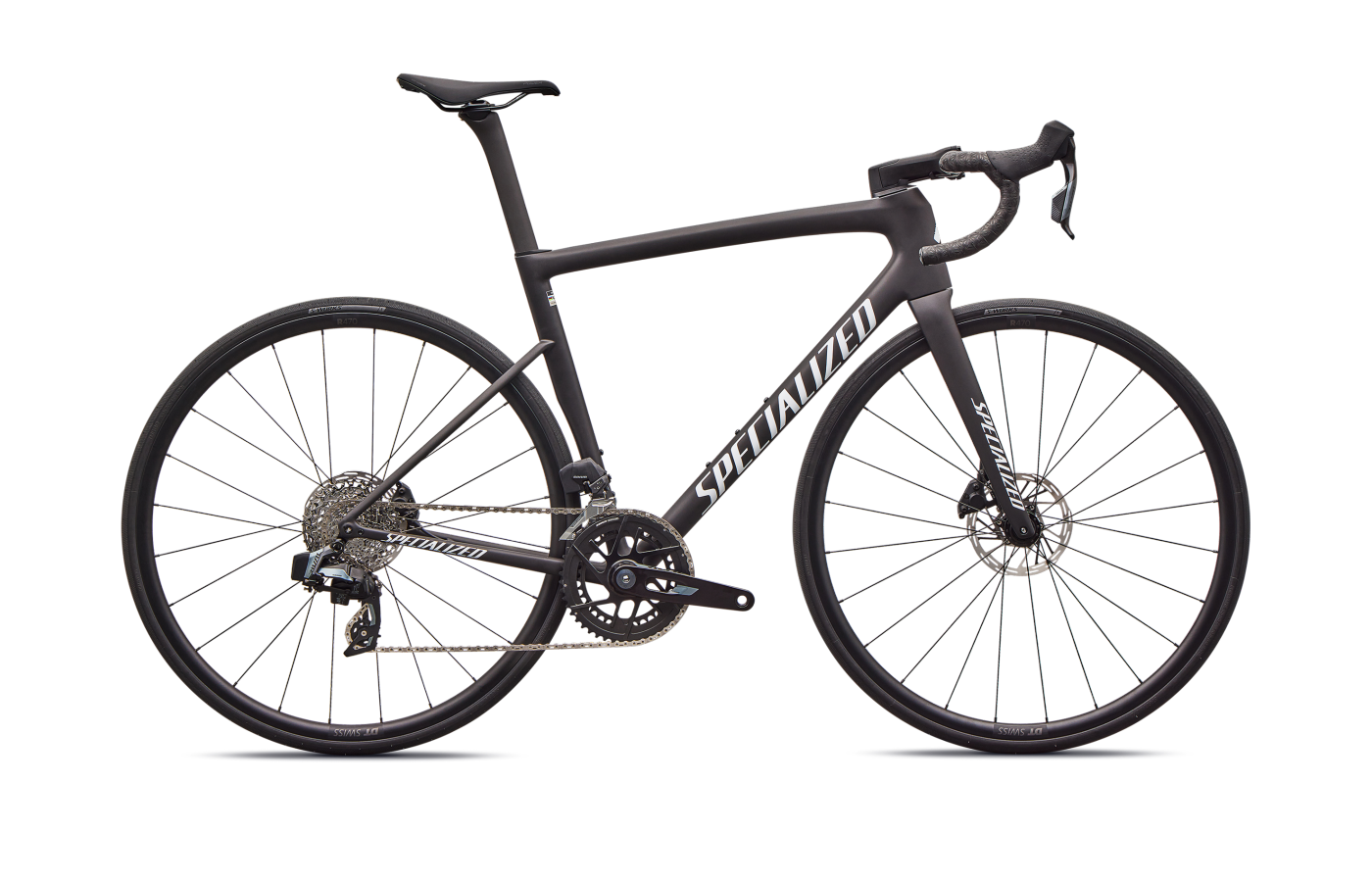
Tarmac
The Specialized Tarmac splits the difference — closer to the Canyon in versatility, closer to the Factor in pedigree, with a US dealer network neither offers. Costs more than the Canyon to get equivalent spec.
Compare →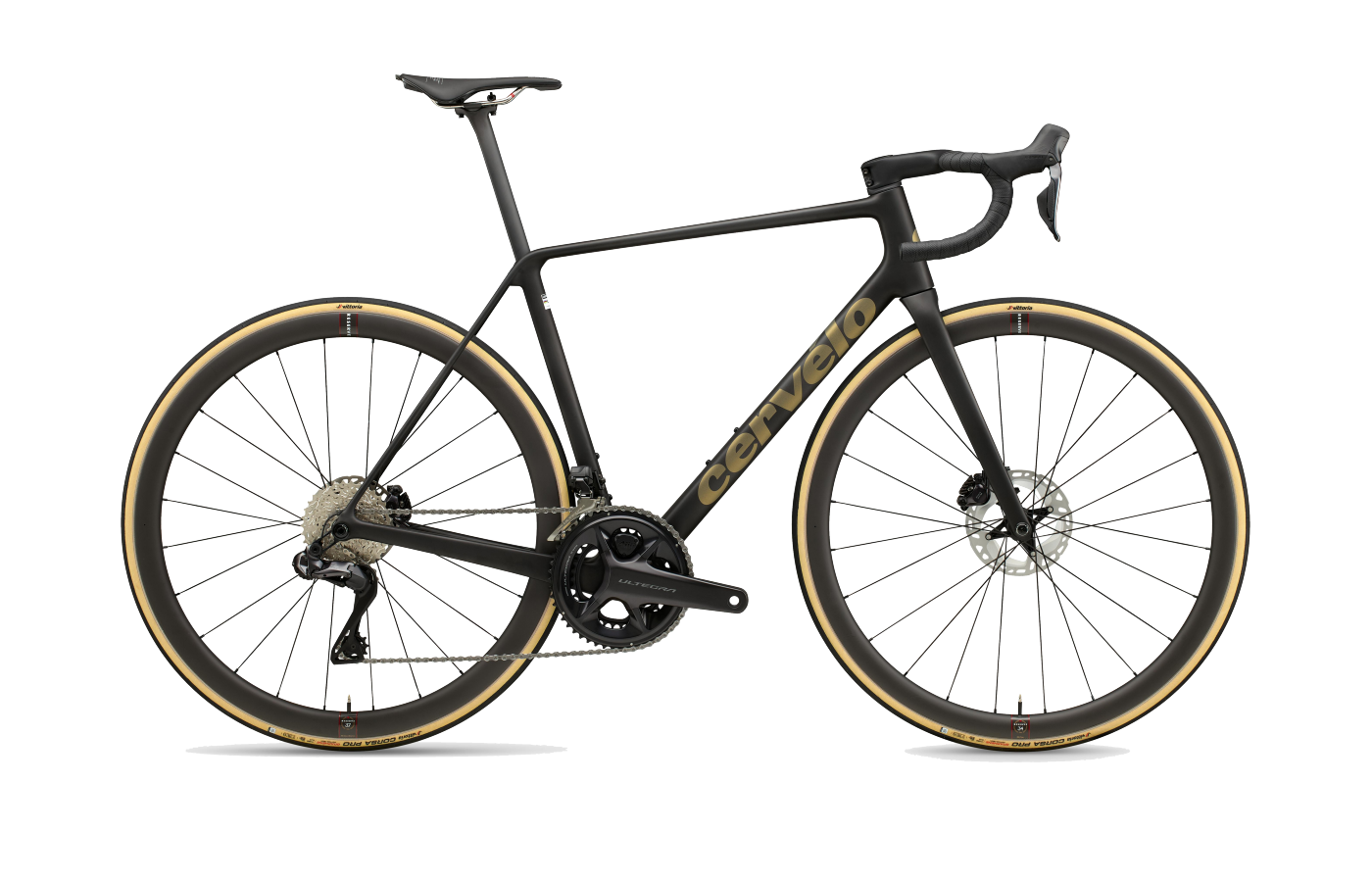
R5
The Cervelo R5 is the most direct alternative to the Factor O2 — same dedicated-climber brief, similarly low frame weights, but a more conventional seatpost and a ride most testers call more forgiving over long days.
Compare →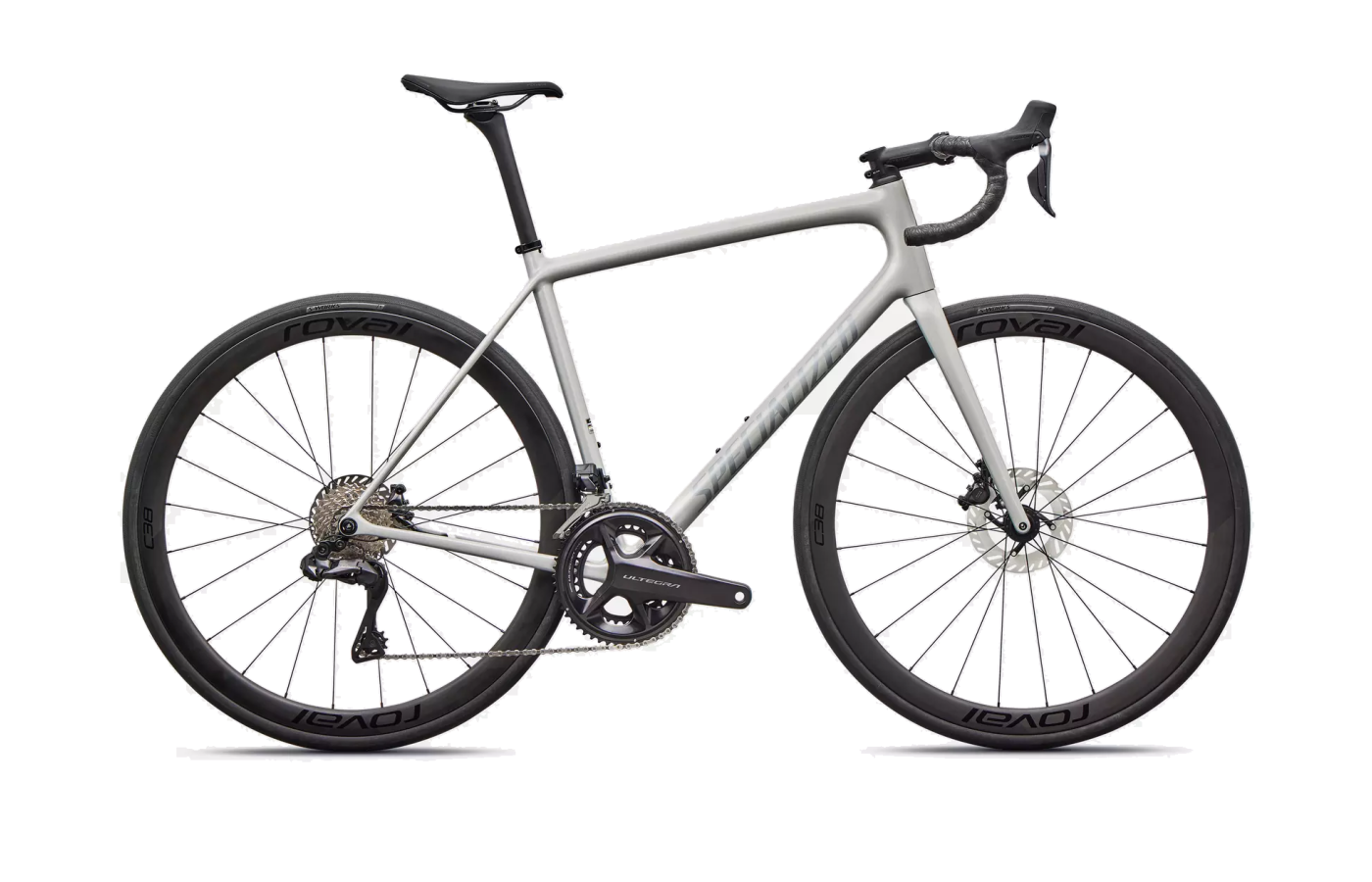
Aethos
If you want the Factor's low-weight climbing character but find the integrated aero look too industrial, the Specialized Aethos is the round-tube classicist — sub-6 kg builds, no aero pretense, and a ride quality reviewers consistently rate at the top of the segment.
Compare →