Ultimate
vsDomane
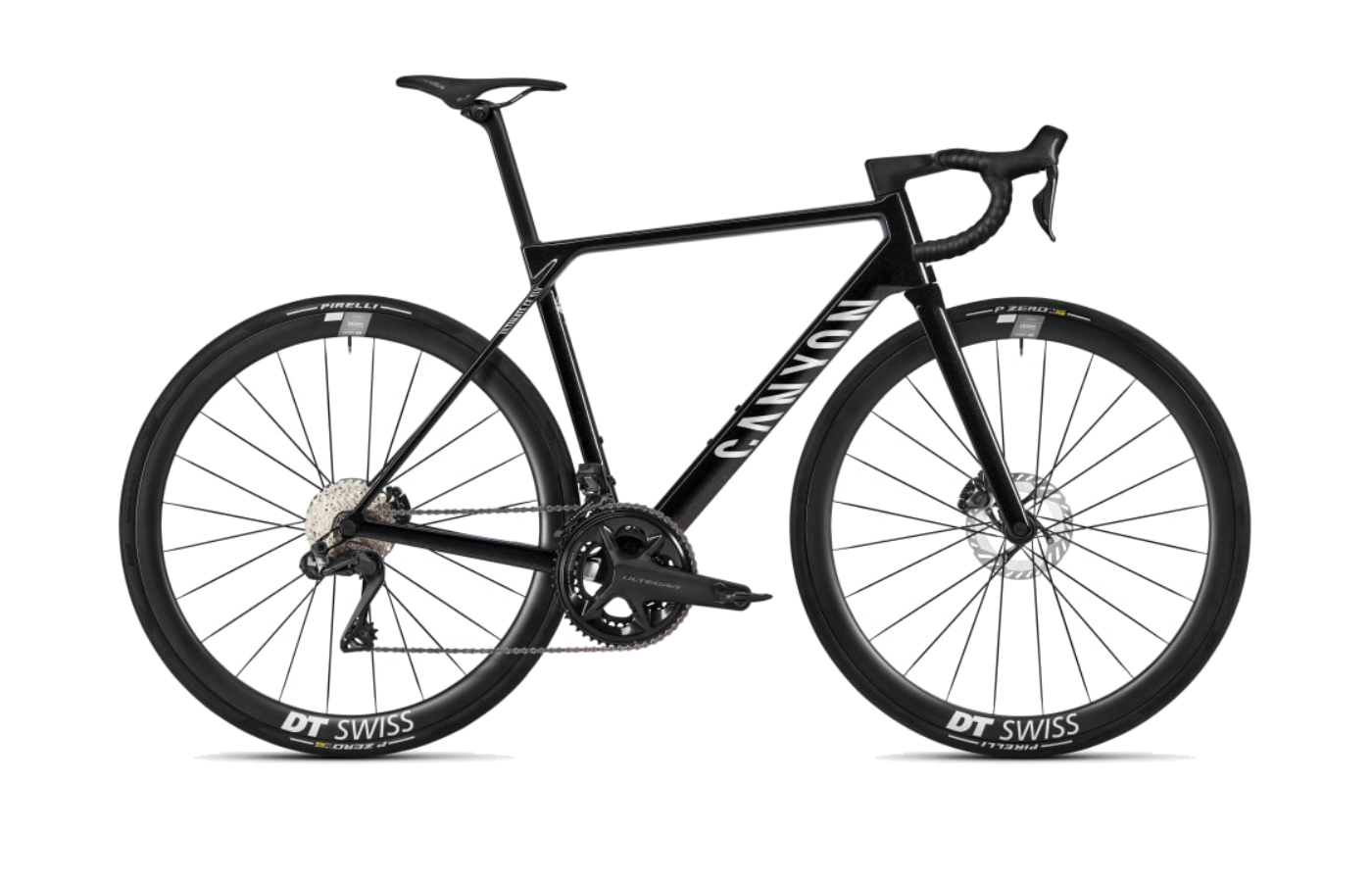
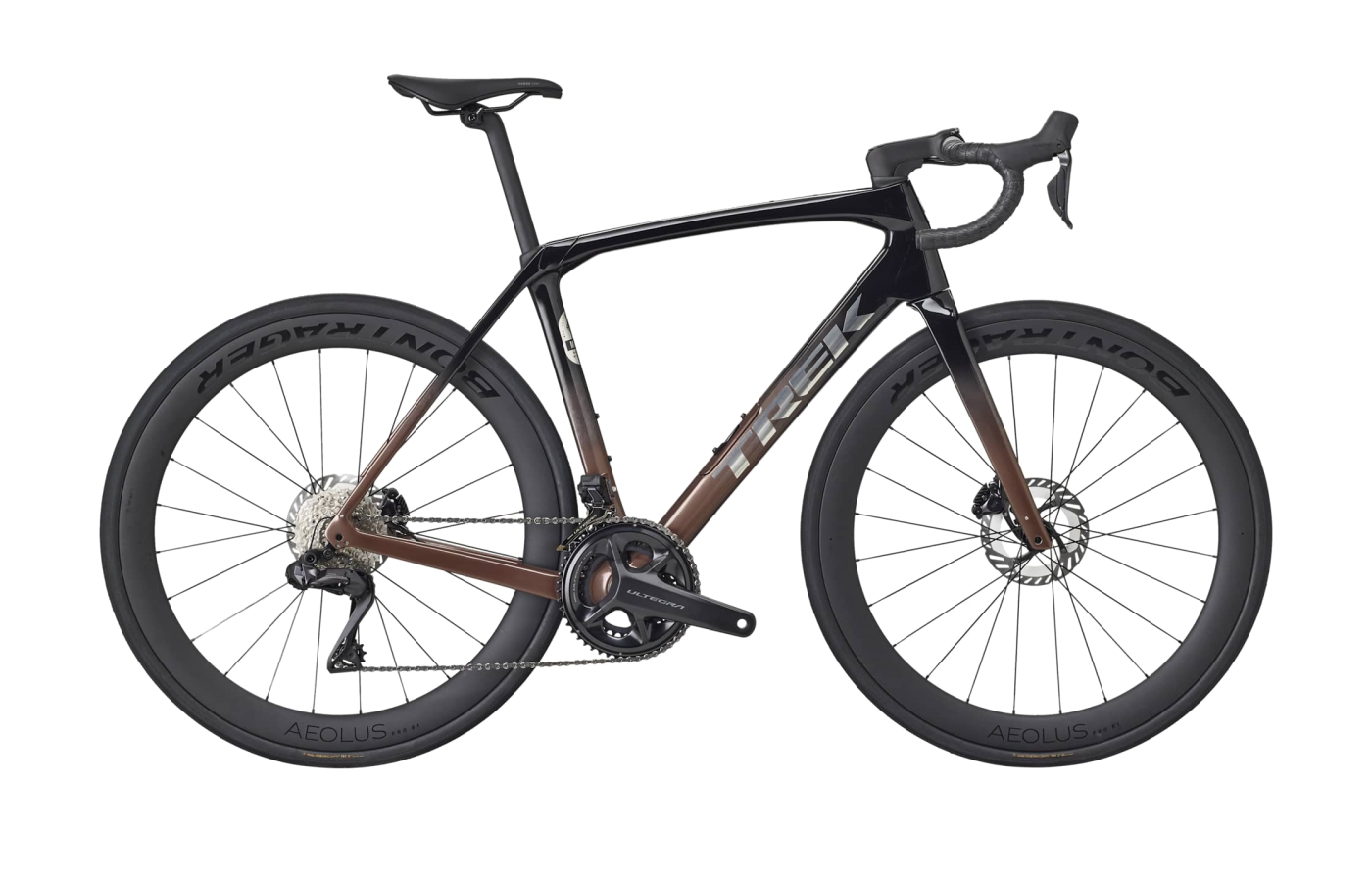
A race scalpel and an all-road cruiser.
The Canyon Ultimate is a lightweight climber aimed at racers. The Trek Domane trades grams for tire clearance, comfort, and a dealer on your corner.
Ultimate
- Climbs hard — stiff head tube and light frame (CFR claims ~6.26 kg) make it "insatiable" uphill per reviewers.
- Race-ready spec — even mid-tier builds ship with DT Swiss carbon wheels and Pirelli P Zero tires, no upgrade tax.
- Aggressive fit — long-and-low reach/stack suits riders who hold a pro-style position comfortably.
- Direct-to-consumer only — no dealer network for test rides, fit, or in-warranty service.
- Tire clearance tops out at 33 mm, so light gravel detours are borderline.
Domane
- Rear IsoSpeed comfort — reviewers call the rear end "astonishingly" smooth on broken tarmac and square-edged impacts.
- All-road range — 38 mm official clearance (40 mm in testing) opens up light gravel and pothole-strewn back roads.
- Trek dealer network — thousands of shops for fit, test rides, warranty, and routine service.
- Heavier than the Ultimate at equivalent price — carbon Domanes in reviewed trim weigh ~7.99–8.89 kg.
- Stock wheels and tires (Bontrager Paradigm + R3) are widely criticized as "heavy" and "wooden" — plan on an upgrade.
Editor’s analysis
This isn't apples-to-apples — it's apples-to-smooth-plush-endurance-pears. Pick the bike that matches how you ride, not the one that wins on paper.
On paper, the Canyon Ultimate and Trek Domane both sell themselves as the one road bike most riders ever need. In practice they answer completely different questions. The Ultimate is Canyon's race bike — sub-6.5 kg in flagship trim, 33 mm of tire clearance, a long-and-low fit that puts you in a pro-style tuck. The Domane is Trek's endurance all-roader — 38 mm of official clearance (reviewers have squeezed 40 mm in there), a rear IsoSpeed decoupler that smooths broken tarmac, and a stack nearly an inch taller at equivalent sizes.
The Canyon Ultimate earns its reviews. Testers across Velo, BikeRadar, and Road.cc describe it as "insatiable" on climbs and "eager" off the line — credit the frame stiffness Canyon touts as 15% higher at the head tube than the previous generation, plus subtle aero tweaks Canyon claims save 10 watts at 45 km/h (roughly 5 with a rider on top). It ships with real race rubber and deep carbon wheels even on the mid-tier builds. The catch: no dealer. If the fit doesn't click or something breaks, you're dealing with Canyon customer service, not walking into a local shop.
The Trek Domane picks a different fight. The Gen 4 dropped the front IsoSpeed decoupler and shed about 300 g from the previous generation, but the rear IsoSpeed stays — reviewers call the rear-end comfort "astonishingly" smooth, especially on square-edged hits. Geometry is long and planted: an 80 mm bottom bracket drop, slack head tube, long wheelbase. Descents feel "surefooted" rather than twitchy. Downsides show up in the details. Heavy stock Bontrager Paradigm wheels and R3 tires dull the frame, multiple reviewers recommend a day-one upgrade. Early seatposts had a known slipping/creaking issue (Trek has issued updated wedge hardware).
Put another way: the Canyon Ultimate is what you buy if your weekly ride is a hilly group hammerfest and the road is mostly clean. The Trek Domane is what you buy if your "road" rides drift onto farm lanes, rail trails, and crumbling chip-seal — and you'd rather finish a century comfortable than win the town-sign sprint.
Where the builds differ.
Comparing our editor's-pick builds side-by-side. Winners highlighted row-by-row — lower price and weight, and the better-spec component, each mark a point.
Build variants & pricing
Canyon starts at $2,899 and tops out at $10,499. Trek spans a wider ladder — $1,199 aluminum to $12,499 Red AXS — and is the only one here with a true entry-level build.
Prices are current US MSRP. We compared the Canyon CF SLX 8 Ultegra Di2 ($5,999) against the Trek Domane SL 7 Gen 4 ($6,799) — both Ultegra Di2, both mid-tier carbon, close on price. Flagship builds diverge: Canyon tops at $10,499; Trek's SLR 9 AXS reaches $12,499.
How they fit, how they steer.
The Ultimate's size S sits 7 mm lower (539 vs 546 mm stack) and 22 mm longer in reach (390 vs 368 mm) than the Domane size 50. Head tube angle is 72.8° on the Canyon vs 71.1° on the Trek, and chainstays are 10 mm shorter — the Ultimate is the sharper, more racer-forward fit.
Which size should I buy?
Size picker is anchored to stack, reach, and effective top tube length. Note the conventions differ — Canyon uses S/M/L, Trek uses numeric cm-style labels — but each side shows the best-fit size for your height.
→These are starting points. Flexibility, riding style, and preferred position all shift the answer — if you’re between sizes, a professional fit beats a chart.
What the magazines said.
Published reviews from trusted cycling outlets. Click through for the full write-up.
Which one should you buy?
If you race, climb, and ride mostly clean tarmac, get the Ultimate. If your rides mix rough roads, long days, and light gravel, get the Domane.
Ultimate
If your ride diet is hilly group rides, amateur road races, and weekend climbing loops — and you're comfortable in a low, aggressive position — the Ultimate is a faster, lighter, more focused tool. The direct-to-consumer model means you'll save real money, as long as you know your fit.
Domane
If you do long rides on rough roads, detour onto gravel, or just want to finish a century without a sore neck, the Domane is the better tool. The rear IsoSpeed is the real deal, the tire clearance is class-leading, and the dealer network matters when something goes wrong.
Questions buyers actually ask.
Short answers to the things we get emailed about most often.
01Which one is faster?
Depends on the road. On clean pavement with climbs, the Canyon Ultimate wins — it's lighter, stiffer, and its long-and-low fit puts you in a more aerodynamic position. Reviewers consistently describe it as "eager" off the line and "insatiable" on climbs.
On rough or mixed-surface roads, the Trek Domane holds speed better because the rear IsoSpeed lets you keep pedaling through chatter that would slow a stiffer bike down. Multiple testers noted that once the Domane is "wound up" on rolling terrain, it carries momentum well — especially after a stock-wheel upgrade.
02What's the maximum tire clearance?
Canyon Ultimate: 33 mm (official, across all builds).
Trek Domane: 38 mm officially, and multiple reviewers have fit 40–41 mm tires with real-world clearance.
If you're eyeing anything rougher than pristine chip-seal, the Domane is the right call. The Ultimate is a dedicated road bike — 33 mm is enough for bad pavement, not for actual gravel.
03How different are the fits?
Very different. The Canyon Ultimate runs long-and-low — a size S measures 539 mm stack / 390 mm reach with a 72.8° head angle. The Trek Domane size 50 measures 546 mm stack / 368 mm reach with a 71.1° head angle.
The Domane puts you in a noticeably more upright position with a shorter reach, which relieves neck and lower-back strain on long rides. The Ultimate puts you lower and further forward — faster and more aerodynamic, but less forgiving if you lack flexibility or haven't dialed in a pro-style fit.
04Do I need to upgrade the stock wheels and tires?
On the Canyon Ultimate, generally no — mid-tier and higher builds ship with DT Swiss carbon wheels and Pirelli P Zero Race RS tires that reviewers consider race-ready out of the box.
On the Trek Domane, yes — multiple reviewers across Velo, BikeRadar, and Escape Collective flagged the stock Bontrager Paradigm alloy wheels and R3 Hard-Case Lite tires as "heavy" and "wooden," dulling the frame's real capability. Budget for a wheel/tire upgrade if you buy an SL-tier build; the SLR tier upgrades to Aeolus Pro carbon wheels, which help.
05Is the Canyon Ultimate hard to buy and service?
Canyon sells direct-to-consumer in the US, which means there's no local dealer to walk into. You order the bike to your door, assemble the final steps yourself, and any service, fit, or warranty issue has to go through Canyon's customer support. For riders who know their fit and are comfortable with basic mechanic work, the savings are real. For first-time carbon buyers or anyone who wants a local shop relationship, it's a trade-off worth thinking through.
06What's the deal with the Domane's seatpost creaking?
Early Gen 4 Domane bikes had a known issue where the IsoSpeed seatpost wedge could slip or creak, occasionally letting the post drop a centimeter or two mid-ride. Trek has issued revised wedge hardware (Revisions 2 and 4) and most long-term reviewers report the updated parts plus a generous application of carbon paste solve the problem. If you're buying new, you'll get the updated hardware out of the box. If you're buying used, ask about the wedge revision.
07Do both bikes use integrated cockpits?
Kind of. The Canyon Ultimate uses a one-piece integrated aero cockpit (CP0048 on the CF SLX / CFR) that combines bar and stem. Canyon does offer 50 mm of width and 20 mm of height adjustment without cutting the steerer, which softens the usual integrated-cockpit fit penalty — but stem length changes still mean buying a new unit.
The Trek Domane uses a more conventional two-piece setup on all non-flagship builds: a Trek RCS Pro stem with a separate Bontrager handlebar. Cables route through the headset, but swapping stem length is a normal shop job.
08Which one holds its value better?
Historically, Trek's mainstream carbon platforms (Madone, Domane, Emonda) hold resale value better than Canyon's for the same reason Specialized and Trek generally do: a larger used-market audience that's already comfortable buying through local dealers. Canyon bikes depreciate faster on the secondary market partly because the direct-to-consumer model means most buyers still compare them to the current Canyon site price, which is already below most dealer-brand MSRPs.
That said, both brands offer lifetime frame warranties to the original owner and crash-replacement pricing.
Similar bikes
If your priorities don’t map cleanly onto either of these, one of these adjacent bikes probably fits better.
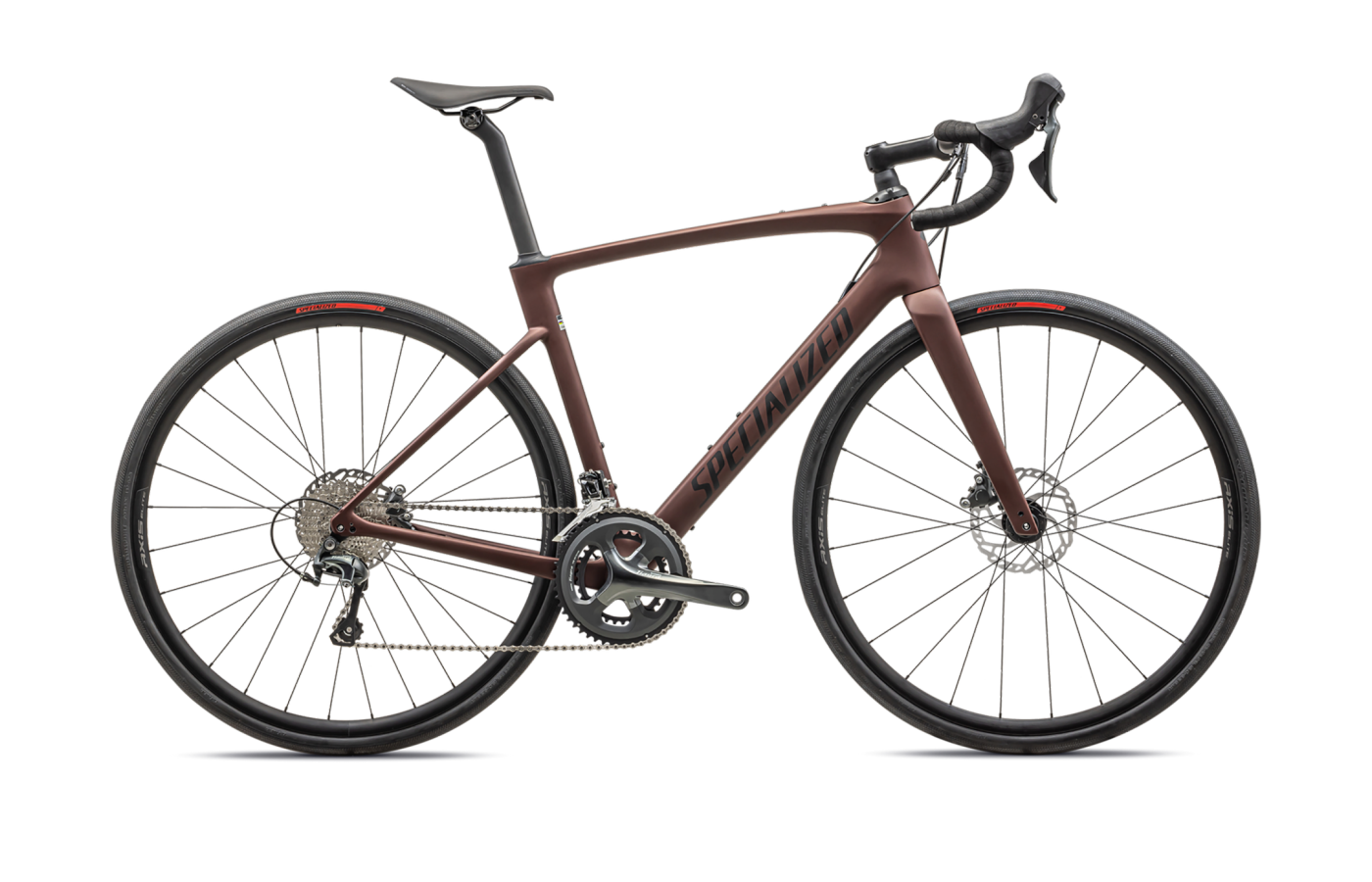
Roubaix
Specialized's direct Domane rival — the Roubaix swaps IsoSpeed for a Future Shock damper in the headset, which gives the front end the compliance the Gen 4 Domane dropped. Same all-road brief, different solution.
Compare →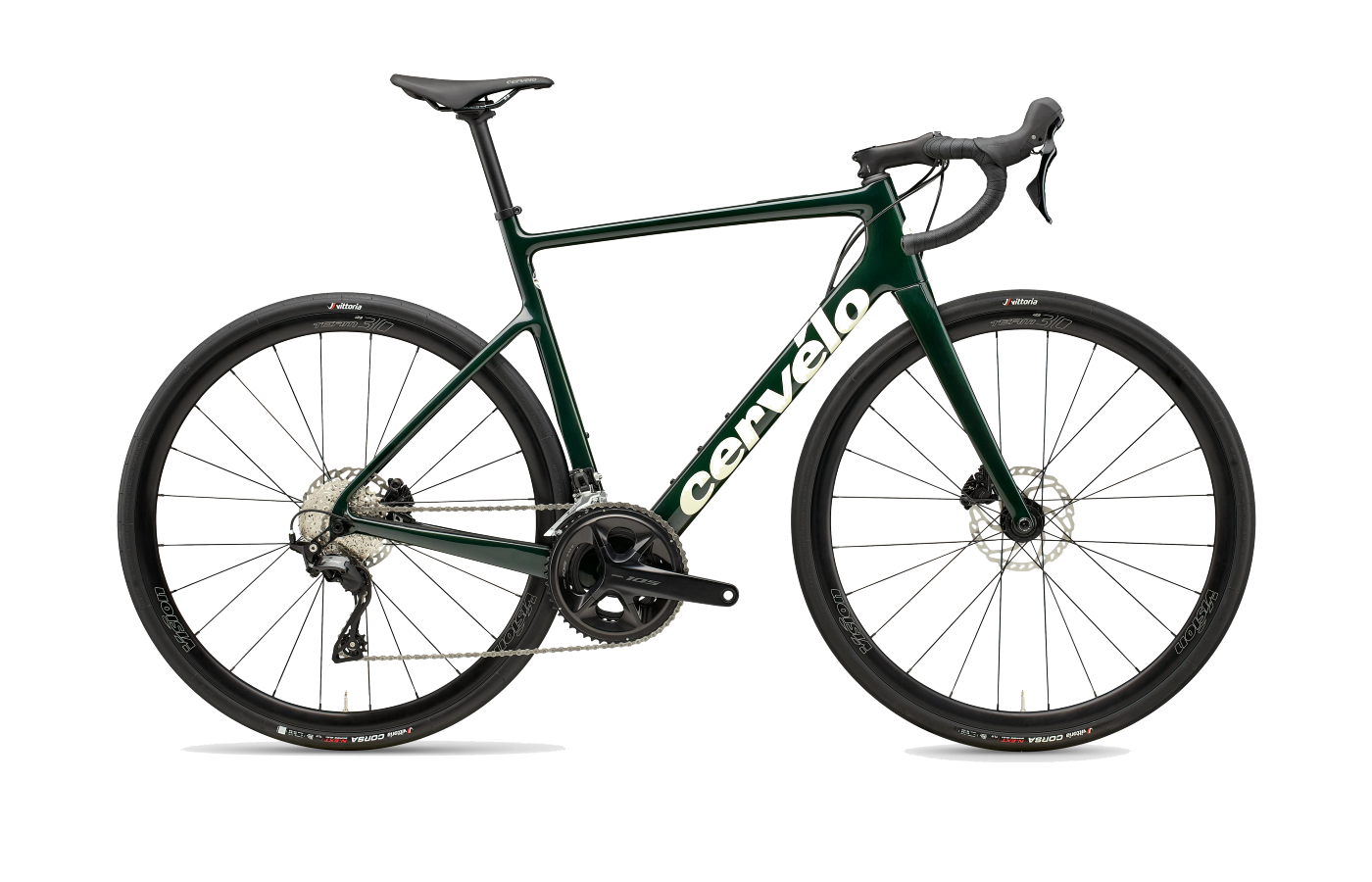
Caledonia
Cervelo's take on the endurance category — 34 mm clearance, stiff and fast, and it gets there without any mechanical decoupler. If you like the Domane's all-road footprint but don't want the IsoSpeed hardware and its quirks, this is the one.
Compare →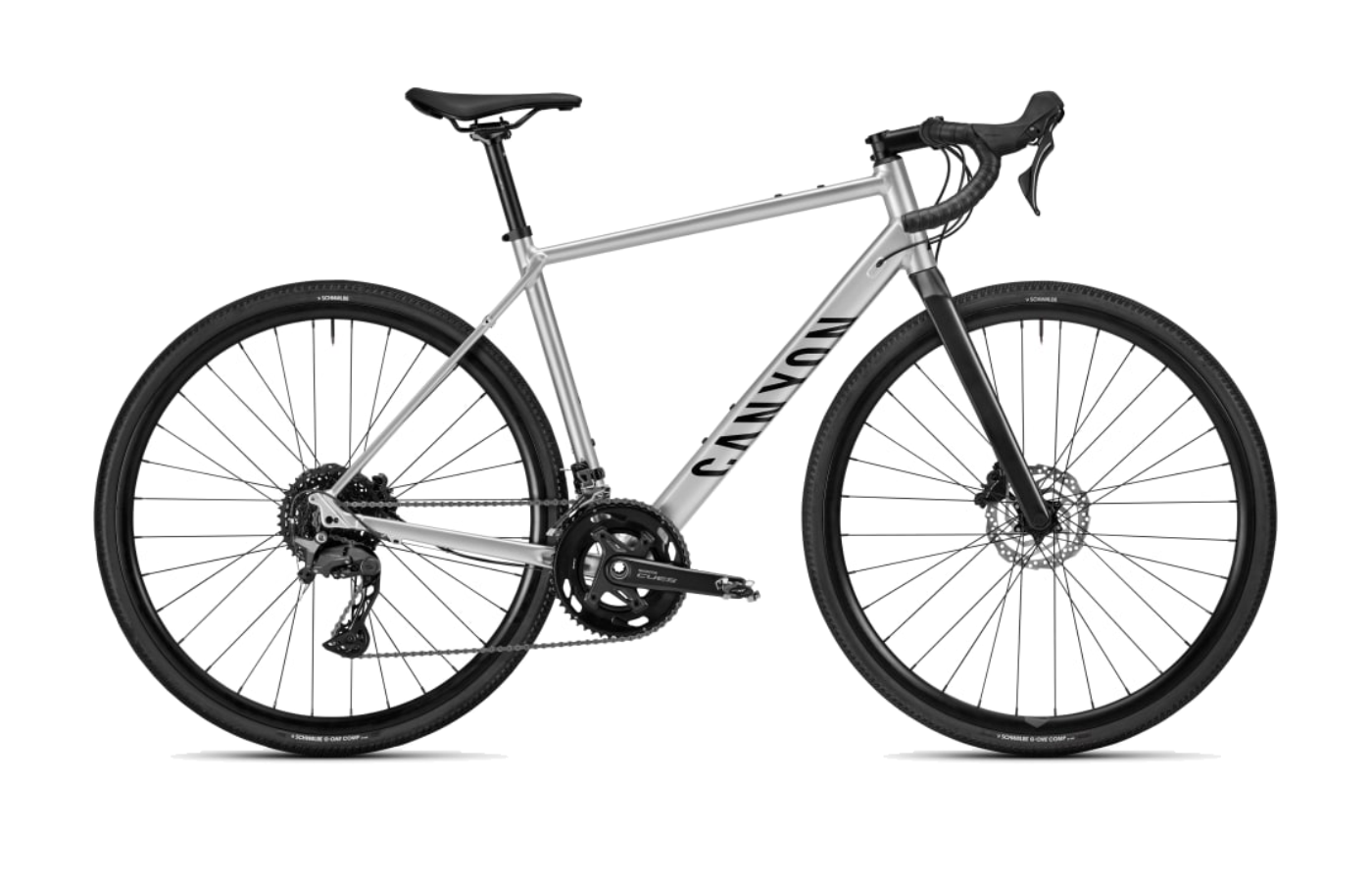
Endurace
Canyon's own endurance bike — same direct-to-consumer value math as the Ultimate, with a more relaxed fit and similar tire clearance to the Trek. Split the difference between the two bikes on this page.
Compare →