Aspero
vsLS
Two race-bred gravel bikes — one refined, one stripped raw.
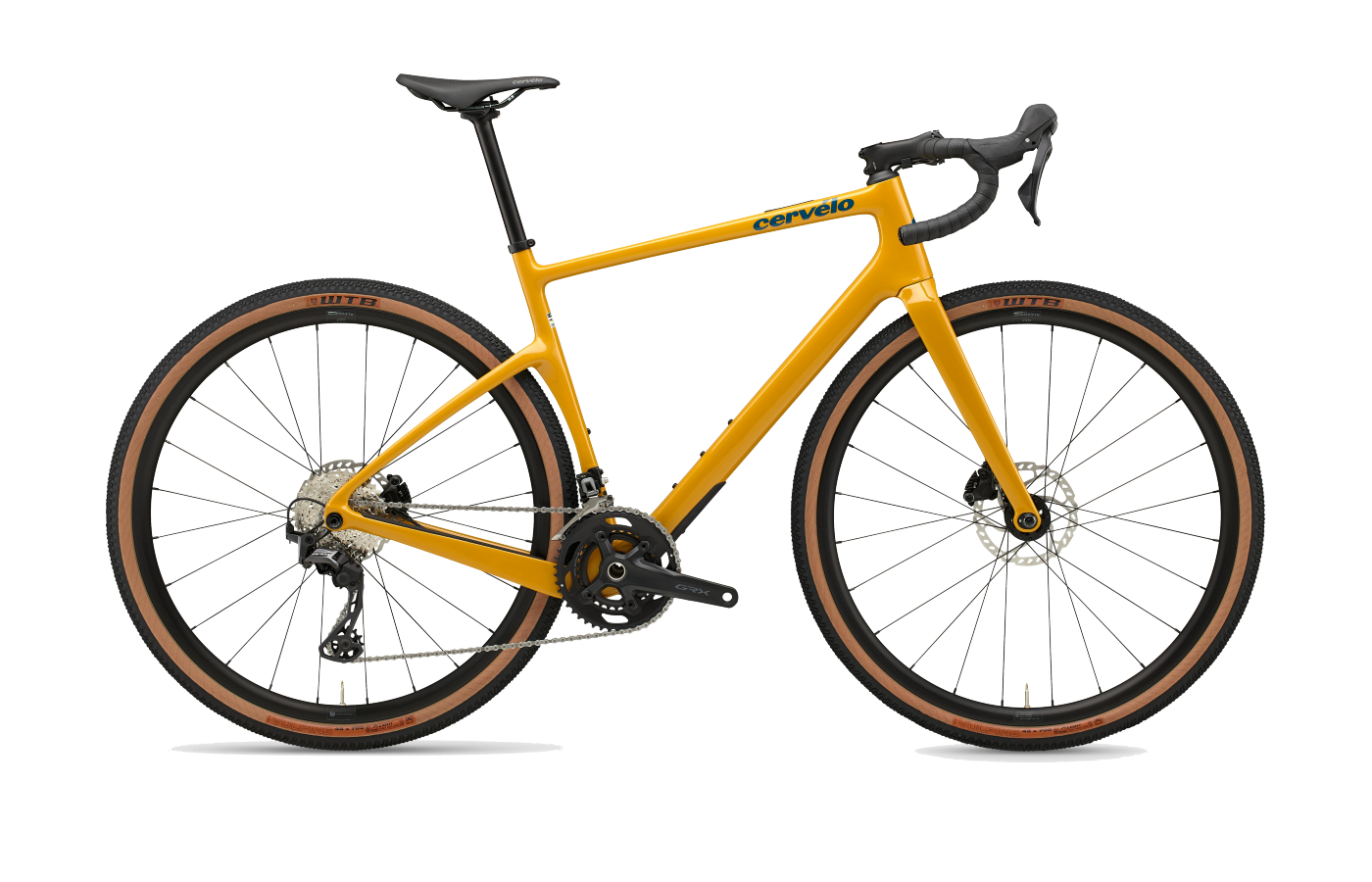
The Cervelo Aspero is the second-gen specialist that finally added compliance. The Factor LS is a 950 g road frame that grew chainstays.
Aspero
- Real tire room — 45 mm of clearance vs the Factor's 40 mm, with a Trail Mixer flip-chip to keep handling consistent across widths.
- Threaded T47 bottom bracket and UDH hanger — modern, serviceable standards built for long-term ownership.
- Deep build range starting at $3,550 — six builds from mechanical GRX to Di2, no boutique-only price floor.
- Heavier frame and builds than the LS — claimed 1,141 g frame vs 950 g.
- Steep 72-degree head angle still produces noticeable wheel flop on slow, technical sections.
LS
- Exceptionally light — 950 g claimed frame, sub-8 kg complete builds, in a class with dedicated road race bikes.
- Razor-sharp road-bike handling — short 1,005 mm wheelbase and stiff chassis make it feel like an O2 with knobbies.
- Black Inc proprietary kit on every build — integrated bar/stem, carbon wheels, CeramicSpeed BB included.
- Just 40 mm tire clearance — narrower than most modern race-gravel bikes.
- Press-fit bottom bracket and minimal downtube armor — reviewers report knocking and stress about rock strikes.
Editor’s analysis
Both want to win gravel races. Only one of them wants you to enjoy the ride afterward.
On paper, the Cervelo Aspero and Factor LS chase the same crown: fast, road-bike-handling gravel race bikes for riders who think 'adventure' is a slow word. Both run road-leaning 72-degree-ish head angles, both ship with deep proprietary cockpits, both come from brands with serious WorldTour DNA. But pull the spec sheets apart and they disagree on almost everything that matters.
The Aspero is the more evolved tool. Its second-generation frame deliberately lost stiffness — Cervelo dropped the seatstays, thinned the head tube, and cut front-end stiffness by roughly 10% to dial in compliance without bolting on suspension. It rides a 45 mm tire, threads a T47 bottom bracket, and adopts SRAM's UDH hanger — all changes a long-term owner will appreciate. The Aspero also opens at $3,550, less than half what the LS asks.
The Factor LS is the older, purer object. A 950 g frame, an 850 g claimed build weight on the Ultegra spec, a press-fit BB, and a one-piece Black Inc cockpit on every build. It's stiffer, lighter, and — by every reviewer's account — harsher when the gravel turns chunky. Reviewers call it a 'razor-sharp instrument' and 'unapologetically jarring' in the same breath. There is no entry-level LS; the cheapest build is $6,599.
Read the geometry and the personalities split further. At a 173 cm rider's fit-picked sizes, the Aspero (54) sits in a longer, lower, racier tuck — 555 mm stack, 388 mm reach, 425 mm chainstays. The LS (52) is more upright at 547 mm stack with shorter 420 mm chainstays and a tighter wheelbase. The LS feels like a road bike with fat tires; the Aspero feels like a gravel bike that respects road habits. Pick by which compromise you actually live with.
Where the builds differ.
Comparing our editor's-pick builds side-by-side. Winners highlighted row-by-row — lower price and weight, and the better-spec component, each mark a point.
Build variants & pricing
The Aspero spans $3,550 to $7,050 across six builds; the LS lives in a tight $6,599 to $7,499 band of three.
Prices are current US MSRP. Factor sells the LS only in upper-tier electronic-shifting builds — there is no Apex or 105 build. If you want a sub-$5k race-gravel frame from this comparison, the Aspero is the only option.
How they fit, how they steer.
Aspero in a 54, LS in a 52 — the fit-picked sizes for each bike. The Aspero sits 8 mm taller in stack but is 10 mm longer in reach, putting the rider in a more stretched, racy tuck; the LS holds a shorter 1,005 mm wheelbase with 5 mm shorter chainstays for sharper corners.
Which size should I buy?
Both ranges overlap around the middle, but the Aspero scales further up and down (six sizes vs the LS's five). Consult both sides if you're between sizes.
→These are starting points. Flexibility, riding style, and preferred position all shift the answer — if you’re between sizes, a professional fit beats a chart.
What the magazines said.
Published reviews from trusted cycling outlets. Click through for the full write-up.
Which one should you buy?
If you want one fast gravel bike that handles long days and rough surfaces, get the Aspero. If grams and road-bike feel matter more than comfort, get the LS.
Aspero
If your races run long, your gravel runs chunky, and you want a bike you can still service in your garage in five years, this is the pick. The Aspero balances race-day sharpness with real-world tire room and serviceable standards — and it does it across a build range that starts at half the LS's floor.
LS
If most of your gravel is hard-packed, your priorities are weight and climbing, and you treat 40 mm as plenty of tire, the LS rewards you with a near-road-bike feel almost no other gravel frame matches. Bring a willingness to baby the press-fit BB and avoid rock-strewn descents.
Questions buyers actually ask.
Short answers to the things we get emailed about most often.
01Which is faster on smooth gravel and tarmac?
Close to a wash, with the Factor LS likely edging it. The LS frame is roughly 200 g lighter than the Aspero (claimed 950 g vs 1,141 g for a size-56 Aspero) and complete builds come in around 7.95 to 8.0 kg per published reviews — meaningfully lighter than typical Aspero builds, which Road.cc measured at 8.77 kg in Apex AXS trim.
That lower weight pays off on rolling climbs and surges. On flat tarmac the Aspero's slightly more aero second-gen tube shapes (Cervelo claims 4.2 W faster than gen 1) close the gap. Realistically, both are quick — the Factor wins when the road points up.
02How much tire fits in each?
Cervelo Aspero: 45 mm officially in 700c (47 to 48 mm in 650b), with the Trail Mixer flip-chip in the fork keeping trail consistent if you swap wheel sizes.
Factor LS: 40 mm officially. Reviewers note it's optimized around 40 to 43 mm, but Factor's published spec is 40.
If you ride anything chunkier than groomed dirt or want a true 45 mm Unbound tire, the Aspero is the only one of the two that will fit it stock.
03Which has better long-term serviceability?
The Aspero, by a meaningful margin. Cervelo updated the second-gen platform with a threaded T47 bottom bracket (the prior gen used press-fit) and adopted SRAM's UDH derailleur hanger. Reviewers consistently called these out as long-term wins — fewer creaks, easier replacement, future SRAM Transmission compatibility.
The Factor LS still uses a press-fit bottom bracket. Velo's reviewer reported a knocking sound between the cranks within a few months of testing, eventually solved with retaining compound. For a bike that gets dirty, it's a real concern — and one Factor's owner has acknowledged on the road side by switching the Ostro VAM to T47.
04Is one more comfortable than the other?
Yes, the Aspero — by reviewer consensus. Cervelo's second-gen redesign explicitly targeted compliance: dropped seat stays, more exposed 27.2 mm carbon seatpost, and a deliberate 10% reduction in front-end stiffness. Reviewers from Granfondo, Velo, and BikeRadar all called the new Aspero meaningfully smoother than its predecessor.
The Factor LS is, by Cyclingnews's own words, 'unapologetically jarring' on choppy surfaces. Velo's reviewer was kinder but still called its compliance limits low. Both bikes lack any active suspension, so the bigger Aspero tire is doing real comfort work too.
05What groupset choices do I have on each?
Aspero: six builds spanning Shimano GRX RX610 mechanical ($3,550), GRX RX820 mechanical ($4,250), SRAM Apex AXS ($3,750 and $4,550), SRAM Rival XPLR AXS ($5,800), and Shimano GRX Di2 RX825 ($7,050).
Factor LS: three builds, all upper-tier electronic — Shimano Ultegra Di2 ($6,599), SRAM Force XPLR AXS with power meter ($6,599), or SRAM Force AXS 2x with power meter ($7,499).
If you want mechanical shifting, a 1x setup under $5k, or a 105/Apex tier price point, the LS isn't an option.
06How do they handle technical singletrack or chunky descents?
Neither is in its element. Both have steep ~72-degree head angles, short wheelbases, and zero suspension. That said, the Aspero is the more composed of the two — its slightly longer wheelbase (Aspero 54 chainstays at 425 mm vs LS 52 at 420 mm) and tunable trail via the flip-chip give it a small stability edge, and the wider tire room means you can run a 45 mm casing for absorption.
The LS punishes you on square-edged hits and reviewers flagged 'noticeable toe overlap' from its tight wheelbase — a sign Factor was aiming at racing, not technical riding.
07Will either work as a fast road bike?
Both can, but the Factor LS does it better. Reviewers explicitly tested it with 32 mm slicks and found it 'felt great' — its road-bike geometry comes from Factor's O2 platform, and its weight is competitive with mid-tier road race frames.
The Aspero is also road-capable — Cervelo has noted it's geometrically only modestly slacker than the R-Series — but it's heavier and less obviously a road bike with skinnies fitted. If your dream is one bike for both Saturday road group rides and Sunday gravel races, the LS is the closer-to-purpose tool.
08What's included for frame protection and accessory mounts?
The Aspero ships with a sturdy molded downtube protector, a chainstay rubber strip for chain slap, three bottle cage mounts, and a top tube bag mount (the Smartpak bag is included on most builds). It does not have fender mounts — a notable omission for some buyers.
The Factor LS has subtle fender mounts, three bottle cage mounts, and a top tube bento mount, but Velo specifically called out the lack of external downtube protection as a worry on rocky terrain. Both come with five-year frame warranties; Factor offers a crash-replacement policy that's frequently cited as generous.
Similar bikes
If your priorities don’t map cleanly onto either of these, one of these adjacent bikes probably fits better.
Crux
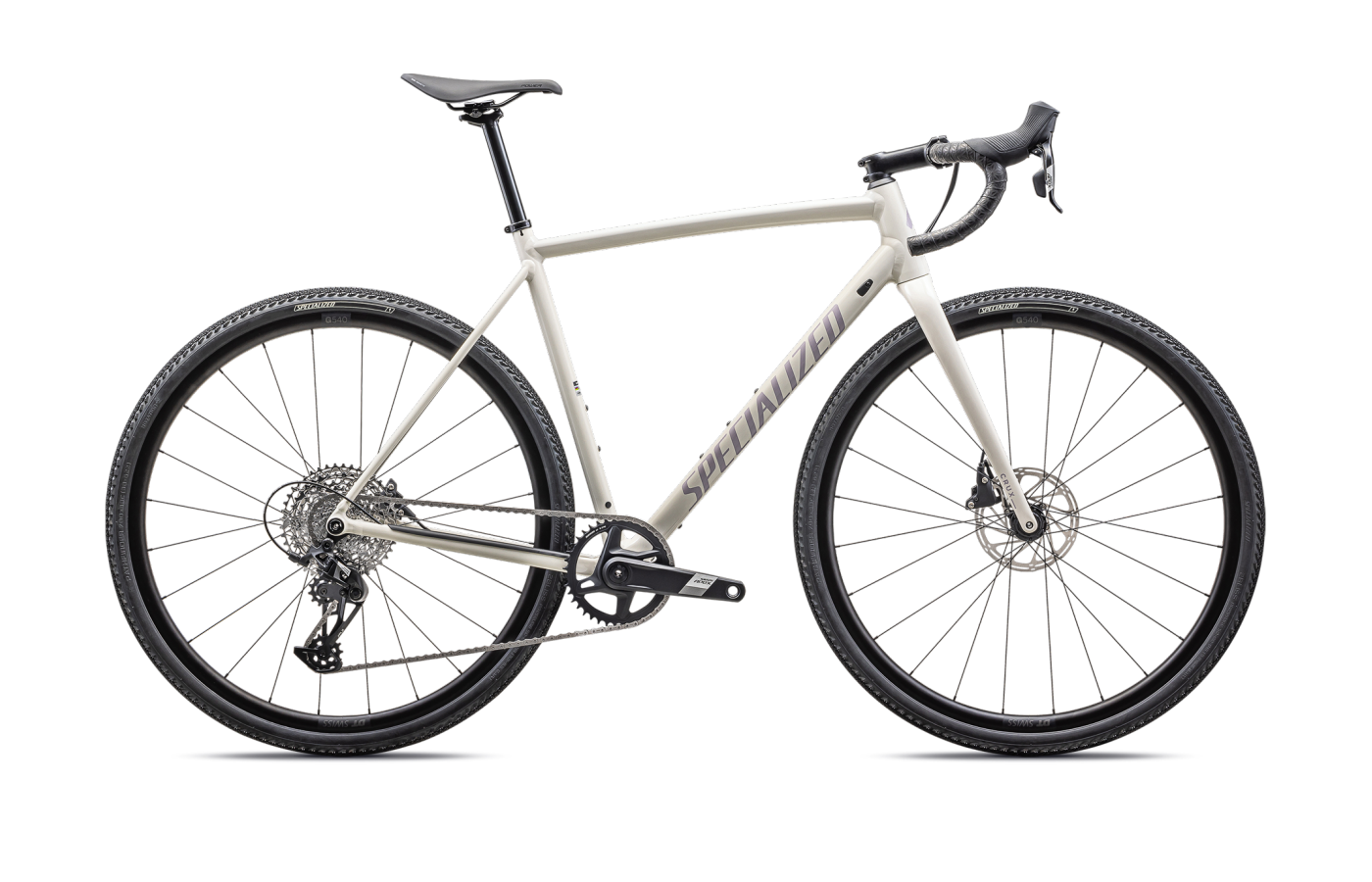
The Specialized Crux is the closest weight rival to the Factor LS — a similarly minimalist frame, but with more modern, stable geometry and even more tire clearance. The mainstream alternative if you want LS-level lightness without the boutique price.
Compare →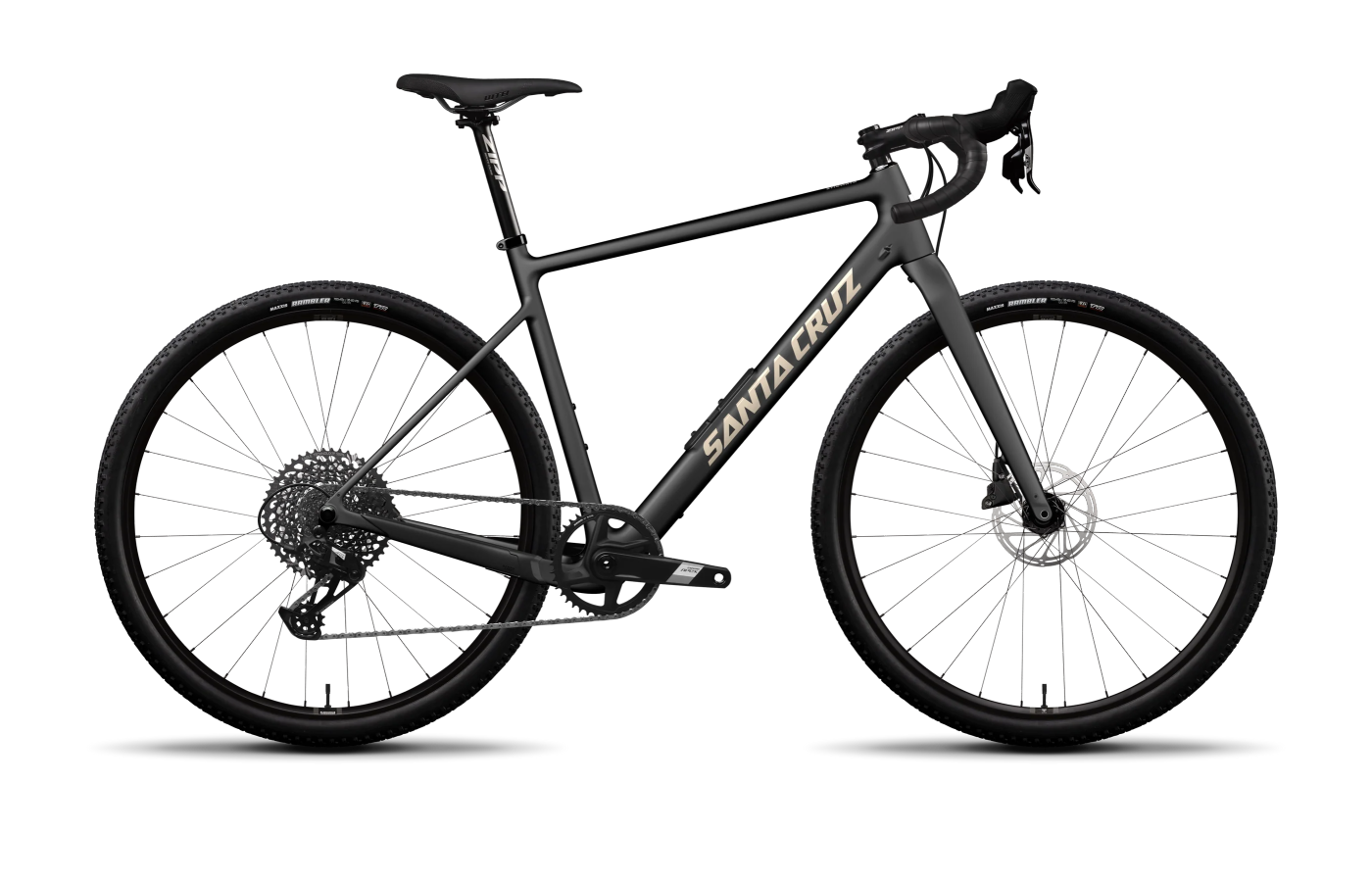
Stigmata
The Santa Cruz Stigmata pushes tire clearance well past either bike here (up to 47 mm) and pairs it with a slacker, more mountain-influenced front end. The pick if the Aspero's pace appeals but you want a calmer hand on chunky descents.
Compare →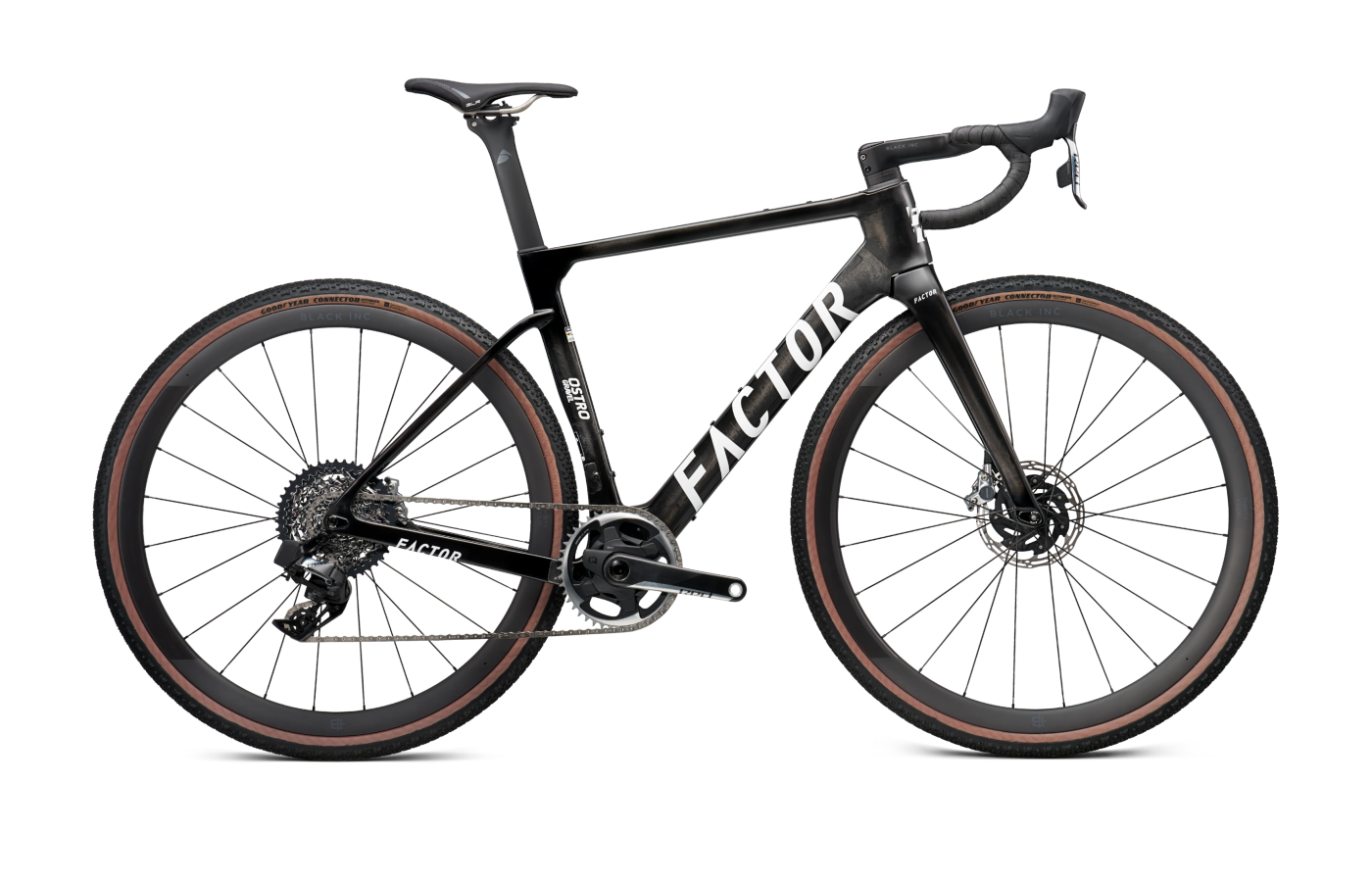
Ostro Gravel
The Factor Ostro Gravel keeps the Factor brand and ride character but adds the aero integration and modern racing geometry the LS lacks. The natural step up if you like Factor's feel but want a more current platform.
Compare →