O2 VAM
vsOstro VAM
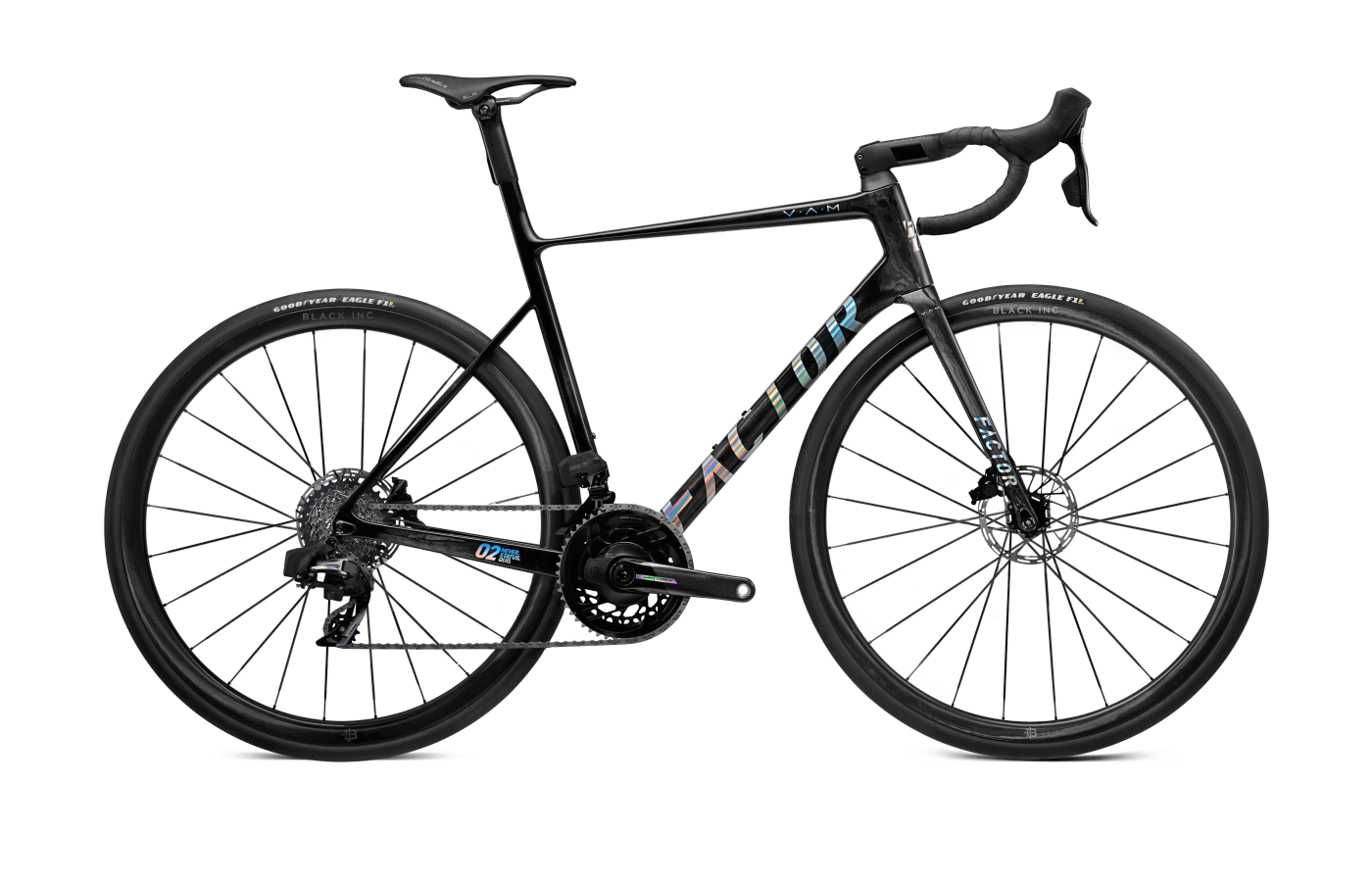
Same family, two specialists.
Factor's lightweight climber meets its aero stablemate. The O2 VAM goes up; the Ostro VAM goes fast. The geometry barely changes — the wheels and tubes do.
O2 VAM
- Lighter frame at 700 g claimed — the tangible weight advantage is felt every time the road kicks up.
- Shallow climbing wheels — Black Inc 28|33 contributes to UCI-troubling sub-6.5 kg complete builds in the upper trims.
- Slightly more upright fit — 10 mm taller stack at size 54 keeps you comfortable on long ascents without piling on spacers.
- Roughly 5 watts slower than the Ostro at 48 km/h, by Factor's own numbers.
- Several reviewers initially called the front end "twitchy" before adapting.
Ostro VAM
- Aero advantage — Factor claims a 7-watt save at 48 km/h over the previous Ostro, and roughly 5 watts on the O2 VAM.
- Deep, stable wheels — the Black Inc 48|58 set holds speed on flats and reviewers found it surprisingly composed in crosswinds.
- Lower, more aero fit — a 542 mm stack and 384 mm reach at size 54 invite a longer, racier tuck.
- Heavier frame (~200 g more than the O2 VAM by claimed spec) blunts the bike on sustained steep climbs.
- Deeper wheels carry more rotational weight on punchy accelerations.
Editor’s analysis
This is the rare in-house comparison where the brand admits both bikes exist on purpose — and the question is which Factor you're after, not whether Factor is for you.
On paper the O2 VAM and Ostro VAM look like two paint jobs of the same bike. Same brand, same Black Inc cockpit, same CeramicSpeed T47 bottom bracket, same 32 mm tire clearance, same trail (58 mm), same chainstays (405 mm), same wheelbase at size 54 (985 mm). Even the head tube angles match. Factor builds them in the same Taiwanese factory, with the same Toray, Nippon Graphite and TeXtreme fibers. The two diverge in only a handful of places — but those places define everything.
The Factor O2 VAM is the climber's bike: a 700 g claimed frame, paired with the shallow Black Inc 28|33 wheelset. Factor talks about a 35% stiffness gain over the previous O2 — enough to put it on par with the Ostro at the bottom bracket — and a 10 mm taller stack at every size to prop you up for long ascents. Reviewers consistently call it "blisteringly responsive" on climbs and lighter than 6.5 kg in upper builds. It's not slow on the flats, but Factor concedes it gives up roughly 5 watts at 48 km/h to the Ostro.
The Factor Ostro VAM is the wind-cheater. The frame is heavier (~900 g claimed in our build data, ~820 g painted by Factor's spec) and shipped with the deeper Black Inc 48|58 wheelset. Tube shapes are aggressively truncated, the head tube is hour-glassed, and the seatpost narrows to 15 mm. Reviewers compare its high-speed composure to driving a Porsche — fast, calm, almost dampened. It still climbs well (Factor says "like a light climbing bike"), but it lives on the flats and rolling roads.
Geometry-wise the differences at size 54 are small but directional. The Ostro sits 10 mm lower in stack (542 vs 552 mm) and 3 mm longer in reach (384 vs 381 mm) — a more aggressive, aero tuck on the Ostro versus a slightly more upright climbing posture on the Factor O2 VAM. Trail, head angle and chainstays are identical, so the steering character at speed feels deliberately similar. This is one bike platform, two carefully chosen jobs.
Where the builds differ.
Comparing our editor's-pick builds side-by-side. Winners highlighted row-by-row — lower price and weight, and the better-spec component, each mark a point.
Build variants & pricing
Both lineups span four builds and stay tightly within Factor's premium bracket — there are no entry-level options on either side.
Prices are current US MSRP. The O2 VAM's price floor sits roughly $900 above the Ostro VAM's at every tier — a function of the lighter frame and lighter wheelset, not a difference in groupset spec.
How they fit, how they steer.
Both at size 54. The O2 VAM sits 10 mm taller in stack and 3 mm shorter in reach — a more upright climbing posture. Trail (58 mm), head tube angle (72.5°), chainstays (405 mm) and wheelbase (985 mm) are identical, so steering character is deliberately matched.
Which size should I buy?
Both bikes share Factor's seven-size run from 45 to 61 with a consistent 57–58.6 mm trail figure across sizes — pick by stack first.
→These are starting points. Flexibility, riding style, and preferred position all shift the answer — if you’re between sizes, a professional fit beats a chart.
What the magazines said.
Published reviews from trusted cycling outlets. Click through for the full write-up.
Which one should you buy?
If you live for the climb, get the O2 VAM. If most of your watts go into the wind on flat or rolling roads, get the Ostro VAM.
O2 VAM
If your local roads point up and your goal is a bike that disappears underneath you on a long ascent, the O2 VAM is the lighter, more buoyant tool. The shallower wheelset, lower frame weight and slightly taller stack all stack up in your favor when the gradient does.
Ostro VAM
If most of your riding is flat or rolling and you race or chase Strava segments above 35 km/h, the Ostro VAM's deeper wheels and truncated tube profiles will pull you along. It still climbs well — just not quite as well as its lighter sibling.
Questions buyers actually ask.
Short answers to the things we get emailed about most often.
01How much faster is the Ostro VAM than the O2 VAM on flat roads?
By Factor's own published numbers, the Ostro VAM is roughly 5 watts faster at 48 km/h — a figure echoed by multiple reviewers. That works out to a small but real time saving on a 40 km flat effort, but well below 1% of total drag for a typical rider.
At social-ride speeds below 30 km/h, the gap shrinks to something you'll never feel.
02How much lighter is the O2 VAM?
Factor claims a 700 g frame for the O2 VAM versus a 900 g frame for the Ostro VAM in our build data (Factor's own marketing typically cites ~820 g painted for the Ostro at 54 cm). Either way, the O2 VAM is the lighter platform, and reviewers reported complete builds dipping below 6.5 kg on the upper trims — UCI-illegal-light territory.
On a 30-minute climb, that 100–200 g delta translates to a handful of seconds for a 70 kg rider — modest in absolute terms, but the kind of edge climbers chase.
03Do both bikes share the same geometry?
Almost. At size 54, both bikes share an identical 72.5° head tube angle, 74° seat tube angle, 58 mm trail, 405 mm chainstays and 985 mm wheelbase. Factor uses up to four fork offsets across the size range to keep that trail figure consistent on every frame.
The two differences are stack and reach: the O2 VAM is 10 mm taller (552 vs 542 mm) and 3 mm shorter (381 vs 384 mm). That's a more upright climbing posture on the O2 VAM and a slightly more stretched-out aero position on the Ostro VAM.
04What's the maximum tire clearance on each?
Both frames officially clear 32 mm tires, which is generous for a pair of pure race bikes. The catch is the wheels they ship on: the O2 VAM's Black Inc 28|33 set is shallower and better suited to climbing tires; the Ostro VAM's 48|58 set is wider internally but biased toward aero.
Neither is a gravel bike, but both will happily run a 30 mm road tire for rougher paved roads.
05Why are both bikes shipped with tube-type tires?
It's a real annoyance reviewers have flagged on both bikes. The Black Inc wheels on each platform are tubeless-ready, but Factor specs the Goodyear Eagle F1R clincher with inner tubes from the factory.
Most owners swap to a tubeless setup almost immediately to take advantage of the wheels' real performance — budget for new tires, tape, and sealant on top of the sticker price.
06Does the editor's-pick build come with a power meter?
Yes — both editor's picks are the SRAM Force AXS w/ Power Meter trims. That's intentional: Factor has been criticized for omitting power meters on some Dura-Ace and Red builds, so picking the Force-with-PM tier on each side keeps the comparison apples-to-apples and avoids the hidden $300–$400 add-on cost some buyers run into on the Shimano builds.
07Are the integrated cockpits adjustable?
Both bikes ship with a Black Inc Integrated Barstem — a one-piece bar/stem with internal hose routing. Factor's standout feature is that you can spec bar width and stem length at the point of purchase for free, which most competitors charge extra for or don't offer at all.
After the fact, changing dimensions means buying a new unit and a partial hose re-route — figure on roughly a shop's afternoon of labor.
08If the bikes share so much, why does Factor sell both?
Because the niches genuinely diverge. The O2 VAM is built for elite climbers and weight-weenies who want the lightest possible UCI-legal race bike, with shallow wheels and a slightly more upright fit. The Ostro VAM is built for crit racers, breakaway specialists and anyone whose roads are mostly flat — deeper wheels, more aggressive tube shaping, lower stack.
For most riders one of these is clearly the right answer; the in-house comparison just makes that choice easier.
Similar bikes
If your priorities don’t map cleanly onto either of these, one of these adjacent bikes probably fits better.
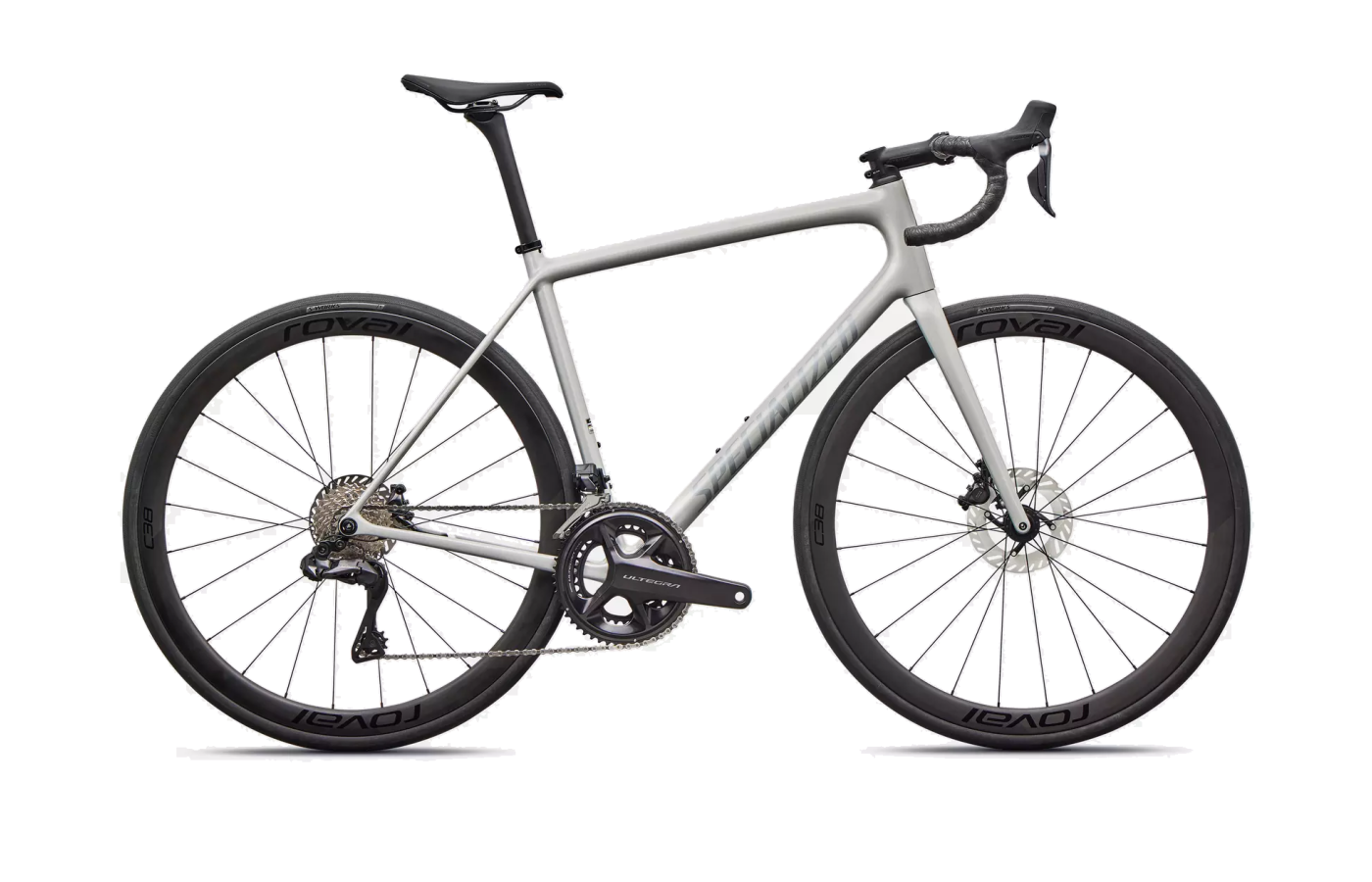
Aethos
The pure-climber alternative to the O2 VAM — Specialized's 5.9 kg classical climber, all round tubes, zero aero pretension. If the O2 VAM appeals but you want to lose the integrated cockpit and aero shaping entirely.
Compare →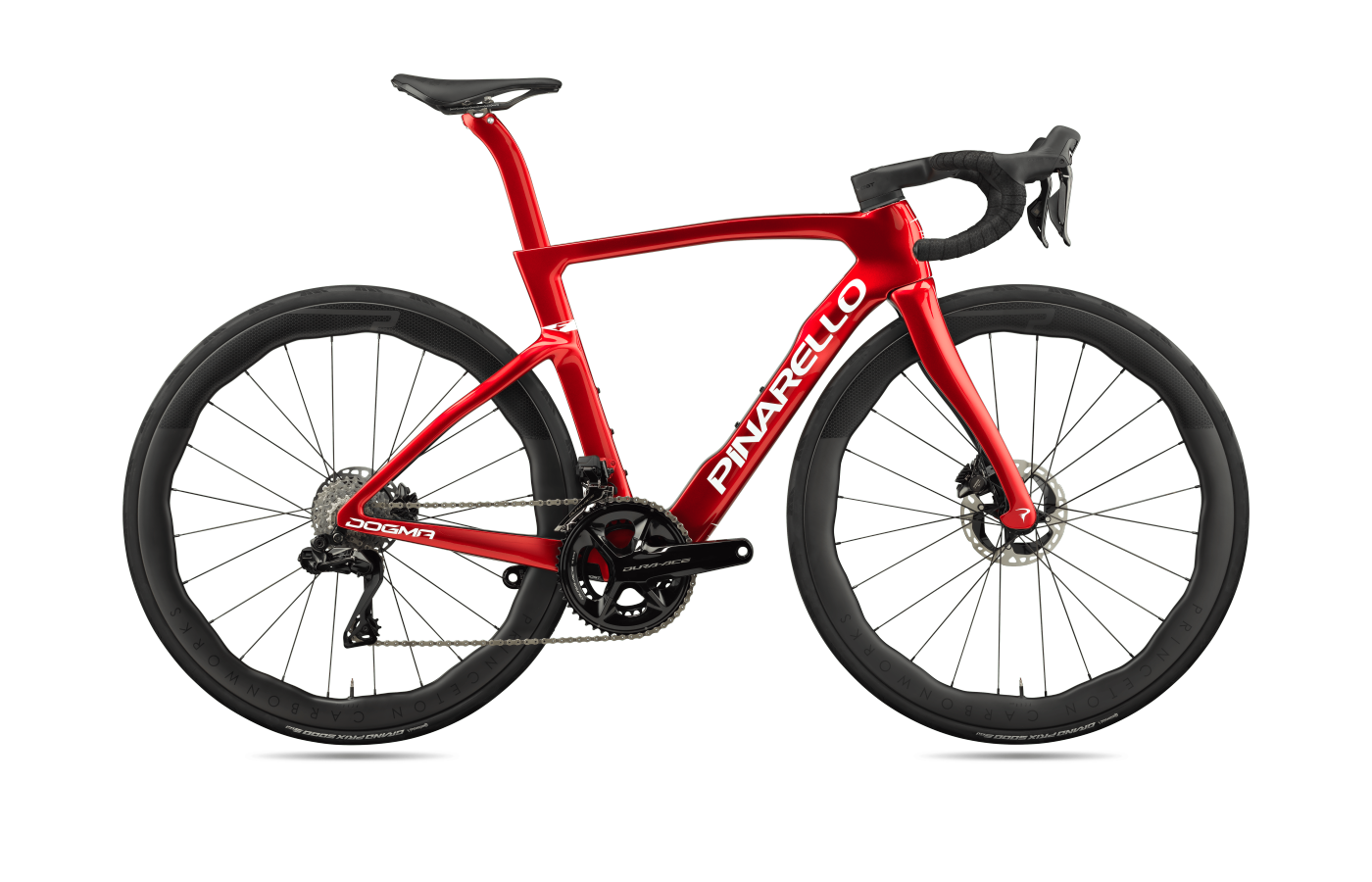
Dogma F
Pinarello's do-everything race flagship — heavier on heritage and price than either Factor, but a similarly singular character. For the rider who wants pro pedigree first and rationalism second.
Compare →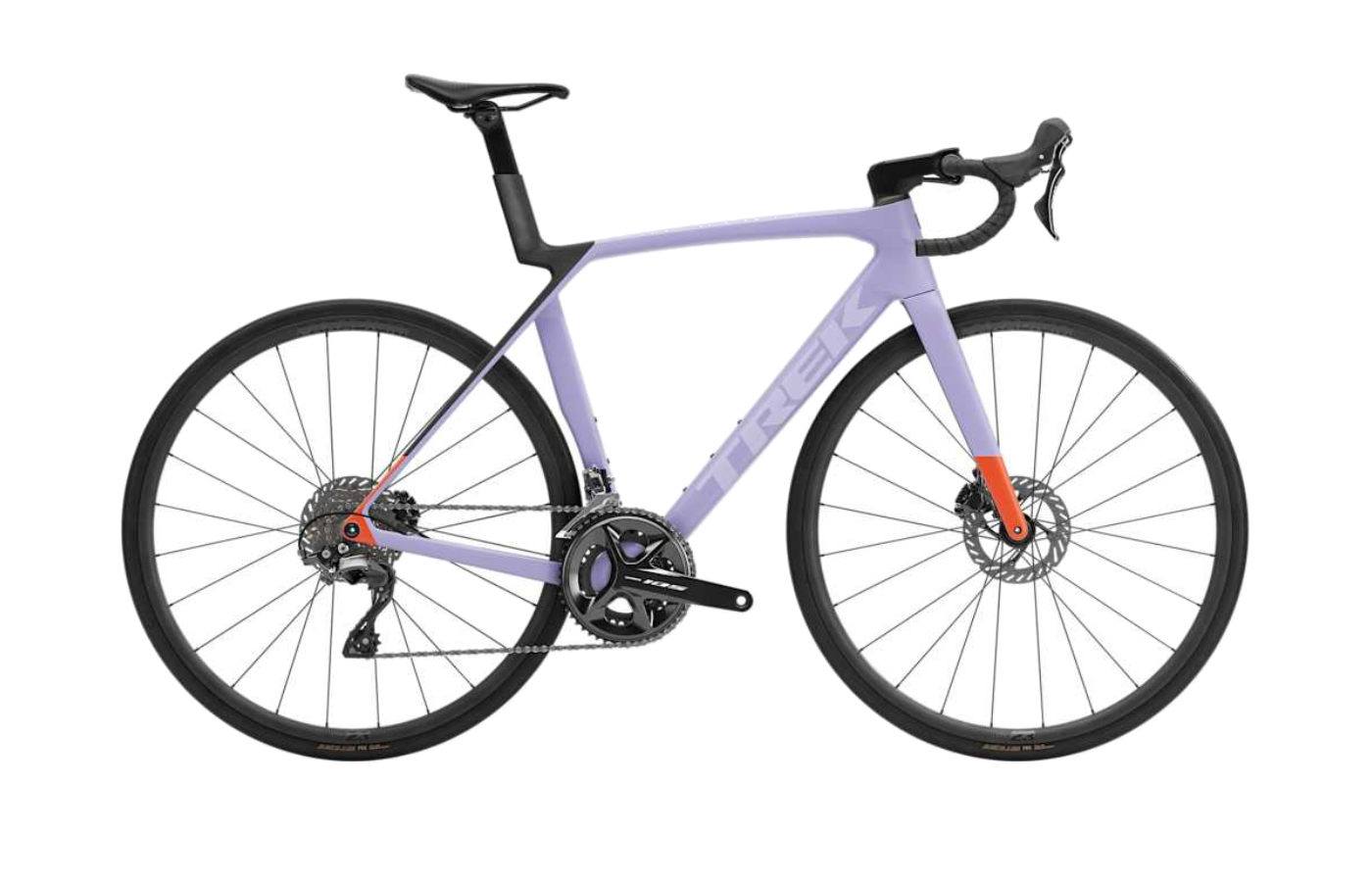
Madone
Trek's dedicated aero race bike with the IsoFlow decoupler — a direct rival to the Ostro VAM that adds a compliance cutout aimed at softening longer days, at a small weight penalty.
Compare →