O2
vsTarmac
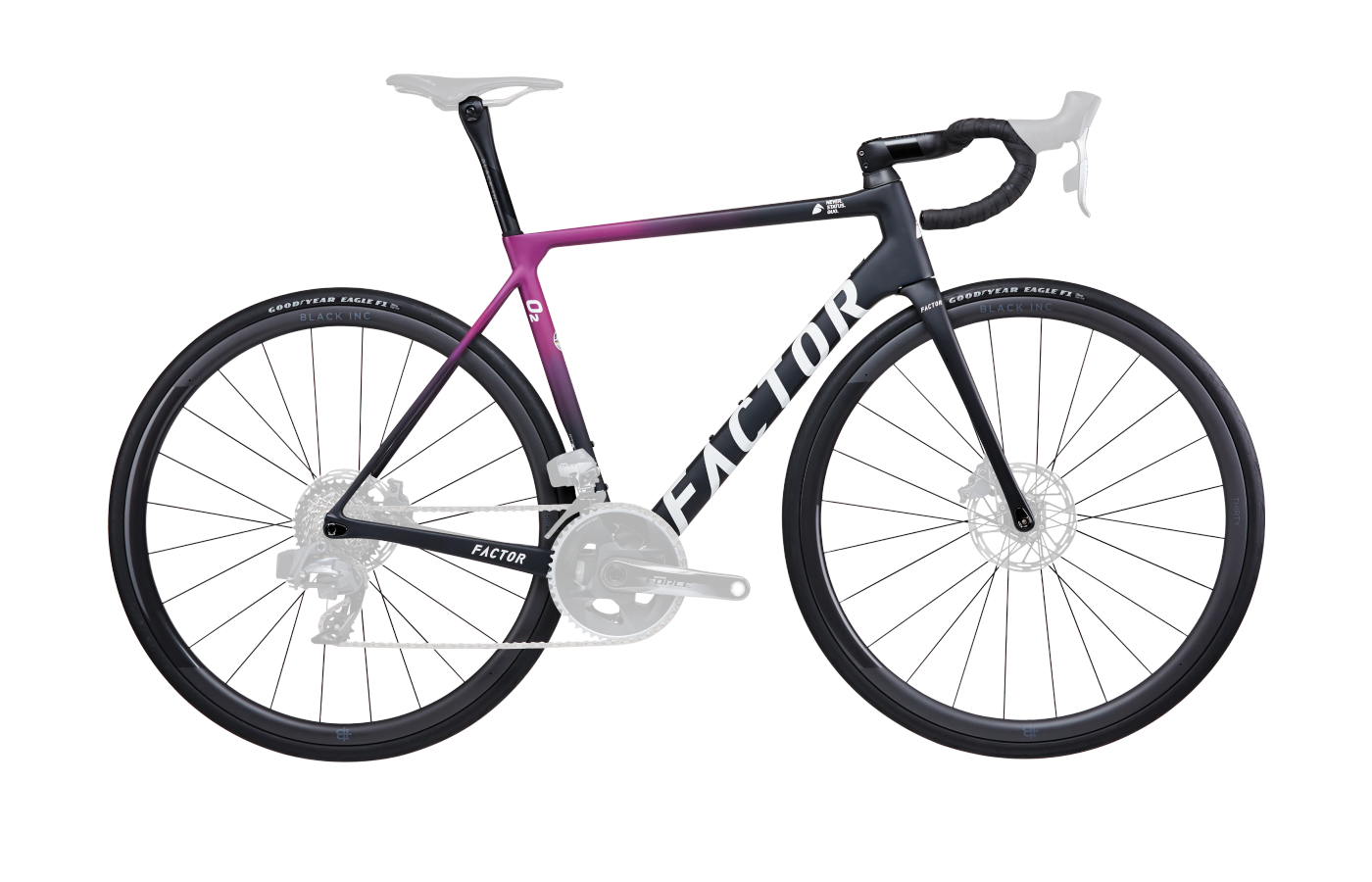
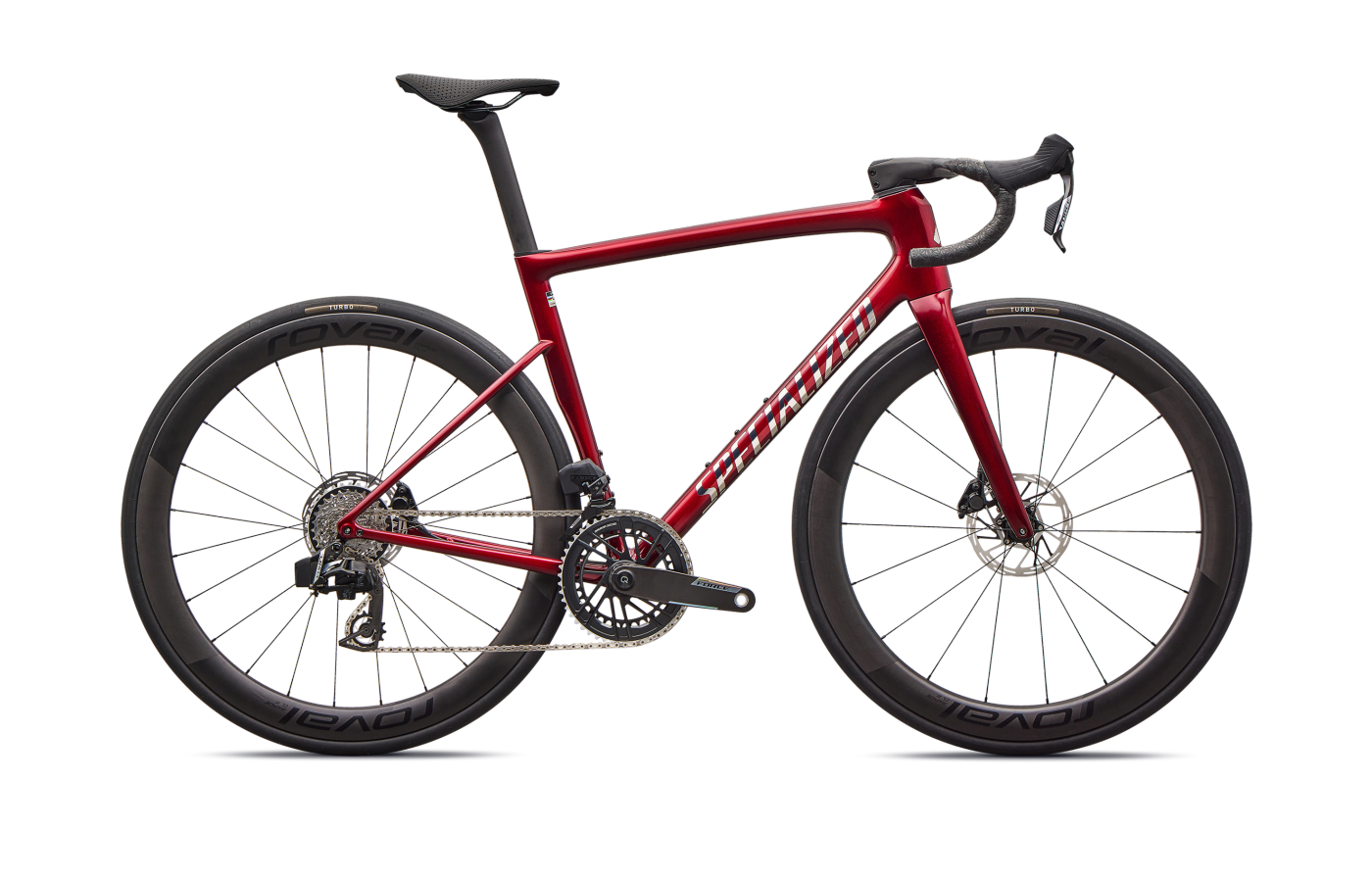
Two climbing-leaning carbon race bikes — one specialist, one generalist.
The Factor O2 is a featherweight climbing scalpel built by a boutique brand. The Tarmac SL8 is the do-everything race bike from cycling's biggest name.
O2
- Class-leading climber — reviewers cite 'no real rivals' uphill, with top builds reported as low as 6.2 kg.
- Boutique exclusivity — a Factor at the local fondo gets noticed; a Tarmac doesn't.
- Consistent component philosophy — every build runs the same Black Inc cockpit and 28|33 wheels, so you're not paying extra for a 'real' frame.
- Firm, demanding ride — the integrated seatpost does little to soften road chatter.
- Limited dealer and service network compared to mainstream brands.
Tarmac
- Genuinely versatile — climbs near the top of its class, holds aero pace within a handful of watts of dedicated aero bikes, and stays composed on long rides.
- Wide build range from $4,699 to $13,499 — the entry-level Comp is half the price of any O2.
- Wider tire clearance — 32 mm versus the O2's 30 mm leaves room for chip-seal and bad pavement.
- Stock 26 mm S-Works Turbo tires get near-universal criticism — most reviewers swap them immediately.
- Integrated Roval cockpit on Pro and S-Works builds limits fit adjustability, and replacing it is expensive.
Editor’s analysis
Both bikes excel uphill — but only one of them is only about going up.
On the spec sheet the Factor O2 and Specialized Tarmac SL8 look almost interchangeable at size 54: identical 384 mm reach, the Factor sitting just 2 mm lower in stack, head tube angles within 0.1 degree of each other. Spend any time digging past geometry and the design briefs diverge sharply.
The Factor O2 is a single-purpose climbing machine with a boutique-brand price floor. Reviewers describe it as 'one of the absolute best bikes one can have' uphill, with 'no real rivals' on a steep gradient — the top build reportedly hits 6.2 kg complete. The trade-off is a firm, demanding ride: the integrated seatpost transmits road buzz, and the steering is 'sensitive to every solicitation,' which translates to twitchy at speed unless you ride it with conviction. There are no entry-level builds — the cheapest O2 is $8,199.
The Specialized Tarmac SL8 picks no lane and somehow excels in all of them. It's nearly as aero as a Cervélo S5 (209 W vs 205 W at 45 km/h in published wind-tunnel testing), takes 32 mm tires, and is praised for being 'surprisingly comfortable' for a race bike thanks to a claimed 6% bump in saddle compliance over the SL7. It's also been ridden to WorldTour wins in classics, GC, and bunch sprints. The SL8 starts at $4,699 and runs all the way to $13,499 — twice the build range Factor offers.
Put another way: the Factor O2 is what you buy when climbing is the whole point and you don't want a Specialized. The Tarmac SL8 is what you buy when you want one bike to do everything and you don't mind that everyone at the group ride owns one too.
Where the builds differ.
Comparing our editor's-pick builds side-by-side. Winners highlighted row-by-row — lower price and weight, and the better-spec component, each mark a point.
Build variants & pricing
Tier-matched picks: both Force AXS, within $100 of each other. The Tarmac extends much further in both directions.
Prices are current US MSRP. The Factor O2 only sells from $8,199 up — there's no entry-level Force or 105 build, and the wheelset/cockpit are the same across every price point. The Tarmac SL8 starts at $4,699 with SRAM Rival and runs to $13,499 for the S-Works.
How they fit, how they steer.
Both at size 54 — the fit-picked size for a 5'8" rider. Reach is identical at 384 mm; the Factor O2 sits 2 mm lower in stack with a 4 mm shorter chainstay and 6 mm shorter wheelbase, hinting at the more aggressive climb-and-corner posture reviewers consistently describe.
Which size should I buy?
Size recommendations based on stack, reach, and effective top tube. The Tarmac SL8 offers more sizes (44 to 61) than the Factor O2 (49 to 58).
→These are starting points. Flexibility, riding style, and preferred position all shift the answer — if you’re between sizes, a professional fit beats a chart.
What the magazines said.
Published reviews from trusted cycling outlets. Click through for the full write-up.
Which one should you buy?
If your weekends are about going uphill fast and you want something nobody else owns, get the Factor O2. If you want one race bike that does everything from crits to centuries, get the Tarmac SL8.
O2
If your favorite rides go up, your KOMs are on gradients steeper than 6%, and you'd rather own something the rest of the group doesn't, the Factor O2 is the more focused tool. Just know the ride is firm and the steering rewards riders who commit.
Tarmac
If you want one bike for crits, climbs, group rides, and the occasional 100-mile day on questionable pavement, the Tarmac SL8 is still the benchmark. Lighter than most aero bikes, faster than most lightweights, and available across an unusually wide price range.
Questions buyers actually ask.
Short answers to the things we get emailed about most often.
01Which is the better climber?
The Factor O2, by reviewer consensus and by claimed weight. Cyclonline calls it 'one of the absolute best bikes one can have' uphill with 'no real rivals,' and reports the top build at 6.2 kg complete.
The Tarmac SL8 is no slouch — the S-Works hits 6.67 kg in size 56 and reviewers describe it 'dancing uphill' — but the O2 is a more single-mindedly climbing-focused frame, and the difference shows on sustained gradients.
02Which is faster on flat roads?
The Tarmac SL8. Specialized's published wind-tunnel testing puts it at 209 W to hold 45 km/h, only 4 watts behind the dedicated-aero Cervélo S5 — and reviewers note the O2 'suffers on long flat stretches, where other more rigid and aerodynamic frames do better.'
The Factor O2 is built around weight and stiffness rather than aero tube shapes, so it gives back a meaningful chunk of speed above 35 km/h on flat ground.
03What's the maximum tire clearance?
Factor O2: 30 mm.
Tarmac SL8: 32 mm.
Neither is a gravel bike, but the Tarmac's extra 2 mm of clearance gives you a little more breathing room for rough chip-seal or wider rubber. Most reviewers actually recommend running 28-30 mm tires on the SL8 anyway — the stock 26 mm S-Works Turbos are widely criticized.
04How comfortable is each on long rides?
The Tarmac SL8 is consistently described as 'surprisingly comfortable for a race bike,' with Specialized claiming a 6% increase in saddle compliance over the SL7. Reviewers report being able to ride 'flat out for a long time without getting battered about.'
The Factor O2 is the opposite: Cyclonline writes that its ride comfort 'cannot be defined as comfortable,' with the integrated seatpost specifically called out as a contributor to the firm feel. On 'damaged asphalt,' reviewers say the bike 'requires decision and a firm handlebar.' For multi-hour days on poor pavement, the Tarmac is the easier ride.
05Are the integrated cockpits adjustable?
Both ship with one-piece integrated bar/stem units that limit post-purchase adjustability.
The Factor O2's Black Inc Integrated Barstem comes with multiple stem-length and bar-width options at order time, but changing later means buying a new unit.
The Tarmac SL8's Roval Rapide cockpit (on Pro and S-Works) is similar, and reviewers consistently flag this as a real cost — 'enforced component sizes are a pain' (Cyclingnews), with one reviewer reporting $600+ to swap for a longer stem. The Tarmac's cheaper Expert and Comp builds use a two-piece bar/stem, which is less aero but much more flexible to fit.
06Which has more build options?
The Tarmac SL8, by a wide margin. Specialized offers 12 build configurations from $4,699 (SL8 Comp with SRAM Rival AXS) to $13,499 (S-Works with Dura-Ace Di2 or SRAM Red AXS). Frame carbon varies between FACT 10r (Comp/Expert/Pro) and FACT 12r (S-Works).
The Factor O2 offers 4 builds, all on the same 885 g VAM frame, ranging from $8,199 (Shimano Ultegra Di2) to $10,299 (SRAM Red AXS with power meter). There is no entry-level option.
07Which has the better dealer and service network?
The Tarmac SL8, decisively. Specialized has one of the largest dealer networks in cycling — there's likely a shop within a short drive that can do warranty work, fit, and demos.
The Factor O2's main reviewer complaint outside of ride character is the 'limited sales and assistance network.' If you're not near a Factor dealer, expect mail-order service and longer turnarounds on warranty or crash replacement. For some riders that's a deal-breaker.
08Do both come with a power meter?
Factor O2: the SRAM Red and SRAM Force builds ship with a power meter. The Shimano Dura-Ace and Ultegra builds do not.
Tarmac SL8: all SRAM-equipped builds (Comp, Expert, Pro, S-Works) ship with a SRAM crank-spider power meter. The Shimano Dura-Ace S-Works build ships with a 4iiii dual-sided meter. The Shimano Ultegra Pro build does not include a power meter.
Similar bikes
If your priorities don’t map cleanly onto either of these, one of these adjacent bikes probably fits better.
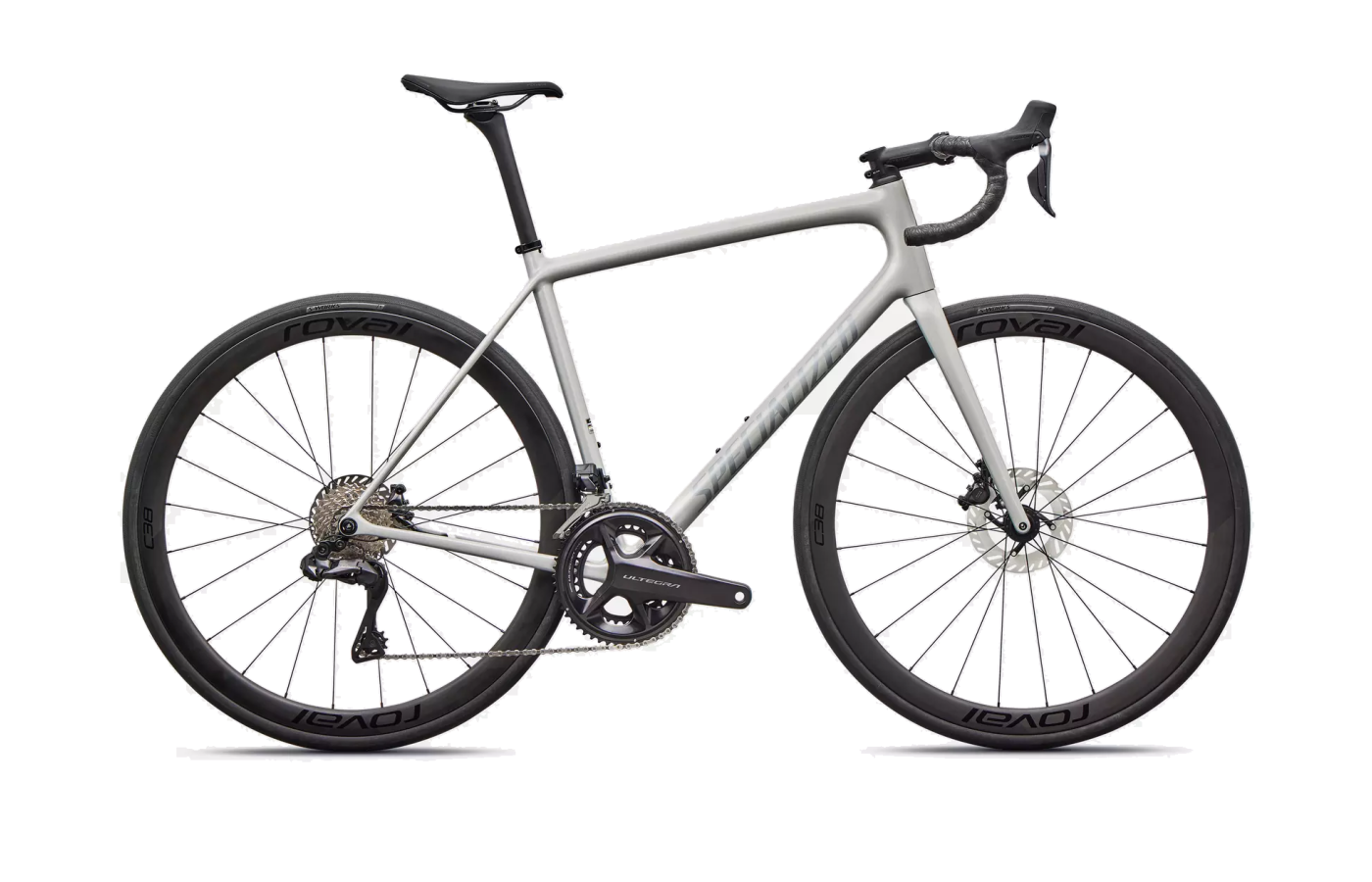
Aethos
Specialized's anti-aero climbing play — sub-6 kg, classical round tubes, zero integration. If the O2's climbing focus appeals but you want Specialized's dealer network behind it, this is the obvious cross-shop.
Compare →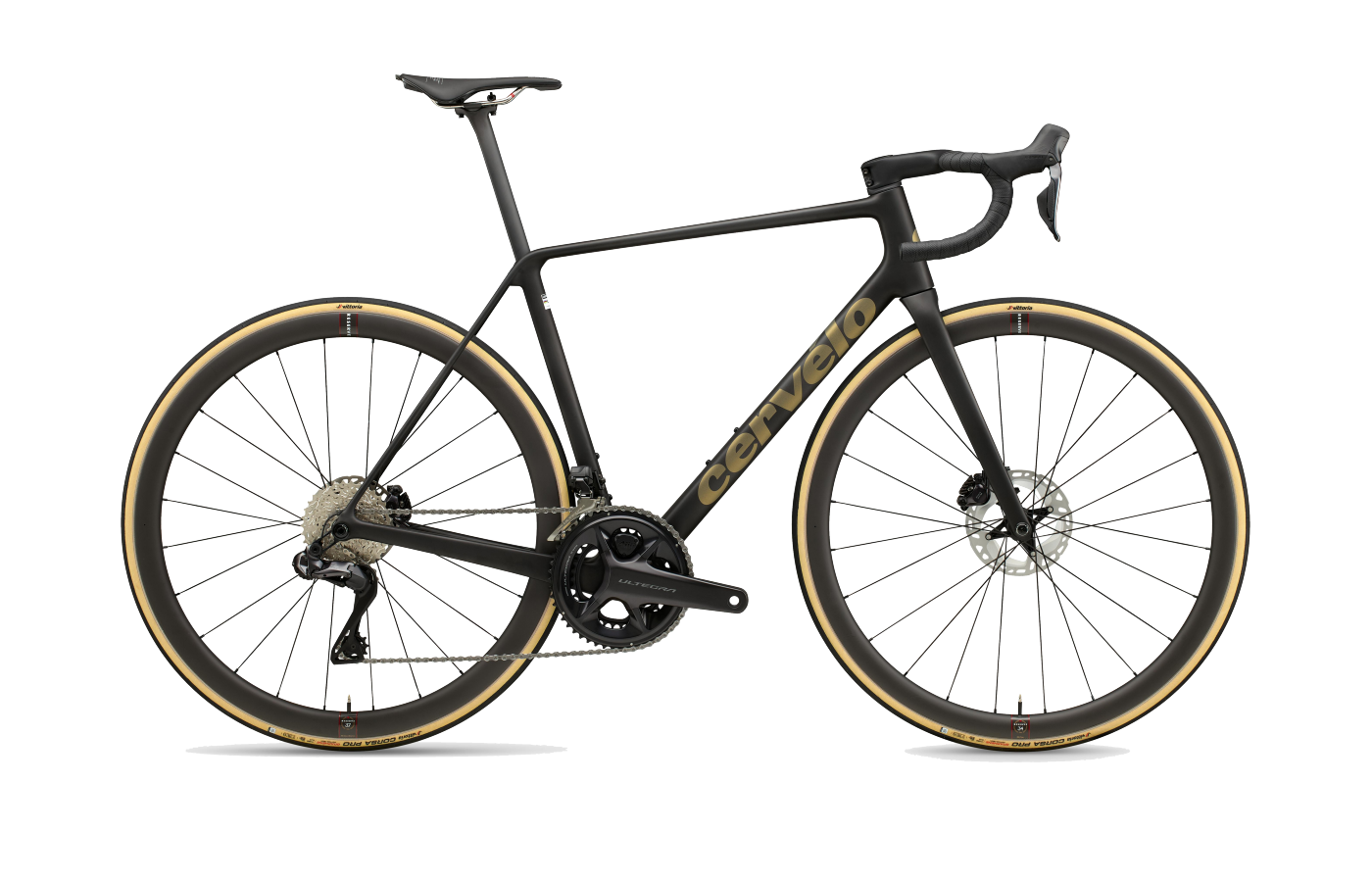
R5
Cervélo's pure climbing bike — a featherweight chassis often praised for being more comfortable than the O2 while delivering similar uphill performance. The natural alternative if the Factor's firm ride is the deal-breaker.
Compare →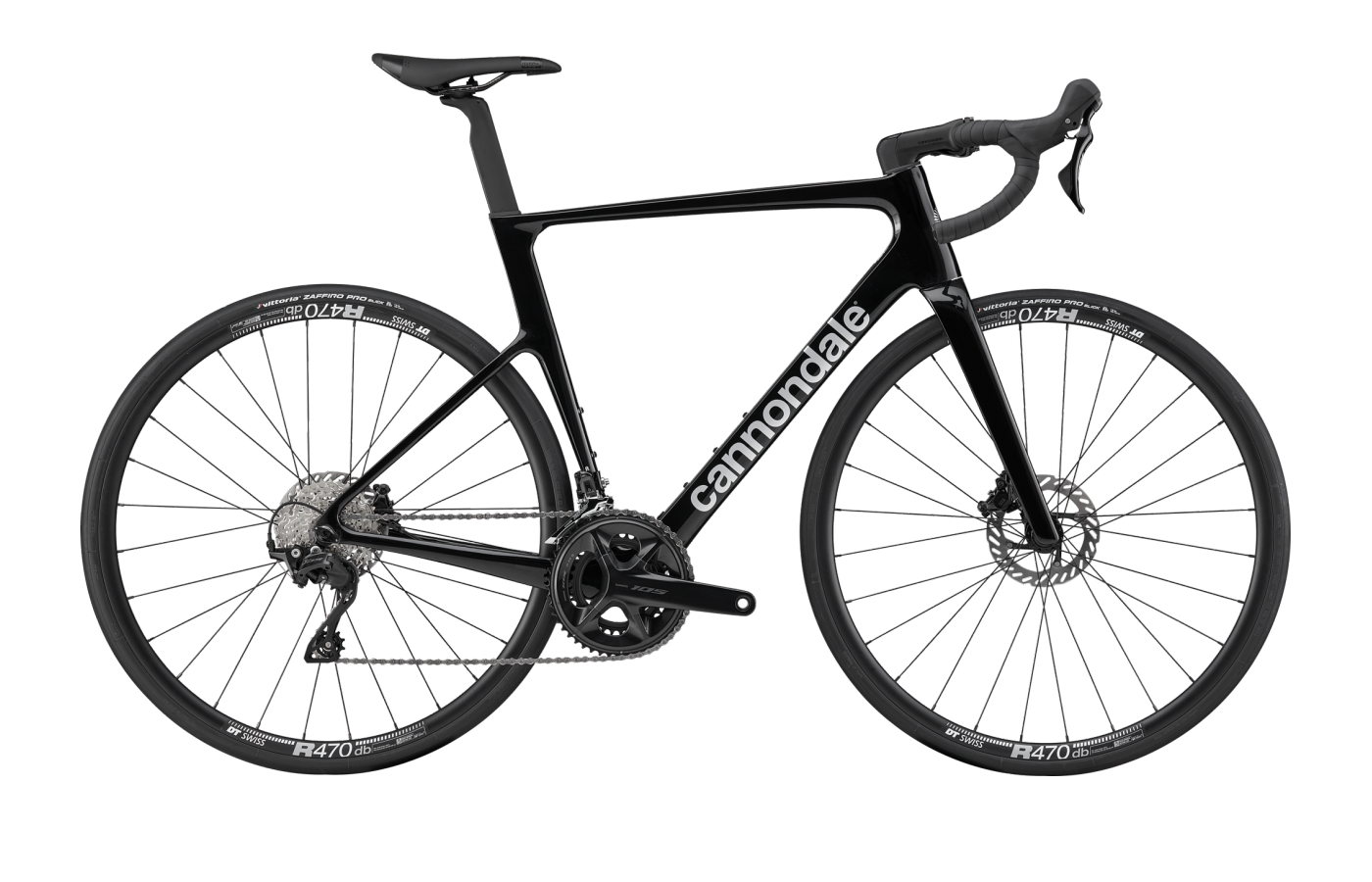
SuperSix EVO
Cannondale's all-rounder — directly comparable to the Tarmac SL8 on the lightweight-meets-aero brief, often at slightly better real-world prices. Worth a demo if you're leaning Tarmac but want to consider the field.
Compare →