DV9
vsChisel
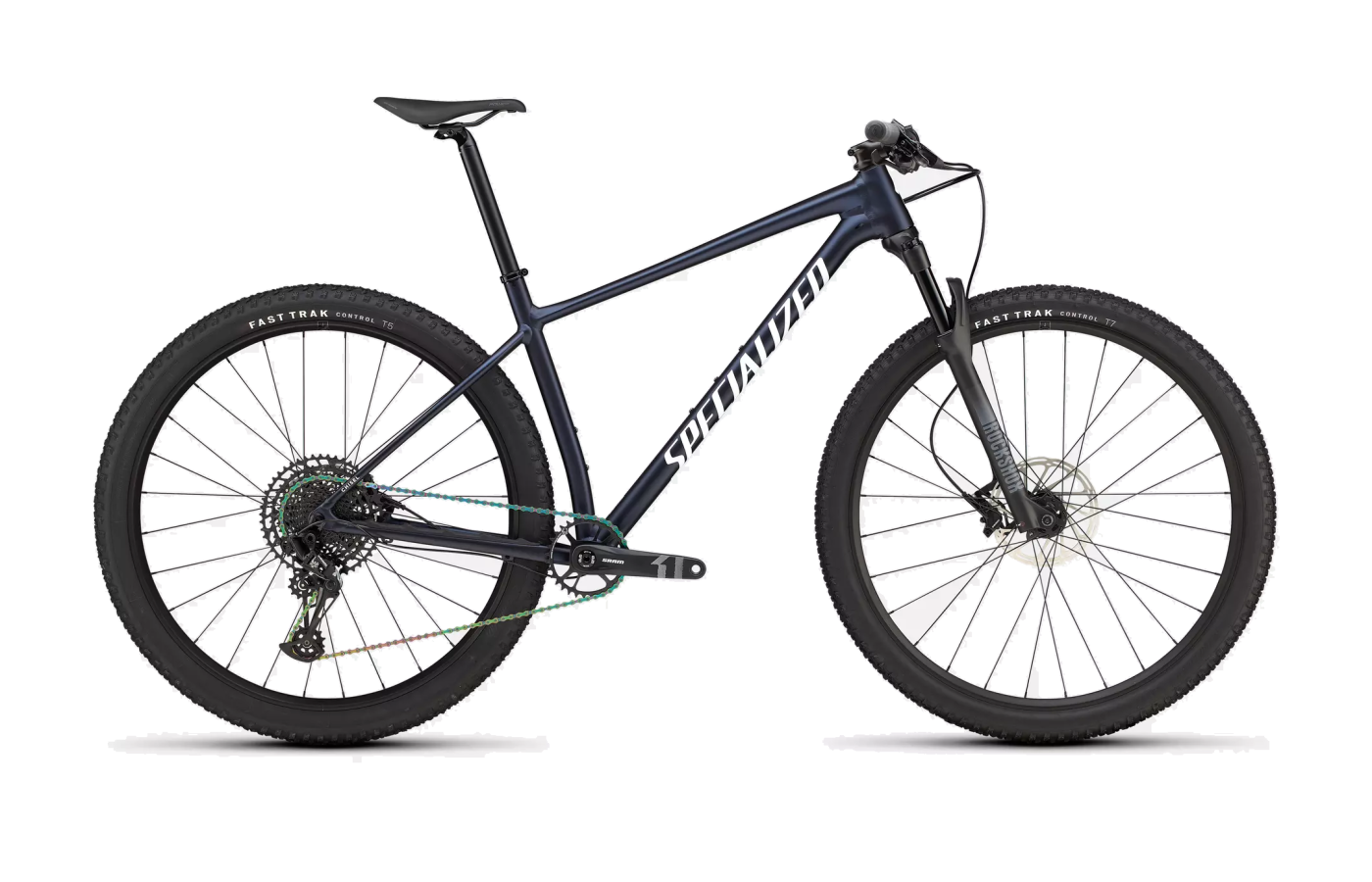
Carbon hardtail purist vs. alloy XC bargain.
The DV9 is a $3k carbon downcountry hardtail with a Fox 34. The Chisel is Specialized's Smartweld alloy XC platform that starts $600 less and scales to a 110 mm full-suspension.
DV9
- Fox Float 34 fork stock — a Performance Series Step-Cast 120 mm at $2,999 is unusually generous for the price.
- Snappy 425 mm chainstays — 12 mm shorter than the Chisel; reviewers consistently call it playful and easy to flick.
- Carbon frame, lifetime warranty — Ibis backs the layup, and reviewers report the V2 rides smoother than the original DV9.
- Single build only — no cheaper entry, no higher trim. What you see is what you get.
- Stock Maxxis Recon Race tires are nearly universally swapped — budget for that immediately.
Chisel
- Eight builds across $1.7k of range — hardtail from $1,899 up to a 110 mm full-sus Comp EVO at $3,599. Pick your price.
- D'Aluisio Smartweld alloy frame — a single-piece seat tube/BB casting that reviewers say feels closer to carbon than aluminum has any right to.
- Geo flip-chip on the full-sus — 66.5° / 67° HTA, lets you tune the platform from XC race to downcountry.
- Lower-tier hardtail builds ship with a RockShox Judy — well behind the DV9's Fox 34 in performance.
- Stock wheels use a Shimano HG freehub on multiple builds, complicating a future cassette upgrade.
Editor’s analysis
This is the rare comparison where one frame material is the entire argument — carbon hardtail purity vs. alloy versatility for less money.
On paper these are both 29er XC-leaning bikes in the $2k–$3.6k bracket. But the Ibis DV9 picks a single lane and sharpens it: one carbon frame, one build (Deore at $2,999), 120 mm Fox 34 Step-Cast up front, no rear shock. The Specialized Chisel is the opposite — a single alloy frame stretched across eight builds from a $1,899 Judy-equipped hardtail up to a $3,599 Comp EVO with a 130 mm Fox 34 Performance Elite and 110 mm of rear travel.
Geometry tells the same story twice. The Ibis DV9 sits 16 mm taller (622 vs. 606 mm stack at the compared sizes) with 10 mm less reach, a half-degree slacker head tube (66.5 vs. 67), and notably shorter 425 mm chainstays — 12 mm tighter than the Chisel's 437 mm. Reviewers who put miles on the DV9 use the same word over and over: snappy. The Chisel goes the other way — longer wheelbase, steeper seat angle, more planted at speed. Bike Magazine called it a momentum machine.
The component story splits along material lines. At $2,999 the DV9 gets a Fox Float 34 Performance Series Step-Cast 120 mm fork — a serious piece of suspension on a hardtail at this price — paired with a Shimano Deore 1x12 drivetrain. The closest-priced Specialized Chisel hardtail (Hardtail Comp, $2,499) runs a RockShox Judy Gold 100 mm fork and SRAM NX Eagle. The Chisel undercuts the Ibis DV9 by $500 but you're trading a Fox 34 for a Judy. Move up to the alloy full-suspension Comp ($3,499) and you get a RockShox SID and 110 mm of rear travel for $500 more than the DV9.
Put another way: the Ibis DV9 is the bike you buy when you've decided a carbon hardtail is the answer. The Specialized Chisel is the bike you buy when you haven't decided yet — it lets you pick your fork, pick your travel, pick your price, and upgrade into the platform over years.
Where the builds differ.
Comparing our editor's-pick builds side-by-side. Winners highlighted row-by-row — lower price and weight, and the better-spec component, each mark a point.
Build variants & pricing
The Ibis DV9 has one build at $2,999. The Chisel spans eight, from a $1,899 alloy hardtail to a $3,599 full-suspension Comp EVO.
Prices are current US MSRP. The editor's-pick comparison below is hardtail-vs-hardtail (Ibis DV9 Deore vs. Chisel Hardtail Comp) — apples-to-apples on suspension architecture. If you want full-suspension, look at the Chisel Comp ($3,499) or Comp EVO ($3,599) instead.
How they fit, how they steer.
Ibis DV9 in MD, Chisel in M — the fit-picked sizes for each. The DV9 sits 16 mm taller (622 vs. 606 mm stack) with 10 mm less reach, a 0.5° slacker head tube, and 12 mm shorter chainstays — measurably snappier on paper. The Chisel runs longer and steeper for a more planted, race-position feel.
Which size should I buy?
Both ranges cover XS-equivalent through XL; the Chisel offers a true XS (390 mm reach), one step smaller than the DV9's smallest.
→These are starting points. Flexibility, riding style, and preferred position all shift the answer — if you’re between sizes, a professional fit beats a chart.
What the magazines said.
Published reviews from trusted cycling outlets. Click through for the full write-up.
Which one should you buy?
If you want a carbon hardtail with a real fork, get the Ibis DV9. If you want flexibility — cheaper entry, full-suspension option, room to upgrade — get the Specialized Chisel.
DV9
If you've decided a 120 mm carbon hardtail is the right tool — for fast, flowy singletrack, lightweight bikepacking, or downcountry rides where you want direct feedback — the Ibis DV9 nails the brief. The Fox 34 Step-Cast is the standout component, and the geometry rewards an active rider.
Chisel
If you want a Specialized XC platform you can grow into — start on the $1,899 alloy hardtail, or jump straight to the 110 mm full-suspension Comp at $3,499 — the Chisel offers a range of entry points the Ibis DV9 simply doesn't. Frame is praised across the board; lower-tier component spec is the trade.
Questions buyers actually ask.
Short answers to the things we get emailed about most often.
01Which is faster on climbs?
It depends which Specialized Chisel you mean. The Ibis DV9 is a carbon hardtail with no rear suspension to bob — it's lighter than any Chisel hardtail (Adventurecycling weighed an SLX-equipped DV9 at 24.7 lbs without pedals; the Chisel Hardtail Comp claims 11.76 kg / 25 lb 14.8 oz at size LG). On smooth fire-road climbs the DV9 is the more efficient bike.
The Chisel Comp full-suspension (12.80 kg / 28 lb 3.5 oz at MD) gives up about 3 lbs and runs 110 mm of rear travel, but reviewers consistently note its anti-squat tune is firm enough to leave the shock open even on climbs. On technical, traction-limited climbs the rear suspension actively helps.
02What's the suspension travel on each?
Ibis DV9 (Deore, $2,999): 120 mm front (Fox Float 34 Performance Series Step-Cast), 0 mm rear — it's a hardtail.
Specialized Chisel: Travel varies by build. The Hardtail Comp ($2,499) runs a 100 mm RockShox Judy Gold up front. The full-suspension Comp ($3,499) gets a 120 mm RockShox SID with 110 mm of rear travel. The Comp EVO ($3,599) bumps the fork to a 130 mm Fox 34 Performance Elite with the same 110 mm rear.
03Which has better stock components for the price?
Comparing the closest-priced builds — Ibis DV9 Deore at $2,999 vs. Chisel Hardtail Comp at $2,499 — the DV9 wins on suspension and frame material. You're getting a carbon frame and a Fox Float 34 Step-Cast vs. an alloy frame and a RockShox Judy Gold for $500 more. The drivetrain is closer (Shimano Deore vs. SRAM NX Eagle, both entry 1x12), and Ibis 933 alloy wheels surprise reviewers — Theradavist and Troy On Trails both call them better than expected for stock.
The Chisel's value case kicks in at the higher trims, where the alloy frame underwrites a full-suspension build for less than carbon competitors.
04How does the geometry compare?
At the fit-picked sizes (DV9 MD, Chisel M):
- Stack: 622 mm (DV9) vs. 606 mm (Chisel) — DV9 sits 16 mm taller
- Reach: 435 vs. 445 mm — Chisel is 10 mm longer
- Head tube angle: 66.5° vs. 67° — DV9 is half a degree slacker
- Chainstays: 425 vs. 437 mm — DV9 is 12 mm shorter
- Wheelbase: 1145 vs. 1177 mm — Chisel is 32 mm longer
- Seat tube angle: 74.5° vs. 75.5° — Chisel pushes you further over the BB
Net effect: the Ibis DV9 is the snappier, more upright bike; the Chisel is longer, lower, and steeper, designed to feel planted at speed.
05What tire clearance do they have?
Specialized Chisel: 59.7 mm officially per Specialized's spec — comfortable room for a true 2.4" tire and likely a 2.5".
Ibis DV9: The carbon frame is reportedly designed around 2.6" rear clearance, but the stock Fox 34 Step-Cast fork is rated for a 2.4" front tire — Troy On Trails called this an unfortunate oversight. Practically, both bikes are most at home on 2.35"–2.4" rubber.
06Should I get the carbon hardtail or the alloy full-suspension?
If your trails are smooth-to-moderate (flowy singletrack, fire roads, light technical climbs) and you value pedaling efficiency and a snappy ride feel, the Ibis DV9 delivers more for the money — carbon frame plus a Fox 34 at $2,999.
If your trails are rougher, you ride longer days, or you want a bike that won't beat you up on chunky descents, the Chisel Comp ($3,499) gives you 110 mm of rear travel and a RockShox SID for $500 more. The full-suspension is the better all-rounder; the hardtail is the more efficient pedaler.
07How upgradeable is each?
Both have threaded BSA bottom brackets — a major plus for home mechanics, no press-fit creak. Both run 30.9 mm dropper posts, so the dropper market is wide open. The DV9 frame is Universal Derailleur Hanger compatible, ready for SRAM Transmission.
The Chisel's main upgrade gotcha: lower-tier builds ship with Shimano HG-style freehub bodies, which limits cassette upgrades unless you also swap the freehub or wheel. Plan for that if you're buying the cheaper builds with the intent to upgrade later.
Ibis's reviewer consensus is that the DV9's Fox 34 fork and 933 wheels are good enough to live with long-term — the dropper lever and tires are the most-cited early upgrades.
08What warranty do they come with?
Both come with a lifetime frame warranty to the original owner. Ibis is widely cited (Theradavist, Bike-test) for backing the DV9's carbon frame for life. Specialized similarly warranties the Chisel's Smartweld alloy frame for the original owner's lifetime against manufacturing defects.
Similar bikes
If your priorities don’t map cleanly onto either of these, one of these adjacent bikes probably fits better.
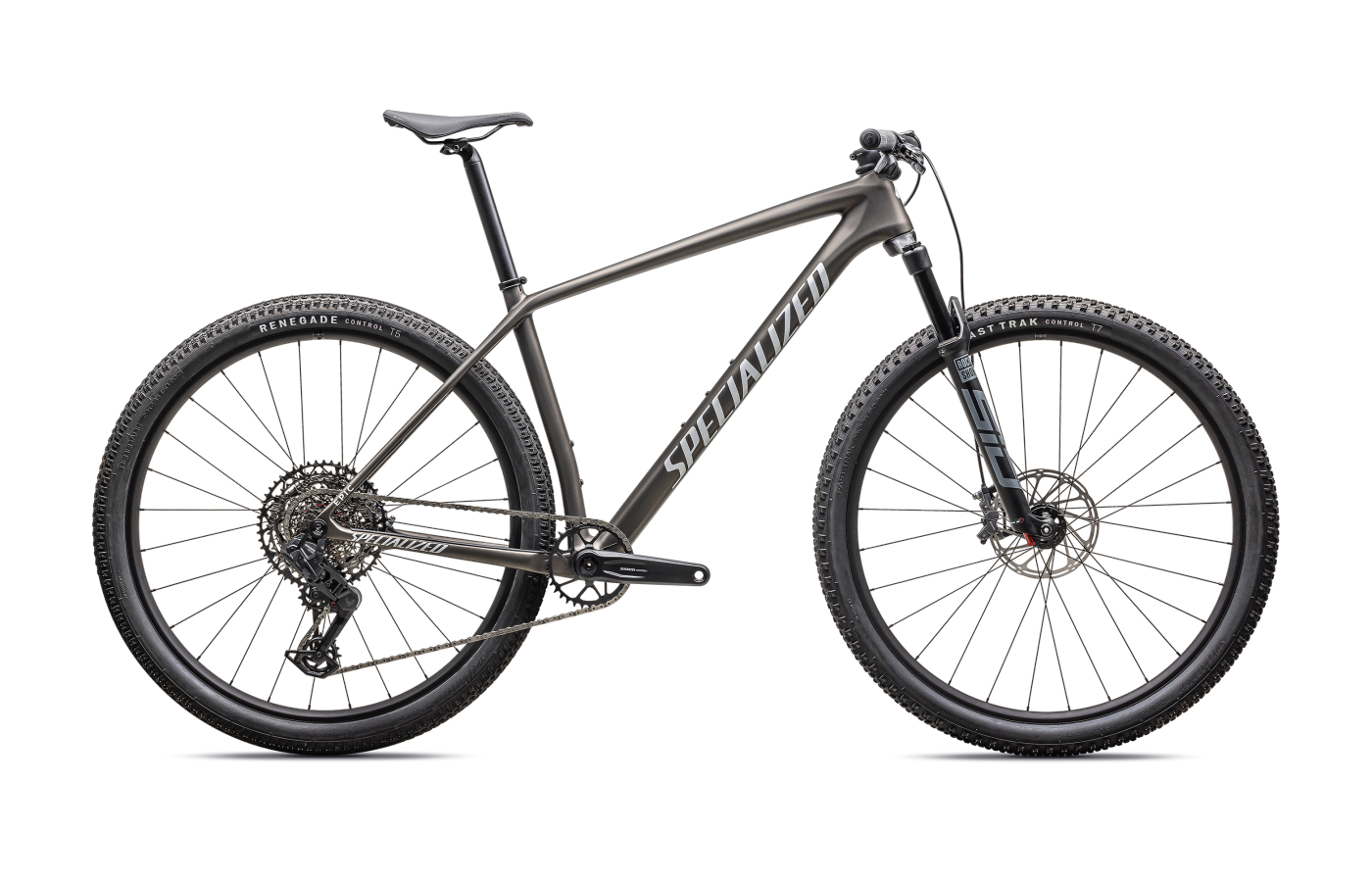
Epic Hardtail
Specialized's flagship XC race hardtail — pure race geometry and a lighter carbon layup than the Chisel hardtail. Pick this if you want the Specialized ecosystem but the DV9's carbon-hardtail efficiency.
Compare →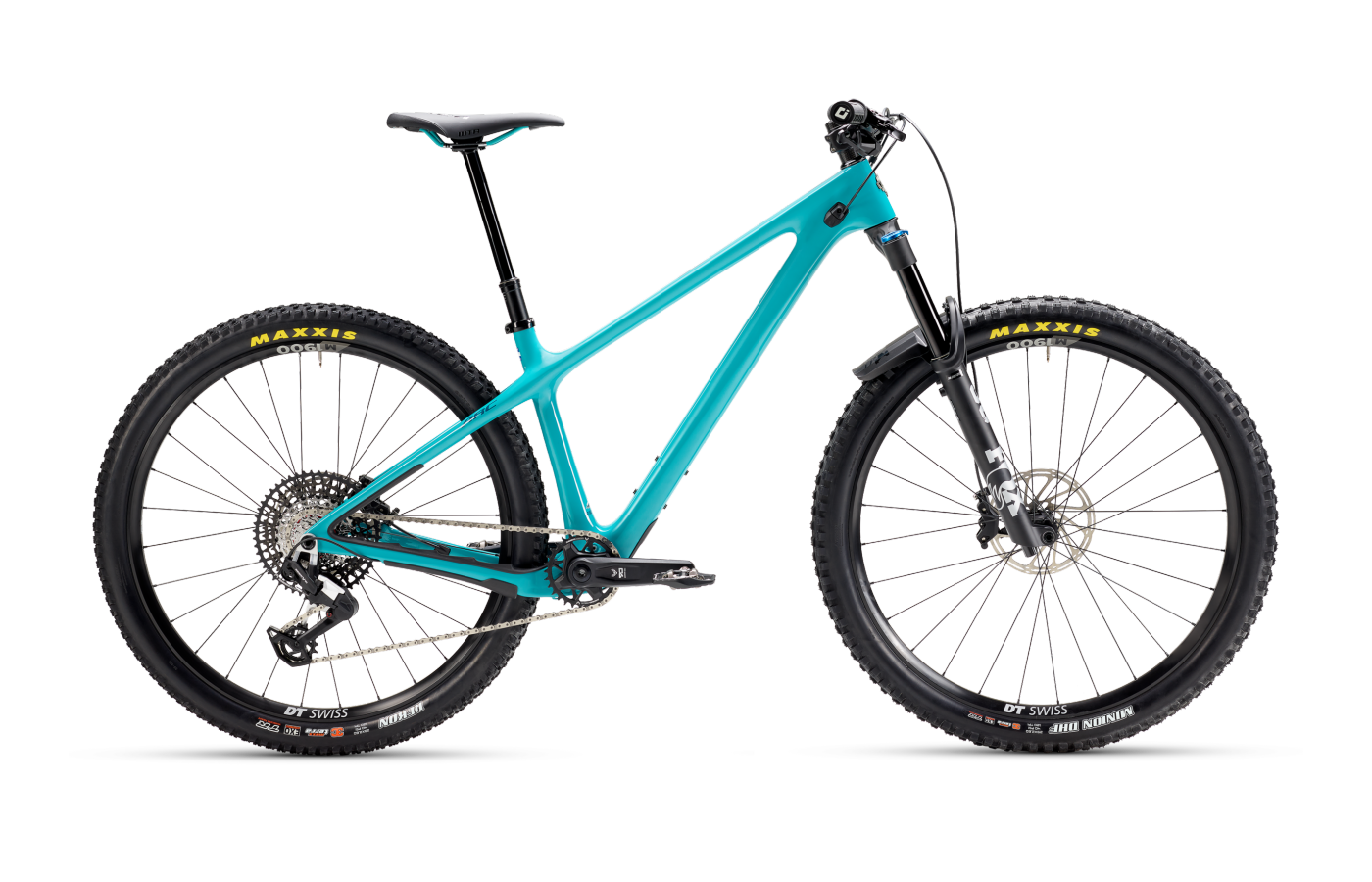
ARC
Yeti's premium carbon downcountry hardtail with a 130 mm fork — a step more aggressive than the DV9's 120 mm front end, with the trail-bike attitude to match. The closest direct rival to the DV9 in feel and intent.
Compare →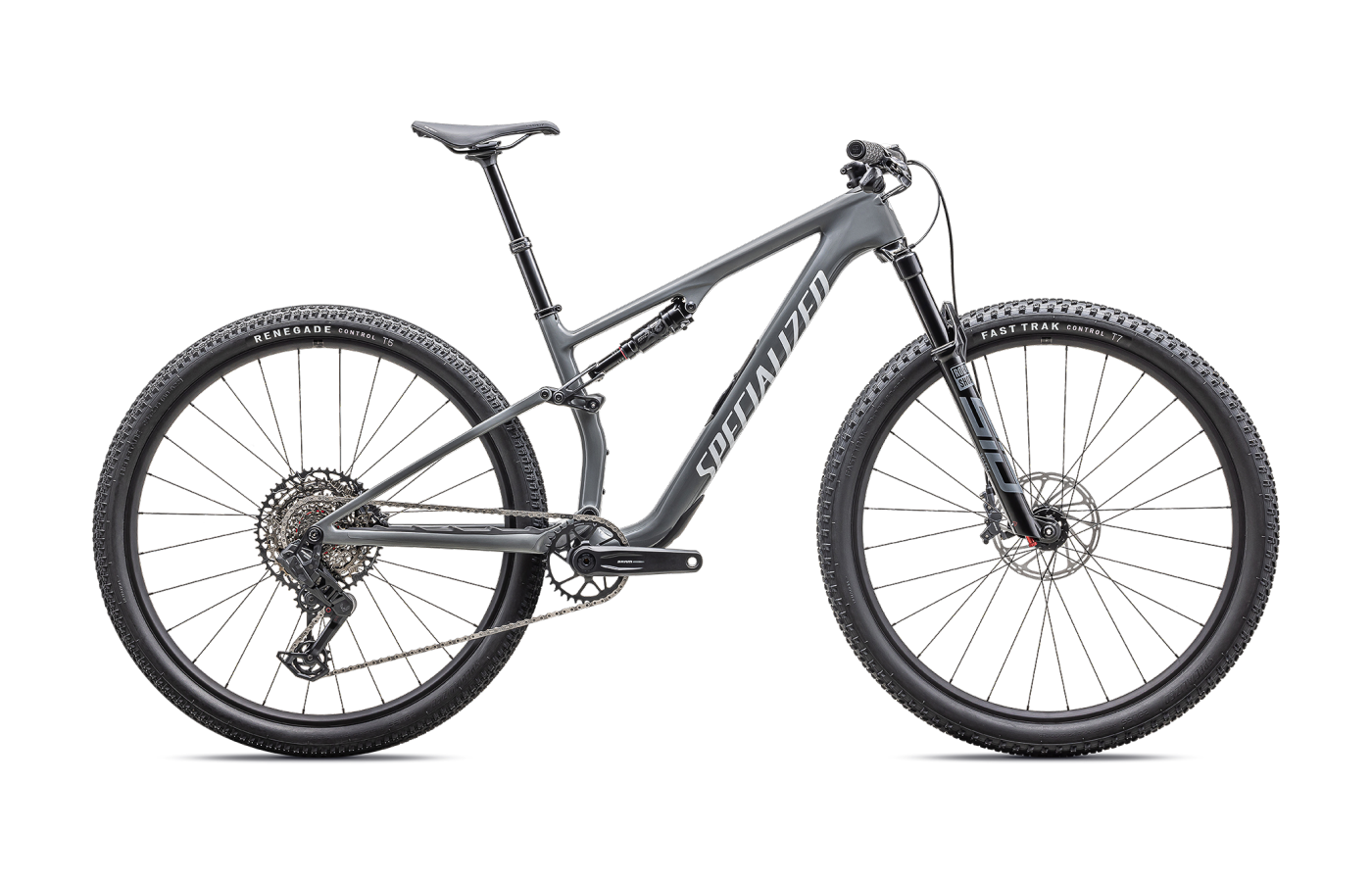
Epic
The Chisel's carbon sibling — same flex-stay platform, more rear travel, lighter, more refined suspension, considerably more money. The natural step up if the Chisel platform clicks but you want the carbon version.
Compare →