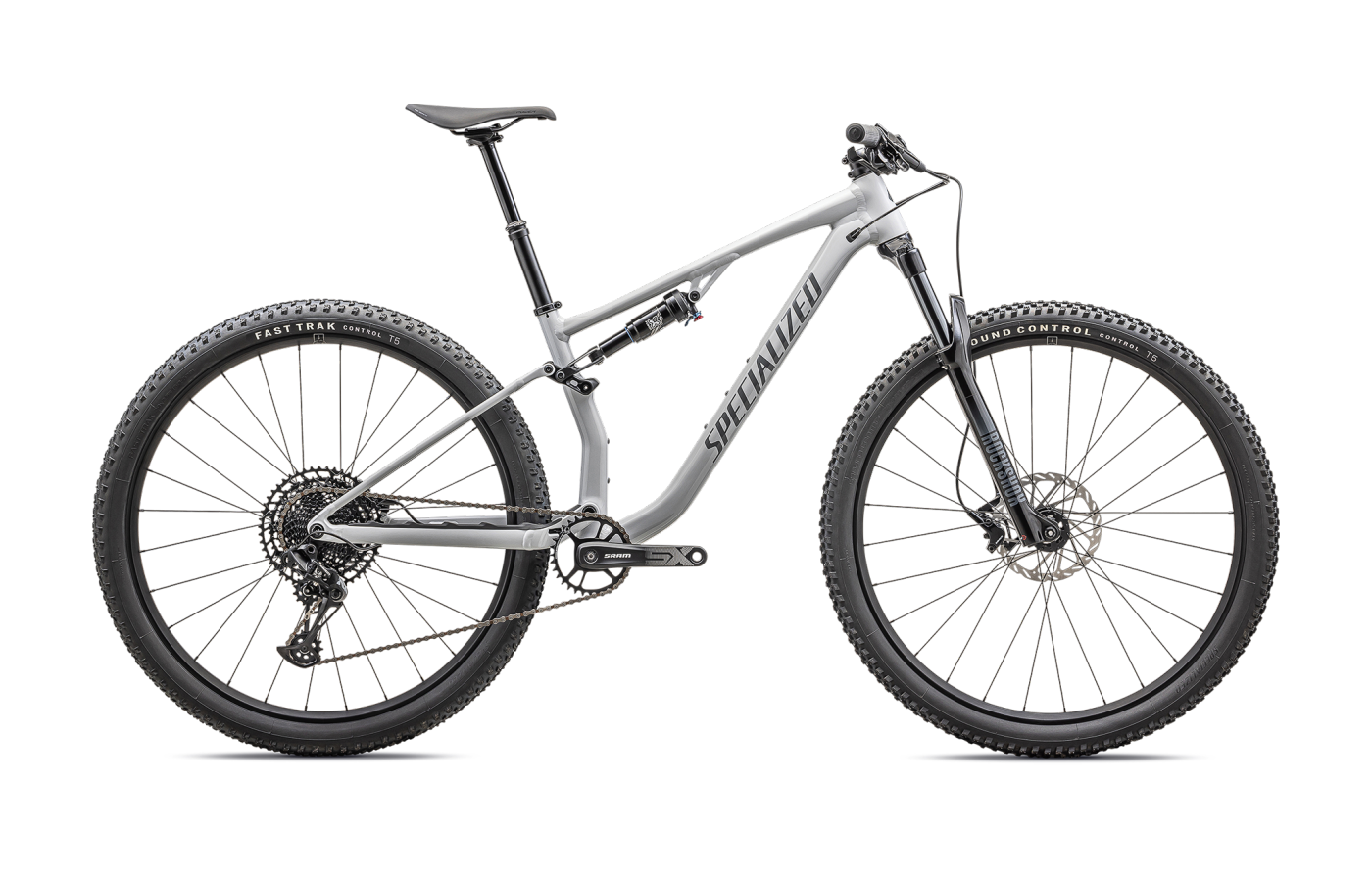
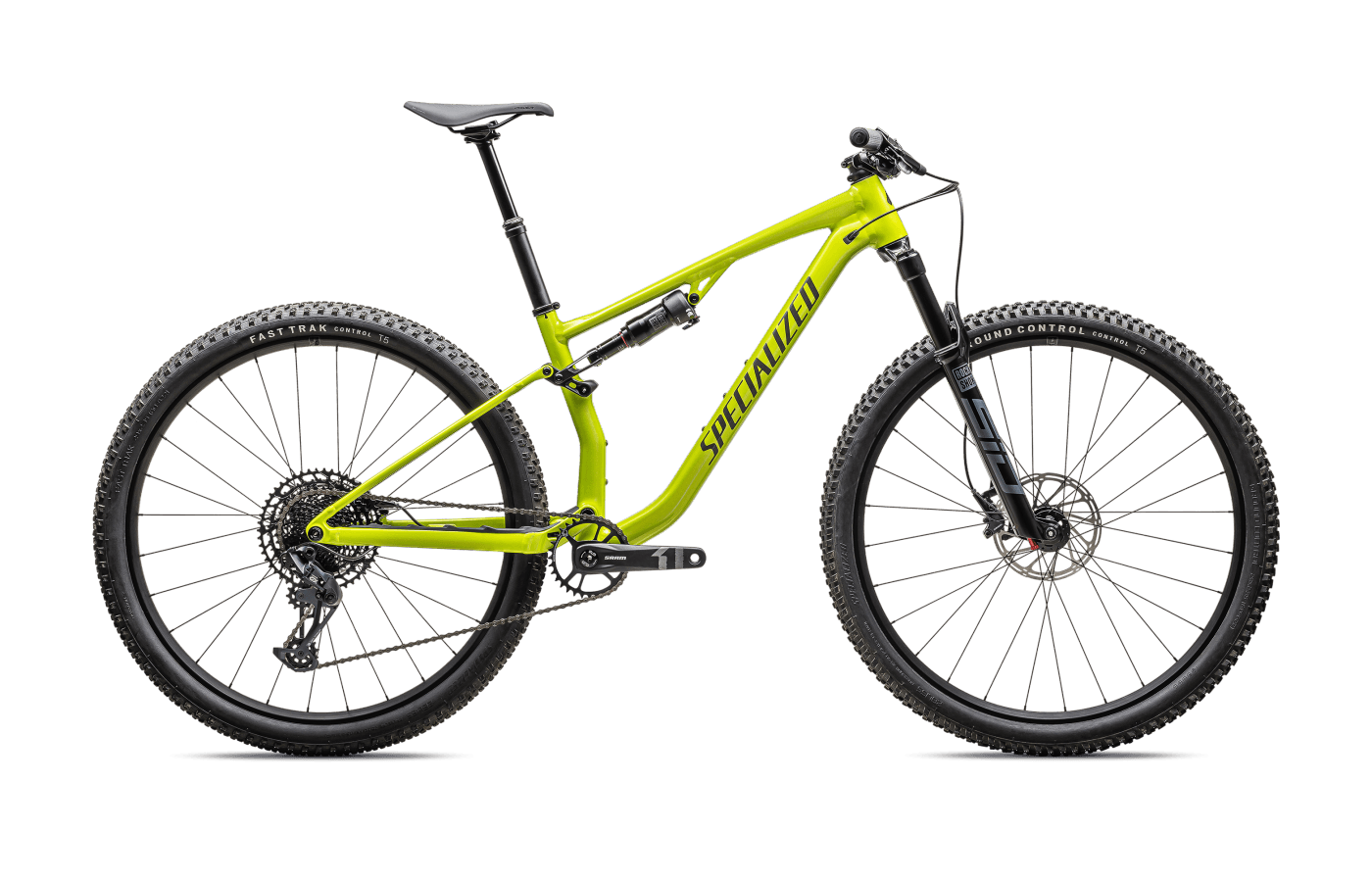
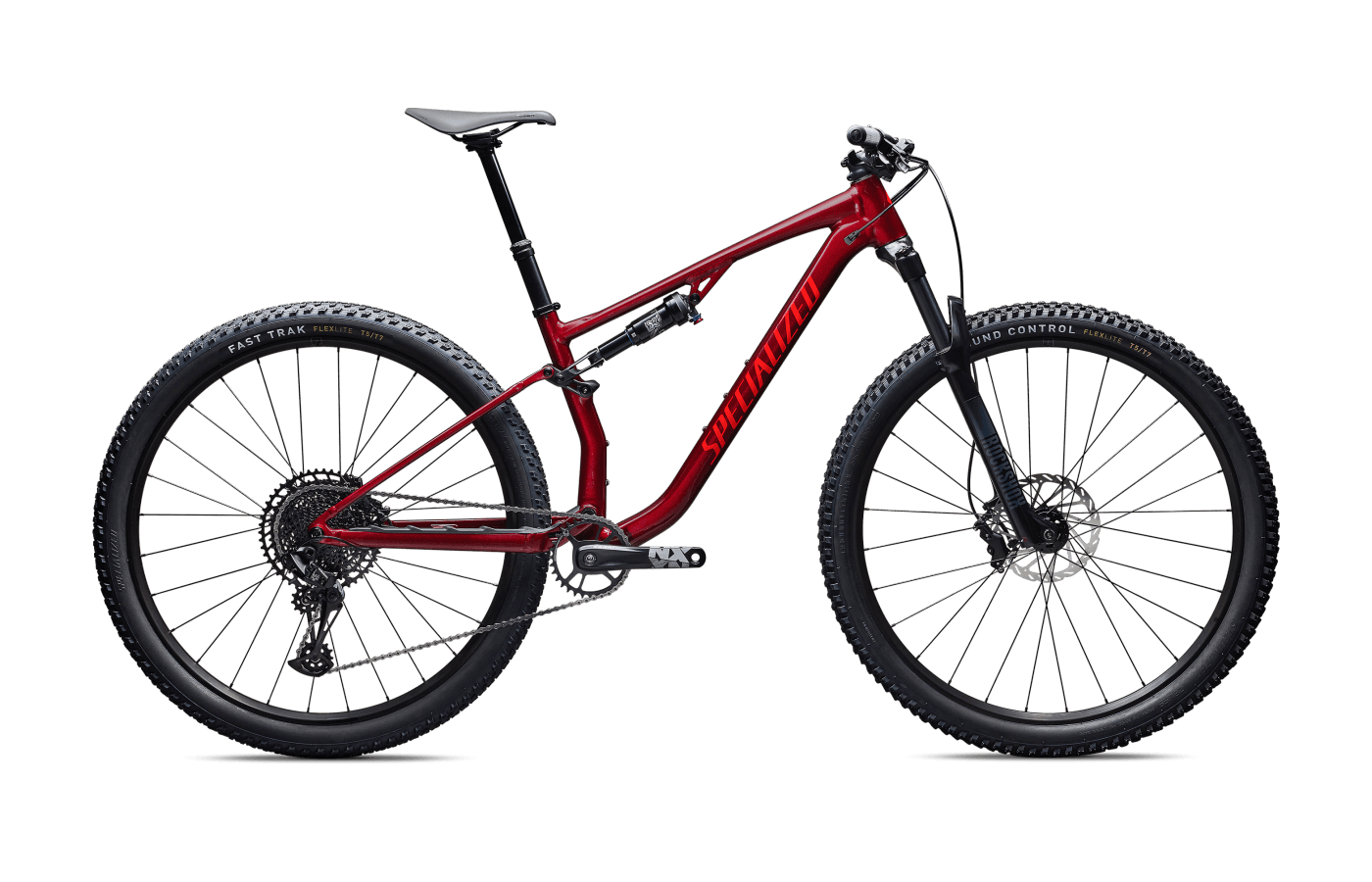
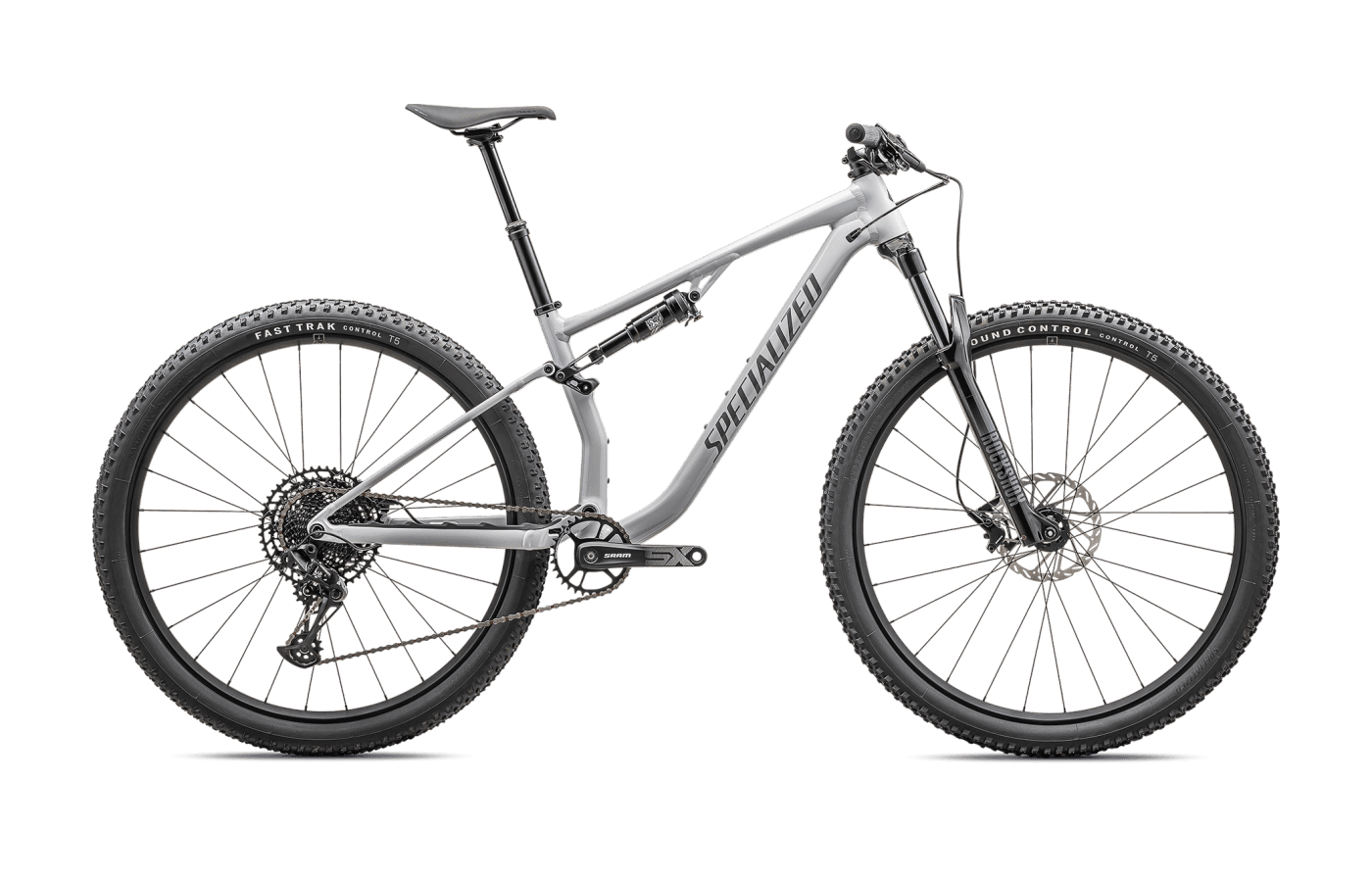
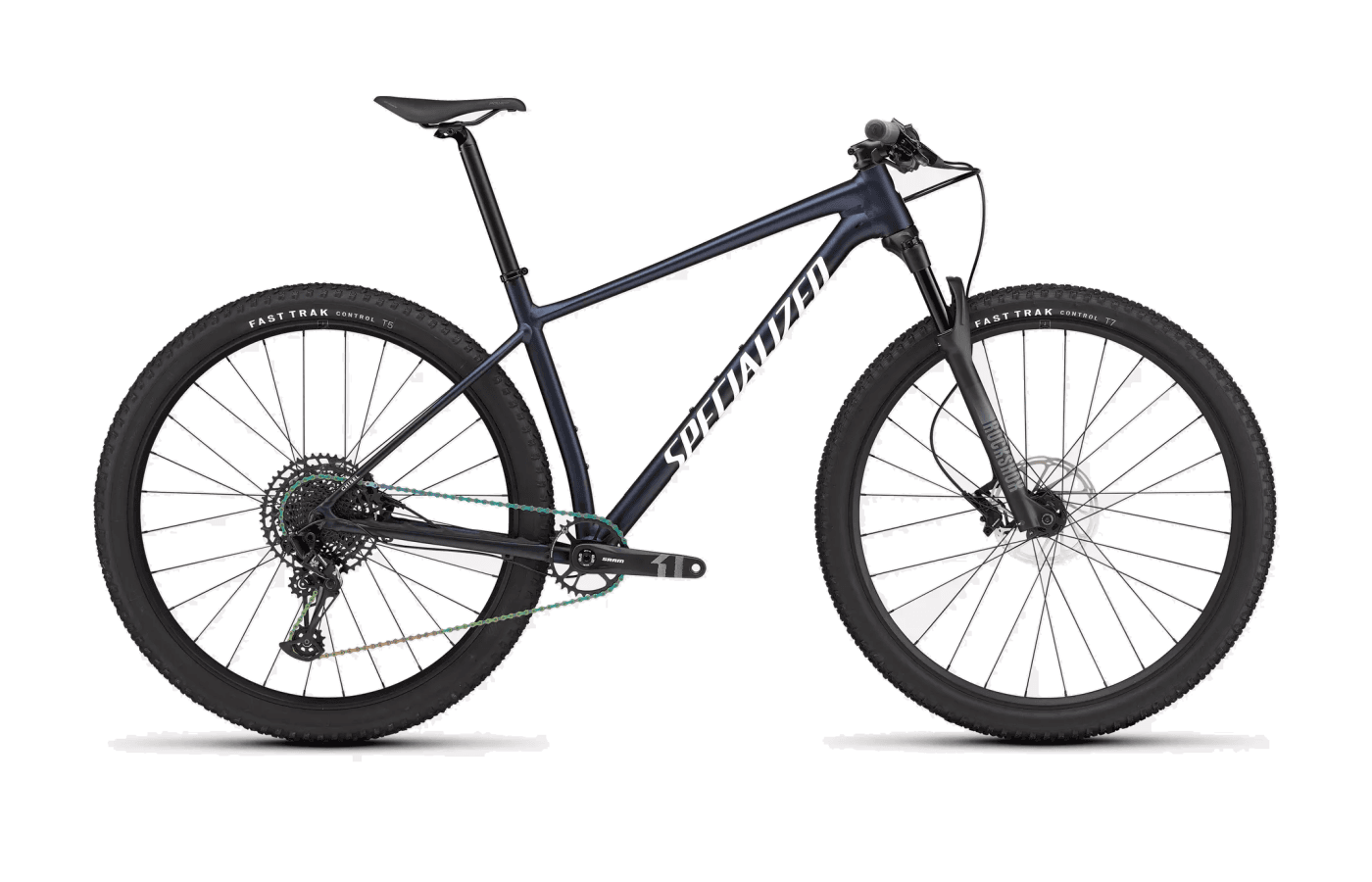
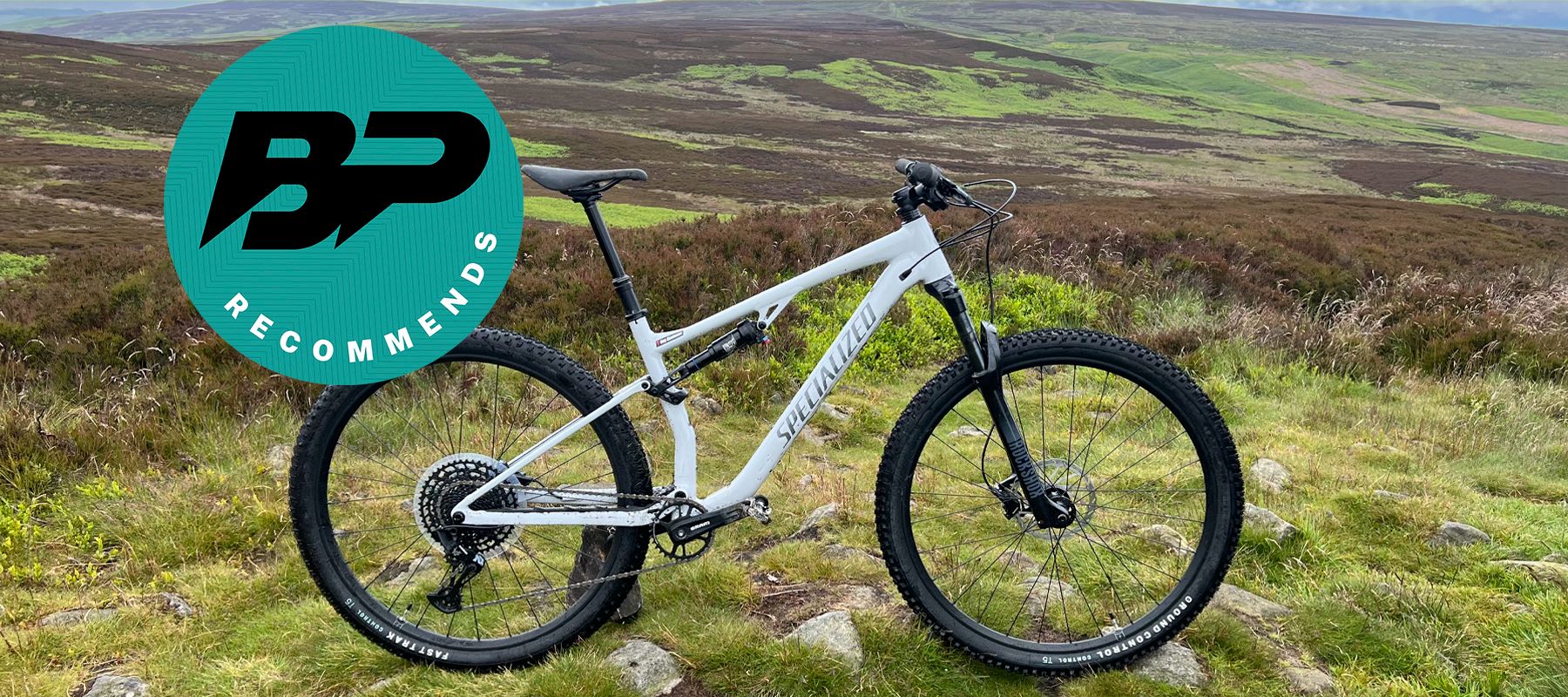
The Specialized Chisel transitions from a dedicated hardtail into a short-travel alloy full-suspension platform, serving as a more accessible counterpart to the carbon Epic 8. Built around an M5 aluminum frame utilizing D’Aluisio Smartweld technology, the Chisel features a highly engineered one-piece seat tube and bottom bracket junction to keep weight low. Delivering 110mm of rear travel paired with a 120mm fork, it relies on a flex-stay suspension design that eliminates rear pivot hardware to reduce maintenance and mass. Positioned squarely in the modern cross-country category, the bike is designed for riders and privateer racers who prioritize pedaling efficiency and forward momentum over plush trail comfort. It retains practical standards like a threaded bottom bracket and internal cable routing that avoids the headset, making it a straightforward platform for long-term ownership and gradual component upgrades.
Where to get it.
2 retailers · size M.
Spec sheet.
Every component shipped with this build.
Geometry & fit.
5 sizes published.
The Chisel utilizes a modern cross-country geometry blueprint heavily influenced by the Epic 8, balancing high-speed stability with sharp cornering. In its default low setting, the frame features a 66.5-degree head tube angle and a steep 75.5-degree seat tube angle. This combination centers the rider efficiently over the bottom bracket for steep ascents while pushing the front wheel far enough forward to prevent the nervous, twitchy steering historically associated with short-travel race bikes. A flip-chip in the shock linkage allows riders to steepen the head angle to 67 degrees and raise the bottom bracket, catering to those who prefer a sharper, more traditional cross-country handling feel.
Cockpit dimensions lean toward a racy posture across the size run. Specialized equips all sizes with a 60mm stem and relatively narrow 760mm handlebars, which keeps the rider's weight biased toward the front wheel for climbing traction but may feel restrictive to those accustomed to wider trail bars. Dropper post travel is conservative, ranging from 100mm on the smallest frames to 150mm on large and extra-large sizes, reflecting the bike's focus on pedaling efficiency over deep descending clearance.
Where the handlebar sits relative to the bottom bracket — the single most important fit pair.
01Fit geometry6 values
02Component geometry5 values
03Handling geometry9 values
Which size should I buy?
Slide your height to see the recommended size. GearWise's fit algorithm works from the published stack, reach, and ETT — the brand's own recommendation may differ.
→Calculated from GearWise's own stack / reach / ETT algorithm — the brand's size chart may recommend a different size, and a proper bike fit beats any calculator.
The lineup.
8 builds, ranging $1,900 – $3,600.
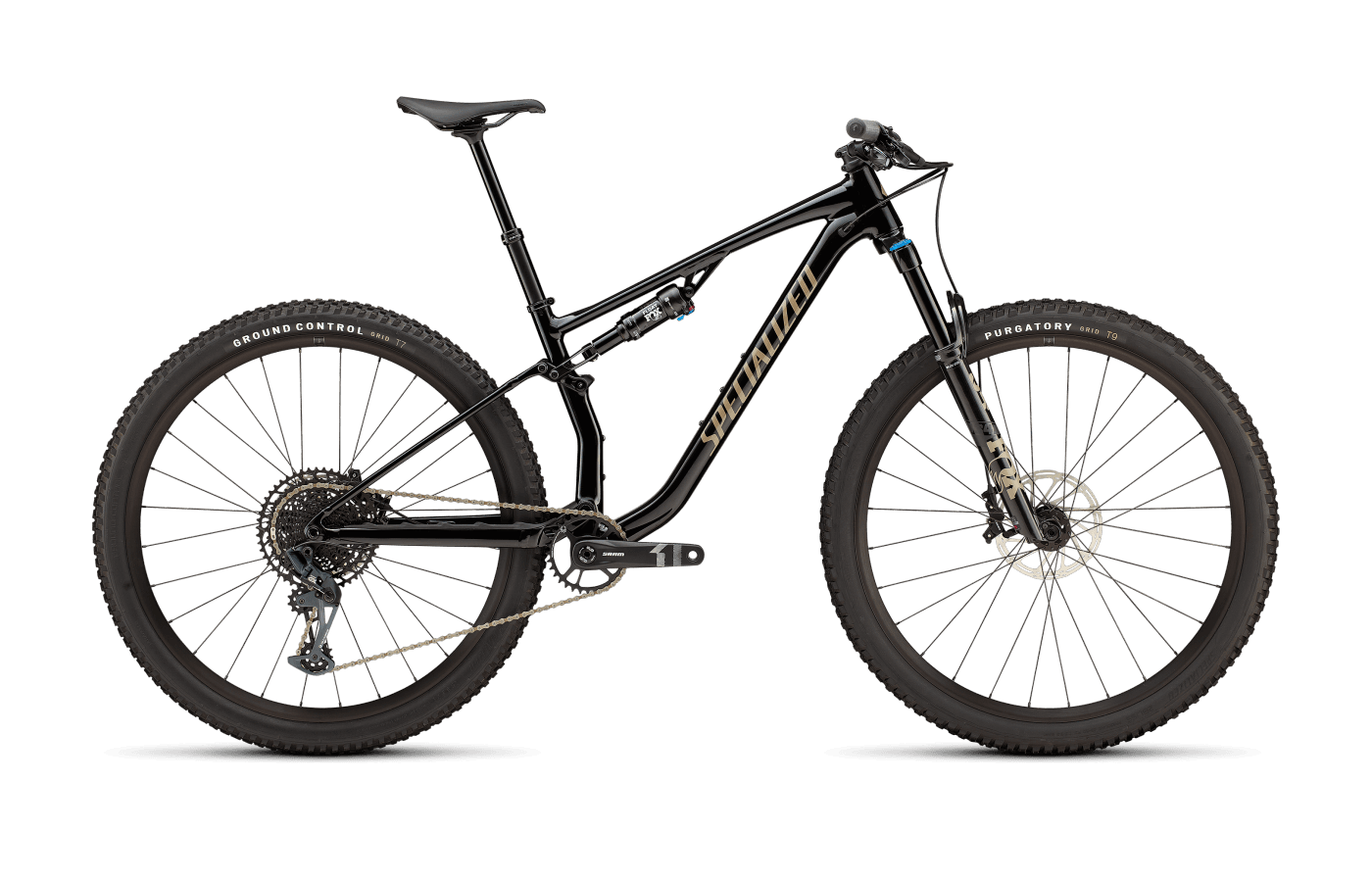
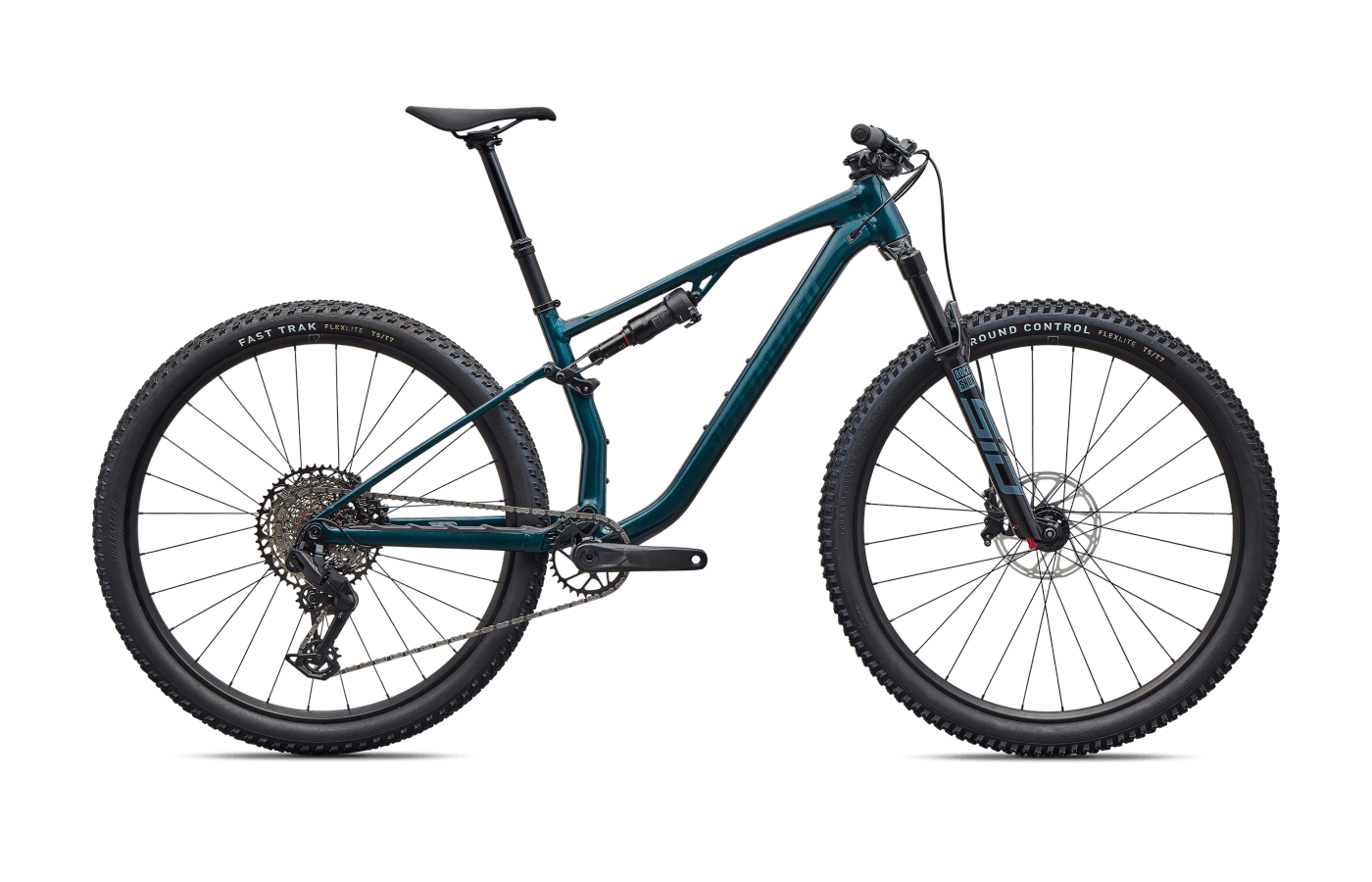
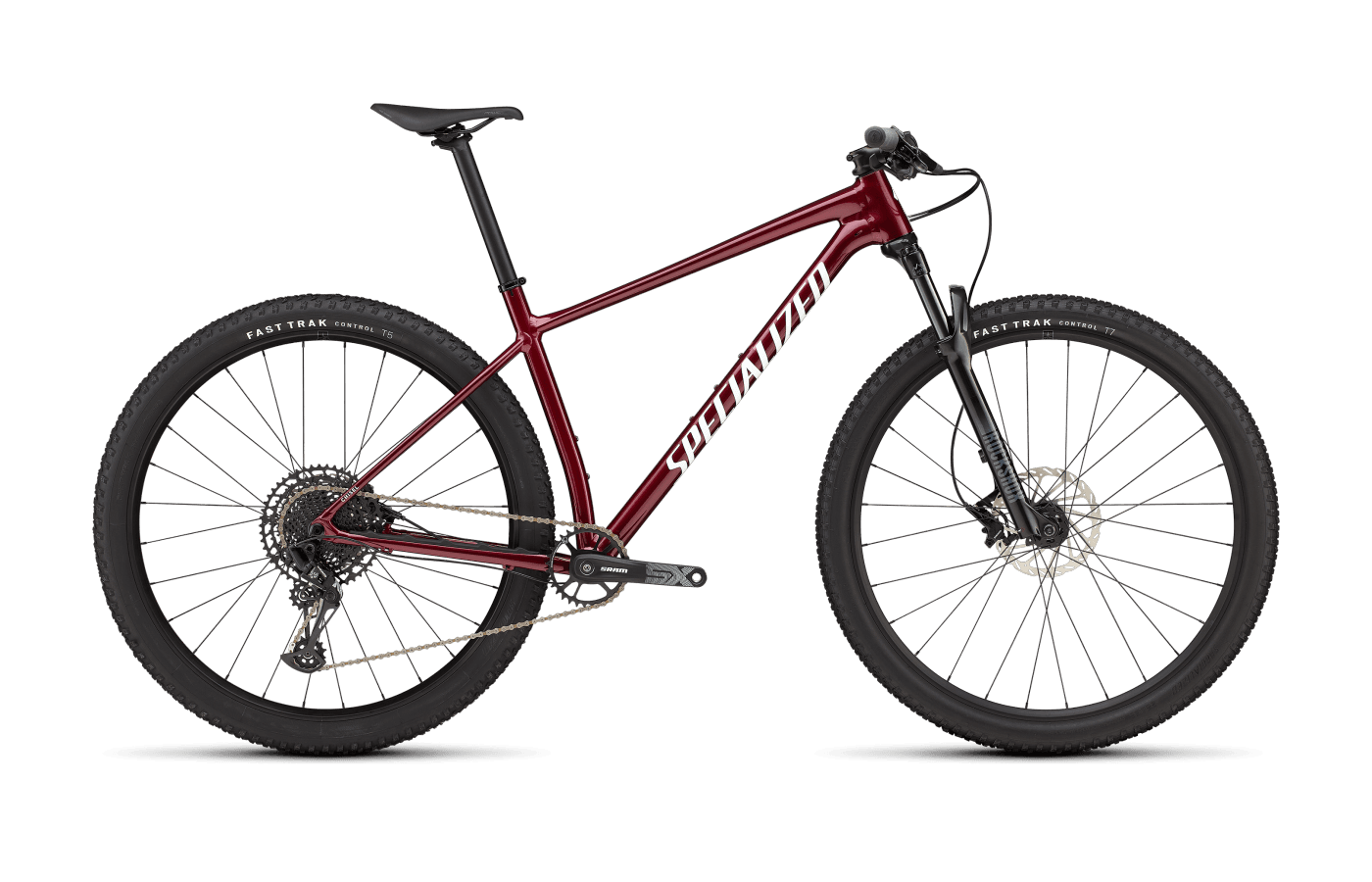
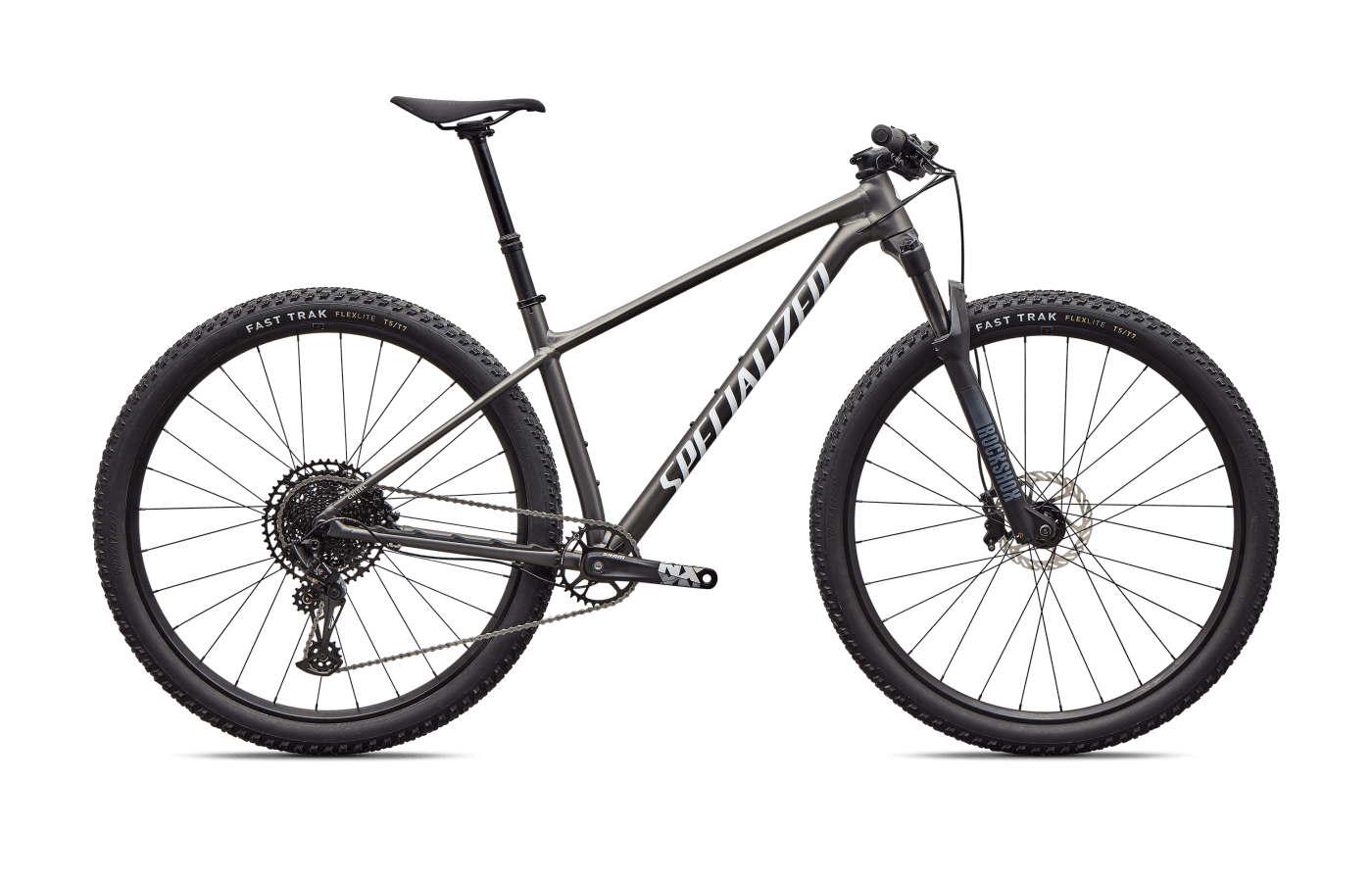
The Chisel lineup is split between standard cross-country configurations and a more aggressive Evo variant, alongside legacy hardtail options. The full-suspension ladder begins with base models featuring RockShox Recon Silver forks, X-Fusion rear shocks, and mixed SRAM SX/NX or Shimano Deore drivetrains. These entry points offer the advanced alloy frame but carry heavier components and basic suspension dampers that can struggle to keep pace on sustained, rough descents.
Stepping up to the Comp builds introduces a substantial performance upgrade. These models move to a RockShox SID fork and Deluxe Select+ rear shock, shedding weight and providing vastly improved mid-stroke support and damping control. The Comp tier also upgrades to Shimano SLX or SRAM GX Eagle shifting, making it the consensus sweet spot for long-term value.
The Comp Evo build alters the bike's intentions by increasing fork travel to 130mm with a Fox 34 Performance Elite. It also swaps the fast-rolling cross-country tires for wider, softer-compound rubber and upgrades to four-piston brakes. Across the board, the stock alloy wheelsets utilize 27mm to 30mm internal widths but are relatively heavy, making them a primary candidate for riders looking to reduce rotational mass down the line.
From the press.
10 reviews from the cycling press.
Reviewers consistently characterize the Chisel as a highly efficient, fast-rolling cross-country bike that rewards an active riding style. The aluminum frame masks its weight well on the trail, with testers noting it feels "deceptively light" (Bike Magazine) and accelerates with an eagerness rarely found in metal frames. Climbing is a distinct strength. The flex-stay rear end and firm shock tune create a stable pedaling platform that resists bobbing, making the bike an "adept climber" (Nminus1bikes) that maintains speed exceptionally well over rolling terrain.
However, that firm suspension tune requires careful setup and comes with clear tradeoffs on rougher descents. The rear travel prioritizes power transfer over small-bump compliance, meaning the rear wheel can skip over high-frequency chatter. Testers observed that navigating technical, rocky sections demands precise line choices and "more body English required" (Nminus1bikes) to maintain traction.
The Evo model shifts this personality significantly. By utilizing a longer fork and softer, more aggressive tires, it trades some raw climbing speed for descending capability, transforming into a "proper little hooligan" (YouTube) on the trail. Across all models, critics praised the frame's construction and traditional cable routing, agreeing it provides an excellent foundation for future upgrades, even if the stock wheels and base-level components on lower-tier builds add noticeable rotational weight.
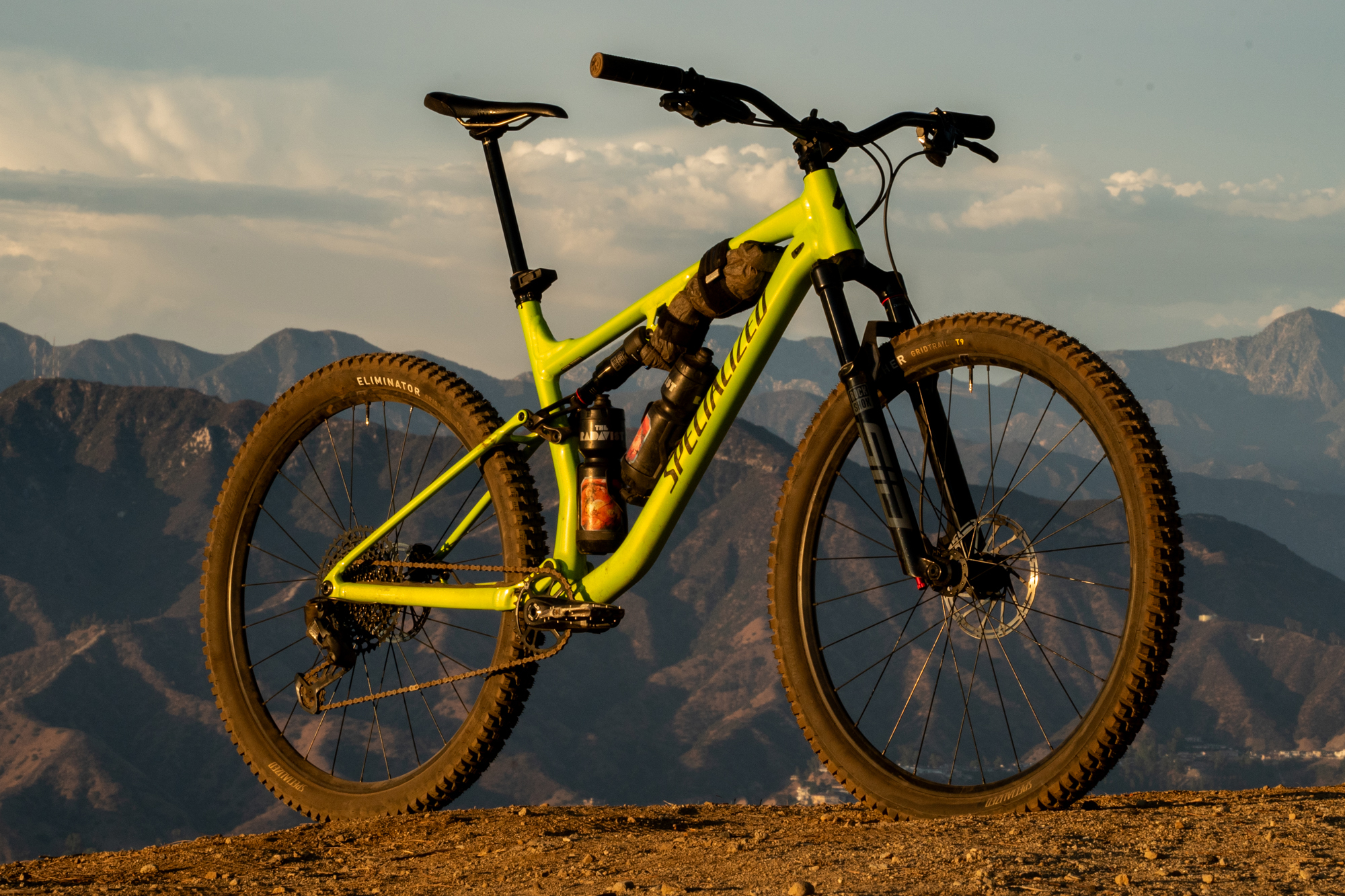
Specialized Chisel Comp Review: Fast and Cheap
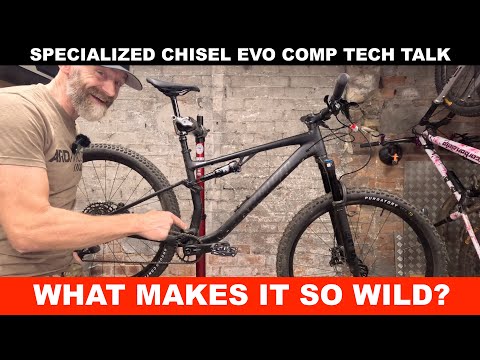
Specialized Chisel Evo Comp Tech Talk: What makes it so wild?
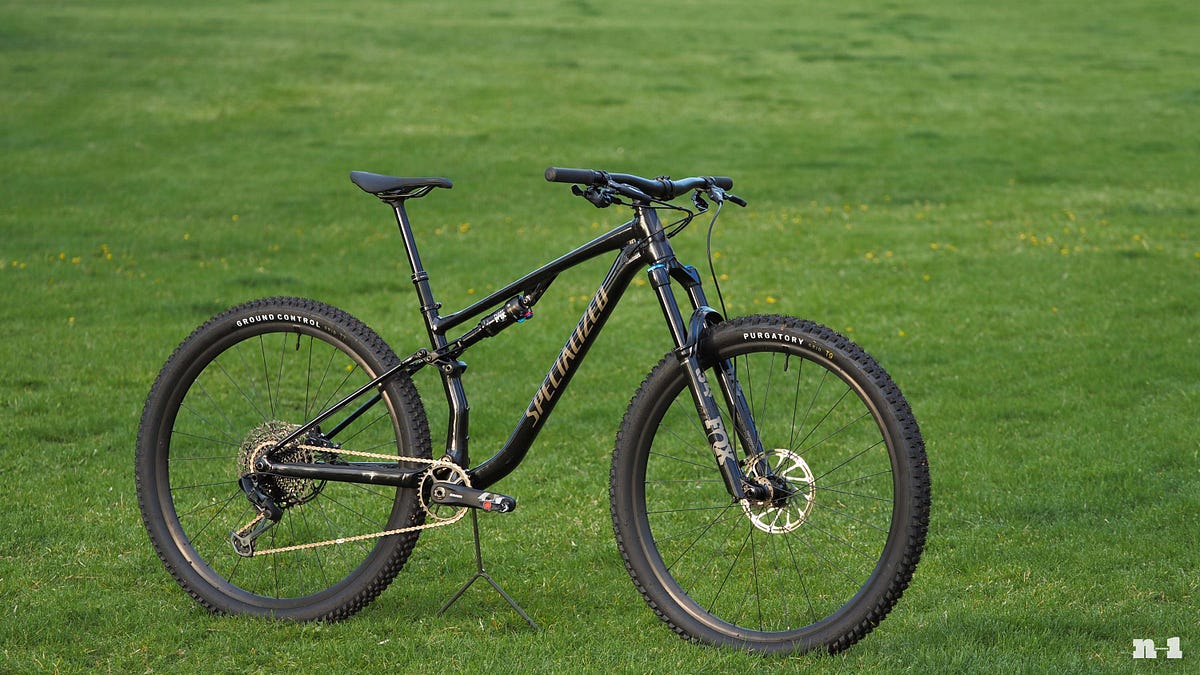
Specialized Chisel Comp Evo mountain bike review
Specialized Chisel - XC mountain bike
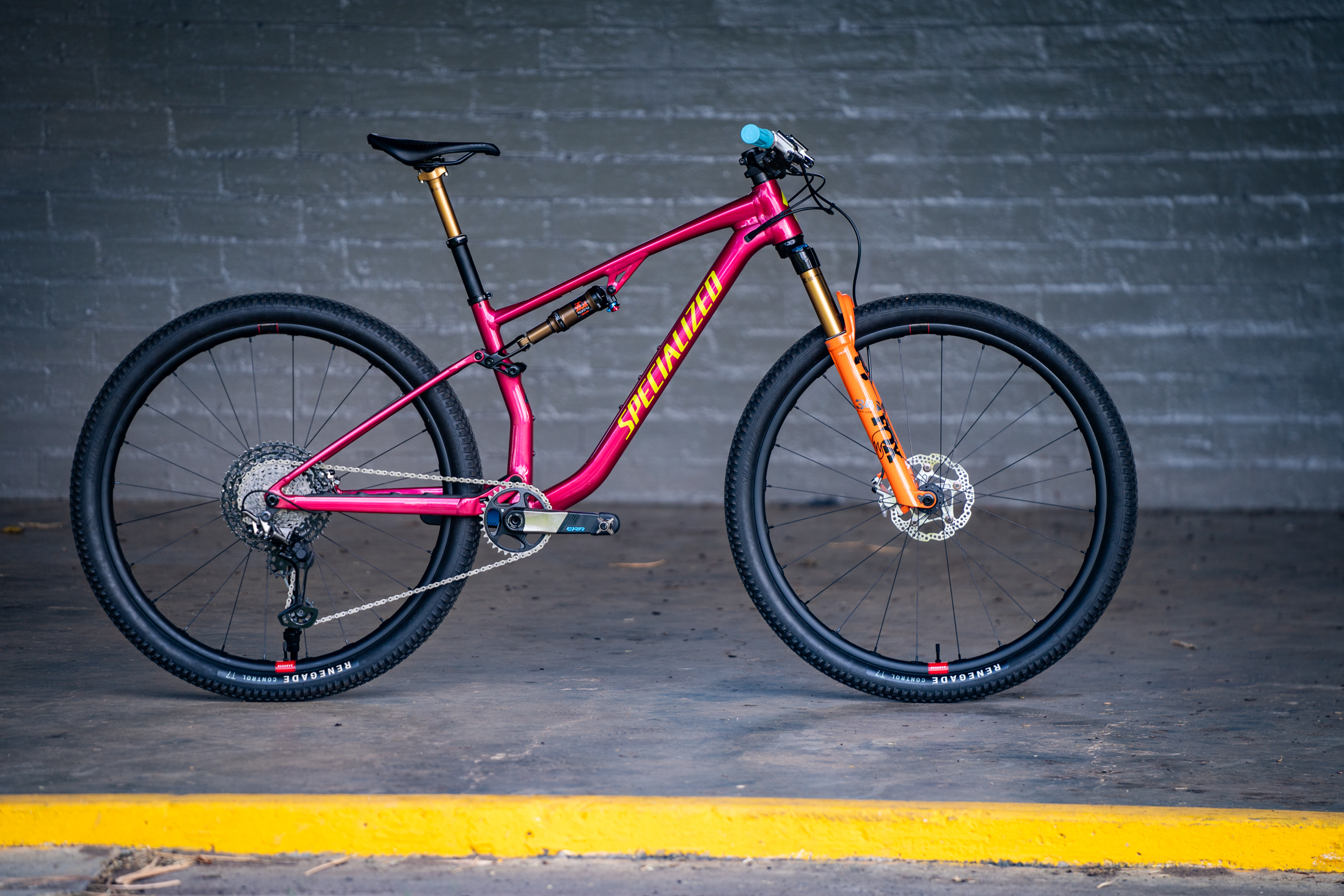
Wil's Specialized Chisel, a super-light alloy XC bike

Specialized Chisel Review (Full-Suspension): Good Bones
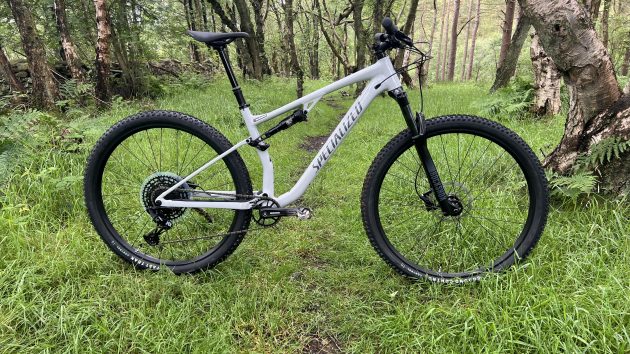
MBR
First Impressions: Specialized Chisel Full Suspension
Specialized Chisel FS review

Specialized’s New Chisel Blends Price and Performance
Compared to.
Most-viewed comparisons.
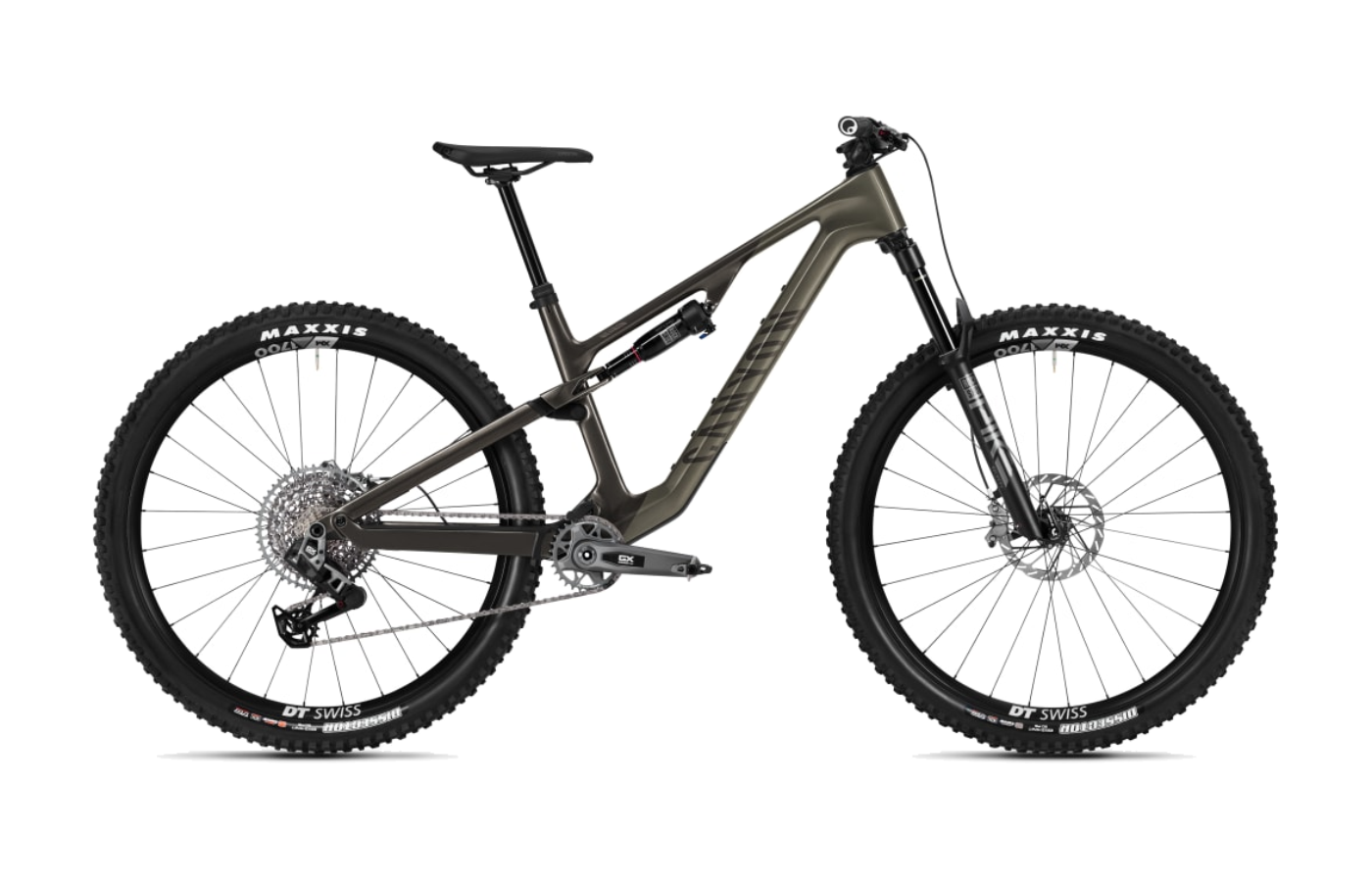
Canyon Neuron vs Specialized Chisel
Read comparison→Ibis DV9 vs Specialized Chisel
Read comparison→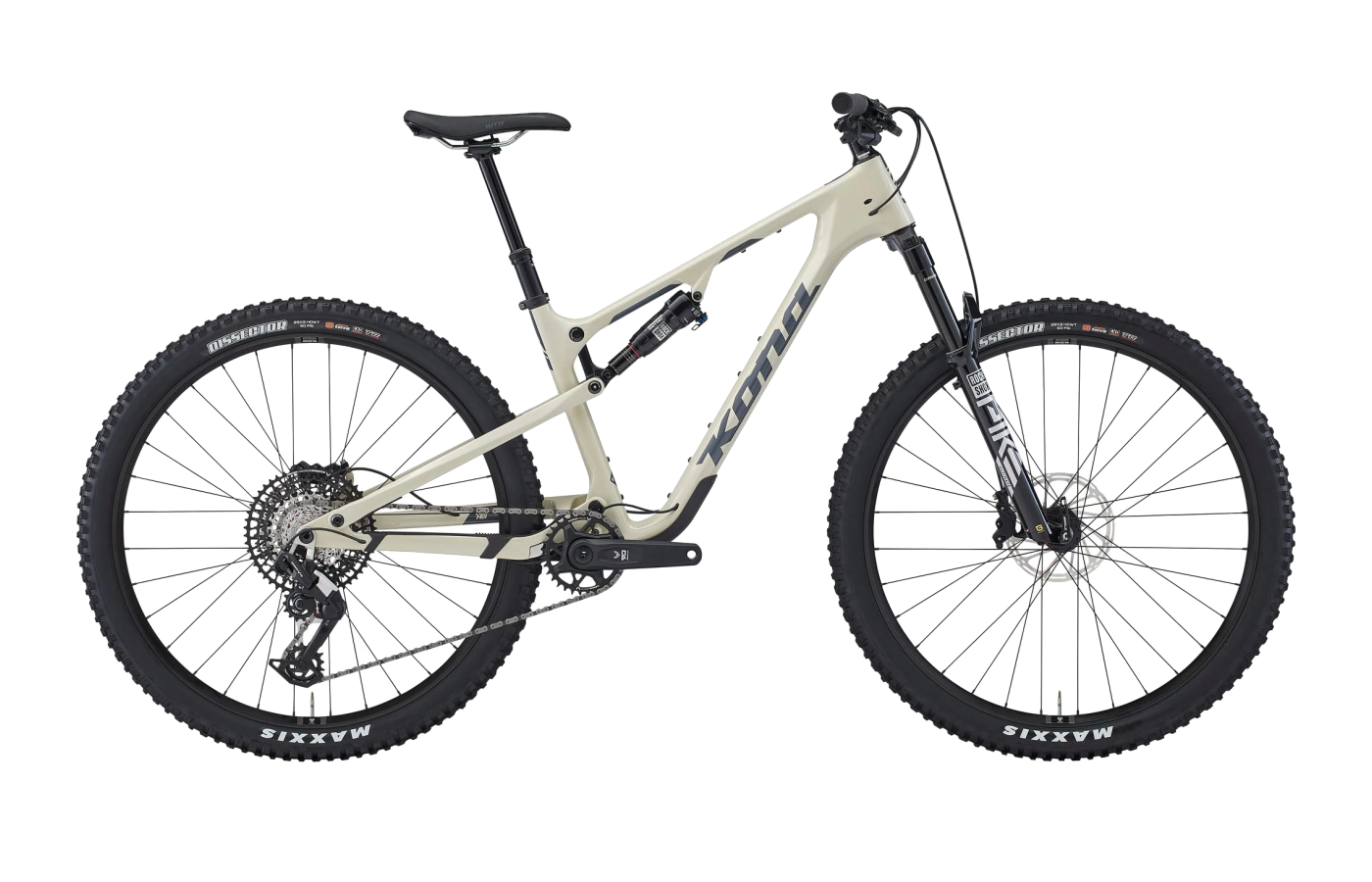
Kona Hei Hei vs Specialized Chisel
Read comparison→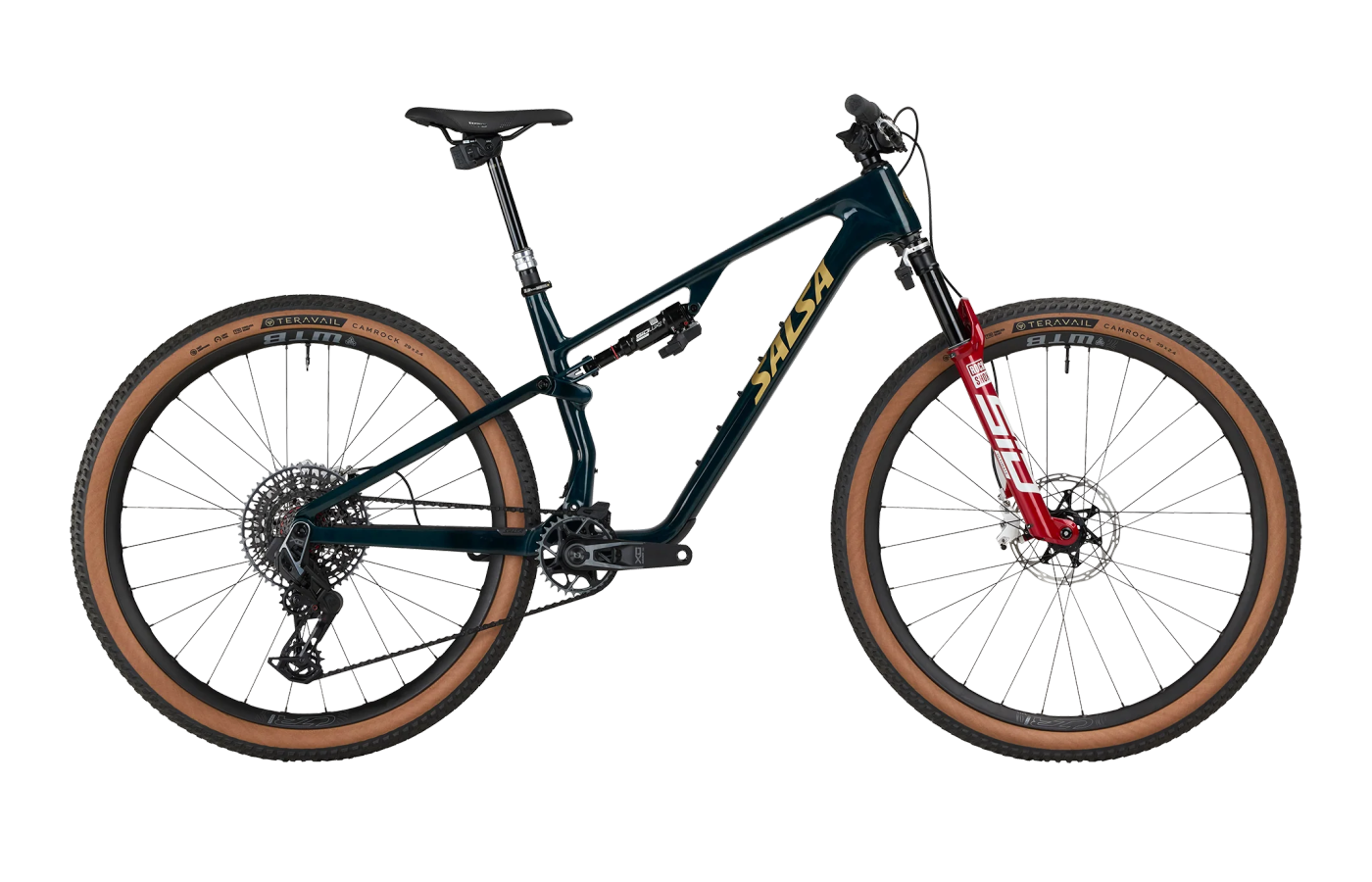
Salsa Spearfish vs Specialized Chisel
Read comparison→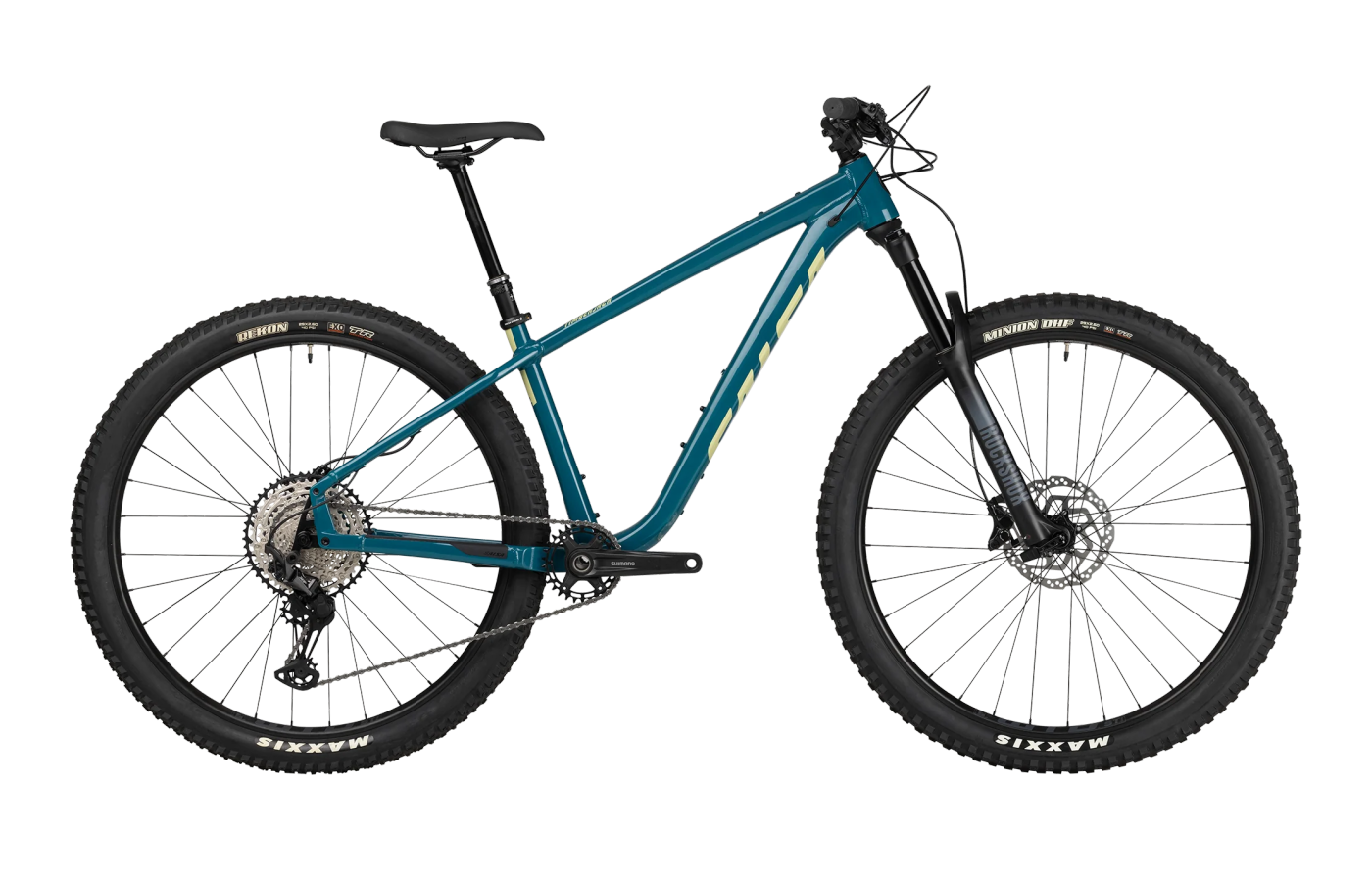
Salsa Timberjack vs Specialized Chisel
Read comparison→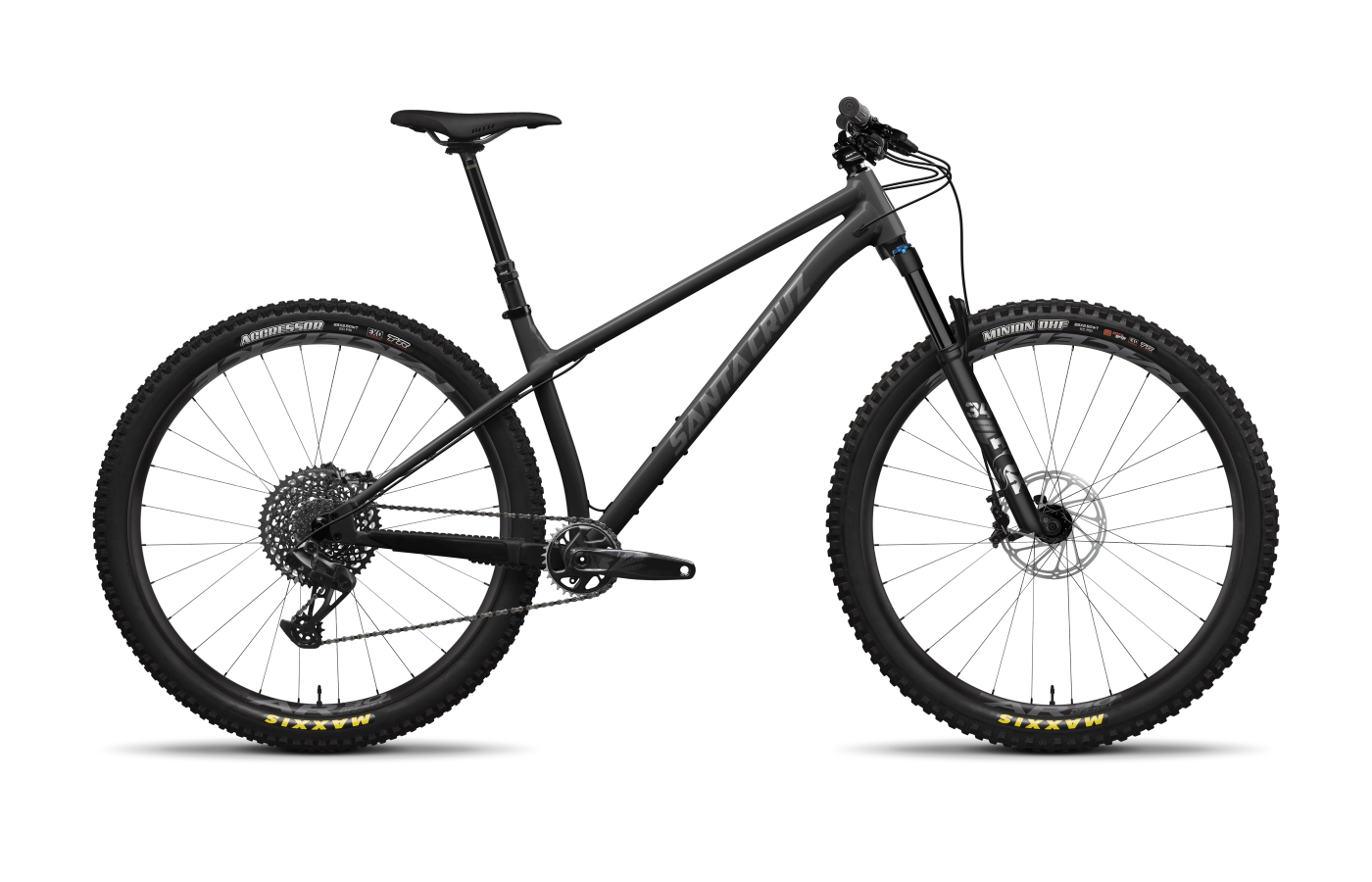
Santa Cruz Chameleon vs Specialized Chisel
Read comparison→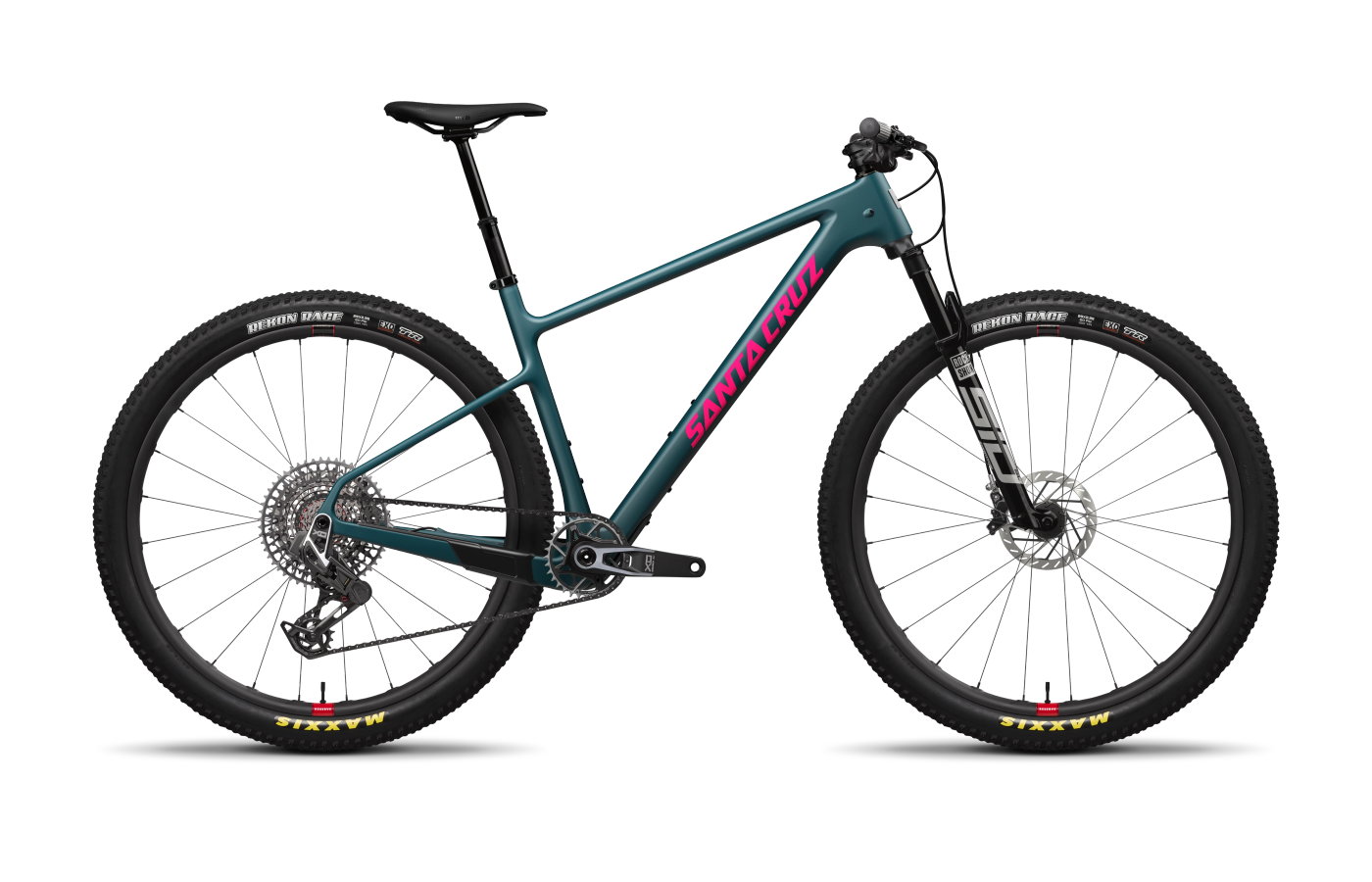
Santa Cruz Highball vs Specialized Chisel
Read comparison→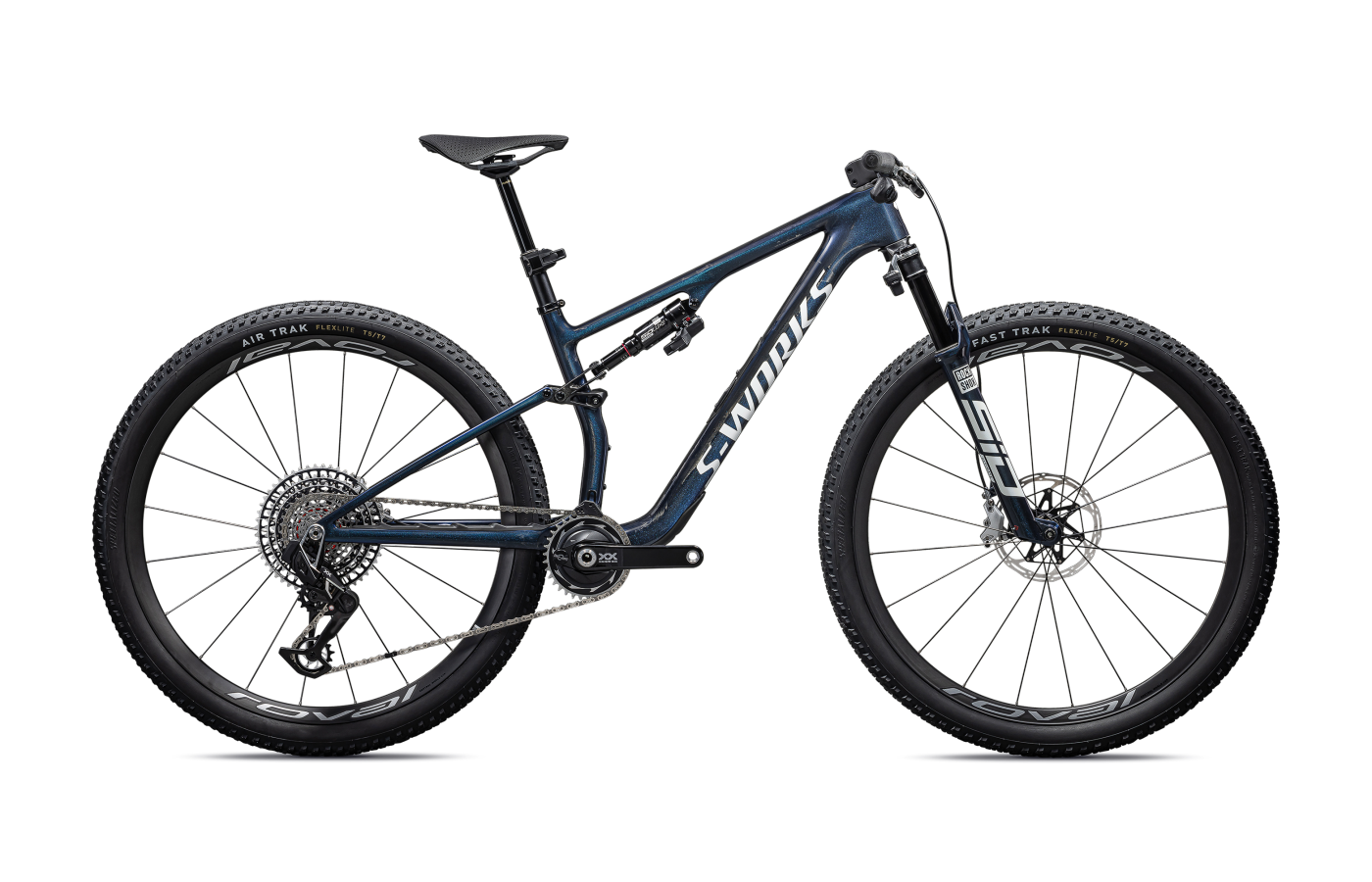
Specialized Chisel vs Epic
Read comparison→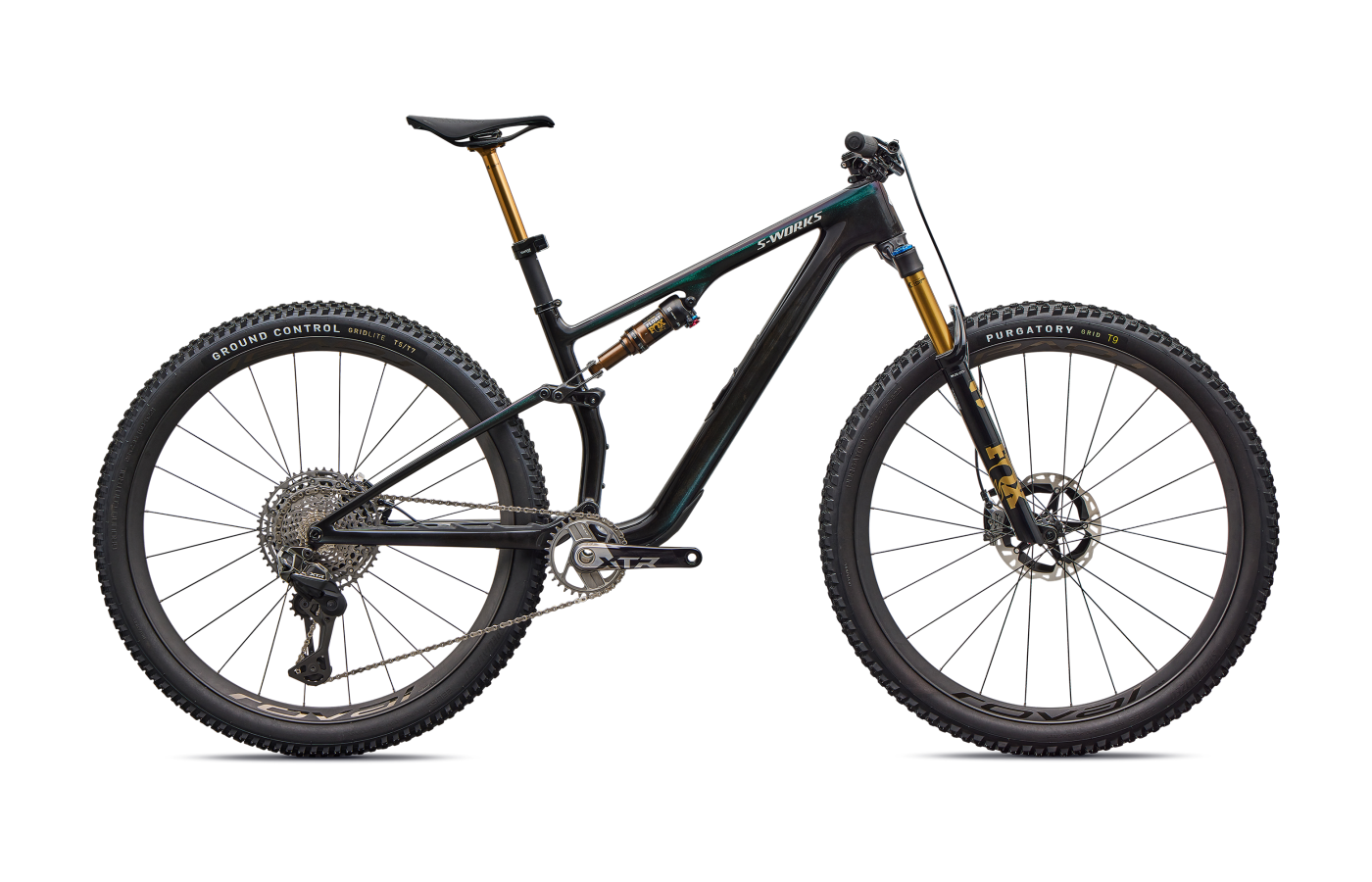
Specialized Chisel vs Epic Evo
Read comparison→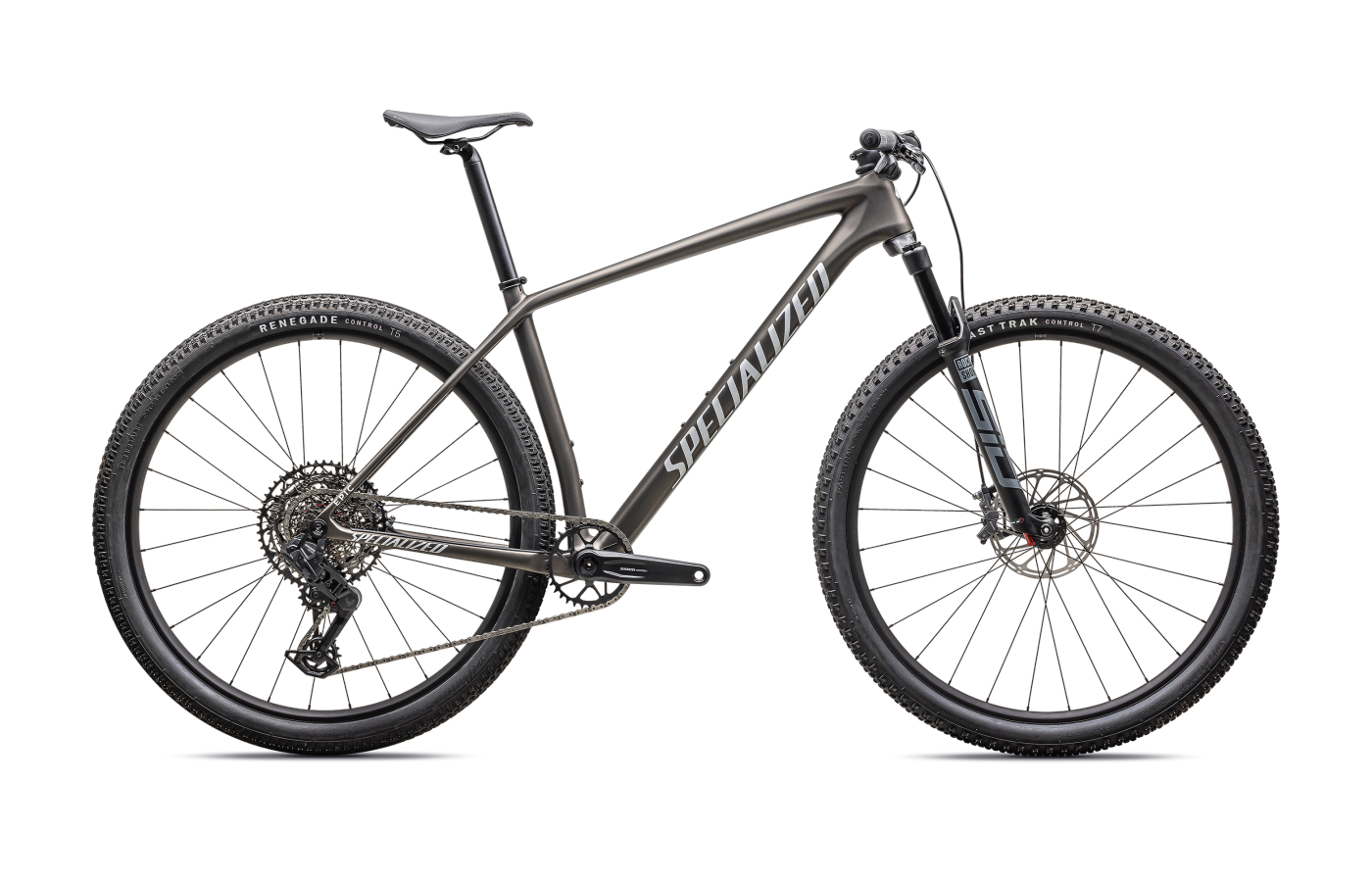
Specialized Chisel vs Epic Hardtail
Read comparison→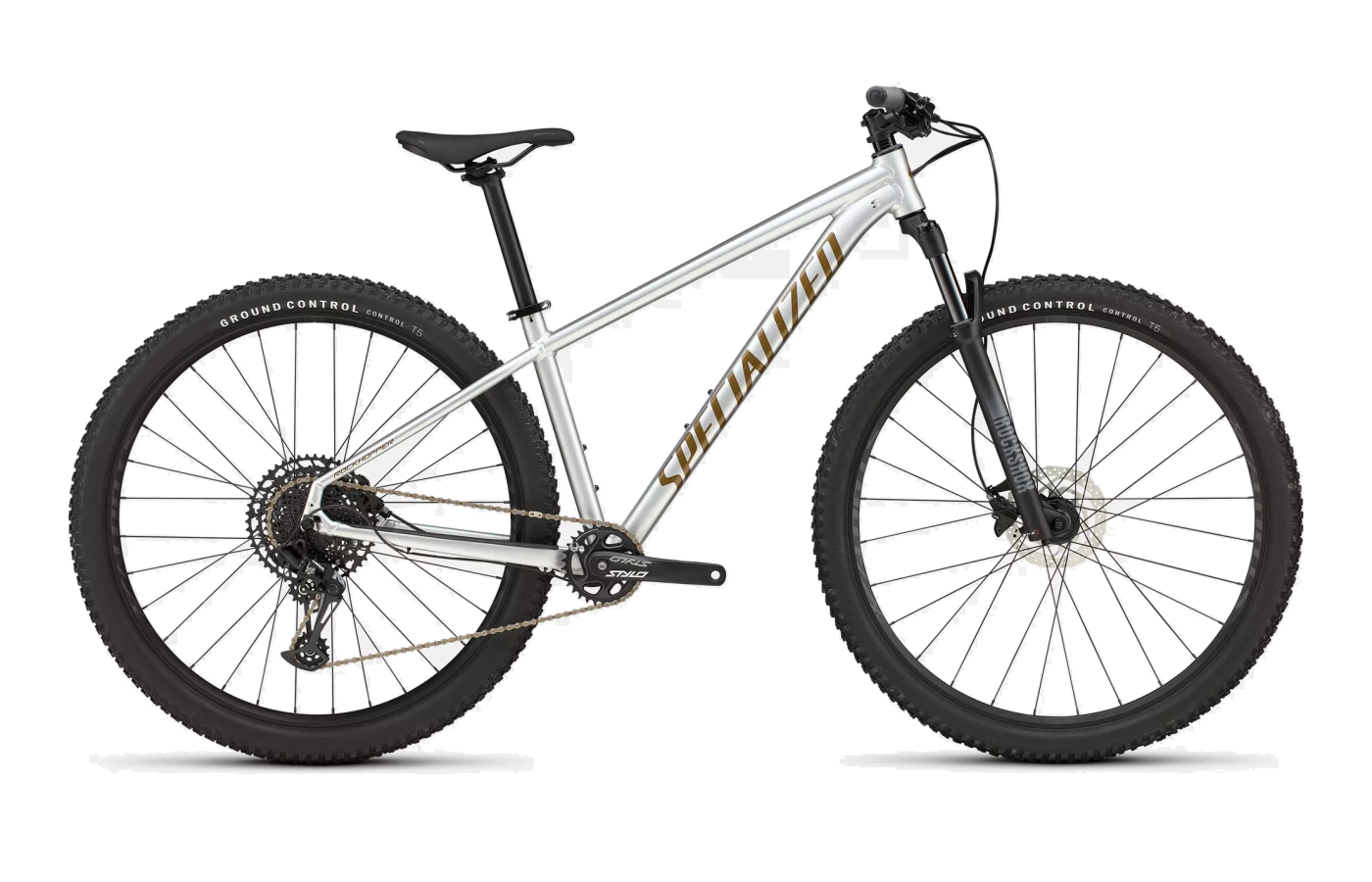
Specialized Chisel vs Rockhopper
Read comparison→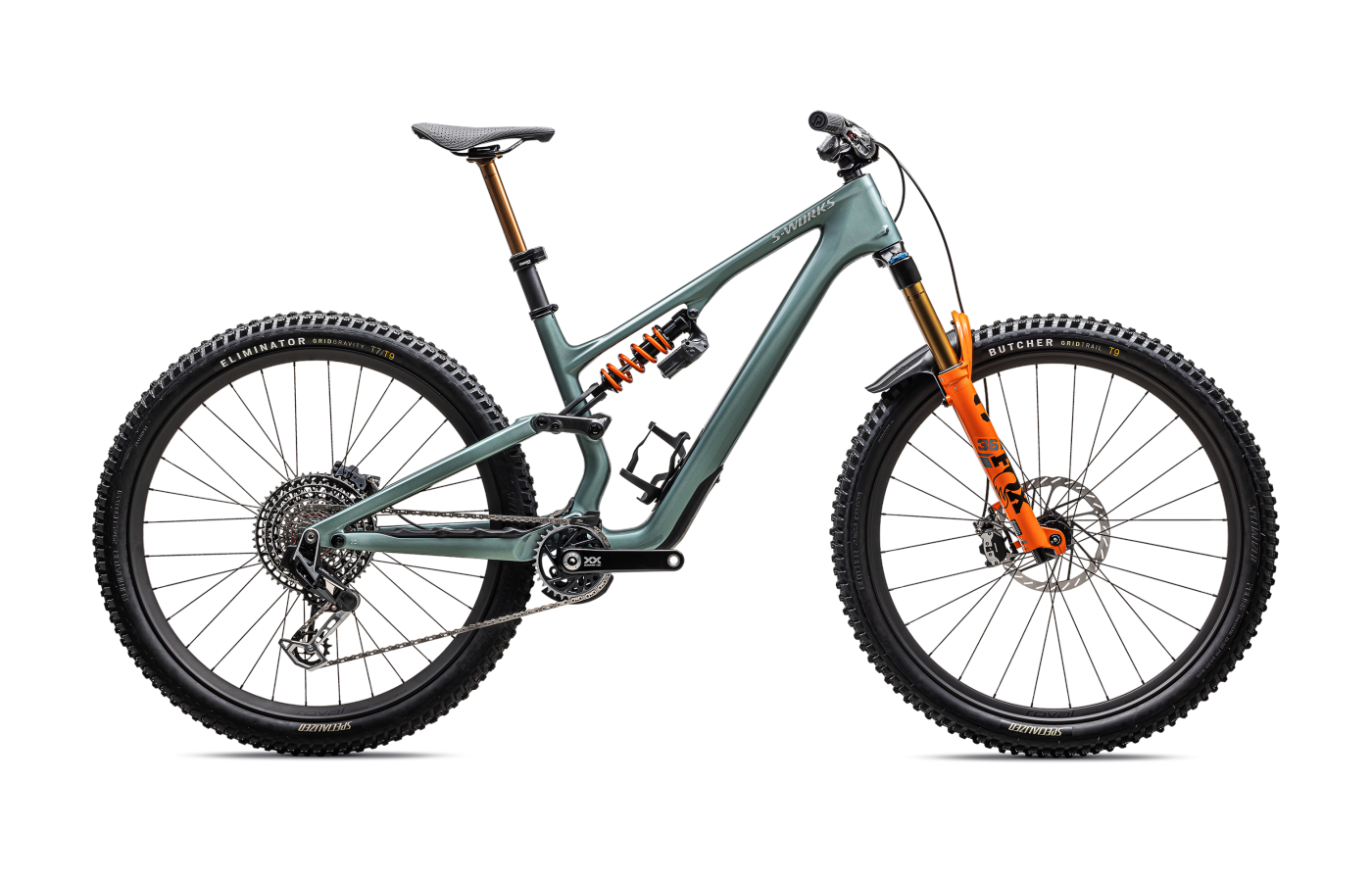
Specialized Chisel vs Stumpjumper
Read comparison→
Specialized Chisel vs Trek Procaliber
Read comparison→Specialized Chisel vs Trek Roscoe
Read comparison→