Chisel
vsProcaliber
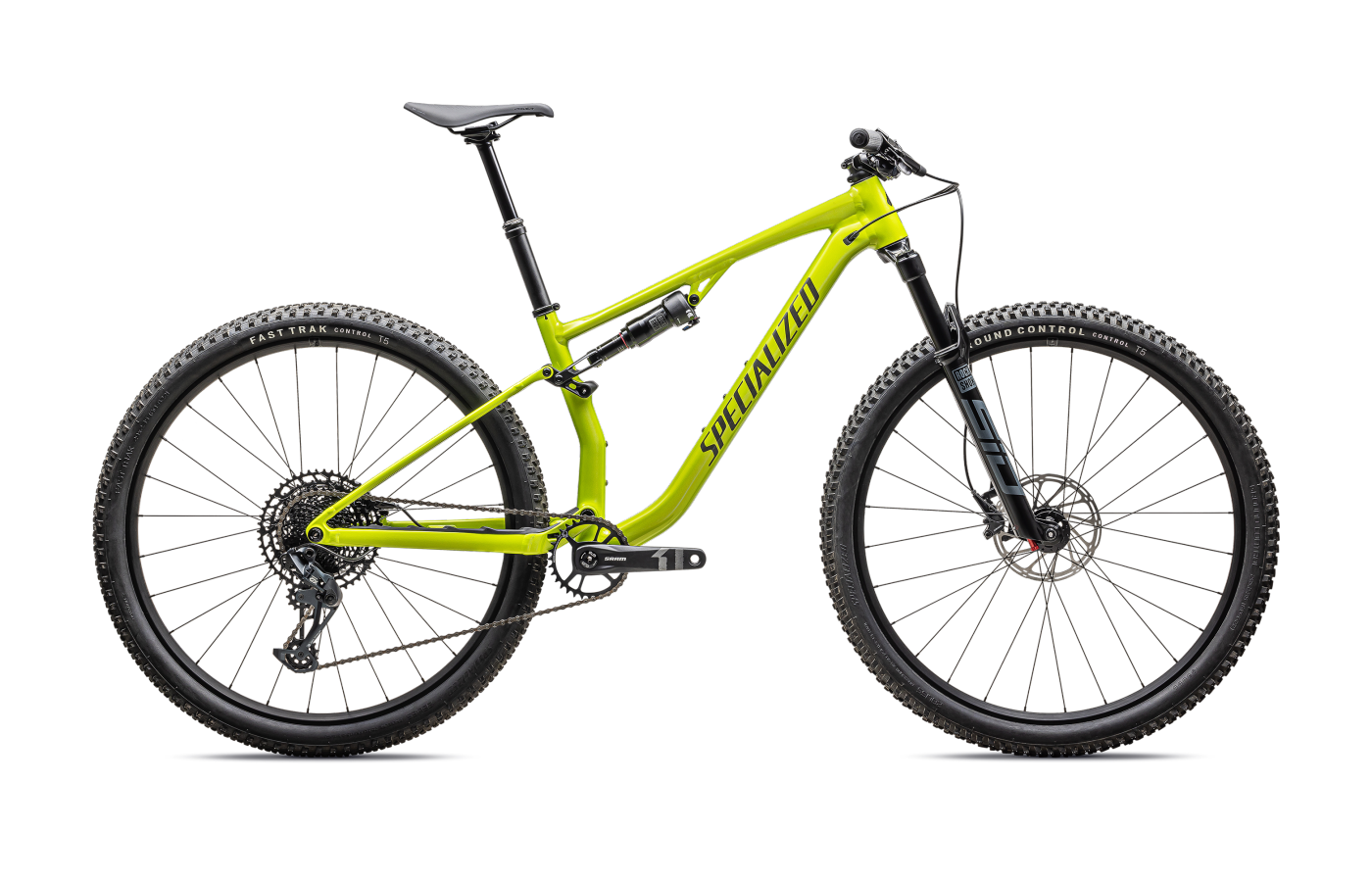
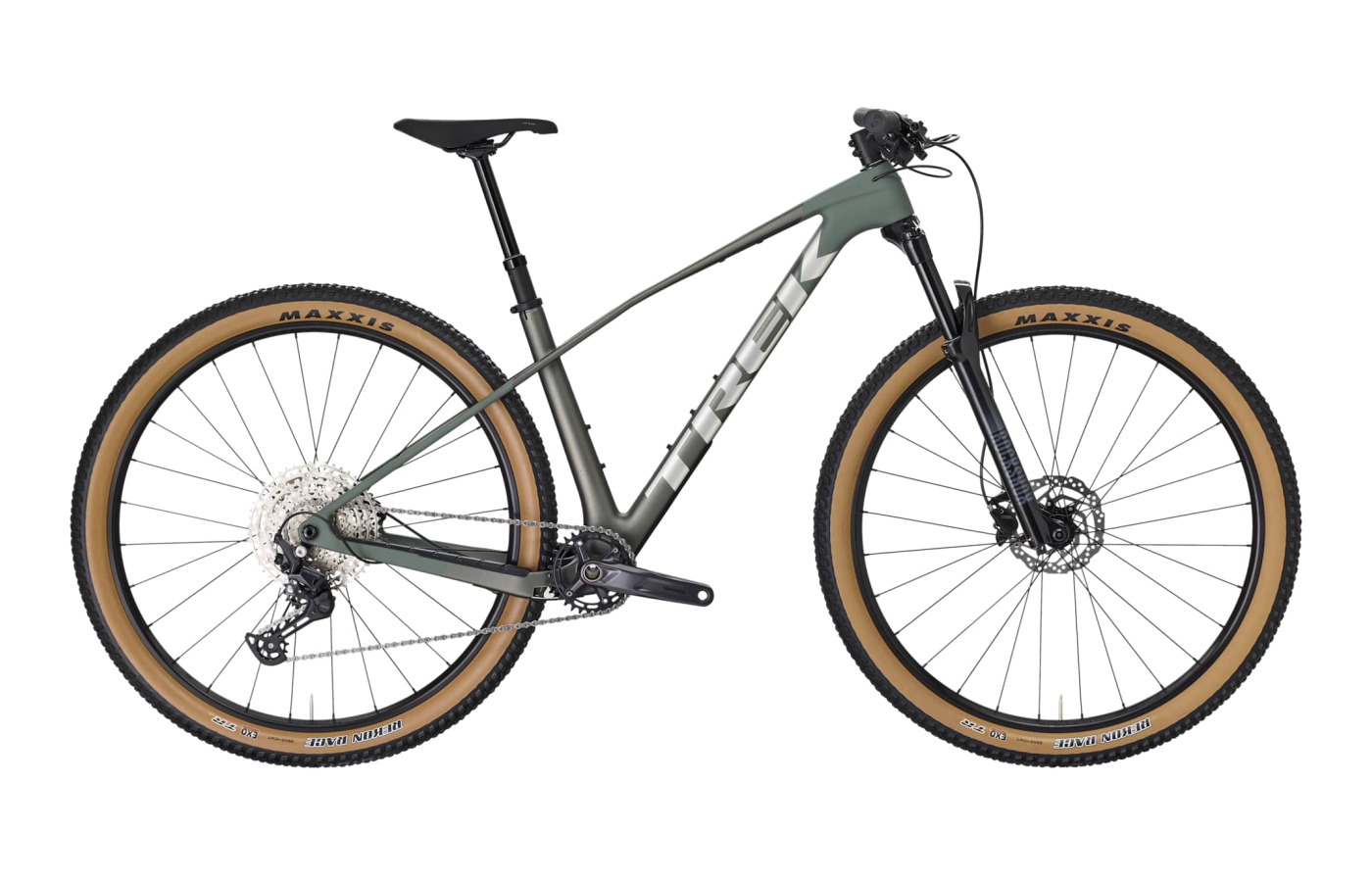
Two takes on the cross-country mid-market.
The Chisel is an alloy full-suspension momentum machine. The Procaliber is a carbon hardtail built around frame flex and raw efficiency.
Chisel
- Full-suspension capability — 110mm rear travel on a tuned single-pivot flexstay that handles rocks and roots a hardtail can't.
- Smartweld alloy frame punches well above its price; reviewers call it a 'convincing facsimile' of the carbon Epic 8.
- Modern XC geometry — 75.5° seat tube and 445mm reach in size M keep the rider centered on steep technical climbs.
- Roughly 670g heavier than the Procaliber 9.5 in tested sizes — the suspension and alloy add up.
- Stock wheels use Shimano HG-style freehubs that limit future high-end cassette upgrades.
Procaliber
- Premium OCLV carbon frame — the same 1,200g chassis ships across the entire Procaliber lineup, top to bottom.
- Lighter at the same trim — 12.13 kg in size M for the 9.5 Gen 3, $800 cheaper than the comparable Chisel Comp.
- Energetic, responsive ride feel — the carbon hardtail snap and 'zingy' acceleration that reviewers consistently single out.
- No rear suspension — high-frequency chatter and chunky terrain are firmly the rider's job.
- Very low 309mm bottom bracket means more pedal strikes in rocky or rooty terrain.
Editor’s analysis
This isn't full-suspension vs. hardtail in the abstract — it's a question of where the engineering money should land: in the linkage, or in the frame.
On paper these bikes share a category and a 67-degree head tube angle, but they answer the cross-country question almost in opposition. The Specialized Chisel pours its budget into a 110mm rear suspension on Specialized's D'Aluisio Smartweld M5 alloy frame — a chassis reviewers describe as 'a convincing facsimile' of the carbon Epic 8. The Trek Procaliber spends its budget on the frame instead: the same 1,200g OCLV Mountain Carbon chassis used across the entire Procaliber lineup, with a structural IsoBow flex zone where the seatstays meet the top tube.
The Chisel is the heavier, more capable bike on rough ground. At a claimed 12.80 kg in size MD, the Comp build is no featherweight — but the rear linkage and 120mm RockShox SID let it stay calm and traction-rich on the kind of terrain that would punish a hardtail. Reviewers consistently call it a 'momentum machine' and a 'rally bike.' The trade is that the rear shock has a 'narrow sweet spot' — set the sag wrong and it goes from compliant to clattery on high-frequency chatter.
The Trek Procaliber goes the other direction. At 12.13 kg in size M, the 9.5 Gen 3 is lighter than the Chisel Comp despite costing $800 less. That weight advantage and the carbon frame's 'energetic snap' make it the sharper climbing tool — particularly on flowy, less-technical terrain where the rear suspension's cost is hard to justify. The IsoBow does some work on hard impacts (reviewers disagree on how much), but it's the high-volume 2.4-inch tires doing most of the comfort heavy lifting.
Put another way: the Chisel is the bike for the rider whose trails got rowdy. The Procaliber is the bike for the rider whose trails got fast.
Where the builds differ.
Comparing our editor's-pick builds side-by-side. Winners highlighted row-by-row — lower price and weight, and the better-spec component, each mark a point.
Build variants & pricing
The Chisel spans eight builds from a $1,899 hardtail to a $3,599 Comp EVO. The Procaliber Gen 3 carbon lineup is shorter — just the 9.5 at $2,699 in the US.
Prices are current US MSRP. Trek also sells an alloy Procaliber 6 at $1,799, but it's a different chassis (Alpha Platinum aluminum, not OCLV carbon) — for the carbon Gen 3 frame, the 9.5 is the only US trim.
How they fit, how they steer.
The fit-picked sizes for a 5'8" rider are Chisel size M and Procaliber size ML. Reach is identical at 445mm, but the Procaliber sits 8mm taller in stack, with shorter 435mm chainstays — that's the source of its 'flickable' feel.
Which size should I buy?
Size picks are based on stack, reach, and effective top tube length. Specialized uses XS–XL labels; Trek uses S–XL with an ML between M and L.
→These are starting points. Flexibility, riding style, and preferred position all shift the answer — if you’re between sizes, a professional fit beats a chart.
What the magazines said.
Published reviews from trusted cycling outlets. Click through for the full write-up.
Which one should you buy?
If your trails get chunky and you want one bike that can take the rough stuff, get the Chisel. If you race flowy XC and chase climbing efficiency, get the Procaliber.
Chisel
If your local trails have rock gardens, roots, and steep technical descents — and you want one bike that climbs like an XC racer but descends like a short-travel trail bike — the Chisel is the obvious answer. Reviewers call it a 'rally-ready' alloy anarchist for a reason.
Procaliber
If your courses are flowy, punchy, and not too chunky — and you'd rather invest in a top-tier carbon frame than a rear shock — the Procaliber 9.5 is the lighter, snappier, more efficient tool. The IsoBow takes some edge off, but this is a hardtail at heart.
Questions buyers actually ask.
Short answers to the things we get emailed about most often.
01Which is faster on a typical XC course?
It depends on the course. On a smooth, flowy, climbing-heavy XC track, the Procaliber 9.5 is the faster bike — it's roughly 670g lighter than the Chisel Comp in equivalent sizes and converts pedal input straight into forward motion via its OCLV carbon frame.
On a modern XCO-style track with rock gardens and technical descents, the Chisel closes the gap and often passes the Procaliber on the way down. Reviewers note its 110mm of rear travel keeps it 'planted' through trail features that force a hardtail rider to slow down and pick lines.
02How much travel does each bike have?
The Chisel Comp runs 120mm front (RockShox SID) and 110mm rear (RockShox Deluxe Select+). The Comp EVO bumps that to 130mm front with a Fox 34.
The Procaliber 9.5 Gen 3 is a hardtail — 120mm front (RockShox Judy GOLD) and zero rear travel. Trek's IsoBow structural flex zone in the top tube takes some edge off hard impacts, but reviewers describe the effect as 'subtle' compared to the high-volume 2.4-inch tires doing most of the comfort work.
03What's the weight difference?
Trek lists the Procaliber 9.5 Gen 3 at 12.13 kg (26.75 lb) in size M with sealant.
Specialized lists the Chisel Comp at 12.80 kg (28 lb 3.5 oz) in size MD. So roughly 670g separates them in equivalent trim — meaningful on long climbs, but less than you might assume given one is full-suspension alloy and the other is hardtail carbon.
04How do the geometry numbers compare for a 5'8" rider?
Chisel size M: 445mm reach, 606mm stack, 67° HTA, 75.5° STA, 437mm chainstays, 1177mm wheelbase.
Procaliber size ML: 445mm reach, 614mm stack, 67° HTA, 72° STA, 435mm chainstays, 1155mm wheelbase.
Reach is identical, head angle is identical. The Procaliber sits 8mm taller, with shorter chainstays and a much slacker actual seat tube angle — that's why reviewers describe it as more 'flickable' but also more old-school in its seated climbing posture.
05Are the cable routings any easier to live with?
Yes, on both. Neither bike runs cables through the headset — Specialized routes through traditional ports on the Smartweld frame, and Trek removed the Knock Block and uses standard side-entry on the head tube of the Gen 3.
Both use threaded BSA bottom brackets (Chisel) or are otherwise serviceable with standard tools. This matters more than it sounds: routine bearing service doesn't require a brake bleed on either bike.
06Can I upgrade the wheels and cassette?
On the Chisel, watch the freehub. Reviewers including Bikepacking.com flagged that several Chisel builds ship with Shimano HG-style freehub bodies, which prevent direct upgrades to higher-end SRAM XD or Shimano Microspline cassettes without a freehub or wheel swap.
The Procaliber 9.5 ships with Bontrager Kovee alloy wheels (23mm internal) and Shimano TC500 hubs — also a candidate for an upgrade path, though the carbon frame is a more rewarding starting foundation if you plan to keep the bike for years.
07Which is better for technical descents?
The Chisel, clearly. With 110mm of rear travel, a 120mm fork, and modern XC geometry, it can stay composed through trail features that demand traction and small-bump compliance from a hardtail.
The Procaliber Gen 3 has been moved in a more 'trail-friendly' direction with the slacker 67° head angle, 120mm fork, and dropper post — but it's still a hardtail. As one reviewer put it, the four-piston brakes 'save you' when the rigid rear end starts reaching its limits, but you'll be picking lines more carefully than you would on the Chisel.
08Is the price gap fair given the spec difference?
The Chisel Comp at $3,499 sits $800 above the Procaliber 9.5 at $2,699. That gap mostly buys you the rear suspension — the linkage, shock, additional pivot hardware, and the Smartweld engineering that keeps the alloy frame light.
If your trails don't justify a rear shock, that's $800 you could put toward a wheel upgrade on the Procaliber. If they do, the Chisel earns the premium — there isn't a comparably equipped full-suspension carbon XC bike anywhere near $3,499.
Similar bikes
If your priorities don’t map cleanly onto either of these, one of these adjacent bikes probably fits better.
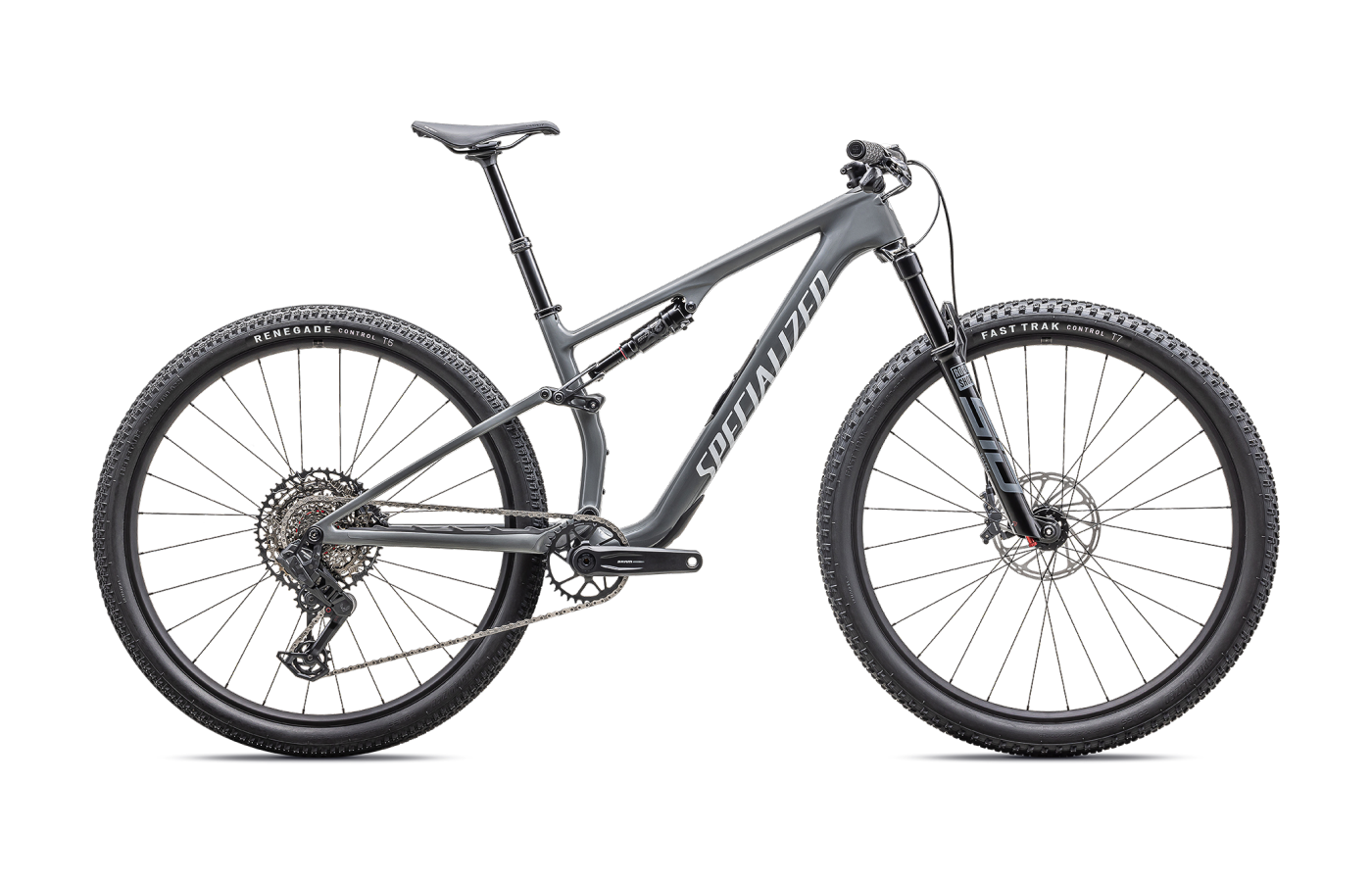
Epic
Specialized's carbon flagship XC platform — same modern geometry DNA as the Chisel, with 120mm of rear travel and a frame several hundred grams lighter. The bike to consider if the Chisel's character clicks but you have the budget for carbon.
Compare →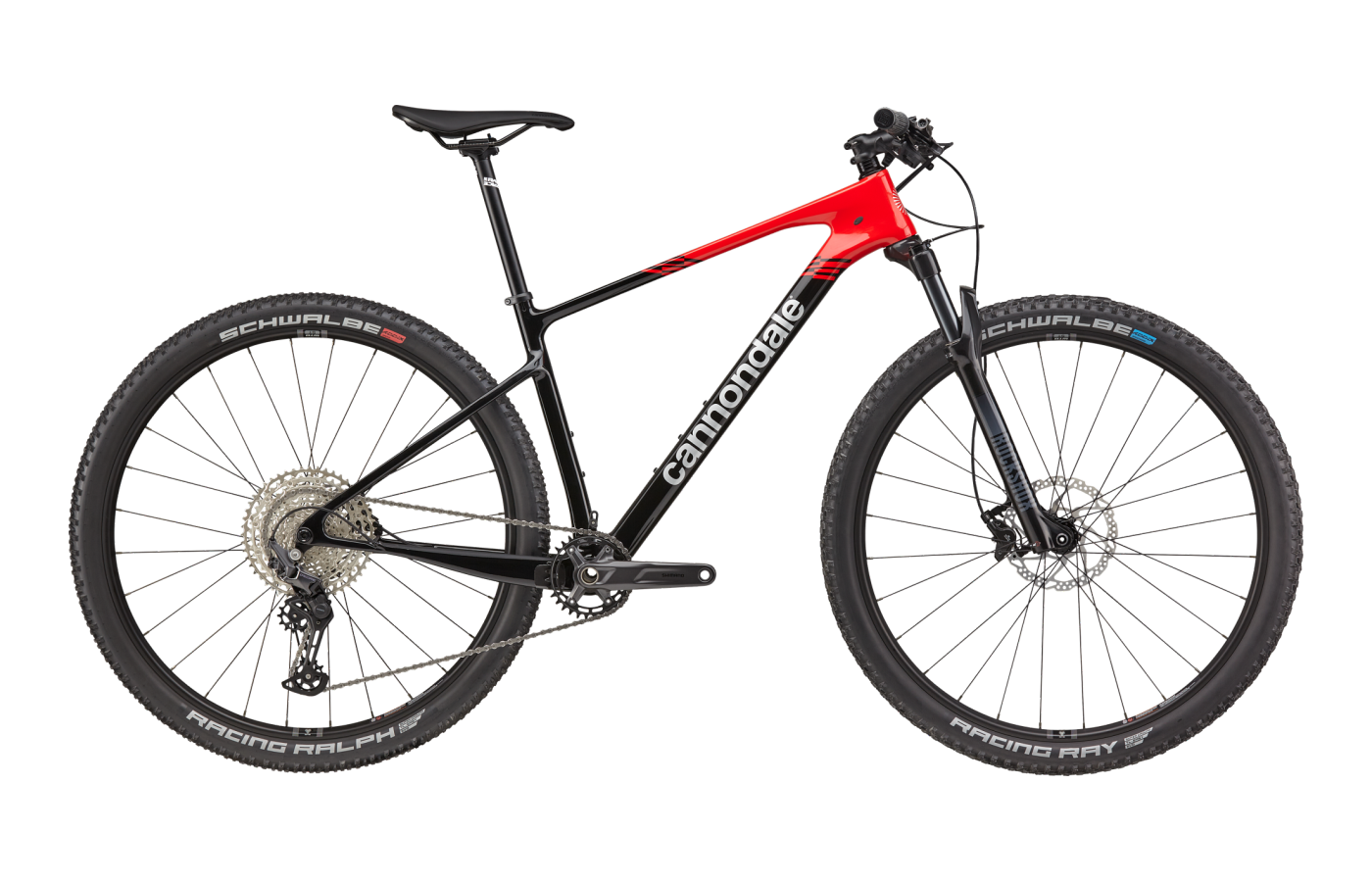
Scalpel HT
Cannondale's carbon XC hardtail and the most direct rival to the Procaliber. Slacker, more aggressive geometry for the rider who wants to push a hardtail into trail-bike territory.
Compare →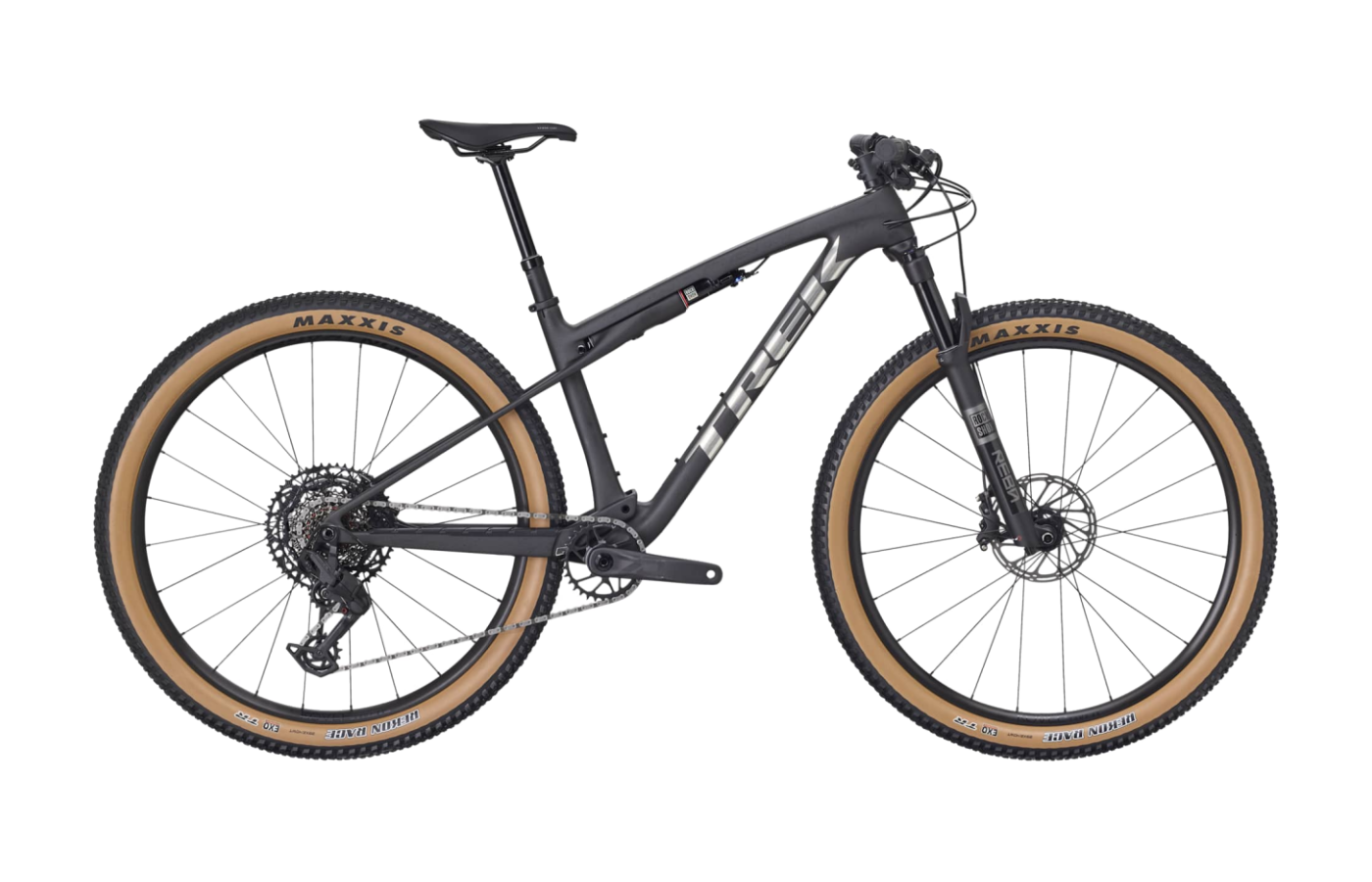
Supercaliber
Trek's IsoStrut-equipped XC bike — somewhere between the Procaliber's hardtail efficiency and a true full-suspension. The logical step up if the Procaliber's ride feel appeals but your back wants more than frame flex.
Compare →