Chisel
vsStumpjumper
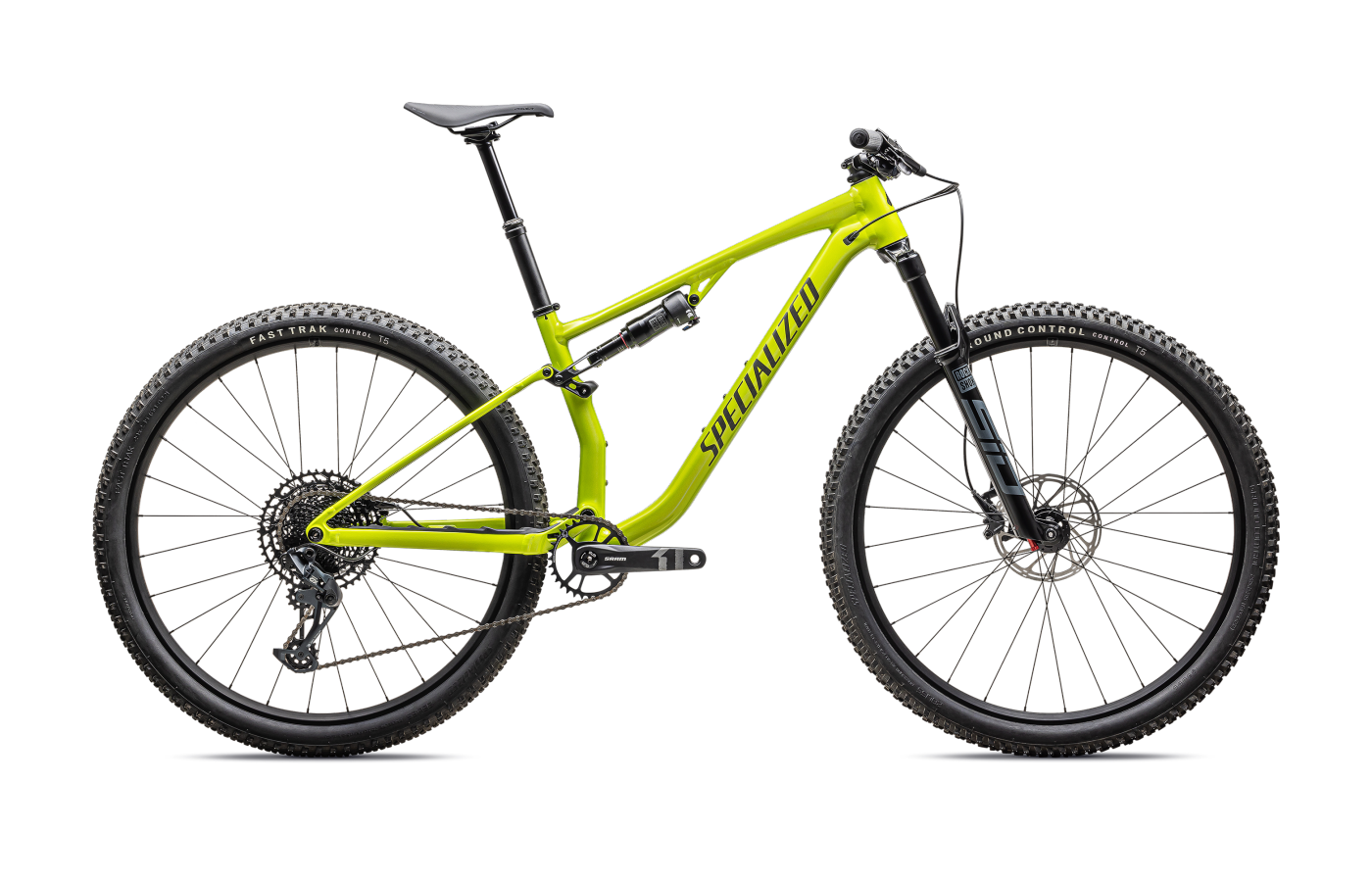
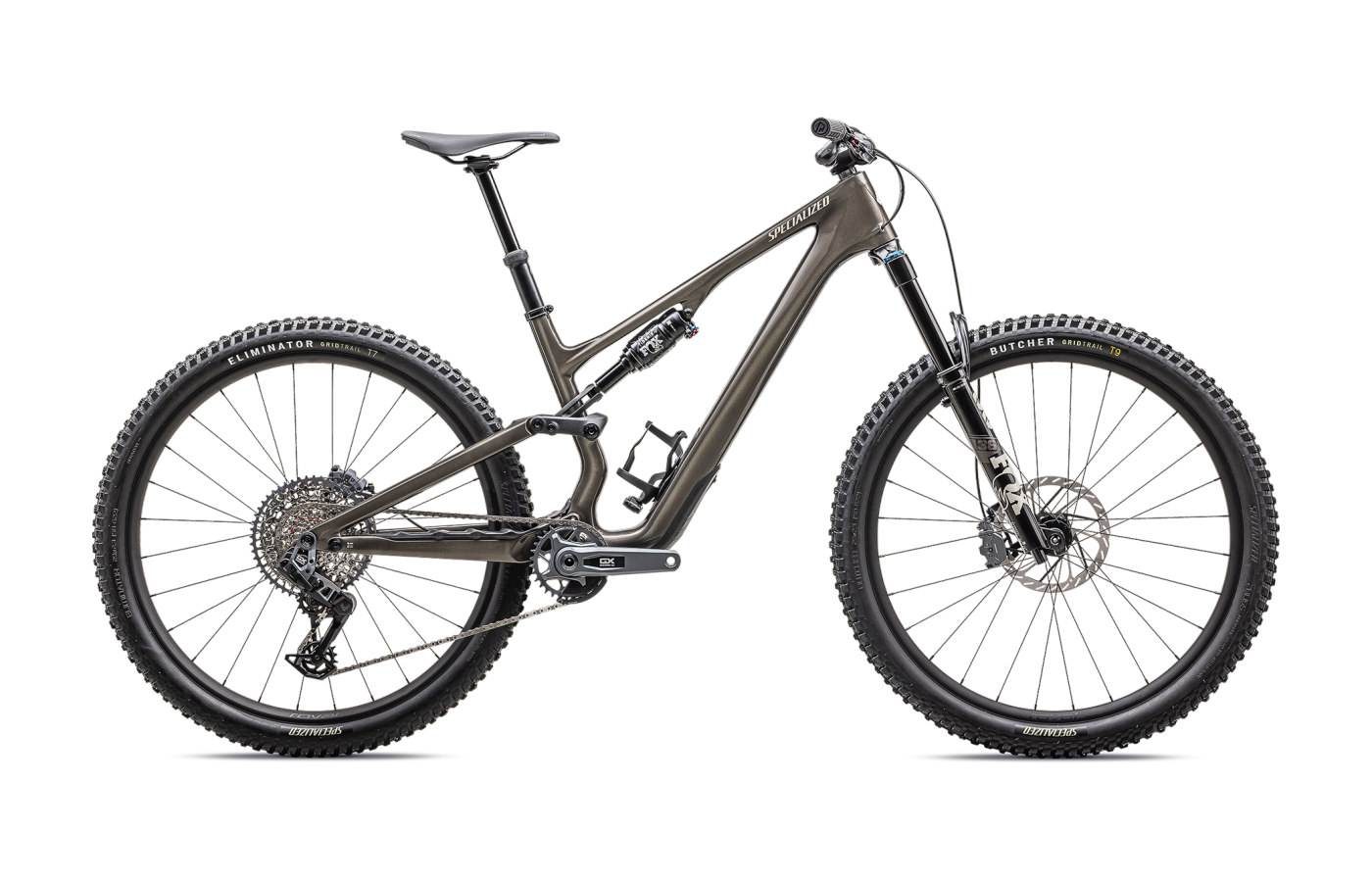
One Specialized logo, two radically different bikes.
The Chisel is an alloy XC bike built to hunt climbs. The Stumpjumper 15 is a carbon trail bike built to charge down them.
Chisel
- Alloy XC at a killer price — the Comp at $3,499 delivers race-ready geometry and a RockShox SID fork for less than most carbon frames.
- Pedaling efficiency — 110 mm of firm, supportive rear travel and high anti-squat make it a "momentum machine" on climbs and rolling flats.
- Upgrade-friendly frame — threaded BB, traditional cable routing (no headset nonsense), and 30.9 mm dropper compatibility mean parts bin swaps are painless.
- Firm RX rear tune goes harsh on high-frequency chatter — you ride it, it doesn't float you.
- Lower-tier builds ship with Shimano HG freehubs and basic alloy wheels that limit upgrade paths.
Stumpjumper
- GENIE shock — coil-like suppleness in the first 70% of 145 mm travel, then hard progression to stop bottom-outs cold.
- Descends like a bigger bike — 64.5° HTA (adjustable to 63°) and 150 mm fork keep it composed at speeds where the Chisel rattles.
- Adjustable geometry — headset cups and flip chip give three HTA positions; swap the link for mullet. One frame, many bikes.
- Carbon buyers are locked into wireless drivetrains — no mechanical routing on the FACT 11m frame.
- Proprietary GENIE shock serviceability is a long-term question mark for skeptics.
Editor’s analysis
Both wear the Specialized logo. That's where the similarities stop — one is a momentum machine, the other is a confidence machine.
The Specialized Chisel and the Specialized Stumpjumper 15 share a factory and a flip-chip, and almost nothing else. The Chisel runs 110 mm of rear travel, 120 mm up front, and a 67° head tube angle on an M5 alloy frame. The Stumpjumper 15 runs 145 mm rear, 150 mm front, and a 64.5° head tube angle (adjustable to 63° or 65.5°) on a FACT 11m carbon frame. They're not variants of the same bike. They're the two ends of Specialized's full-suspension range.
The Chisel is the rarer thing — a modern alloy full-suspension XC bike built at a price most brands have abandoned. Reviewers at Bikepacking, The Radavist, and Nminus1bikes all land in the same place: it's a "momentum machine," with a D'Aluisio Smartweld frame that feels carbon-level stiff, a firm pedaling platform that rewards forceful input, and "good bones" worth upgrading around for years. The suspension sweet spot is narrow — one reviewer found that dropping 5 PSI below recommended changed the bike's character entirely — and the rear end goes harsh on chattery, high-frequency stuff. This is a bike that asks the rider to work.
The Stumpjumper 15 asks the trail to work around it. The headline tech is the Fox GENIE shock, which uses a dual-chamber air spring: the first 70% of travel feels "coil-like" and supple for traction, then a band closes off the outer chamber and the last 30% ramps up hard to prevent bottom-outs. Flow Mountain Bike and Theloamwolf describe it as a bike that is both "plush" and "progressive," with a 77° seat tube angle that keeps you centered on technical climbs and a slack front end that stays composed on descents that would have the Chisel's rider actively dancing on the pedals.
Put simply: the Chisel is the bike you buy if your weekends are about chasing Strava PRs on fast, rolling singletrack and you don't want to spend S-Works money. The Stumpjumper is the bike you buy if your weekends are about finding the rowdiest line and pedaling back up for a second lap. They overlap only in the sense that both have two wheels.
Where the builds differ.
Comparing our editor's-pick builds side-by-side. Winners highlighted row-by-row — lower price and weight, and the better-spec component, each mark a point.
Build variants & pricing
The Chisel tops out around $3,600. The Stumpjumper 15 starts there and runs to $12,000 — the platforms barely overlap on price.
Our picks are the Chisel Comp ($3,499) and Stumpjumper 15 Expert ($5,999) — both on SRAM GX Eagle, the cleanest tier-match available. The $2,500 price gap is the comparison, not a flaw in it: carbon trail platforms simply don't live where alloy XC platforms live.
How they fit, how they steer.
The Chisel M and Stumpjumper 15 S3 both land at a 445–450 mm reach, but that's where the match ends. The Stumpy sits 21 mm taller in stack, runs 2.5° slacker at the head tube, and has 17 mm more trail — numbers that add up to a completely different front end.
Which size should I buy?
Size recommendations based on stack, reach, and effective top tube. The Chisel uses XS–XL sizing; the Stumpjumper 15 uses S1–S6 and lets you size by reach rather than standover.
→These are starting points. Flexibility, riding style, and preferred position all shift the answer — if you’re between sizes, a professional fit beats a chart.
What the magazines said.
Published reviews from trusted cycling outlets. Click through for the full write-up.
Which one should you buy?
If you want to go uphill fast on a budget, get the Chisel. If you want to go downhill fast and don't mind paying for it, get the Stumpjumper 15.
Chisel
If most of your riding is fast, rolling, and earns its descents, the Chisel is a remarkably good bike at a remarkably low price. Lightweight enough to rail a Strava loop, stiff enough to feel like a race bike, and cheap enough to upgrade over time instead of replace.
Stumpjumper
If you want one bike that climbs like a trail bike and descends like a mini-enduro, the Stumpjumper 15 is the most adaptable thing in the range. The GENIE shock makes technical climbs feel like cheats and keeps you composed on terrain a 110 mm XC bike would have you hanging on through.
Questions buyers actually ask.
Short answers to the things we get emailed about most often.
01Which one climbs faster?
The Chisel, on anything smooth or rolling. Its firm 110 mm rear tune, high anti-squat, and lighter alloy build (~12.8 kg on the Comp vs ~14.5 kg on the Stumpjumper Expert) make it a faster accelerator and a more efficient seated climber on fire roads and buff singletrack.
On steep, technical, root-covered climbs, the picture flips. The Stumpjumper 15's supple GENIE shock produces massively more rear-wheel traction — reviewers at Flow Mountain Bike and The Loam Wolf repeatedly noted it cleans technical pitches where shorter-travel bikes spin out.
02Which one descends better?
The Stumpjumper 15, by a wide margin. 145 mm of rear travel, a 150 mm fork, and a 64.5° head tube angle (adjustable to 63° via the headset cups) put it in genuine trail-bike territory. The GENIE shock's progressive ramp-up means big drops don't bottom out harshly.
The Chisel can descend fast — especially the EVO build with its 130 mm Fox 34 — but the 67° head angle and firm short-travel rear require active body English. The Radavist described the descending vibe as "just hanging on" through chunkier rock gardens.
03What's the travel and geometry difference?
Chisel: 110 mm rear, 120 mm front (130 mm on the EVO). 67° HTA (66.5° in the low flip-chip position), 75.5° seat tube, 437 mm chainstays across all sizes.
Stumpjumper 15: 145 mm rear, 150 mm front. 64.5° HTA stock, adjustable to 63° or 65.5° via headset cups. 76.5–77° seat tube, 430–445 mm chainstays (size-specific). That's a 35 mm rear travel difference and 2.5° of head angle — categorically different bikes.
04Is the price difference worth it?
It depends on what you value. The Chisel Comp at $3,499 gets you a proper RockShox SID fork, SRAM GX mechanical shifting, and a frame Bike Magazine called a "convincing facsimile" of the $4,500+ carbon Epic 8. The Stumpjumper 15 Expert at $5,999 gets you a FACT 11m carbon frame, Fox 36 Performance Elite fork, SRAM GX Transmission wireless shifting, and the GENIE shock.
The extra $2,500 buys carbon, 35 mm more rear travel, adjustable geometry, and a fundamentally different kind of bike — not a better Chisel.
05Can I race XC on the Stumpjumper or ride enduro on the Chisel?
You can, but you're fighting the bike.
The Stumpjumper 15 is too heavy and too slack to be an XC race weapon — 14.5 kg and a 64.5° HTA are a liability on a tight cross-country course. It will absolutely do marathon and all-day epics.
The Chisel — particularly the EVO with its 130 mm fork and Fox 34 — is surprisingly capable on moderate trail, but 110 mm of rear travel runs out fast on aggressive descents. Reviewers described it as needing "precise line choice" in anything resembling an enduro stage.
06How serviceable are they long-term?
Both score well, with caveats.
The Chisel is praised across the board for being mechanic-friendly: threaded BSA bottom bracket, traditional cable routing (no cables through the headset), 30.9 mm dropper compatibility, and a simple flex-stay design. Bikepacking did flag one catastrophic Shimano MT410-B hub failure at 150 miles, and the stock Control-casing tires are noted as fragile.
The Stumpjumper 15 uses the same threaded BB and standard 210×55 mm shock mount, so you can swap out the GENIE for a conventional shock if you want. Specialized backs both with a lifetime frame warranty and lifetime pivot bearing replacement for the original owner. The proprietary GENIE is the main serviceability concern.
07Which has better tire clearance?
Both run standard 29×2.3–2.4" trail rubber, and neither is tire-limited for its intended use. The Chisel's clearance is listed at around 60 mm (so ~2.4" comfortably). The Stumpjumper 15 ships with 29×2.3" Butcher/Eliminator tires on 30 mm internal Roval rims and has headroom for burlier casings — most reviewers recommend an upgrade to GRID Gravity or Maxxis DoubleDown rubber for aggressive riding.
08Why is the Chisel editor's pick the Comp and not the EVO?
Both are excellent. We picked the Comp at $3,499 because it's the clearest representation of what the Chisel is — an alloy XC bike built around a 120 mm SID fork and XC tires. It's the version that best contrasts with the Stumpjumper 15's trail mission.
The Comp EVO at $3,599 is the same frame with a 130 mm Fox 34 and stickier Purgatory T9 tires — a "downcountry" pitch. If you want a Chisel that leans toward what a Stumpy does, the EVO is that bike. The comparison table uses the Comp as the cleaner apples-to-apples specimen.
Similar bikes
If your priorities don’t map cleanly onto either of these, one of these adjacent bikes probably fits better.
Epic Evo
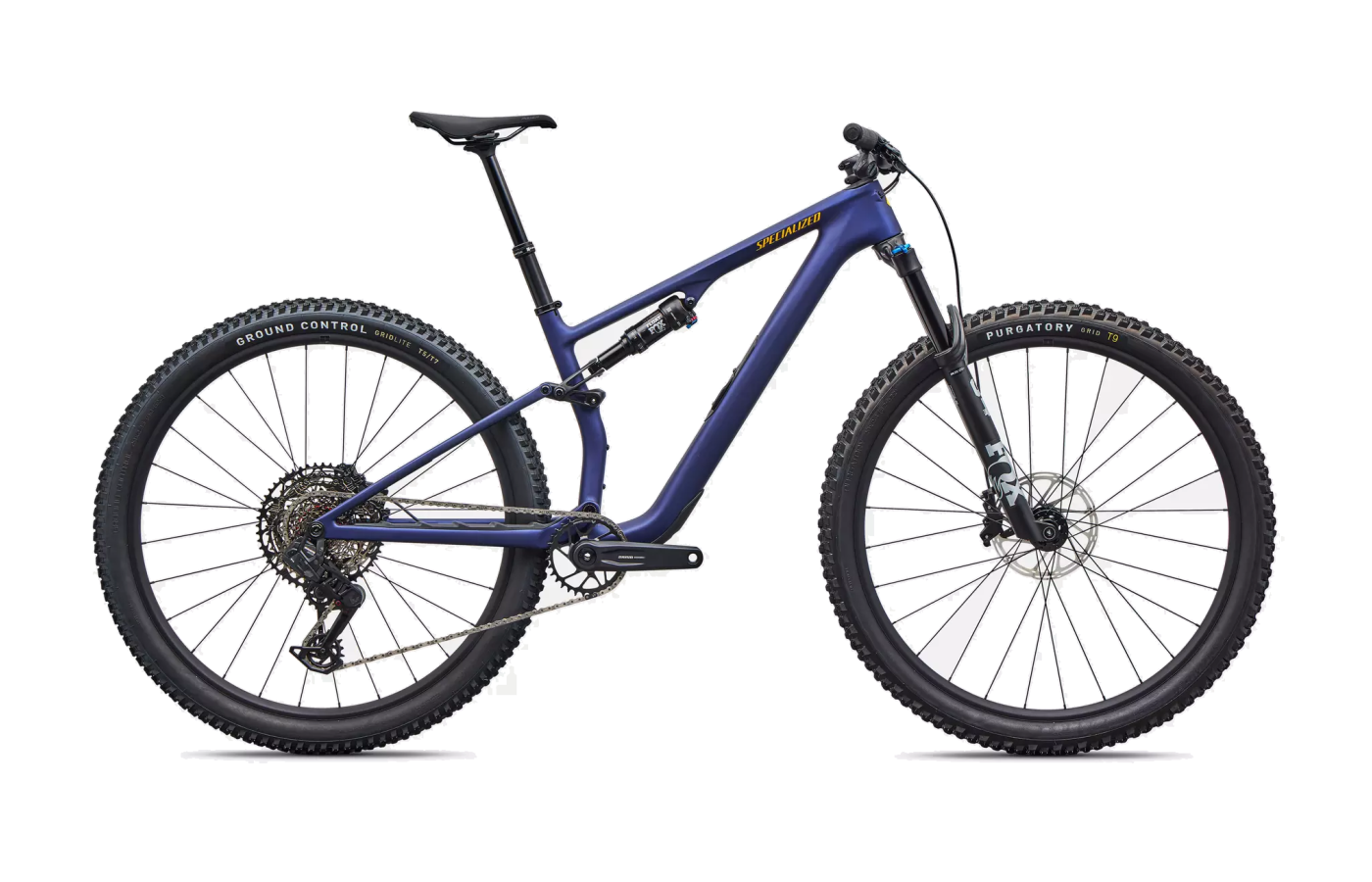
The carbon middle ground — more travel and refinement than the Chisel, more speed than the Stumpjumper. If the budget stretches and you want Chisel-style pace on a race-day frame, this is where Specialized wants you.
Compare →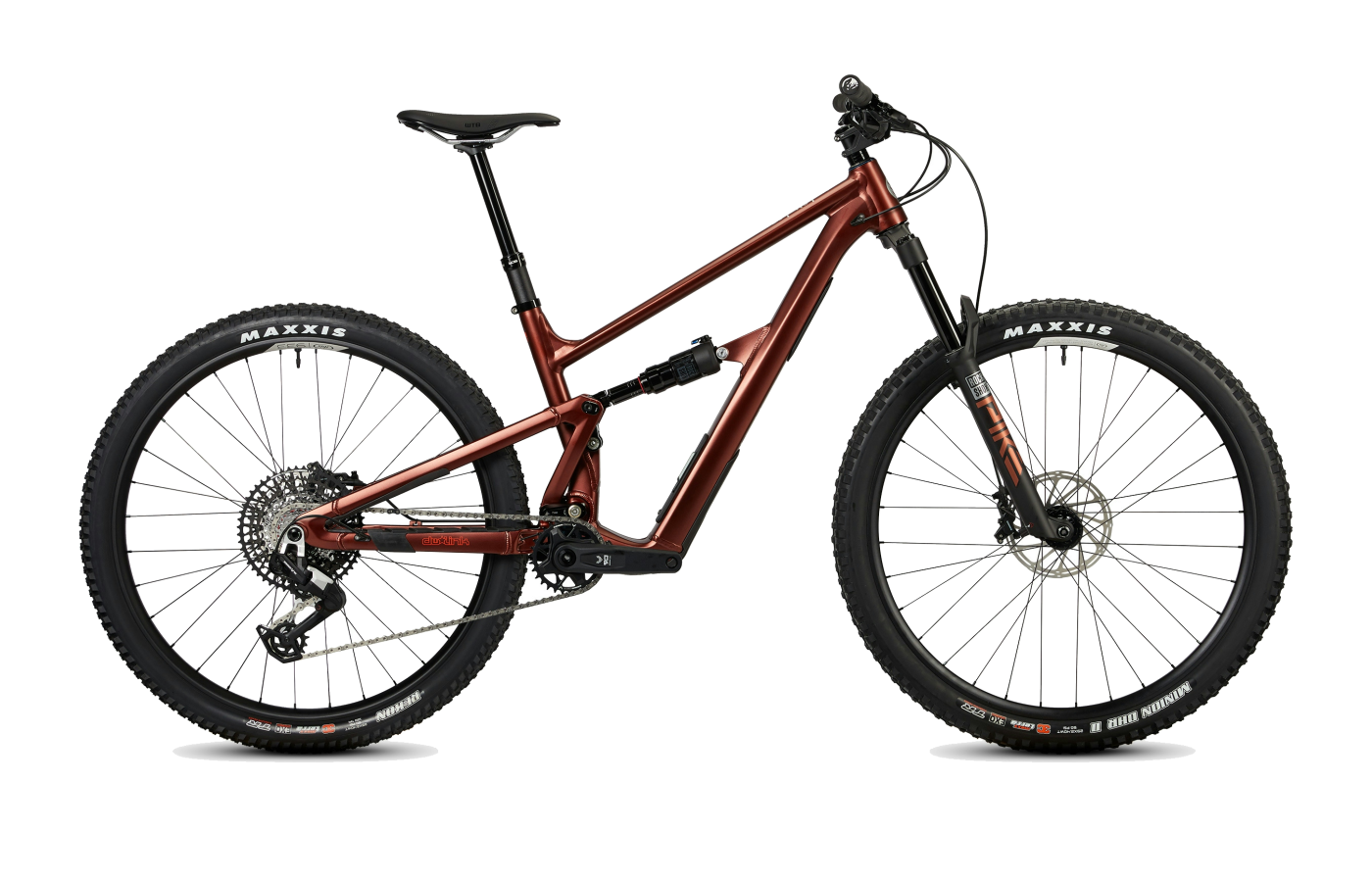
Ripley AF
The alloy answer to the Chisel from Ibis — a DW-link suspension platform that climbs with less harshness than the flex-stay Chisel, and a more planted descending feel. A direct philosophical rival at a similar price.
Compare →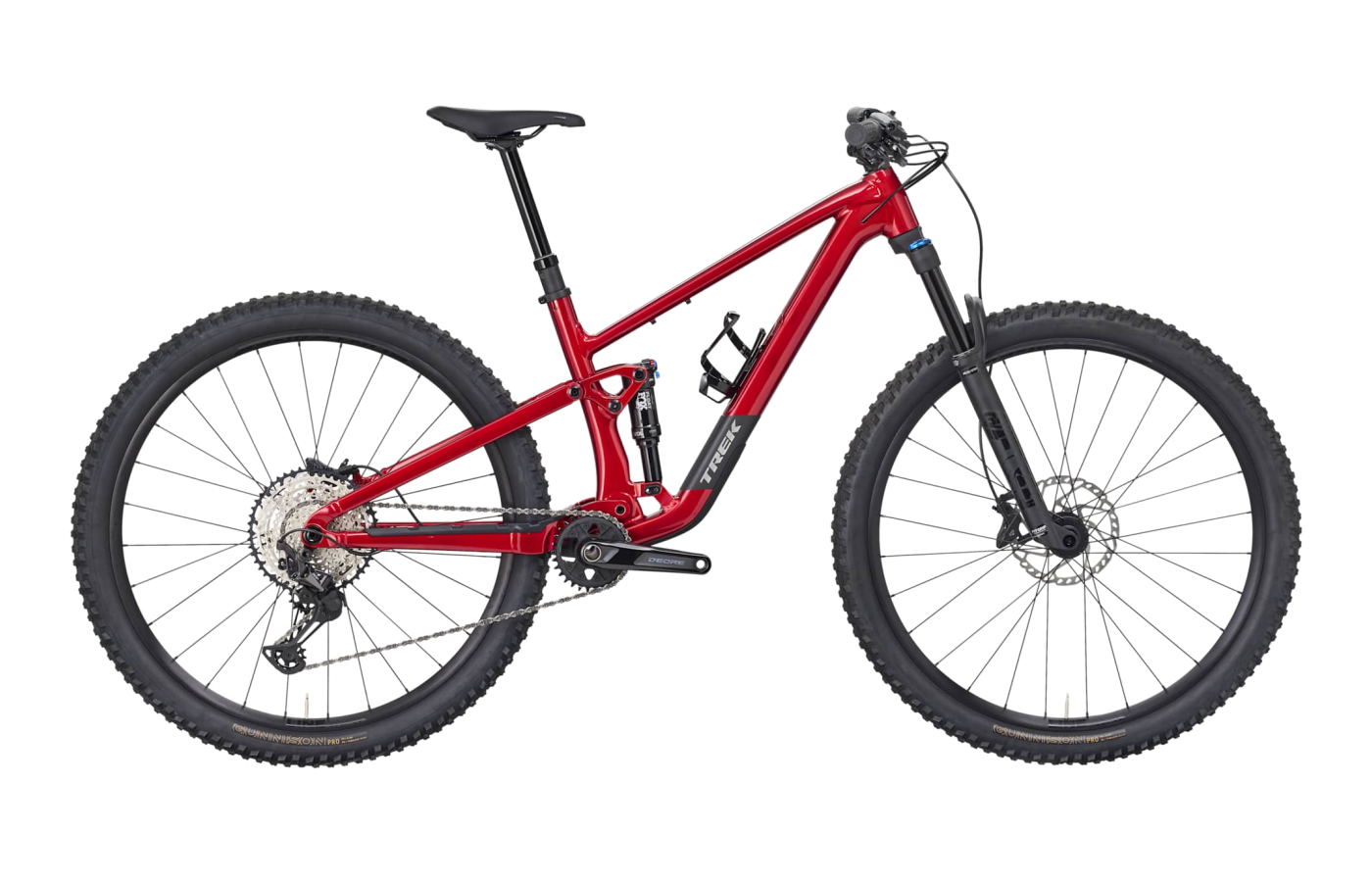
Top Fuel
Trek's short-travel trail bike splits the difference between XC and trail with 120 mm rear travel and IsoStrut suspension. Pacier than the Stumpjumper 15, more capable than the Chisel on technical terrain.
Compare →