Ripmo
vsRascal
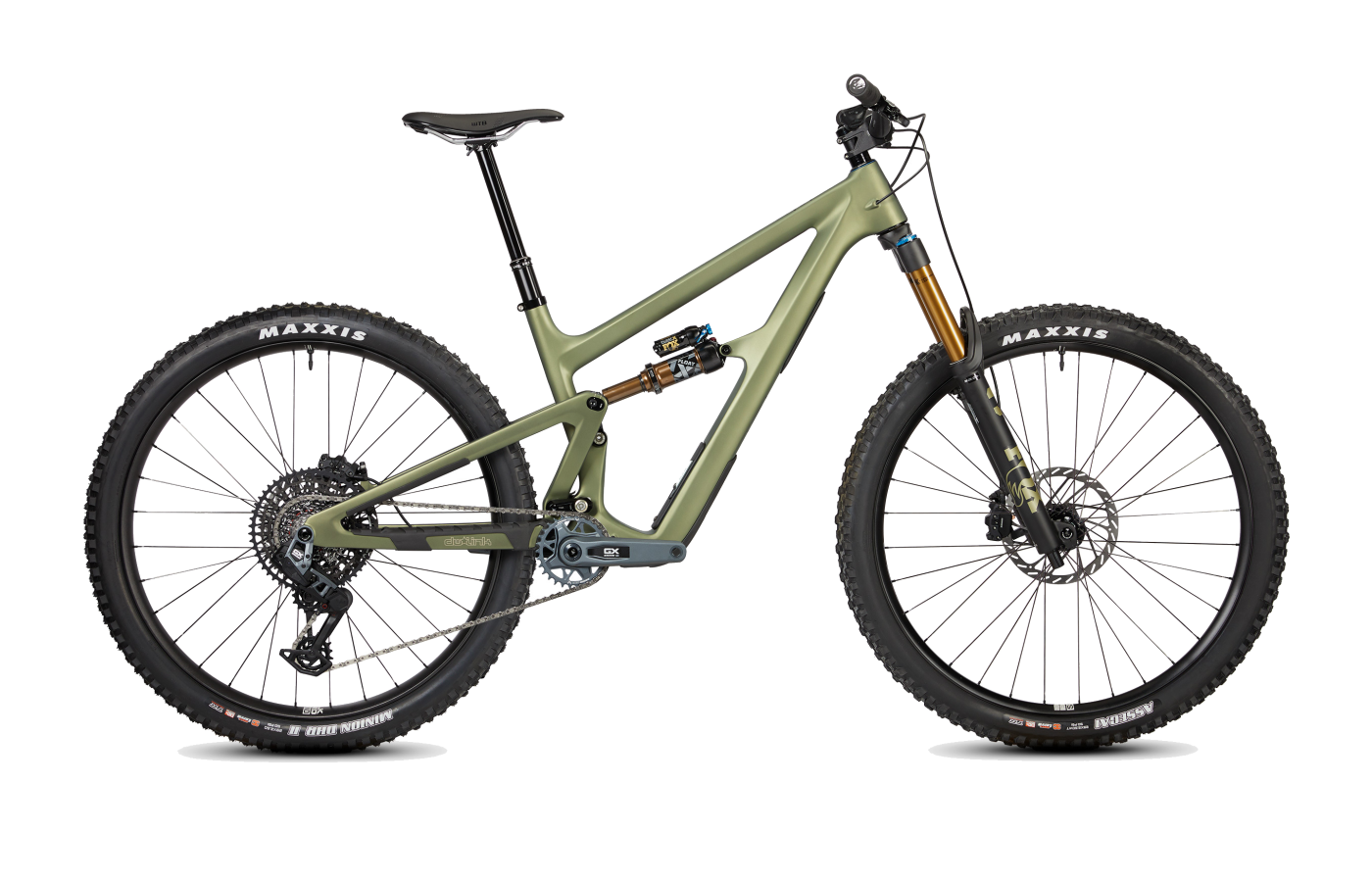
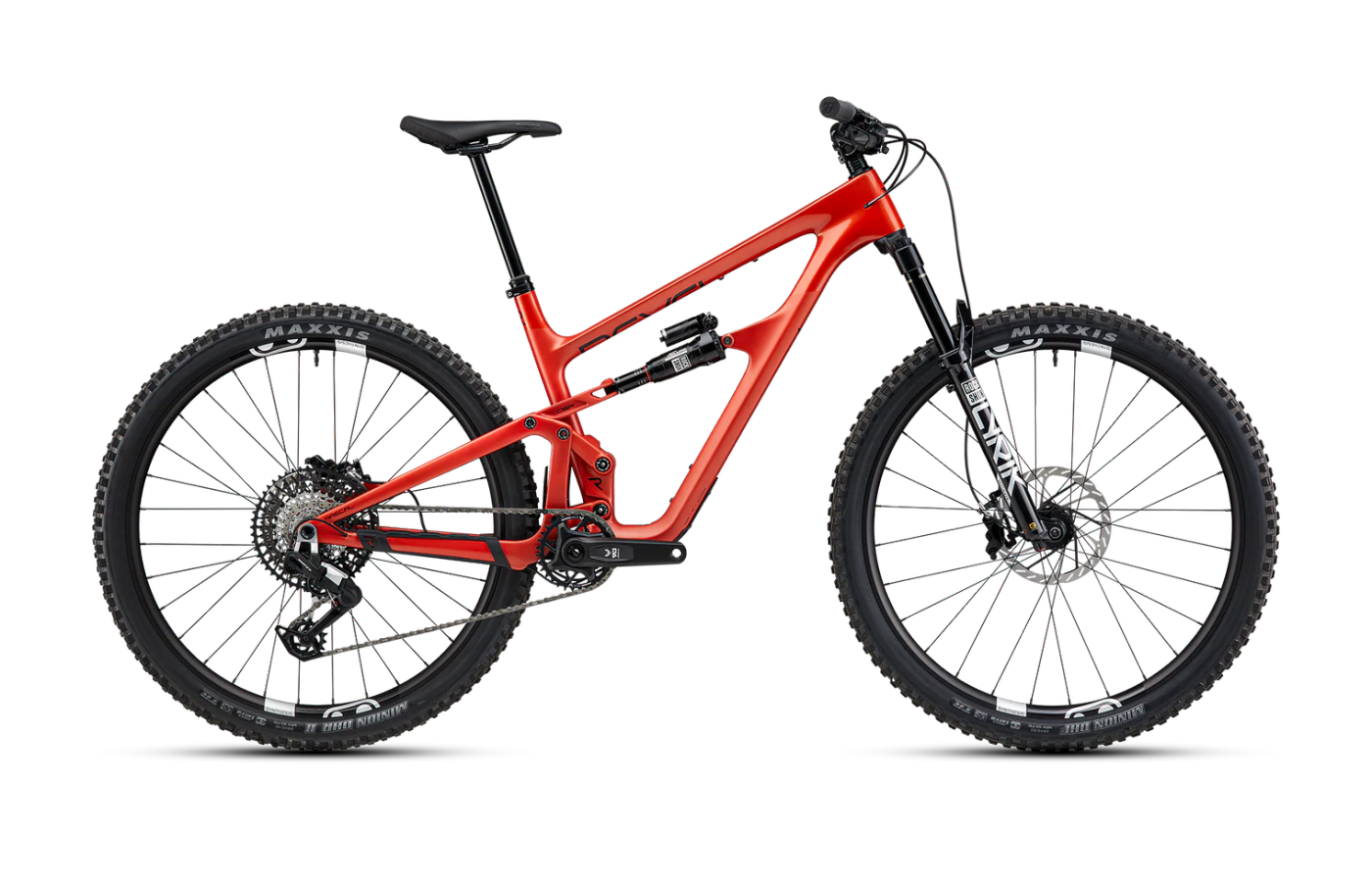
Two playful trail bikes, two different ceilings.
The Ripmo V3 is the do-it-all 150/160 mm all-mountain classic. The Rascal V2 is a 130/140 mm trail whippet that punches above its travel.
Ripmo
- Real all-mountain travel — 160 mm front / 150 mm rear handles bike-park laps without feeling overgunned for Tuesday rides.
- Size-specific geometry — chainstays, seat angle, and BB all scale with size, so S and XL riders get matched balance.
- Integrated storage and long-haul details — Cotopaxi-bagged downtube compartment, threaded BB, UDH, lifetime bushing warranty.
- A few reviewers found the stock Fox 36 Grip X damper undercooked for the frame's potential — an upgrade list target.
- Divergent takes on torsional stiffness: most call it stout, one long-term tester found it softer than the V2S.
Rascal
- Class-leading pedal efficiency — CBF holds ~140 % anti-squat at sag; testers routinely ignored the climb switch entirely.
- Sharp, playful handling — 65.5° head angle, short 436 mm stays, and a 140 mm Lyrik make it a live wire on flowy trail.
- Flat pricing across high-end builds — Eagle 90, X0 Transmission, and XX Transmission kits all sit at $5,199, letting you pick the drivetrain not the budget.
- Can feel twitchy on fast, chunky terrain — rewards clean lines more than brute force.
- Revel has reportedly ceased operations, clouding warranty and spare-parts support for a frame sold on long-term ownership.
Editor’s analysis
Same dirt, different mandates — one wants to eat a bike-park lap and still climb home, the other wants to make your Tuesday-night loop feel like a race.
The Ibis Ripmo and Revel Rascal both live in the 'one bike, many trails' bucket, but they cover it from opposite ends. The Ripmo runs 160 mm up front and 150 mm out back, a 64.5-degree head angle, and size-specific chainstays and bottom brackets that scale with frame size. The Rascal runs 140/130 mm, a full degree steeper at 65.5, and keeps its 436 mm chainstays constant across every size. Travel numbers alone tell you which one wants to be pointed at rougher ground — but the character gap is bigger than 20 mm implies.
The Ripmo is the safer, more versatile platform. DW-Link suspension that climbs efficiently without a lockout, a proper 160 mm Fox 36, in-frame storage with Cotopaxi bags, a threaded bottom bracket, and Ibis's lifetime bushing warranty. Reviewers who wanted one bike for everything from Tuesday-night climbs to annual enduro races kept landing on this frame. Pinkbike's field test called out a 'fluttery' Grip X fork and found the ride more nervous than expected, but that's the outlier — most testers described the V3 as the most composed, most capable Ripmo yet.
The Rascal is the sharper, more specific tool. Revel's Canfield Balance Formula (CBF) suspension is widely called the most efficient pedaling platform in the category — 140 %+ anti-squat at sag, firm under power with the climb switch open, unusually good traction on technical climbs for a 130 mm bike. The trade is composure above speed: 436 mm rear end, 65.5-degree head angle, and a short stock 40 mm stem add up to a bike that reviewers repeatedly called 'twitchy' on fast, chunky terrain. It rewards precise lines; it punishes plow riding.
The complicating factor: Revel appears to have ceased operations. Multiple 2025 reviews flag this as a serious post-purchase risk — warranty, proprietary spares, and the RW30 Fusion-Fiber wheels all become harder to support. Retail inventory has seen unusually deep discounts, so the Rascal can be a genuine bargain right now. Just go in knowing you're buying a bike, not a brand relationship.
Where the builds differ.
Comparing our editor's-pick builds side-by-side. Winners highlighted row-by-row — lower price and weight, and the better-spec component, each mark a point.
Build variants & pricing
Ripmo spans $5,199–$9,999 across five builds; Rascal sits flat at $4,999–$5,199 across four. Both go wireless Transmission mid-range.
Prices are current US MSRP. Revel's reported business wind-down means retail discounts on the Rascal have been deeper than the sticker suggests — but it also means long-term warranty and parts support is uncertain. Factor that into the total cost picture.
How they fit, how they steer.
Ripmo MD vs Rascal Medium — wheelbases are almost identical (1219 mm vs 1198 mm), but the Ripmo is a full degree slacker (64.5° vs 65.5°) and sits 12 mm taller in stack. The Rascal's 451 mm reach runs 5 mm shorter than the Ripmo's 456 mm, with nearly identical 436/435 mm chainstays.
Which size should I buy?
Size recommendations based on stack, reach, and effective top tube. Ibis's extra 'XM' size slots between MD and LG for riders who usually fall between Medium and Large.
→These are starting points. Flexibility, riding style, and preferred position all shift the answer — if you’re between sizes, a professional fit beats a chart.
What the magazines said.
Published reviews from trusted cycling outlets. Click through for the full write-up.
Which one should you buy?
If you want one bike for everything up to occasional enduro days, get the Ripmo. If you want the most efficient trail bike money can buy and you're OK with Revel's uncertain future, get the Rascal.
Ripmo
If your trails mix chunky climbs, high-speed descents, and the occasional bike-park day — and you want one frame to do all of it without compromise — the Ripmo V3 is still the benchmark. Backed by a healthy dealer network and a lifetime bushing warranty, it's the safer long-term pick.
Rascal
If you value climbing efficiency and flowing singletrack over raw descending capability — and you ride clean lines instead of plowing — the CBF suspension is legitimately special. The brand uncertainty is a real risk, but the deal on remaining inventory might be the best value in trail bikes right now.
Questions buyers actually ask.
Short answers to the things we get emailed about most often.
01Which climbs better?
The Revel Rascal, and it's not particularly close. Reviewers across Pinkbike, NSMB, Blister, and Nminus1 all ignore the climb switch entirely — CBF's ~140 % anti-squat at sag holds the bike firm under power without killing small-bump sensitivity.
The Ripmo still climbs well for a 150 mm bike (the DW-Link is known for it), but it's a heavier-travel platform with a slacker 64.5° seated position. On a long fireroad grind, the Rascal feels the lighter bike even though the measured weight gap is modest.
02Which descends better?
The Ibis Ripmo, clearly. An extra 20 mm of rear travel, 20 mm more fork, a full degree slacker head angle, and size-specific chainstays translate into more composure when things get fast and rough. Most reviewers call the V3 the most capable Ripmo yet.
The Rascal holds its own on flowing singletrack and technical climbs, but multiple reviewers called it 'twitchy' or 'skittish' at high speed in chunk. It rewards clean line choice; the Ripmo is more forgiving of lazy lines.
03What travel do they run?
Ripmo V3: 160 mm front (Fox 36) / 150 mm rear (Fox Float X), DW-Link kinematics, coil-shock compatible.
Rascal V2: 140 mm front (RockShox Lyrik Ultimate) / 130 mm rear (RockShox Super Deluxe Ultimate), CBF dual-link, air only.
The 20 mm rear / 20 mm front gap is the single biggest difference between the two bikes — it defines every other character trade.
04How do chainstay lengths compare?
The Ripmo runs size-specific stays from 435 mm on SM/MD up to 440 mm on XL, so bigger riders get a proportionally longer rear end. The Rascal runs a constant 436 mm across every size.
For small and medium riders, the Rascal's short rear feels exceptionally poppy. For XL and XXL riders, reviewers — including Pinkbike — flagged that the constant chainstay length can leave taller riders feeling unbalanced on steep climbs.
05Is Revel really shutting down?
Multiple 2025 reviews (Awesome MTB, NSMB, others) reported that Revel Bikes appears to have ceased operations. At the time of writing, details are still emerging.
In practical terms: remaining retail inventory has been discounted deeply; long-term warranty, proprietary frame hardware, and CBF-specific parts may be harder to source. If you're buying a Rascal new, budget for the possibility of self-sourcing spares. If you want the peace-of-mind warranty safety net, the Ripmo is the safer pick.
06Which has in-frame storage?
Only the Ripmo V3. The downtube compartment ships with two Cotopaxi-designed bags and is consistently called one of the better-executed storage solutions on the market — secure closure, quiet, easy access.
The Rascal V2 has no in-frame storage, though it does include multiple bottle mounts on the downtube.
07Are editor's-pick builds apples-to-apples?
Close, but not identical. Both run SRAM Transmission wireless (GX on the Ripmo, X0 on the Rascal), both run 140 mm+ forks, both UDH.
The Rascal X0 pick ($5,199) ships with DT Swiss XMC 1501 carbon wheels; the Ripmo GX pick ($7,799) ships with Blackbird Send alloy wheels. The $2,600 price gap largely reflects Ripmo's longer-travel suspension package and more premium framesets, not drivetrain tier.
08Which would you buy?
If this is your only mountain bike and you ride varied terrain, the Ripmo V3 — it gives up very little on a flowy Tuesday night and gains a huge amount when the trail turns nasty. It's the more forgiving long-term purchase.
If you already own a longer-travel enduro bike and want a pedal-happy second trail bike — or if a deeply discounted Rascal appears and you're comfortable with the brand risk — the Rascal V2 is the more rewarding choice on the right trails.
Similar bikes
If your priorities don’t map cleanly onto either of these, one of these adjacent bikes probably fits better.
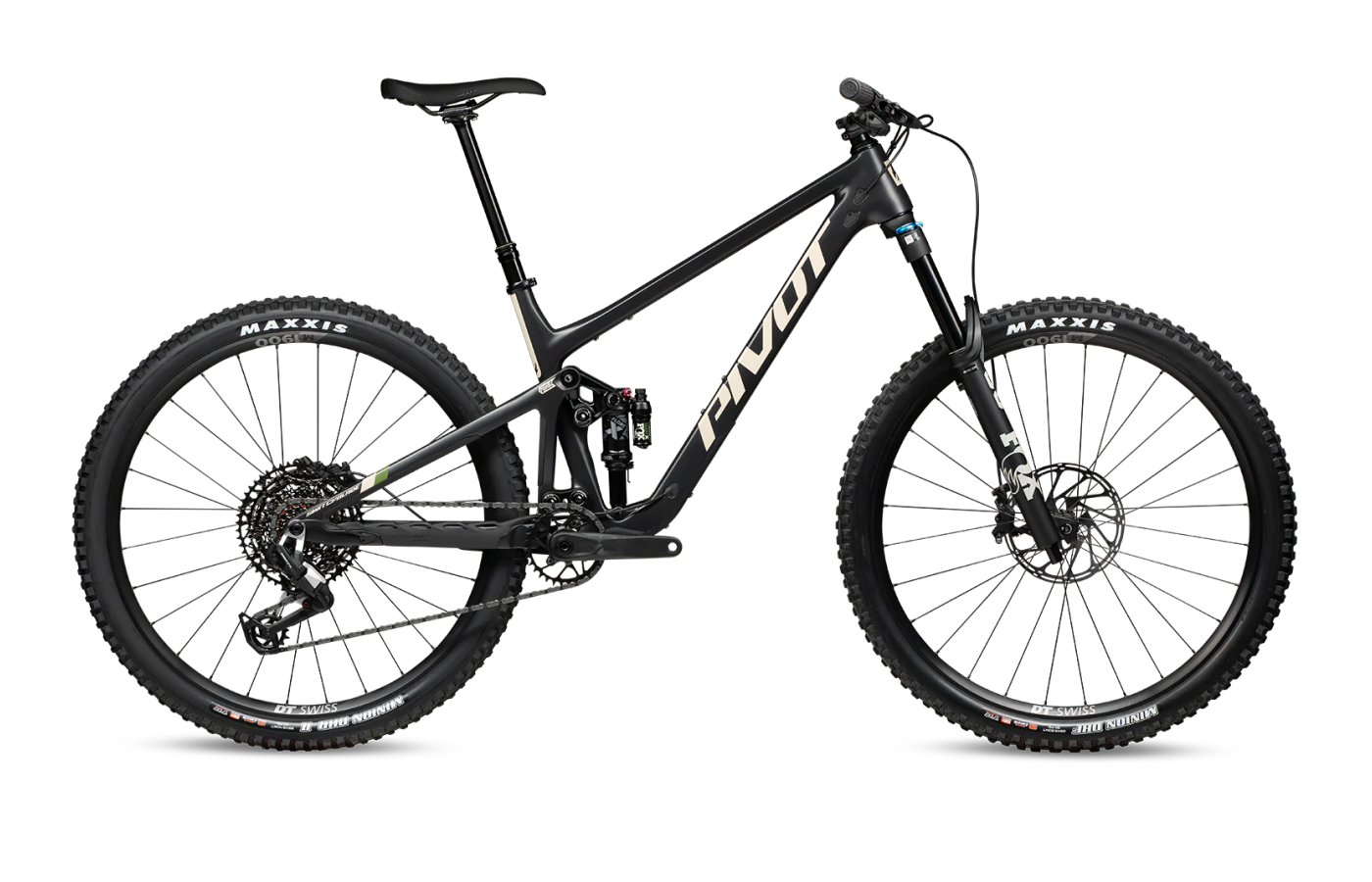
Switchblade
The Ripmo's closest direct rival — another efficient DW-Link platform, but with a slightly more planted, stiffer frame feel that aggressive riders tend to prefer over the Ibis.
Compare →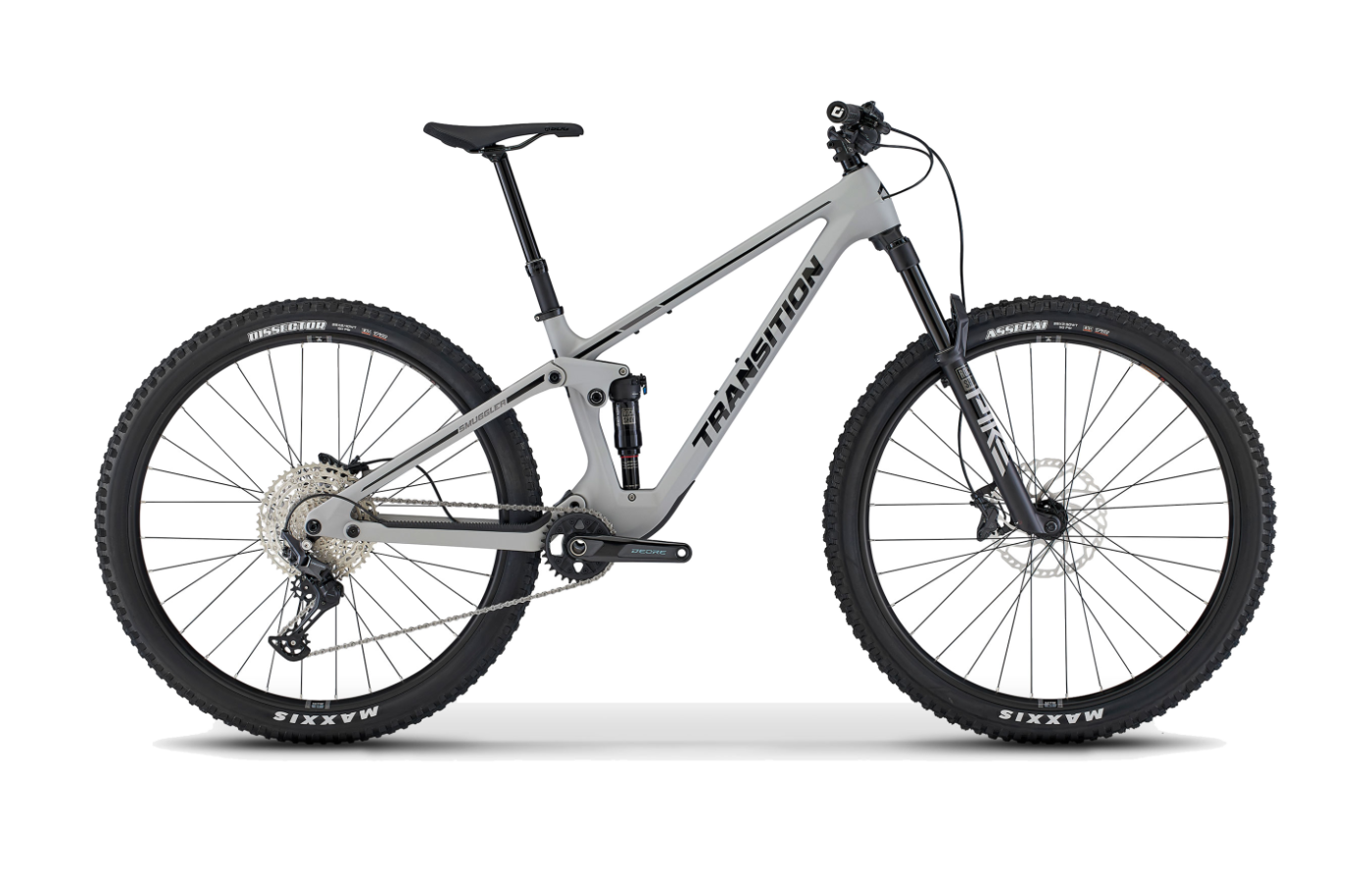
Smuggler
If the Rascal's live-wire handling sounds right but Revel's future gives you pause — the Smuggler is the short-travel, modern-geometry alternative with better high-speed composure and a dealer network that's still standing.
Compare →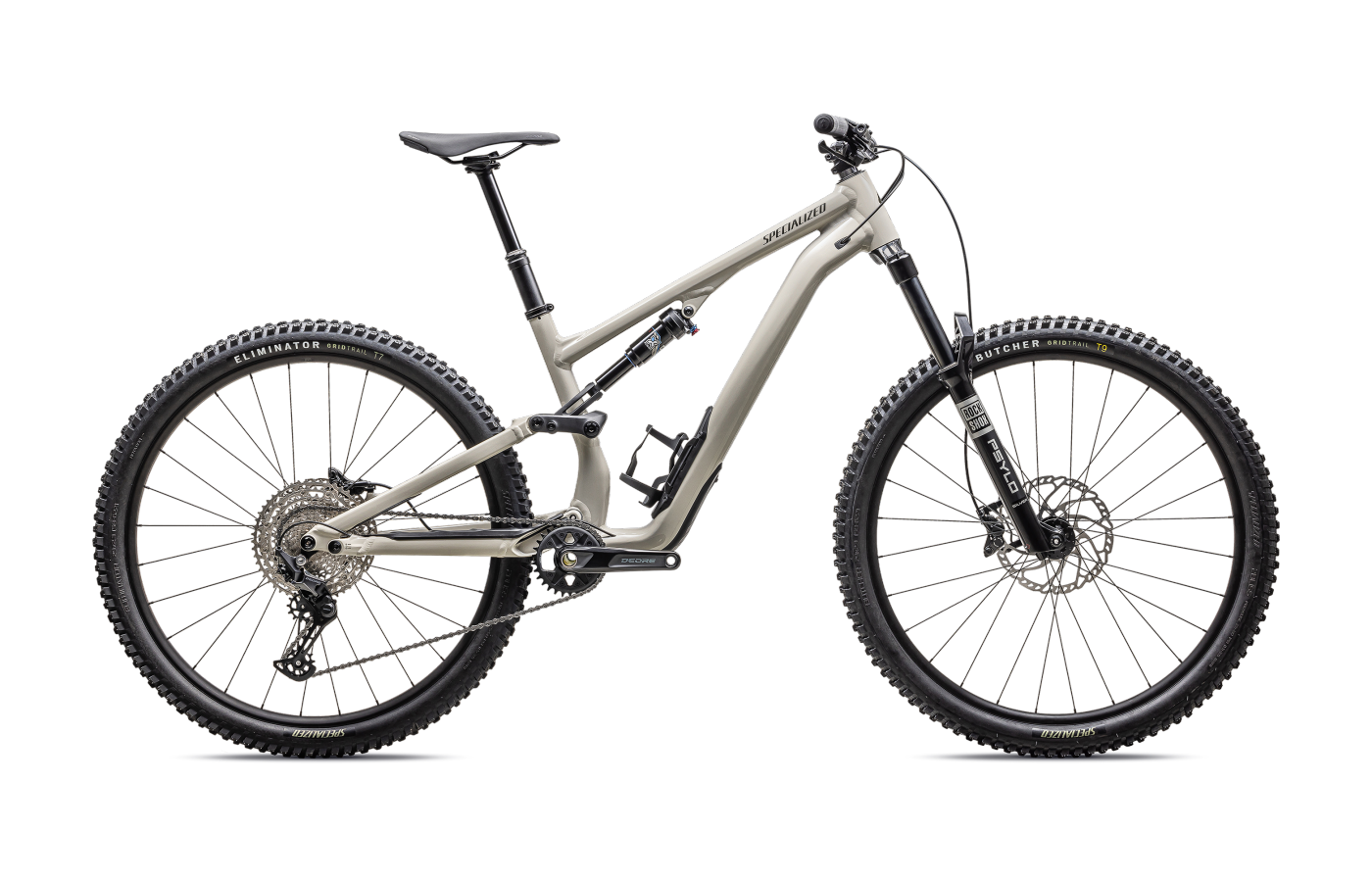
Stumpjumper
The trail-bike benchmark for a reason — lighter than the Rascal, with the best in-frame storage in the category. The FSR suspension isn't quite as efficient as CBF on climbs, but the all-round polish is hard to beat.
Compare →