Trailcat LT
vsSB140
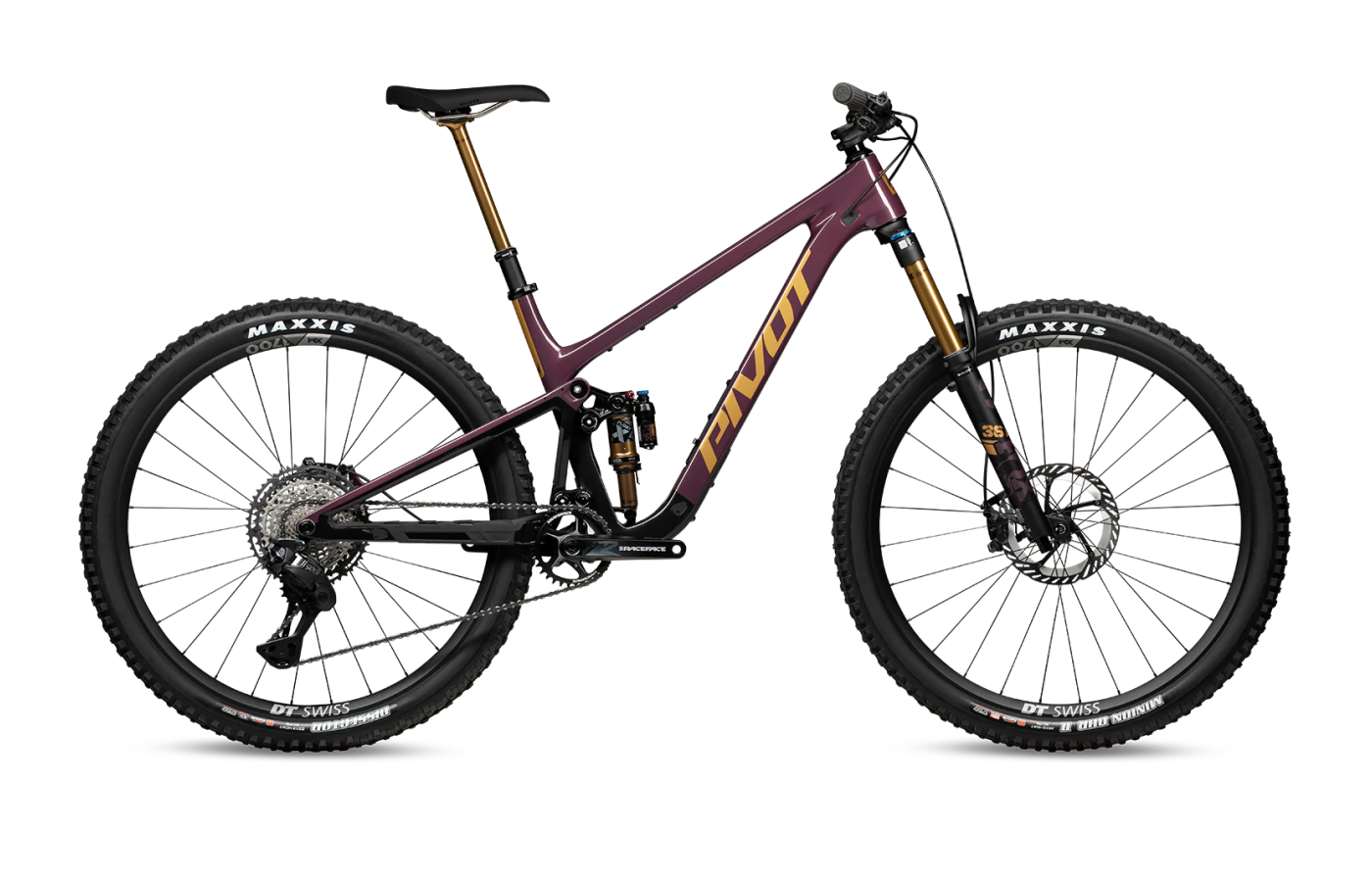
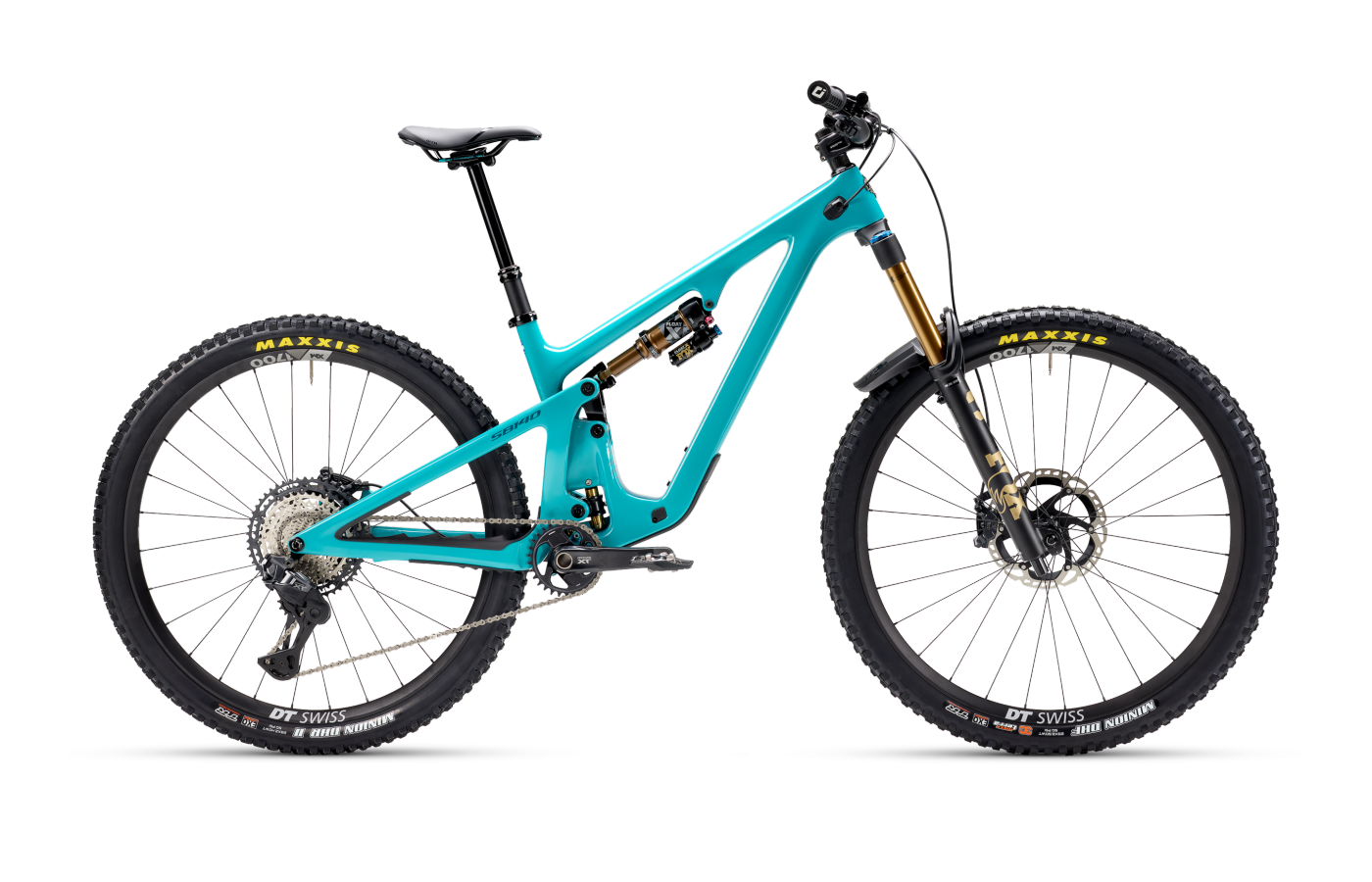
Two mid-travel trail bikes, two proprietary suspension religions.
The Trailcat LT is the lighter, shorter-travel scalpel. The SB140 is the heavier, longer-forked, higher-BB cruise missile.
Trailcat LT
- Class-leading pedaling platform — reviewers call the dw-link 'nearly solid' under power, no lockout needed.
- Lively, poppy trail feel — short 431 mm chainstays and Super Boost stiffness make it generate speed through pumping.
- Downtube storage and modern mounts — Pivot's Toolshed and internal routing beat the SB140 on convenience features.
- Press-fit bottom bracket is a known creak risk cited by reviewers.
- Shorter rear travel (135 mm) and reserved wheelbase cede composure to the SB140 when terrain gets truly rough.
SB140
- Bottomless mid-stroke — Switch Infinity V2 delivers a support curve that punches well above 140 mm rear travel.
- Steeper 77-degree effective seat tube — keeps the rider centered on technical climbs better than the Pivot's 75.6.
- Threaded BBSA bottom bracket — no press-fit creak tax; pivot bearings now live in the aluminum linkages.
- No internal frame storage and no adjustable geometry — features standard on most newer competitors.
- Low stack heights earned a near-universal 'swap to a higher-rise bar' note from reviewers.
Editor’s analysis
Both claim the same job — one bike to do it all, lightly — and get there via wildly different kinematics.
On paper these are close cousins: carbon trail 29ers in the mid-$6k-to-$12k range with 150-ish mm forks, four-bar linkages, and the same Fox 36 up front. Spend any time in the geometry table and the ride reports, though, and the design briefs diverge. The Pivot Trailcat LT runs 135 mm rear / 150 mm front on a dw-link with Super Boost rear spacing. The Yeti SB140, as currently built, is a Lunch Ride package — 140 mm rear / 160 mm front on Switch Infinity with a threaded BB and a relatively high 342 mm bottom bracket.
The Trailcat LT is the snappier, more efficient end of the segment. Reviewers describe the dw-link as 'nearly solid' under pedaling loads and call the shock tune the best-feeling on a stock Pivot. Short 431 mm chainstays (SM–MD), 65.3-degree head angle, and a 75.6-degree effective seat tube add up to what off-road.cc calls a 'feedback-rich and engaging ride' — but also a bike whose 'reserved wheelbase' can feel twitchy when things get truly rough. It's a one-bike quiver for riders who generate speed by pumping and popping, not plowing.
The SB140 plays a different tune. Size-specific 436–444 mm chainstays, a 65-degree head angle, and a steeper 77-degree seat tube put the rider further forward, and the Switch Infinity linkage delivers what reviewers repeatedly call an 'AI-like' support curve — firm under power, then bottomless on impacts. Multiple testers say it 'gets better the faster you go,' rewarding an active, front-weighted stance. The 160 mm fork and burlier brakes mean it descends harder than its 140 mm rear suggests, at the cost of an extra pound or so on the climbs.
Put simply: the Pivot Trailcat LT is the pick when you want a light, efficient trail bike that climbs like a short-travel rig and descends well above its travel. The Yeti SB140 is the pick when you want descending composure first, with climbing efficiency preserved by the seat tube and anti-squat — at a price premium and with a more demanding setup.
Where the builds differ.
Comparing our editor's-pick builds side-by-side. Winners highlighted row-by-row — lower price and weight, and the better-spec component, each mark a point.
Build variants & pricing
Both lineups span about $5.5k. Pivot's entry point is higher-quality carbon at $6,499; Yeti's entry point uses the heavier C-series layup at $6,200.
Prices are current US MSRP. The SB140 currently ships only in Lunch Ride trim (160 mm fork, Code-class brakes), so the 'standard' 150 mm-fork SB140 isn't apples-to-apples with the Trailcat LT's 150 mm spec.
How they fit, how they steer.
Compared at the fit-picked size for a 5'8" rider on each bike. Head angles are within 0.3 degrees (65.3 vs 65.0), and the SB140 runs a steeper 77-degree seat tube vs 75.6 on the Trailcat LT — noticeable on long seated climbs.
Which size should I buy?
Size recommendations are driven by stack, reach, and effective top tube. The Trailcat LT's size SM and the SB140's size M land at nearly identical reach (430 vs 460 mm on MD equivalents) — the sizing labels diverge more than the fits do.
→These are starting points. Flexibility, riding style, and preferred position all shift the answer — if you’re between sizes, a professional fit beats a chart.
What the magazines said.
Published reviews from trusted cycling outlets. Click through for the full write-up.
Which one should you buy?
If you want efficient and playful with strong climbing, get the Trailcat LT. If you want descending composure and are willing to set up the suspension carefully, get the SB140.
Trailcat LT
If your definition of a trail bike leans toward responsive, snappy, and climb-capable — and you'd rather generate speed by pumping features than by plowing through them — the Trailcat LT is the sharper tool. The dw-link platform gives up very little to hardtail-level pedaling efficiency, and the bike still descends well above its 135 mm rear travel.
SB140
If you want a trail bike that rewards an active, forward-weighted riding style and feels bottomless when the trail turns nasty, the SB140 delivers — particularly in the current 160 mm-fork Lunch Ride configuration. Expect to dial in setup carefully and swap in a higher-rise bar; reviewers near-universally do.
Questions buyers actually ask.
Short answers to the things we get emailed about most often.
01Which climbs more efficiently?
Both are exceptional pedalers — this is closer than the travel numbers suggest. The Pivot Trailcat LT's dw-link is described as 'nearly solid' under pedaling loads, with off-road.cc noting riders rarely reach for a shock lockout. The Yeti SB140's Switch Infinity runs high anti-squat early in the travel, producing what reviewers call a 'zesty' feel on the climbs.
The tiebreaker is geometry: the SB140 runs a 77-degree effective seat tube vs the Trailcat LT's 75.6. Reviewers noted the Pivot's slacker seat tube could cause the front to lift on the steepest pitches — especially when paired with a shorter stem. On mellower or rolling climbs, the Pivot's lower weight and shorter travel give it the edge.
02Which descends harder?
The Yeti SB140 — but the gap is smaller than the spec sheet makes it look. As currently sold, the SB140 runs a 160 mm Fox 36 (Lunch Ride trim) versus the Trailcat LT's 150 mm fork, and the Switch Infinity linkage is widely praised for a deep, supportive mid-stroke that feels closer to 150–160 mm rear than its actual 140 mm.
The Trailcat LT holds its own on flowy, feature-rich descents and is 'super composed' per reviewers, but its shorter wheelbase and 135 mm rear can feel busier in sustained rough terrain. If your riding regularly enters enduro-adjacent territory, the SB140 is the safer choice.
03How much travel do they actually have?
Pivot Trailcat LT: 135 mm rear / 150 mm front (Fox 36 Factory GRIP X2 on the top builds).
Yeti SB140: 140 mm rear / 160 mm front. All current builds in our database ship with the 160 mm 'Lunch Ride' fork configuration — the older 150 mm-fork variant is no longer the default.
On the trail, both bikes 'fool' riders into thinking they have more travel than the numbers suggest, thanks to their respective suspension platforms.
04Is the Trailcat LT's Super Boost spacing a problem?
It's a mild trade-off. Super Boost (157 mm rear) adds real stiffness — reviewers describe a 'feedback-rich' ride in corners and a more predictable rear end. The cost is wheel compatibility: you can't swap in a standard Boost rear wheel without a hub conversion. off-road.cc called Super Boost 'a little redundant on a bike of this travel,' but also acknowledged the stiffness benefit.
The SB140 uses standard 148 mm Boost, which keeps the wheel market wider open.
05What are the bottom-bracket and frame-maintenance differences?
Pivot Trailcat LT uses a press-fit bottom bracket — off-road.cc's test bike developed a 'creak or a click' during the review period, a known press-fit vulnerability.
Yeti SB140 uses a threaded BSA bottom bracket (a change from older Yeti SBs). Yeti also pressed the pivot bearings into aluminum linkages rather than the carbon frame itself on the V2 design, making bearing service cleaner.
On the flip side, the Switch Infinity system has more moving parts than a dw-link and demands regular grease-gun attention. Neither bike is maintenance-free; they just fail in different places.
06Which has a better warranty?
Both offer a lifetime frame warranty to the original owner. Pivot's applies to bikes sold after January 1, 2024. Yeti's covers the frame and the Switch Infinity link. Both brands offer crash-replacement pricing on out-of-warranty damage.
07Why is there no rear-shock row in the spec table?
Suspension data isn't as structured in our database as drivetrain and wheels. For reference, both bikes use a Fox Factory Float X rear shock on the mid-to-top builds. The Trailcat LT's editor's pick uses that shock paired with a 150 mm Fox Factory 36 GRIP X2 fork; the SB140's pick pairs the Float X with a 160 mm version of the same fork.
On the lower C-series SB140 and Ride-tier Trailcat LT builds, both bikes drop to Fox Performance-level suspension.
08Will I need to change parts out of the box?
For the Trailcat LT, reviewers repeatedly swapped the stock 55 mm stem for a 40 mm or even 35 mm. Not a deal-breaker, but worth budgeting.
For the SB140, the most common gripe is the low stack height — multiple testers recommended a higher-rise handlebar for comfort and control on steep descents. The Fox Transfer dropper post also got 'sticky' or 'grouchy' notes from several reviewers.
Both bikes arrive with spec worth riding; both have a well-documented 'dial it in' step.
Similar bikes
If your priorities don’t map cleanly onto either of these, one of these adjacent bikes probably fits better.
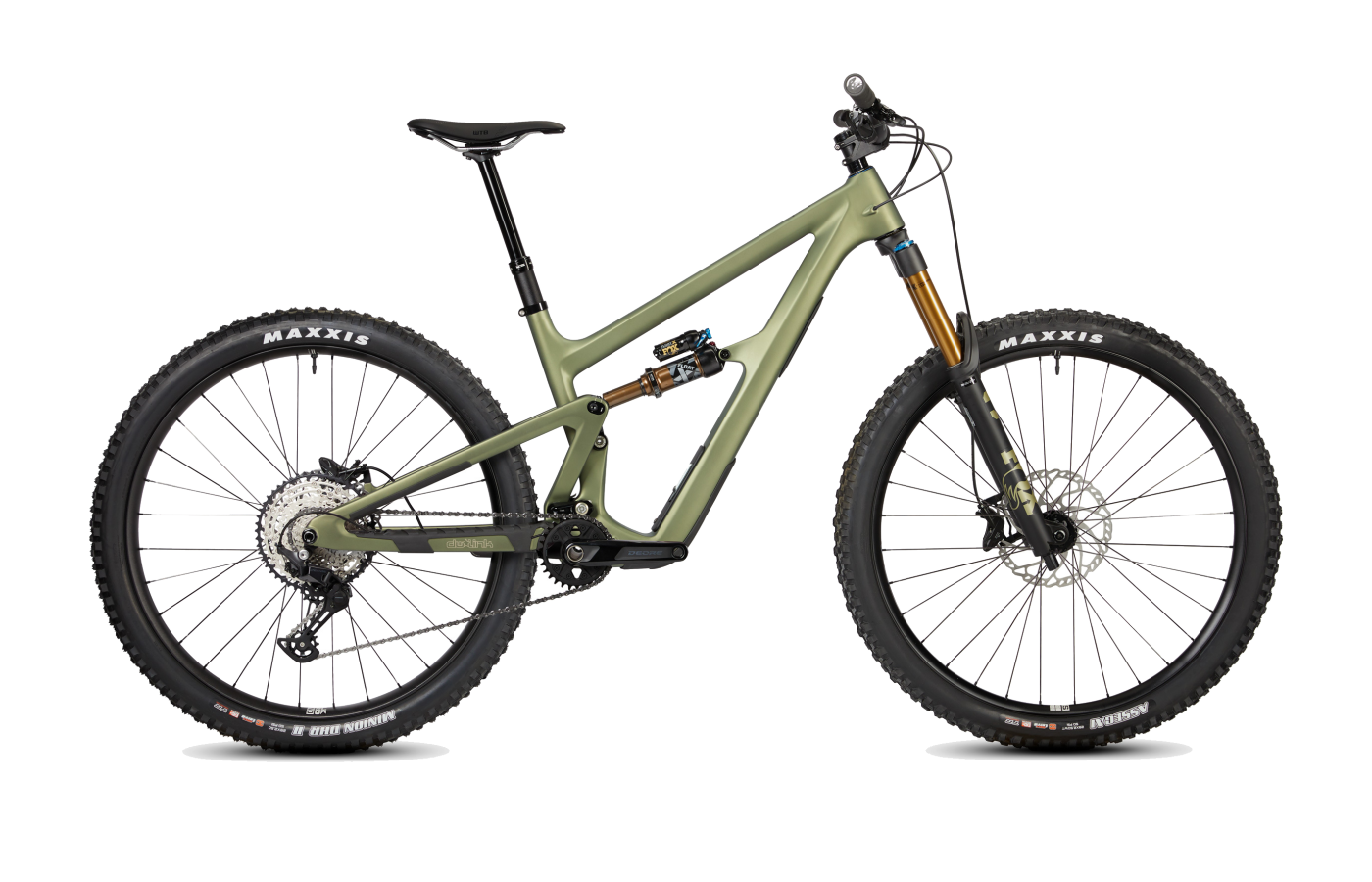
Ripmo
The dw-link cousin with more travel — 147 mm rear / 160 mm front — and a reputation for being the benchmark all-rounder at a lower price than either bike here.
Compare →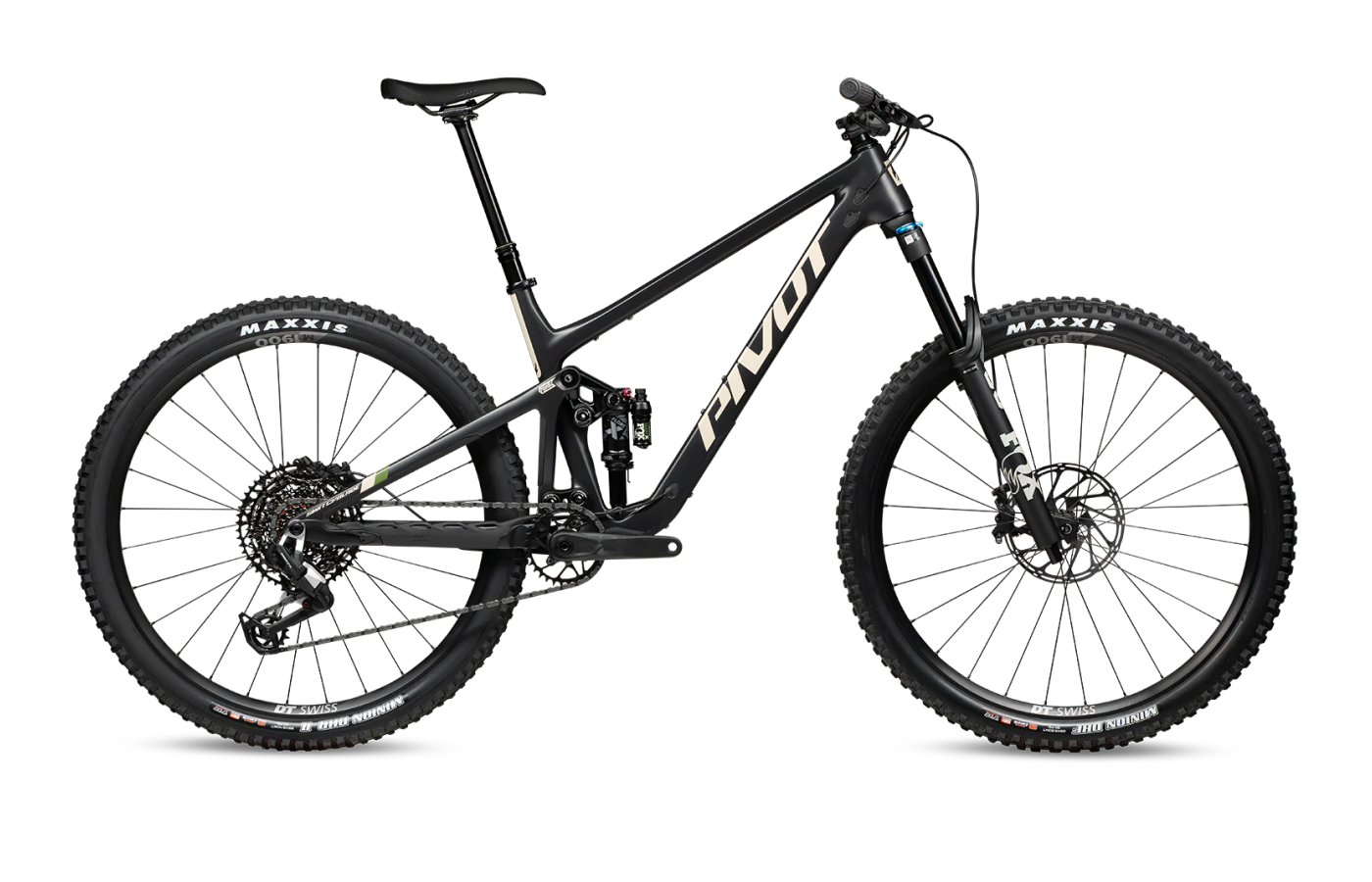
Switchblade
Pivot's longer-travel dw-link sibling. 142 mm rear / 160 mm front if you love the Trailcat LT's ride feel but want more fork for consistently rough terrain.
Compare →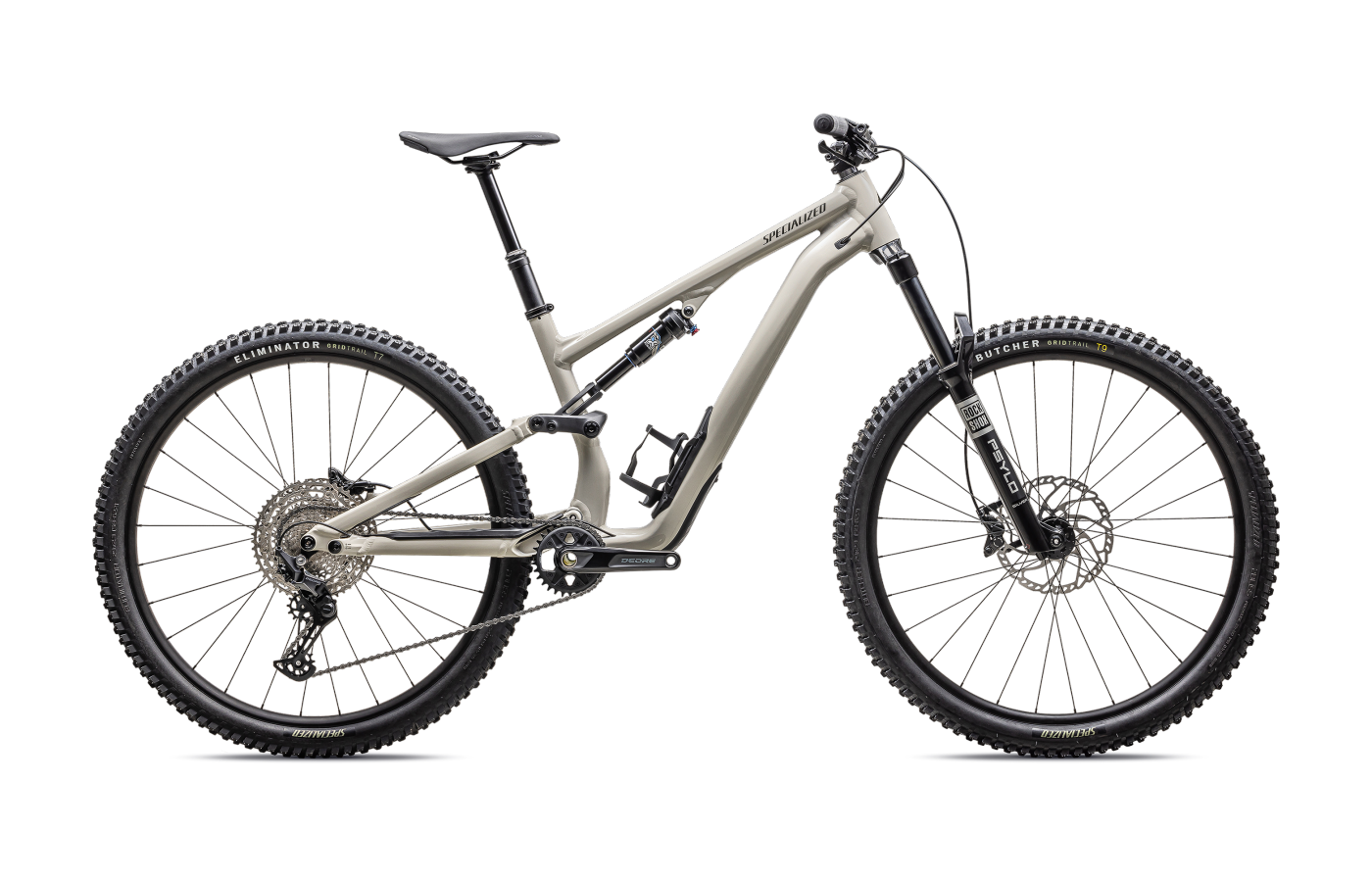
Stumpjumper
The adjustable-geometry trail benchmark, with flip chips and lower offset options neither Yeti nor Pivot offers. The value pick if you're willing to trade some suspension refinement for configurability.
Compare →