Cutthroat
vsWarroad
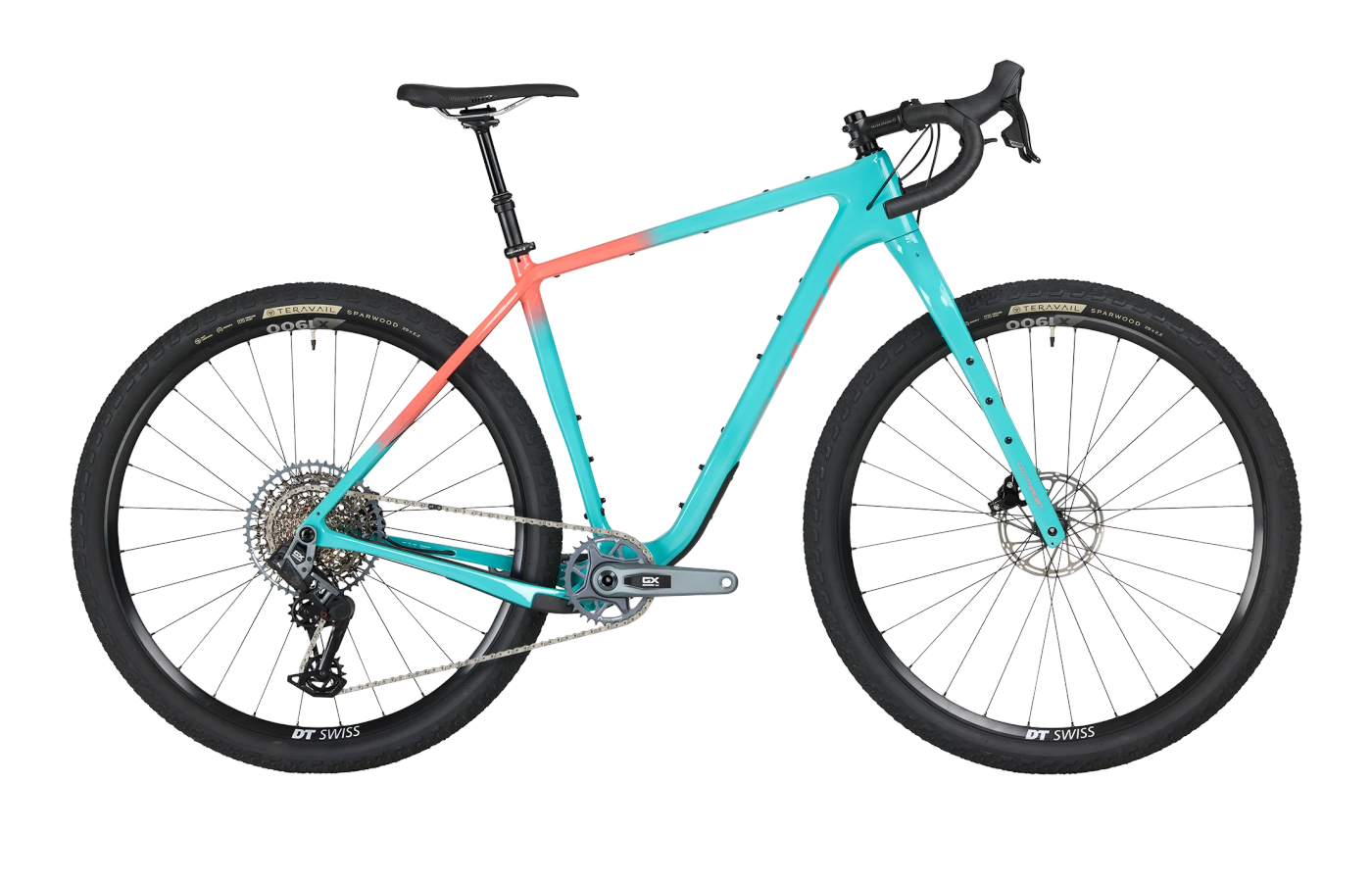
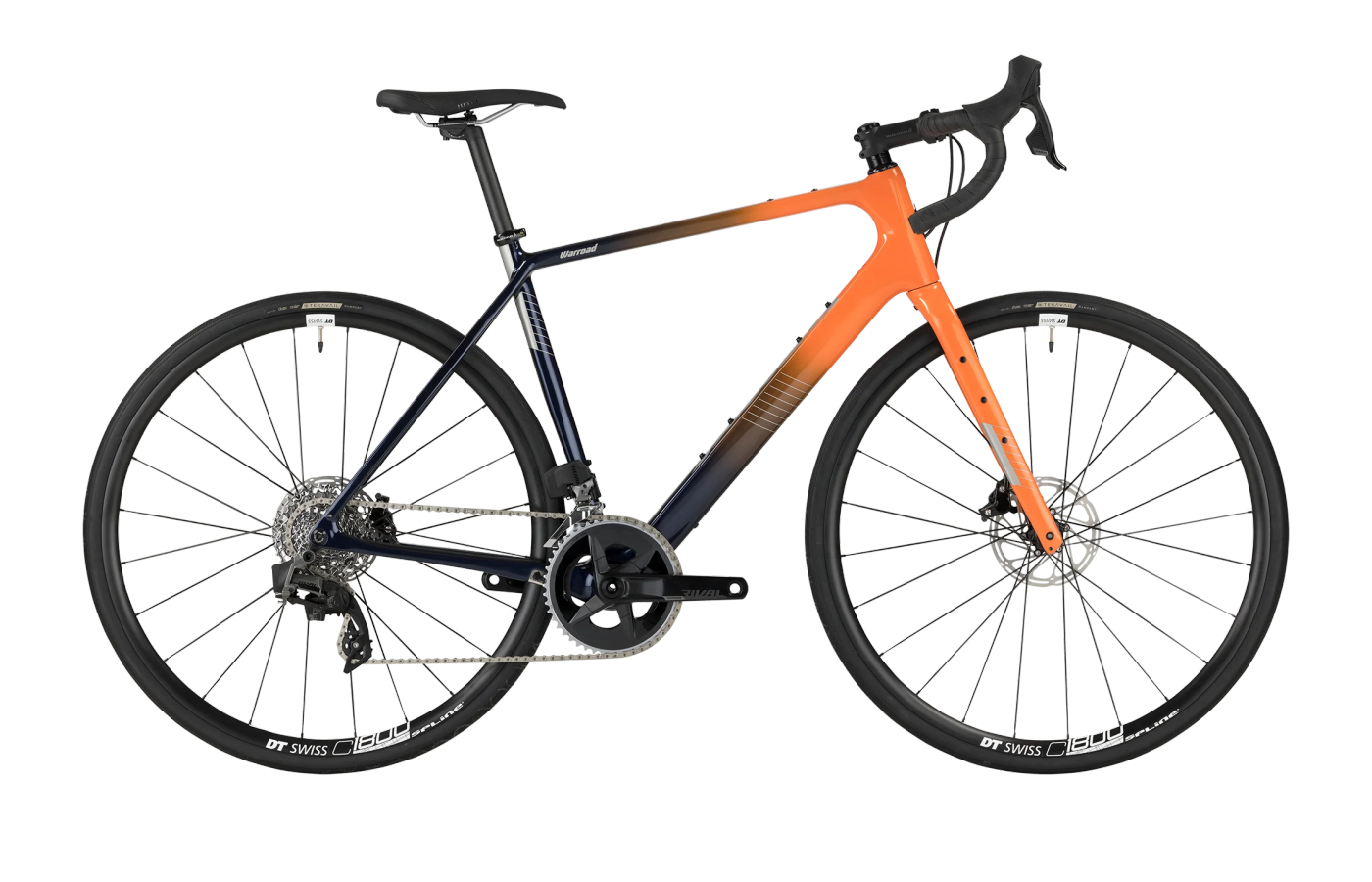
Two Salsa carbons, two completely different bikes.
The Cutthroat is a drop-bar 29er built for the Tour Divide. The Warroad is an endurance road bike that tolerates light gravel.
Cutthroat
- Massive tire clearance — 29 x 2.4" officially, with reviewers fitting 2.8" up front. No gravel bike in this comparison comes close.
- Suspension-corrected fork — the 483 mm axle-to-crown lets you bolt on a 100 mm 29er suspension fork later without wrecking geometry.
- Bikepacking-grade mounts — 20+ mounting points and a direct-bolt frame pack mean you can carry days of gear without straps.
- Slow off the line — the long, slack geometry rewards sustained effort, not punchy accelerations.
- Press-fit BB92 bottom bracket — multiple reviewers flag the creak risk, though most testers reported no issues.
Warroad
- Cheap entry into carbon — the 105 build at $1,999 is one of the lowest carbon-frame buy-ins in the endurance road segment.
- Quick, agile front end — 71-degree head tube and 415 mm chainstays make it "really efficient seated and standing" on climbs (Path Less Pedaled).
- Two bikes in one wheelset — 700c for road, 650b for gravel up to 47 mm; reviewers consistently praise the dual-personality setup.
- Limited 700c tire clearance (35 mm) — the fork is the bottleneck, not the rear.
- Lacks the snap of a pure road race bike — a little frame "give" under hard sprints (Blackwater Cyclist).
Editor’s analysis
Same brand, same VRS damping trick — but one bike is built to eat continents, the other is built to keep up with the Sunday group.
The Salsa Cutthroat is a drop-bar mountain bike in disguise. 29-inch wheels, 61 mm tire clearance, a slack 69-degree head tube, 445 mm chainstays, and a 1,090 mm wheelbase at size 56 — these aren't road numbers, they're hardtail XC numbers with a flared bar bolted on. Salsa designed it for the Tour Divide, the 4,400 km self-supported race from Banff to the Mexican border, and you can see every one of those miles in the geometry.
The Salsa Warroad lives on the other side of the lineup. 700c wheels, 35 mm clearance, a 71-degree head tube, short 415 mm chainstays, and a 1,020 mm wheelbase at size 56 — that's an endurance road bike that happens to swallow a 32 mm tire. Reviewers consistently call it "crisp out of the saddle" and "all-day comfortable" with the same Class 5 VRS seatstays the Cutthroat uses, just on a much smaller, lighter frame (claimed 1.87 kg frameset).
The price ladders diverge as much as the geometry. The Warroad starts at $1,999 for a Shimano 105 build and tops out at $4,619 for Ultegra Di2 — a full-carbon endurance road bike for under two grand is real value. The Cutthroat starts at $3,499 for a GRX 810 2x and climbs to $7,999 for a SRAM Force/X0 mullet AXS build with a dropper post. Different segments, different buyers, different money.
Put it this way: if your weekend is a 60-mile loop on chip-seal with a long pull at the front, the Salsa Warroad is the right bike. If your weekend is a 200-mile gravel route with bivy gear and three days of food, the Salsa Cutthroat is the only one of the two that even shows up.
Where the builds differ.
Comparing our editor's-pick builds side-by-side. Winners highlighted row-by-row — lower price and weight, and the better-spec component, each mark a point.
Build variants & pricing
The Cutthroat starts at $3,499 and climbs to $7,999 — all carbon, all SRAM-or-GRX. The Warroad starts at $1,999 with Shimano 105 and tops out at $4,619 with Ultegra Di2.
Editor's picks are tier-matched at SRAM Rival electronic — the closest apples-to-apples shared rung. The Cutthroat Rival build runs a road/MTB "mullet" with a GX Eagle AXS rear derailleur and 10-52T cassette; the Warroad runs a conventional 2x road Rival eTap AXS with 48/35T crankset. The ~$1,300 price gap reflects the wider-range mullet drivetrain and 29" carbon frameset, not a tier mismatch.
How they fit, how they steer.
Both bikes at size 56 — the fit-picked size for a 5'8" rider on each. The Cutthroat sits 35 mm taller in stack and 4 mm shorter in reach, with a head tube 2 degrees slacker, chainstays 30 mm longer, and a 70 mm longer wheelbase. They're not the same bike with different paint.
Which size should I buy?
The Cutthroat runs 5 sizes (52–60 cm), the Warroad runs 7 (49–61 cm) with a denser middle. Both label sizes in centimeters but the underlying frames target different riders entirely.
→These are starting points. Flexibility, riding style, and preferred position all shift the answer — if you’re between sizes, a professional fit beats a chart.
What the magazines said.
Published reviews from trusted cycling outlets. Click through for the full write-up.
Which one should you buy?
If your rides are 200+ miles with a bivy, get the Cutthroat. If your rides are 60-mile loops with the occasional dirt detour, get the Warroad.
Cutthroat
If you're chasing a Tour Divide finish, doing weeklong unsupported routes, or just want a rigid drop-bar 29er that handles light singletrack as well as gravel, the Cutthroat is the obvious pick. The cargo system, the suspension-corrected fork, and the slack stable geometry are all there for one reason: to keep going.
Warroad
If most of your riding is paved with the occasional gravel detour, and you want one carbon bike that can do fast group rides and a Saturday dirt loop without compromise, the Warroad is the smarter pick. The 105 build at under $2k is one of the best carbon-road values on the market.
Questions buyers actually ask.
Short answers to the things we get emailed about most often.
01Which is faster on pavement?
The Salsa Warroad, by a meaningful margin. It's lighter (claimed 1.87 kg frameset, complete bikes around 18–20 lb depending on build), runs 700c wheels with 32 mm road-biased Teravail Rampart tires, and has a steeper 71-degree head angle that responds quickly to rider input. The Cutthroat's 29 x 2.2" Sparwood tires roll surprisingly well on tarmac — one reviewer hit 37–38 mph on it — but you'll feel the extra rotational mass and the slacker geometry on any sustained pavement effort.
For a typical group ride above 25 km/h, the Warroad is the one you'd want.
02What's the maximum tire clearance on each?
Cutthroat: 61 mm officially (29 x 2.4"), with multiple reviewers reporting up to 2.8" fits in the fork. This is mountain-bike territory.
Warroad: 35 mm with 700c wheels, 47 mm with 650b. Reviewers note the fork is the limiting factor on 700c — the rear triangle has slightly more room than 35 mm. With 650b wheels and 47 mm tires, the Warroad transforms into what Advntr called a "nimble, playful, go-anywhere sporty SUV."
03Can you put a suspension fork on the Cutthroat?
Yes — and it's intentional. The Cutthroat's rigid Salsa Carbon Deluxe fork has a 483 mm axle-to-crown length, which is suspension-corrected for a 100 mm travel 29er fork. Multiple reviewers (Bikepacking.com, GearJunkie, Granfondo) confirm you can swap to a Fox 32 or RockShox SID without altering the bike's geometry.
The Warroad has no suspension upgrade path — it's a road frame through and through.
04How many bottle and cargo mounts do they have?
The Cutthroat has 20+ mounts across the frame and fork: three-pack mounts on each fork leg, top tube mounts, multiple bottle bosses inside the main triangle (up to three on larger sizes), and a direct-bolt mount system for Salsa's strap-free frame pack. It's one of the most cargo-capable production drop-bar bikes on the market.
The Warroad has 3–4 bottle cage mounts inside the main triangle (depending on size — "down tube up" only kicks in from size 56 with 2x drivetrains, per Velomotion), plus top tube bag mounts, fork mounts, full mudguard compatibility, and rack mounts (with an optional clamp on some configurations).
05Is the press-fit bottom bracket actually a problem?
Both bikes use press-fit bottom brackets — the Cutthroat runs BB92, the Warroad runs BB86. Multiple reviewers flag this as their single biggest concern on both bikes, citing the standard's reputation for creaking and tricky service.
In practice, most testers reported no issues over thousands of miles, and Salsa defends the choice on both bikes for tire clearance, chainstay length, and frame stiffness. If creak-free maintenance matters more to you than frame design, this is the one spec choice worth knowing about up front.
06Which is better for loaded bikepacking?
The Cutthroat, without much debate. The mount density, frame pack system, and suspension-corrected fork all exist for multi-day loaded riding. Reviewers (Bicycling, Bikepacking.com) note that even fully packed with bar bag, frame bag, and fork bottles, the Cutthroat "maintained its lively demeanor" with "no flex or sway."
The Warroad has the mounts for a touring or commuter setup but not the geometry or tire clearance for serious dirt-road expeditions. Use it for credit-card touring, not the Great Divide.
07What's the gearing range on each editor's pick?
The Cutthroat C Rival GX AXS Transmission ($5,899) runs a 1x "mullet" — SRAM Rival road shifters with a SRAM GX Eagle AXS Transmission rear derailleur, a 34T chainring, and a 10-52T cassette. That's a 520% range, low gear comparable to a 24x42 mountain bike — built to climb anything fully loaded.
The Warroad C Rival eTap AXS ($4,599) runs a conventional road 2x — SRAM Rival eTap AXS with a 48/35T crankset and a 10-36 cassette (typical for this build). Tighter gear steps, higher top end for fast pavement, but a much steeper low gear than the Cutthroat's bikepacking range.
08Can the Warroad handle real gravel?
Yes — but "real gravel" needs definition. With the 650b wheelset and 47 mm tires, multiple reviewers (Advntr, Bicycling) found it "as competent as any gravel bike" on dirt roads, B roads, and even "quasi-MTB trails." With the stock 700c / 32 mm setup, opinions split: Path Less Pedaled called it "skittish and sketchy" on dry, dusty, rocky descents; Velomotion called it "more suitable for moderate gravel use."
If your gravel is fire road, rail trail, and packed dirt — the Warroad on 700c is enough. If your gravel is chunky, loose, or rooted — get the Cutthroat or look at a dedicated gravel race bike like the Salsa Warbird.
Similar bikes
If your priorities don’t map cleanly onto either of these, one of these adjacent bikes probably fits better.
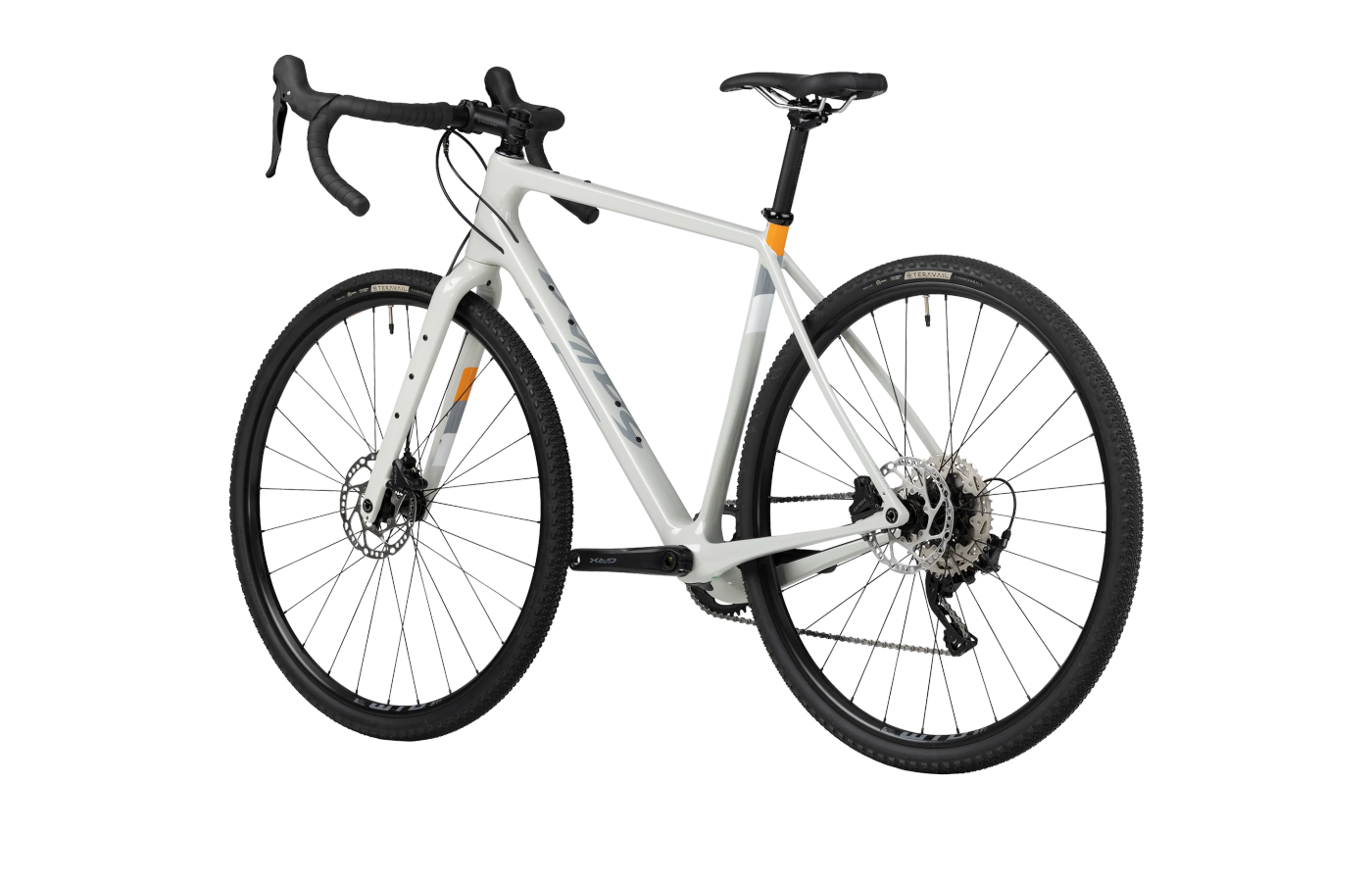
Warbird
Salsa's pure gravel race bike — slots between these two. More aggressive than the Warroad, lighter and faster than the Cutthroat. The right pick if you race Unbound or Land Run and want one bike to do it.
Compare →
Fargo
The steel-frame ancestor of the Cutthroat — same drop-bar 29er adventure DNA, but in chromoly with a more upright fit. Heavier and slower, but easier to repair anywhere on Earth.
Compare →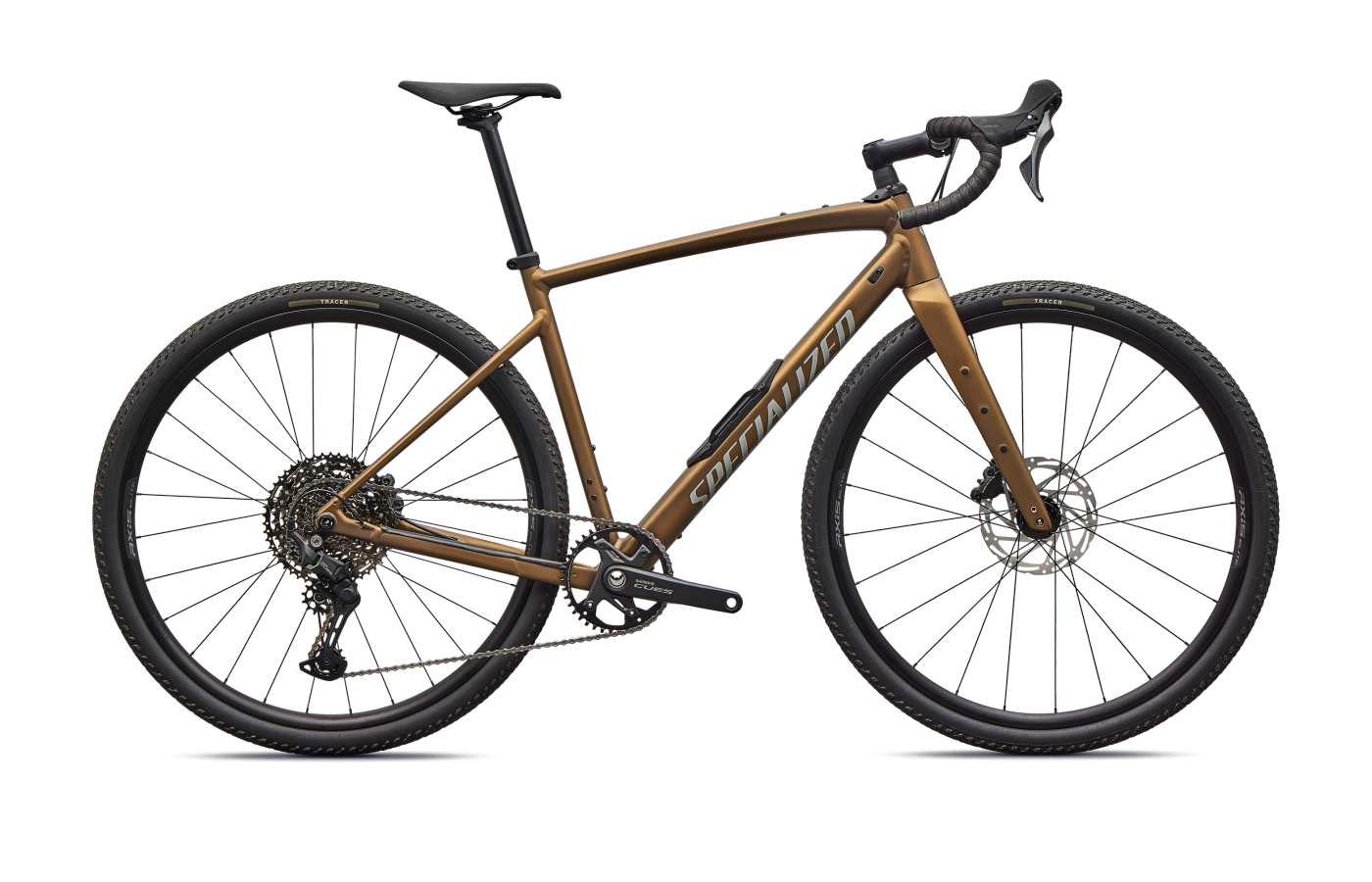
Diverge
Specialized's Future Shock front suspension is the clearest mainstream alternative to Salsa's VRS damping. Spans cheap alloy to S-Works carbon, so the Diverge competes with both the Warroad on price and the Cutthroat on capability depending on trim.
Compare →