Fargo
vsTimberjack
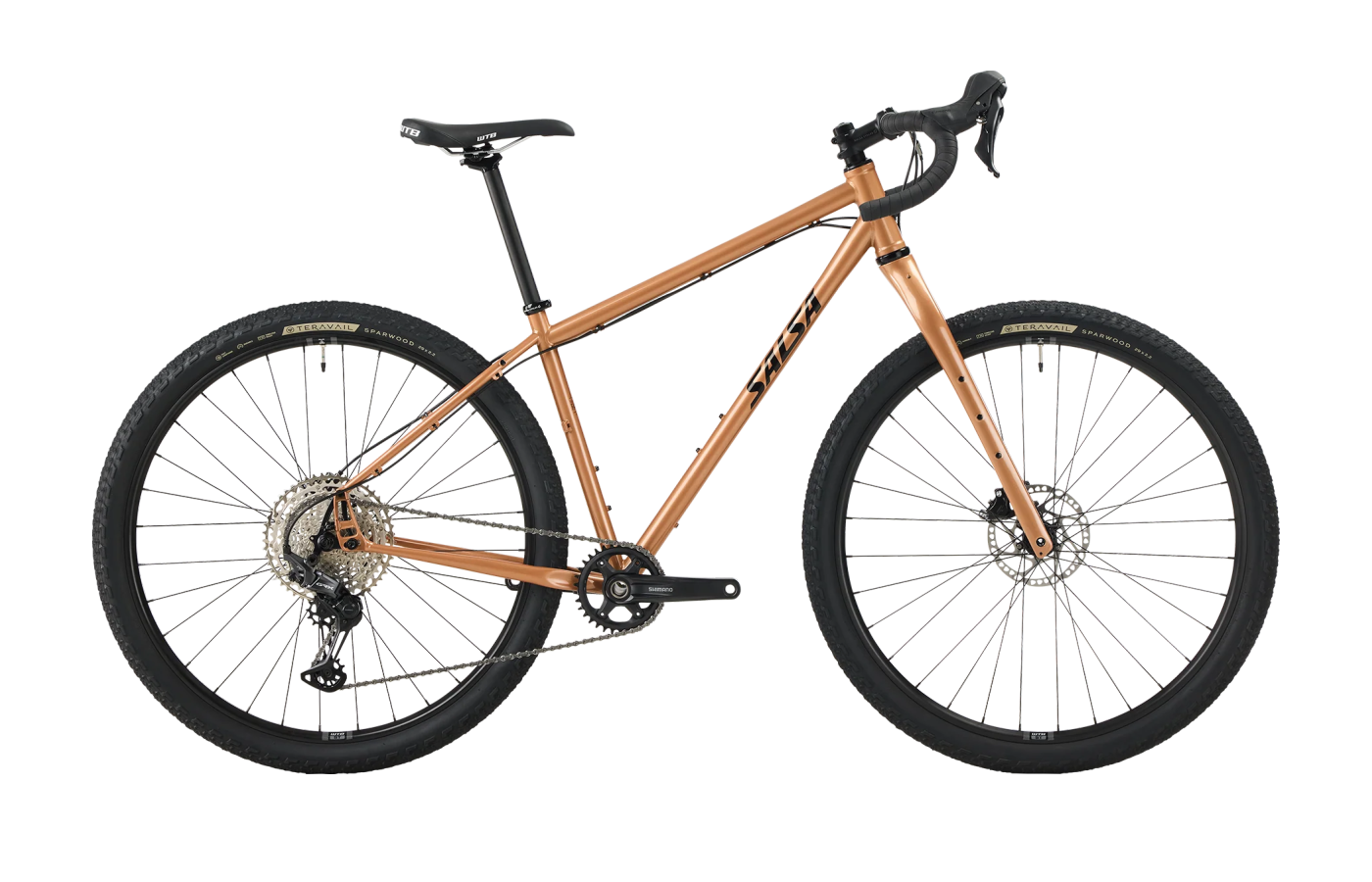
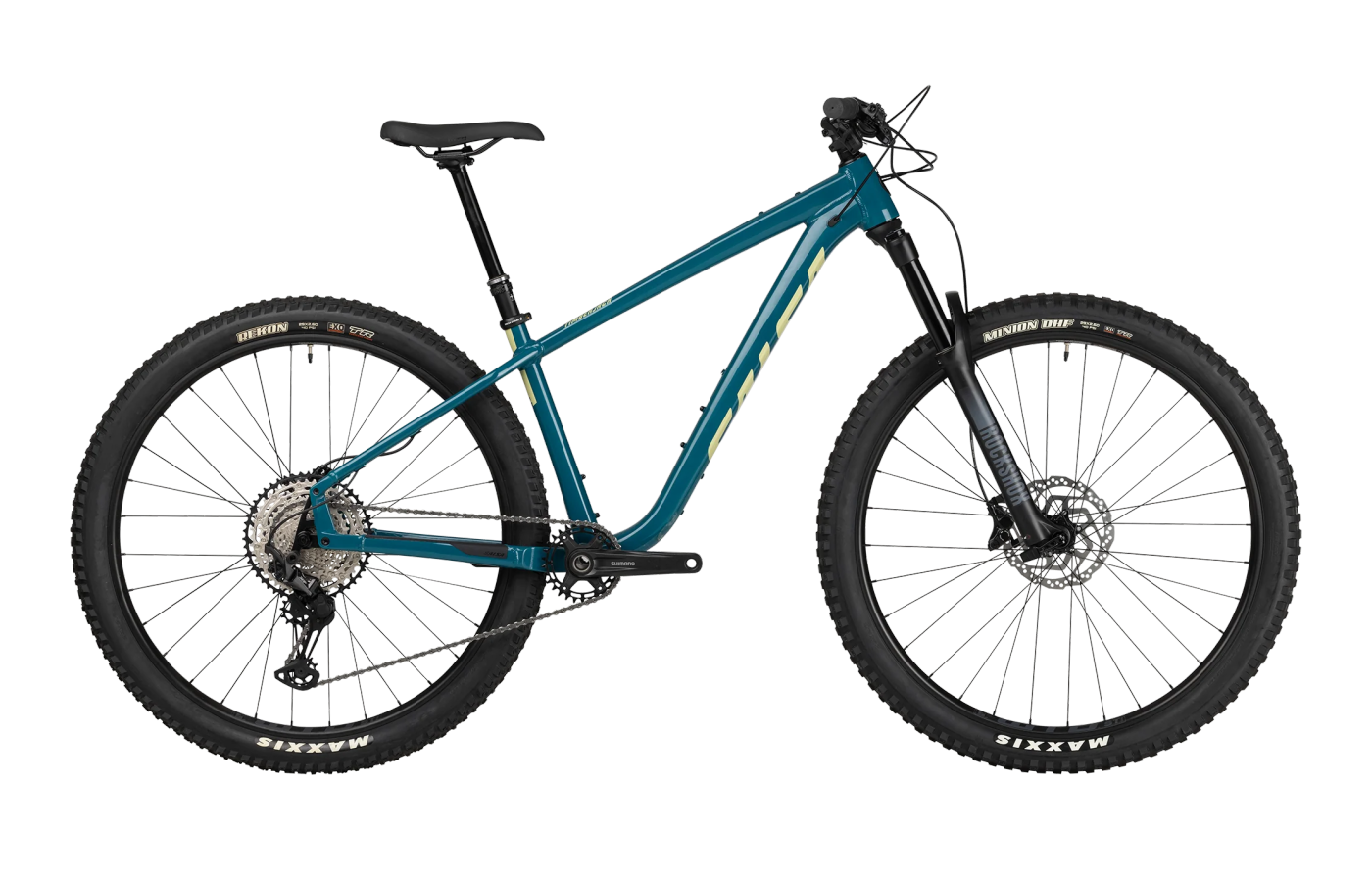
Two Salsas, two definitions of dirt.
The Fargo is a steel drop-bar 29er built for loaded multi-day adventures. The Timberjack is an aluminum hardtail built to attack singletrack.
Fargo
- Massive tire clearance at 76 mm — room for true bikepacking rubber and rigid-MTB sized treads.
- Touring-grade gear range — the new 12-speed 10-51T with a 34T ring climbs loaded and still spins out tailwinds.
- Steel frame for the long haul — compliant, fixable, and consistently praised across thousands of loaded miles.
- No rear suspension and a rigid fork — line choice matters on rough terrain.
- Heavier than expected at 27.75 lbs for the GRX build, partly thanks to the alloy-steerer Cutthroat fork.
Timberjack
- Modern trail geometry — 66.4-degree HTA and 454 mm reach on a Medium make it confidence-inspiring on descents.
- Adjustable chainstays — Alternator 2.0 dropouts swap between 420 mm flickable and 437 mm planted.
- Genuine value at the price — XT/SLX mix, 130 mm RockShox 35, Maxxis 2.6" tires, and a dropper for $2,199.
- Aluminum frame is stiff — reviewers note it can get jarring on rugged trails.
- Stock RockShox 35 fork is adequate but the obvious first upgrade for harder riders.
Editor’s analysis
Same brand, same wheel size, completely different sports — one is a bikepacking machine that flirts with rigid MTB, the other a trail hardtail that flirts with bikepacking.
It's tempting to lump these together because they share a logo and a 29-inch wheel — but the Salsa Fargo and Salsa Timberjack barely overlap as bikes. The Fargo is a steel drop-bar tourer with a rigid carbon fork, 76 mm tire clearance, and gearing built around hauling gear up loaded climbs. The Timberjack is an aluminum hardtail with a 130 mm suspension fork, a dropper post, and slack-and-low geometry tuned for charging singletrack. They're aimed at riders who'd never realistically cross-shop them.
The Fargo's brief is endurance and self-sufficiency. The 2025 GRX 610 1x build moves to a wider 12-speed 10-51T cassette — the reviewer at Exploring Wild calls out the new range as a real improvement "for those loaded climbs." The frame is triple-butted CroMoly steel, the geometry is upright (643 mm stack, 368 mm reach on a Medium), and the chainstays are a long 445 mm — all in service of stability with bags strapped on. The new hydraulic GRX brakes cut hand fatigue on long descents, though Salsa kept the older mechanical Apex 1 build in the lineup for riders heading somewhere remote without a bike shop for thousands of miles.
The Timberjack is the opposite kind of bike. Reviewers at Bikepacking.com and Pinkbike consistently call out the V2's modern geometry — a 66.4-degree head tube angle (at sag), a 75.1-degree seat tube, a 454 mm reach on the Medium, and Alternator 2.0 dropouts that flip between 420 mm and 437 mm chainstays. With 130 mm of front travel, 2.6" Maxxis Minion DHF / Rekon tires, and a dropper, it's tuned to charge descents and corner hard, not carry four panniers across Wyoming. Multiple reviewers describe it as "flickable" in the short setting and surprisingly composed at speed.
Put another way: if your weekend involves a fire road, a tent, and a sunrise, the Fargo is the bike. If your weekend involves a chairlift, a berm, and a beer at the trailhead, the Timberjack is. The only rider who'd legitimately struggle to pick is someone who wants one bike for fast singletrack and multi-week loaded touring — and even then, the answer is probably two bikes.
Where the builds differ.
Comparing our editor's-pick builds side-by-side. Winners highlighted row-by-row — lower price and weight, and the better-spec component, each mark a point.
Build variants & pricing
The Fargo only comes in two builds — a modern hydraulic GRX and a legacy mechanical Apex. The Timberjack ships in six, spread across SLX, XT, RockShox, and Marzocchi.
Prices are current US MSRP. Salsa keeps the 2024 Apex 1 Fargo in the lineup specifically for riders who want mechanical brakes for remote international touring. The Timberjack XT Z2 builds (with the Marzocchi Bomber Z2 fork) are widely considered the value sweet spot if you can stretch the budget.
How they fit, how they steer.
Both at size Medium — the fit-picked size for a 5'8" rider on each bike. The numbers tell two completely different stories: the Fargo sits at 643 mm stack / 368 mm reach with a 69-degree HTA; the Timberjack at 607 mm stack / 454 mm reach with a 66.4-degree HTA. That's a drop-bar touring fit versus a flat-bar trail attack position.
Which size should I buy?
Size recommendations based on stack, reach, and effective top tube. The two bikes use the same size labels (XS to XL) but their geometry conventions are unrelated — pick by the numbers, not the letter.
→These are starting points. Flexibility, riding style, and preferred position all shift the answer — if you’re between sizes, a professional fit beats a chart.
What the magazines said.
Published reviews from trusted cycling outlets. Click through for the full write-up.
Which one should you buy?
If you want to disappear into the backcountry for days, get the Fargo. If you want to attack your local trails after work, get the Timberjack.
Fargo
If your idea of a great weekend is a multi-day loop on gravel and forest service roads with a frame bag, a tent, and a stove, the Fargo is the benchmark. Steel, drop bars, 76 mm tire clearance, and gearing built for hauling — it does the job nothing else in this comparison is built for.
Timberjack
If you want a confidence-inspiring hardtail for after-work singletrack, the occasional jump line, and the rare bikepacking overnight, the Timberjack is hard to beat at the price. Modern geometry, a real suspension fork, a dropper, and adjustable dropouts to dial the feel.
Questions buyers actually ask.
Short answers to the things we get emailed about most often.
01Can I bikepack on the Timberjack?
Yes — and Salsa designed it with that in mind. The frame has bottle and rear-rack mounts, a Rack-Lock collar, and triangle space for a frame bag. Reviewers at Bikepacking.com use it for multi-day trips and like the platform.
But the geometry is tuned for trail riding, not 80-mile gravel days. Compared to the Fargo, you sit lower and more stretched out, the flat bar gives you fewer hand positions, and the 2.6" Maxxis tires roll slower than the Fargo's faster Teravail Sparwoods. For overnighters and short trips it's great. For a Tour Divide attempt, get the Fargo (or the Cutthroat).
02Can I ride singletrack on the Fargo?
You can, and Salsa explicitly markets it as a bike that "straddles the line between gravel and rigid MTB." The 76 mm tire clearance lets you fit genuinely chunky rubber, the steel frame absorbs trail chatter, and the long-time reviewer at Exploring Wild has put thousands of miles on hers across mixed terrain.
That said — it's rigid, it has drop bars, and the head tube angle is a steepish 69 degrees. Anything beyond mellow blue-square singletrack is going to favor the Timberjack's suspension, dropper, and slack geometry. The Fargo is a rigid 29er for adventurers, not a hardtail in disguise.
03How much tire can each bike fit?
Fargo: roughly 76 mm (about 3.0"). It ships with 2.2" Teravail Sparwoods but has clearance for genuine 29x2.6" or even small 29-plus rubber if you want to lean into the rigid-MTB side.
Timberjack: roughly 71 mm. Stock builds run 29x2.6" Maxxis Minion DHF / Rekon, or 27.5x2.8" plus tires depending on the build. The frame is designed around either size — switching means swapping wheels, not just tires.
04Why is the Fargo heavier than older versions?
Reviewer Alissa Bell flagged this directly — the 2025 GRX 610 build comes in at 27.75 lbs for a Medium, compared to 24 lbs 8 oz for the previous Apex 1 build (a Large, no less). A commenter on her review attributed the gain to two things: the new Cutthroat Deluxe fork has an alloy steerer (the older Firestarter was full carbon), and hydraulic brakes are heavier than mechanical ones.
For a loaded bikepacking bike, three pounds matters less than it would on a race rig — but it's a real change worth knowing about.
05Why does the Timberjack have adjustable chainstays?
The Alternator 2.0 dropouts let you flip between 420 mm and 437 mm chainstays. The short setting is the playful one — reviewers describe it as "flickable" and easy to throw around in berms and on jumps. The long setting is more stable, especially for climbing and for loaded bikepacking.
The dropouts also support running the bike as a single-speed (separate plates required) and switching between 29" and 27.5+" wheel sizes. It's a more versatile rear end than most hardtails offer.
06Why does Salsa still sell the older Apex 1 Fargo?
Because mechanical brakes are field-fixable in places hydraulic brakes aren't. The reviewer at Exploring Wild explicitly recommends the Apex 1 build for riders heading to remote international destinations — months in Central Asia or Africa where a hydraulic brake bleed isn't an option, but a spare cable in your seat bag absolutely is.
For most US-based riders on shorter trips, the modern GRX 610 1x is the better bike. The Apex stays in the lineup for a specific (and real) use case.
07Which is better for a beginner?
Depends what kind of beginner. New to mountain biking? The Timberjack — flat bar, dropper, suspension, and forgiving modern geometry make the learning curve much shorter on actual trails.
New to bikepacking from a road background? The Fargo — drop bars are familiar, the gearing and mounts are purpose-built, and the rigid setup is simpler to pack and maintain on trips.
08Are these compared at the same price?
No — and they shouldn't be. Editor's picks here are the Fargo GRX 610 1x at $3,299 (the modern hydraulic build) and the Timberjack XT 29 at $2,199 (Salsa's mid-tier 29" hardtail with a Shimano XT/SLX drivetrain). The roughly $1,100 gap reflects real differences: the Fargo gets a steel frame, a carbon fork, and gravel-grade GRX components; the Timberjack gets aluminum, an entry-level RockShox 35 fork, and a wider build range that scales down to $1,364.
Similar bikes
If your priorities don’t map cleanly onto either of these, one of these adjacent bikes probably fits better.
Cutthroat
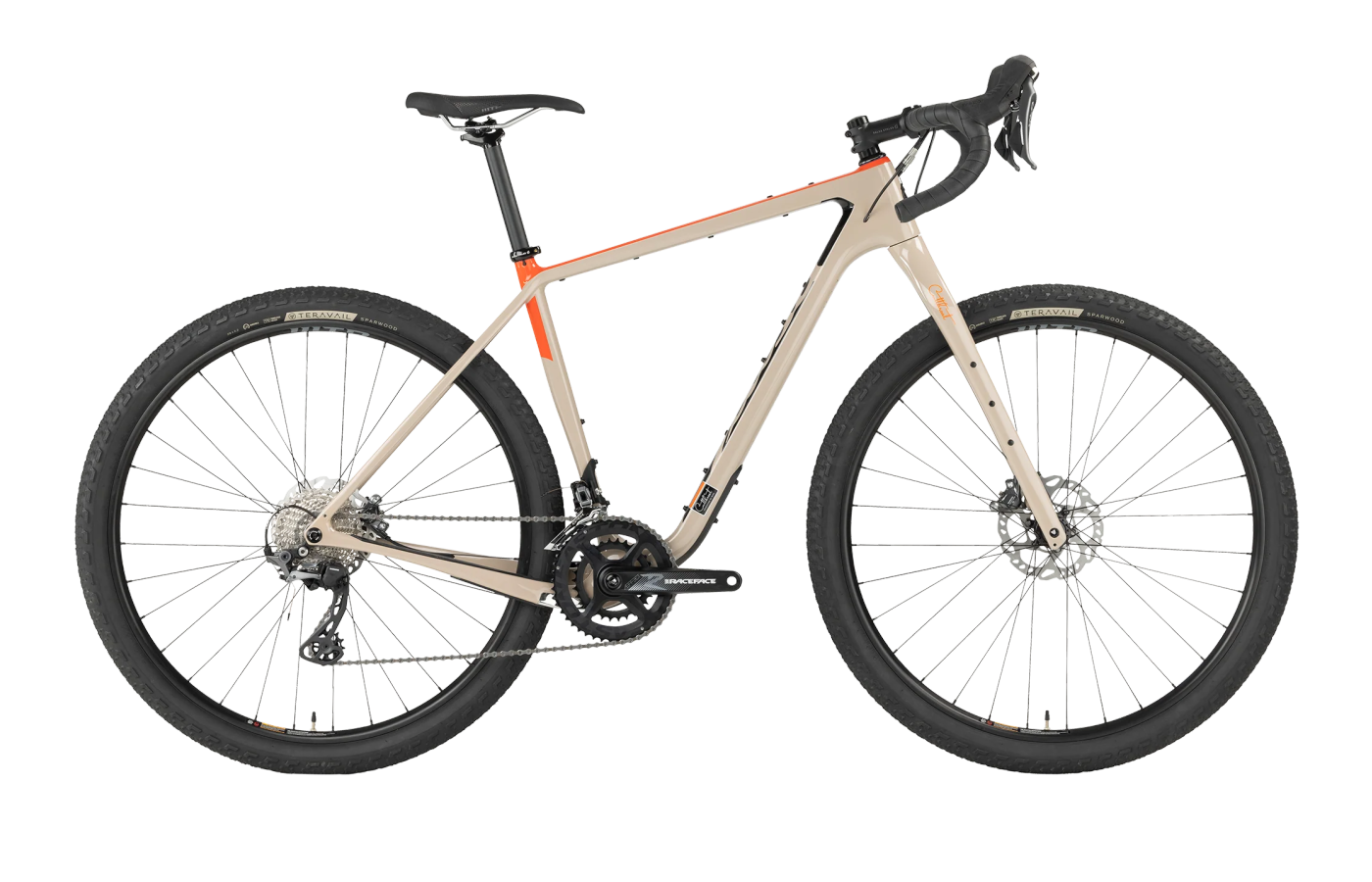
Salsa's own carbon Tour Divide weapon. Same drop-bar bikepacking concept as the Fargo but lighter and racier — the move if you want to cover ground fast with a frame bag.
Compare →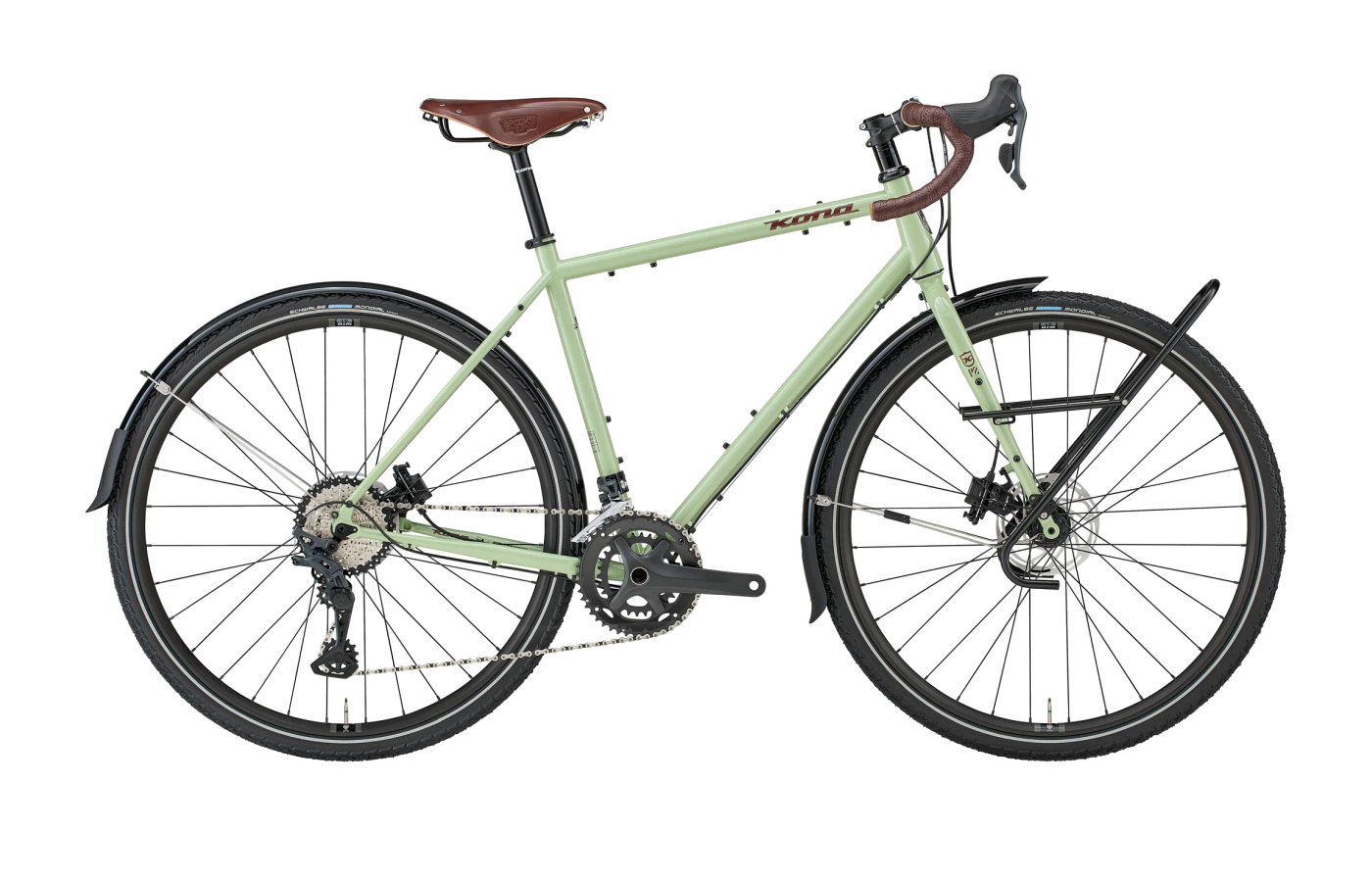
Sutra
A more traditional steel touring bike than the Fargo — racks, fenders, and panniers as the default kit rather than soft bags. Best if your trips lean paved-and-loaded over rugged-and-light.
Compare →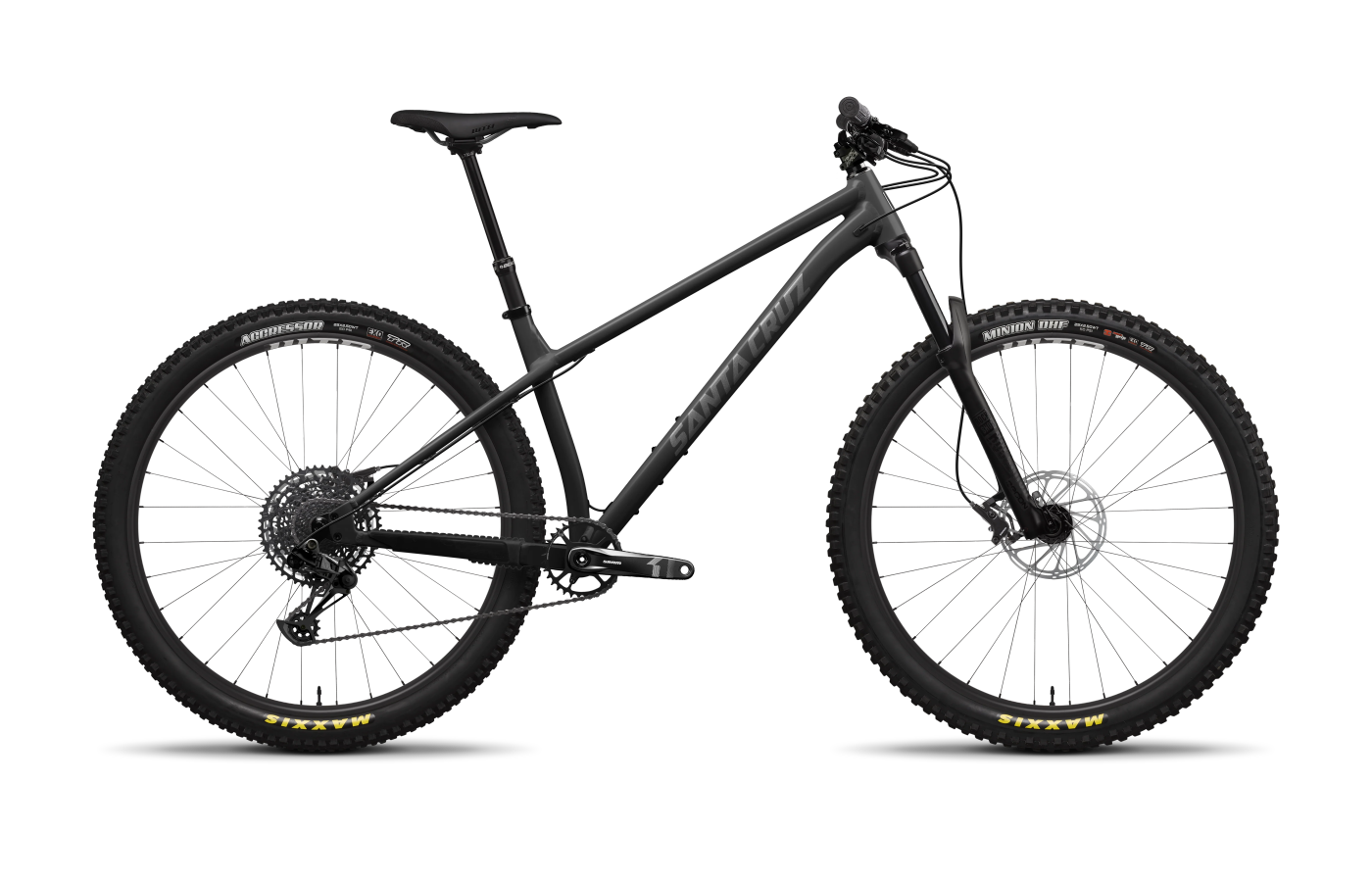
Chameleon
The most direct rival to the Timberjack — another playful, adjustable aluminum trail hardtail that gets cross-shopped constantly. Comparable price, comparable mission, slightly different geometry feel.
Compare →