Warbird
vsCheckpoint
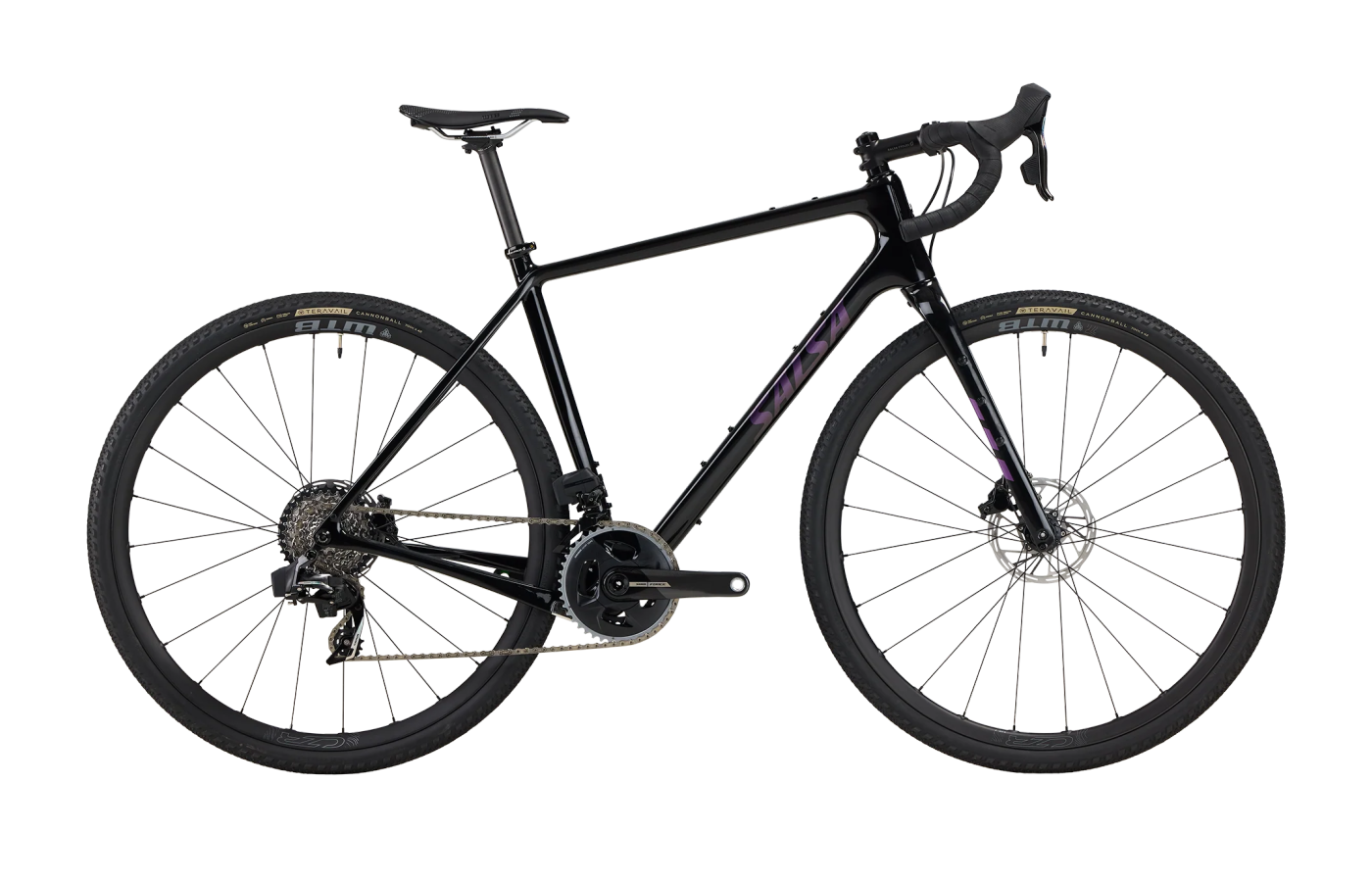
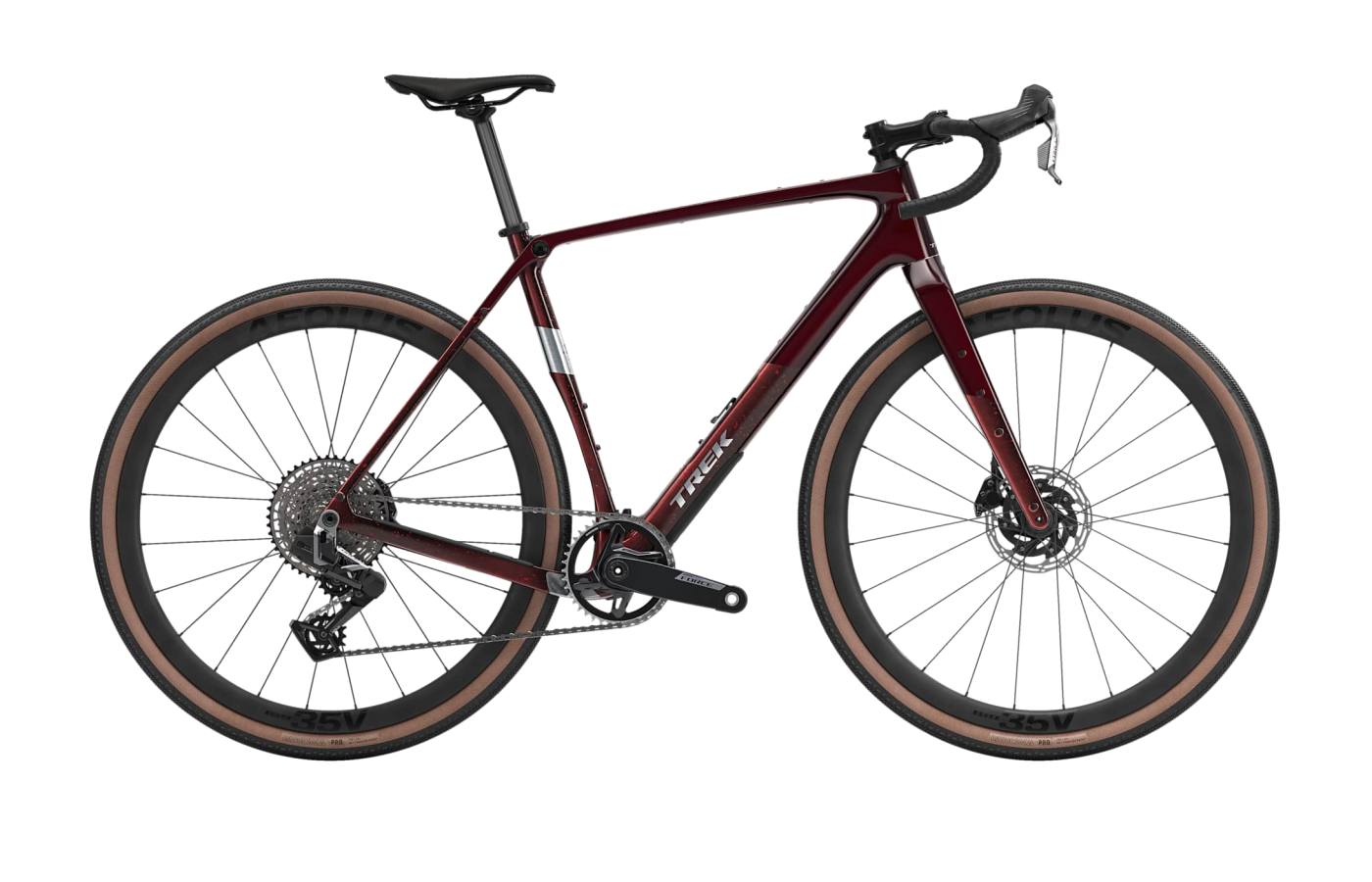
Two gravel originals, two divergent paths.
The Warbird stays loyal to the race-bike DNA it invented. The new Checkpoint hands the race title to the Checkmate and chases all-day comfort instead.
Warbird
- Original gravel-race DNA — stable 70.75-degree HTA and long wheelbase that reviewers call confidence-inspiring on fast, rough gravel.
- Class 5 VRS rear end — bowed seat stays and flattened chainstays that take the sting out of all-day washboard.
- Real 2x drivetrain options from the factory — GRX 820 2x and Force AXS Wide both ship with double chainrings.
- No alloy build — entry price is $2,799, vs $1,599 for the Checkpoint ALR.
- Reviewers repeatedly flag mid-tier component picks (alloy cockpits, lower-end hubs) at premium prices.
Checkpoint
- 50 mm tire clearance — 5 mm more than the Warbird, with room to drop pressures for chunkier terrain.
- Aluminum ALR starts at $1,599 — same Gravel Endurance geometry and 50 mm clearance as the SL, just no IsoSpeed.
- Endurance-tuned cockpit and fit — taller stack, shorter reach, IsoSpeed decoupler tuned to leave you fresh after four hours.
- Carbon SL builds are 1x-only from the factory — 2x is possible but requires aftermarket parts.
- Headset-routed cables on mechanical builds can make shift-cable replacements expensive at a shop.
Editor’s analysis
One bike doubled down on speed. The other reinvented itself around comfort. The right pick depends on whether you want a fast gravel bike or a comfortable one.
When Salsa launched the Warbird in 2012, it more or less invented the gravel race category. Four generations later, the v4 still carries that brief: low-and-long fit, slacker 70.75-degree head angle, Class 5 VRS rear end, and a 70 mm bottom bracket drop that holds a line on open American-style gravel. Nothing about it apologizes for being a race bike.
Trek went the opposite direction with the Gen 3 Checkpoint. By spinning off the Checkmate as the new race rig, Trek freed the Checkpoint to chase what it calls Gravel Endurance geometry — 11 mm taller stack and 9 mm shorter reach (size L vs the previous Gen 2), tire clearance bumped from 45 mm to a class-leading 50 mm, IsoSpeed decoupler tuned for long-day damping rather than racing aggression. Reviewers consistently call the result a chameleon.
The geometry numbers tell the story at the fit-picked sizes. The Salsa Warbird in 56cm sits at 585 mm stack / 381 mm reach with a 70.75-degree head angle. The Trek Checkpoint in size S comes in at 556 mm stack / 386 mm reach with a steeper 71.4-degree head angle. The Warbird is lower and longer with slower steering; the Checkpoint is more upright with a livelier front end at low speed.
Build philosophies diverge too. The Warbird ships almost exclusively in carbon, with a real mix of Shimano GRX 1x and 2x and SRAM AXS options — buyers who want a 2x drivetrain still have a clean factory path. The Checkpoint goes all-in on SRAM 1x AXS for the carbon SL line and SRAM/Shimano CUES on the aluminum ALR, which starts at $1,599 — well below anything Salsa offers. If you want into a modern gravel platform on a budget, only one of these brands sells you a way in.
Where the builds differ.
Comparing our editor's-pick builds side-by-side. Winners highlighted row-by-row — lower price and weight, and the better-spec component, each mark a point.
Build variants & pricing
Both lineups span big ranges, but only the Checkpoint reaches down to a sub-$2k aluminum entry point.
Prices are current US MSRP. Salsa sells the Warbird carbon-only ($2,799–$6,999), so there's no sub-carbon option. Trek splits the Checkpoint into the SL carbon series ($3,499–$6,499) and the ALR aluminum series ($1,599–$2,299), all sharing the same Gravel Endurance geometry and 50 mm tire clearance.
How they fit, how they steer.
Warbird 56cm vs Checkpoint S — the fit-picked sizes for each bike. The Warbird is 29 mm lower and 5 mm shorter in reach, with a slacker 70.75-degree head angle vs 71.4 — a measurably more racy posture and slower steering.
Which size should I buy?
Size recommendations from stack, reach, and effective top tube. Warbird sizing runs in cm (49 to 61); Checkpoint runs lettered (XS to XL) — the calculator handles both.
→These are starting points. Flexibility, riding style, and preferred position all shift the answer — if you’re between sizes, a professional fit beats a chart.
What the magazines said.
Published reviews from trusted cycling outlets. Click through for the full write-up.
Which one should you buy?
If you race gravel or chase long-distance speed on open roads, get the Warbird. If you want comfort, versatility, and a real budget entry point, get the Checkpoint.
Warbird
If your calendar includes Unbound, SBT GRVL, or hilly self-supported centuries on American-style gravel, the Warbird's stable race geometry and VRS rear end will hold a line and keep you fresh for the back half. Roadies crossing over will feel at home on the lower, longer fit.
Checkpoint
If you want one bike for daily commutes, bikepacking weekends, and the occasional gravel event — and you'd rather stay fresh than shave seconds — the Checkpoint's upright Gravel Endurance fit, IsoSpeed decoupler, and 50 mm tires will go further before you do.
Questions buyers actually ask.
Short answers to the things we get emailed about most often.
01Which is faster on long gravel races?
The Salsa Warbird, in most reviewers' hands. The lower-and-longer race geometry (70.75-degree HTA, 381 mm reach on a 56cm) lets you hold a more efficient aero position over hours, and the long 1,038 mm wheelbase tracks straight on chunky open gravel without demanding constant correction.
The Checkpoint Gen 3 is no slouch, but Trek explicitly handed the race brief to the new Checkmate. Reviewers describe the Checkpoint as a 'belter' that's still 'light, flickable, and fast' — but its tuning leans toward all-day endurance over outright race pace.
02Which is more comfortable on all-day rides?
The Trek Checkpoint, fairly clearly. Trek raised the stack 11 mm and shortened reach 9 mm vs the Gen 2 (size L), specifically to put the rider in an upright endurance posture. Pair that with the IsoSpeed decoupler at the seat tube and 50 mm of tire clearance, and reviewers consistently report finishing four-hour test loops feeling 'fresh.'
The Warbird's VRS rear end works — but it's a more subtle, race-bike-with-compliance approach. Cycletraveloverload notes the seatpost contributes a meaningful share of the damping, and the lower-and-longer fit demands more from your back and shoulders over long days.
03What's the maximum tire clearance?
Salsa Warbird: 45 mm officially. Stock builds ship with 42 mm Teravail Cannonballs, with room to step up.
Trek Checkpoint Gen 3: 50 mm officially — class-leading for a non-MTB-derived gravel bike. Trek bumped clearance from the Gen 2 specifically to handle chunkier terrain and lower pressures. Reviewers note the bike's character changes meaningfully when you actually use that clearance with a 47–50 mm tire.
04Can I run a 2x drivetrain on either?
Both frames support 2x. But only the Warbird ships factory 2x builds — the GRX 820 2x ($4,299) and the Force AXS Wide ($6,999, 43/30T) both come with double chainrings out of the box.
The Checkpoint Gen 3 SL line ships exclusively with SRAM XPLR 1x (Apex, Rival, or Force depending on trim). The frame is 2x compatible with an adapter, but you'll be sourcing the front derailleur, shifter, and crankset yourself.
05Is the aluminum Checkpoint ALR worth it over the carbon SL?
For most riders, yes. The ALR 5 ($2,299) shares the carbon SL's geometry, 50 mm tire clearance, UDH and T47 standards, dropper-post compatibility, and even the same vibration-damping carbon fork. What it loses is IsoSpeed and the downtube storage door.
Reviewers from Velo and others have called the ALR one of the best sub-$2,500 gravel bikes available, and several explicitly suggest spending the savings on a wheel upgrade rather than jumping to the SL 5. Salsa offers no equivalent aluminum option — the cheapest Warbird is the $2,799 GRX 600 1x carbon build.
06How upright is the riding position on each?
At the fit-picked sizes for a typical mid-height rider, the Warbird 56cm measures 585 mm stack / 381 mm reach (stack-to-reach ~1.53) — Cycletraveloverload calls that 'unexpectedly upright' for a race bike, but it's still meaningfully lower than the Checkpoint.
The Checkpoint size S measures 556 mm stack / 386 mm reach (stack-to-reach ~1.44 — but on a smaller absolute frame for the same rider, the rider sits noticeably more upright due to the geometry shift). Trek's Gen 3 redesign specifically targeted endurance-road posture, and reviewers consistently note that's exactly what it delivers.
07Which is better for bikepacking?
Both are well-mounted, but the Checkpoint edges ahead on integration. Trek added integrated frame-bag mounts, hidden fender mounts, and downtube storage to the Gen 3, plus compatibility with their dedicated Adventure Bags line. The 50 mm tire clearance also leaves headroom for loaded comfort.
The Warbird isn't far behind — three to four bottle mounts depending on frame size, top-tube and downtube accessory mounts, triple fork mounts, fender mounts, and rear-rack compatibility. Logan Watts at Bikepacking has spent serious time on it as a bikepacking rig. The trade-off is the racier fit gets less forgiving with a loaded front.
08What about long-term ownership and warranty?
Both come with lifetime frame warranties to the original owner. Trek's lifetime coverage applies to all OCLV (and ALR aluminum) frames; Salsa offers the same on the Warbird carbon frame.
Dealer footprint differs: Trek's network is far larger, which matters when you need warranty service, hose bleeds, or proprietary parts. Salsa runs through QBP-affiliated independent shops — fewer storefronts, but generally well-staffed gravel specialists where they exist. One Checkpoint maintenance note worth knowing: the Gen 3's headset-routed cables can make shift-cable replacements on the mechanical ALR builds significantly more expensive than externally-routed bikes — one reviewer cited a service-center quote of ~$200 vs ~$25.
Similar bikes
If your priorities don’t map cleanly onto either of these, one of these adjacent bikes probably fits better.
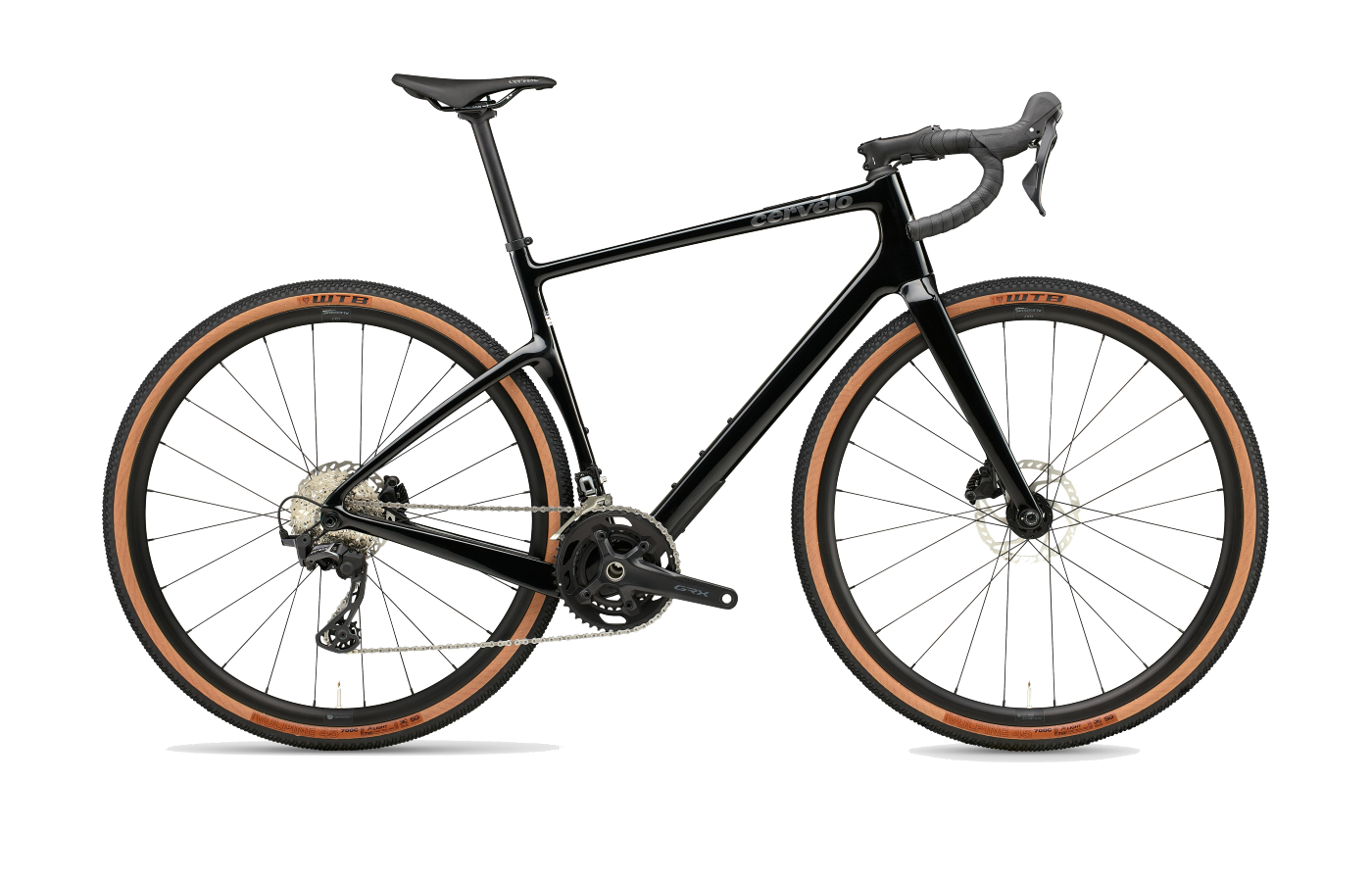
Aspero
Cervélo's pure gravel race bike — stiffer and more aggressive than the Warbird, with a road-bike pedigree that shows in the steering. The play if you want race geometry without the bikepacking footprint.
Compare →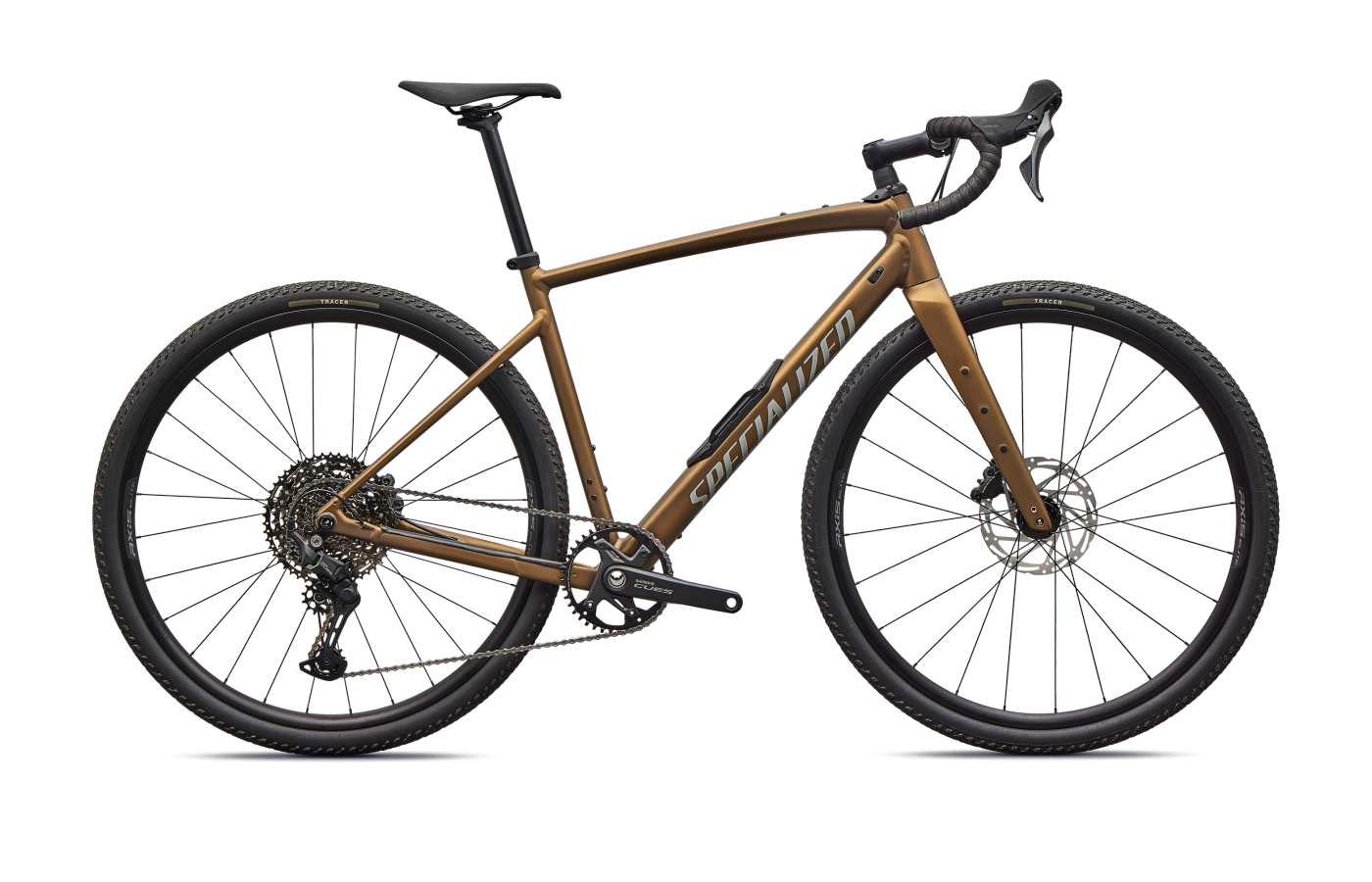
Diverge
Same do-it-all brief as the Checkpoint, but with Specialized's Future Shock at the head tube instead of IsoSpeed at the seat tube. Different damping philosophy, similar adventure-first positioning.
Compare →Grizl
Direct-to-consumer adventure rig with monster tire clearance and a price tag well below Trek's. The catch is no local dealer and you eat the fit risk yourself.
Compare →