Tarmac
vsDomane
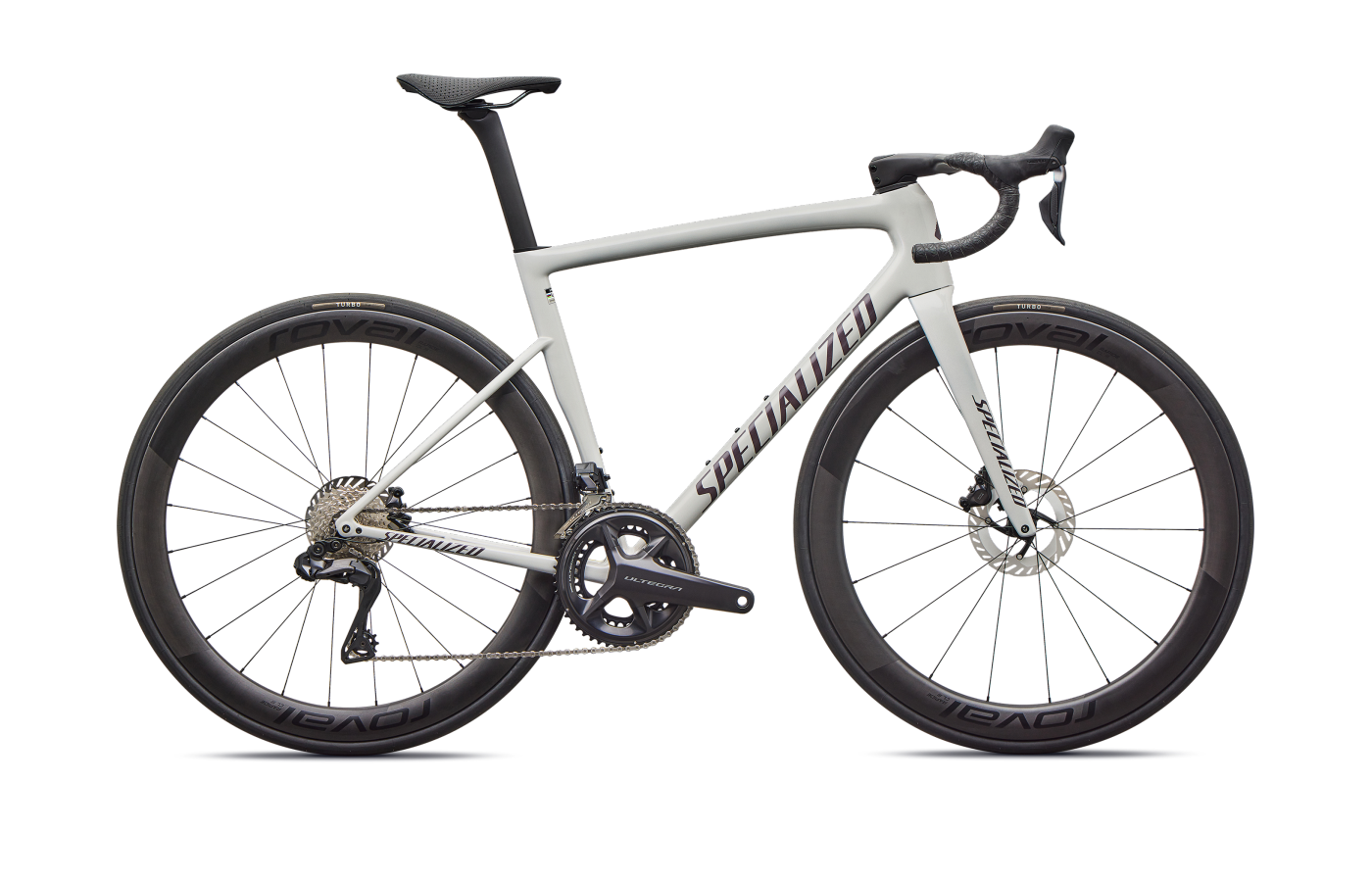
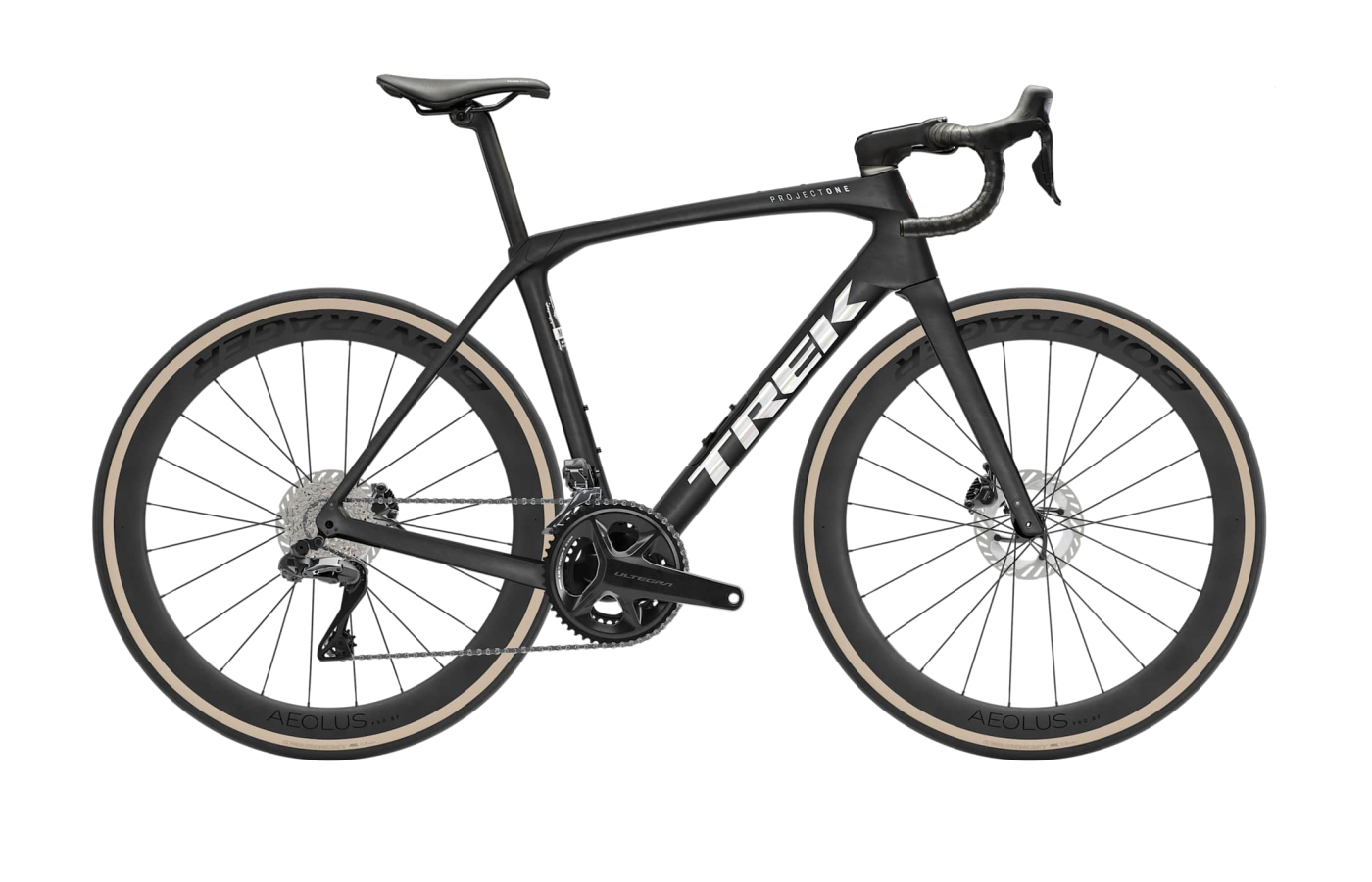
Two road bikes built for opposite priorities.
The Tarmac SL8 is the do-everything race bike that hides its versatility behind racing geometry. The Domane Gen 4 is the all-day endurance machine with a built-in shock absorber.
Tarmac
- Lightweight race chassis — SL8 Pro at 7.25 kg in Force AXS trim, FACT 10r carbon shedding ~100 g vs the SL7 at the same tier.
- Sharper handling geometry — 73° HTA, 58 mm trail, 978 mm wheelbase on the size 54 reward decisive cornering and out-of-saddle attacks.
- Aero credibility — wind-tunnel data cited at 209 W at 45 km/h, within 4 W of dedicated aero bikes like the S5.
- 32 mm tire clearance is the cap — no light-gravel detours, no fender mounts.
- Integrated Roval cockpit on Pro and S-Works builds limits fit adjustability after purchase.
Domane
- IsoSpeed compliance — a rear decoupler that reviewers call 'astonishingly comfortable' on broken tarmac and pothole-strewn roads.
- All-road versatility — 38 mm official tire clearance (40+ measured), fender mounts, and internal downtube storage make one bike a road and light-gravel rig.
- Broadest price ladder — from a $1,199 alloy AL 2 to a $12,499 SLR 9 AXS, every tier is covered including under $2k.
- ~700 g heavier than the Tarmac at equivalent Ultegra Di2 builds (7.99 kg vs ~7.3 kg).
- Documented IsoSpeed seatpost creak — verify dealer has installed Revision 4 wedge before buying.
Editor’s analysis
These bikes share a category on paper and almost nothing else on the road — one is built to win Tuesday-night crits, the other to swallow ten-hour Saturdays.
The Specialized Tarmac SL8 and Trek Domane Gen 4 sit at opposite ends of the modern road bike spectrum. The Tarmac is a WorldTour race weapon — sub-7.3 kg in mid-tier carbon, a 73° head tube on a size 54, and an aero-shaped tube set Specialized claims is 16.6 seconds faster over 40 km than the SL7. The Domane is the all-road answer to that aggression: 38 mm tire clearance, a rear IsoSpeed decoupler, internal downtube storage, and an upright endurance fit that reviewers consistently call 'planted' and 'surefooted.'
The fit-picked sizes tell the story of the geometry split. A 5'8" rider lands on a Tarmac 54 and a Domane 50 — the stack heights are almost identical (544 mm vs 546 mm), but everything else diverges. The Tarmac's reach is 16 mm longer, its head tube angle 1.9° steeper, and its wheelbase 18 mm shorter. Translation: the Tarmac wants to carve, the Domane wants to track. One is a scalpel; the other is a long-haul cruiser.
Componentry choices reflect the same divide. Both bikes top out around $13k for full Dura-Ace or Red AXS, but the Domane scales all the way down to a $1,199 alloy AL 2 with mechanical Claris — the broadest price ladder in modern road. The Tarmac starts at $4,699 with Rival AXS and never offers an alloy version. Domane carbon builds get internal frame storage and 32 mm Bontrager Kwaremont tires stock. Tarmac builds keep weighing less and accepting fewer compromises in tire width — official clearance caps at 32 mm.
Long-term ownership leans different too. The Tarmac is a known quantity — six months of mileage from David Arthur (Road.cc) yielded 'no issue to report at all.' The Domane Gen 4 has a documented seatpost-creak issue tied to the IsoSpeed wedge that Trek has revised twice (Revisions 2 and 4); reviewers over 80 kg report it more often. Neither is a deal-breaker, but the Domane buyer should verify they're getting the latest hardware revision.
Where the builds differ.
Comparing our editor's-pick builds side-by-side. Winners highlighted row-by-row — lower price and weight, and the better-spec component, each mark a point.
Build variants & pricing
Both platforms scale to ~$13k. The Tarmac starts at $4,699 carbon-only; the Domane goes all the way down to a $1,199 alloy AL 2.
Prices are current US MSRP. We picked SL8 Pro vs SLR 7 Gen 4 — both Ultegra Di2 at $8,499 — to make the comparison apples-to-apples. Specialized has no alloy Tarmac; if you need a sub-$3k entry point, the Domane AL line is the only door into either platform.
How they fit, how they steer.
The fit-picked sizes for a 5'8" rider are a 54 Tarmac and a 50 Domane. Stack lands within 2 mm (544 vs 546), but the Tarmac runs 16 mm more reach, a 1.9° steeper head tube, and an 18 mm shorter wheelbase — race position vs. endurance posture in the same shoebox.
Which size should I buy?
Size suggestions come from stack, reach, and effective top tube. Domane sizes run smaller in name (50, 52, 54) for similar fits — don't compare numbers across brands.
→These are starting points. Flexibility, riding style, and preferred position all shift the answer — if you’re between sizes, a professional fit beats a chart.
What the magazines said.
Published reviews from trusted cycling outlets. Click through for the full write-up.
Which one should you buy?
If you race or chase Strava segments, get the Tarmac. If you ride long, ride often, and want one bike that handles light gravel without complaint, get the Domane.
Tarmac
If you live for crits, group rides, and KOMs, the Tarmac SL8 is the sharper tool. It's lighter, more aero, and steers like a race bike should. You'll want to swap the stock 26 mm tires for 28s, but the frame underneath is class-leading.
Domane
If your rides are measured in hours rather than watts, the Domane Gen 4 is hard to beat. The IsoSpeed rear end takes the sting out of bad tarmac, the 38 mm clearance unlocks dirt-road shortcuts, and the upright fit lets you still feel human at hour six.
Questions buyers actually ask.
Short answers to the things we get emailed about most often.
01Which is faster on smooth roads?
The Tarmac SL8, comfortably. Specialized cites a 16.6-second advantage over the SL7 at 45 km/h on a 40 km flat course, and external wind-tunnel data puts the SL8 at roughly 209 W at 45 km/h — close to dedicated aero bikes like the Cervélo S5. The Domane Gen 4 picked up Kammtail tube shaping in this generation and 'carries momentum wonderfully' (Feedthehabit), but it's still ~700 g heavier at equivalent builds and runs an upright fit that's worse in a headwind.
At social-ride speeds below 30 km/h, the gap shrinks to something you'll only see on a power meter.
02Which is more comfortable over long distances?
The Domane Gen 4, no contest. The rear IsoSpeed decoupler isolates the saddle from square-edged hits in a way no purely passive frame can match — Velo called it 'astonishingly comfortable' and other reviewers describe it as feeling 'on cloud 9' over broken tarmac.
The Tarmac SL8 has improved markedly on comfort vs the SL7 (Specialized claims a 6% gain through the saddle), and reviewers agree it rides smoother than its racing pedigree suggests — but it relies on tire choice and frame compliance alone. Run 28-32 mm tubeless and it's pleasant for centuries; the Domane is pleasant without the asterisk.
03What's the maximum tire clearance?
Tarmac SL8: 32 mm officially. Most riders fit a true 30 mm comfortably; this is a road bike with a small margin, not a road-plus.
Domane Gen 4: 38 mm officially, with reviewers reporting successful 40-43 mm fits in real-world testing. That's enough rubber for hardpack gravel, light singletrack, and any rough chip-seal route you'd want to ride.
04How upright is the riding position?
Very different. At their fit-picked sizes for a 5'8" rider — Tarmac 54 and Domane 50 — the stack heights are almost identical (544 mm vs 546 mm), but the Tarmac's reach is 16 mm longer (384 vs 368). The result is a more stretched, race-style position on the Tarmac and a noticeably more compact, upright cockpit on the Domane.
The Domane's slacker 71.1° head tube also brings the bars rotationally closer to the rider on the hoods. Reviewers consistently call it the better choice for anyone with limited flexibility or back issues.
05Does the Domane really have internal frame storage?
Yes — every carbon Domane (SL and SLR) has an internal hatch on the down tube big enough for a multi-tool roll, tube, CO2, and tire levers. Cycling News called it 'genuinely excellent' and 'neatly organized.' The Tarmac SL8 has no such feature; you'll be running a saddle bag or jersey pockets.
The alloy AL models do not have the storage compartment.
06I've heard about a Domane seatpost creak — is it fixed?
It's been mostly resolved, but verify before you buy. Early Gen 4 Domanes shipped with an IsoSpeed wedge/tongue that several long-term reviewers flagged for creaking and slipping — one tester's seatpost dropped nearly 2 cm mid-ride. Trek has shipped two revisions of the hardware (Revision 2 and Revision 4); the Revision 4 wedge plus a generous application of carbon paste resolves it for most riders.
If you weigh more than 80 kg or are buying older stock, ask the dealer to confirm Revision 4 hardware is installed.
07Can I use either on light gravel?
The Domane, comfortably — it's official Trek positioning. With 38 mm Bontrager Kwaremont tires stock, an 80 mm bottom bracket drop for low-CG stability, and a long wheelbase (996 mm on a size 50), it handles light gravel and dirt roads as a design intent. Velo described the off-road handling as 'rally-car feel — sporty and quick on smooth gravel but stable enough to handle chunk.'
The Tarmac can take a one-off detour on hardpack with 30-32 mm tires, but its 32 mm cap and race geometry make it a road bike with a small safety margin, not a real all-road option.
08Which is better value at the editor's-pick tier?
Both editor's picks land at $8,499 with Shimano Ultegra Di2 — identical price, identical drivetrain, very different bikes for the money.
The Tarmac SL8 Pro delivers a frame reviewers (Just Ride Bikes) call '99% the same' as the $13k S-Works for several thousand less — a near-flagship race chassis with lighter Roval Rapide CLX wheels.
The Domane SLR 7 Gen 4 delivers the same 800-series OCLV frame as the $11,899 SLR 9, with Bontrager Aeolus Pro 51 carbon wheels and the IsoSpeed comfort system. Both are the smart-money tier in their respective ranges.
Similar bikes
If your priorities don’t map cleanly onto either of these, one of these adjacent bikes probably fits better.
Roubaix
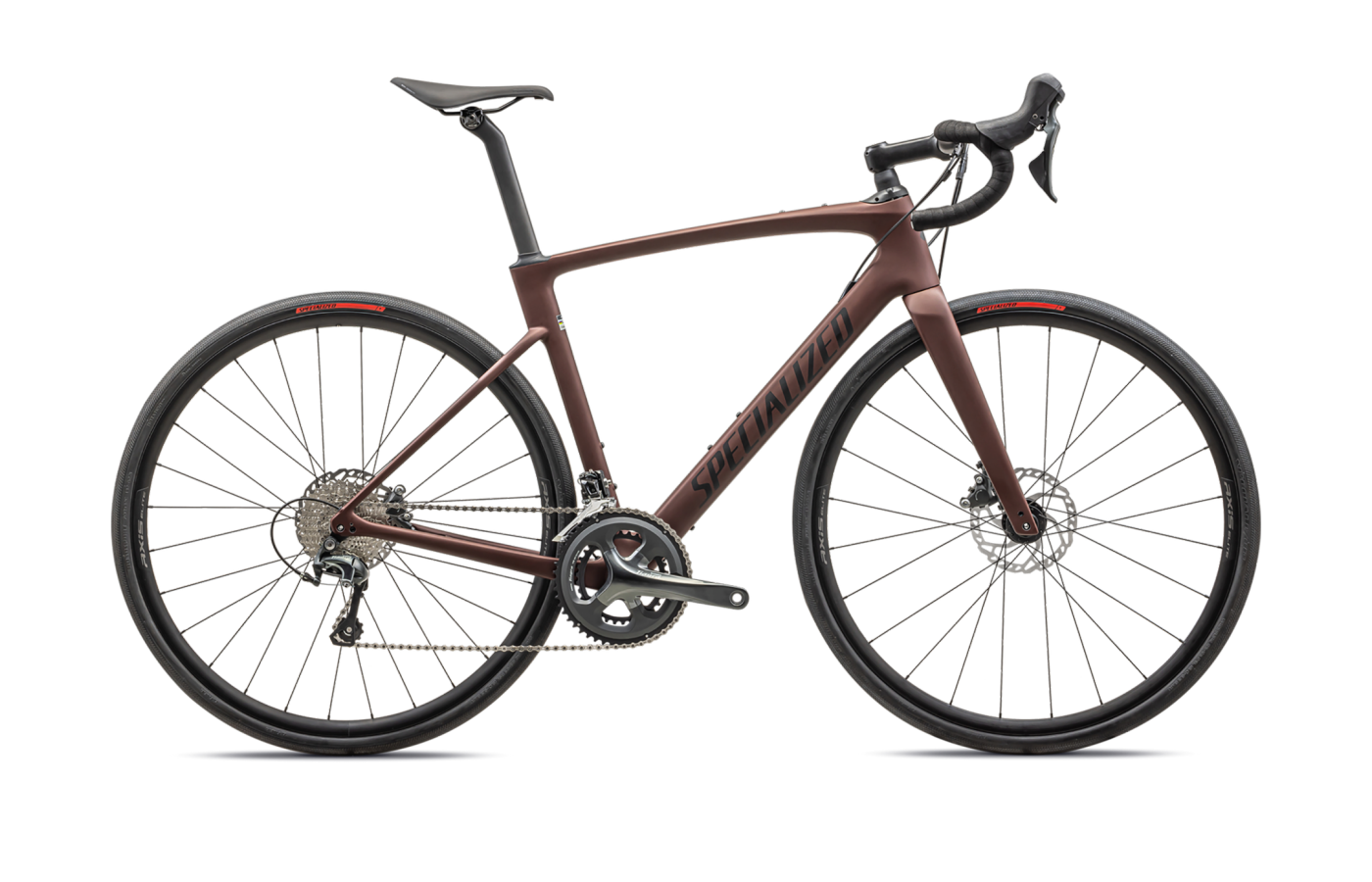
Specialized's own answer to the Domane — the Roubaix uses Future Shock head-tube suspension to absorb front-end hits, where the Domane works the rear. Pick this if you want endurance comfort but stay loyal to the Specialized fit and dealer network.
Compare →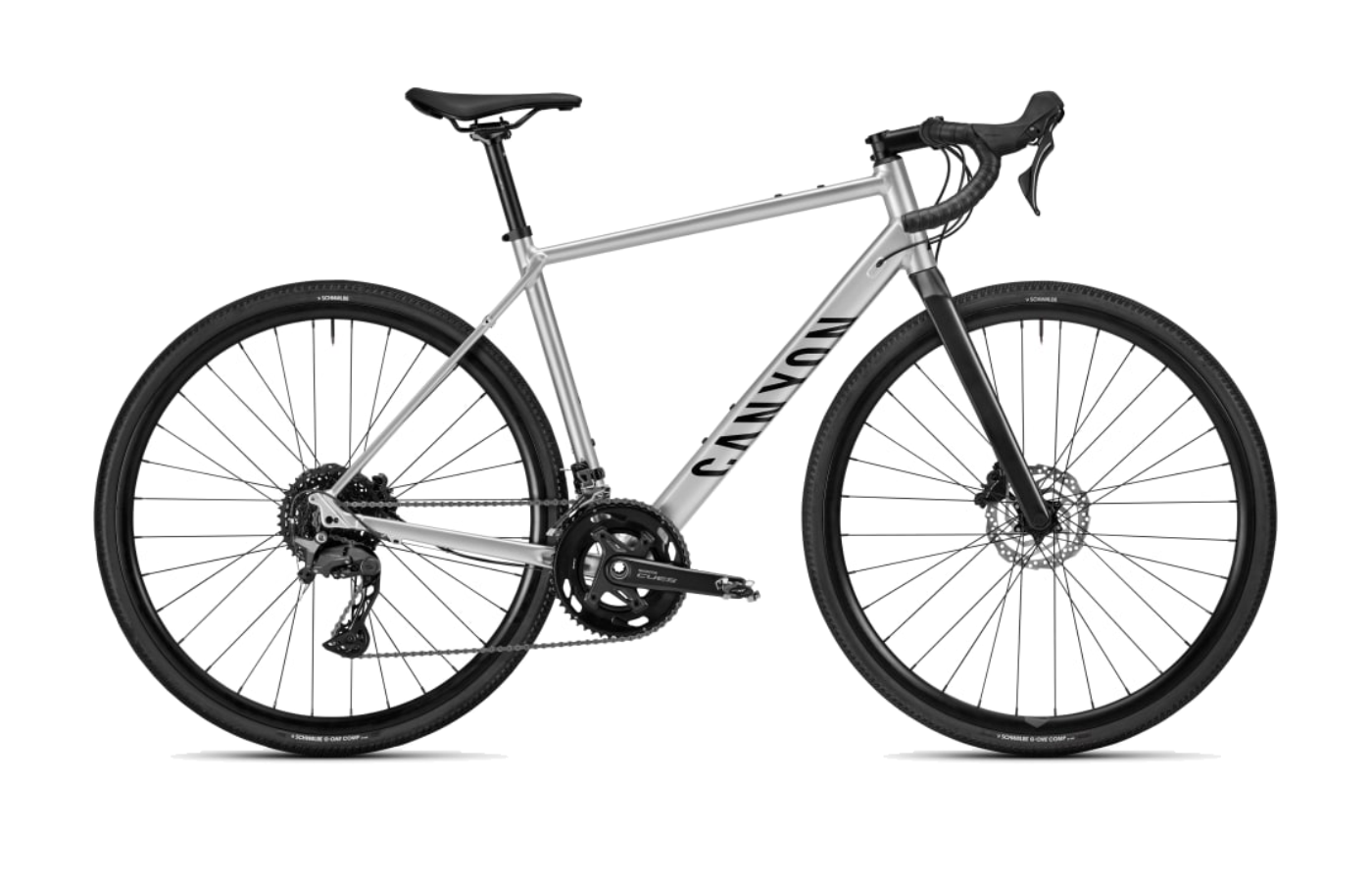
Endurace
Canyon's direct-to-consumer endurance bike with a similar mission to the Domane at meaningfully better component value. No mechanical decoupler, no internal storage — but you get more groupset and wheel for your dollar if you know your fit.
Compare →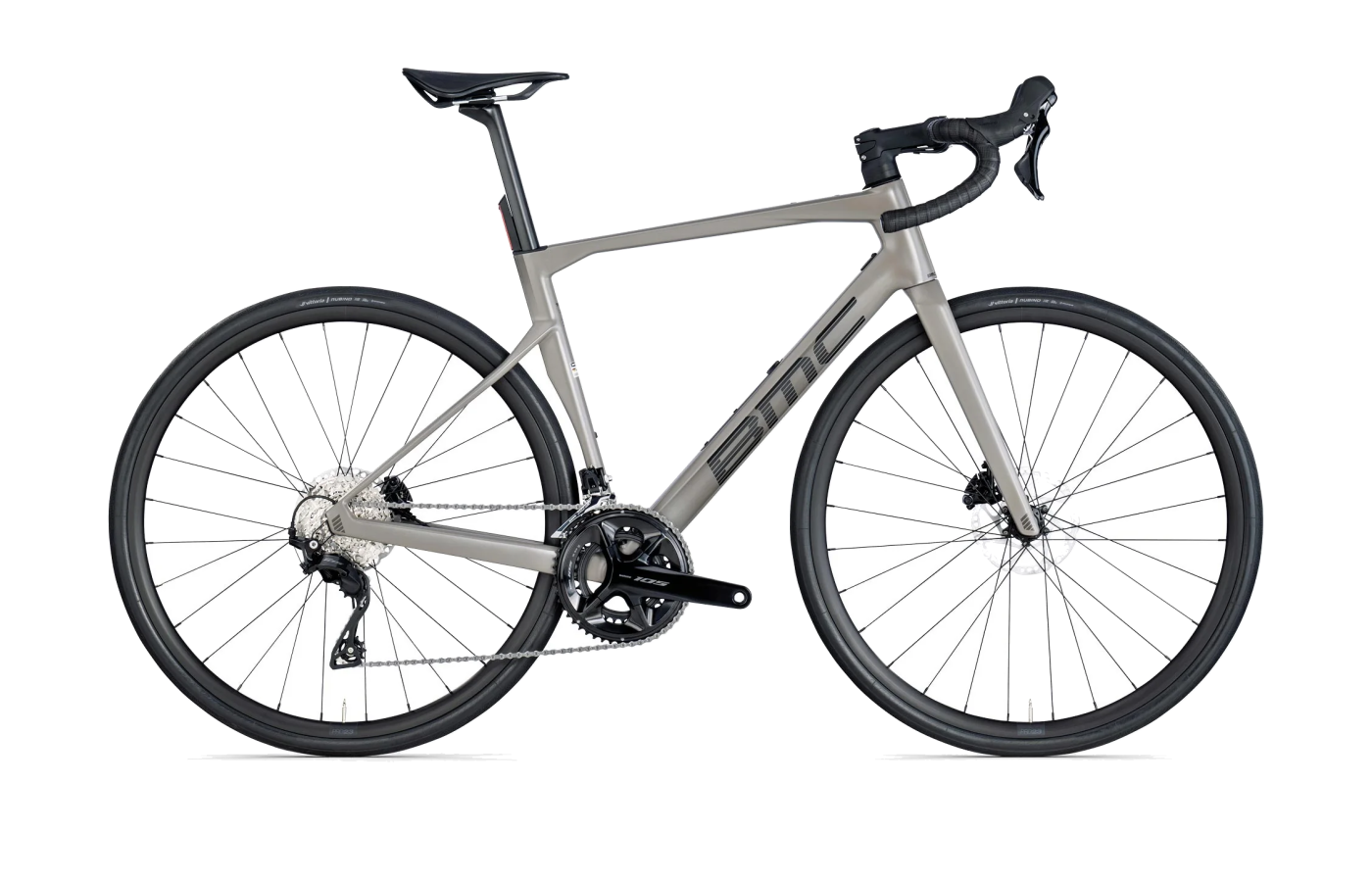
Roadmachine
BMC's Roadmachine splits the difference — quicker steering than the Domane but similarly versatile, with internal storage and a smooth ride. The middle-ground pick if neither the Tarmac's race bias nor the Domane's endurance bias quite fits.
Compare →