Tarmac SL8
vsCervélo S5
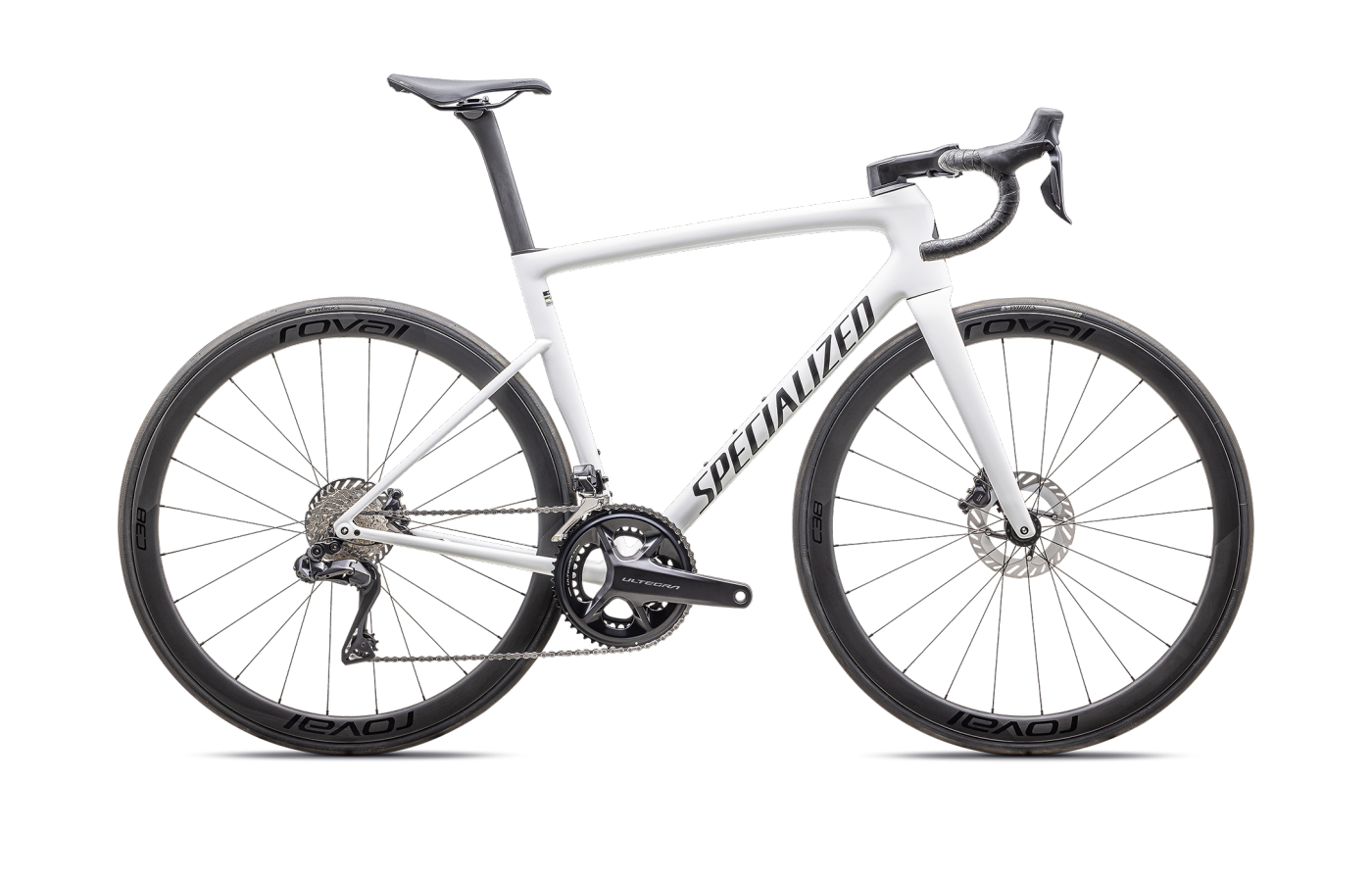
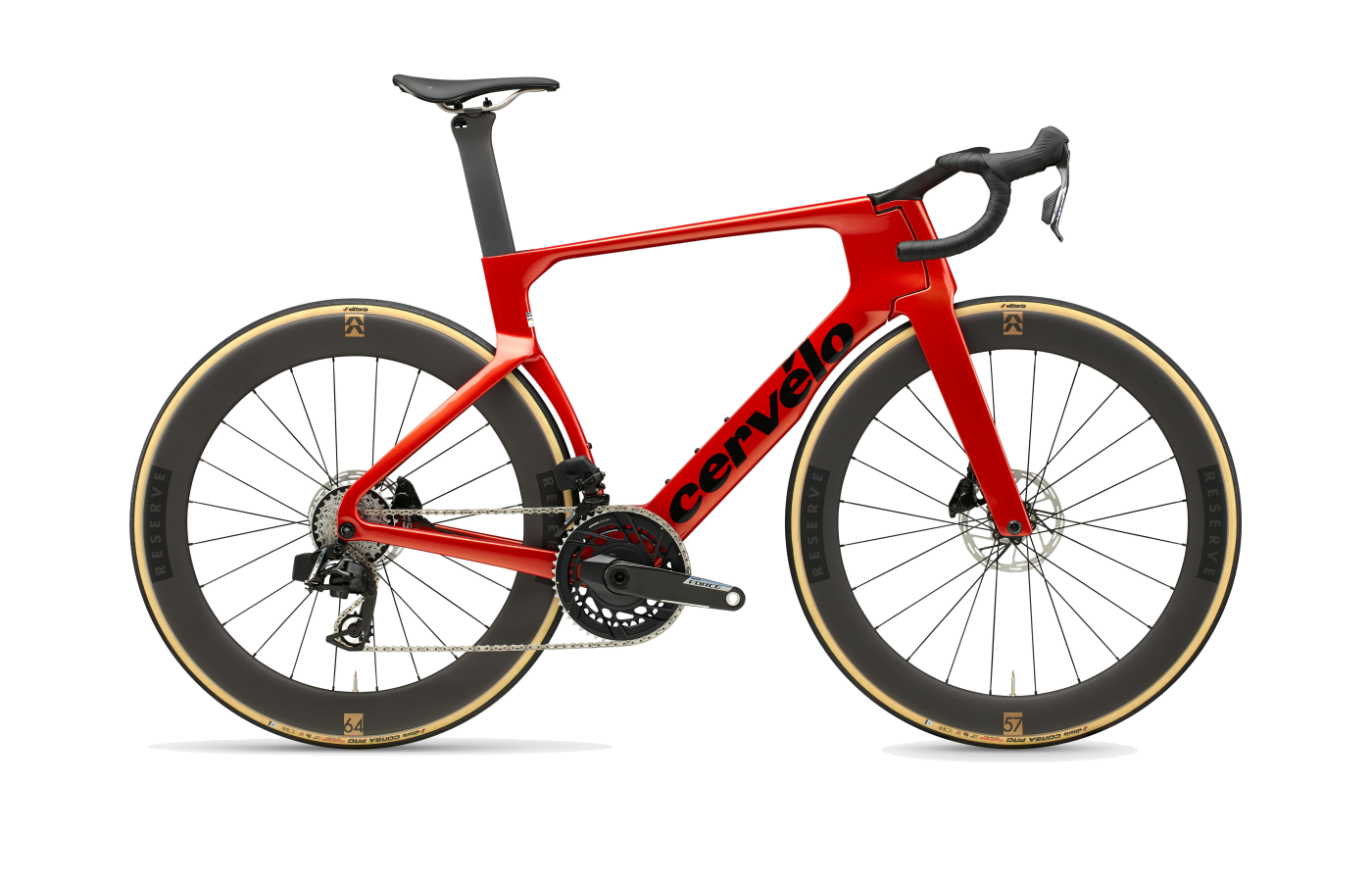
Two aero bikes, two philosophies.
The Tarmac SL8 is the do-everything race bike with a budget entry point. The S5 is a pure system built for flat-out speed.
Tarmac SL8
- Budget entry point at $6,500 — the cheapest way into a modern aero race platform.
- Lighter frame at 6.83 kg claimed — noticeably livelier on sustained climbs.
- Proven race pedigree — WorldTour wins across classics, GC, and bunch sprints.
- Narrower tire clearance (32 mm) limits gravel side trips.
- Less stable at very high speed than a dedicated aero bike.
Cervélo S5
- Fastest above 35 km/h — the integrated aero system measurably pulls you along.
- Sharper front-end response — steeper HTA and shorter trail reward high-power efforts.
- Wider tire clearance (34 mm) than Tarmac, despite the aero focus.
- Price floor nearly double the Tarmac — no budget builds in sight.
- Heavier, stiffer frame demands more rider input on long climbs.
Editor’s analysis
This isn't a better-or-worse fight. It's a question of what kind of fast you want to be — the all-road opportunist, or the wind-slicing specialist.
On paper, the Tarmac SL8 and Cervélo S5 sit in the same pro-level aero-road bracket. Both run Dura-Ace Di2, both ship with deep carbon wheels, both have been pushed by WorldTour riders to Tour stage wins in the last two seasons. But spend any real time on the numbers and the philosophies diverge almost immediately.
The Tarmac is the rarer animal: a do-everything bike that refuses to pick a lane. It's 590 grams lighter than the S5, takes wider tires (a Roubaix-friendly 32 mm), and starts $5,300 below it. Specialized's pitch is that you don't have to choose — climb, crit, gravel shortcut, Sunday century, one bike does them all. For most riders, the math is hard to argue with.
The S5 picks its lane and sharpens it. A steeper head tube, 1 mm less trail, 3 mm shorter chainstays, and the single most integrated cockpit in the segment — all of it in service of speed above 35 km/h. Climbs will hurt more. Headwinds won't. If most of your riding is flat or rolling and you like racing, the S5 is the sharper tool.
Put another way: the Tarmac is the bike you buy when you own one road bike. The S5 is the bike you buy when you already own a climbing bike and want a second one for the flats.
Where the builds differ.
Comparing our editor's-pick builds side-by-side. Winners highlighted row-by-row — lower price and weight, and the better-spec component, each mark a point.
Build variants & pricing
Both platforms span ~$8k of range. The Tarmac starts cheaper and scales higher; the S5 only comes in the upper builds.
Prices are current US MSRP. International pricing and availability vary. Cervélo does not offer an entry-level Rival or 105 build on the S5 — if that matters to your budget, the Tarmac is the only choice.
How they fit, how they steer.
Both at size 54 — the fit-picked size for a 5'8" rider on each bike. The S5 sits 2 mm lower with identical reach; trail is 2.4 mm tighter, chainstays 5 mm shorter — it's the sharper front-end.
Which size should I buy?
Size recommendations based on stack, reach, and effective top tube. Both ranges overlap closely in the middle; the Tarmac extends further at the small end.
→These are starting points. Flexibility, riding style, and preferred position all shift the answer — if you’re between sizes, a professional fit beats a chart.
What the magazines said.
Published reviews from trusted cycling outlets. Click through for the full write-up.
Which one should you buy?
If you'll ride one bike on everything from crits to Sunday centuries, get the Tarmac. If you live in the drops at 35 km/h and up, get the S5.
Tarmac SL8
If you want one bike for group rides, crits, weekend climbs, and the occasional gravel shortcut — this is still the benchmark. Lighter, cheaper, endlessly capable.
Cervélo S5
If most of your riding is flat or rolling and you race above 35 km/h, the integrated aero system will drag you forward. The climbs will hurt more — and the flats will hurt the field.
Questions buyers actually ask.
Short answers to the things we get emailed about most often.
01Which is faster on flat roads?
The Cervélo S5, measurably. Cervélo's published wind-tunnel numbers put the S5 roughly 6–10 watts ahead of the Tarmac SL8 at 45 km/h, with the bulk of the gap coming from the deeper-profile tube shapes and the AB09 integrated cockpit. On a flat 40 km time trial, that's worth somewhere in the neighborhood of 20–30 seconds for a 250-watt rider.
At social-ride speeds below 30 km/h, the aero advantage shrinks to something you'll never feel.
02Which climbs better?
The Tarmac SL8. In equivalent S-Works vs. Red-build trim, the Tarmac comes in around 6.8 kg vs. 7.5 kg for the S5 — about 700 g. That's roughly 1% of a 70 kg rider's system weight, which translates to ~10 seconds on a 30-minute climb. Not huge, but noticeable on repeated efforts.
The Tarmac also has a slightly stiffer bottom bracket for out-of-saddle attacks, and sits a touch taller for a more upright climbing posture.
03What's the maximum tire clearance?
Tarmac SL8: 32 mm officially, with ~2 mm of visual clearance at the chainstays. Most riders fit a true 30 mm tire comfortably.
Cervélo S5: 34 mm officially. The S5 runs wider internal rim widths stock (23 mm on the Reserve 52/63), so a 30 mm tire measures closer to 31.5 mm on-bike.
Neither is a gravel bike — for anything rougher than chip-seal, look at a Roubaix or Caledonia.
04Can I use a power meter with these?
Yes. Both frames use standard crank interfaces — the Dura-Ace and Red builds come with Shimano or Quarq spider-based power meters as stock. Aftermarket options (4iiii, Stages, Power2Max) all bolt on without issue. Pedal-based meters (Favero Assioma, Garmin Rally) work too.
05How serviceable are the integrated cockpits?
The Tarmac uses a Roval one-piece cockpit with fully internal routing. Adjusting stem length or bar width means buying a new unit (~$450). Hose bleeds require a partial disassembly, roughly 90 minutes at a shop.
The S5's AB09 cockpit has the same one-piece construction but adds a clamshell split that lets you change bar or stem length without re-routing hoses — noticeably friendlier. It's one of the best-executed integrated cockpits on the market.
06Are both compatible with mechanical shifting?
No. Both frames are wireless/electronic-only — they lack the cable stops and internal routing for mechanical derailleurs. If you want Shimano 105 mechanical or Campagnolo cable-shift, you're outside this conversation.
07Which holds its resale value better?
Historically, Specialized S-Works frames depreciate 30–40% over three years on the used market (via Pro's Closet, The Bike List). Cervélo S5s hold slightly better at 25–35%, likely because the production runs are smaller and the brand carries a more exclusive perception.
Both depreciate faster in the first year than subsequent years. Buying a one-season-old flagship second-hand is one of the best ways to get into either platform.
08What warranty do they come with?
Both frames come with a lifetime frame warranty to the original owner against manufacturing defects. Specialized and Cervélo both offer crash-replacement pricing (typically 40–60% off a new frame) for riders who damage their bike in a crash.
Similar bikes
If your priorities don’t map cleanly onto either of these, one of these adjacent bikes probably fits better.
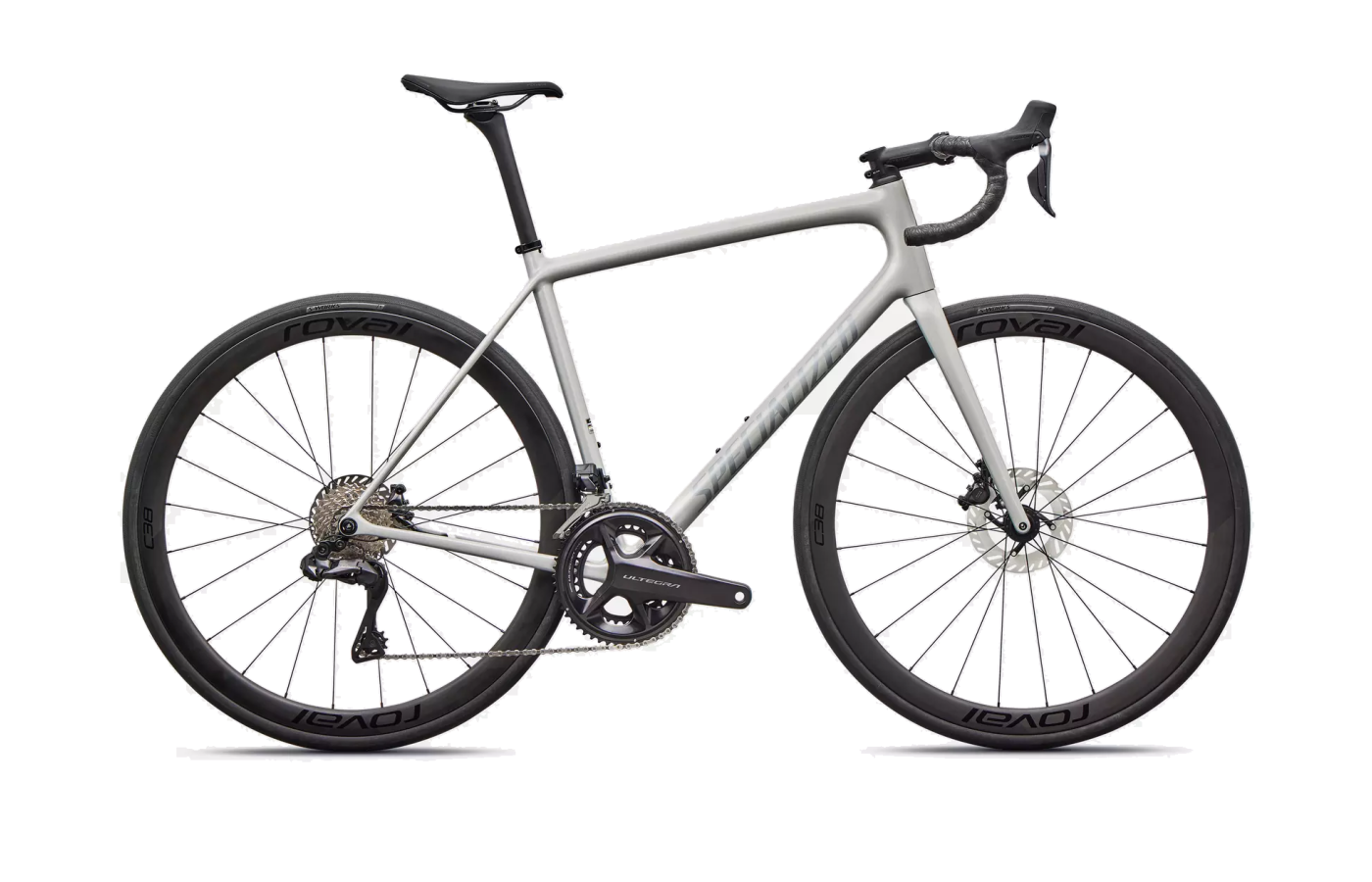
Aethos
The anti-aero play — a 5.9 kg classical climber, all tubes round, zero integration. If you'd rather save grams than watts, and do most of your riding going up.
Compare →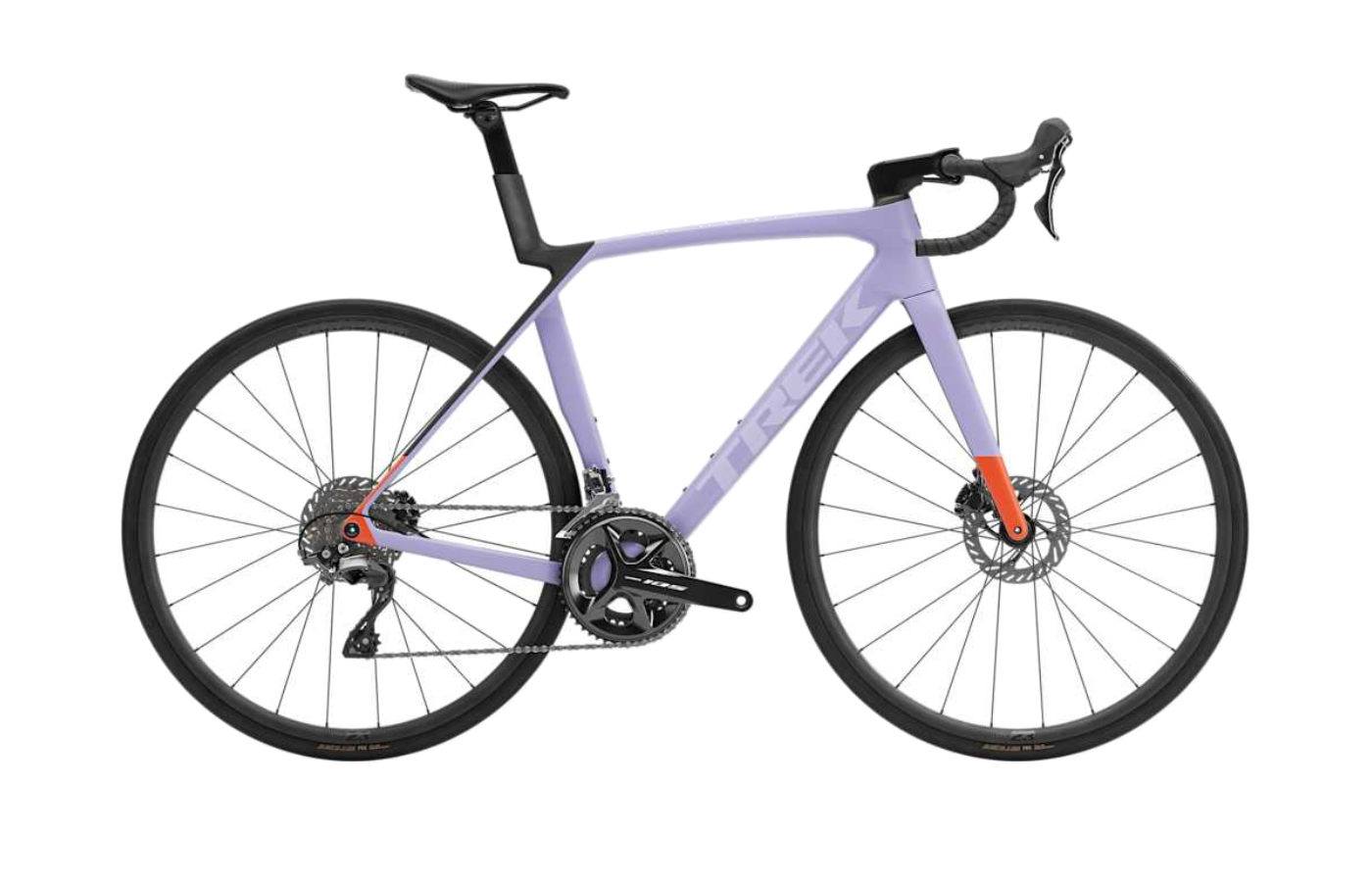
Madone
Trek's aero-race flagship with the IsoFlow decoupler — claims S5-rivalling drag numbers but with a compliance seatpost cutout that softens longer days in the saddle.
Compare →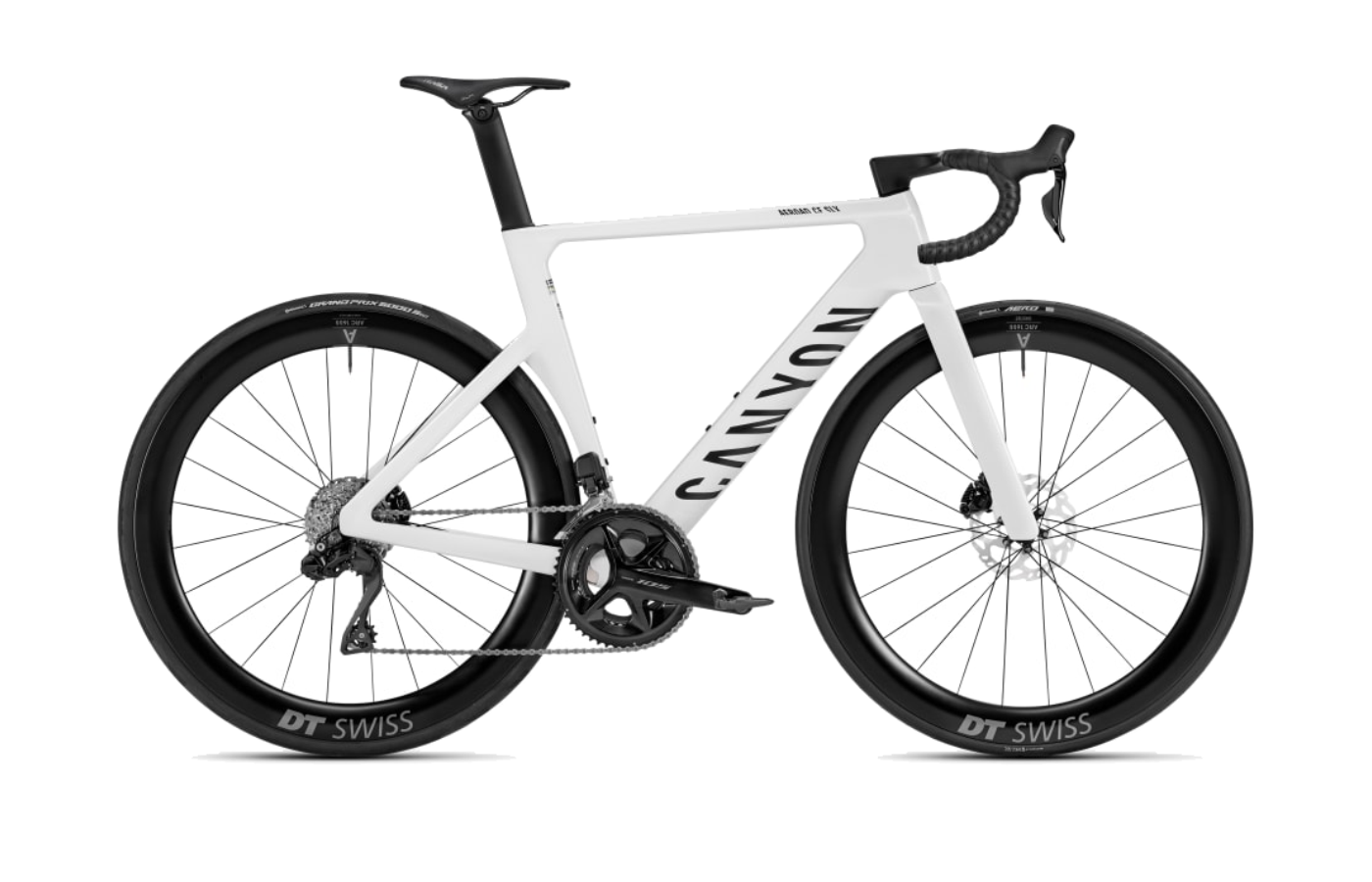
Aeroad
Same aero-flagship philosophy as the S5 at roughly 30% less money — the direct-to-consumer catch is no local dealer and no demos. Best if you know your fit.
Compare →