Sentinel
vsSpur
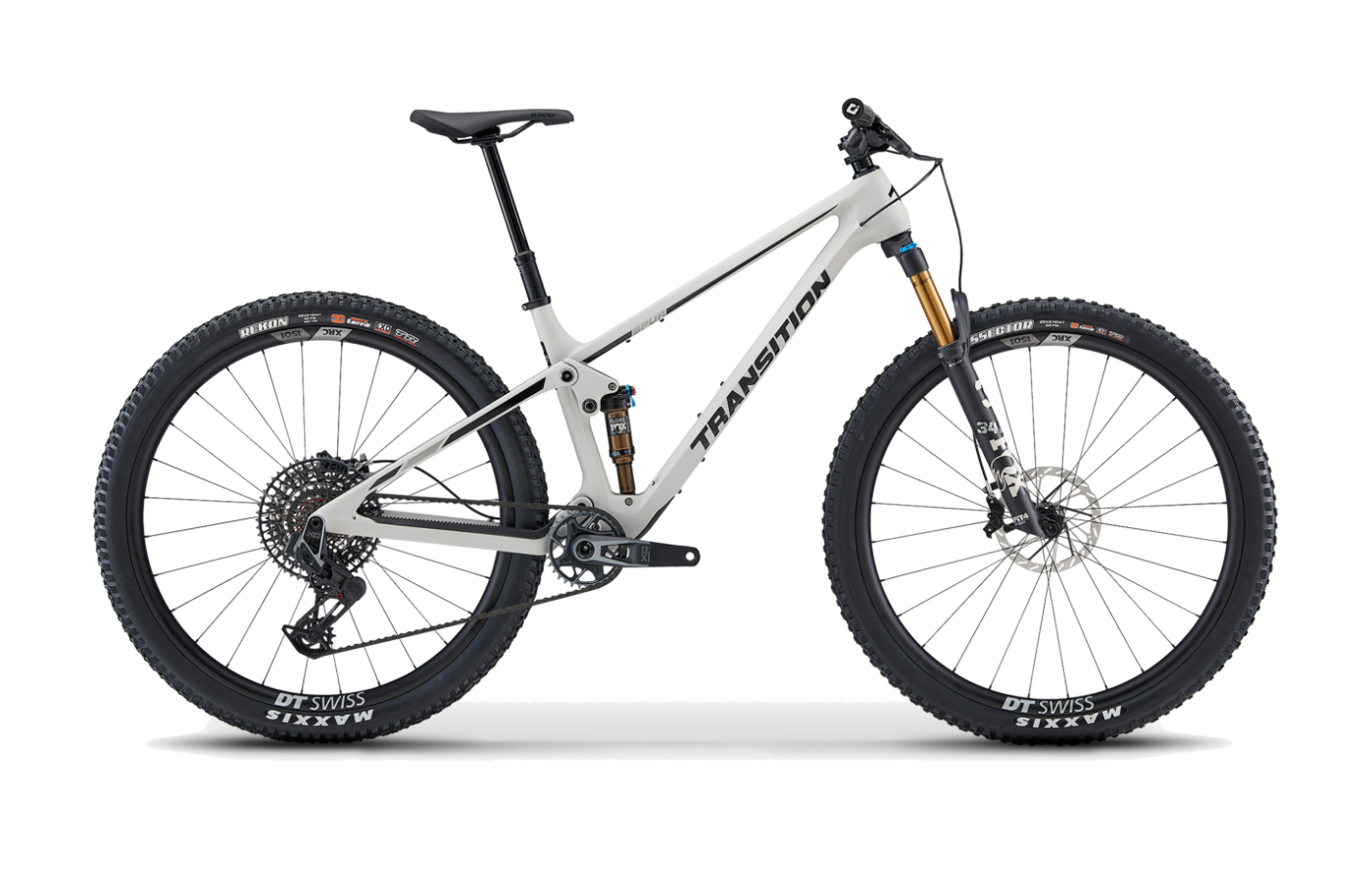
150mm trail bruiser meets 120mm downcountry scalpel.
Same brand, same GiddyUp suspension lineage — but one is built to plow chunky descents, the other to generate speed everywhere else.
Sentinel
- Gnarly-terrain capability — 160/150 mm of GiddyUp travel handles drops, jumps, and bike park laps the Spur won't survive.
- Mullet-ready flip chip lets you drop the BB 6 mm and slacken the HTA to 63.6 degrees with a 27.5 rear wheel.
- Wide build range — from a $3,499 Alloy Deore to a $9,999 Carbon XTR Di2, with internal BOOM Box storage on every carbon model.
- Stock RockShox Super Deluxe Ultimate shock is widely panned for an under-damped tune that blows through mid-stroke on aggressive riders.
- Even the lightest Carbon XTR build is 32 lb (14.5 kg) — climbs feel like work compared to the Spur.
Spur
- Lightweight chassis — the Carbon XO AXS hits 27.1 lb (12.29 kg), letting it accelerate and climb like a true XC bike.
- Aggressive downcountry geometry — a 66-degree HTA and 480 mm reach (size LG) let it descend far harder than its 120 mm of travel suggests.
- Pivot-less flex-stay rear end saves weight and reduces the bearings you'll eventually replace.
- Carbon-only — no alloy build to bring the entry price below $4,799.
- Frame can feel like it 'winds up and springs back' under heavier or harder-charging riders in high-G compressions.
Editor’s analysis
The Sentinel and Spur share a parking-lot silhouette, but on the trail they answer two completely different questions — how much bike do I actually need?
Both bikes come from the same Bellingham shop, share Transition's GiddyUp linkage, and roll on 29-inch wheels at every size from S up. From there, they diverge hard. The Sentinel V3 runs 160 mm up front and 150 mm out back on a stout carbon-or-alloy chassis; the Spur runs 120 mm at both ends on a flex-stay carbon-only frame that saves around 200 grams by deleting the rear axle pivot.
Geometry tells the rest of the story. The Sentinel sits at a 64-degree head tube angle with a 350 mm bottom bracket and size-specific chainstays (442 mm on size MD, 448 mm on L and up). The Spur is two degrees steeper at 66 degrees, runs a uniform 435 mm rear center across every size, and rides noticeably lower. On size MD the Sentinel's 1237 mm wheelbase stretches 47 mm longer than the Spur's 1190 mm — that's the difference between a bike that wants to be hucked off things and a bike that wants to carry speed through them.
The weight gap is honest. A Carbon XT Sentinel weighs 32.9 lb (14.92 kg) on size MD; the Carbon XO AXS Spur lands at 27.1 lb (12.29 kg). That five-pound delta is roughly a 17% mass difference — meaningful on every climb, every acceleration, every effort to lift the front wheel over a log. The Sentinel earns it back the moment the trail points down, the rocks get sharp, and the drops get tall.
Put another way: the Sentinel is the bike you buy when you want one rig that can handle a Sedona enduro day, a bike park session, and the occasional all-day epic. The Spur is the bike you buy when most of your riding is rolling singletrack and you'd rather PR the climb than survive the descent.
Where the builds differ.
Comparing our editor's-pick builds side-by-side. Winners highlighted row-by-row — lower price and weight, and the better-spec component, each mark a point.
Build variants & pricing
Sentinel spans $3,499–$9,999 across nine builds in alloy and carbon. The Spur is carbon-only with three builds from $4,799–$8,199.
Editor's picks pair the Carbon X0 AXS Transmission build on each side — same drivetrain tier, same stem-and-bar combo, $200 apart. The Spur uses pricier DT Swiss XRC 1501 carbon wheels with 240 EXP hubs; the Sentinel rolls on more durable XM 481 alloy hoops on 350 hubs, the right call for a heavier-hitting bike.
How they fit, how they steer.
Both at size MD, the fit-picked size for a 5'8" rider on each bike. Reach matches at 455 mm, but everything else diverges: the Sentinel sits 11 mm taller, runs 2 degrees slacker up front, and stretches 47 mm longer in wheelbase.
Which size should I buy?
Pick by stack, reach, and effective top tube. The Sentinel runs six sizes (XS–XXL); the Spur only four (S–XL).
→These are starting points. Flexibility, riding style, and preferred position all shift the answer — if you’re between sizes, a professional fit beats a chart.
What the magazines said.
Published reviews from trusted cycling outlets. Click through for the full write-up.
Which one should you buy?
If your rides are about how rough you can get, get the Sentinel. If your rides are about how fast and far you can go, get the Spur.
Sentinel
If you want a single bike that can plow chunky descents, lap a bike park, and still pedal back to the car, the Sentinel is the answer. The flip chip, wide build range, and 150 mm of supportive travel make it the most adaptable rig in Transition's trail lineup — just budget for a shock re-tune if you ride hard.
Spur
If you measure success by KOMs, all-day mileage, and how much speed you carry through a flat corner, the Spur is the benchmark downcountry bike. It climbs like an XC race rig but holds enduro-style lines on the way down — the original 'one bike for everything except actual enduro' machine.
Questions buyers actually ask.
Short answers to the things we get emailed about most often.
01Which one climbs better?
The Spur, by a wide margin. The Carbon XO AXS Spur weighs 27.1 lb (12.29 kg) versus 33.2 lb (15.07 kg) for the equivalent Carbon XO AXS Sentinel — about a 6 lb / 2.8 kg gap. On a 30-minute climb at 250 watts, that's roughly 60–90 seconds, which is a lot.
Interestingly, the Sentinel actually has the steeper effective seat tube angle on size MD (78.9 degrees vs the Spur's 76.2), so the climbing position is excellent on both bikes. But there's no overcoming six pounds and 30 mm of extra rear travel when gravity is the enemy. Reviewers consistently describe the Sentinel as 'rides lighter than the scale suggests' but still admit it's a 33-pound bike.
02Which one descends better?
The Sentinel, comfortably. With 160 mm of fork travel, 150 mm in the rear, a 64-degree head tube angle, and a 1237 mm wheelbase on size MD, it has the geometry and travel to handle terrain the Spur shouldn't be on. Reviewers describe it as 'nigh-unflappable' at speed once the suspension is dialed.
The Spur is famous for punching above its weight class on descents — the 66-degree HTA and 480 mm reach (size LG) let it 'rally black-diamond lines' — but reviewers are clear that the 120 mm of travel is a hard limit. Hit a true enduro feature on a Spur and you'll get 'audible screams of pain' from the suspension.
03Can I run the Sentinel as a mullet?
Yes. The V3 frame has a flip chip designed for mixed-wheel compatibility. Run a 27.5-inch rear wheel in the 'High' chip setting and you drop the BB by 6 mm and slacken the HTA from 64 to 63.6 degrees. Reviewers from Blister and Awesome MTB called this the 'Goldilocks' setup — the smaller rear wheel adds agility while the lower BB unlocks a more locked-in cornering feel.
The Spur is full 29-inch only on every size from S up. The XS Spur ships with dual 27.5 wheels for fit reasons, not handling.
04What's the maximum tire clearance?
Sentinel V3: 63.5 mm (about 2.5 inches) — though Pinkbike and Jessie-May Morgan called the clearance for a 2.4 Maxxis DHR II 'somewhat tight' in muddy conditions.
Spur: 61 mm (about 2.4 inches) — appropriate for the lighter-duty XC tires it ships with (Maxxis Dissector 2.4 front / Rekon 2.4 rear).
Neither will fit a true 2.6 plus-size tire, but both are sized for normal modern trail rubber.
05How does the Sentinel compare to the Transition Spire?
The Spire is Transition's 170/170 mm enduro race bike — slacker, longer, heavier. If you're consistently riding bike park, racing enduro, or want to plow over things rather than dance around them, the Spire is the better tool.
The Sentinel sits one notch down the travel ladder and is the better choice if you actually pedal to the top, ride a wider mix of trails, or want a bike that's playful on rolling terrain instead of just composed at speed. NSMB called the Sentinel 'a long-travel Smuggler' — that's the right mental model.
06Are the editor's-pick builds easy to compare?
Yes — they're tier-matched on purpose. Both run SRAM X0 AXS Eagle Transmission wireless drivetrains, both use ANVL Swage stems and OneUp carbon bars, and both come from the same brand with the same warranty.
The meaningful spec difference is the wheels: the Spur ships with DT Swiss XRC 1501 carbon wheels on 240 EXP hubs (lighter, faster engaging), the Sentinel with DT Swiss XM 481 alloy rims on 350 hubs (more durable, heavier). That choice matches each bike's intent — the Spur is racing for grams, the Sentinel is bracing for impacts.
07Should I worry about the stock Sentinel rear shock tune?
Possibly. Multiple expert reviewers (Blister, Pinkbike, NSMB) found the stock RockShox Super Deluxe Ultimate compression damping 'bizarrely light,' causing the bike to blow through mid-stroke on harder riders or square-edged hits. Several found a custom re-tune or a shock swap (to a Manitou Mara Pro or a re-valved Super Deluxe) 'transformative.'
If you're under ~170 lb and ride mellow trail flow, you likely won't notice. If you're heavier, ride aggressively, or live somewhere with lots of square-edged rocks, budget $200–$400 for a re-tune in your first season.
08What warranty do they come with?
Both frames carry Transition's lifetime frame warranty to the original owner against manufacturing defects. Transition is also widely praised for honoring crash-replacement pricing and extending coverage to second-hand owners on a case-by-case basis — a nice piece of long-term value the brand is known for.
Similar bikes
If your priorities don’t map cleanly onto either of these, one of these adjacent bikes probably fits better.
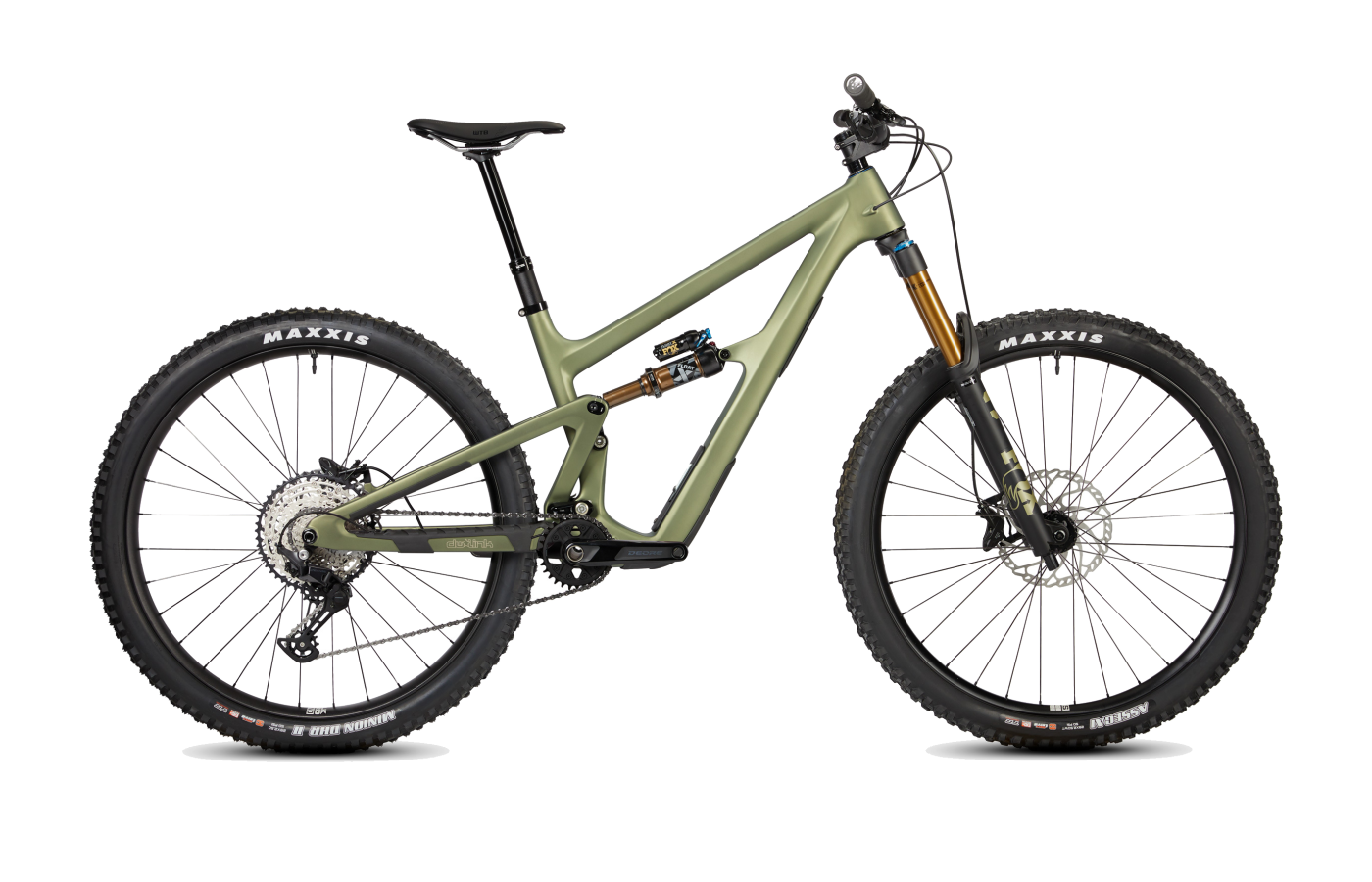
Ripmo
The smoother trail alternative — Ibis's DW-link gives up some of the Sentinel's BMX-ish pop in exchange for the gold standard of technical climbing traction. The right pick if the Sentinel's GiddyUp tune feels too harsh.
Compare →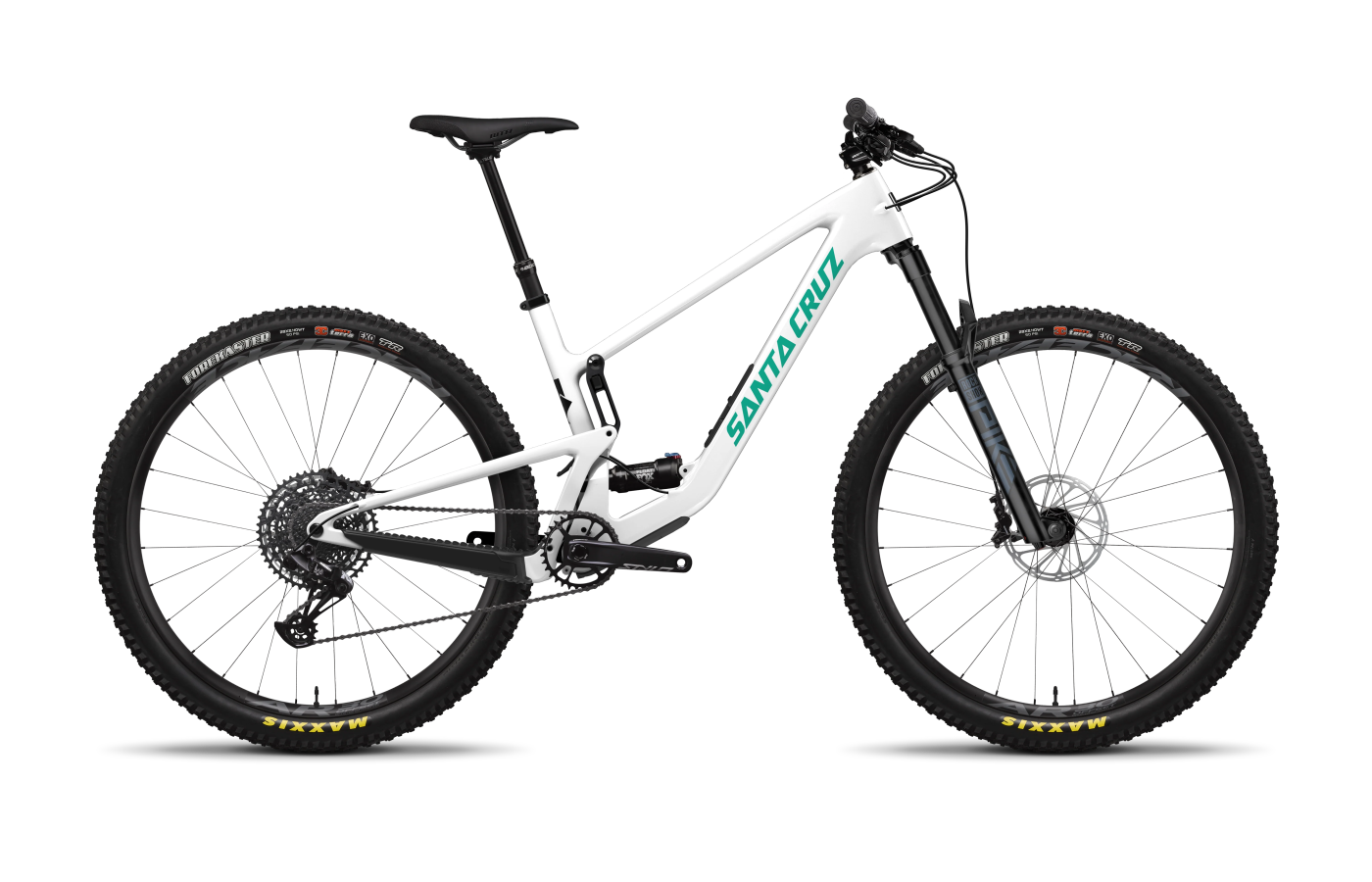
Tallboy
The descent-focused downcountry counterpoint to the Spur — Santa Cruz's VPP gives the Tallboy a stiffer, more 'bottomless' feel that aggressive riders prefer, at the cost of a few pounds of climbing-friendly mass.
Compare →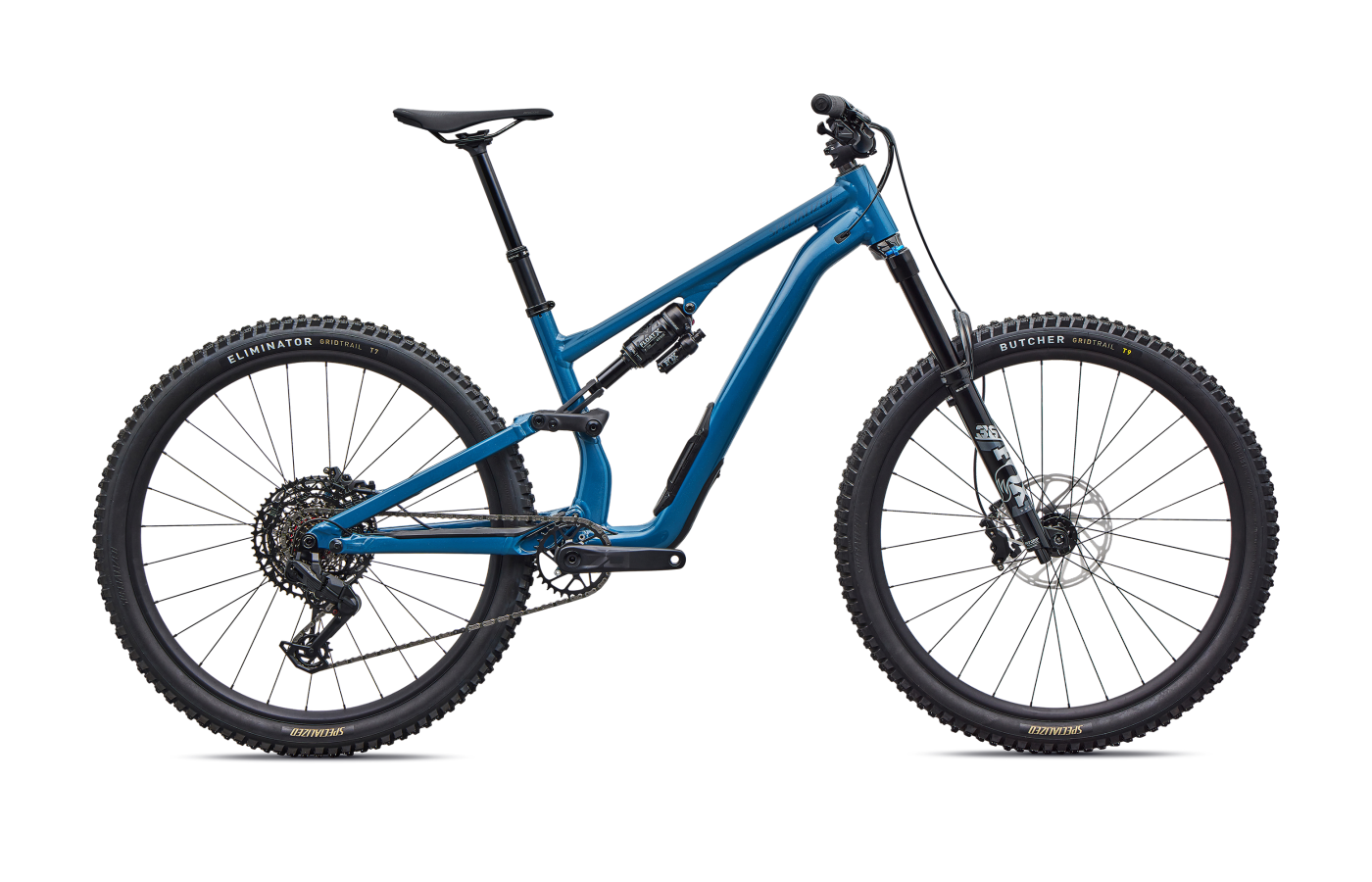
Stumpjumper Evo
If you want Sentinel-grade rowdiness with even more dialability, the Stumpjumper EVO's six-position geometry adjustment lets you tune head angle and BB height for whatever terrain you're chasing this weekend.
Compare →