Smuggler
vsSpur
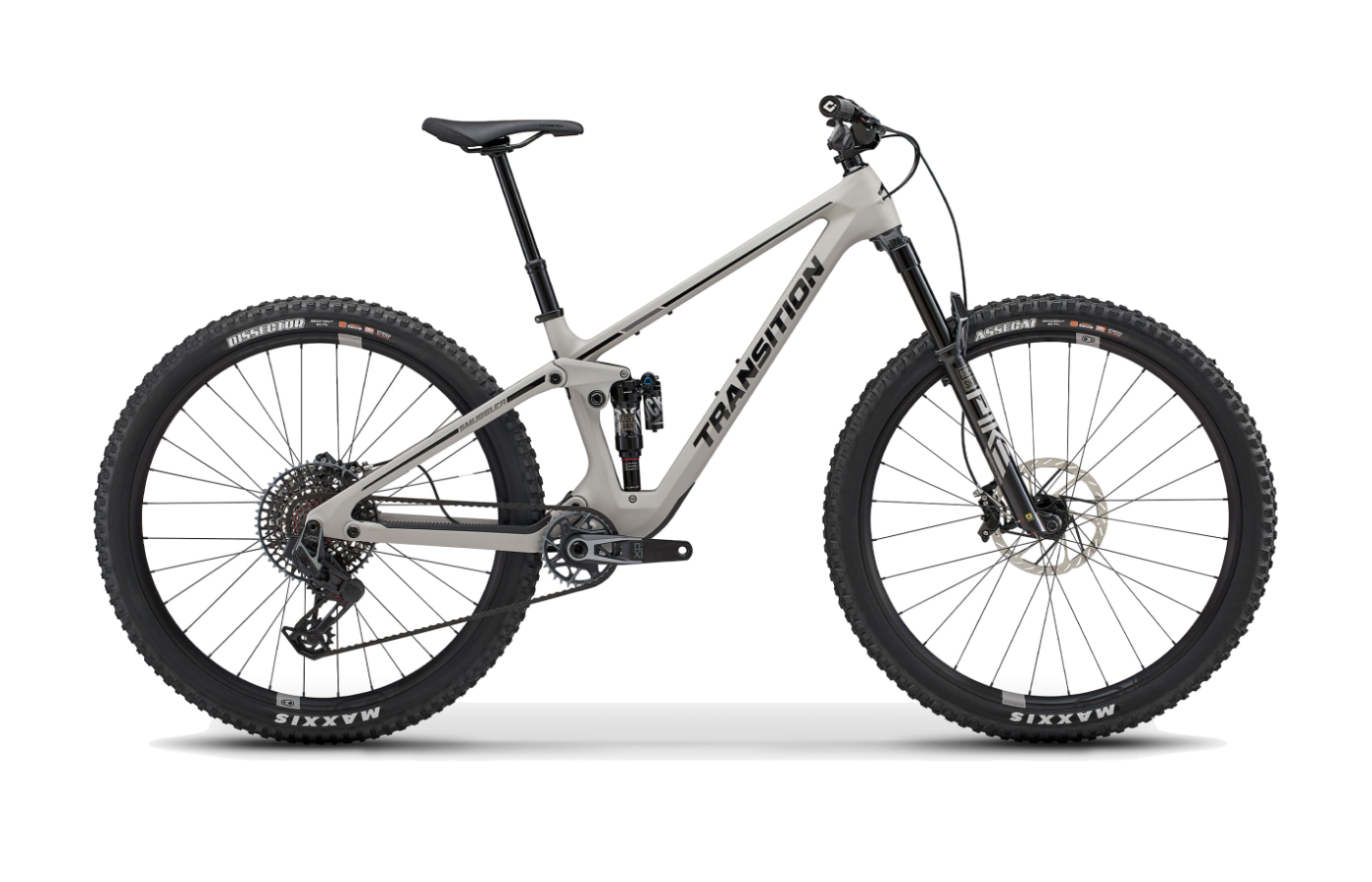
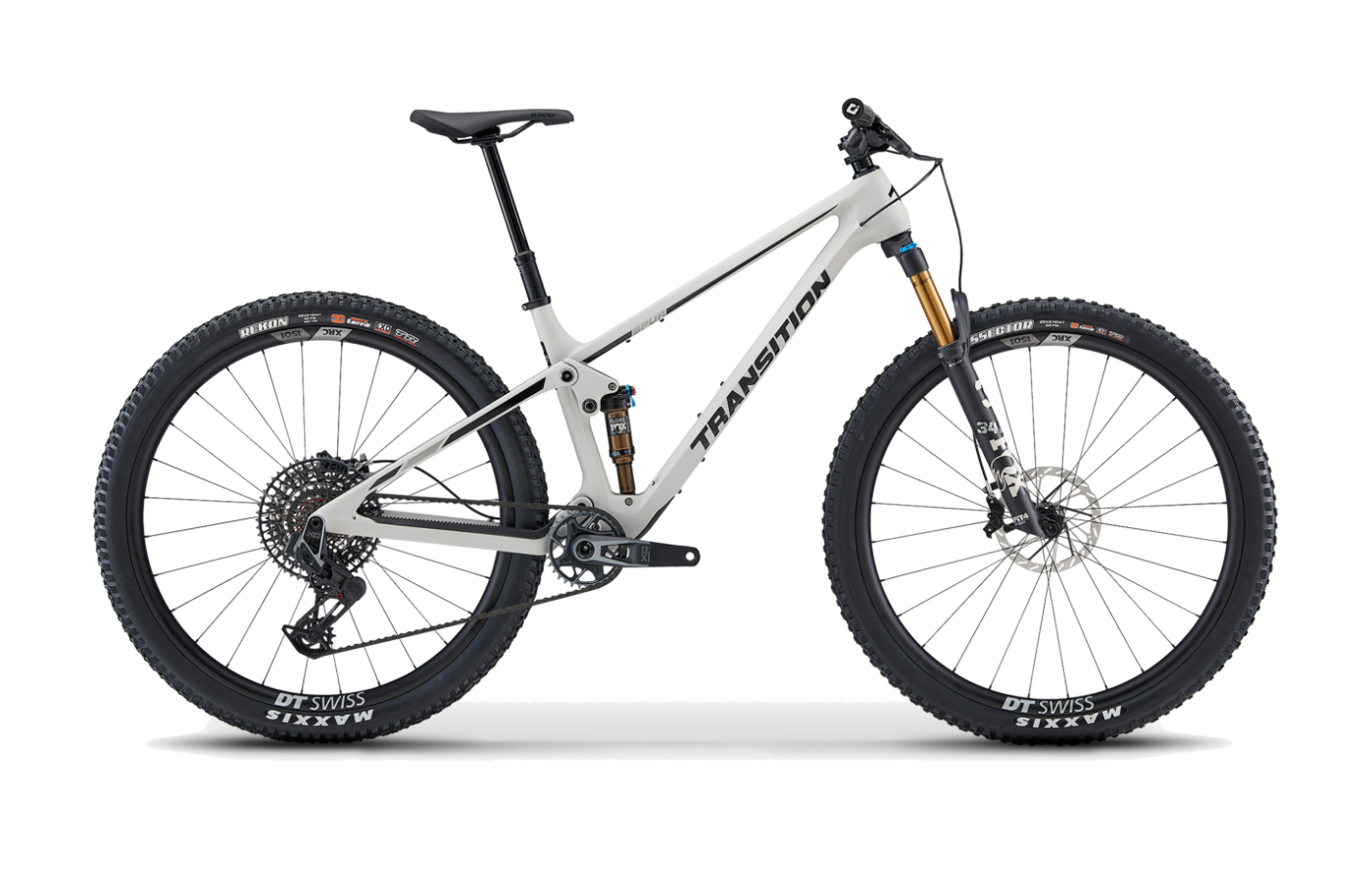
Same family, opposite ends of the bell curve.
The Smuggler is the 130 mm trail sledgehammer; the Spur is the 120 mm downcountry rocket. Same brand DNA, very different missions.
Smuggler
- Mini-enduro descending — 130 mm and a 65 degree HTA let it handle terrain that would overwhelm most short-travel bikes.
- Steep 78.6 degree seat angle (MD) plants the front wheel on technical, ledgy climbs without rider input.
- Highly progressive 27% leverage curve — resists harsh bottom-outs even on "ill-advised hucks," per multiple reviewers.
- Heavier than the Spur by roughly 1.3 kg at flagship trim — you feel it on long climbs.
- Reviewers consistently flag noise (cable rattle, chainslap) and the "Loam Cupboard" debris-trap as durability concerns.
Spur
- Sub-12.3 kg flagship weight — pedals like an XC bike, accelerates like one too.
- Pivotless flex-stay rear saves ~200 g of hardware and reduces long-term pivot maintenance.
- Genuinely composed at speed for a 120 mm bike — long reach and 66 degree HTA bridge to trail-bike confidence.
- Hard travel ceiling: the rear runs out of stroke when the trail turns truly chunky.
- Lightweight fork bushings (SID Ultimate) wear faster when the bike is pushed past its XC envelope.
Editor’s analysis
Both bikes wear the same Transition badge and share the same SBG playbook — but one is built to smash, the other to sprint.
The Smuggler and Spur look like cousins on paper — both 29ers, both Horst-link-derived suspension, both built around Transition's Speed Balanced Geometry. But the moment you start reading numbers, the family resemblance dissolves. The Smuggler runs 130 mm rear / 140 mm front on a stout, full-pivot Horst-link frame; the Spur runs 120/120 on a pivotless flex-stay rear triangle that saves roughly 200 g of hardware. The Smuggler's flagship Carbon XO AXS comes in at 13.61 kg; the Spur's tops out at 12.29 kg — a 1.3 kg gap that you feel on every climb.
Geometry tells the same story in different dialects. The Smuggler runs a 65 degree head tube angle and a steep 78.6 degree seat tube angle (size MD), while the Spur sits at 66 degrees up front and 76.2 degrees out back. That single degree of head angle plus the Smuggler's longer 130 mm chassis change the bike's intent: one is willing to be pointed at a double-black; the other prefers to PR the climb and rally back down. Reach is a wash at MD (460 vs 455 mm), but the Smuggler stacks 6 mm taller and seats you noticeably more upright over the bottom bracket.
The Spur is the bike Bike Radar called "the definitive downcountry bike" and gave 4.5/5; the Smuggler is the bike NSMB nicknamed "the Littlest Sledgehammer." The Spur turns mellow trails into a pump track and shaves real time off long backcountry days. The Smuggler refuses to flinch when you point it at a chunky descent, but it does so by carrying around an extra four pounds and accepting that you'll feel them on the way up. Pick your poison — neither bike is trying to be the other.
One important wrinkle: the Spur's flex-stay rear is genuinely lighter and quieter, but several testers (BikeRadar, Pinkbike) reported premature SID Ultimate fork bushing wear from pushing the bike beyond its XC roots. The Smuggler avoids that failure mode with a heavier 34/35 mm-stanchion fork and a traditional pivot, but pays the price in noise — multiple outlets flagged a "deafening rattle" from the cable routing and the "Loam Cupboard" mud-trap near the BB. Both bikes have known quirks; neither is a maintenance-free purchase.
Where the builds differ.
Comparing our editor's-pick builds side-by-side. Winners highlighted row-by-row — lower price and weight, and the better-spec component, each mark a point.
Build variants & pricing
Both lineups span roughly $4.3k of range. Smuggler starts lower with an alloy Deore at $3,499; Spur is carbon-only and starts at $4,799.
Editor's picks are the matched flagships — both Carbon XO AXS Transmission within $400 of each other. The price gap above the entry tier is the cleanest read of where each bike is positioned: the Spur is a premium downcountry-only platform; the Smuggler stretches further down-market with an alloy build.
How they fit, how they steer.
Both at MD — the fit-picked size on each bike. The Smuggler runs a 1 degree slacker head tube (65 vs 66), a 2.4 degree steeper seat tube (78.6 vs 76.2), and stacks 6 mm taller; reach is within 5 mm. The Spur has shorter top tube and chainstays — it's the more compact, lively chassis.
Which size should I buy?
Both bikes use modern long-reach geometry; size ranges overlap closely from SM through XL. The Smuggler offers an XXL; the Spur tops out at XL.
→These are starting points. Flexibility, riding style, and preferred position all shift the answer — if you’re between sizes, a professional fit beats a chart.
What the magazines said.
Published reviews from trusted cycling outlets. Click through for the full write-up.
Which one should you buy?
If you want one bike that smashes everything from blue flow to double-black chunk, get the Smuggler. If most of your day is climbing and pedaling and you want maximum efficiency, get the Spur.
Smuggler
If your local network includes chunky descents, drops, and lines you used to need a longer-travel bike for — and you'd rather pedal a 13.6 kg bike that doesn't flinch than baby a lighter one that does — this is the smarter call. Multiple reviewers confirmed it punches genuinely above its 130 mm class.
Spur
If your typical ride is a 30 mile loop with 4,000 ft of climbing and a fast, technical descent at the end, the Spur is one of the best tools on the market. It pedals with the urgency of an XC race bike and descends well past its 120 mm of travel.
Questions buyers actually ask.
Short answers to the things we get emailed about most often.
01Which one climbs better?
The Spur, comfortably. The flagship Spur Carbon XO AXS weighs 12.29 kg vs the Smuggler XO AXS at 13.61 kg in size MD — a 1.3 kg gap. Combined with the lower-profile Maxxis Rekon rear tire (vs the heavier Dissector on the Smuggler) and the lighter DT Swiss XRC carbon wheels, the Spur accelerates and climbs with noticeably more urgency.
That said, the Smuggler's steeper 78.6 degree seat tube angle (vs 76.2 on the Spur) places you more aggressively over the bottom bracket, which makes it the better climber on technical, ledgy ascents where front-wheel weight matters more than raw watts.
02Which is better when the trail gets rough?
The Smuggler, clearly. The 130 mm rear / 140 mm front travel, slacker 65 degree head tube angle, and stouter Horst-link rear triangle let it handle terrain that simply exceeds the Spur's envelope. NSMB called it "the Littlest Sledgehammer"; multiple reviewers noted it can be over-forked to 150 mm without compromising the climb.
The Spur is composed for a 120 mm bike — testers consistently said it "punches above its weight" — but the suspension does have a hard ceiling, and pushing past it is what eats fork bushings.
03What's the weight difference, really?
At flagship trim, the Spur Carbon XO AXS weighs 27.1 lb / 12.29 kg in size MD; the Smuggler Carbon XO AXS weighs 30.0 lb / 13.61 kg — a roughly 2.9 lb / 1.3 kg gap. That's about 5% of total system weight for a 70 kg rider, which translates to noticeable extra effort over a long day in the saddle.
The Spur's pivotless flex-stay rear saves roughly 200 g of hardware on its own; the rest comes from lighter wheels (carbon DT Swiss XRC vs alloy Crankbrothers Synthesis Enduro), a lighter fork (Fox 34 vs RockShox Pike Ultimate), and a lighter Rekon rear tire.
04Why does the Spur cost more than the Smuggler at the top end?
The Spur Carbon XO AXS is $8,199 vs the Smuggler Carbon XO AXS at $7,799 — a $400 premium for the lighter, more downcountry-focused bike. Both share the same SRAM XO AXS Eagle Transmission drivetrain, but the Spur ships with DT Swiss XRC 1501 carbon wheels as standard, while the Smuggler runs a more durable (and cheaper) Crankbrothers Synthesis Enduro alloy wheelset.
The Smuggler's lineup also extends further down-market — an Alloy Deore at $3,499 — while the Spur is carbon-only and starts at $4,799.
05What are the known issues to watch for?
Smuggler: multiple outlets (Pinkbike, MBR, Bike Mag) flagged the "Loam Cupboard" — a gap near the bottom bracket that funnels mud and water into the frame. Reports of premature lower-pivot bearing wear are common; budget for more frequent pivot service. Cable rattle is also a known complaint.
Spur: the RockShox SID Ultimate fork bushings wear faster than expected when the bike is pushed past its XC roots — NSMB and Pinkbike both reported issues. Older builds also shipped with a 160 mm rear rotor that reviewers said "cooked" on long descents; current models use a 180 mm rotor.
06Can the Smuggler be over-forked or run with more rear travel?
Yes, and Transition supports it. The Smuggler is warranty-backed for a 140 mm rear travel configuration (by removing a shock spacer) and can run a 150 mm fork (commonly a Fox 36 or RockShox Lyrik). Multiple reviewers, including from Pinkbike and Bikepacking.com, recommended this setup for riders who want a slightly more aggressive descender without changing the bike's essential climbing balance.
The Spur has no equivalent travel-bump pathway — it's designed around 120 mm front and rear and shouldn't be modified beyond that.
07Which is the better one-bike-quiver pick?
It depends on what your other bike would be. If your alternative is a longer-travel enduro rig you'd ride 20% of the time, the Smuggler is the smarter consolidation — it covers 90% of trail riding and absorbs more of the rough days.
If your alternative is a road or gravel bike (i.e., the mountain bike is your primary fun-and-fitness tool), the Spur is the better one-bike pick. It pedals efficiently enough for big mileage days and still descends well past its travel.
08Are the editor's picks here apples-to-apples?
Yes. Both editor's picks are the flagship Carbon XO AXS builds, running identical SRAM XO AXS Eagle Transmission drivetrains and within $400 of each other on price. That's the cleanest possible parity: every spec difference (wheels, fork, rear shock) reflects a real platform decision, not a tier mismatch.
For budget shoppers, the Smuggler's mid-tier Carbon GX AXS ($6,699) is also a strong pick. The Spur's mechanical Eagle 90 build ($6,499) trades down to mechanical shifting at a similar price.
Similar bikes
If your priorities don’t map cleanly onto either of these, one of these adjacent bikes probably fits better.
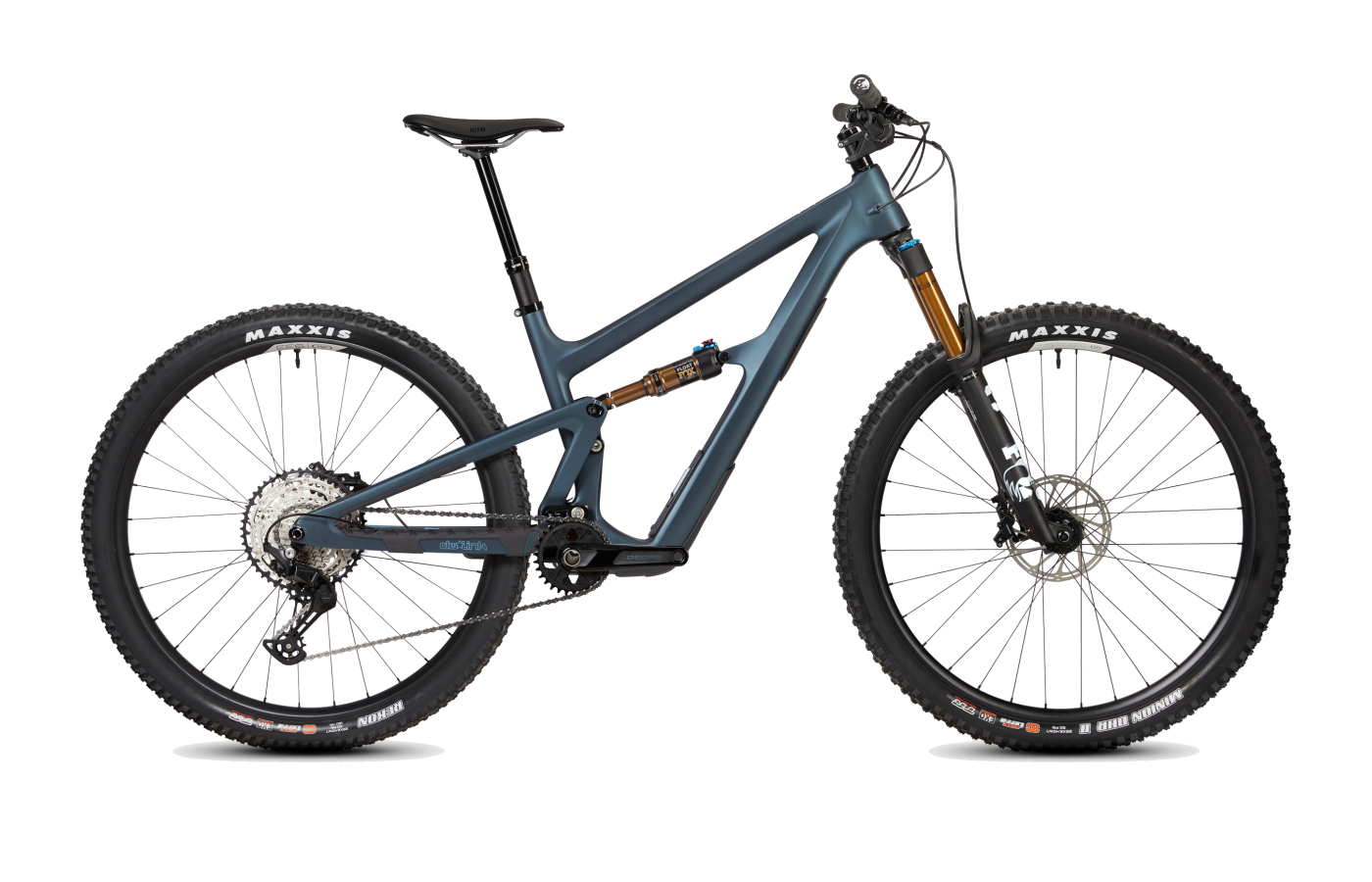
Ripley
The technical climber's pick — the Ibis Ripley's DW-Link suspension stays glued to the ground on square-edged ledges where the flex-stay Spur and even the Smuggler can bounce. Lighter than the Smuggler, more capable than most XC bikes.
Compare →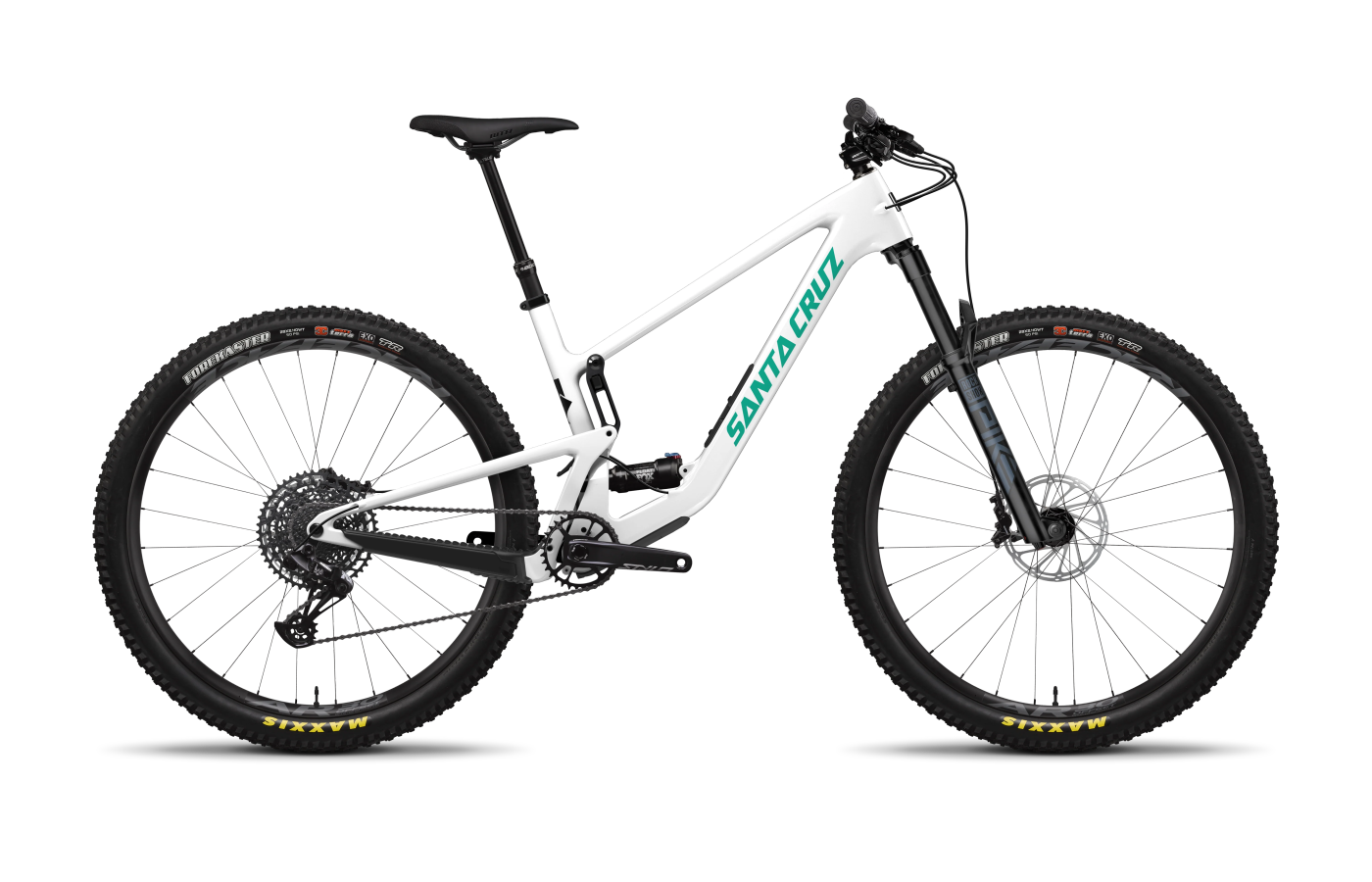
Tallboy
If the Spur feels too lively and the Smuggler too heavy, the Santa Cruz Tallboy splits the difference — stiffer chassis, more bottomless suspension feel, and the kind of plushness aggressive riders prefer when the chunk arrives.
Compare →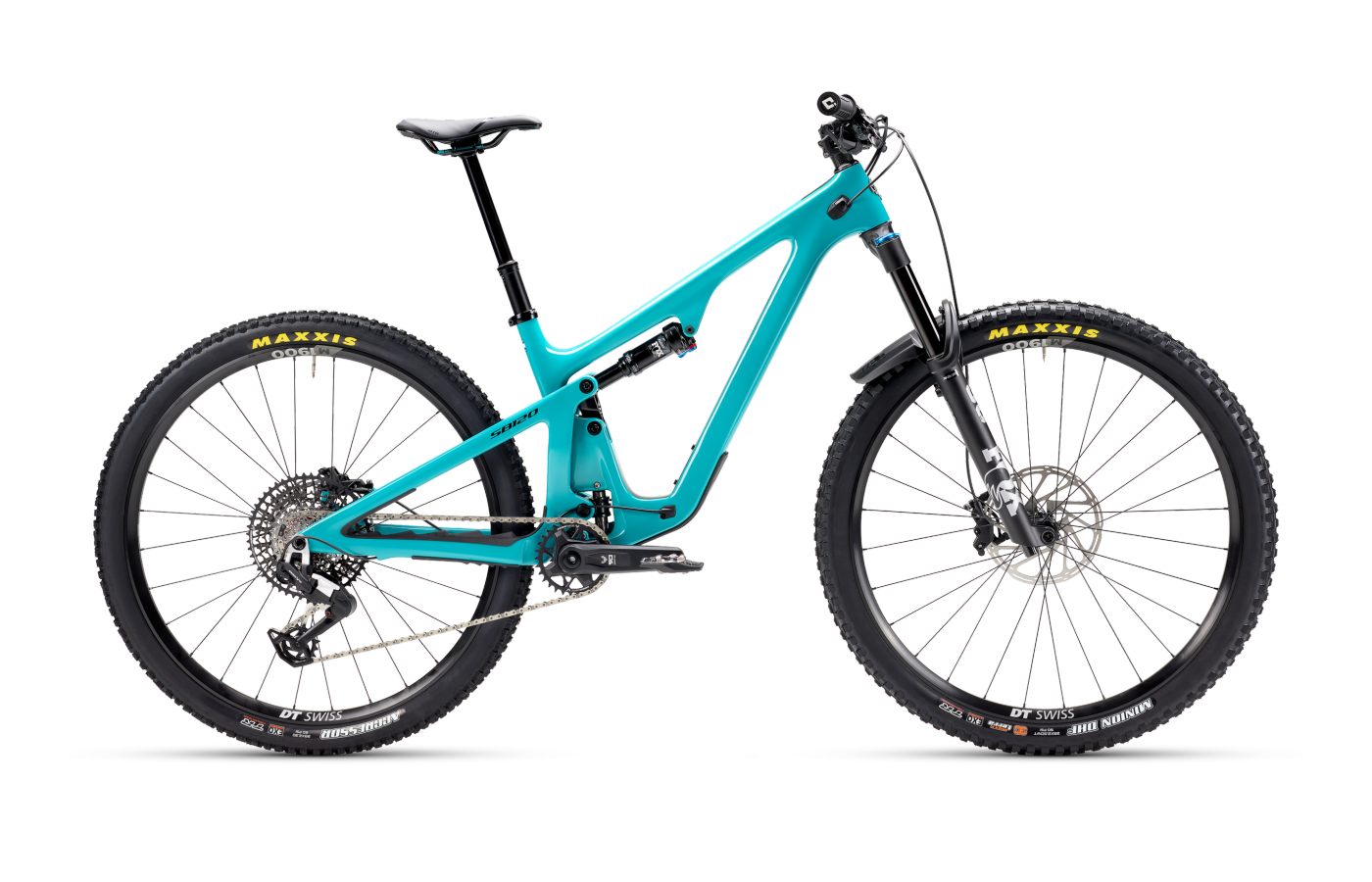
SB120
The Yeti SB120 lives almost exactly between the two Transitions — more refined suspension than the Smuggler with more trail-bike durability than the Spur. The conservative middle pick.
Compare →