Domane
vsMadone
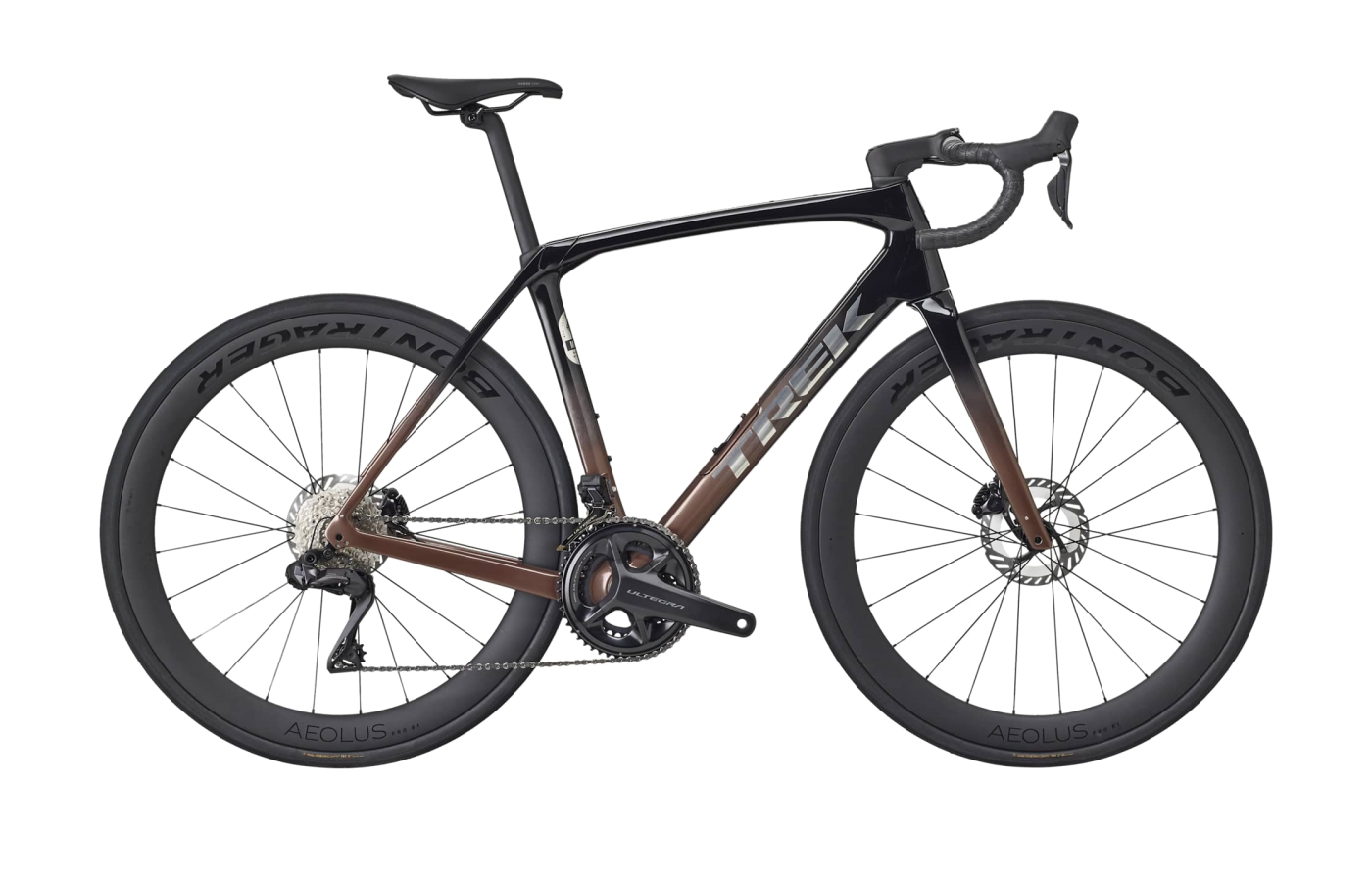
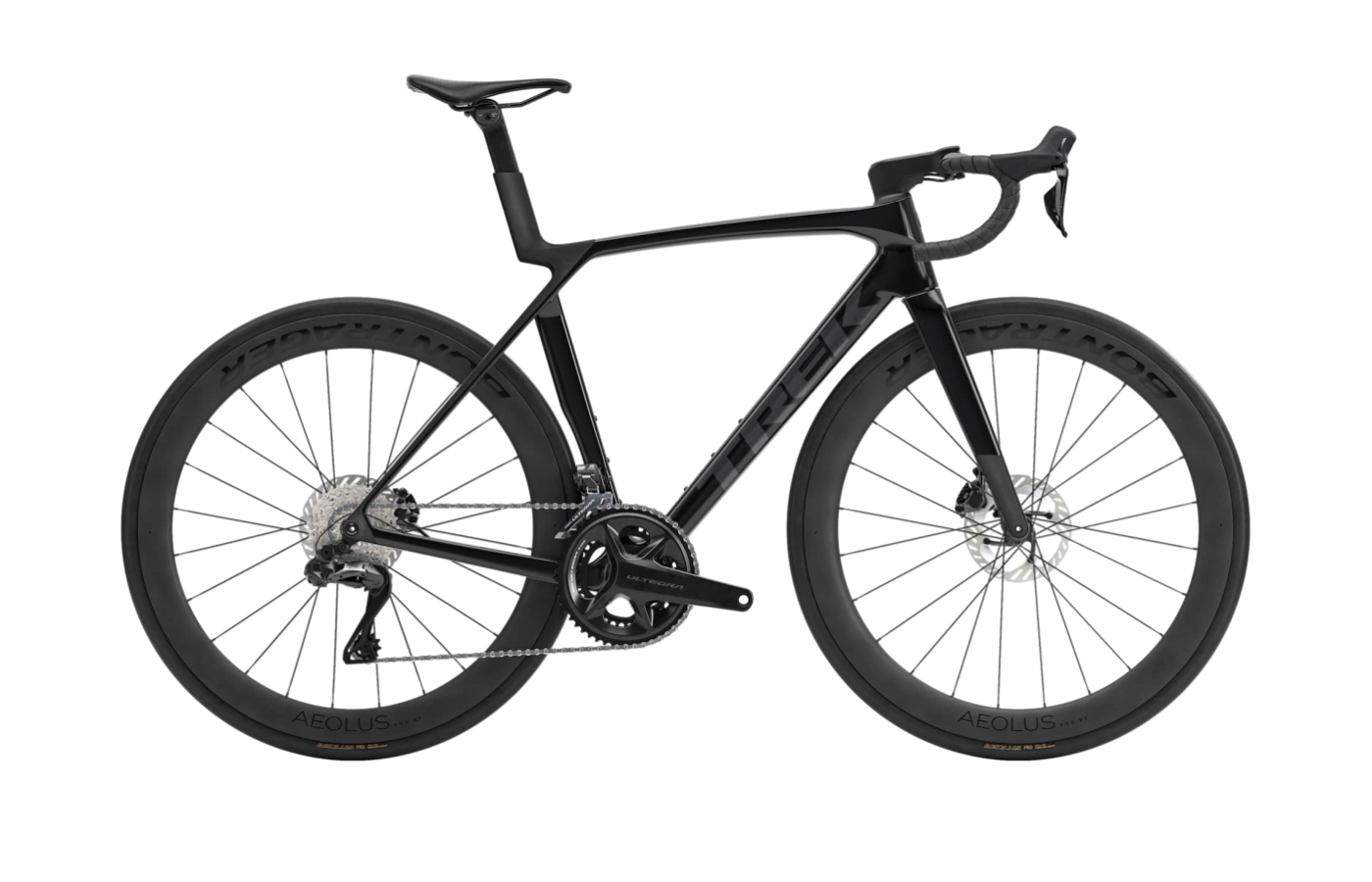
Same brand, opposite road bikes.
The Domane is Trek's all-day endurance machine with 38 mm clearance. The Madone is its merged aero-and-climber, the bike that killed the Emonda.
Domane
- 38 mm tire clearance — the widest in any major-brand performance road bike, with reviewers fitting 40-43 mm in practice.
- Rear IsoSpeed compliance — 'astonishingly comfortable' on broken tarmac and chip seal, with no pedaling bounce.
- Long wheelbase, low BB — a 996 mm wheelbase and 80 mm BB drop give the kind of high-speed descending stability that aero bikes can't match.
- Recurring seatpost-creak/slip issue on early Gen 4s — Trek has shipped revised IsoSpeed wedges (Rev 2 and Rev 4) to address it, but verify the fix is in.
- Stock Bontrager R3/Kwaremont Pro tires are widely panned as 'wooden'; reviewers say a tire-and-wheel upgrade is what makes the bike 'wake up.'
Madone
- Sub-800 g flagship frame — 765 g claimed for the SLR Gen 8, matching the discontinued Emonda while exceeding the Gen 7 Madone's aero numbers.
- Genuine aero+climbing in one bike — Trek measured 77 sec/hour faster than the Emonda, and reviewers consistently describe it as a 'one-bike solution' for racers.
- IsoFlow comfort without the bounce — claimed 80% more vertical compliance than Gen 7, with no pedaling buckaroo and no Domane-style mechanical wedge to creak.
- 32 mm max tire clearance and aggressive 'race fit' geometry — toe overlap is documented on smaller and large sizes alike.
- Proprietary aero bottles are integral to the aero claim but are widely criticized as small, hard to fill, and prone to early-production leaks.
Editor’s analysis
Both wear the Trek badge — but one is built to outlast the road, and the other to outrun it.
The Trek Domane and Trek Madone used to live in different rooms of the same race lineup. With the Gen 8 Madone absorbing the discontinued Emonda — matching its 765 g frame weight while keeping aero tube shapes — the two bikes now sit further apart than ever. The Domane is the endurance/all-road bike; the Madone is Trek's only flagship racer.
The Domane Gen 4 dropped the front IsoSpeed decoupler, kept a non-adjustable rear, and tuned the whole thing toward a 'sportier' endurance feel. Reviewers call it 'astonishingly comfortable' on broken tarmac, with 38 mm of official tire clearance (some testers fit 40-43 mm), a low 80 mm bottom bracket drop, and a long wheelbase that 'tracks true and straight.' It's a bike that prefers steady cruising and high-speed sweepers to twitchy criterium lines.
The Madone Gen 8 is the opposite animal. Its IsoFlow seat-tube cutout claims an 80% jump in vertical compliance over Gen 7, the SLR frame drops to roughly 765 g, and the geometry is 10 mm shorter in the wheelbase than a Tarmac SL8. Tire clearance caps at 32 mm. Reviewers describe it as a 'muscle car' under power — instant, torquey, and 'snappy' — that still 'skips up hills with a nimbleness that flatters climbing abilities.'
Put plainly: if your roads are rough, your rides are long, and you want a top-tube bag full of food and a 32 mm tire that can wander onto gravel, the Domane is the right tool. If your races have categories and your rides have segments, the Madone is the one Trek built for you.
Where the builds differ.
Comparing our editor's-pick builds side-by-side. Winners highlighted row-by-row — lower price and weight, and the better-spec component, each mark a point.
Build variants & pricing
Both span a wide range — the Domane stretches from a $1,199 Claris alloy to a $12,499 SRAM Red SLR; the Madone starts higher at $3,499 (no alloy) and tops out near $13,499.
Prices are current US MSRP. Editor's picks here are the SL 7 builds on each side — same Ultegra Di2 groupset, same 500 Series OCLV carbon grade, same Aeolus Pro 51 wheels, and within $200 of each other. That makes the spec table apples-to-apples; the only platform difference left is the frame itself.
How they fit, how they steer.
Sized 50 (Domane) and M (Madone) — the fit-picked frames for the same rider on each bike. Stack is identical at 546 mm, but the Madone's reach is 16 mm longer, its head tube 1.8° steeper, and its wheelbase 15 mm shorter. The Domane sits you up; the Madone stretches you out and quickens the steering.
Which size should I buy?
The Domane offers 8 numbered sizes (47-62); the Madone uses 6 t-shirt sizes (XS-XL). Both cover roughly the same fit range, but the Madone's coarser jumps mean some riders end up on more spacers than they'd like.
→These are starting points. Flexibility, riding style, and preferred position all shift the answer — if you’re between sizes, a professional fit beats a chart.
What the magazines said.
Published reviews from trusted cycling outlets. Click through for the full write-up.
Which one should you buy?
If your roads are rough and your rides are long, get the Domane. If your rides are races and your goals are watts, get the Madone.
Domane
If you want one bike that can do a six-hour fondo, a chip-seal commute, a chunky gravel detour, and an occasional fast group ride — without leaving you wrecked at the end — this is still the benchmark. The IsoSpeed rear and 38 mm clearance buy a kind of all-day composure no aero race bike can match.
Madone
If you race crits, ride climbs, and want one bike that doesn't compromise on either, the Gen 8 Madone is the cleanest version of that pitch on the market. Aero where it matters, climbing-bike-light, and surprisingly comfortable for a frame this stiff — provided you fit it correctly.
Questions buyers actually ask.
Short answers to the things we get emailed about most often.
01Which is more comfortable on rough roads?
The Domane, by a clear margin. Its rear IsoSpeed decoupler isolates the saddle from square-edged hits in a way reviewers call 'astonishingly comfortable,' and its 38 mm tire clearance lets you run lower pressures than the Madone's 32 mm cap allows.
The Madone Gen 8 is the most comfortable aero bike Trek has built — the IsoFlow cutout claims an 80% bump in vertical compliance over Gen 7 — but reviewers still call its front end 'stiff as a brick' on long days, and its tire-pressure ceiling is higher.
02Which climbs better?
The Madone. The SLR frame comes in around 765 g — Trek matched the discontinued Emonda's frame weight on purpose. A complete SLR 9 weighs roughly 7.0 kg; the equivalent Domane SLR 9 is around 7.3 kg, and the more comparable Domane SL 7 is closer to 8.4 kg.
On a 30-minute climb, that's the difference between a bike that 'positively loves a climb' (Madone) and one that simply 'gets up every mountain pass without finding a weakness' (Domane).
03What's the maximum tire clearance?
Domane: 38 mm officially, with reviewers reporting 40-43 mm fits in practice. It's the widest clearance in any major-brand performance road bike and lets the Domane double as a light-gravel machine.
Madone: 32 mm officially. Some reviewers claim a 35 mm tire will fit, but Trek doesn't endorse it, and the aggressive race geometry makes toe overlap a real concern with bigger rubber.
04Is the Domane really a gravel bike?
Not quite — it's an all-road bike. The 38 mm clearance, fender mounts, internal storage, and stable wheelbase let it handle hard-pack gravel, chip seal, and broken tarmac comfortably. Reviewers describe the off-road feel as 'rally-car' on smooth gravel.
For anything chunkier — proper singletrack, deep gravel, technical mixed terrain — you want a true gravel bike with a clutched derailleur and 45-50 mm tires. The Domane's road-first geometry and standard road derailleur start to show their limits there.
05Does the Madone Gen 8 replace the Emonda?
Yes. Trek discontinued the Emonda when the Gen 8 Madone launched. The new Madone SLR frame matches the Emonda's frame weight (within 40 g, per Trek and Velo) while keeping or improving on the Gen 7 Madone's aerodynamics.
The consolidation is the headline feature: Trek's pitch is that you no longer need two race bikes. Reviewers have largely agreed, though the lost option of a non-integrated cockpit and a dedicated climber bothers some traditionalists.
06What about the seatpost creak issue on the Domane?
Real and well-documented. Multiple long-term reviews report a creaking or slipping seatpost on early Gen 4 Domanes, traced to the IsoSpeed wedge. Trek has shipped revised wedges (Revision 2 and the more recent Revision 4) to dealers to fix it.
If you're buying a Gen 4 Domane today, ask the shop to confirm the bike has the latest wedge and that they'll install it with the right torque and carbon paste. Riders over 80 kg appear to be more likely to experience the issue.
07How does internal cable routing affect serviceability?
Both run cables through the headset, and both pay a maintenance tax for it. Replacing the upper headset bearing on either bike means disconnecting hydraulic lines and re-wrapping the bars — a multi-hour shop job rather than a 10-minute home fix.
The Madone SLR's Aero RSL one-piece cockpit is the more painful case: changing stem length or bar width means buying a whole new unit. The Madone SL and the Domane SL/SLR all use a more flexible two-piece RCS Pro stem with a Bontrager bar, which is far cheaper to adjust.
08Both have a lifetime frame warranty, right?
Yes. Both frames carry Trek's lifetime warranty to the original owner against manufacturing defects. Reviewers consistently describe Trek's warranty support as 'best in the business' — Cyclefit documented a Gen 6 Madone replaced with a Gen 8 SLR frame under warranty.
Trek also runs a crash-replacement program for damage outside the warranty's scope, typically at a steep discount versus retail.
Similar bikes
If your priorities don’t map cleanly onto either of these, one of these adjacent bikes probably fits better.
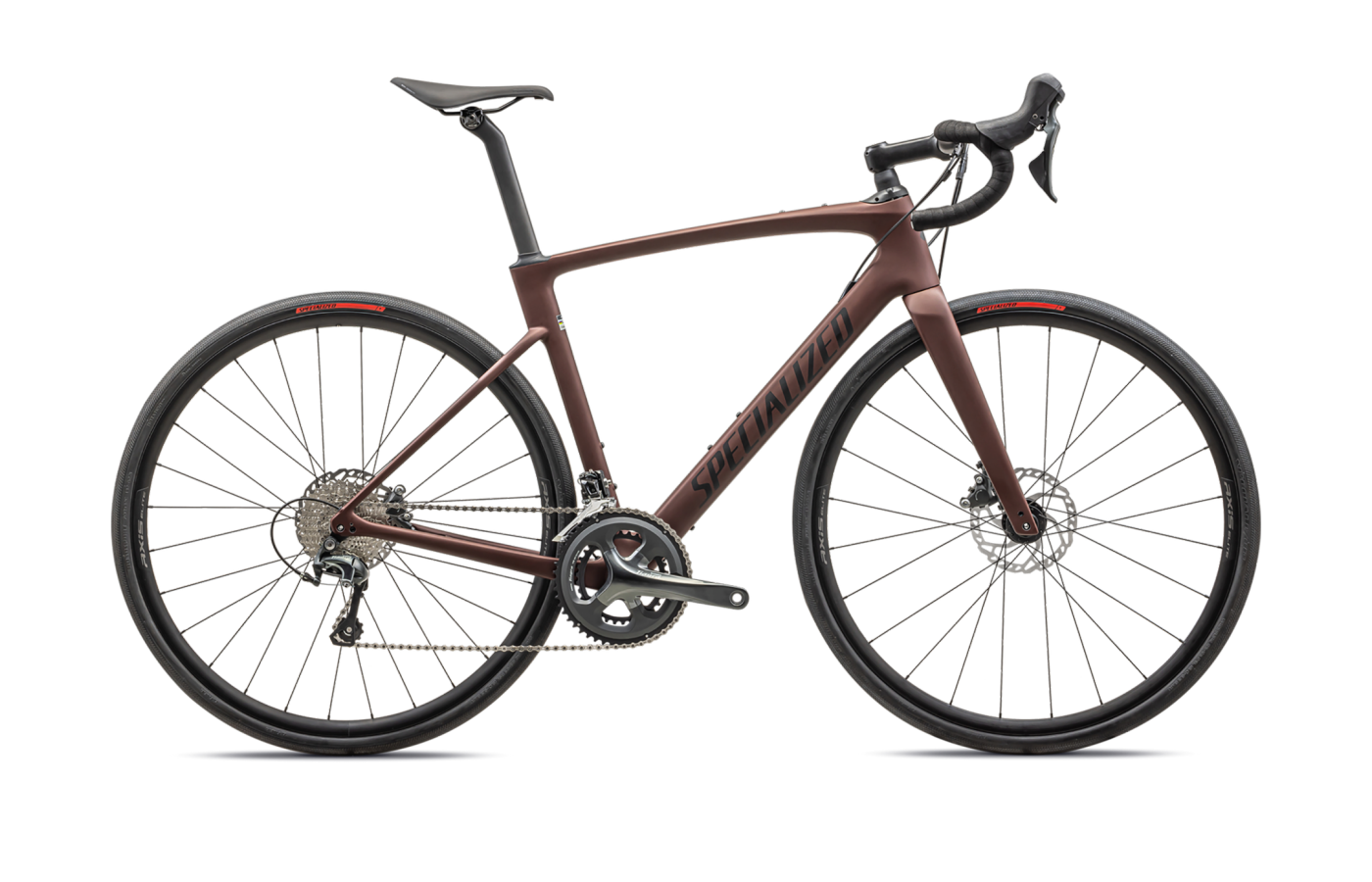
Roubaix
The Domane's natural rival — Specialized's Future Shock head-tube damper gives the Roubaix the front-end compliance Trek deleted in Gen 4, and it clears similarly wide rubber.
Compare →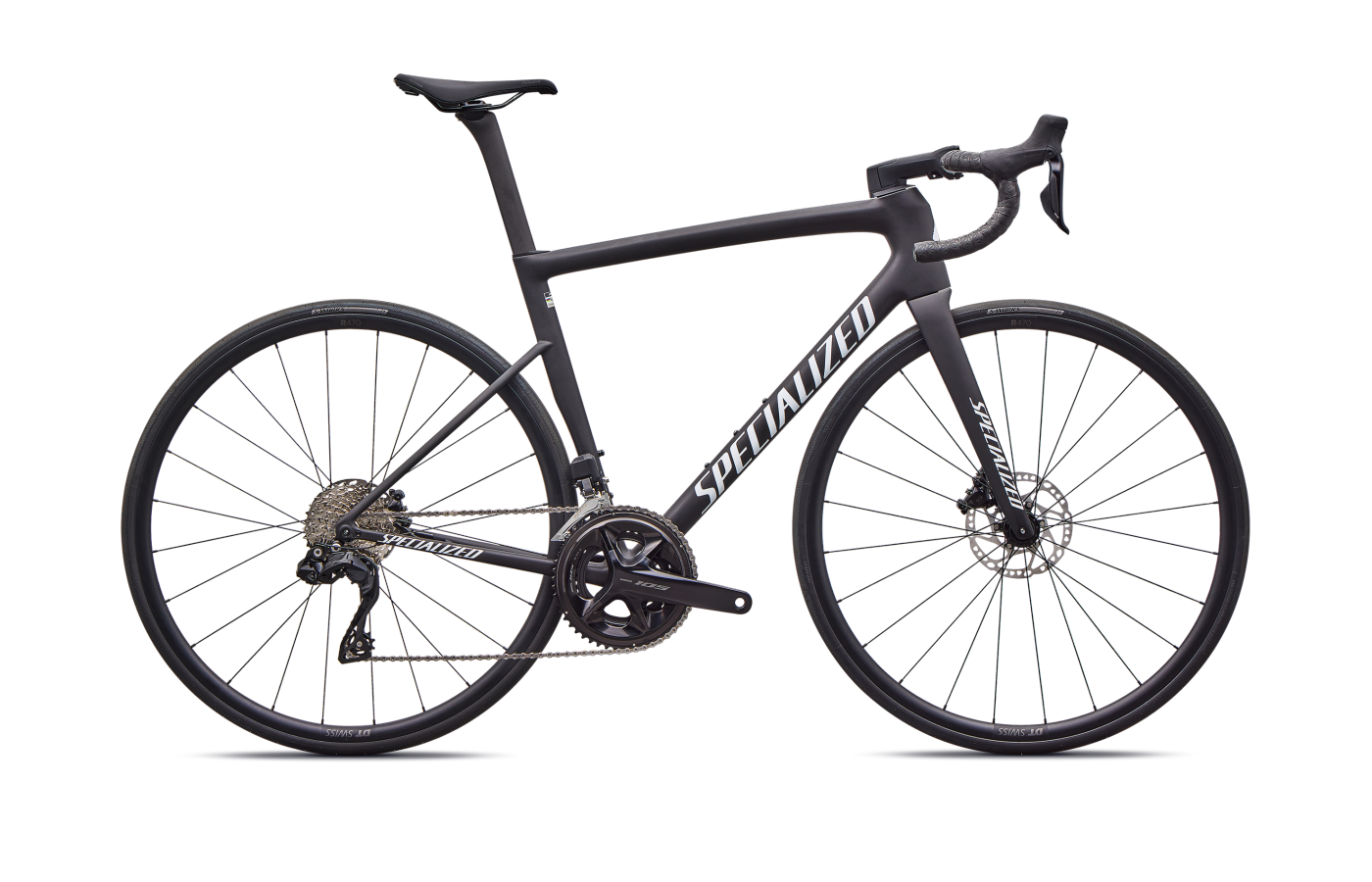
Tarmac
If the Madone's pitch (one bike for aero and climbing) appeals but the IsoFlow cutout doesn't, the Tarmac SL8 hits the same brief in a more traditional silhouette — and at a lower entry price.
Compare →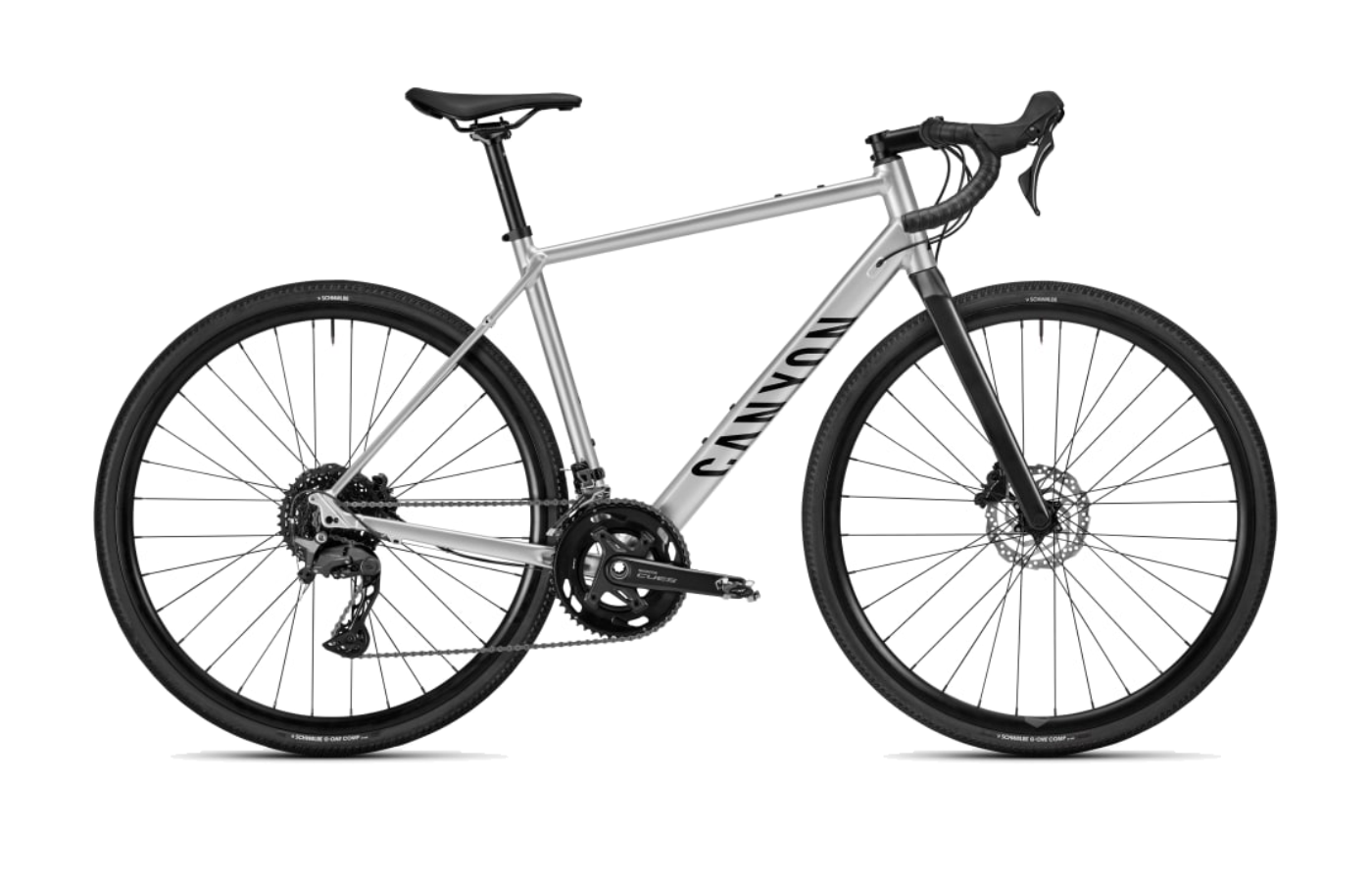
Endurace
Direct-to-consumer endurance alternative to the Domane — Canyon's Endurace lands flagship spec for thousands less, with the usual DTC tradeoffs (no dealer, no demos).
Compare →