Following
vsRipley
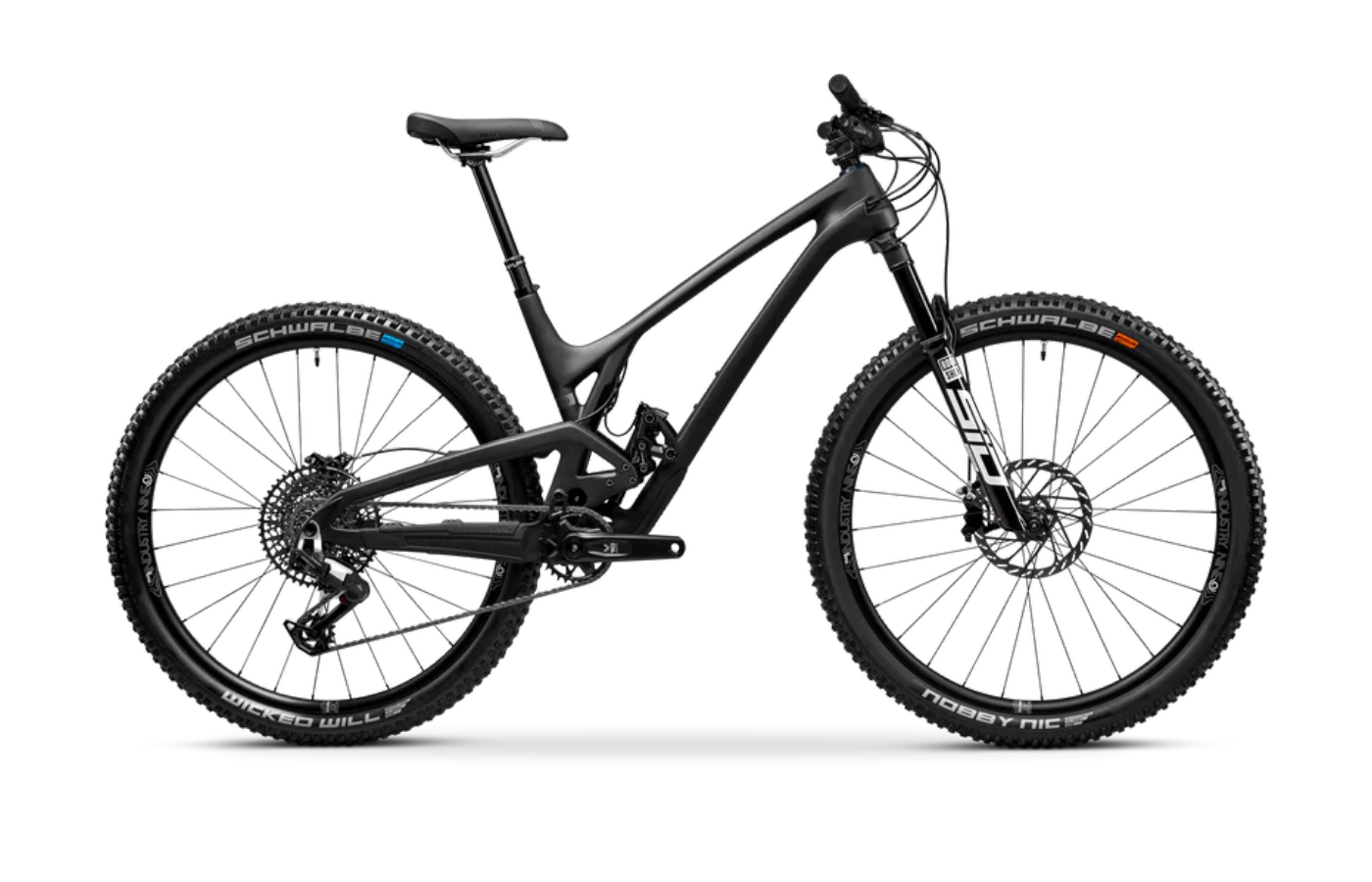
Two 29ers, two takes on short travel.
The Evil Following is a 120 mm punk-rock carver that out-descends its travel. The Ibis Ripley V5 buries downcountry and goes full trail bike.
Following
- DELTA suspension punches above 120 mm — a supple-to-bottomless ramp that reviewers say 'trumps plenty of enduro bikes.'
- Best-in-class cornering — 430 mm chainstays and a stiff carbon rear end make it shoot out of berms.
- Laterally stiff carbon frame — beefed-up swingarm and Super Boost 157 rear end translate every pedal stroke.
- Price floor is $6,199 — no sub-$5k entry point like the Ripley has.
- Steeper 66.6-degree head angle can feel twitchy at very high descending speeds.
Ripley
- Slacker, more planted geometry — 64.9-degree head angle and 1211 mm medium wheelbase stay composed on steep, fast terrain.
- STOW internal frame storage — rattle-free downtube compartment with Cotopaxi bags, a genuine everyday-riding upgrade.
- Starts at $4,999 — the Deore build undercuts every Following by over $1,200.
- Fox 34 fork flexes under heavier or more aggressive riders on rough descents.
- Heavier than the outgoing V4 — no longer the zippy climber some Ripley loyalists remember.
Editor’s analysis
Same wheel size, same category, wildly different theories of what short travel is for.
On paper the Evil Following V3 and the Ibis Ripley V5 overlap. Both are carbon 29ers, both carry Dave Weagle DNA in their linkages, both have been called favorites by their reviewers. But spend five minutes in the numbers and the bikes diverge hard — on travel, head angle, wheelbase, and the rider each is built for.
The Evil Following is the shorter, sharper bike. It runs 120 mm rear with a 130 mm fork, a 66.6-degree head angle, and 430 mm chainstays locked across every size. That geometry, plus Evil's DELTA linkage, is why reviewers describe a bike that 'rails corners,' shoots out of berms, and punches above its travel — while quietly admitting it can get twitchy when the speedometer passes a certain number.
The Ibis Ripley V5 went the other direction. It shares its front triangle and swingarm with the longer-travel Ripmo, bumping travel to 130 mm rear and 140 mm front, slackening the head angle to 64.9 degrees, and stretching the medium's wheelbase to 1211 mm against the Evil's ~1185. Size-specific chainstays (436–442 mm), the STOW internal downtube storage, and a 76.9-degree seat angle on the medium all point at the same thing: a more planted, more practical one-bike-quiver trail rig that Ibis themselves admit isn't downcountry anymore.
Put another way — the Following is the bike you buy when you want the trail to feel like a pump track. The Ripley V5 is the bike you buy when you want one mountain bike that's still fast uphill but no longer scared of anything pointed down.
Where the builds differ.
Comparing our editor's-pick builds side-by-side. Winners highlighted row-by-row — lower price and weight, and the better-spec component, each mark a point.
Build variants & pricing
The Ripley spans $5k to $10k across five builds; the Following is narrower at $6.2k to $11k across four. Both cap out with flagship electronic transmissions.
Prices are current US MSRP. The Ripley V5 offers two genuinely budget-conscious builds ($4,999 Deore and $5,499 Eagle 90 Transmission) that have no equivalent in the Following lineup — if sub-$6k is your ceiling, the Ibis is the only option here.
How they fit, how they steer.
Both shown at the fit-picked size for a 5'8" rider. Reach is identical at 460 mm, but the Ripley MD sits 15 mm taller in the stack, runs a 64.9-degree head angle versus the Following's 66.6, and stretches its wheelbase roughly 26 mm longer — a very different front-end posture.
Which size should I buy?
Size recommendations based on stack, reach, and effective top tube. The Ripley offers an Extra-Medium size that bridges the usual M/L gap; the Following sticks to a traditional four-size range.
→These are starting points. Flexibility, riding style, and preferred position all shift the answer — if you’re between sizes, a professional fit beats a chart.
What the magazines said.
Published reviews from trusted cycling outlets. Click through for the full write-up.
Which one should you buy?
If you want a poppy, precise short-travel carver, get the Following. If you want one bike for everything from climbs to steep chunder, get the Ripley V5.
Following
If your trails reward cornering, pumping, and airtime more than straight-line plowing, the Following's short chainstays and DELTA suspension are unmatched at this travel number. It's a bike that makes ordinary trails feel like a playground.
Ripley
If you want a single mountain bike that climbs efficiently, descends steep terrain confidently, and hauls your tools in its downtube, the Ripley V5 is the more practical choice. It's no longer downcountry — it's a modern trail bike with a climbing conscience.
Questions buyers actually ask.
Short answers to the things we get emailed about most often.
01Which one descends better?
It depends on the descent. On steep, fast, rough terrain the Ibis Ripley V5 is more composed — its 64.9-degree head angle, longer wheelbase, and 140 mm fork give it more margin when you're in over your head. On tight, tech, turn-heavy descents the Evil Following often comes out ahead because its 430 mm chainstays and stiffer rear end let you place the bike exactly where you want it.
Reviewers repeatedly describe the Following as 'punching above its 120 mm' and the Ripley as 'planted' and 'damp' — both are complimentary, just different.
02Which climbs better?
The Ripley V5, marginally. Its 76.9-degree seat tube angle (medium) puts the rider further over the pedals than the Following's 76-degree, and the DW-Link's firmer mid-stroke gives it the 'bat out of hell' climbing reputation reviewers keep using.
The Following isn't a slouch — reviewers describe it as a 'traction monster' on technical climbs — but it's carrying a slightly heavier build in most trims and a less aggressively forward seat angle. On smooth, fast fire-road climbs the Ripley will generally reach the top first.
03What's the actual suspension travel on each?
Evil Following V3: 120 mm rear, 130 mm front (stock fork). The frame will accept 120–140 mm forks, so riders sometimes run it as 'maxi XC' with a 120 or 'mini enduro' with a coil shock and angle set.
Ibis Ripley V5: 130 mm rear, 140 mm front. Because it shares the Ripmo front and rear triangles, you can convert a Ripley into a Ripmo (or vice versa) by swapping the shock, fork, and linkage — unusually good long-term flexibility.
04How do the geometries actually compare at a medium?
At the fit-picked medium for a 5'8" rider, reach is identical at 460 mm. Everything else diverges:
- Head tube angle: Following 66.6° vs Ripley 64.9° — the Ripley is 1.7° slacker.
- Stack: Following 604 mm vs Ripley 619 mm — the Ripley sits 15 mm taller.
- Seat tube angle: Following ~76° vs Ripley 76.9° — the Ripley is slightly more forward.
- Chainstays: Following 430 mm (all sizes) vs Ripley 436 mm (size-specific).
The upshot: the Following is the sharper, lower, shorter bike; the Ripley is longer, taller in front, and more stable.
05Does the Ripley V5 really have internal frame storage?
Yes. The STOW system is a downtube compartment accessed by a large faceplate lever, with two included Cotopaxi bags (made from fabric remnants) that keep contents rattle-free. Reviewers universally praise it — easy access with gloves on, good sealing against water, and no rattling from loose contents. It's one of the cleaner in-frame storage implementations on the market.
The Evil Following has no equivalent — you're carrying a pack or a bottle-cage tool roll.
06Is the Following's Super Boost 157 rear end a problem?
For most riders, no. If you buy a complete build, it ships with matched wheels and hubs and you'll never think about it. The headache is for frame-only buyers — most existing MTB wheelsets use 148 mm Boost hubs, so you'd need new wheels or rebuilt hubs to run a Super Boost Following frame. MBR calls it 'a headache for frame-only buyers' in their review.
The upside: Super Boost is what lets Evil keep the 430 mm chainstay length with ample tire clearance, which is central to how the bike corners.
07Which has the better warranty and long-term support?
Both offer a lifetime frame warranty to the original owner. Evil additionally offers replacement bearings for life, which is a meaningful cost saver for a full-suspension bike — pivot bearings are the most common wear item. Ibis has a well-regarded customer service reputation and addressed early V5 production quirks (a dropper housing noise issue) promptly with updated hardware.
Both brands sit in the premium-boutique tier; neither is a mass-market warranty risk.
08Which is the better value?
The Ripley V5 on pure price — it starts at $4,999 (Deore), versus $6,199 for the cheapest Following. At matched tiers, though, the Following runs slightly more expensive ($7,499 X0 vs $7,249 XT Di2 / GX Transmission on the Ripley).
Frame-for-frame, both deliver: premium carbon, Dave Weagle suspension DNA, and lifetime warranties. The real value question is whether you want the Ripley's storage, slacker geometry, and broader price ladder, or the Following's cornering, lateral stiffness, and punk-rock character. Neither is 'overpriced' — they're priced consistently with what they deliver.
Similar bikes
If your priorities don’t map cleanly onto either of these, one of these adjacent bikes probably fits better.
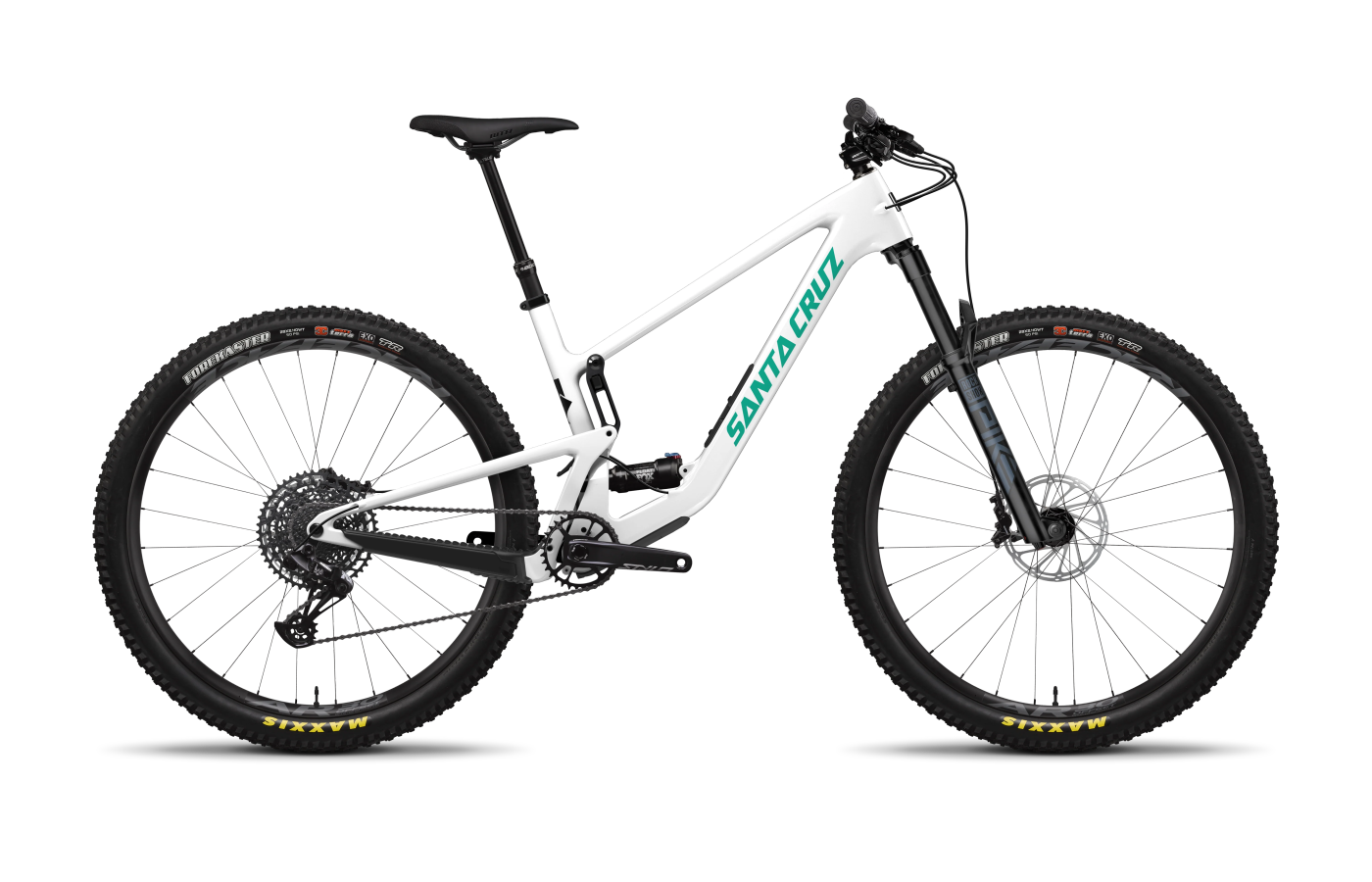
Tallboy
The Following's most direct rival — similarly 'bottomless' 120 mm rear travel but with a more modern, balanced geometry that splits the difference between the sharper Evil and the slacker Ibis.
Compare →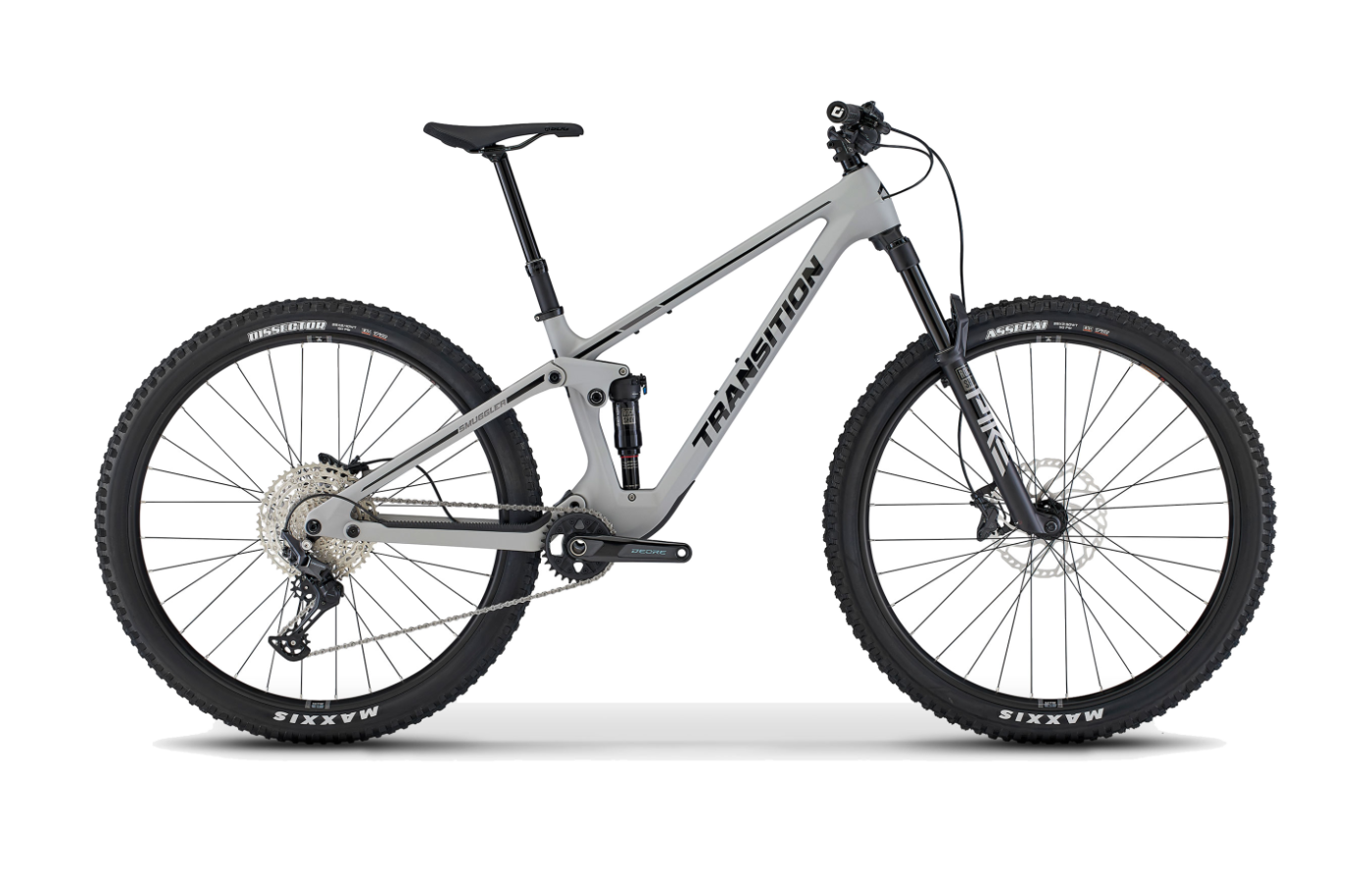
Smuggler
A 130/140 mm trail bike aimed squarely at the same rider as the Ripley V5. More planted and serious on chunky terrain for riders who find the Ibis a touch too playful — or just want a different suspension philosophy.
Compare →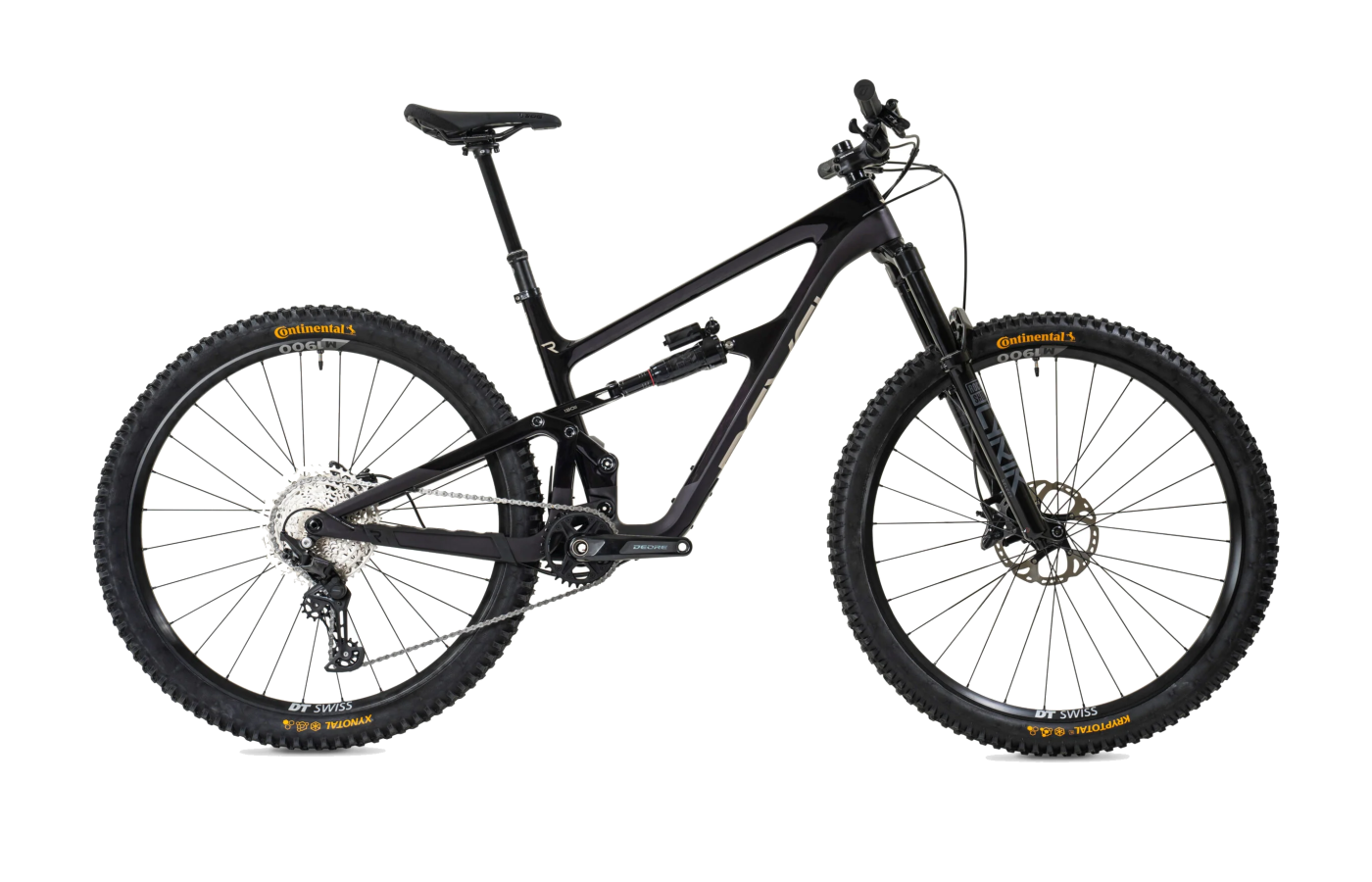
Rascal
Uses the CBF suspension platform — like Evil's DELTA, famous for its mid-stroke support and ability to make the trail 'disappear.' A natural cross-shop for anyone drawn to the Following's ride feel but wanting a different geometry.
Compare →