Following
vsIzzo
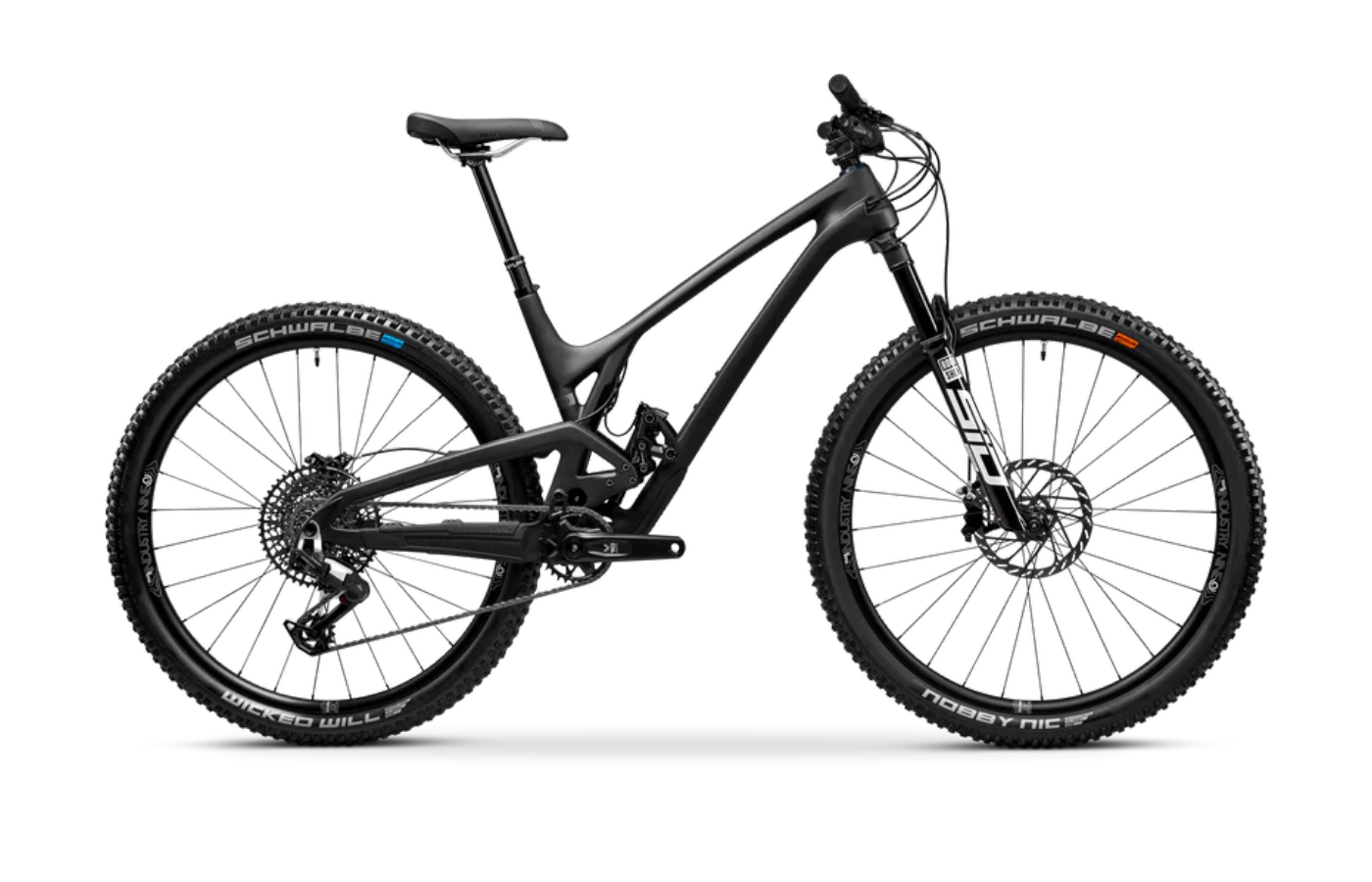
Two short-travel 29ers, two opposite philosophies.
The Evil Following is a boutique downcountry bike built to descend like it has 40 mm more travel. The YT Izzo is a direct-to-consumer trail bike built to climb like an XC race rig.
Following
- Descends way above its travel — DELTA suspension gives a 'bottomless' feel that makes 120 mm ride like 140-plus.
- Stiff, precise chassis — Super Boost rear end and beefed-up swingarm corner with 'laser-like accuracy.'
- Adaptable platform — flip-chip plus 120-to-140 mm fork range lets you build it as XC, downcountry, or mini-enduro.
- Entry build is $6,199 — there's no cheap way in.
- Super Boost 157 rear spacing limits hub and wheel-swap options.
Izzo
- Outrageous value — full carbon front triangle and name-brand suspension start at $2,499.
- Class-leading climber — ~100% anti-squat and a 77-degree seat tube angle let it 'claw up ledges like a rat up a drainpipe.'
- Light for the segment — Core 4 CF rolls in at 13.9 kg with no weight-weenie spec.
- 37% progression makes it feel 'taut' on rooty, high-frequency hits.
- Direct-to-consumer means no demo, no local-shop support, and the buyer assembles.
Editor’s analysis
This isn't really a question of better or worse — it's a question of which 120-ish-mm 29er you actually want underneath you when the trail tilts.
On paper the bikes look adjacent: 120 mm rear / 130 mm front for the Evil Following, 130 mm at both ends for the YT Izzo, both 29ers, both with 432-ish-mm chainstays, both pitched at riders who want to climb on their own power and still descend with attitude. Spend any time with the reviews and the personalities pull apart fast.
The Following is the descent-biased one, despite the lower travel number. Reviewers reach for words like 'magic carpet ride,' 'unflappably poised,' and 'corner like a monster' — MBR went so far as to say it 'trumps plenty of enduro bikes with way more travel.' Dave Weagle's DELTA linkage gives it a dual-progressive curve: supple off the top, supportive in the middle, ramped at the end. Pair that with a stiff Super Boost rear end, a 51 mm offset fork, and short 430 mm chainstays and you get a short-travel bike that wants to be ridden hard.
The Izzo goes the other way. PinkBike measured 37% suspension progression — high enough that BikeRadar and Bike Perfect both noted it can feel 'taut' or 'firm' over high-frequency hits. The payoff is climbing: anti-squat near 100% across all gears, a 77-degree effective seat angle, and a 13.9 kg Core 4 CF that PinkBike compared favorably with a 100 mm XC race bike on a technical climb. It's a 'recovering XC racer's' trail bike — fast, efficient, sharper than it is forgiving.
Put another way: the Evil Following is the bike you buy when descending fun matters more than the scale, and you have boutique money to spend. The YT Izzo is the bike you buy when you want a high-velocity trail/XC weapon at roughly half the price, and you accept that the rough stuff will demand more line choice.
Where the builds differ.
Comparing our editor's-pick builds side-by-side. Winners highlighted row-by-row — lower price and weight, and the better-spec component, each mark a point.
Build variants & pricing
The Evil tops out at nearly $11k and starts at $6.2k. The YT covers $2.5k to $4.5k. There is no overlap.
We're comparing the Evil X0 ($7,499, X0 Eagle Transmission, electronic) against the YT Core 4 CF ($3,320, XT Di2, electronic). Both are tier-matched 'one-down' electronic builds — but the price gap is real, and reflects a deliberate platform difference, not anything the spec table is hiding.
How they fit, how they steer.
Both at the Medium-class size. Reach is nearly identical (Evil 460 mm, YT 445 mm), but the Izzo sits 12 mm taller in stack and runs a noticeably slacker 65.7-degree head angle versus the Following's 66.6 — the Izzo trades the Evil's quicker steering for a more relaxed, planted front end.
Which size should I buy?
Both ranges cover small to XL/XXL; the Izzo extends one size larger at the top, while the Evil's sizing is a shade longer in reach at each label.
→These are starting points. Flexibility, riding style, and preferred position all shift the answer — if you’re between sizes, a professional fit beats a chart.
What the magazines said.
Published reviews from trusted cycling outlets. Click through for the full write-up.
Which one should you buy?
If descending is the point and budget isn't, get the Following. If you want a sharp, efficient climber that punches twice its price, get the Izzo.
Following
If you treat the local trail like a personal pump track — looking for side hits, manuals, and corners to rail — the Following is the rare short-travel bike that rewards every one of those impulses. You'll pay for it, but you'll out-descend bikes with 30 mm more travel.
Izzo
If most of your riding is earn-your-turns — long climbs, fire-road links, technical XC singletrack — the Izzo's efficiency, low weight, and steep seat angle pay dividends every single ride. You give up some descending plushness for a price tag that's roughly half the Evil's.
Questions buyers actually ask.
Short answers to the things we get emailed about most often.
01Which bike actually descends better?
The Evil Following, by a clear margin. Reviewers across MBR, Singletracks, Awesome MTB, and Bicycling consistently described it as feeling like a longer-travel bike on the way down — MBR said it 'trumps plenty of enduro bikes with way more travel.' The DELTA suspension's progressive ramp and the stiff Super Boost rear end let it carry speed through chunder that visibly upsets the Izzo.
The Izzo isn't bad downhill — it's just sharper and more demanding. PinkBike and Singletrackworld both noted that on rough, high-frequency hits the 37%-progressive rear can feel 'taut' or 'rationed,' and that you need to pick lines instead of plowing.
02Which one climbs faster?
The YT Izzo, almost certainly. PinkBike measured anti-squat near 100% across all gears (rising to ~125% in harder gears per The Loam Wolf), and the Core 4 CF weighs around 13.9 kg — light for a 130 mm trail bike. In a head-to-head against a dedicated 100 mm XC race bike, PinkBike clocked the Izzo only eight seconds slower over a nine-minute technical climb.
The Following is no slouch — the steep seat angle and tactile DELTA give it strong technical-climbing traction — but the heavier builds (the X01 AXS came in at 31.8 lb per Singletracks) don't match the Izzo's outright zip on long climbs.
03Why is there such a big price gap?
It's the business model, not the spec. YT sells direct-to-consumer out of Germany — no dealer markup, no showroom. That alone is typically a $1,000–$2,000 saving versus a comparable retail brand, as Bike Perfect and Mountain Bike Action both note.
Evil runs the opposite playbook: low-volume boutique builds, dealer network, and a frame that reviewers consistently describe as 'beefed up,' with proprietary touches (Super Boost 157, DELTA linkage, lifetime replacement bearings). You're paying for the engineering and the brand cult — the Following entry build is $6,199; the Izzo entry build is $2,499. They aren't competing for the same wallet.
04How much travel do they actually have?
Evil Following: 120 mm rear, 130 mm front (with the option to drop to a 120 mm fork for a more XC feel, or run a 140 mm fork for a 'mini-enduro' setup).
YT Izzo: 130 mm front and rear, 29-inch wheels, no flip-chip travel adjustment.
In other words the Izzo has 10 mm more rear travel on paper — but reviewers near-unanimously feel the Following descends like it has more, because of the DELTA linkage's progression curve. Travel numbers don't tell the whole story here.
05What about the geometry — head angle and reach?
On the editor's-pick sizes (Evil MEDIUM / YT M), the Following runs a 66.6° head angle with 460 mm reach and 604 mm stack. The Izzo is 65.7° / 445 mm reach / 616 mm stack. The Following also uses a 51 mm offset fork that reviewers consistently say makes the steering feel 'quicker.'
Real-world translation: the Izzo's slacker head angle and taller stack feel more relaxed and planted at speed, while the Following's steeper, lower front end rewards precise, aggressive line choices. Both run roughly 432 mm chainstays on this size.
06Are there known durability or maintenance issues?
Evil Following: the DELTA linkage can be tedious to clean and tends to collect mud, per Singletracks. Offsetting that, Evil offers replacement bearings for life — a meaningful long-term value for a full-suspension owner.
YT Izzo: the inverted shock orientation creates two recurring complaints — the air valve has tight clearance (some shock pumps don't fit; YT includes one), and the lower shock area collects mud/debris despite a drain hole. The 'Postman' dropper post and Forekaster tires were widely criticized in early reviews and are common first-upgrade targets.
07Can I run wider tires for plusher trail riding?
Both clear up to about a 2.5" tire on a wide trail rim. The Izzo's published tire clearance is roughly 61 mm. The Evil's spec sheet doesn't publish a clearance number, but reviewers note that the Super Boost 157 mm rear spacing was specifically chosen to keep chainstays short while permitting wide rubber — clearance is a non-issue at the 2.4"–2.5" widths most trail riders run.
Neither is a plus-tire bike.
08Which is better for someone moving up from a hardtail?
Both are reasonable, but they teach different habits. The Izzo rewards smooth, efficient inputs — a great bike for someone who wants to keep refining XC pedaling skills while gaining suspension capability. It's also dramatically cheaper, which matters if this is a first full-suspension purchase.
The Following is more forgiving on descents and more confidence-inspiring in chunky terrain — it'll let a less-experienced rider get away with more on the way down. But its $6,199-and-up price tag is a heavy ask for anyone still figuring out their riding style.
Similar bikes
If your priorities don’t map cleanly onto either of these, one of these adjacent bikes probably fits better.
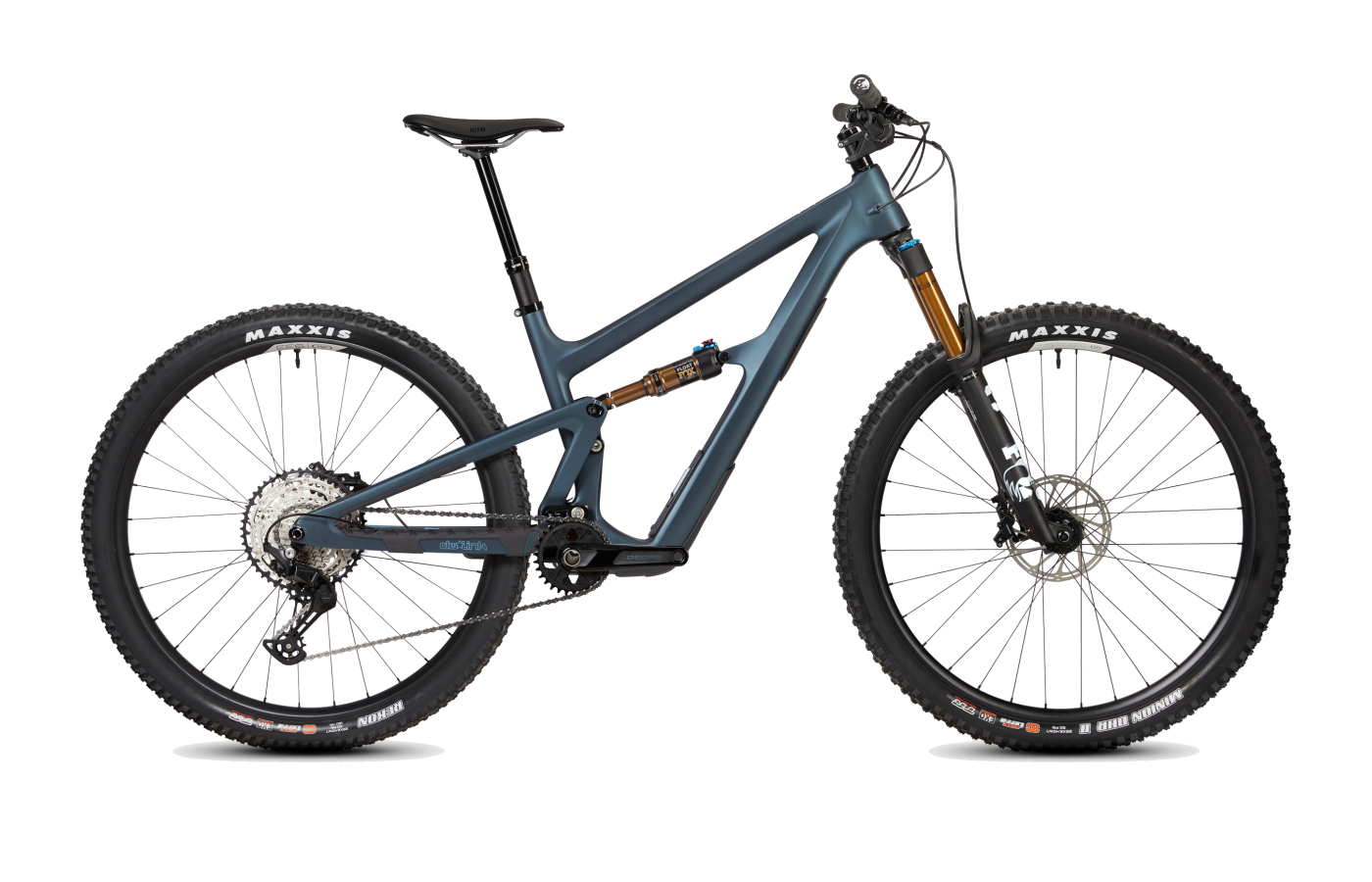
Ripley
The most direct rival to the Following — similarly poppy, similarly efficient, but with a more conventional aesthetic and a 130 mm fork as standard. If the Evil's price is the sticking point, this is the closest thing to its ride character at less money.
Compare →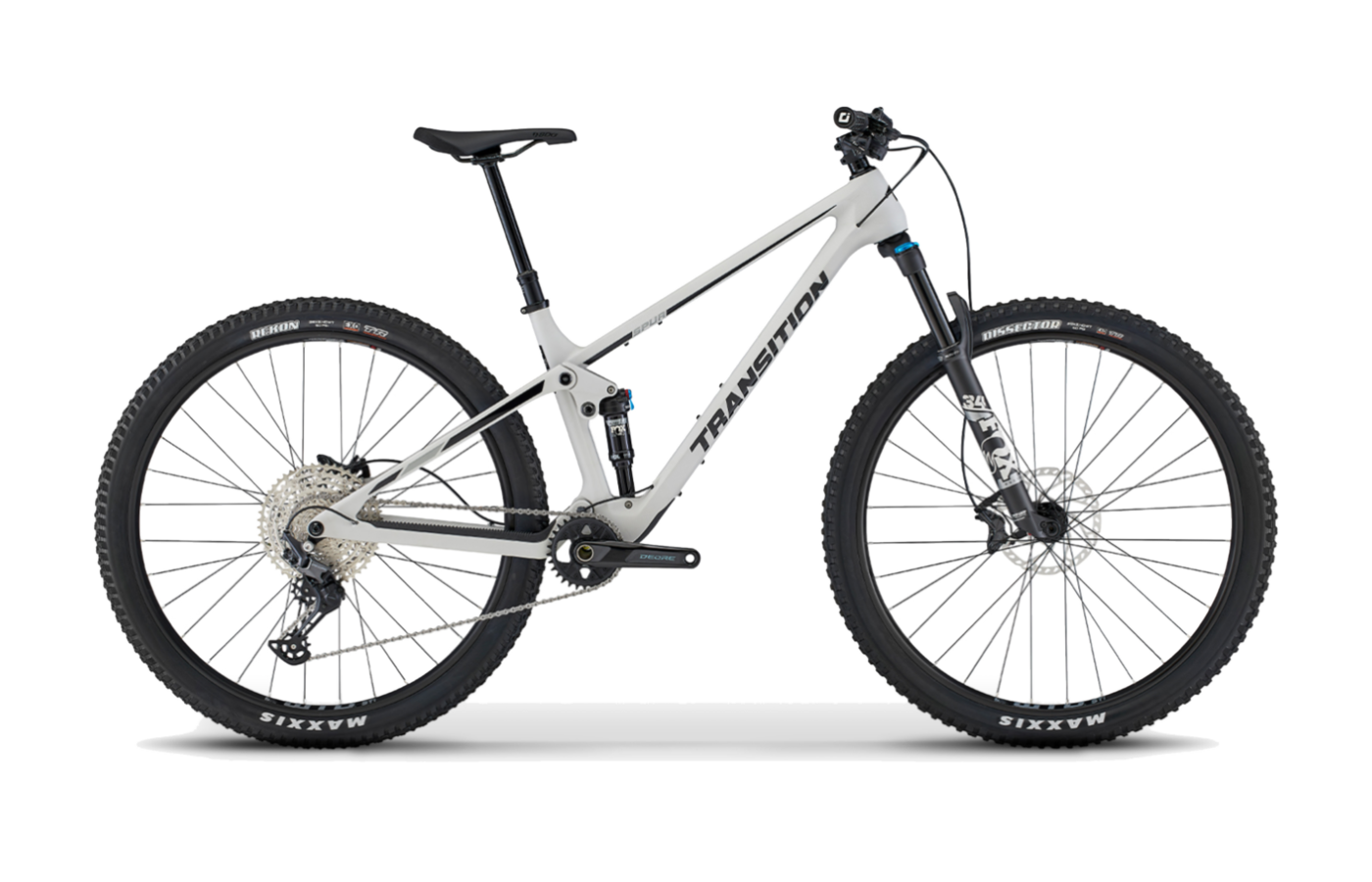
Spur
The downcountry benchmark for outright weight and pedaling efficiency — even more XC-leaning than the Izzo, but with surprising composure on technical descents. The right pick if the Izzo's climbing prowess is what's drawing you in.
Compare →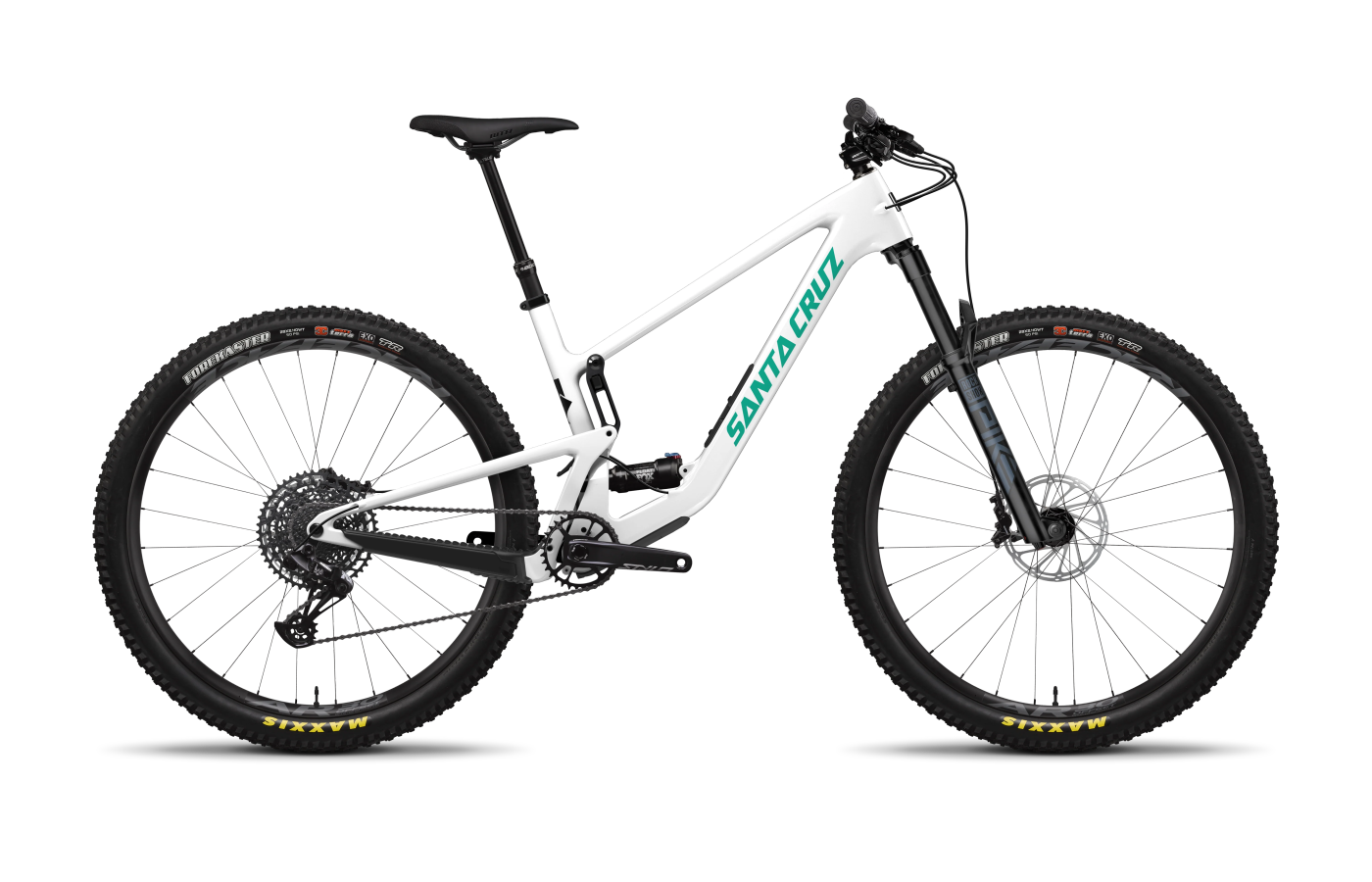
Tallboy
Often called the 'gravity rider's XC bike' — same playbook as the Following, using aggressive geometry on a short-travel platform to make descents fun. Fewer boutique flourishes, broader retail availability.
Compare →