Spearfish
vsSpur
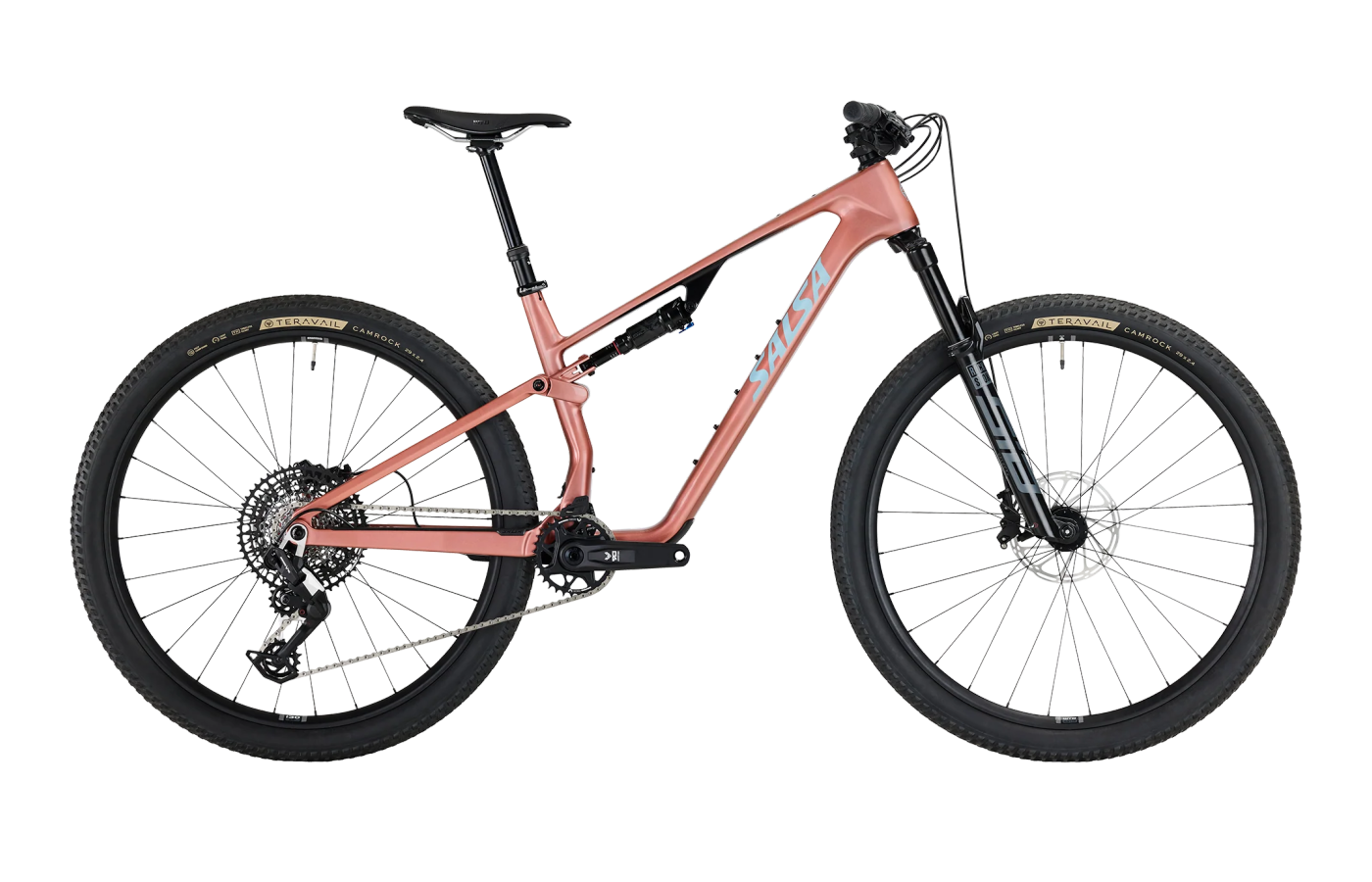
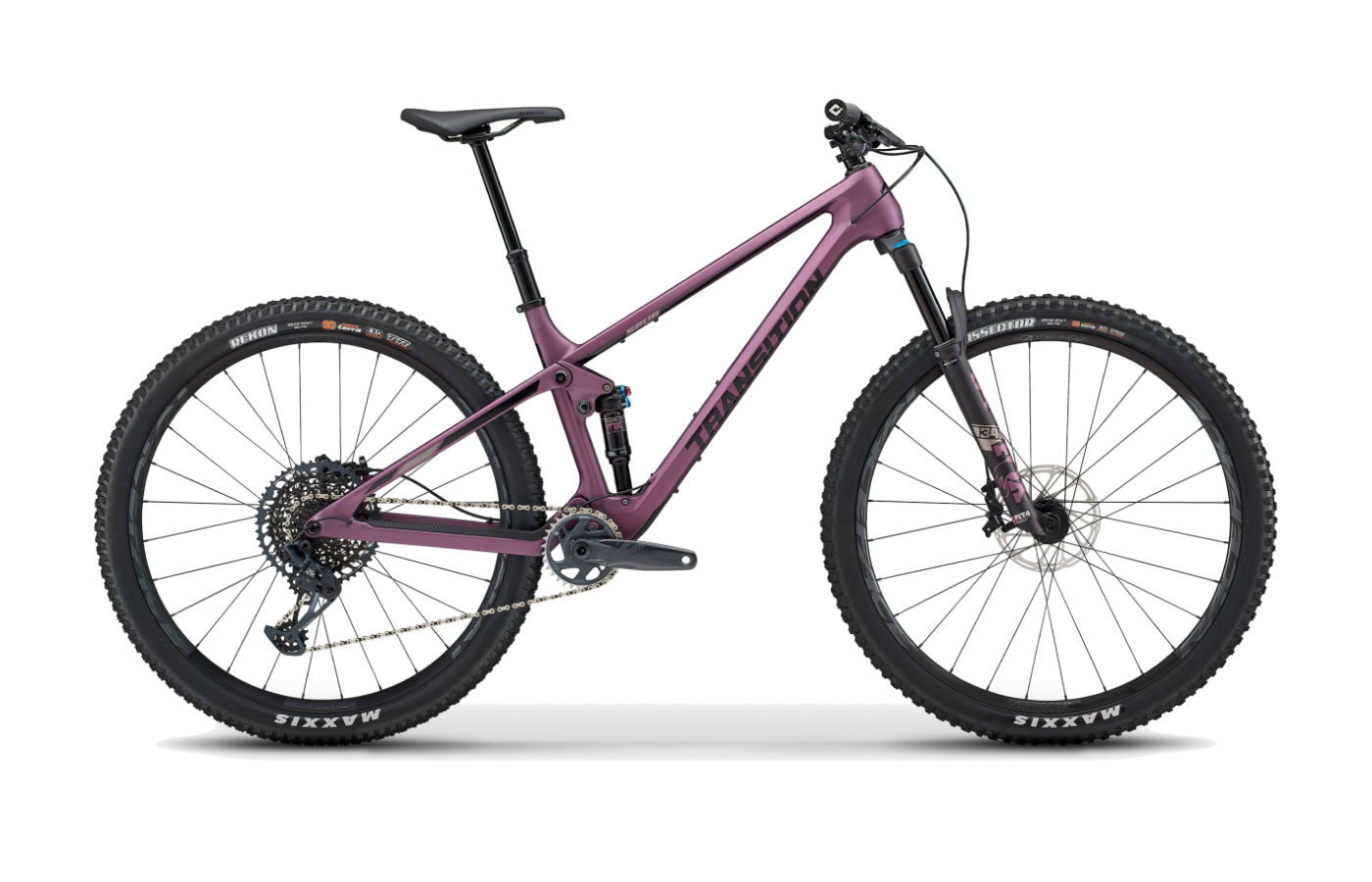
Two downcountry 120s, two personalities.
The Spearfish is built for long days and PR climbs. The Spur is built for the rider who pedals up so they can rally down.
Spearfish
- Climbs like an XC race bike — 77.3-degree seat tube and Split Pivot make the Spearfish a genuine PR-setter on long ascents.
- Adventure-ready frame — up to three bottle mounts and dedicated top-tube bosses make it the better bikepacking platform of the two.
- Wider build range — from a $1,649 Deore alloy to the $10,999 X0 AXS Flight Attendant flagship; far more entry points than the Spur.
- Steep seat tube can put extra weight on the hands over long seated climbs.
- Stock Teravail Camrock tires roll fast but lack bite when conditions get loose.
Spur
- Descends above its travel class — Speed Balanced Geometry, 66-degree head angle, and longer wheelbase make 120 mm feel like 140.
- Lower, more planted ride — 40 mm BB drop versus the Spearfish's 31 mm; the Spur corners flatter and feels more locked into the trail.
- Lighter, snappier chassis — pivot-less flex-stay design saves grams and adds a poppy, energetic character through rollers and berms.
- Only three builds, and none below $4,799 — there's no entry tier for budget shoppers.
- Heavier or more aggressive riders have noted frame flex on high-speed G-outs.
Editor’s analysis
Same travel, same wheels, same category — and yet they ride like they were drawn up by two different design teams with two different riders in mind.
On the spec sheet, the Salsa Spearfish and Transition Spur look almost interchangeable: 120 mm front and rear, 29" wheels, carbon mainframes, 66-degree-ish head angles, MTB downcountry through and through. Spend time with the geometry charts and the suspension designs, though, and the philosophies pull apart.
The Salsa Spearfish is the endurance racer's tool. Salsa keeps the Dave Weagle Split Pivot platform — a true linkage-driven design that isolates braking and pedaling — and pairs it with a steep 77.3-degree seat tube angle and 430 mm chainstays. The result is the rare 120 mm bike that gets called "one of the fastest mountain bikes I've ever ridden on the climbs" (Bike Rumor). Three bottle mounts on the larger sizes and top-tube bag bosses make the bikepacking intent explicit.
The Transition Spur picks the other side of the coin. The GiddyUp suspension swaps a rear pivot for engineered seatstay flex, which trims weight and stiffens the chassis but trades some of the Split Pivot's plushness for a poppier, more energetic feel. Geometry leans descender: 66.0-degree head angle, slightly slacker 76.2-degree seat tube, 5 mm longer chainstays, and a 40 mm bottom bracket drop versus the Spearfish's 31 mm. The Spur sits lower, planted, and rewards the rider who likes to pump terrain and lean into corners rather than steer through them.
Put another way: the Spearfish is the bike you buy when most of your year is ride time and the climbs matter. The Spur is the bike you buy when the descents are why you came.
Where the builds differ.
Comparing our editor's-pick builds side-by-side. Winners highlighted row-by-row — lower price and weight, and the better-spec component, each mark a point.
Build variants & pricing
The Spearfish lineup runs $1,649 to $10,999 across seven builds, including alloy. The Spur sits in the upper half — three carbon-only builds from $4,799 to $8,199.
Prices are current US MSRP and reflect Salsa's recent tariff-driven adjustments. Transition does not offer an alloy Spur or a sub-$4k build, so budget shoppers will land on the Spearfish by default.
How they fit, how they steer.
Salsa Small vs Transition MD — the fit-picked sizes for a 173 cm rider on each platform. Reach is nearly identical (450 vs 455 mm), but the Spur sits 12 mm taller in stack, drops the BB 9 mm lower, and runs 5 mm longer chainstays. The Spearfish's seat tube is a full degree steeper at 77.3°.
Which size should I buy?
Sizes recommended by stack, reach, and effective top tube. Salsa offers an XS that extends the Spearfish's range below the Spur's smallest size.
→These are starting points. Flexibility, riding style, and preferred position all shift the answer — if you’re between sizes, a professional fit beats a chart.
What the magazines said.
Published reviews from trusted cycling outlets. Click through for the full write-up.
Which one should you buy?
If your year is built around long climbs, endurance races, and bikepacking, get the Spearfish. If your year is built around descents and you want one bike that pedals well enough to earn them, get the Spur.
Spearfish
If your favorite rides are six-hour days, marathon XC events, or multi-day bikepacking routes that still go through real singletrack — this is the bike. The Split Pivot, steep seat tube, and three-bottle main triangle were drawn up for exactly this rider.
Spur
If you used to ride a 150 mm trail bike and want something that climbs without complaint but still rallies black-diamond descents, the Spur is the segment benchmark. Lower, longer, poppier — built to be rallied.
Questions buyers actually ask.
Short answers to the things we get emailed about most often.
01Which climbs faster?
The Salsa Spearfish, and it's not particularly close on long, sustained climbs. Bike Rumor's tester reported knocking over three minutes off a personal best on a familiar climb, attributing it to the 77.3-degree seat tube angle and the Split Pivot's high anti-squat — both wheels stay planted under power without needing the lockout.
The Transition Spur is no slouch — it's a 26–27 lb carbon bike with a steep 76.2-degree seat tube — but the GiddyUp's flex-stay rear can hang up on square-edged technical climbs in a way the Spearfish's true linkage doesn't.
02Which descends better?
The Transition Spur. Its 40 mm bottom bracket drop (vs. 31 mm on the Spearfish), longer chainstays, and Speed Balanced Geometry add up to a bike that sits noticeably lower and more planted in corners. Reviewers consistently describe it as feeling like a mini-enduro bike that happens to weigh 25–27 lb.
The Spearfish is genuinely capable on descents for an XC platform — the slack 66.3-degree head angle and long front center help — but it never disappears under you the way the Spur does when you point it at something steep.
03How different are the suspension designs?
Meaningfully. The Spearfish runs Dave Weagle's Split Pivot, a true four-bar with a pivot concentric to the rear axle. It isolates braking forces from pedaling, which gives the rear wheel impressive traction under power and on the brakes. Reviewers consistently call it efficient enough to ride open without a lockout.
The Spur uses Transition's GiddyUp layout, which eliminates the rear axle pivot entirely and relies on engineered carbon flex in the seatstays. It saves about 200 g, simplifies maintenance, and produces a snappier, poppier feel — but it's less plush off the top and reviewers note the chassis can wind up and spring back during high-G maneuvers, especially for heavier riders.
04What's the tire clearance on each?
Both clear roughly 2.4–2.5" tires on 29" wheels — and both ship with 29 x 2.4" rubber stock (Teravail Camrock on the Spearfish, Maxxis Dissector/Rekon on the Spur). Neither is built for plus-sized tires; they're modern XC/downcountry geometries with corresponding rear-end packaging.
05Is the Spearfish actually a better bikepacking bike?
Yes. Salsa designs the Spearfish with adventure first — every size carries at least two bottles inside the main triangle, larger frames fit three, and there are dedicated top-tube mounts for a feed pack or computer plus accessory bosses on the underside of the top tube and on the fork.
The Spur has a single bottle mount and no dedicated bag-friendly bosses. It's a race-and-rally bike that you can bikepack on; the Spearfish is a bikepacking bike that you can race.
06How do the geometries differ for a 5'8" rider?
The fit algorithm picks a Salsa Small and a Transition MD for a 173 cm (5'8") rider. Reach is almost identical — 450 mm vs 455 mm — but the Spur's MD sits 12 mm taller in stack (610 vs 598) and the Spearfish's seat tube is steeper by 1.1 degrees (77.3 vs 76.2).
In practice, the Spearfish puts you in a more forward, climb-oriented position; the Spur a slightly more upright, descent-ready one. Both ranges overlap, but the Spearfish extends one size smaller (XS) at the bottom of the range.
07Are there any known reliability issues to be aware of?
Spearfish: the press-fit BB92 bottom bracket is a long-term wear item (some owners report creak after a season), and one tester found the SRAM GX Transmission rear derailleur "finicky" on his sample, though this hasn't been universal. The carbon Deluxe and Standard frames otherwise hold up well.
Spur: earlier model years spec'd a 160 mm rear rotor that reviewers cooked on long descents — Transition has since standardized 180 mm front and rear. NSMB and Pinkbike also flagged premature bushing wear in the RockShox SID Ultimate fork on the top build, though RockShox warranty has reportedly been responsive.
08Which is the better value?
Depends on your budget. Below $5,000, the Spearfish wins by default — the Deore alloy at $1,649 and the C Deore 12 carbon at $3,999 have no equivalents in the Spur lineup. PinkBike specifically called out the Spearfish C Deore 12 build as a strong value, being only $500 more than the Deluxe frameset alone.
At the $6,000–$8,000 mark, both platforms compete head-to-head on tier-matched builds. The Spur tends to spec slightly nicer wheels (DT Swiss M 1900 vs WTB) and Fox suspension across more builds; the Spearfish tends to undercut on price.
Similar bikes
If your priorities don’t map cleanly onto either of these, one of these adjacent bikes probably fits better.
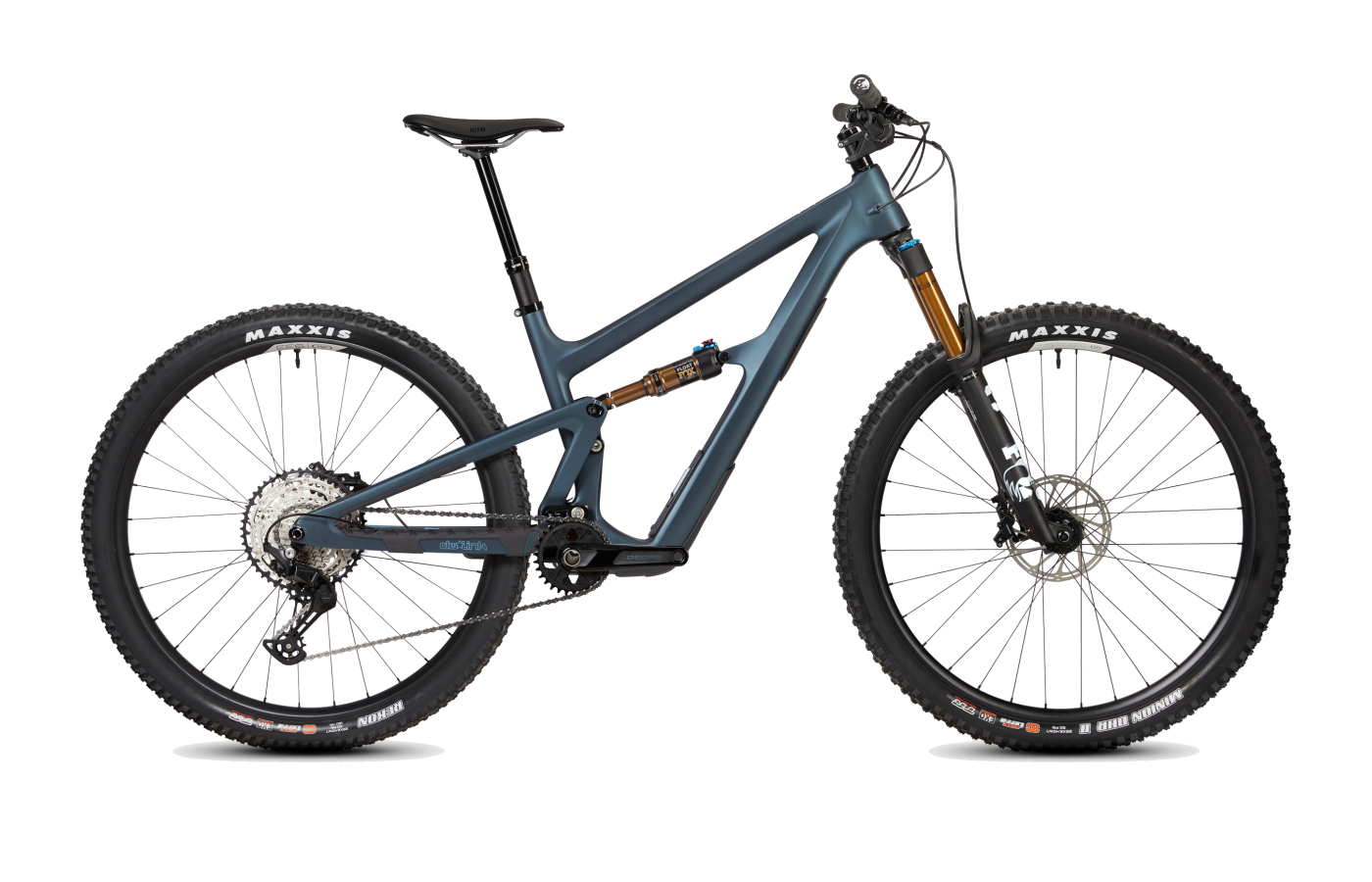
Ripley
The other downcountry darling — the Ripley pairs DW-Link efficiency with quicker, more agile steering than either the Spearfish or the Spur. Best if you want a livelier front end and don't need the Spur's descent-biased geometry.
Compare →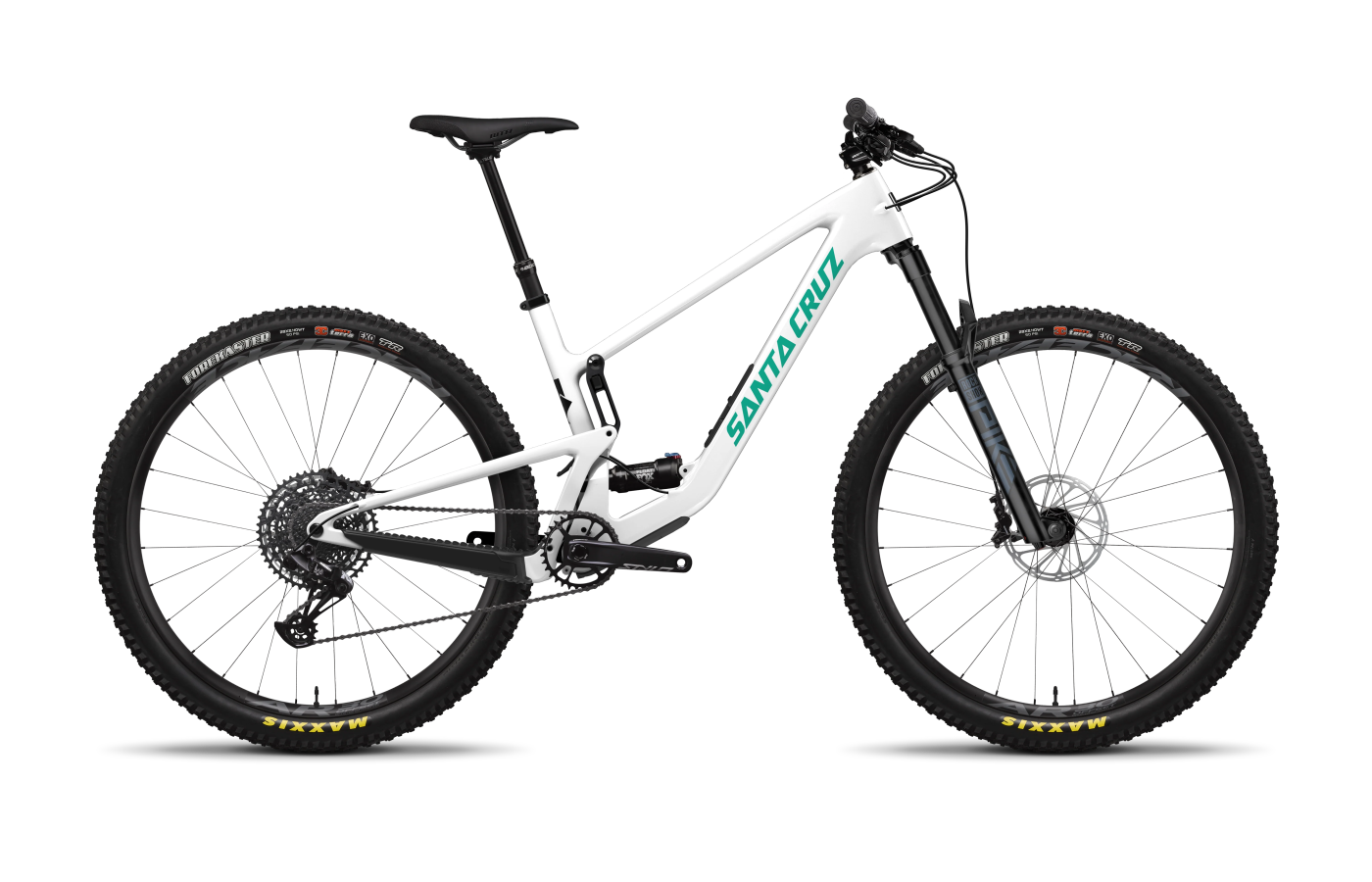
Tallboy
Same 120 mm category, but burlier — the Tallboy is the most planted, mini-enduro option in the segment. Heavier than the Spur but smoother on the roughest descents.
Compare →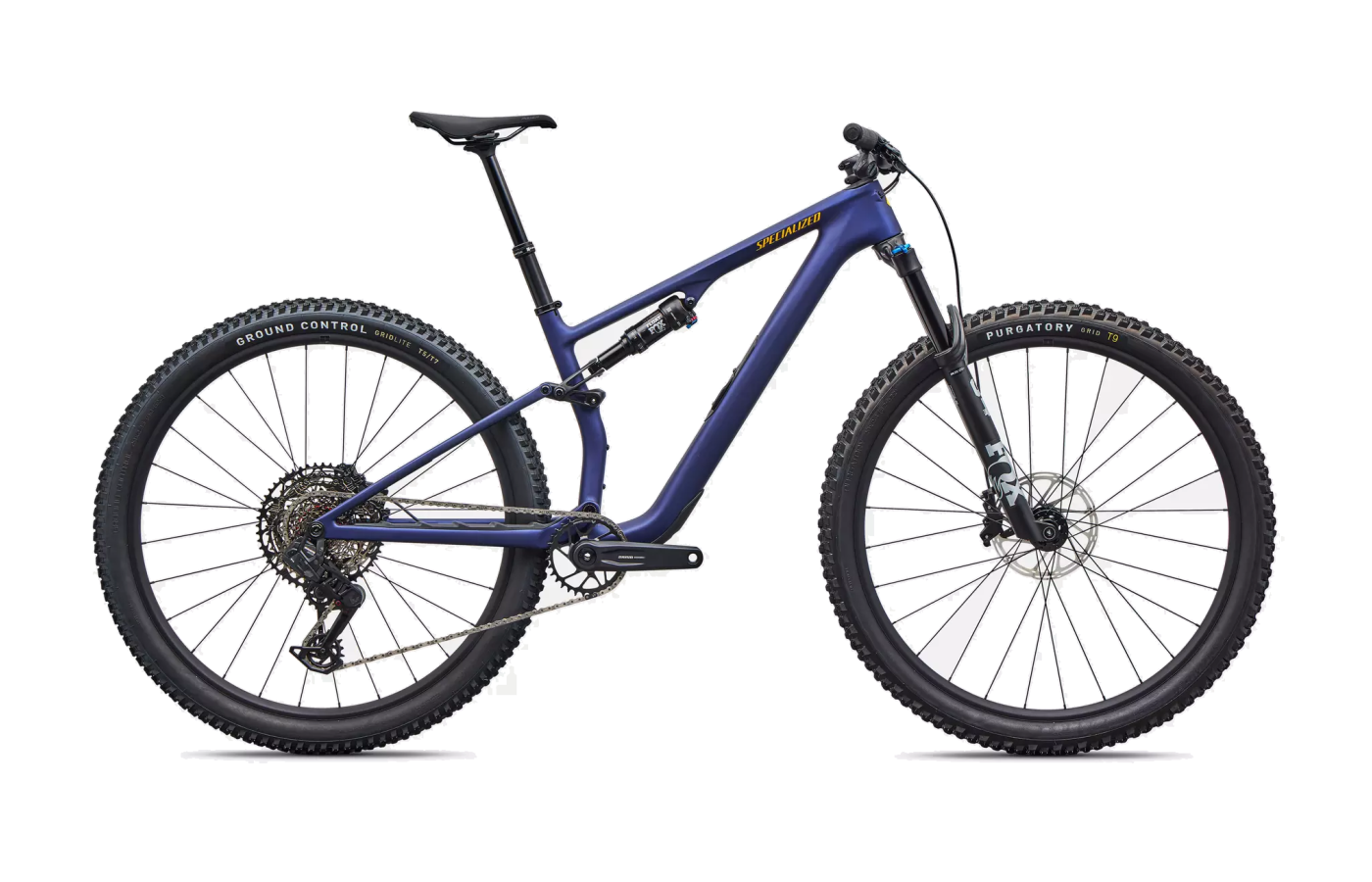
Epic Evo
The race-leaning alternative — the Epic EVO is lighter and more efficiency-focused than either, with a more traditional XC cockpit. Pick it if you race and the Spearfish still feels too "adventure-y" for your goals.
Compare →