Warbird
vsWarroad
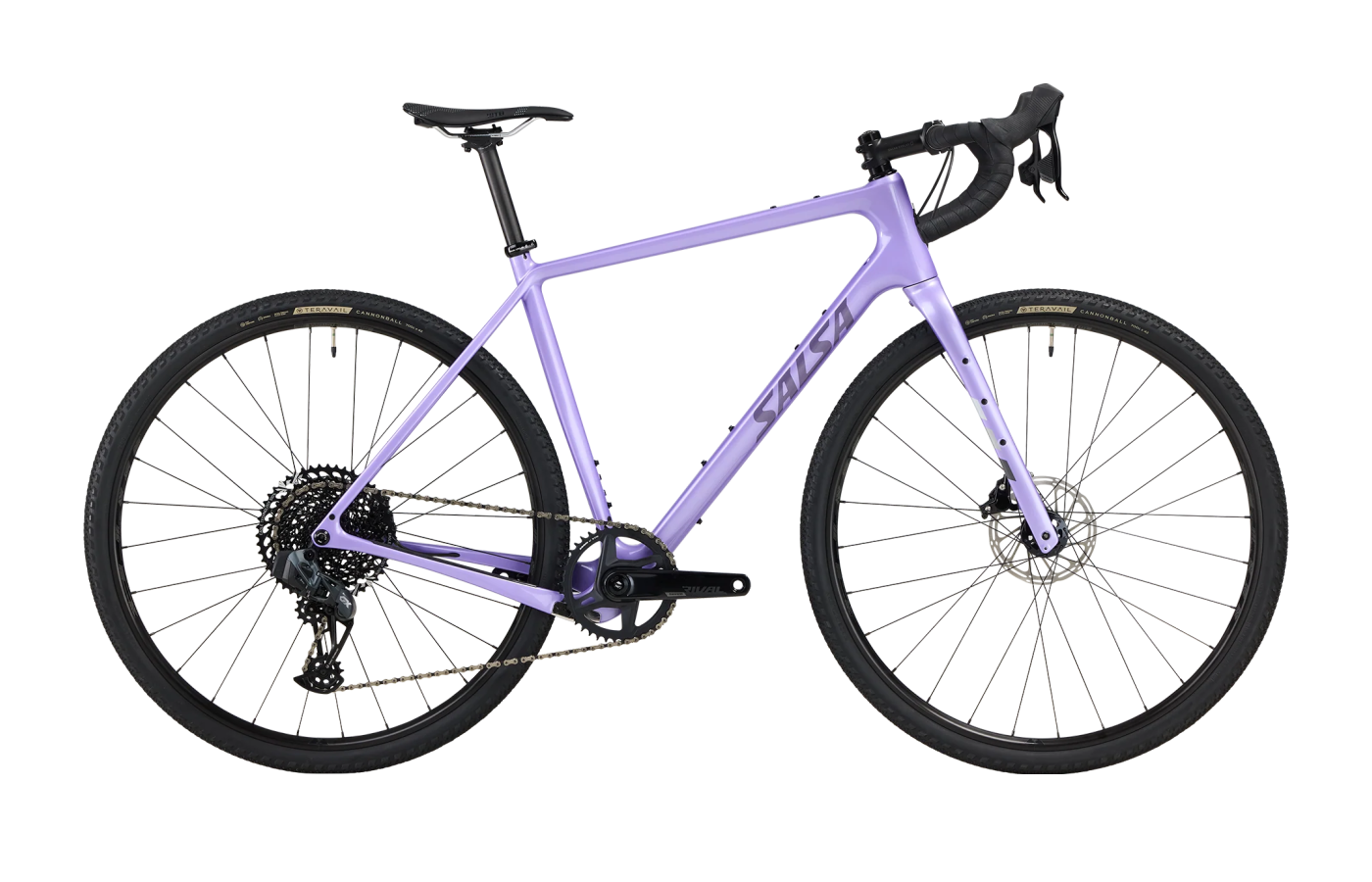
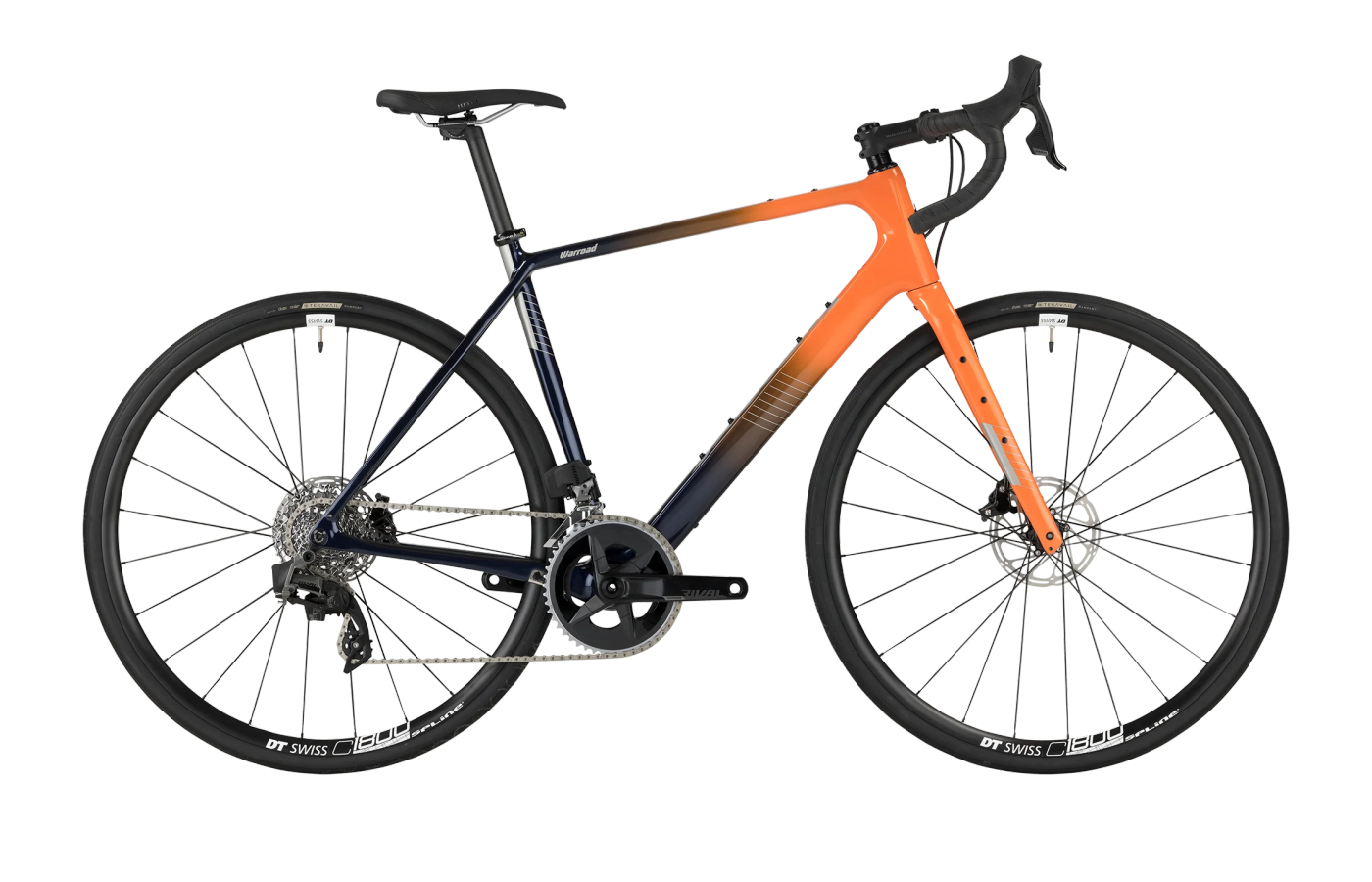
Two carbon Salsas, one VRS — pulling in opposite directions.
The Warbird is the original gravel race bike, built for chunky American epics. The Warroad takes the same frame DNA and points it at pavement.
Warbird
- More tire — 45 mm clearance on 700c opens up rougher routes and bigger bikepacking rubber.
- Stable at speed — a 1,038 mm wheelbase and 430 mm chainstays settle the bike on long, fast gravel descents.
- Proper gravel gearing across the lineup — GRX 820 and SRAM AXS Wide builds get you climbing gears the Warroad's road-spec drivetrains don't.
- Steering goes 'languid' at low speeds — you feel it in tight gates and U-turns.
- Stock builds at the top end ($6,999 Force AXS Wide) draw heavy 'value' criticism — alloy hubs and in-house cockpit at flagship price.
Warroad
- Quicker, snappier on pavement — 415 mm chainstays and a 71-degree HTA give it the road-bike feel the Warbird won't quite deliver.
- Lighter builds — the Ultegra Di2 build is a claimed 18 lb 6 oz vs 20 lb+ for the equivalently priced Warbird.
- Cheaper entry point — the 105 build starts at $1,999, the lowest carbon Salsa drop-bar in the lineup.
- 35 mm tire ceiling on 700c — you can't load it up with proper gravel rubber.
- Reviewers split on rough descents; some called it 'nervous' once the road surface degrades.
Editor’s analysis
Same brand, same Class 5 VRS, same Cowbell bar — and yet two completely different bikes once the wheels are spinning.
On paper the Warbird and Warroad look like cousins. Both are full-carbon Salsas, both run the same outwardly bowed seatstays Salsa calls Class 5 VRS, both share the Cowbell drop bar and the same set of bikepacking bosses. Salsa even uses near-identical reach numbers in size 56 — 381 mm on the Warbird, 381 mm on the Warroad. Drop them next to each other on the showroom floor and you'd struggle to tell them apart from twenty feet.
The Warbird is the gravel one — and it has the dimensions to back that up. 45 mm tire clearance, a 70.75-degree head tube, 430 mm chainstays, and a 1,038 mm wheelbase in size 56. It's the bike that got built for Dirty Kanza and Mid South — long, often punishingly straight, gravel courses where stability is everything and speed comes from holding a line. Reviewers consistently call it 'sure-footed' and 'confidence-inspiring' on rough descents; the trade-off is steering that BikeRadar describes as 'languid' at low speed.
The Warroad is the road one — sort of. It tightens the geometry: a 71-degree head tube, 415 mm chainstays, a 1,020 mm wheelbase. Tire clearance drops to 35 mm on 700c (47 mm if you swap to 650b). On pavement it accelerates harder, corners quicker, and feels — in Bicycling's words — 'crisp out of the saddle.' But push it onto rough gravel and reviewers split: Path Less Pedaled called it 'skittish and sketchy' on dry, rocky descents.
The honest take: the Warbird is the bike if you want one Salsa for proper gravel, and the Warroad is the bike if you want one Salsa for mostly tarmac with the option to detour onto a fire road. They are not interchangeable just because they share a logo.
Where the builds differ.
Comparing our editor's-pick builds side-by-side. Winners highlighted row-by-row — lower price and weight, and the better-spec component, each mark a point.
Build variants & pricing
The Warbird offers a deeper lineup ($2,799–$6,999, seven builds); the Warroad spans $1,999–$4,619 across four. Both Salsas build off the same carbon frame story but with platform-appropriate drivetrains.
Prices are current US MSRP. The editor's-pick comparison above uses both bikes' SRAM Rival AXS builds — the closest tier-and-tech match across the two lineups (both electronic, same drivetrain family).
How they fit, how they steer.
Both at size 56cm. Reach is functionally identical (381 mm on each), but the Warbird sits 0.4 mm taller in stack, runs a 0.25-degree slacker head tube, and stretches 18 mm longer in wheelbase via 15 mm more chainstay — the gravel bias shows up in the back end, not the front.
Which size should I buy?
Both bikes share size labels (49–61cm) and run nearly identical stack/reach across the lineup, so size up or down by the same logic on either platform.
→These are starting points. Flexibility, riding style, and preferred position all shift the answer — if you’re between sizes, a professional fit beats a chart.
What the magazines said.
Published reviews from trusted cycling outlets. Click through for the full write-up.
Which one should you buy?
If most of your miles are gravel and you want stability over chunk, get the Warbird. If most of your miles are pavement and you sometimes detour onto dirt, get the Warroad.
Warbird
If your weekends look like Mid South, Unbound, or any 100+ mile day on US gravel — the Warbird is what it was built for. Stable on long descents, sized for 45 mm tires, and bikepacking-friendly out of the box.
Warroad
If 80% of your riding is pavement and you want a single carbon bike that can still handle a dirt-road shortcut, the Warroad is sharper. Quicker accelerating, lighter at the same price, and starts $800 below the Warbird's entry build.
Questions buyers actually ask.
Short answers to the things we get emailed about most often.
01What's the actual difference between the Warbird and Warroad frames?
They're closer than you'd think — both are carbon, both use Salsa's Class 5 VRS bowed seatstays, and both share the Cowbell-style drop bar and Salsa Guide stem.
Where they diverge is the back half and the geometry: the Warbird runs 430 mm chainstays, a 70.75-degree head tube, and clearance for 45 mm tires. The Warroad runs 415 mm chainstays, a 71-degree head tube, and tops out at 35 mm tires on 700c (47 mm if you switch to 650b). The Warroad's frameset is also lighter at a claimed 1.87 kg, vs. heavier on the Warbird.
02Can the Warroad handle real gravel?
Yes, with caveats. On 650b wheels with 47 mm tires, reviewers describe it as 'as competent as any gravel bike.' On 700c with 32–35 mm tires — which is how most of the stock builds ship — it's an endurance road bike that tolerates dirt, not a true gravel bike.
Path Less Pedaled specifically called it 'skittish and sketchy' on dry, dusty, rocky descents, and Velomotion noted it 'gets nervous easily' once roads degrade. If you know you'll spend real time on chunky gravel, the Warbird is the safer pick.
03Which one climbs better?
The Warroad, on pavement and smooth gravel — it's lighter (the Ultegra Di2 build is a claimed 18 lb 6 oz vs. ~20 lb 4 oz for the equivalent Warbird) and the shorter 415 mm chainstays make it feel snappier out of the saddle.
The Warbird climbs fine — Bikepacking.com's reviewer praised it on long efforts — but its stock gearing is more gravel-appropriate. The 1x AXS and GRX 1x builds give you the granny gears you actually want for steep loose climbs that the Warroad's 50/34 + 11-32 road setup will struggle with.
04What tires can each bike actually fit?
Warbird: 45 mm officially on 700c. Most builds ship with the 42 mm Teravail Cannonball, leaving headroom for a true 45 mm tire if you want more cushion.
Warroad: 35 mm officially on 700c, though Blackwater Cyclist reports squeezing in a 38c — with the fork being the limiting factor, not the rear triangle. On 650b wheels, the Warroad opens up to 47 mm, which is where it earns the 'all-road' label. Both bikes are 650b-compatible from the factory.
05Which is better for bikepacking?
Both are well-equipped — three to four bottle mounts, top-tube bag bosses, fork triple-cage mounts, fender and rack compatibility. Salsa designs both with adventure in mind.
The Warbird edges it for serious bikepacking: bigger tire clearance for loaded grip, longer wheelbase for stability with luggage, and a more relaxed riding position over multi-day distances. The Warroad is a better choice for credit-card touring and lighter overnight trips where pavement makes up most of the route.
06Why is the top-end Warbird so heavily criticized for value?
Multiple reviewers — Cycling Weekly, Ben Delaney on YouTube — flagged the $6,999 C Force AXS Wide as poor value. The complaints center on the in-house Salsa Guide alloy stem and Cowbell carbon bar (rather than a fully integrated cockpit), alloy WTB hubs at the flagship tier, and the absence of an integrated power meter at a price where buyers expect one.
The consensus from reviewers is to buy the frameset ($2,199) and build it up custom — that's where the platform's real value lives. The Rival AXS and GRX builds at $4–6k get less of this criticism.
07Are both compatible with dropper posts?
Yes. Both Warbird and Warroad use a 27.2 mm round seat tube, with internal routing provisions for a dropper on 1x and Di2 builds. Salsa explicitly designed the Warbird to accept a dropper for technical singletrack detours; on the Warroad it's a less common upgrade but it's there if you want it.
A dropper is a meaningful upgrade if you ride either bike on terrain rougher than smooth gravel — Cycling Weekly's reviewer specifically noted the lack of one as the reason they descended on the hoods rather than in the drops on the Warbird.
08What about the 650b option — should I choose based on that?
Both bikes accept 650b wheels and tires, but the Warroad benefits more dramatically from the swap. With 650b x 47 mm rubber, multiple reviewers said the Warroad transformed into a 'nimble, playful, go anywhere' bike — Bicycling described it as feeling like 'two bikes in one' across wheel sizes.
The Warbird is already a gravel bike on 700c x 42–45 mm, so going 650b is more about tuning for very rough terrain or shorter riders, not unlocking a new personality. If the dual-personality 650b/700c story appeals to you, the Warroad is built around it.
Similar bikes
If your priorities don’t map cleanly onto either of these, one of these adjacent bikes probably fits better.
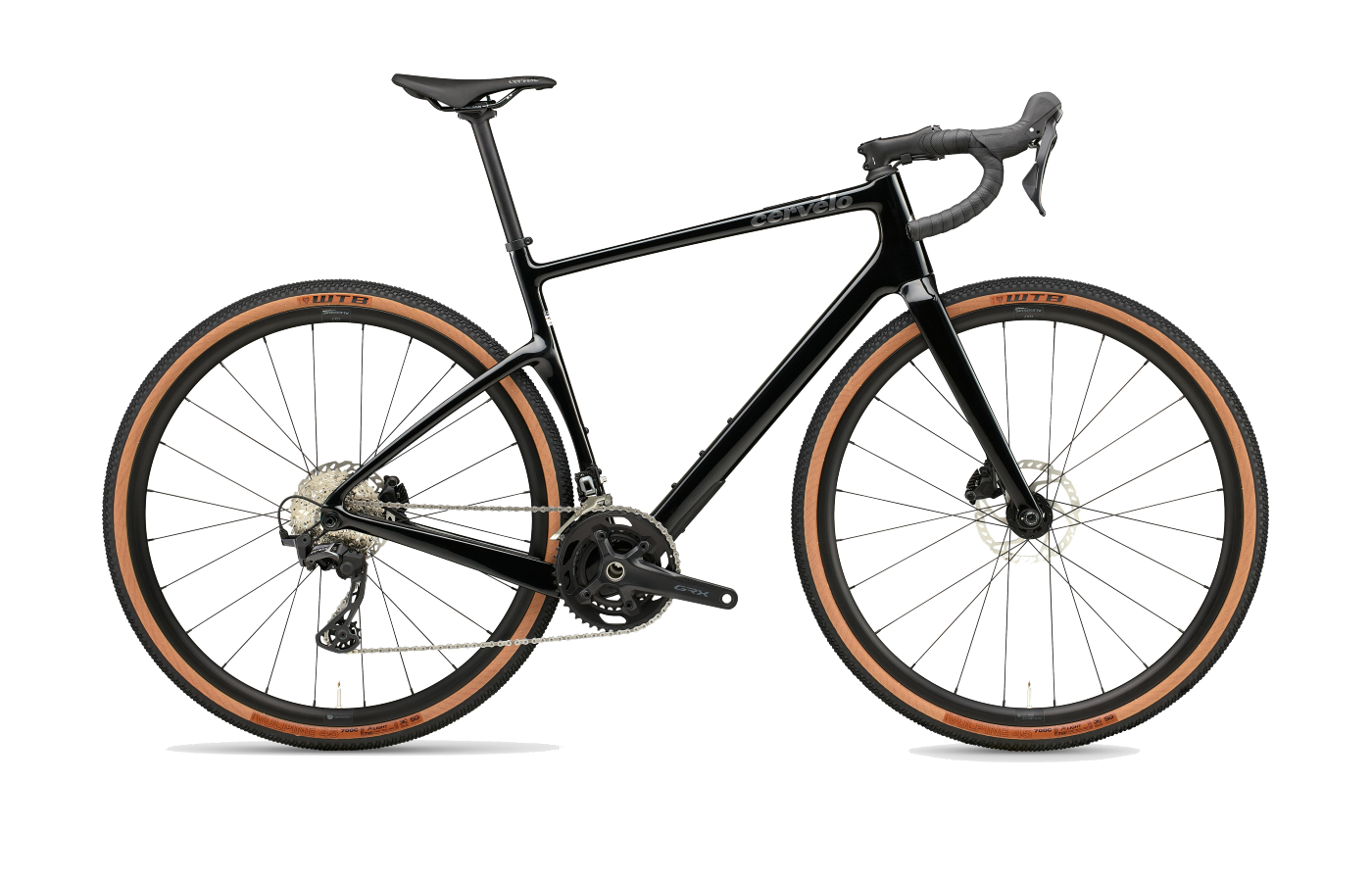
Aspero
The Aspero is Cervelo's answer to the Warbird — sharper, more aggressive geometry built for podiums at gravel races rather than long bikepacking days. Faster on smooth gravel, less forgiving when the surface gets rowdy.
Compare →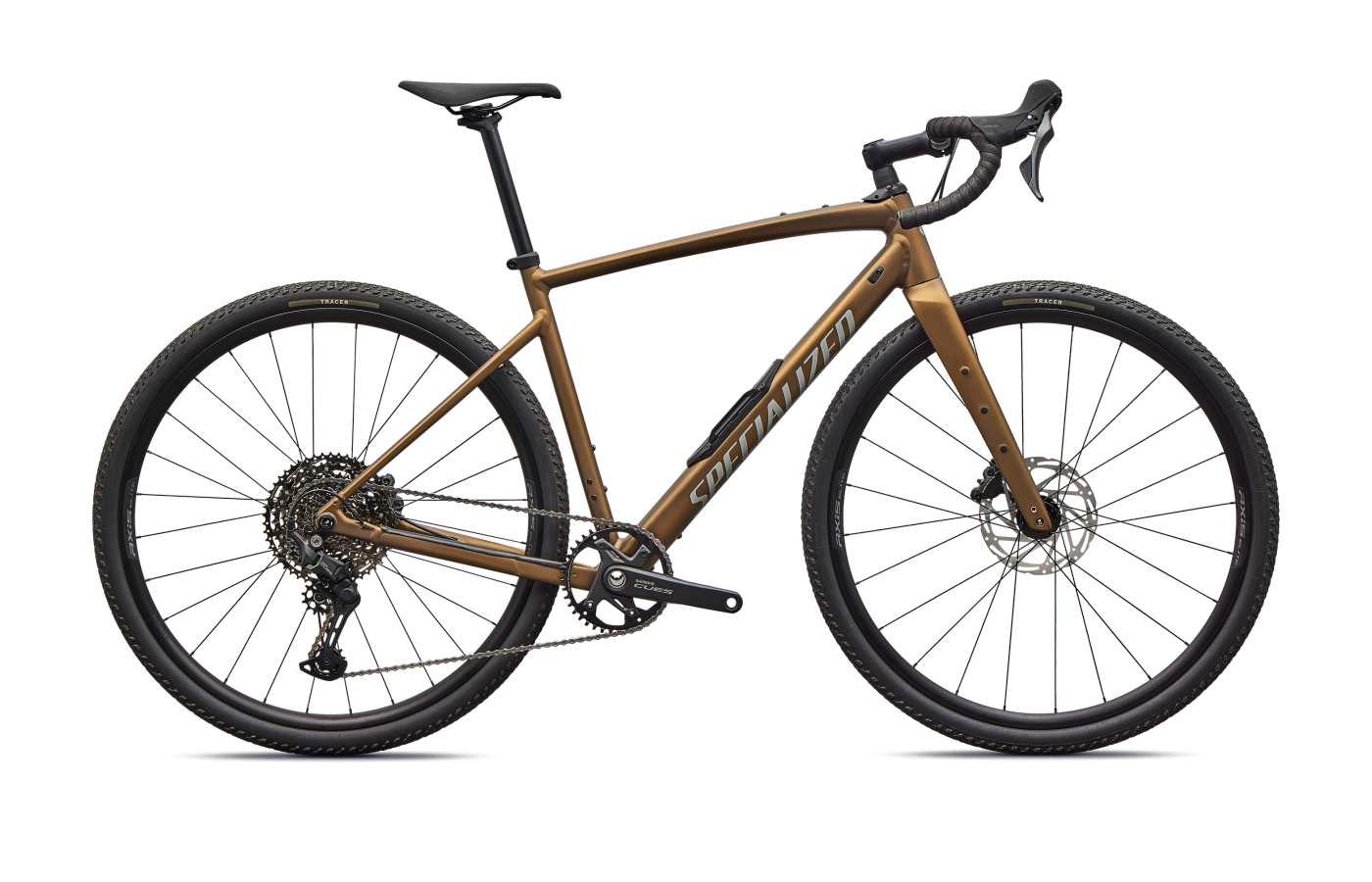
Diverge
Specialized's Diverge takes a different route to compliance — the Future Shock at the head tube isolates your hands from impacts the VRS rear end can't filter. A direct Warbird competitor for riders who care more about hand fatigue than rear suppleness.
Compare →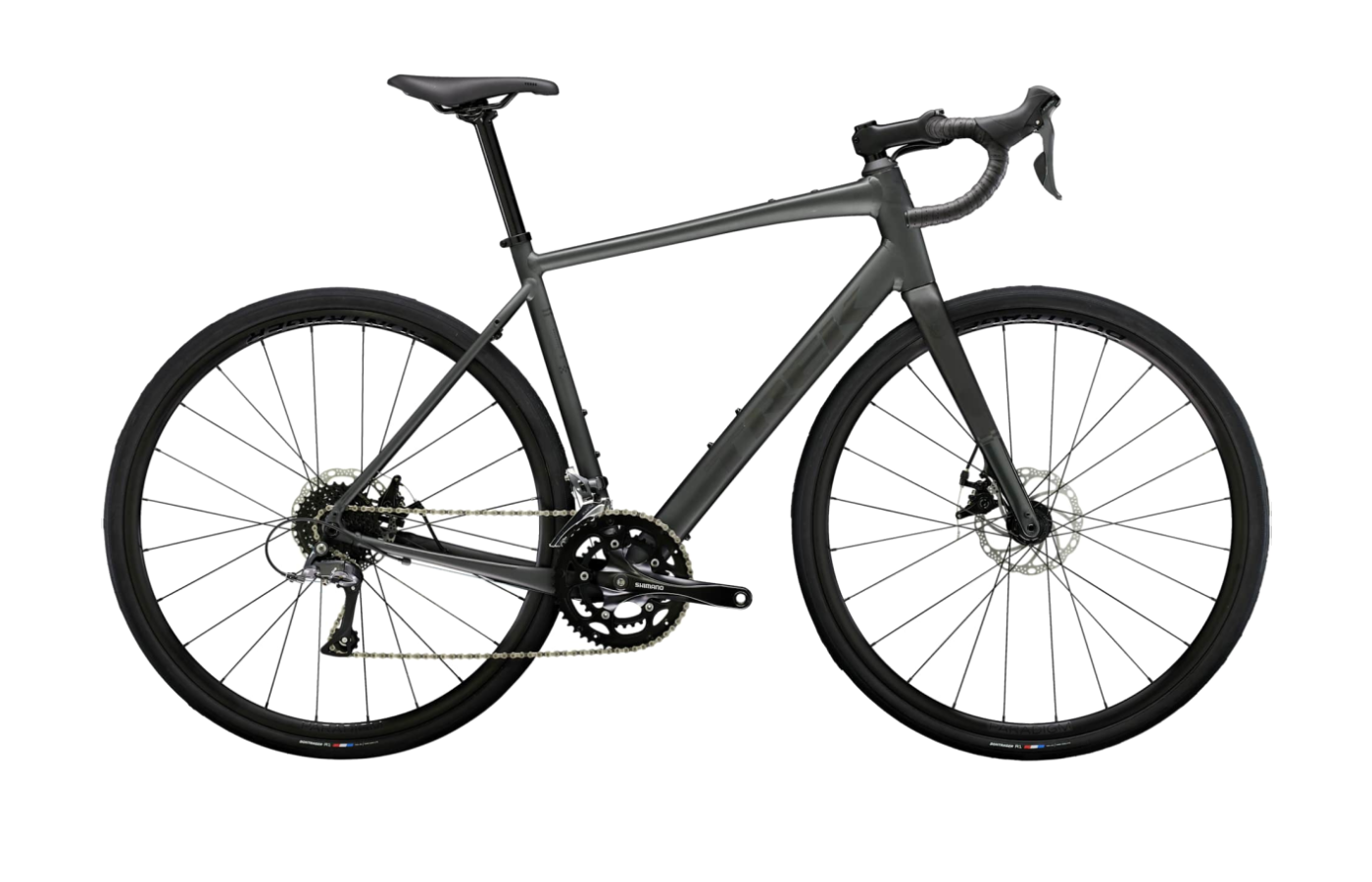
Domane
Trek's Domane is the natural Warroad rival on the road side — IsoSpeed decouplers at both ends versus Salsa's bowed seatstays. Slightly road-purer than the Warroad, with similar light-gravel capability via wider tire clearance.
Compare →