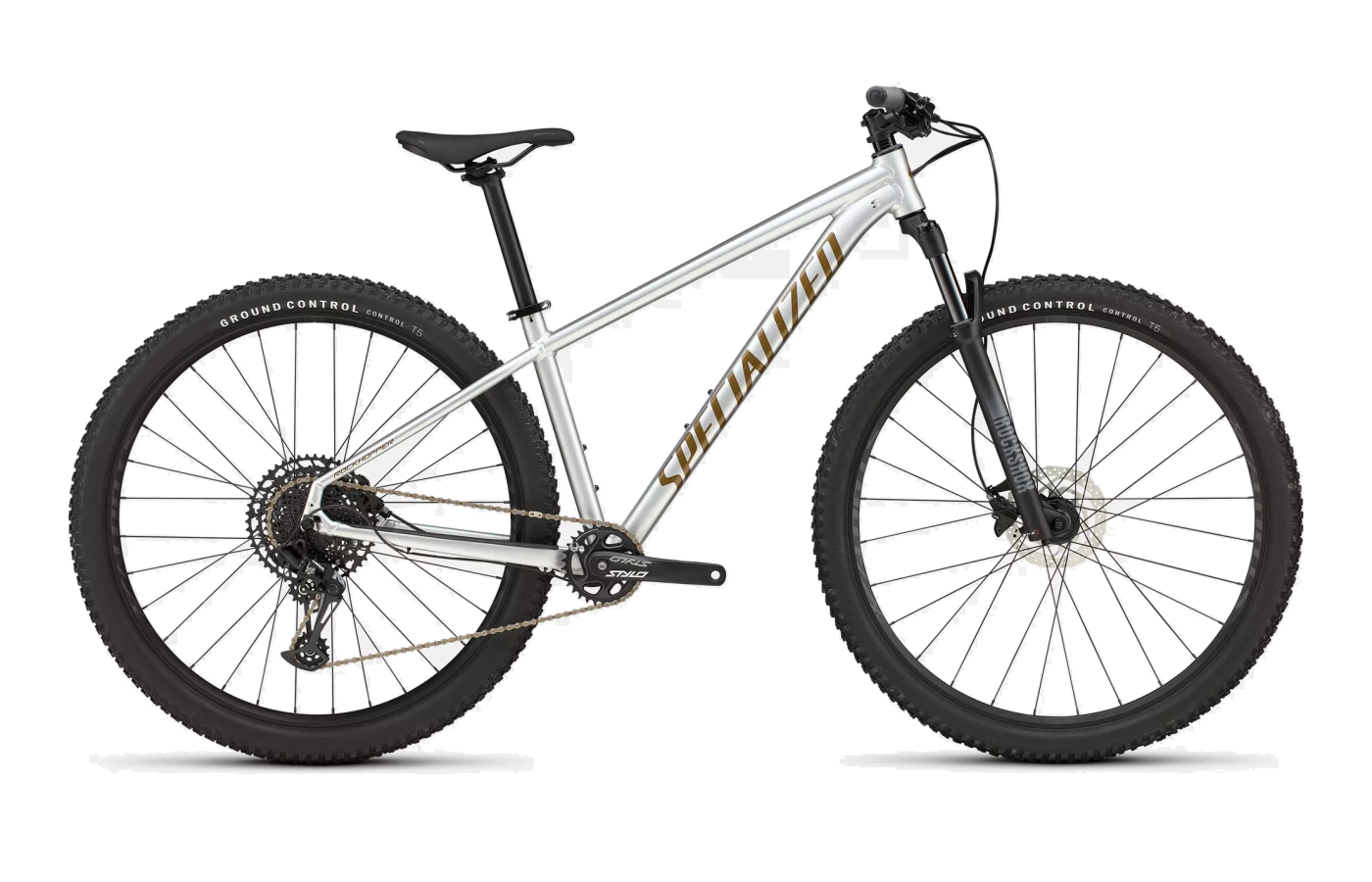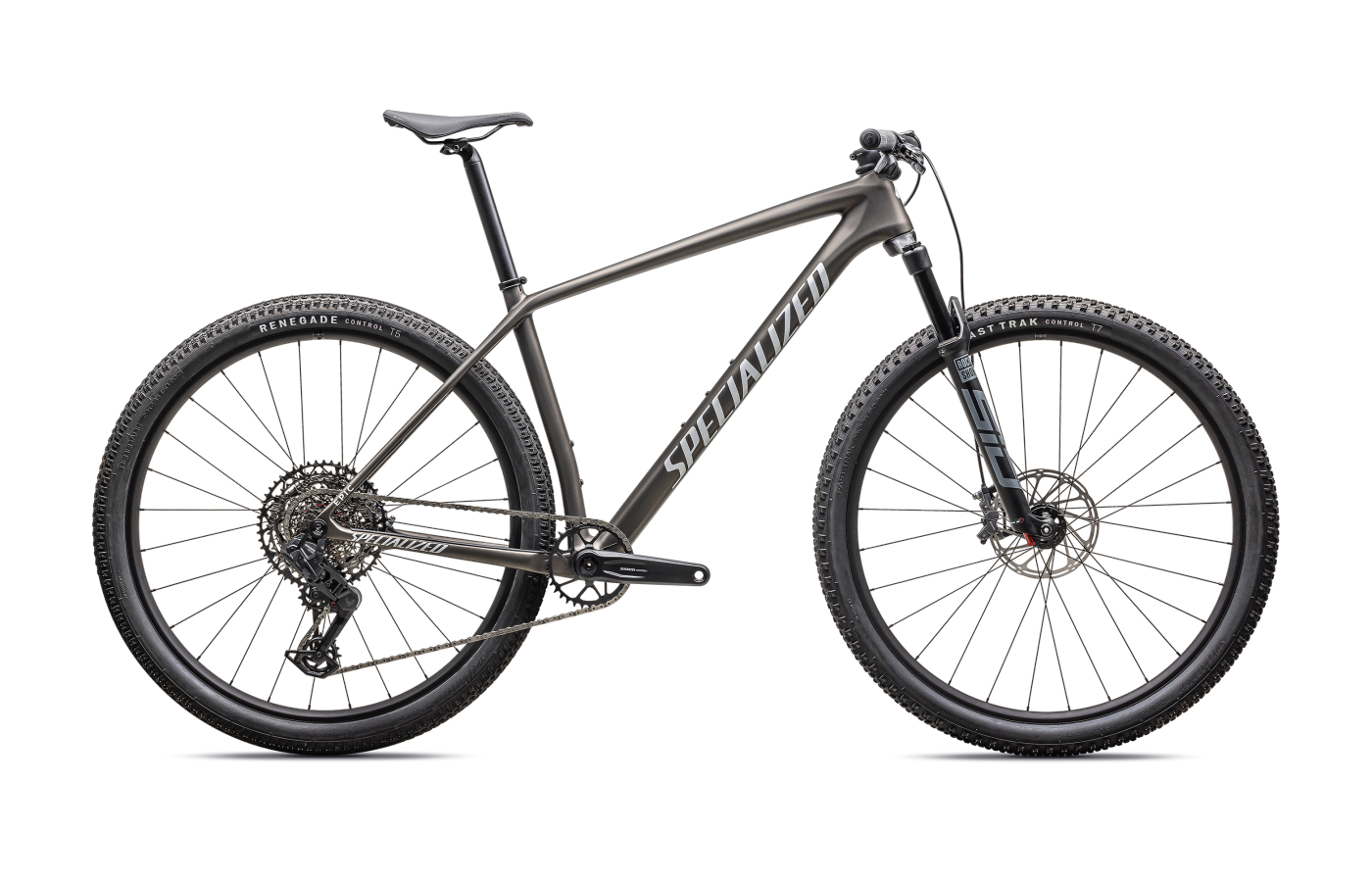
The 2020-on Specialized Epic Hardtail is a clear reset of the brand’s XC hardtail rather than a minor weight-chasing update. Specialized kept the bike in the pure race-hardtail category, but reworked it around the demands of modern cross-country courses: a slacker front end, longer reach, shorter stems, Boost 148 rear spacing, and a threaded 73mm BSA bottom bracket replacing the old PF30 setup. The frame family also brought full internal routing, Rider-First Engineered size-specific layups, and compatibility details that matter in real ownership, including a 30.9mm seatpost and, on many builds, the SWAT EMT cage-mount tool system.
What makes this generation distinctive is that it combines extremely low frame weight with a more forgiving and more stable ride than older race hardtails typically delivered. The top FACT 12m S-Works frame was claimed around 775g, while FACT 11m versions on lower-tier models remained under 1kg, but the bigger story is how Specialized used slimmed seatstays, a curved seat tube, and revised geometry to make the bike less nervous and less punishing without dulling its acceleration. In the market, it sits as a high-end, race-driven hardtail with unusually modern handling for its class: still built first for speed and climbing efficiency, but no longer limited to smooth, old-school XC courses.
Where to get it.
1 retailer.
Spec sheet.
Every component shipped with this build.
The lineup.
1 build, ranging $3,600.
Only limited build data is provided here, so a full range comparison is not possible. The listed build is the Epic Hardtail Comp SRAM S-1000 AXS RockShox SID SL at $3,599.99, which places it in the middle of the model family rather than at either extreme. Based on the frame information supplied, this build sits on the same modern Epic Hardtail chassis with Boost 148 spacing, threaded BSA bottom bracket, internal routing, and the updated race-oriented geometry introduced in 2020.
Even from that single build name, the spec emphasis is clear: wireless SRAM S-1000 AXS shifting paired with a RockShox SID SL fork suggests a build aimed at riders who want a lighter, racier package than entry-level Epic Hardtails without stepping all the way to S-Works pricing. Because no additional complete-bike specs, weights, or other build prices are included, it is not possible to make a more detailed comparison across the range without inventing information.
From the press.
9 reviews from the cycling press.
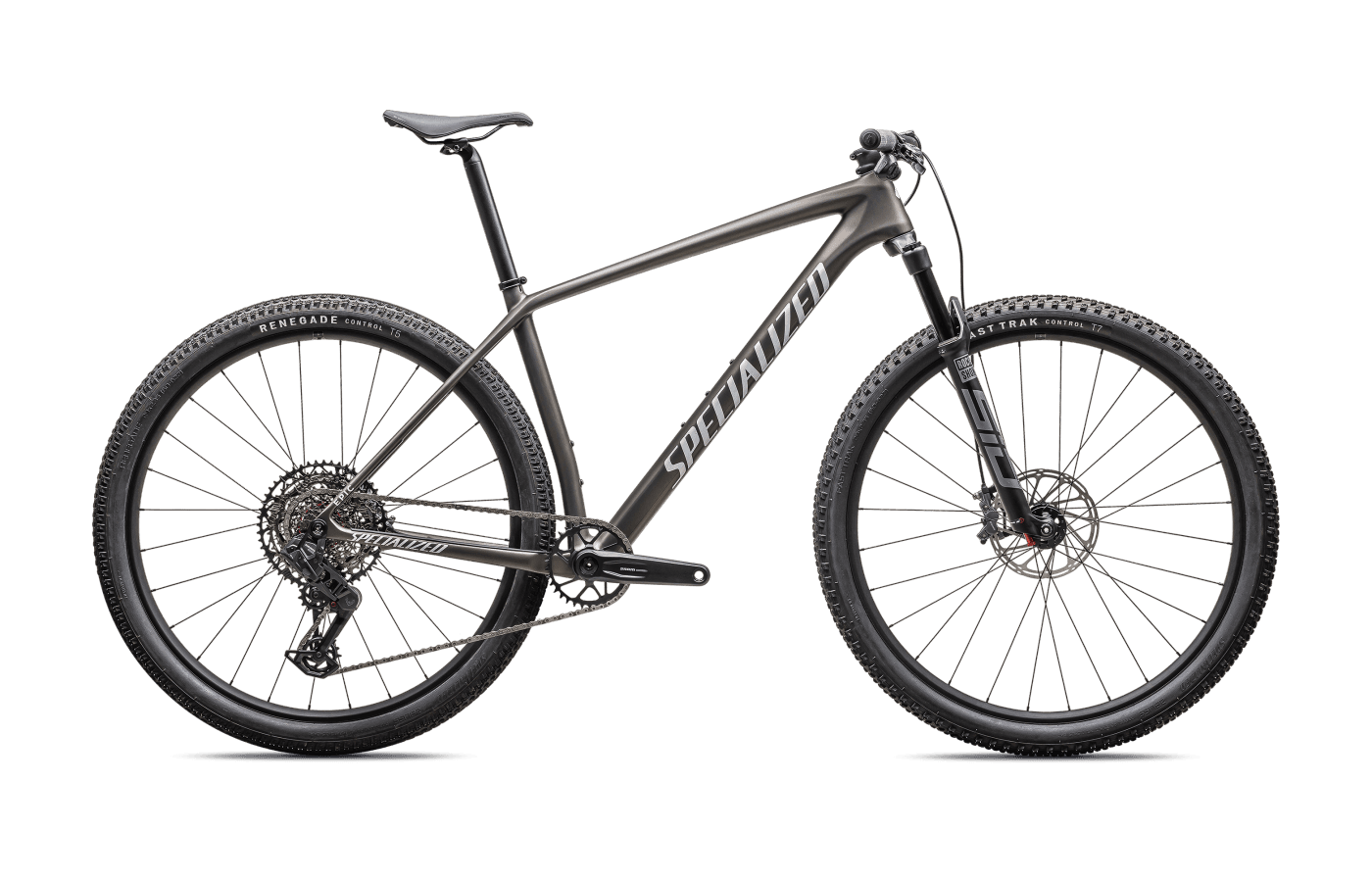
Reviewers were broadly aligned that this generation of Epic Hardtail is much more than an ultra-light climbing bike. Bike Rumor, Singletrackworld, MBR, and BikeRadar all pointed to the same shift: the bike is markedly more composed and less twitchy than previous XC hardtails, with the 68.5° head angle and shorter-offset fork giving it a planted feel on modern race descents. Several outlets described it as surprisingly capable for a World Cup-style hardtail, with Singletrackworld and BikeRadar also noting that the frame is noticeably more comfortable than expected given its very low weight. The thin seatstays, curved seat tube, and stock 2.3in tires were repeatedly credited for taking the edge off roots, rocks, and trail chatter.
The bike’s strengths were not presented as universal across the range, however. On higher-end builds, reviewers generally liked the RockShox SID Brain fork’s improved small-bump behavior versus older Brain systems, especially its ability to sit into the first part of travel before firming up. But Bike Rumor still found the platform engagement abrupt, and multiple reviewers noted that riders used to conventional forks may need time to adapt. On lower-end builds, BikeRadar was notably more critical, arguing that the geometry and frame are excellent but the parts kit falls short for the price, specifically calling out the RockShox Judy Gold fork as less refined and the SRAM SX/NX-level equipment as underwhelming relative to competing bikes.
That split led to a consistent editorial conclusion: the Epic Hardtail is a world-class chassis, but the ownership experience depends heavily on build level. Reviewers saw the S-Works as a no-compromise halo bike with exceptional speed and climbing response, while the cheaper models were often framed as upgrade platforms rather than complete packages that outperform rivals straight from the shop floor. A recurring practical note was that the frame is dropper-ready and benefits significantly from one; several testers argued that a dropper post is the easiest way to unlock the bike’s descending potential on steeper, more technical trails.

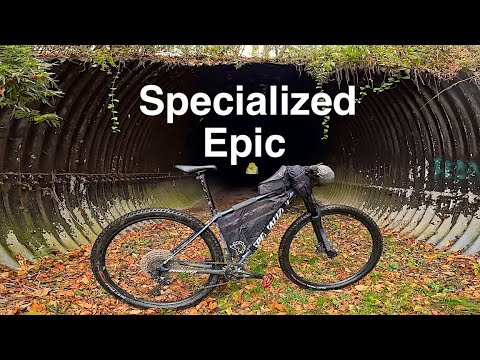
Getting Ready To Race | 2020 Specialized Epic Hardtail
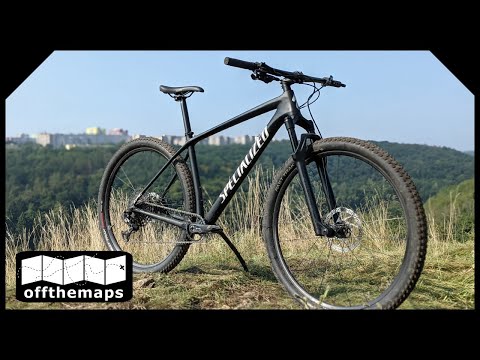
Specialized Epic Hardtail | Long Term Review | Versatile, Well ...
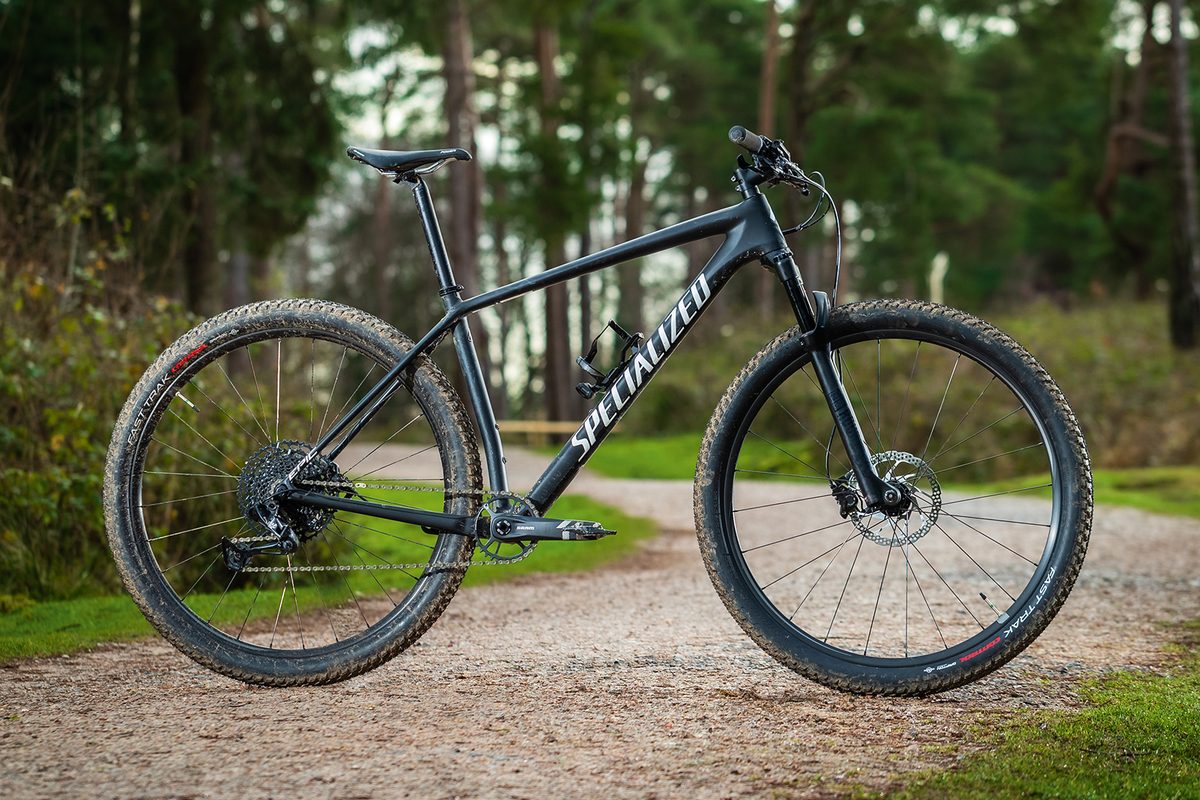
Specialized Epic Hardtail review
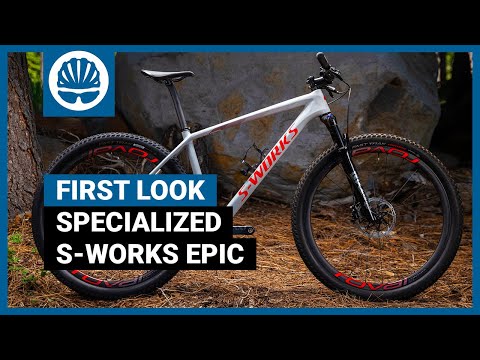
YouTube
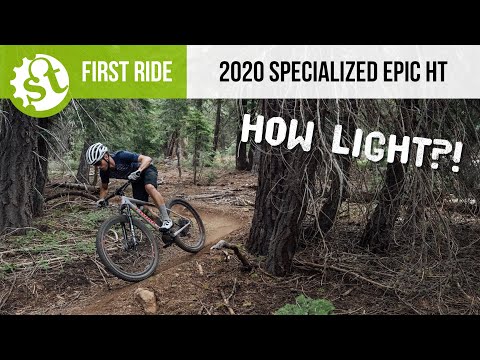
The 2020 Specialized Epic HT – The Lightest Hardtail In The ...
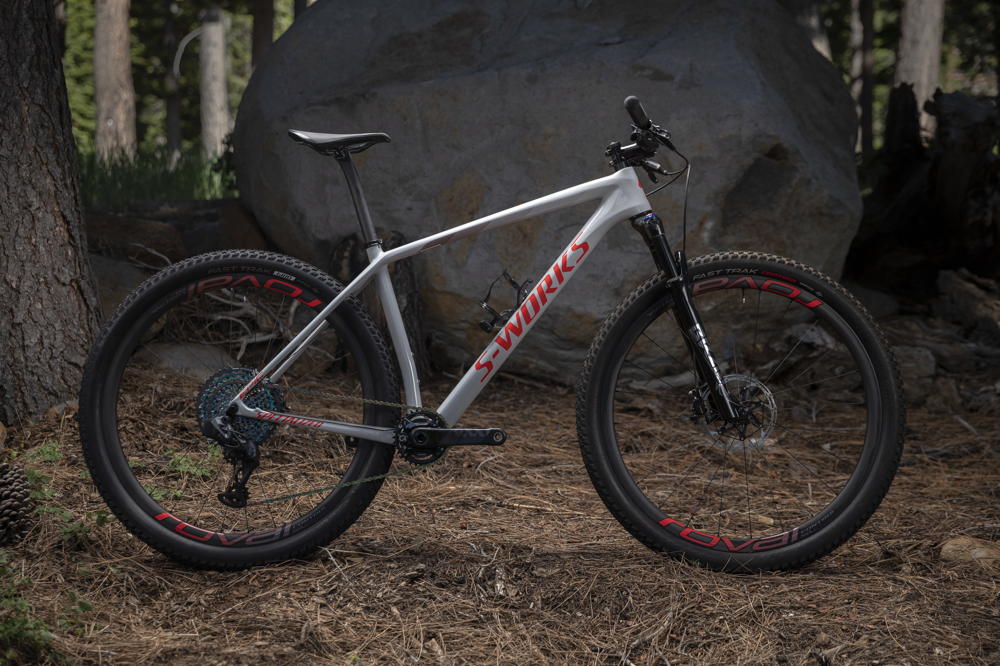
MBR
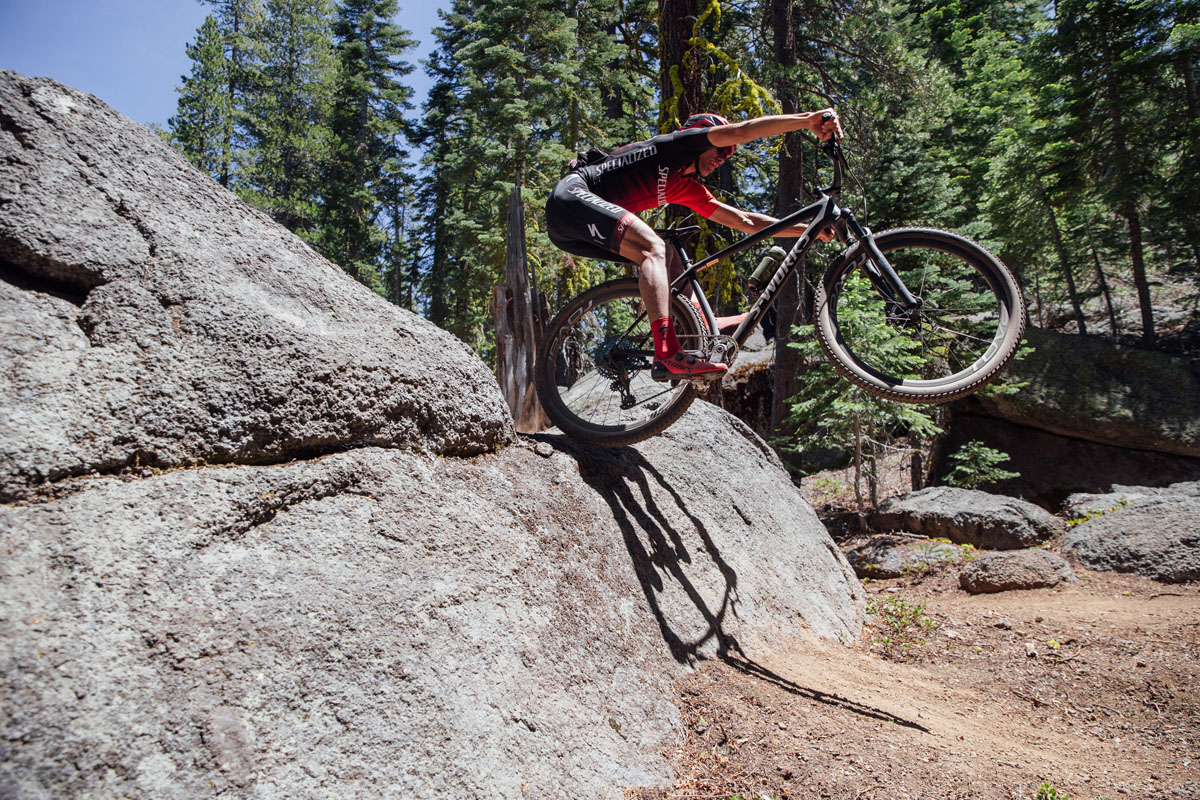
First Ride: The Specialized Epic HT is a rad race hardtail
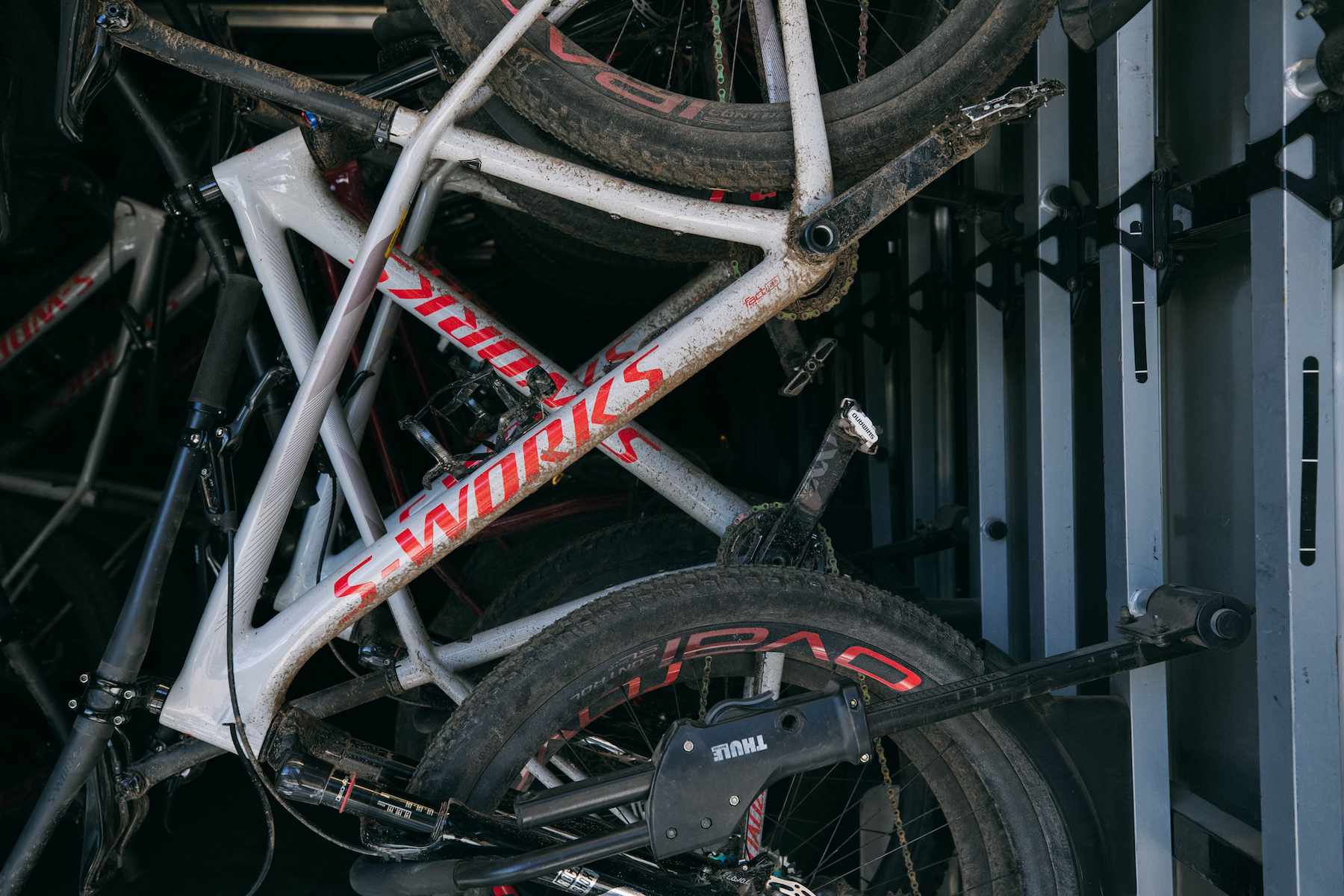
2020 Specialized Epic is THE lightest hardtail on the market
Compared to.
Most-viewed comparisons.