SuperSix EVO
vsAeroad
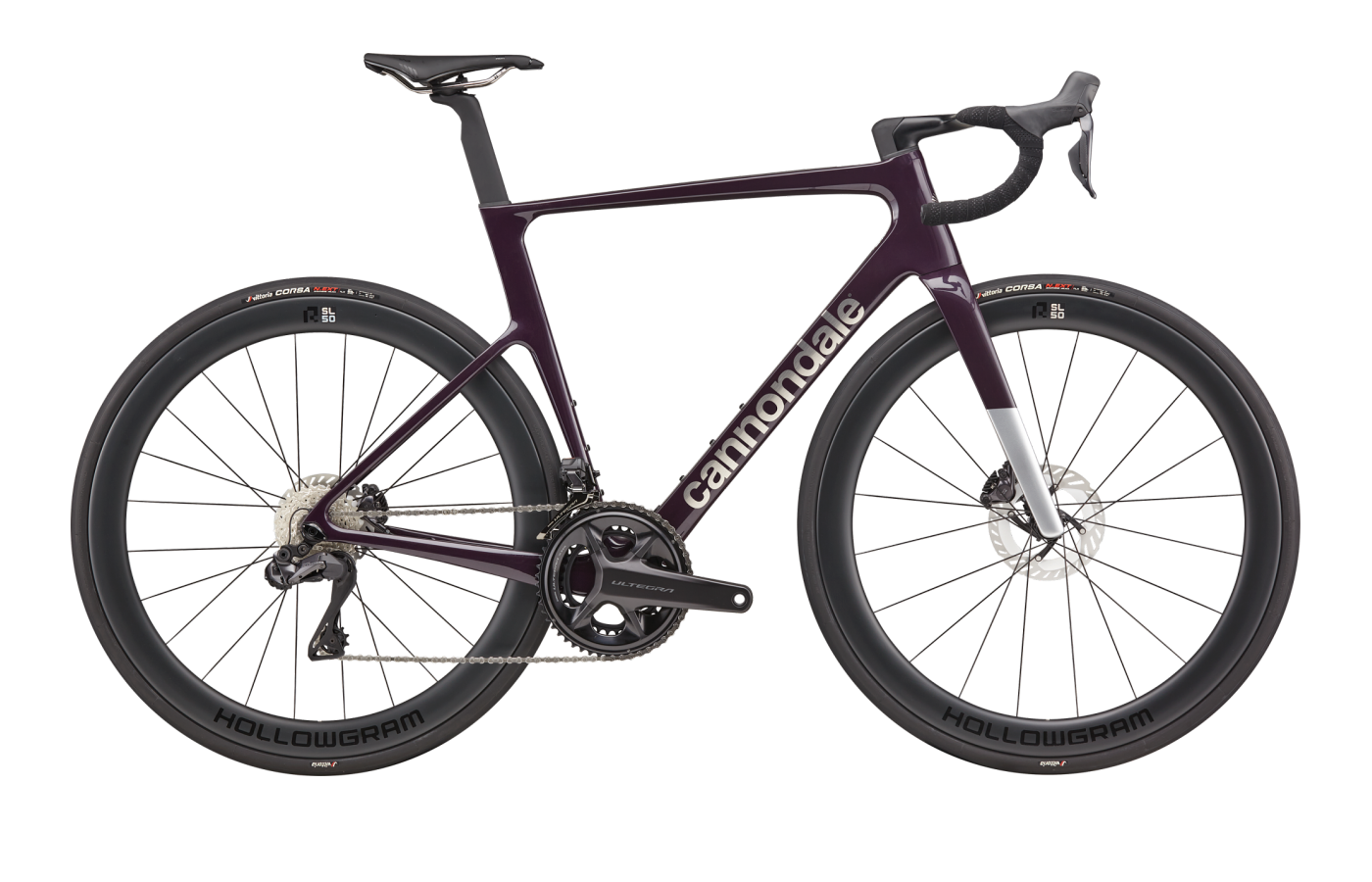
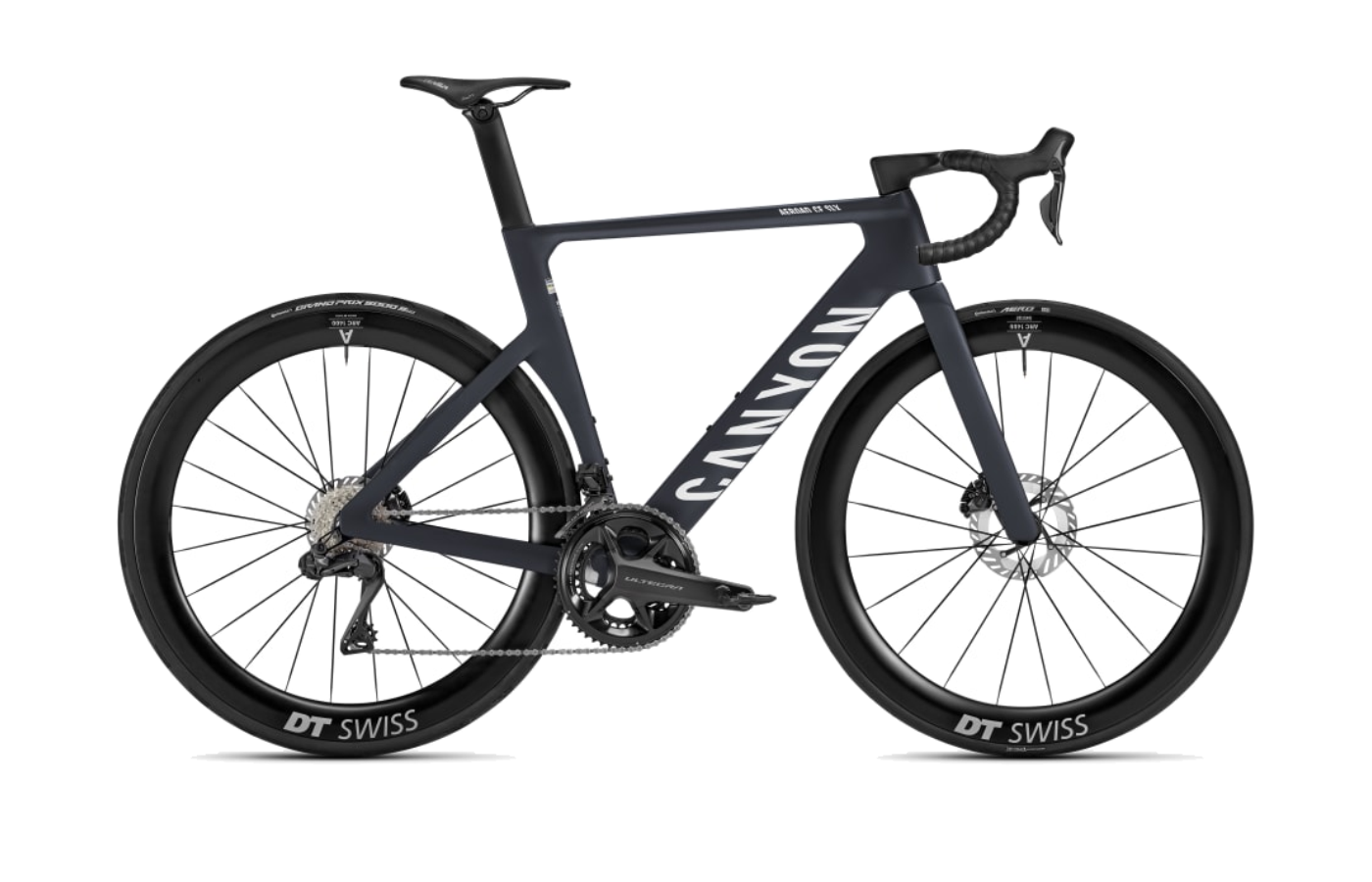
All-rounder versus pure aero — at very different prices.
The SuperSix EVO is the do-it-all race bike that climbs. The Aeroad is a single-purpose speed weapon that costs less.
SuperSix EVO
- Genuinely climbs — slacker geometry and lighter system weight at top builds; Cyclist measured the LAB71 at the 6.9 kg UCI limit.
- Mechanic-friendly Gen 4 redesign — threaded BSA BB, standard headset bearings, no proprietary tools required for routine work.
- Wider real-world tire fit — 32 mm officially, with reviewers fitting 34 mm without rub for a more comfortable everyday platform.
- Premium pricing — Hi-Mod 1 is roughly $3,000 more than the equivalent Aeroad CFR Di2.
- Bicycling and Velo noted a 'slightly harsher' ride than the Gen 3 due to the deeper seatpost; you'll want wider tires to fully soften it.
Aeroad
- Fastest above 30 km/h — Canyon claims a further 14 W saving with the optional aero drops; reviewers describe it as 'unstoppable' on flats.
- Pace Bar adjustability — 50 mm of width adjustment and swappable aero drops with no brake-hose bleed required.
- Direct-to-consumer pricing — a Dura-Ace Di2 CFR build for $9,999 undercuts comparable bike-shop flagships by roughly $3,000.
- Stiffer rear end and aggressive 539 mm stack make long days less forgiving than the Cannondale.
- No stem-length choice at order, no local dealer, no demos — buy it knowing your fit.
Editor’s analysis
This isn't really a head-to-head — it's a question of what kind of fast you want, and how much you're willing to pay for the badge.
Both bikes sit in the modern aero-race bracket, both clear 32 mm tires, and both win at the WorldTour level — Cannondale powers EF Education, Canyon powers Alpecin-Deceuninck and Mathieu van der Poel's classics campaign. But once you ride them back-to-back the philosophies split.
The Cannondale SuperSix EVO is the rare aero bike that still wants to climb. A 555 mm stack at size 54 sits 16 mm taller than the Aeroad's S, the head tube angle is a slacker 71.2 degrees, and the wheelbase runs 28 mm longer — the result is a bike Cyclingnews described as 'planted and stable' at 70 km/h that will still let you take a 38 mph corner in a crit. Generation 4 fixed everything mechanics complained about: threaded BSA bottom bracket, the maligned steering-stop pin gone, Di2 battery moved out of the seatpost, integrated cockpit that still uses standard headset bearings.
The Canyon Aeroad picks the lane and sharpens it. A 539 mm stack and 72.8-degree head tube angle put you in a flat-backed posture that makes 'slow riding almost impossible' (TOUR Magazin). The new Pace Bar lets you swap to narrow aero drops without re-bleeding the brakes — Canyon claims 14 watts at 45 km/h with the optional drop swap. Reviewers describe it as 'unstoppable' above 20 mph and 'wicked' in sprints, but firmer than the Cannondale on long days when speeds drop.
The other story here is price. Direct-to-consumer Canyon undercuts Cannondale by a wide margin at every tier — a Dura-Ace Di2 CFR Di2 build is $10,499, roughly $3,000 less than the equivalent SuperSix EVO Hi-Mod 1. You give up the local dealer, demos, and easy fit changes (no stem-length swaps at order). If you know your fit and want the most aero-bike per dollar, the Aeroad is hard to argue with. If you want one bike that climbs, descends, and survives a Sunday epic, the SuperSix EVO is still the benchmark.
Where the builds differ.
Comparing our editor's-pick builds side-by-side. Winners highlighted row-by-row — lower price and weight, and the better-spec component, each mark a point.
Build variants & pricing
Cannondale spans $3k–$15k across nine builds; Canyon spans $5.1k–$11k across eight. The Aeroad has no entry below $5k, but its top-end CFR builds undercut the equivalent SuperSix Hi-Mod by thousands.
Editor's picks are tier-matched at Shimano Ultegra Di2 — the Cannondale Hi-Mod 2 ($9,999) on the top Hi-MOD carbon vs. the Canyon CF SLX 8 Di2 ($6,199) on Canyon's lower CF SLX layup. Both are 12-speed electronic, but the carbon grade and price gap are real and intentional: Cannondale charges a premium for top-tier carbon at every drivetrain tier, Canyon doesn't sell its top CFR carbon below $10k.
How they fit, how they steer.
Compared at size 54 (Cannondale) and S (Canyon) — fit-picked for a 5'8" rider on each bike. The Aeroad sits 16 mm lower in stack with 6 mm more reach and a 1.6-degree steeper head tube angle. Wheelbase is 28 mm shorter on the Aeroad — sharper steering, less margin at speed.
Which size should I buy?
Size recommendations from the fit algorithm based on stack, reach, and effective top tube. The SuperSix runs in numeric sizes (44–61), the Aeroad in lettered (2XS–2XL); equivalent fits don't always overlap cleanly.
→These are starting points. Flexibility, riding style, and preferred position all shift the answer — if you’re between sizes, a professional fit beats a chart.
What the magazines said.
Published reviews from trusted cycling outlets. Click through for the full write-up.
Which one should you buy?
If you want one race bike that climbs, descends, and survives long days, get the SuperSix EVO. If you want the most aero-bike per dollar and you know your fit, get the Aeroad.
SuperSix EVO
If your weekends mix climbs, fast group rides, and the occasional bad-tarmac shortcut — and you want a bike that will still feel composed at 70 km/h on a descent — this is the benchmark. The Gen 4 redesign also makes it the friendliest of the modern superbikes to live with long-term.
Aeroad
If most of your riding is flat or rolling, you race or ride hard above 30 km/h, and you've already settled your fit — the Aeroad delivers more aero-bike per dollar than anything in the segment. Bring the flexibility for a 539 mm stack.
Questions buyers actually ask.
Short answers to the things we get emailed about most often.
01Which is faster on flat roads?
The Canyon Aeroad, by a measurable margin. Canyon's design brief was a pure aero machine — refined tube profiles, deeper fork, narrower head tube, and an integrated Pace Bar with optional aero drops that Canyon claims save another 14 watts at 45 km/h.
The Cannondale SuperSix EVO is also genuinely aero — Cannondale claims 12 watts saved versus the Gen 3 at 45 km/h — but its slacker, taller geometry and round-leaning tube shapes give up some of that on the flats. Above 30 km/h on a flat road, the Aeroad pulls away.
02Which climbs better?
The SuperSix EVO, especially as gradients get steeper. Cyclist measured a top-spec LAB71 build at the UCI 6.9 kg limit; the equivalent CFR Aeroad sits closer to 7.0–7.2 kg complete. More importantly, the slacker head tube angle and longer wheelbase give a more upright, sustainable climbing posture.
The Aeroad is no slouch — Bicycling found it 'felt rapid' on 5% grades and even retained aerodynamic benefit on grades above 8% — but on long Alpine passes Granfondo noted it 'requires more input from the rider.' If you live in the mountains, the SuperSix is the better tool.
03What's the maximum tire clearance?
Both are officially 32 mm. In practice, multiple Cannondale reviewers (BikeRadar, Cyclingnews, Velo) report fitting 34 mm tires on the SuperSix EVO without rub — Cannondale leaves more visual room at the chainstays.
The Aeroad's 32 mm is closer to a hard limit. Stock builds also ship with a narrow 25 mm front / 28 mm rear setup that several reviewers (BikeRadar, Bicycling, Cyclingnews) called 'noticeably narrow' and harsh — most riders swap to a matched 28 mm pair immediately.
04How does the price difference shake out?
At equivalent drivetrain tiers, the Canyon undercuts the Cannondale significantly. Editor's picks here: Cannondale SuperSix EVO Hi-Mod 2 (Ultegra Di2) at $9,999 vs. Canyon Aeroad CF SLX 8 Di2 at $6,199 — a ~$3,800 gap.
At the flagship tier the gap holds: a Dura-Ace Di2 CFR Aeroad is $9,999, while a comparable Hi-Mod 1 Cannondale is $13,500. The trade-off is no local dealer, no demos, and no stem-length choice when ordering Canyon. Worth it if your fit is dialed.
05Do both come with power meters?
Canyon: yes, on most builds — the CFR Di2, CFR AXS, CFR Tensor, CF SLX 9 Di2, and CF SLX 8 AXS Speed all ship with crank-based power meters as standard.
Cannondale: it varies. The LAB71 builds, Hi-Mod 1, and the SRAM Force AXS '1' build include power meters. The Hi-Mod 2 (Ultegra Di2) does not — you'll add it aftermarket. Cyclist flagged this as a gripe: 'Top models still require purchase of a power meter' on some retail specs.
06How adjustable are the integrated cockpits?
The Aeroad's Pace Bar is the most adjustable in the segment — 50 mm of width range and 20 mm of height adjustment without bleeding brake hoses. You can also buy narrower 'aero drops' (down to 35 cm at the hoods) and swap them in without disconnecting hydraulics. This is genuinely class-leading.
The Cannondale SystemBar R-One uses a low-drag triangular Delta steerer and ships in fixed widths per size. Width or stem-length changes mean a new unit. The Delta steerer is at least compatible with standard round stems via wedges — a meaningful concession to mechanics.
07Which is easier to live with long-term?
Both Gen 4 redesigns took aim at maintenance pain points, and both did good work.
Cannondale moved to a threaded BSA bottom bracket (away from the press-fit BB30), removed the steering-stop pin that was rumored to crack downtubes in transit crashes, and relocated the Di2 battery from the seatpost to the downtube. The Delta steerer uses standard headset bearings.
Canyon standardized every regularly-used bolt to a single T25 Torx — and hid a T25 bit inside the thru-axle lever. They also added hermetically sealed headset bearings, a titanium crown race, and rubber bumpers under the fork dropouts to prevent wheel-change scratches. Canyon kept a press-fit BB, which is the one mechanic point against it.
08Do they both run mechanical or only electronic shifting?
The Cannondale SuperSix EVO frame is mechanical-shift compatible — Cannondale specifically retained the routing for cable-pull derailleurs, and Velo praised the design for it. None of the current production builds ship mechanical, but you could build one.
The Canyon Aeroad is electronic-only across the current lineup. The cockpit and frame routing are designed around wireless/electronic groupsets.
Similar bikes
If your priorities don’t map cleanly onto either of these, one of these adjacent bikes probably fits better.
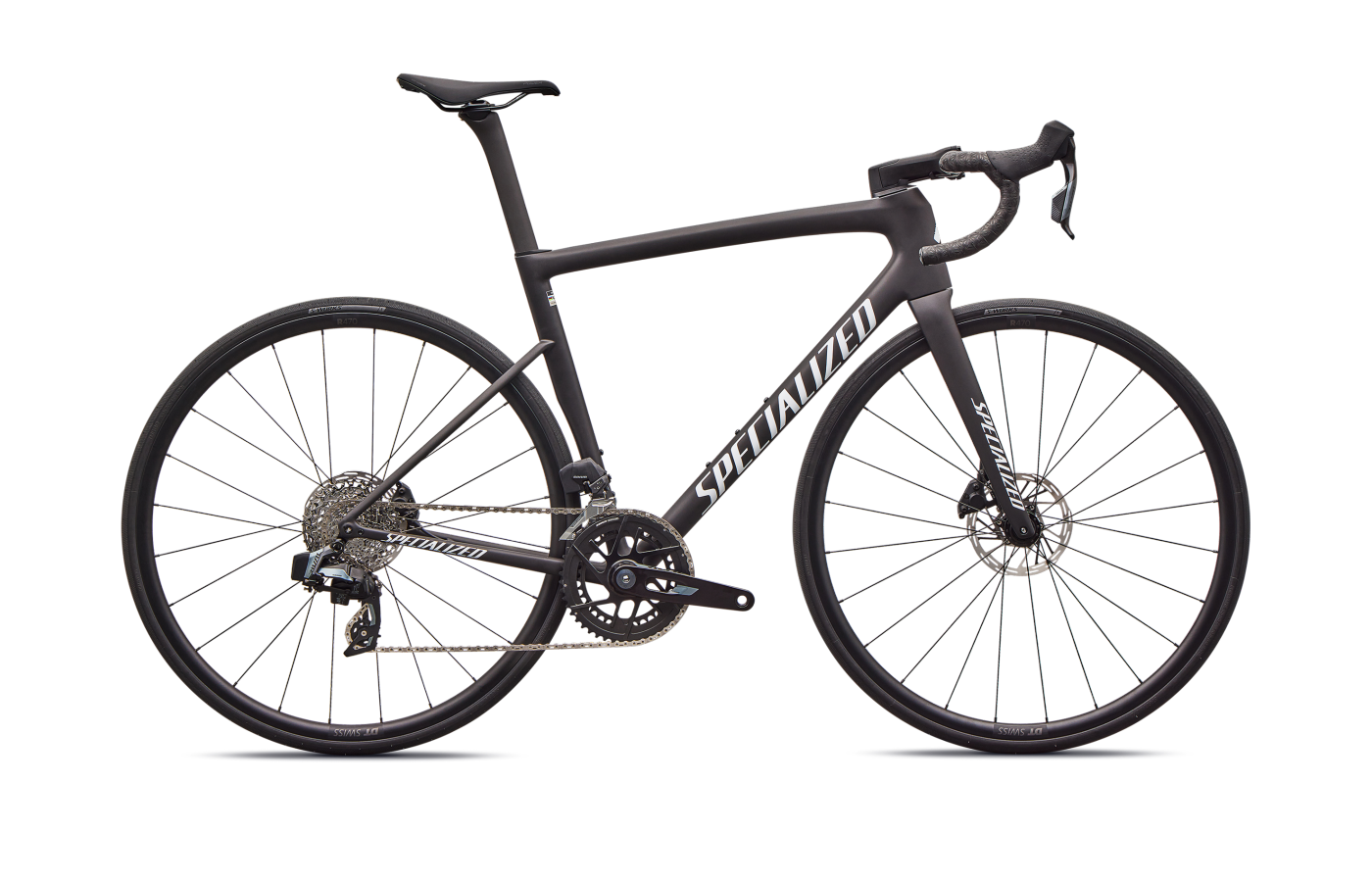
Tarmac
The other do-it-all race benchmark — Specialized merged its lightweight Tarmac and aero Venge lines into a single platform. Slightly more aggressive fit than the SuperSix, similar all-rounder DNA.
Compare →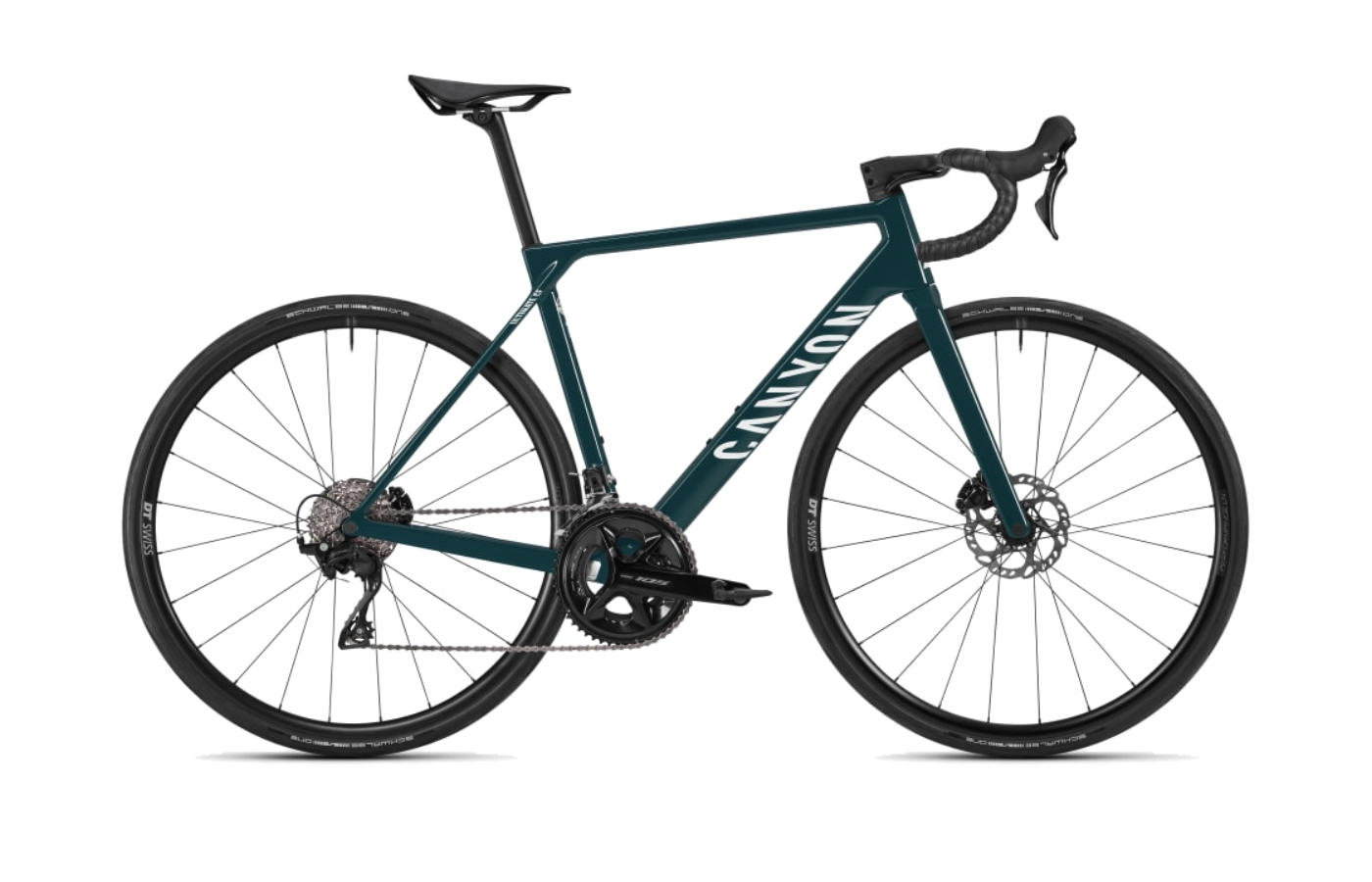
Ultimate
Same Canyon race geometry as the Aeroad, lighter and more compliant. The pick if you love Canyon's value but spend more time climbing than time-trialing — road.cc measured the Ultimate CFR at 6.75 kg vs. 7.07 kg for the Aeroad CFR.
Compare →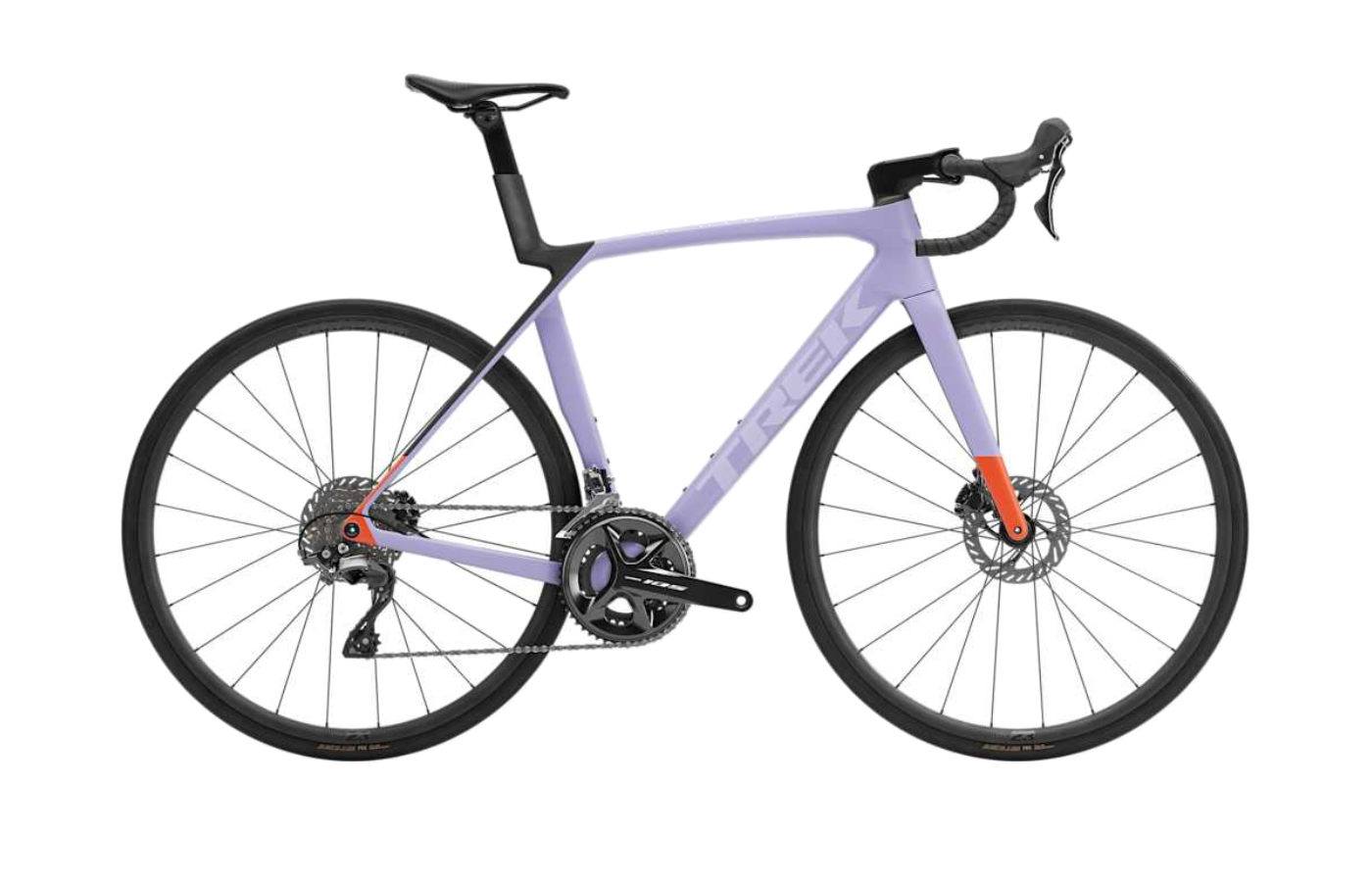
Madone
Trek's aero-race flagship with the IsoFlow decoupler — claims Aeroad-rivalling drag numbers but adds a compliance cutout that softens long days. The pick if you want pure aero with less ride punishment.
Compare →