SuperSix EVO
vsSoloist
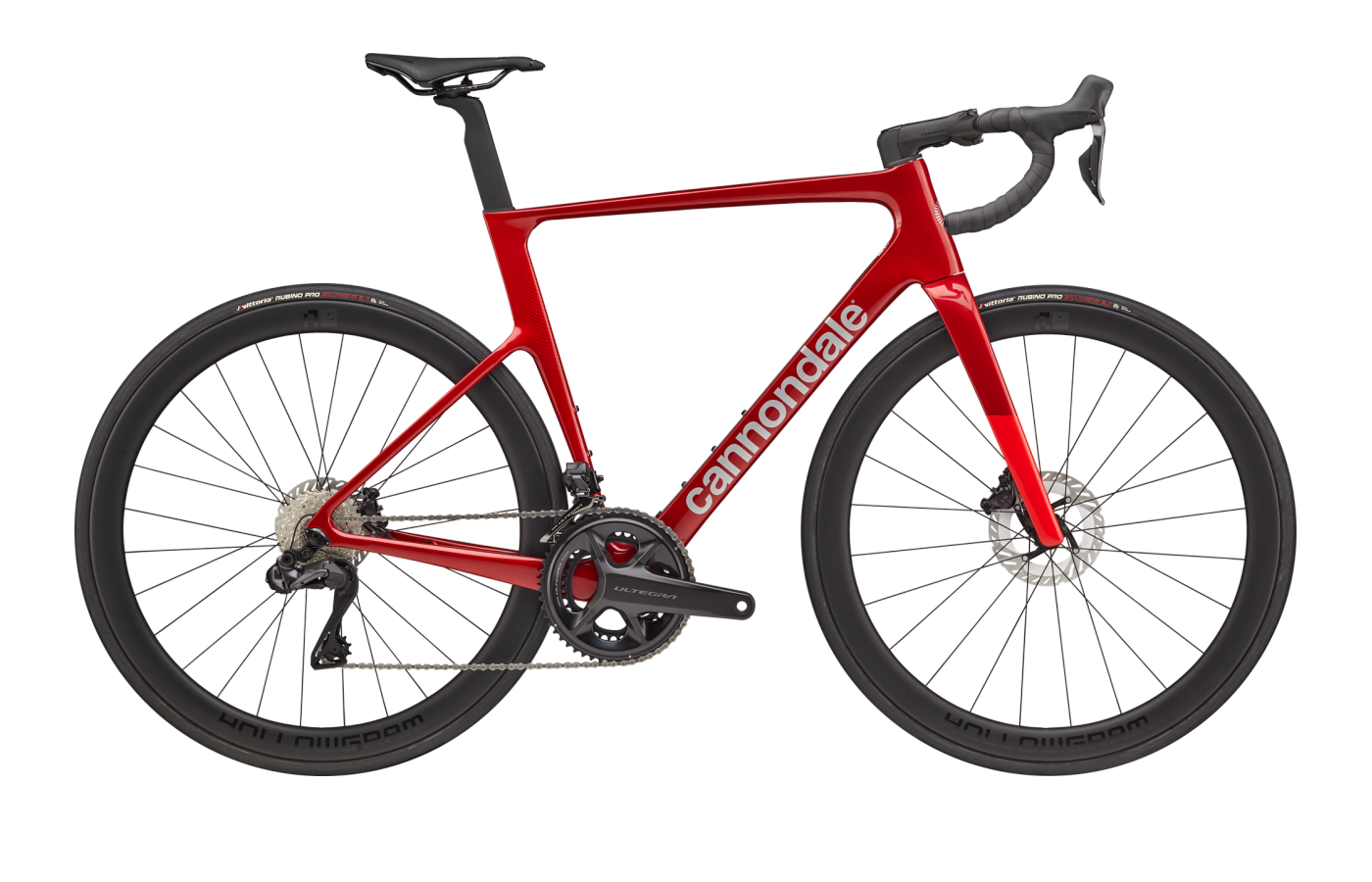
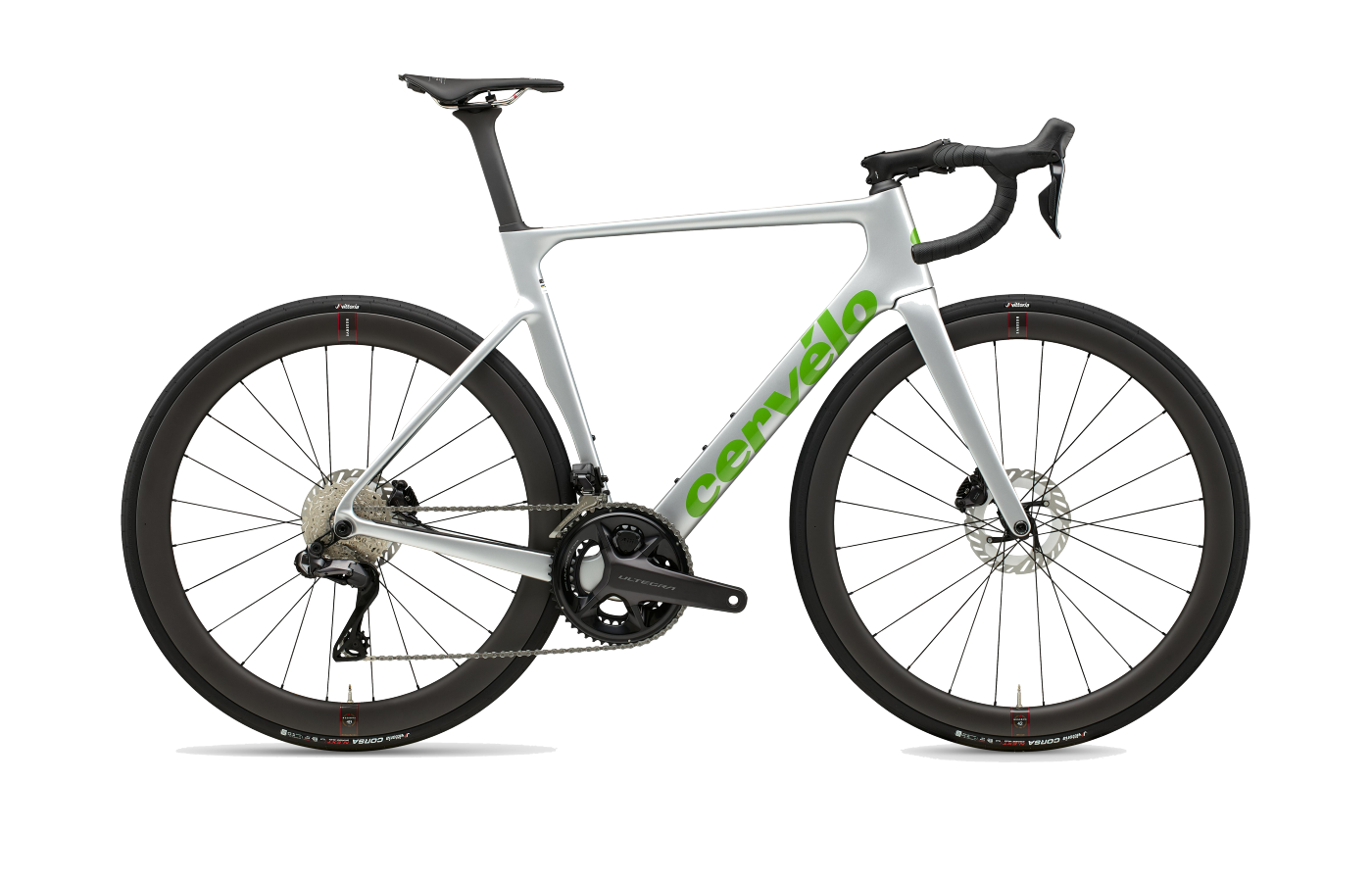
All-rounder vs. amateur's aero.
The SuperSix EVO is the WorldTour all-rounder that climbs and cuts wind. The Soloist splits the R5 and S5 down the middle and asks half the price of either.
SuperSix EVO
- Composed at speed — 1010 mm wheelbase and 58 mm trail track straight on descents and in crosswinds.
- Livable race stack at 555 mm in size 54 — a more upright fit without sacrificing race geometry.
- Full price ladder from $2,999 to $14,999 — including a real flagship if you want one.
- Front end stiffened up vs. Gen 3 — reviewers note the deeper aero seatpost rides harsher than the previous generation.
- Two carbon grades and a sprawling 9-build menu makes spec-shopping noisier than necessary.
Soloist
- Same frame at every price — even the $3,900 Soloist gets the WorldTour-grade frameset and lifetime warranty.
- Sharper turn-in from a 73-degree head tube and 977 mm wheelbase — wakes up under hard pedaling.
- Mechanic-friendly integration — under-stem hose routing means you can swap a stem without bleeding brakes.
- Stiff front end can punish chip-seal — multiple reviewers flagged hand and arm sting on rough roads.
- T47 bottom bracket has drawn creaking complaints from several long-term testers.
Editor’s analysis
Two race bikes built around the same idea — one bike for everything — that arrive there from opposite directions.
Cannondale and Cervelo both decided the days of buying a separate climbing bike and a separate aero bike are over. The Cannondale SuperSix EVO Gen 4 is the climbing-bike-turned-aero-lite — same trail, same chainstays, same all-day stack as before, but with deep-section tubes and an integrated cockpit that put it inside earshot of pure aero sleds in the wind tunnel. The Cervelo Soloist takes the inverse path: it's an aero bike softened toward the R5's geometry and the R5's weight, sold for thousands less than the S5 it borrows from.
On geometry the two diverge sharply. At size 54, the SuperSix sits 15 mm taller in the stack (555 vs 540), pairs a slacker 71.2-degree head tube with a 55 mm fork offset to preserve 58 mm of trail, and stretches the wheelbase to 1010 mm. The Soloist runs a steeper 73-degree head tube, 57.3 mm trail, and a 977 mm wheelbase — 33 mm shorter. Translation: the Cannondale tracks like it's on rails at speed and gives you a more livable stack out of the box; the Cervelo turns in faster and demands a more aggressive position.
Pricing is where the comparison gets lopsided in a way that's easy to miss. The Soloist tops out at $7,600 — the SuperSix lineup runs from $2,999 all the way to a $14,999 LAB71 Team. Cannondale uses two distinct carbon grades (standard Carbon and Hi-MOD) to ladder up to that ceiling; Cervelo uses one frame across every Soloist build, so even the entry-level $3,900 model ships with the same WorldTour-grade frameset as the $7,600 Force AXS. If you're going to spend $13k on a bike, the SuperSix is the only one of these two that goes there. If you want a flagship-grade frame for under $5k, the Soloist is the one that exists.
What's not different is build practicality. Both bikes ditched press-fit bottom brackets — Cannondale to BSA, Cervelo to T47 — and both clear up to roughly 32-34 mm tires. Both are friendlier to live with than the WorldTour bikes they're cribbing from. Pick the SuperSix if you want one bike that climbs, descends, and aero-cruises with WorldTour DNA. Pick the Soloist if you want most of that, $1,000-plus less, and a stiff race feel that wakes up under a sprint.
Where the builds differ.
Comparing our editor's-pick builds side-by-side. Winners highlighted row-by-row — lower price and weight, and the better-spec component, each mark a point.
Build variants & pricing
The SuperSix runs $2,999 to $14,999 across two carbon grades. The Soloist tops out at $7,600 and uses one frame across the line.
Editor's picks are tier-matched on Shimano Ultegra Di2. The SuperSix "2" uses the standard Carbon frame (the Hi-MOD layup is reserved for builds $9,999 and up); the Soloist's frame is identical across every build. Prices are current US MSRP.
How they fit, how they steer.
Both at size 54 — the fit-picked size for a 5'8" rider on each. The SuperSix sits 15 mm taller in the stack with near-identical reach (384 vs 383), a 1.8-degree slacker head tube, and a 33 mm longer wheelbase. Two different fits, same nominal size.
Which size should I buy?
Size recommendations come from stack, reach, and effective top tube. The SuperSix offers an extra small size (44) at the bottom of the range; both lineups overlap closely from 51 up.
→These are starting points. Flexibility, riding style, and preferred position all shift the answer — if you’re between sizes, a professional fit beats a chart.
What the magazines said.
Published reviews from trusted cycling outlets. Click through for the full write-up.
Which one should you buy?
If you want one WorldTour-pedigree bike that climbs, descends, and ages well — get the SuperSix. If you want flagship frame quality for under $5,000 and a sharper, racier feel — get the Soloist.
SuperSix EVO
If your weeks mix steep climbs, fast group rides, and the occasional race — and you want a bike whose handling stays composed past 70 km/h — the SuperSix is the more rounded answer. The taller stack also makes it easier to live with day after day.
Soloist
If you want a frame that punches above its price tag and a riding position that pulls you into the drops by default, the Soloist delivers. It's at its best on smooth pavement where the stiff front end translates into communication rather than chatter.
Questions buyers actually ask.
Short answers to the things we get emailed about most often.
01Which is faster on flat roads?
Both are quick, but neither is a pure aero specialist. Cervelo positions the Soloist as roughly 190 g of equivalent drag slower than the S5 at 45 km/h and 126 g faster than the R5 — meaningful, but not category-leading. Cannondale claims the Gen 4 SuperSix shaves 12 watts off the previous generation at 45 km/h.
In practice, the difference between these two on flat roads is small and probably overshadowed by wheel choice. If you ride flats almost exclusively and want every available watt, neither is the right tool — look at the S5, the Aeroad, or the Madone.
02Which climbs better?
The SuperSix EVO, comfortably. A top-spec Dura-Ace LAB71 build hits the UCI 6.8 kg limit in a 56 cm; a similarly-built Soloist runs around 7.5 kg. That's roughly 700 g — about 1% of a 70 kg rider's system weight, which translates to ~10 seconds on a 30-minute climb.
The Soloist's heavier weight isn't catastrophic — Cyclist's tester praised its climbing in the Austrian Alps — but reviewers consistently note the bike's relative weight becomes noticeable on sustained, steep gradients.
03What's the maximum tire clearance?
SuperSix EVO Gen 4: officially 30 mm, though reviewers consistently fit 32 mm and report up to 34 mm physically clearing on wide rims.
Cervelo Soloist: officially 34 mm, with 28-29 mm Vittoria Corsa N.EXT tires stock that often plump to 30-31 mm on the wide Reserve rims.
Neither is a gravel bike, but both have enough clearance to run a true 30 mm tire comfortably on chip-seal and broken pavement.
04Are these mechanic-friendly to live with?
Both are notably more serviceable than the WorldTour bikes they borrow from. Cannondale moved the SuperSix to a threaded BSA bottom bracket and a Delta steerer that uses standard headset bearings and accepts conventional round stems via wedges. The Di2 battery sits in the downtube rather than the seatpost.
Cervelo uses a T47 threaded bottom bracket and runs hoses under the stem and into the bearing cap — meaning you can swap a stem or pack a bike box without re-bleeding brakes. The catch: multiple long-term testers have reported creaking from the Soloist's T47 BB and headset that's been hard to resolve.
Both frames also retain compatibility with mechanical drivetrains, which is unusual at this end of the market.
05Which has the more aggressive fit?
The Soloist, by a meaningful margin. At size 54 it's 15 mm lower in stack (540 mm vs 555 mm) with essentially the same reach, so the rider sits 15 mm closer to the front wheel and lower over the bars. The 73-degree head tube angle vs the SuperSix's 71.2 degrees also produces quicker, more reactive steering.
If you have a long torso, good flexibility, and like a slammed position, the Soloist's geometry rewards it. If you want a race position you can hold for six hours without back pain, the SuperSix's taller stack is the easier fit.
06Does the Soloist's single carbon grade matter?
It's the Soloist's biggest value lever. Cervelo uses the same high-modulus carbon frame across every Soloist build, from the $3,900 Shimano 105 model to the $7,600 Force AXS 1. Cannondale, by contrast, splits the SuperSix between standard Carbon (builds at $2,999-$9,499) and Hi-MOD Carbon (builds at $9,999 and up), with the LAB71 Ultralight Series 0 layup reserved for the $13,499+ flagships.
The practical implication: a $4,000 Soloist gets you the same frame the pros race. A $4,000 SuperSix gets you the standard Carbon frame, which is still good but isn't the LAB71 layup.
07How wide is the build range on each?
SuperSix EVO: 9 builds spanning $2,999 to $14,999 — including 105 mechanical at the entry level, 105 Di2 in the middle, Ultegra Di2 in two carbon grades, Dura-Ace Di2, and SRAM Red AXS at the top.
Cervelo Soloist: 6 builds spanning $3,900 to $7,600 — Shimano 105 (mechanical and Di2-adjacent), Ultegra Di2, SRAM Rival AXS, and SRAM Force AXS. No Dura-Ace or Red builds at all.
If you want a pro-level groupset on either platform, the SuperSix is the only choice.
08What about resale and warranty?
Both frames come with a lifetime warranty to the original owner against manufacturing defects. The Soloist's warranty applies equally to the entry-level frame and the top builds — same frame, same coverage.
Resale is harder to pin down. The SuperSix benefits from broader brand recognition in the used market and a longer pro-racing pedigree, which tends to support stronger resale on the high-end builds. The Soloist is a newer nameplate — strong demand among value-conscious racers, but a smaller used-market footprint to lean on.
Similar bikes
If your priorities don’t map cleanly onto either of these, one of these adjacent bikes probably fits better.
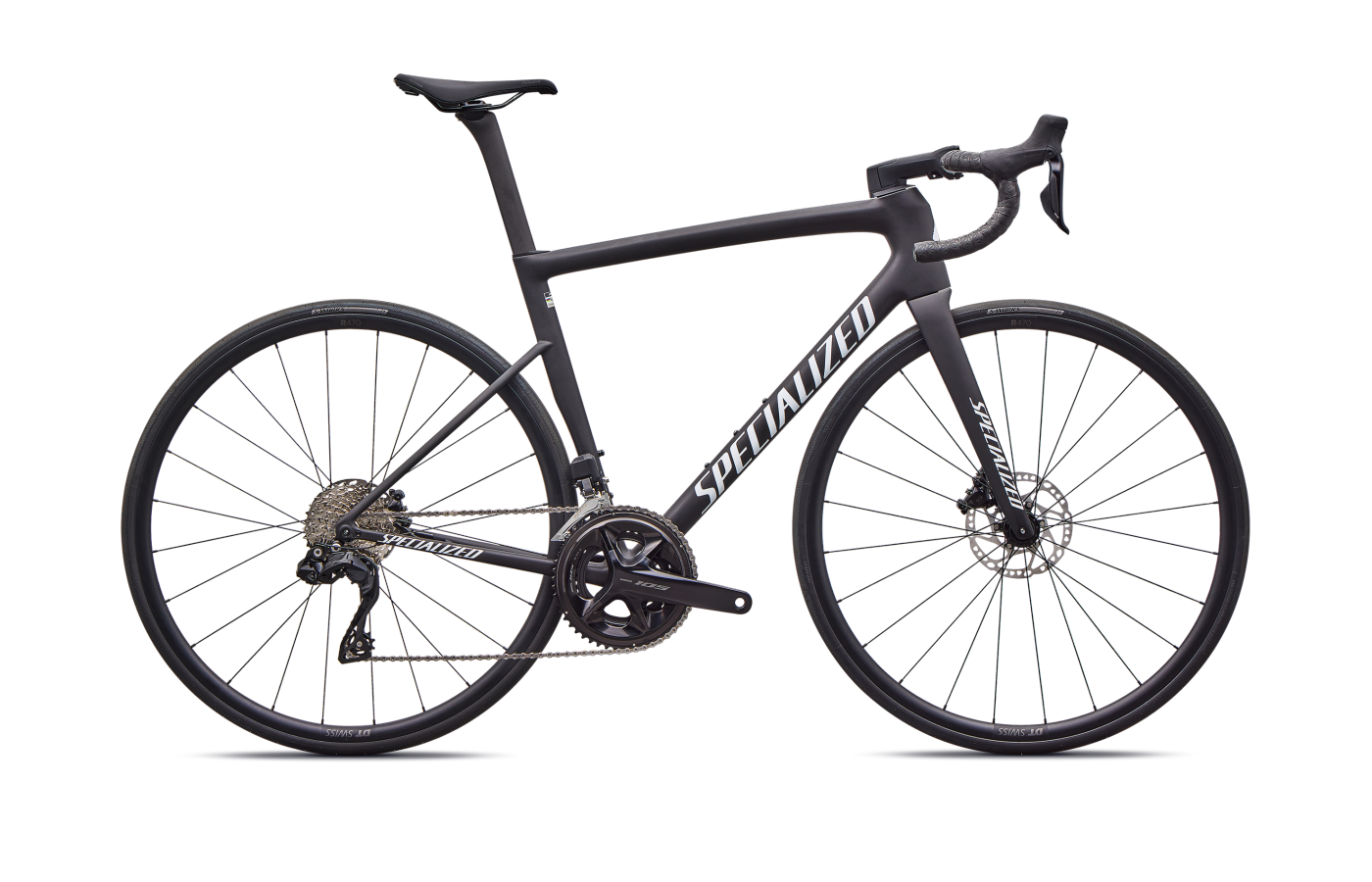
Tarmac
The Tarmac SL8 plays the same all-rounder card as the SuperSix — class-leading frame weight, aero gains, and a build menu that runs from 105 to S-Works. The closer cross-shop for anyone seriously considering the Cannondale.
Compare →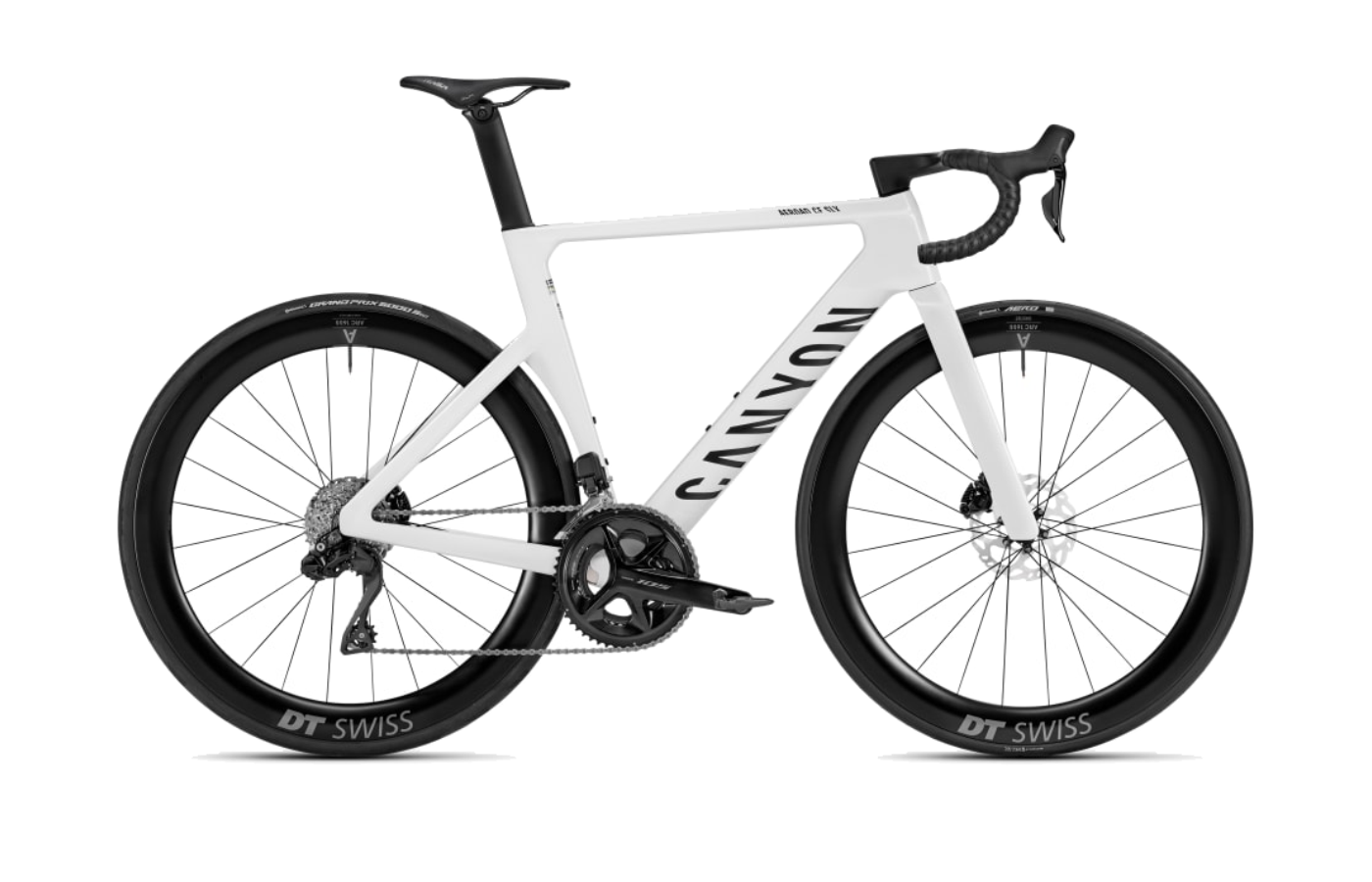
Aeroad
If the Soloist's aero gains feel too modest, the Aeroad pushes harder on pure aero with a more aggressive front end — and at direct-to-consumer pricing that undercuts both bikes here on per-watt-saved cost.
Compare →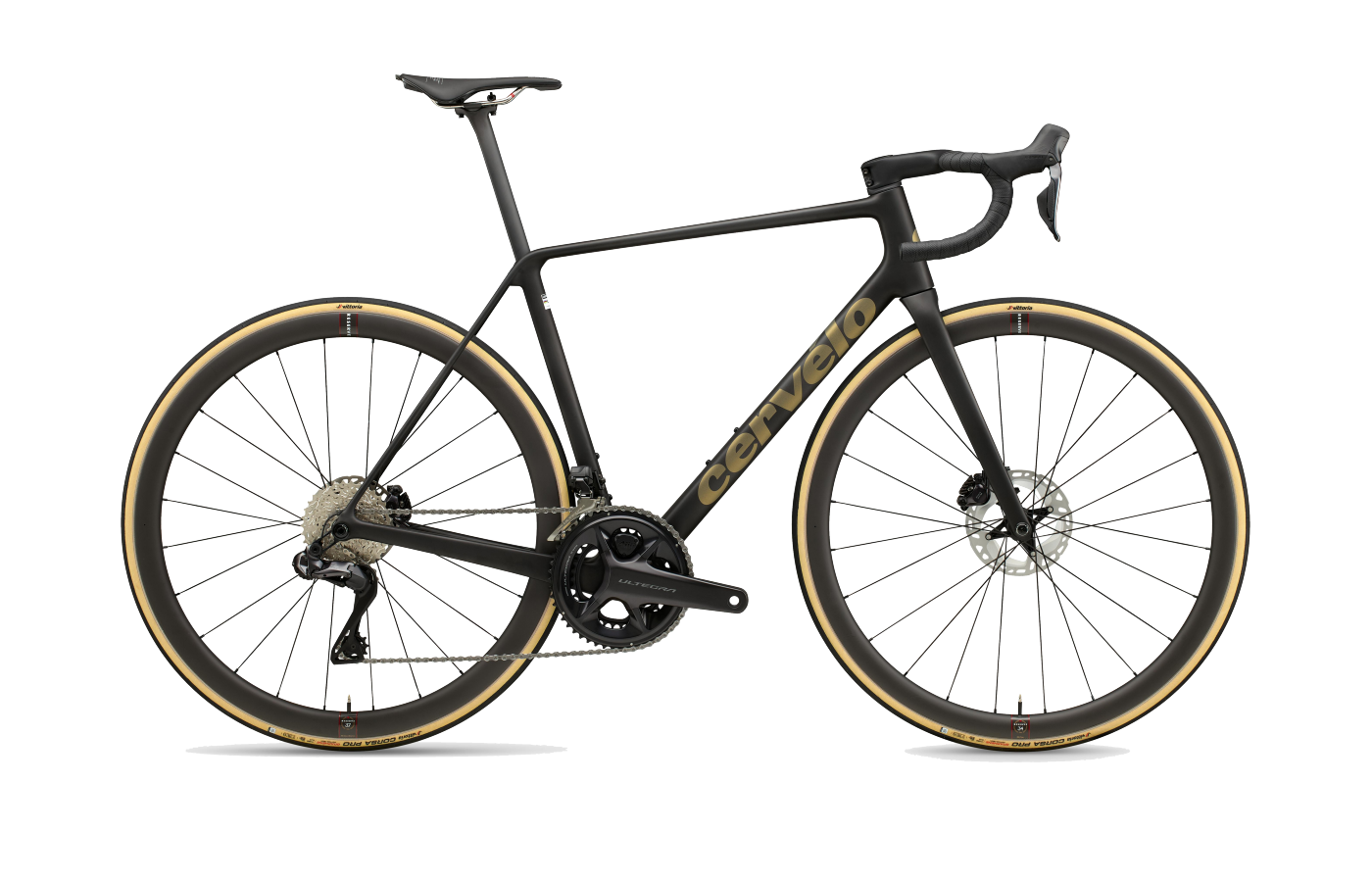
R5
If you love Cervelo's geometry but want the lighter climbing bike instead of the aero-leaning middle child, the R5 is the Soloist's sibling — same handling DNA, less frame, fewer grams uphill.
Compare →