SuperSix EVO
vsSuperX

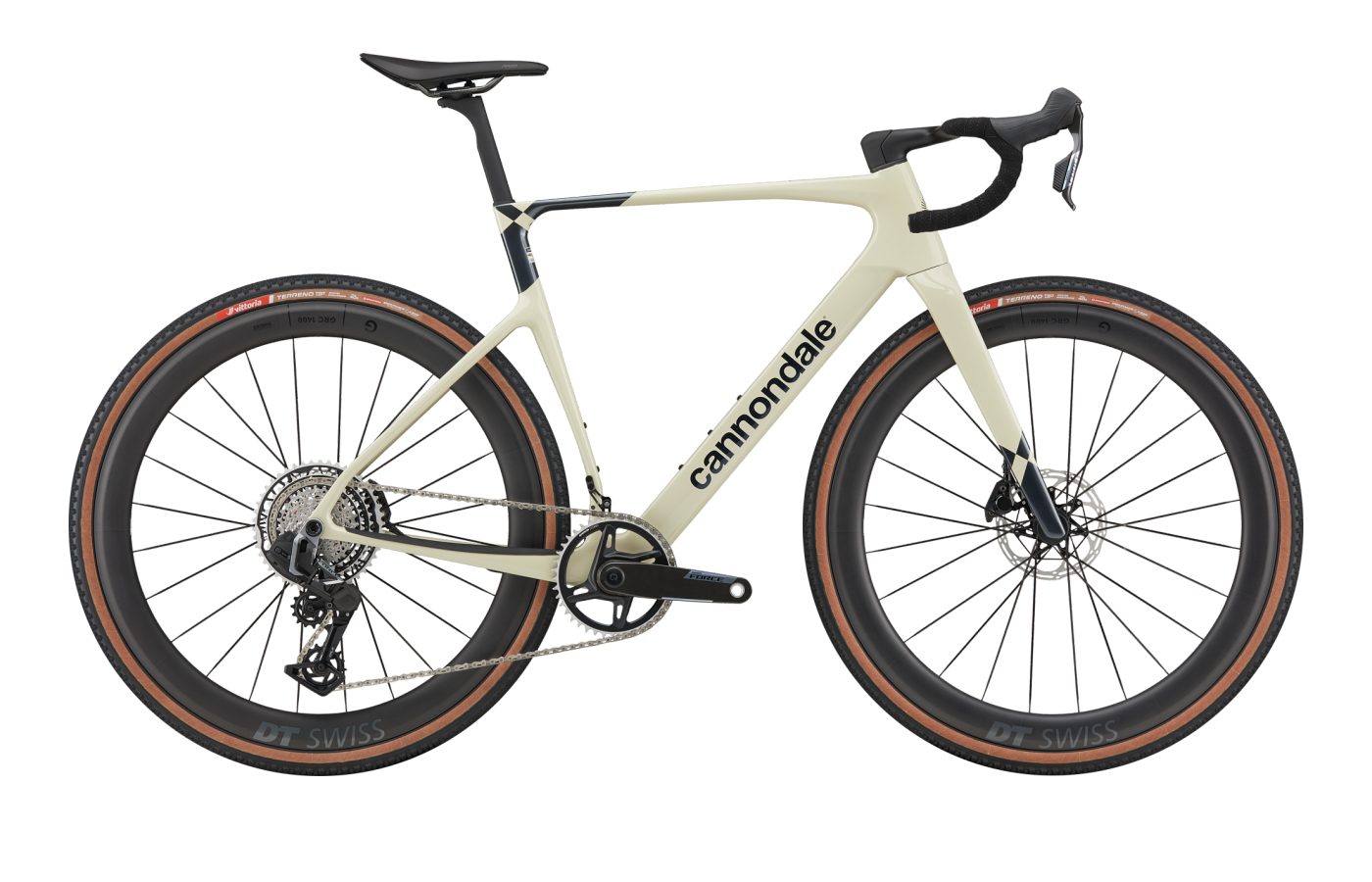
Same brand, same DNA, different surfaces.
The SuperSix EVO is Cannondale's all-rounder road weapon. The SuperX takes that template and stretches it for gravel.
SuperSix EVO
- Deeper build range — starts at $2,999 with 105 mechanical, scales to $14,999 LAB71 Dura-Ace.
- Rails-on-pavement handling — a 58 mm trail figure across most sizes that reviewers call "intuitive" and "on rails" at speed.
- Race-ready aero — 12 watts faster at 45 km/h vs. the previous SuperSix, with a UCI-legal 6.9 kg LAB71 build.
- Tire clearance caps at 32 mm — chip-seal is fine, gravel is not.
- Reviewers note a slightly harsher front end vs. Gen 3, partly from the deeper aero seatpost.
SuperX
- 48 mm tire clearance — enough room for true gravel-race rubber with mud space to spare.
- Compliance built into the rear — flex zones in the seat- and chainstays plus a D-shaped seatpost soak up washboard chatter.
- Race geometry, not adventure — same 555 mm stack as the EVO at size 54; aggressive position carries over to the dirt.
- No mounts for racks or full bikepacking setups — this is a race bike, not a tourer.
- Build range starts at $4,199 and tops out at $12,499 — fewer tiers than the EVO.
Editor’s analysis
These aren't rivals — they're siblings. The real question is which surface you actually spend most of your time chasing speed on.
On paper the Cannondale SuperSix EVO and the Cannondale SuperX share more than a marketing badge. Both run the Delta steerer with internal routing and standard headset bearings, both use threaded BSA bottom brackets, both lean on the same SystemBar R-One integrated cockpit on the higher builds, and both put speed ahead of comfort. They even share a 555 mm stack at size 54 — geometry that close is rare across categories.
The Cannondale SuperSix EVO is the do-everything race bike. Reviewers consistently praise it for being "on rails" at 70 km/h, carving lines so confidently that one BikeRadar tester reported attacking criterium corners at 38 mph without flinching. The Gen 4 update added 12 watts of aero savings at 45 km/h over the previous generation while keeping the climbing soul intact — a Dura-Ace LAB71 build hits the UCI weight limit of 6.9 kg in a 56. With 32 mm of tire clearance, it'll handle a chip-seal detour but it's a road bike first.
The Cannondale SuperX picks the same recipe and changes one ingredient: 48 mm of rear tire clearance, 51 mm at the fork. Geometry stretches to a 422 mm chainstay and a 1020 mm wheelbase at size 54 — about 10 mm longer than the EVO — and the head angle slackens to 71 degrees with a 55 mm fork offset for stability when the surface gets loose. The same aero playbook (deep down tube, integrated bottles, slim seat tube with built-in flex zones) shows up here too. Granfondo called it the most aero-forward bike in their 2025 gravel race test.
Put another way: the Cannondale SuperSix EVO is the bike you buy when your fast group rides happen on tarmac. The Cannondale SuperX is the bike you buy when those same fast group rides happen on dirt. If you want both, you'll need both — neither one is hiding behind the other.
Where the builds differ.
Comparing our editor's-pick builds side-by-side. Winners highlighted row-by-row — lower price and weight, and the better-spec component, each mark a point.
Build variants & pricing
The EVO spans nearly $12k of range; the SuperX starts higher and tops out lower. Both top out with LAB71 Series 0 carbon and SRAM Red AXS.
Prices are current US MSRP. The SuperSix EVO 1 ($9,499) and SuperX 1 ($7,499) are tier-matched on SRAM Force-tier electronic shifting and standard (non-Hi-Mod) carbon — the cleanest apples-to-apples within each lineup. The $2k gap reflects the SuperX's gravel groupset (Force XPLR with a single chainring) vs. the EVO's 2x road setup.
How they fit, how they steer.
The EVO at 54 and the SuperX at 56 both fit a 5'8" rider best per the fit algorithm. Stacks land at 555 vs. 575 mm; chainstays grow from 410 to 422 mm and the wheelbase stretches by ~24 mm — the SuperX trades quickness for stability when the surface goes loose.
Which size should I buy?
Sizes shown are picked from each frame's geometry chart against your stack, reach, and effective top tube. Size labels (54, 56) follow Cannondale's standard road and gravel conventions.
→These are starting points. Flexibility, riding style, and preferred position all shift the answer — if you’re between sizes, a professional fit beats a chart.
What the magazines said.
Published reviews from trusted cycling outlets. Click through for the full write-up.
Which one should you buy?
If your fast rides happen on tarmac, get the SuperSix EVO. If they happen on dirt — or you race gravel — get the SuperX.
SuperSix EVO
If your weekends are group rides, climbs, and the occasional crit, the EVO is still one of the most balanced race bikes on the market. The Gen 4 fixed nearly every long-standing complaint — threaded BB, standard headset bearings, no steering-stop pin — without losing the handling soul.
SuperX
If you're chasing the start line at Unbound, SBT GRVL, or your local gravel series, the SuperX is built for it. Aggressive geometry, 48 mm clearance, race-only mount layout — it's a road racer's gravel bike, not an adventure rig.
Questions buyers actually ask.
Short answers to the things we get emailed about most often.
01Can I run the SuperSix EVO on gravel?
Only the smoothest stuff. The Cannondale SuperSix EVO officially clears 32 mm tires (some reviewers have squeezed 34 mm in, but Cannondale's spec is 32). That's enough for chip-seal, hard-pack rail trails, and the occasional dirt road shortcut.
For anything chunkier — washboard, loose gravel, true gravel races — the Cannondale SuperX is the right tool. Different category, different bike.
02Why are the geometries so similar?
Both bikes share a 555 mm stack at size 54, and both run an aggressive race position. Cannondale built the SuperX explicitly so a SuperSix EVO rider can hop across without rethinking their fit.
The differences are in the dirt-specific bits: the SuperX's chainstays grow from 410 to 422 mm, the wheelbase stretches by about 10 mm at size 54, the head angle slackens to 71 degrees, and the fork offset extends to 55 mm. All of it adds up to more stability when the surface gets loose, without changing where your hands and saddle sit.
03Which is faster on pavement?
The Cannondale SuperSix EVO, by a meaningful margin. Cannondale claims a 12-watt aero saving at 45 km/h vs. the previous generation, and the LAB71 build hits the UCI 6.9 kg weight limit in a 56. The SuperSix is also running 28 mm slick tubeless road tires from the factory on most builds, vs. the SuperX's 40 mm Vittoria Terreno T50 knobbies.
If you put gravel rubber on the EVO and slick tires on the SuperX, the EVO still wins — lower weight, deeper aero road wheels, and faster road geometry.
04Which is faster on gravel?
The Cannondale SuperX. The 48 mm tire clearance lets you run actual gravel rubber at race pressures, the longer wheelbase keeps the bike planted on washboard descents, and the rear-end compliance (flex zones plus the D-shaped seatpost) cuts the fatigue that grinds you down in a five-hour race effort.
The SuperSix EVO maxes out at 32 mm and has no compliance features built into the chassis — it's not designed for sustained off-pavement work.
05What's the maximum tire clearance?
Cannondale SuperSix EVO: 32 mm officially. Some reviewers have fit 34 mm with tight clearance at the chainstays — Cannondale's spec is 32.
Cannondale SuperX: 48 mm at the rear, 51 mm at the fork. Granfondo confirmed plenty of room around 45 mm tires in their 2025 test. That's enough for almost any gravel race tire on the market.
06How serviceable are these compared to older Cannondales?
Both are vastly easier to live with than the previous generations. Both moved to a threaded BSA bottom bracket (no more PF30A creak), both use the Delta steerer with standard headset bearings (no proprietary parts), and both eliminated the steering-stop pin that caused warranty issues on the Gen 3 EVO.
The Di2 battery moved from the seatpost to a downtube port on the EVO, which most reviewers prefer — a couple noted concerns about water ingress at the new location, so wipe the area down after wet rides.
07Are the integrated cockpits a maintenance headache?
The SystemBar R-One on the higher builds of both bikes is a one-piece full-carbon integrated cockpit — adjusting bar width or stem length means buying a new unit. Hose bleeds require partial disassembly, roughly an hour at a shop.
If you'd rather keep things adjustable, the lower-tier builds on both bikes ship with the Cannondale C1 Conceal alloy stem and a separate bar, which lets you swap either component without re-routing hoses. That's how the EVO 1 ($9,499) and SuperX 2 ($7,499) come specced.
08Which build is the smart-money pick?
On the road side, the SuperSix EVO 3 at $6,999 (105 Di2) is the value play — same frame, same handling, electronic shifting at the lowest electronic-shifting price point in the lineup. Step up to the EVO 2 ($6,499 — Ultegra Di2 and HollowGram carbon wheels) if you want carbon hoops at a similar price.
On the gravel side, the SuperX 1 at $7,499 (Force XPLR AXS, SystemBar R-One, DT Swiss GRC 1400 carbon wheels) is the sweet spot — full integrated cockpit and carbon wheels without paying the LAB71 premium.
Similar bikes
If your priorities don’t map cleanly onto either of these, one of these adjacent bikes probably fits better.
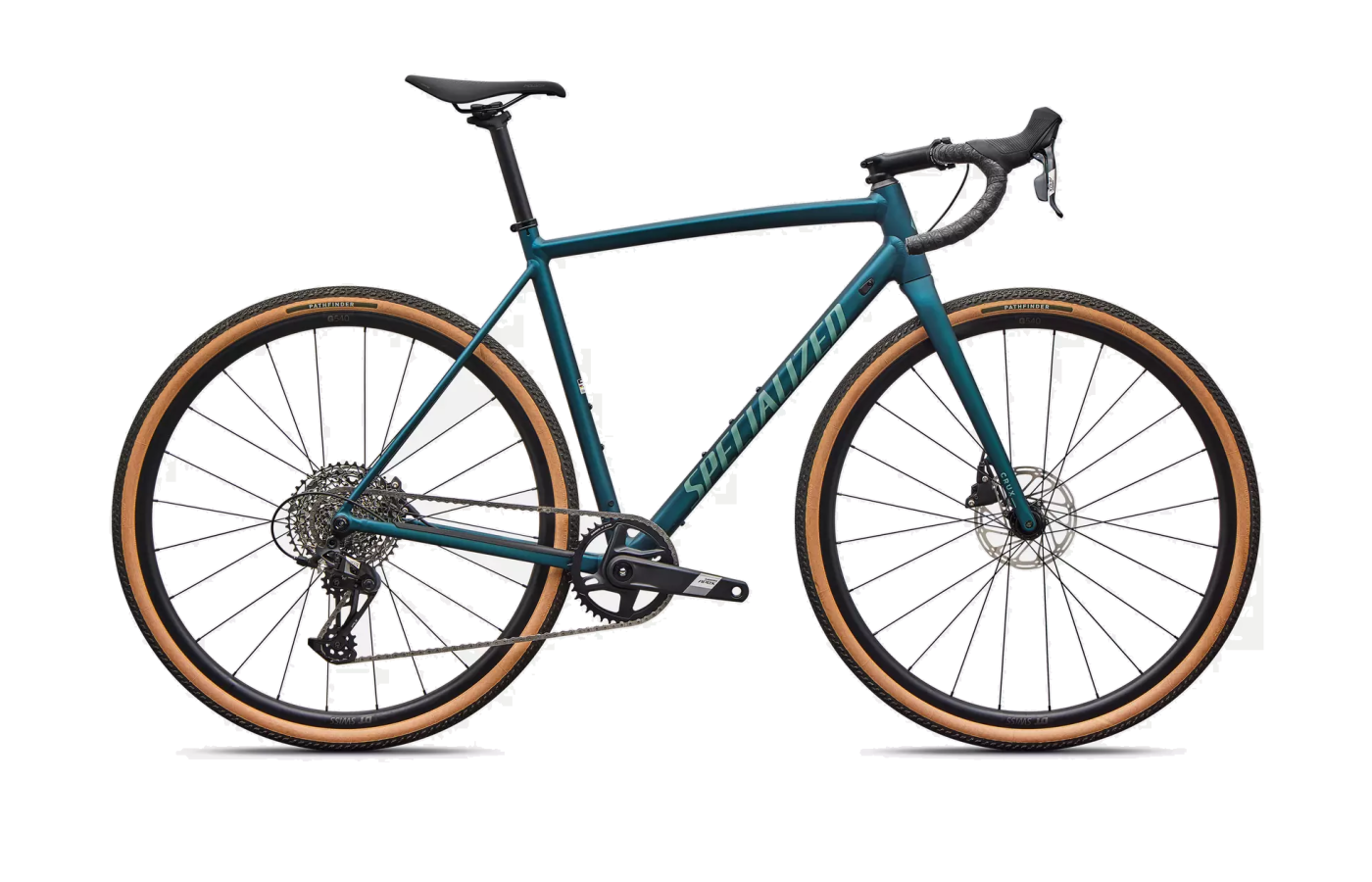
Crux
The Specialized Crux is the SuperX's most direct rival — even lighter, with cyclocross heritage front and center. Pick it if you'd rather have simplicity and a feathery frame than the SuperX's deeper aero work.
Compare →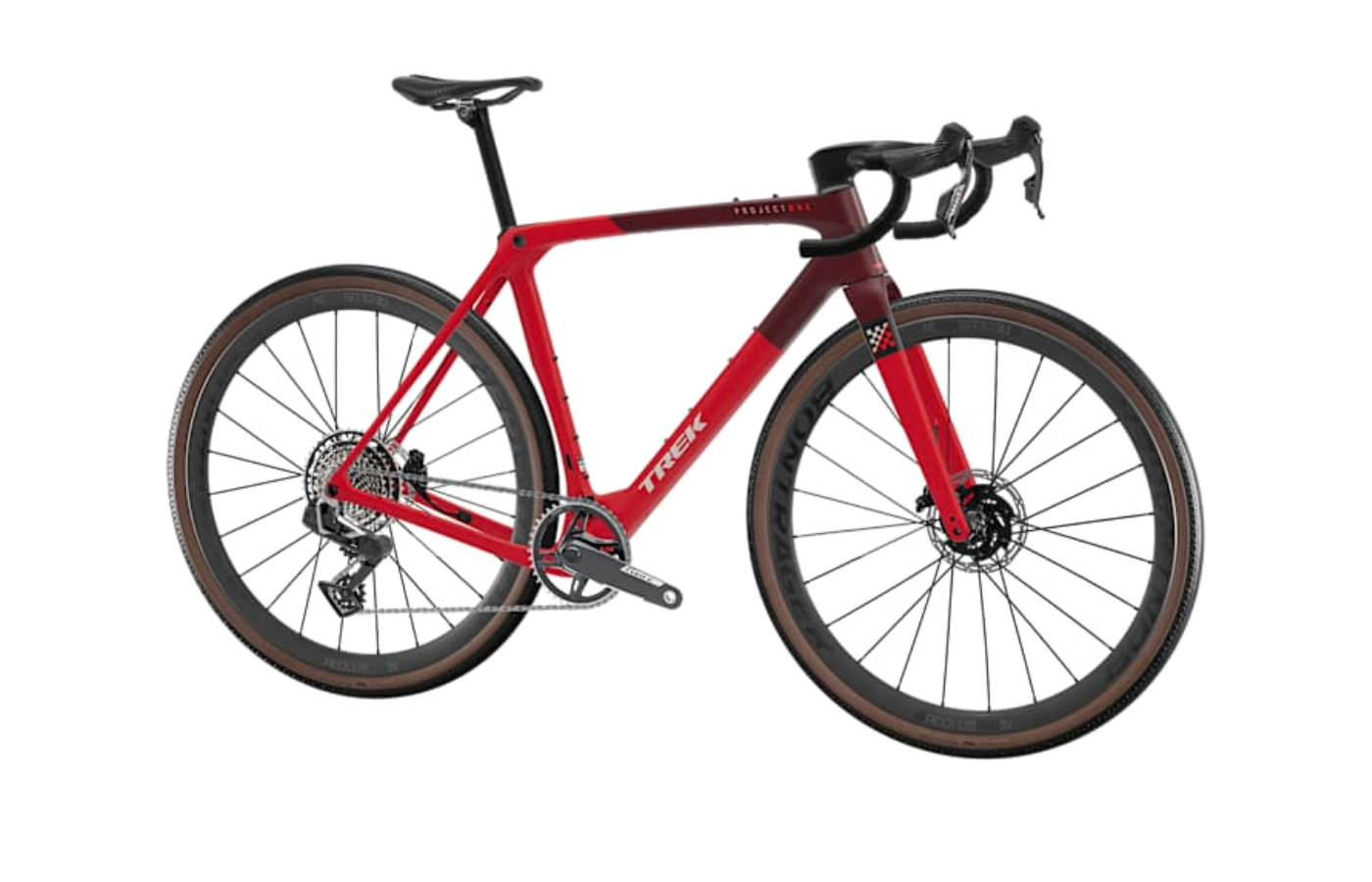
Checkmate
Trek's Checkmate is the other gravel race specialist in this conversation — aggressive race fit, aero tube shapes, plus internal frame storage that the SuperX skips. Best if integrated tool storage on race day matters to you.
Compare →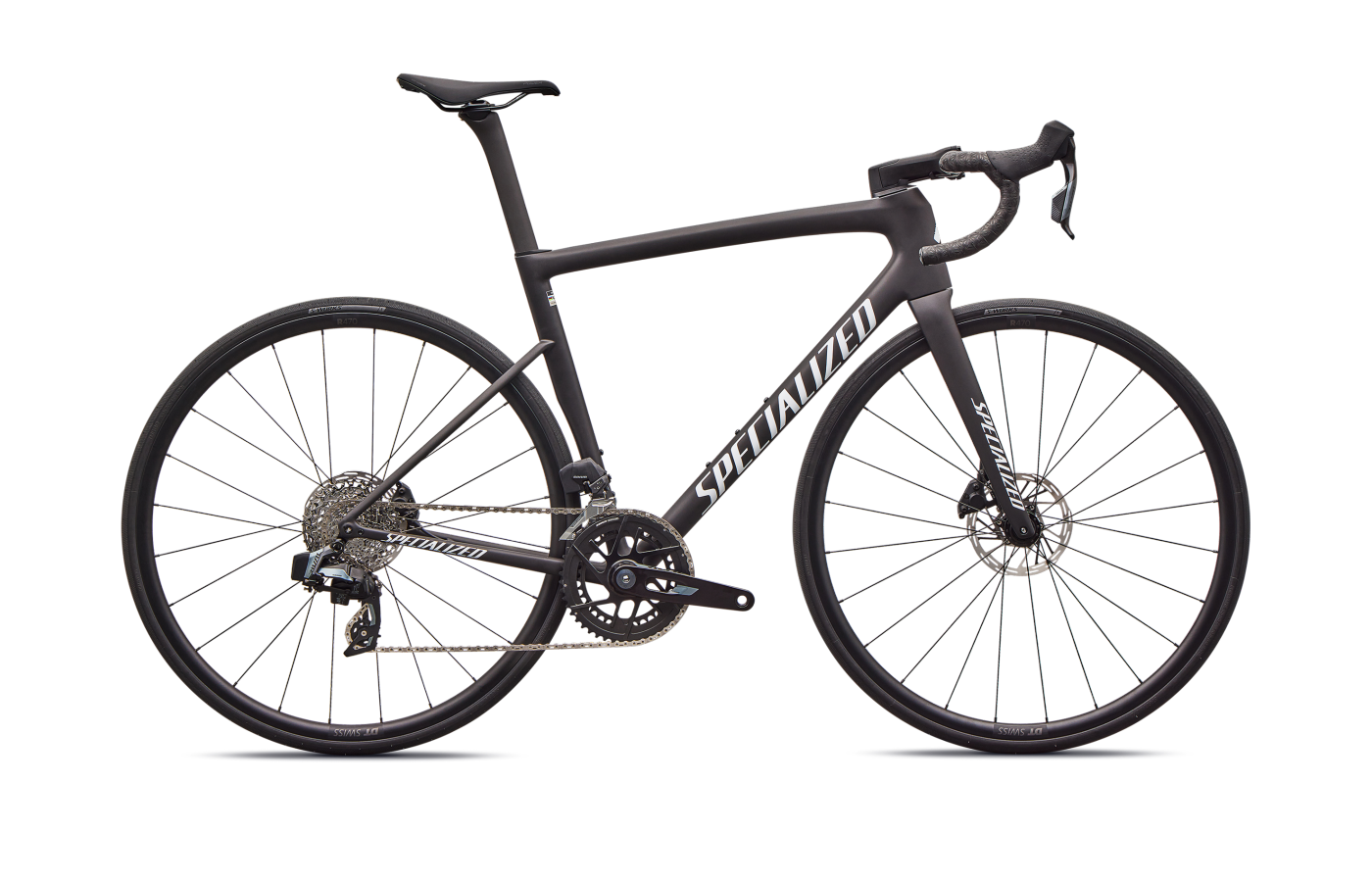
Tarmac
The Specialized Tarmac is the benchmark all-rounder road race bike that the SuperSix EVO chases. Often a touch lighter at the highest tiers, with a deeper Di2 build catalog if Shimano is non-negotiable.
Compare →