Allez
vsDiverge
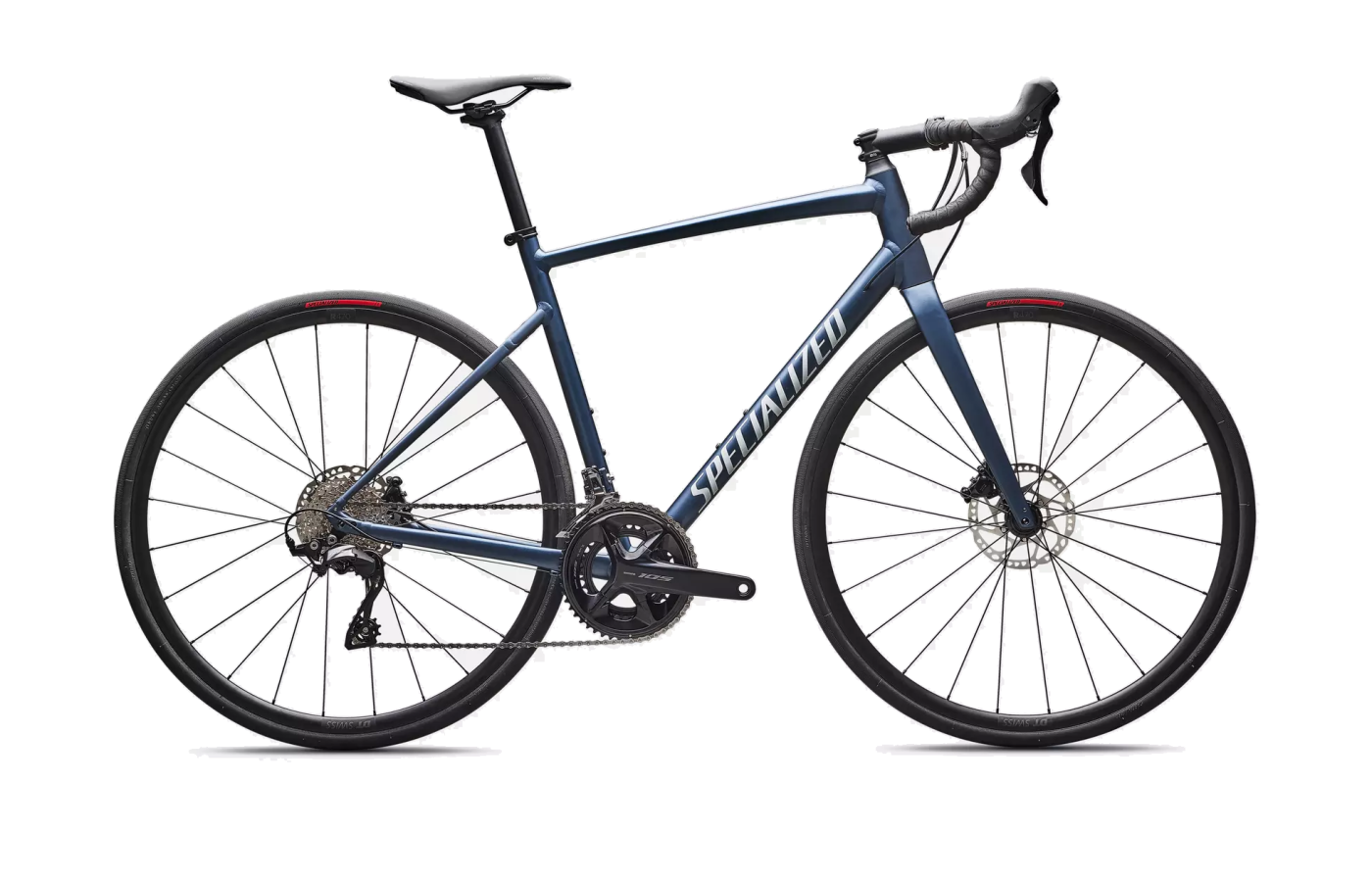
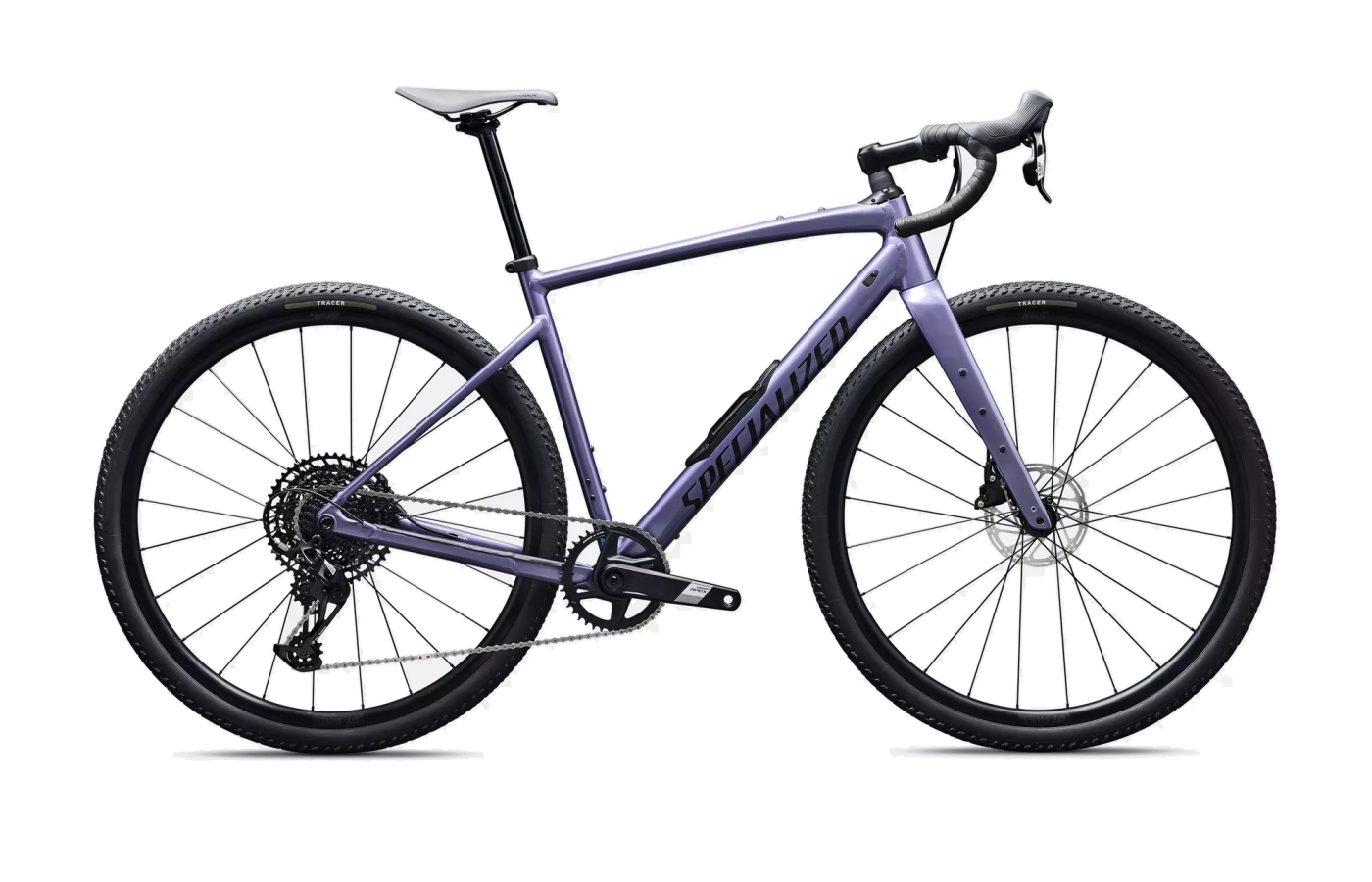
Same badge, two different jobs.
The Allez is an alloy endurance road bike you can actually afford. The Diverge 4 is a carbon gravel platform designed around a suspension stem and 50 mm tires.
Allez
- Genuine entry-level price — the $1,199 base build is one of the last sub-$1,500 road bikes from a major brand.
- Low-maintenance by design : threaded BB, 27.2 mm round post, cable routing that stays external through the cockpit.
- More versatile than it looks — 35 mm tire clearance plus rack and fender mounts cover commuting, winter miles, and light gravel.
- Stock wheels and Roadsport tires are consistently flagged as the first thing to replace.
- Sits higher than direct-to-consumer rivals on spec-per-dollar — you're paying for the dealer and the frame, not the groupset.
Diverge
- 50 mm tire clearance — officially up to 50 mm with 7 mm of mud room, or 2.2" MTB rubber with ISO 4 mm clearance.
- Future Shock 3.0 front end — 20 mm of compliance that measurably reduces hand and shoulder fatigue on rough terrain.
- SWAT downtube storage on every build , including the alloy frames — a first for a Specialized alloy gravel bike.
- Stock 45 mm Tracer tires plus an 85 mm BB drop cause pedal strikes on mellow trails — plan on going wider.
- Pavement sections feel slower and buzzier than a road bike; this is a gravel-first platform, not a quiver killer.
Editor’s analysis
This isn't really a comparison — it's a decision about what road you want under you.
On paper the overlap is tiny. The Specialized Allez starts at $1,199 and tops out at $2,599; the Specialized Diverge 4 starts at $2,099 and climbs to $10,499. The two lineups cross for exactly one stretch — around $2k — and even there the pitch is completely different. Allez buyers get an alloy road bike with 30 mm tires and Shimano 105. Diverge buyers get an alloy gravel bike with 45 mm tires, Future Shock 3.1 and SWAT downtube storage.
The Allez is the quieter, more grown-up version of Specialized's old beginner bike. Endurance geometry pulled from the Roubaix playbook, 35 mm tire clearance, rack and fender eyelets, a threaded BB, external cable routing, a standard 27.2 mm post. Every service decision points at low ownership cost. The frame itself draws near-universal praise — light for alloy, compliant for alloy, and visibly upgrade-worthy. The stock Axis Sport wheels and Roadsport 30c tires are the catch: reviewers call them bombproof but dead, and the bike only wakes up after you replace them.
The Specialized Diverge 4 isn't hiding what it is either. 71-degree head tube angle on a 54, 430 mm chainstays, an 85 mm bottom bracket drop, a 1,041 mm wheelbase — numbers that look more like a short-travel XC hardtail than a drop-bar road bike. The Future Shock 3.0 stem gives you 20 mm of vertical compliance up front, the FACT 9r carbon frame clears a 50 mm tire (or a 2.2" MTB tire with ISO 4 mm to spare), and the SWAT 4.0 door in the downtube swallows a tube, tools and a jacket. Cycling Weekly called it "a freight train on gravel." They also called it not-great as a do-it-all.
Put simply: the Specialized Allez is the bike you buy when most of your riding is pavement and you want one bike that will also handle a rough towpath. The Specialized Diverge 4 is the bike you buy when most of your riding is dirt and you don't mind that tarmac sections feel a little slower than they would on a road bike. Buying across that line — an Allez for gravel, a Diverge for group rides — means fighting the bike.
Where the builds differ.
Comparing our editor's-pick builds side-by-side. Winners highlighted row-by-row — lower price and weight, and the better-spec component, each mark a point.
Build variants & pricing
The two lineups barely overlap in price. The Allez stops at $2,599; the Diverge's cheapest carbon build is $3,499 and its flagship is nearly ten grand.
The editor's picks — Allez Comp ($2,099) and Diverge 4 Comp Alloy ($2,699) — are the closest honest match: both 12-speed, both alloy-framed, both around $2k. The Diverge's $600 premium buys you the Future Shock, SWAT storage, 45 mm tires and a gravel-specific wheel package. There is no carbon Allez; the Diverge has no sub-$2k build.
How they fit, how they steer.
Fit-picked sizes differ by label but land at the same rider: a 52 Allez and a 54 Diverge 4. The Diverge sits 40 mm taller in stack (592 vs 552), runs 23 mm more reach (387 vs 364), and uses a 1-degree slacker head angle with a 46 mm longer wheelbase — a much more planted stance, as the category demands.
Which size should I buy?
Size labels don't line up across the two ranges. Use stack and reach on the scatter, not the number on the seat tube.
→These are starting points. Flexibility, riding style, and preferred position all shift the answer — if you’re between sizes, a professional fit beats a chart.
What the magazines said.
Published reviews from trusted cycling outlets. Click through for the full write-up.
Which one should you buy?
If you want a road bike you can live with on a budget, get the Allez. If you want a gravel bike with suspension and storage built in, get the Diverge 4.
Allez
If you're commuting, starting out, or building miles on a budget, the Allez is still the benchmark. The frame is better than the components, upgrades are cheap and common, and the threaded BB plus external cable routing keep service costs down for years.
Diverge
If most of your riding is dirt and you want one bike for long adventure days, washboard gravel races, and the occasional singletrack detour, the Diverge 4 is purpose-built for it. Future Shock, SWAT storage and 50 mm tire clearance come at every price point in the range.
Questions buyers actually ask.
Short answers to the things we get emailed about most often.
01Can I ride the Allez on gravel?
Yes, within limits. The Allez clears up to a 35 mm tire (32 mm with full-length mudguards), which is enough for hardpack, chip-seal, canal paths and light fire road. Several reviewers specifically tested it on "light gravel or hard pack" and came away happy.
What it won't do is chunky doubletrack, washboard, or anything that rewards a real suspension stem. For that, you're looking at the Diverge.
02Can I ride the Diverge 4 on the road?
Yes, but you'll feel the compromise. On pavement the stock 45 mm Tracer tires hum, the Future Shock can feel slightly active when you stand up to sprint, and the long 1,041 mm wheelbase (size 54) isn't built for quick line changes in a paceline.
Reviewers consistently frame the Diverge 4 as a "gravel-first machine," not a quiver killer. If half your riding is group rides and half is gravel, a Crux or a road bike plus something fatter will beat it.
03Which is the better value?
The Allez — if you measure value as dollars per watt of usable bike. The $1,799 Allez Sport gives you a Tiagra 10-speed hydraulic groupset, a FACT carbon fork and a genuinely good frame. There is no equivalent entry point in the Diverge lineup; the cheapest Diverge is a $2,099 alloy build, and the cheapest carbon Diverge is $3,499.
The Diverge's value is in things the Allez doesn't have at any price: Future Shock, SWAT storage, 50 mm tire clearance. If you want those, you have to pay for them.
04Do both bikes have internal downtube storage?
No. SWAT 4.0 downtube storage is Diverge-only. Every Diverge 4 build — including the $2,099 and $2,699 alloy models — gets the downtube door, which is the first time Specialized has offered SWAT on an alloy gravel frame.
The Allez has no SWAT door. The tradeoff is a simpler frame with a threaded BB, external cable routing through the cockpit, and a $1,199 starting price.
05How different is the geometry?
Meaningfully. At the fit-picked sizes, the Allez 52 sits at 552 mm stack / 364 mm reach with a 71-degree head tube angle and a 995 mm wheelbase. The Diverge 54 sits at 592 mm stack / 387 mm reach with a 71-degree head tube, 430 mm chainstays, an 85 mm bottom bracket drop and a 1,041 mm wheelbase.
The Diverge is taller, longer and more planted by design — the geometry pulls directly from modern mountain bike thinking. The Allez is shorter, quicker to steer, and built for pavement posture.
06What's the Future Shock, and do I want it?
Future Shock 3.0 is a suspension unit built into the steerer tube, not the fork, giving 20 mm of vertical travel at the handlebars. The Diverge 4 ships it in three tiers: 3.1 (spring-only, on the alloy models), 3.2 (spring + hydraulic damping, fixed), and 3.3 (on-the-fly adjustable lockout, on the Pro and Pro LTD).
On rough terrain, reviewers universally praised it for "absorbing chatter before it ever reaches your hands." On smooth pavement standing efforts, the undamped 3.1 and the fixed 3.2 can feel a little bouncy. If most of your riding is gravel, you want it. If most of your riding is tarmac, you probably don't — which is another reason the Allez is a cleaner pick for the road.
07Are the wheels and tires worth upgrading on either bike?
On the Allez, yes — and reviewers are almost unanimous about it. The stock Axis Sport wheels and Roadsport 30c tires are described as "bombproof but dead." Swapping to lighter, more supple rubber is the single biggest change you can make; Bicycling called the upgraded bike "like it should cost double its price."
On the Diverge 4, the upgrade priority is different: it's the tires, not the wheels. Multiple reviewers recommend going straight to a 50 mm or 2.2" tire to raise the BB, reduce pedal strikes, and let the frame do what it was designed to do.
08Which lasts longer as your skills improve?
Both are upgrade-worthy — that's a Specialized hallmark at this tier — but in different directions. The Allez frame is routinely described as "prime for upgrading" with wheels, tires, and eventually a carbon post. You can spend years slowly turning it into a real fast road bike.
The Diverge 4 is already fast; what grows with you is how hard you push it. The alloy builds have the same geometry and storage as the carbon ones, so you can start on a $2,099 Sport Alloy and keep riding the same lines you'd ride on a $10,499 Pro LTD — just heavier and without the adjustable shock.
Similar bikes
If your priorities don’t map cleanly onto either of these, one of these adjacent bikes probably fits better.
Crux
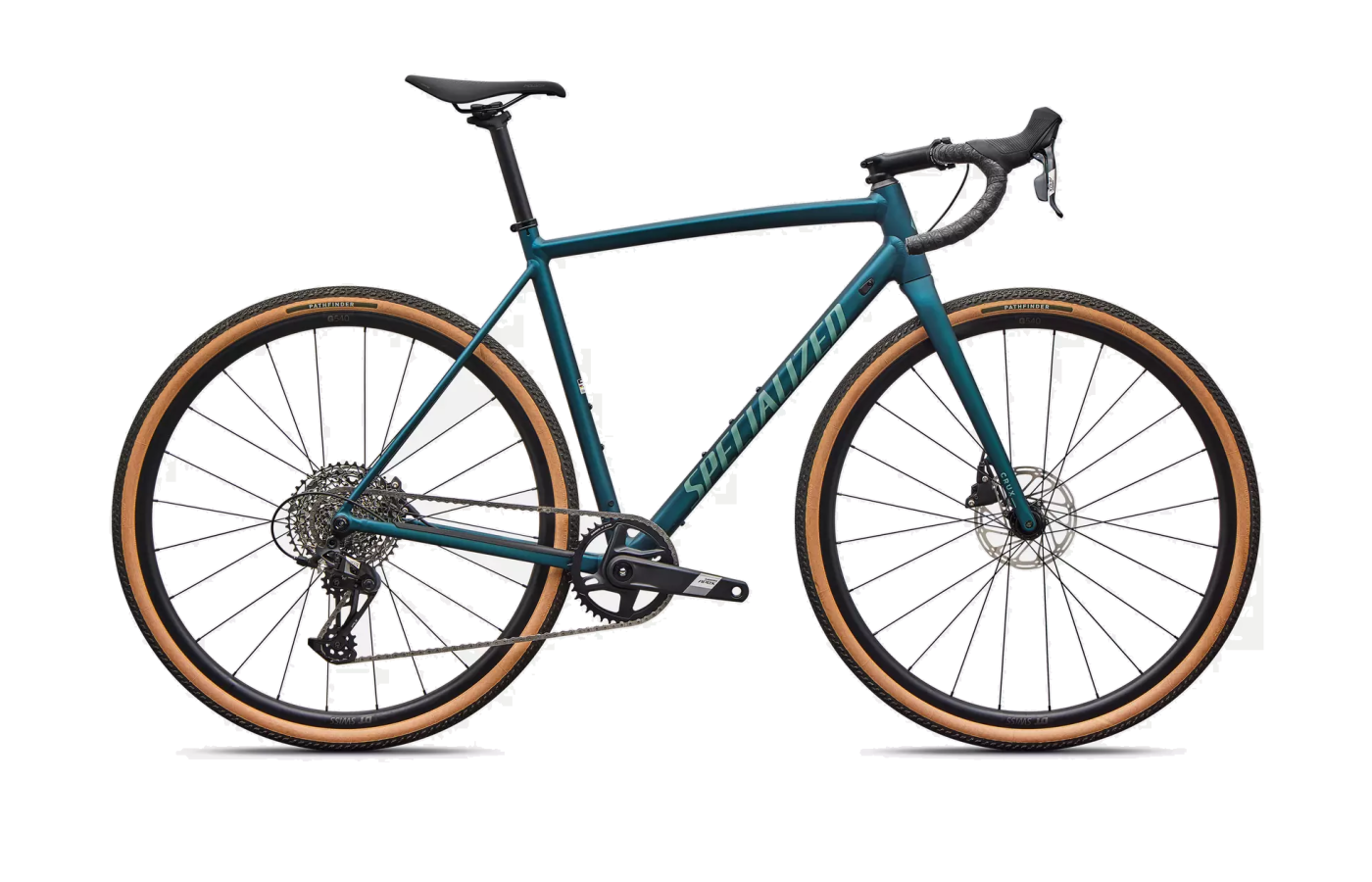
If the Diverge feels too heavy and too mountain-bike-adjacent, the Specialized Crux is the lighter, snappier gravel bike in the lineup — no Future Shock, no SWAT door, but a ride that feels closer to a road bike on dirt.
Compare →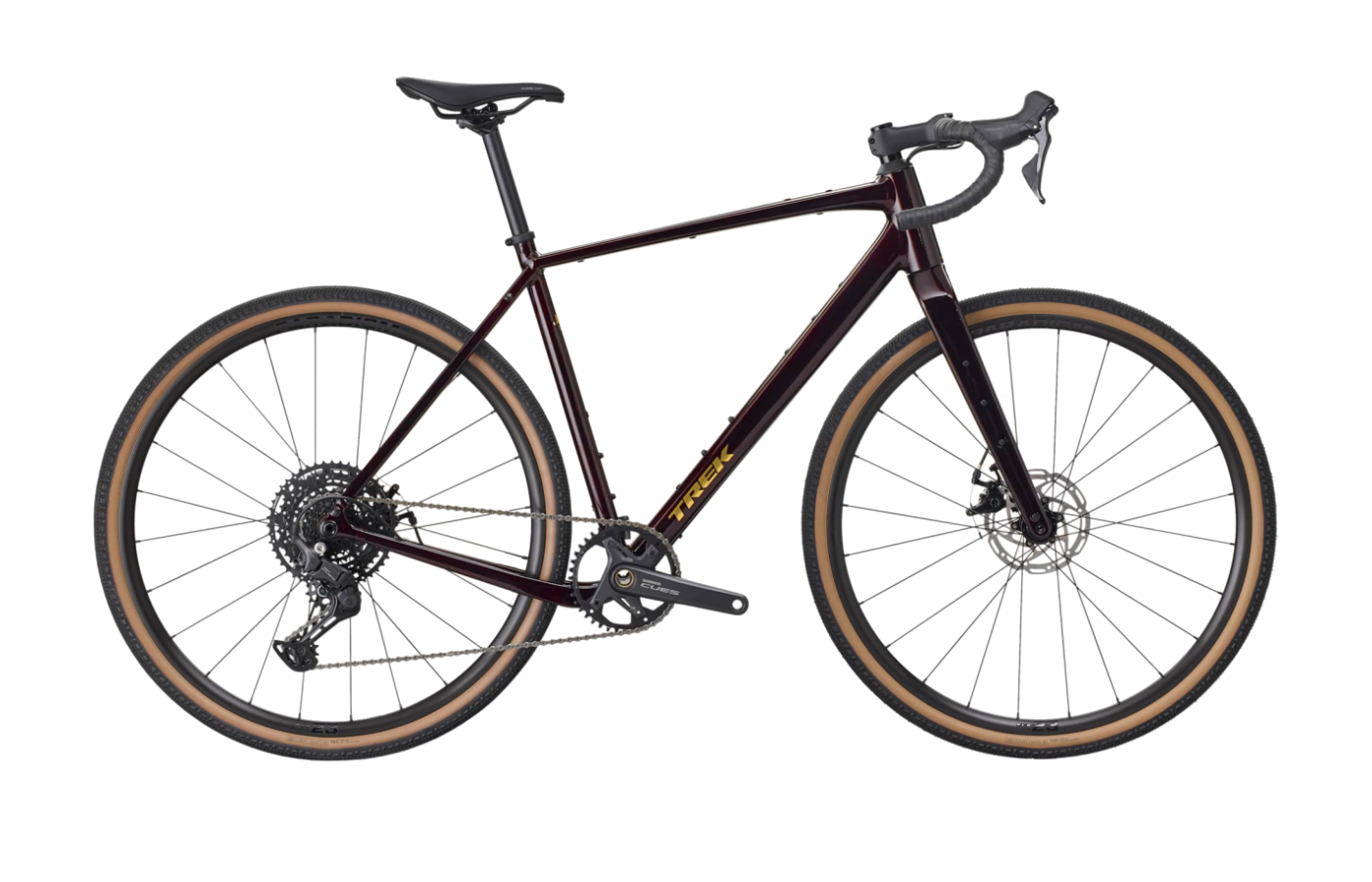
Checkpoint
The Trek Checkpoint is the most direct cross-brand rival to the Diverge — similar big-tire, storage-friendly adventure geometry, but with Trek's IsoSpeed seat-tube decoupler instead of a suspension stem.
Compare →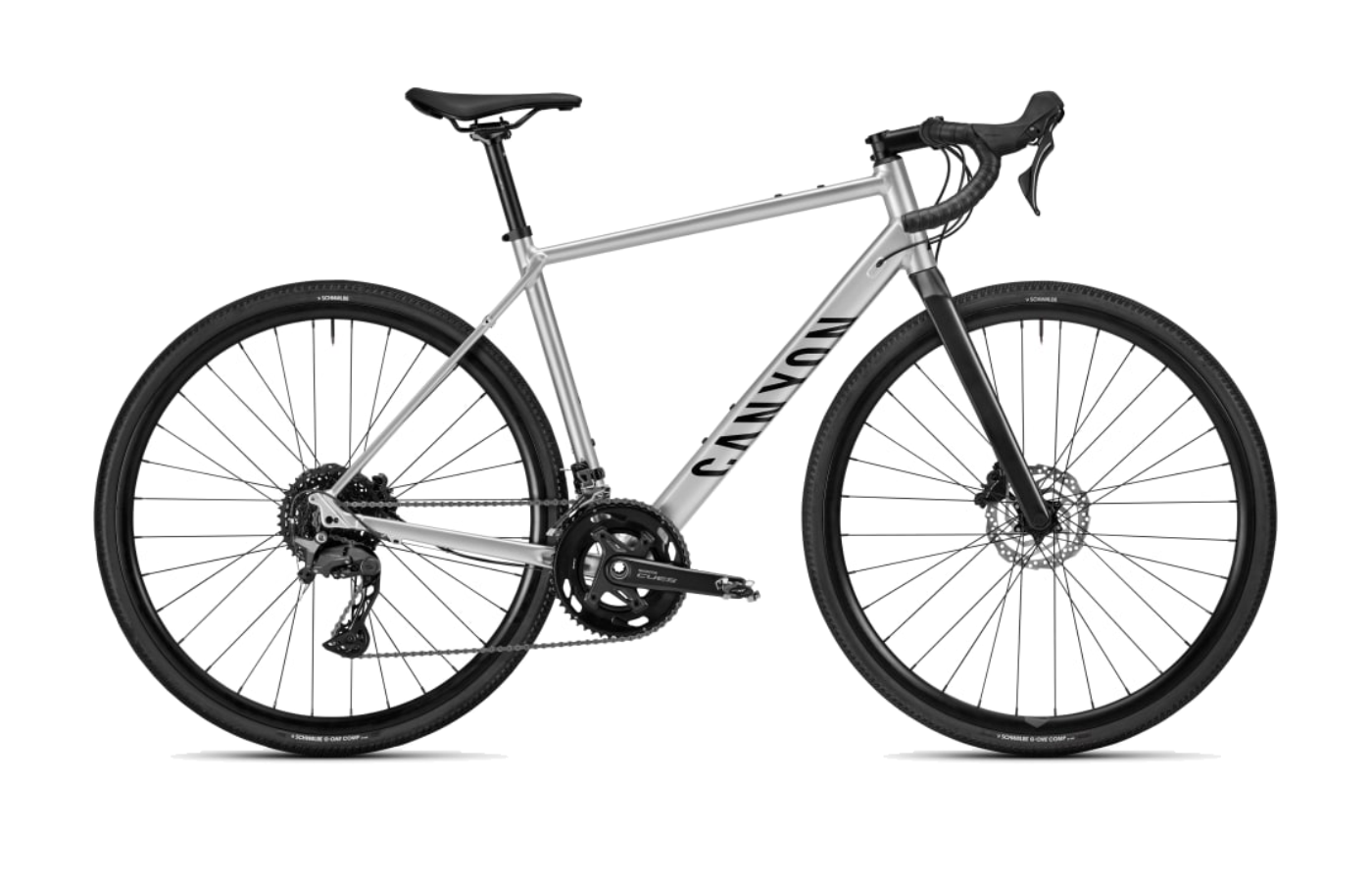
Endurace
If the Allez feels overpriced for its groupset, the Canyon Endurace delivers a similar endurance-road character direct-to-consumer, typically one Shimano tier up for the same money — the catch is no local dealer.
Compare →