Warbird
vsDiverge
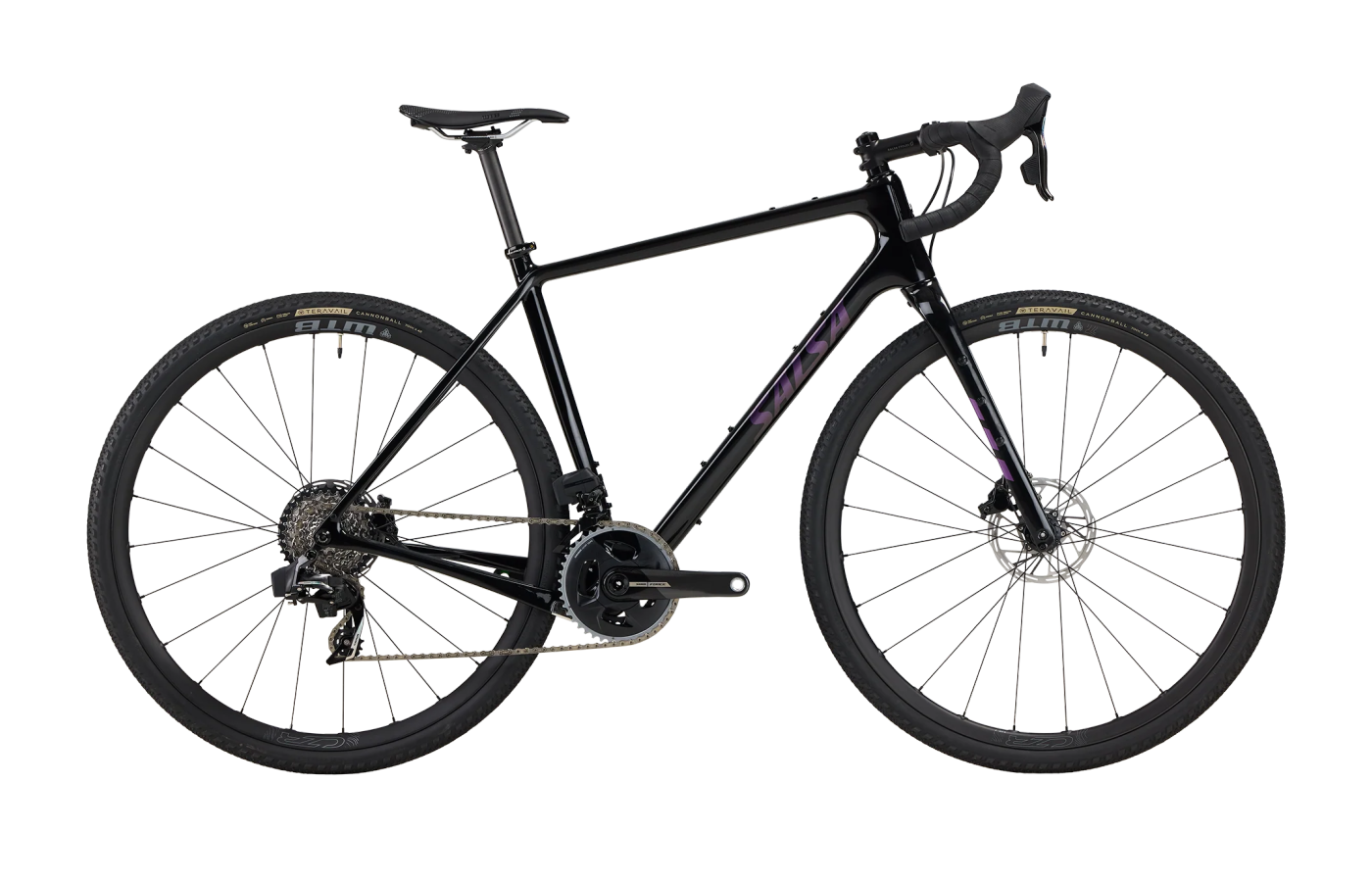
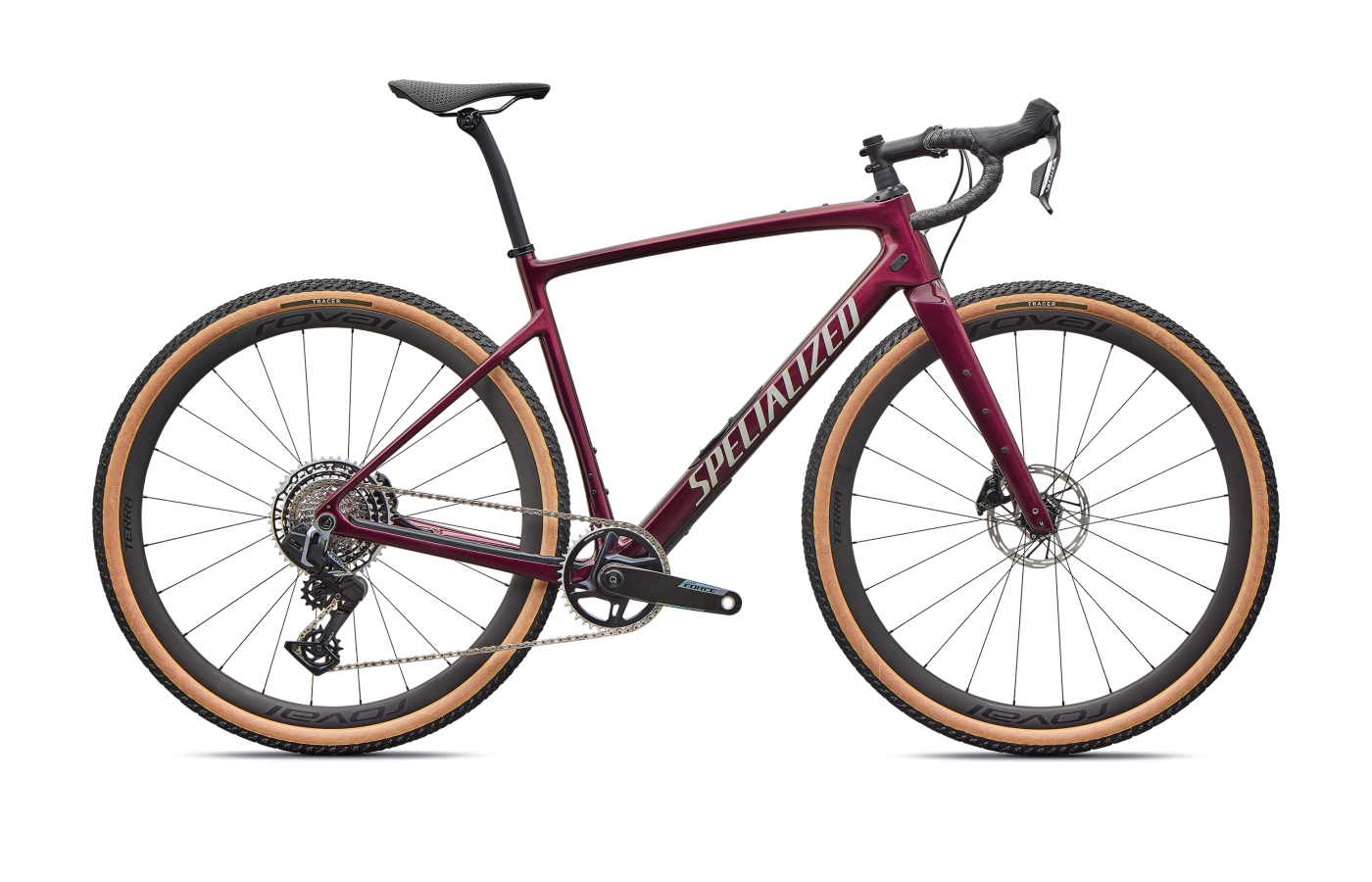
The original gravel racer vs. the suspended adventurer.
The Warbird leans on passive carbon compliance and stable race geometry. The Diverge bolts a 20 mm shock under the stem and points at the rough stuff.
Warbird
- Fast, road-friendly — reviewers repeatedly call it "fast, consistent and smooth" on tarmac, even on gravel tires.
- Mounts everywhere — three to four bottle mounts (size-dependent), top-tube bag bosses, triple fork mounts, and rack/fender compatibility for serious bikepacking.
- Class 5 VRS compliance — passive seat-stay flex damps washboard without adding weight or service intervals.
- Tire clearance caps at 45 mm — you can't follow the Diverge into 2.2" MTB-tire territory.
- Reviewers consistently flag stock components (hubs, saddle, in-house cockpit) as light for the price at the top builds.
Diverge
- Future Shock 3.0 — 20 mm of front travel that BikeRumor calls "nothing short of brilliant" on roots and chunky doubletrack.
- Massive tire clearance — 50 mm officially with 8 mm of mud room, or a 2.2" MTB tire at the ISO-standard 4 mm.
- SWAT 4.0 downtube storage — now on the alloy frames too, with a bigger door and a more secure latch.
- 85 mm BB drop + stock 45 mm tires + 172.5 mm cranks (54/56) = pedal strikes on "even pretty mellow trails" per BikeRadar.
- Pricier across the lineup; the adjustable Future Shock 3.3 is a $450 upgrade unless you buy the Pro or Pro LTD.
Editor’s analysis
Same category, opposite philosophies — one trusts the carbon to soak it up, the other suspends the rider and goes looking for chunkier ground.
The Salsa Warbird invented the gravel-race category in 2012 and the v4 still holds that brief: a fully rigid, high-modulus carbon frame with Salsa's Class 5 VRS — bowed seat stays and flattened chainstays that flex vertically — paired with a relaxed 70.75° head tube angle and a 1,038 mm wheelbase at the 56 cm. Reviewers like Bikepacking and Cycling Weekly use the same word over and over: planted. It rolls 700×42 mm Teravail Cannonballs from the factory and clears 45 mm. This is a fast bike for long American gravel days, a willing bikepacker (mounts everywhere), and an honest road bike if you swap to slicker tires.
The Specialized Diverge 4 takes the opposite swing. Future Shock 3.0 lives under the stem with 20 mm of vertical travel; the bottom bracket sits a remarkable 85 mm low; the head angle is 71° at the 54; tire clearance jumps to 50 mm or even a 2.2" MTB tire. Specialized's pitch — and basically every reviewer's verdict — is "freight train on gravel": stable, composed, and explicitly built to be ridden in the dirt rather than to split duty with the road. Multiple reviewers (BikeRadar, Cycling Weekly, Velo) flag pedal strikes with the stock 45 mm tires and 172.5 mm cranks, and recommend going straight to 50 mm rubber.
On paper they look adjacent — both 430 mm chainstays, similar wheelbases, both run XPLR-compatible drivetrains. In the saddle they're not the same bike. The Warbird is the one that wins the Sunday road ride, smooths a chip-seal commute, and still cracks off a fast gravel race. The Diverge is the one that grins through chunky doubletrack, takes the line you'd normally walk, and reminds you it's a "gravel-first machine" the moment you're back on tarmac.
Pricing diverges sharply too. The Warbird ladder runs $2,799–$6,999 across seven builds, all carbon. The Specialized Diverge spans $2,099–$10,499 across eight, including two alloy options that inherit the same SWAT downtube storage and Future Shock as the carbon frames. If you want the cheapest way into modern gravel suspension, only one of these brands sells it.
Where the builds differ.
Comparing our editor's-pick builds side-by-side. Winners highlighted row-by-row — lower price and weight, and the better-spec component, each mark a point.
Build variants & pricing
Warbird ladder is $2,799–$6,999 (all carbon, seven builds). Diverge spans $2,099–$10,499 across eight, including two alloy frames that keep the Future Shock and SWAT storage.
Prices are current US MSRP. The Diverge is the only one of the two to offer alloy builds — if your budget tops out around $2,500, the Warbird isn't in the conversation. At the high end, the Diverge 4 Pro LTD ($10,499) sits well above the Warbird's $6,999 ceiling.
How they fit, how they steer.
Compared at the fit-picked sizes for each platform. The Warbird sits about 7 mm shorter in stack with 6 mm less reach, but its 70 mm BB drop is 15 mm higher than the Diverge's — that's the single biggest geometry difference on these bikes, and it's why one strikes pedals and the other doesn't.
Which size should I buy?
Size recommendations based on stack, reach, and effective top tube. The Warbird offers seven sizes from 49 cm up; the Diverge runs six from 49 to 61.
→These are starting points. Flexibility, riding style, and preferred position all shift the answer — if you’re between sizes, a professional fit beats a chart.
What the magazines said.
Published reviews from trusted cycling outlets. Click through for the full write-up.
Which one should you buy?
If you ride mostly fast gravel and pavement and want one bike that does both, get the Warbird. If you want to point at chunky doubletrack and not flinch, get the Diverge.
Warbird
If your gravel days are long, rolling, and mostly non-technical — and your other rides are commutes or road group rides — the Warbird is still the benchmark. Light, efficient, mounts for days, and quick on tarmac when you swap tires.
Diverge
If most of your gravel is chunky, loose, or borderline-singletrack, the Future Shock and 50 mm clearance let you ride lines a rigid bike won't. Plan on swapping the stock 45 mm tires for 50 mm immediately, and your Diverge is genuinely capable.
Questions buyers actually ask.
Short answers to the things we get emailed about most often.
01Which has more tire clearance?
Specialized Diverge 4: 50 mm officially with 8 mm of mud clearance, or a 2.2" mountain bike tire at the ISO-standard 4 mm. Velo confirmed both fitments on a test bike.
Salsa Warbird: 45 mm. Salsa lists 700c × 45 mm or 650b × 2.0–2.1" as the upper bound depending on wheel size.
If you're picking your bike around tire size — for example, you've already decided you want to run a 50 mm Continental Terra Speed or a 2.0" 650b setup — the Diverge is the only option here.
02Does the Diverge's Future Shock actually make a difference?
Yes, but with caveats. Reviewers across BikeRadar, BikeRumor, Velo and The Ride With Ben Delaney all describe a meaningful comfort improvement on rough surfaces — particularly on washboard, roots, and high-frequency chatter that would otherwise reach your hands. Specialized claims up to 11 watts of saved energy by absorbing horizontal forces (their number, not independently verified).
The non-adjustable 3.2 version (on the Expert build and below) can feel slightly bouncy out of the saddle on punchy climbs. The adjustable 3.3 (Pro and Pro LTD) lets you lock it out on the fly, which most reviewers prefer. Upgrading from 3.2 to 3.3 costs $450 aftermarket.
03Why does the Diverge get pedal strikes?
Three things stack: an 85 mm bottom bracket drop (15 mm lower than the Warbird), stock 45 mm tires rather than the 50 mm the frame is designed around, and 172.5 mm cranks on the 54 and 56 sizes. BikeRadar's Ollie Smith and Cycling Weekly's Logan Jones-Wilkins both reported strikes on "pretty mellow trails"; Jones-Wilkins broke a set of Garmin Rally power pedals.
The widely-recommended fix is to fit 50 mm tires the moment you take delivery. That raises the BB by ~2.5 mm and the strikes mostly stop. The Warbird's higher 70 mm BB drop and 42 mm stock tires don't have this problem.
04Which is better for bikepacking?
Both are well-equipped for it, but they aim at slightly different trips.
The Warbird has the longer pedigree — three to four bottle mounts (size-dependent), top-tube bag bosses, triple fork mounts, fender mounts, and rack compatibility with an adapter. Bikepacking.com has reviewed multiple generations of it as a loaded touring rig.
The Diverge matches most of those mounts (top tube, fork legs, outside the BB) and adds SWAT 4.0 downtube storage for tools, snacks, and a tube — even on the alloy frames. If you want the longest, most technical days with a small load, the Diverge's tire clearance and Future Shock pull ahead. For classic dirt-road touring with bigger loads, the Warbird's mount layout is hard to beat.
05Which climbs better?
The Warbird, by a small but real margin. The 56 cm Force AXS Wide is 19 lb 1 oz, while the Diverge 4 Pro is 18 lb 8 oz claimed — but the Diverge's weight is concentrated higher (Future Shock cartridge under the stem) and the bike's geometry is tuned for stability rather than acceleration. Reviewers describe the Warbird as "lively and quick" and "climbs like a champ"; the Diverge is more often called a "freight train."
On smoother climbs the difference is small. On steep, loose pitches where you stand and stomp, Future Shock 3.2's slight bounce becomes noticeable — the 3.3's lockout fixes it, but only if you've paid for the higher tier.
06Are these good road bikes too?
The Warbird essentially is a road bike with extra clearance. Cycling Weekly's Charlie Kohlmeier reported being 6 minutes faster on his commute on the Warbird than his usual setup, and Bicycling called the original v4 "fast, consistent and smooth" on pavement.
The Diverge 4 can be ridden on the road but doesn't pretend to enjoy it — Cycling Weekly's verdict was explicit: if you want a bike that splits duty between pavement and gravel, look at the Specialized Crux instead. The Diverge's low BB and active front shock both feel out of place on tarmac.
07How does the value compare at the top of the lineup?
It's close, but reviewers fault both for different reasons.
The Warbird C Force AXS Wide ($6,999) got a direct "hard time convincing yourself of the value" from Cycling Weekly's Charlie Kohlmeier, who specifically called out lower-end hubs and an in-house cockpit at that price. Multiple reviewers recommend buying the Warbird frameset at $2,199 and building it custom.
The Diverge 4 Pro ($7,999) ships with Force AXS XPLR, a Quarq power meter, Roval Terra carbon wheels, and the adjustable Future Shock 3.3 — a more loaded spec sheet than the Warbird's, which goes some way to explaining the $1,000 gap. The Diverge's value criticism mostly lands on the cheaper Expert build ($5,999), where the non-adjustable Future Shock 3.2 and stock 45 mm tires feel like compromises.
08Can I run a dropper post on either?
Yes, on both. The Warbird uses a 27.2 mm round seatpost and Salsa explicitly lists internal dropper routing (compatible with 1x or Di2 setups) — multiple reviewers ran droppers on test bikes for technical singletrack.
The Diverge uses a 27.2 mm post as well and is designed to accept a dropper; the SWAT downtube storage and external cable routing make the install straightforward. For riders pushing into singletrack on either bike, a dropper is a common first upgrade.
Similar bikes
If your priorities don’t map cleanly onto either of these, one of these adjacent bikes probably fits better.
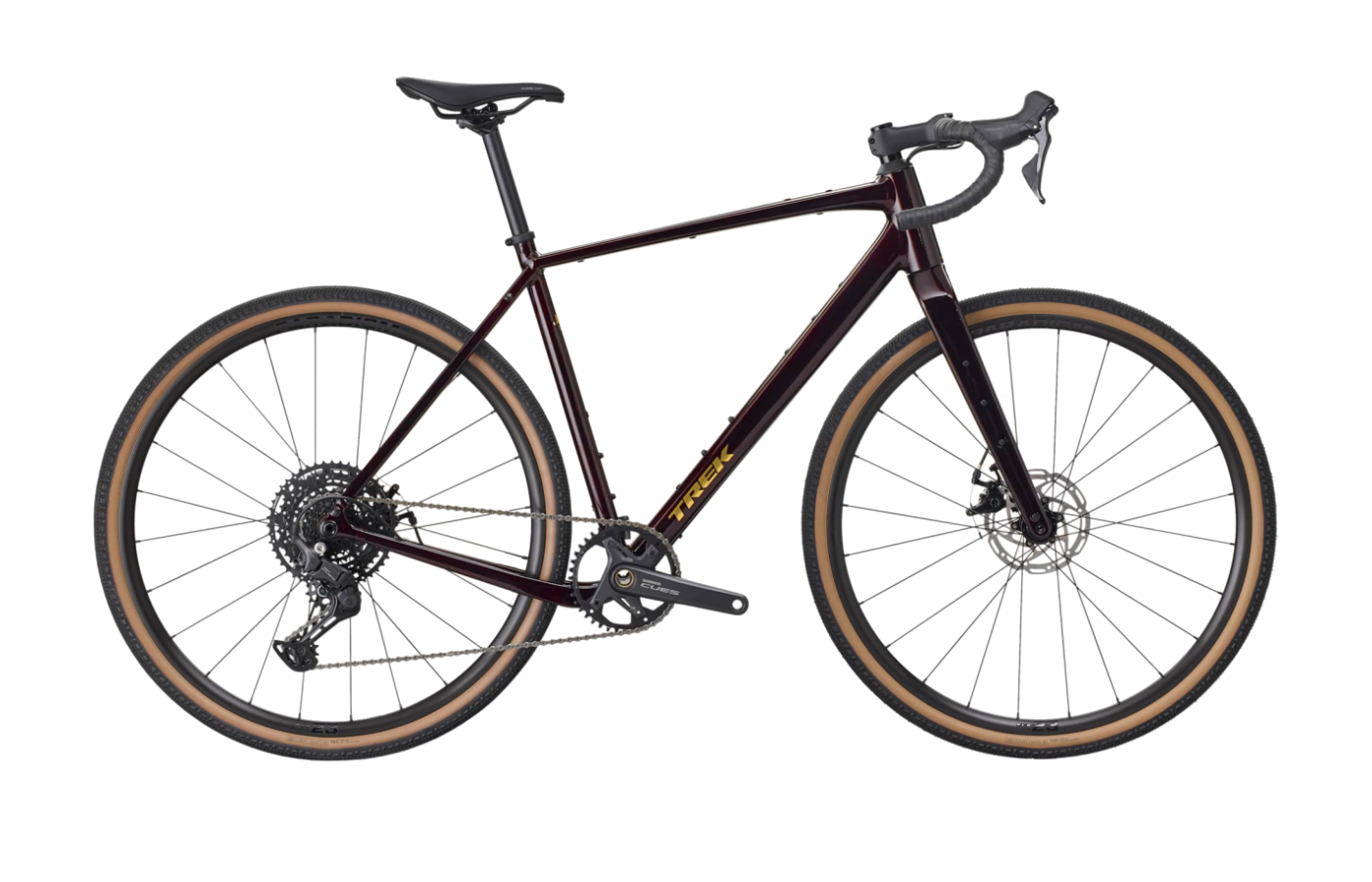
Checkpoint
Trek's all-carbon take on the same brief — race-capable but built around versatility and bikepacking mounts. Often $1,000–$1,500 less for an equivalent build than the Diverge.
Compare →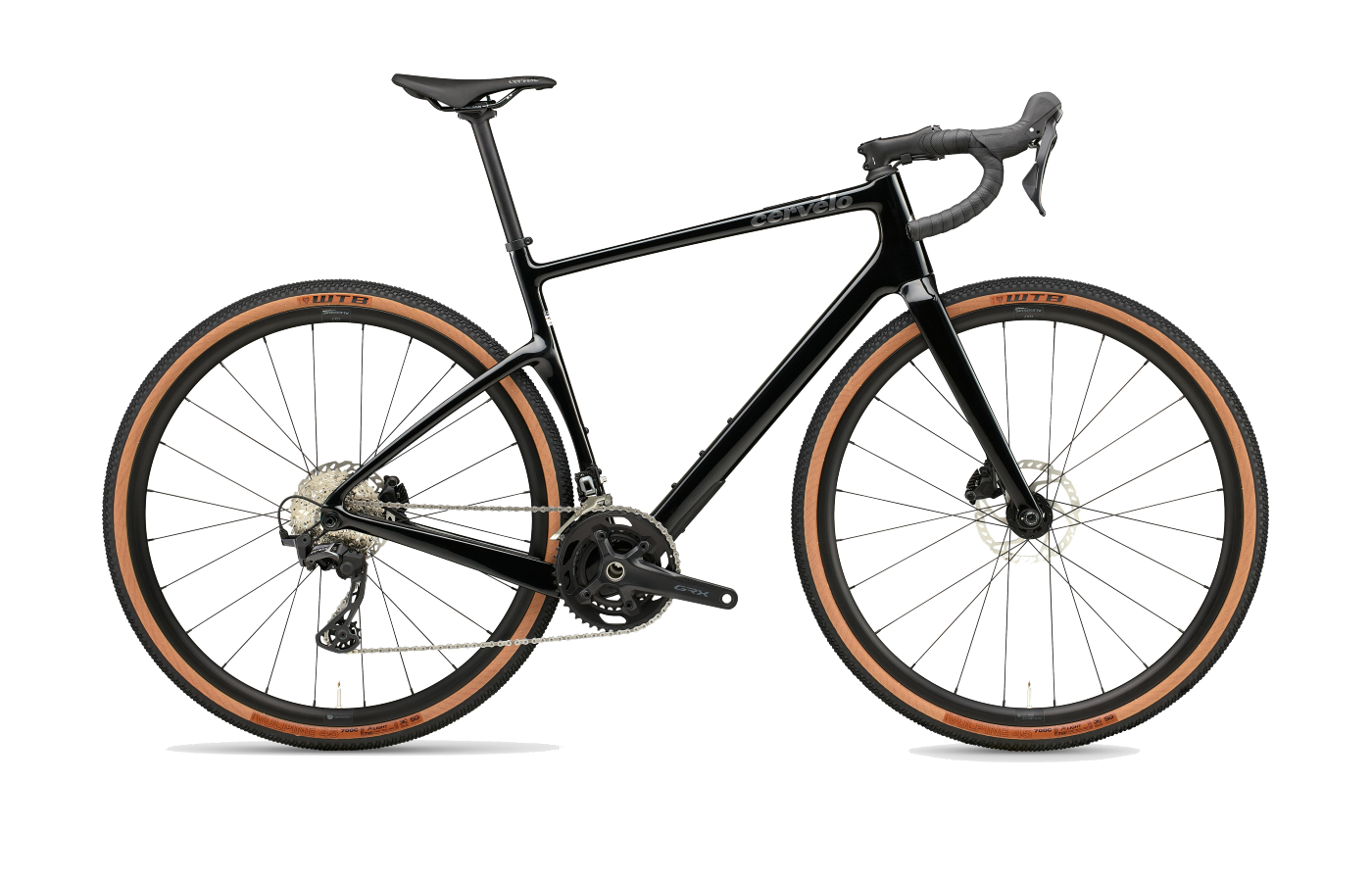
Aspero
Cervélo's pure gravel-race weapon — stiffer and more direct than either bike here, with no compliance gimmickry. The pick if you race gravel hard and don't want to negotiate with a shock.
Compare →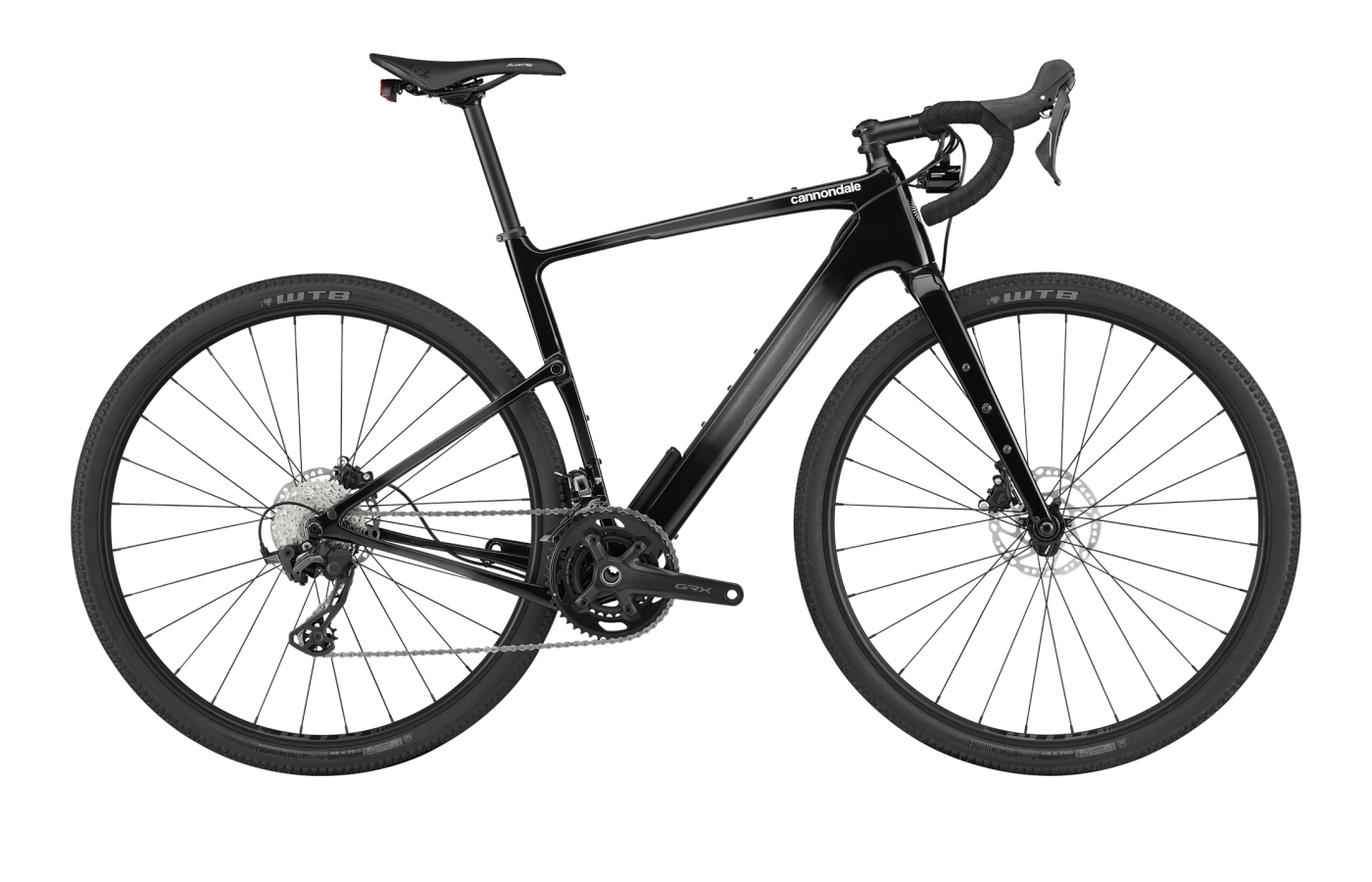
Topstone Carbon
Cannondale's answer to the Diverge's active suspension, but in the rear: a Kingpin-pivot seat tube that adds ~30 mm of vertical wheel travel without a real shock. Comfort-first, lighter-feeling than the Diverge.
Compare →